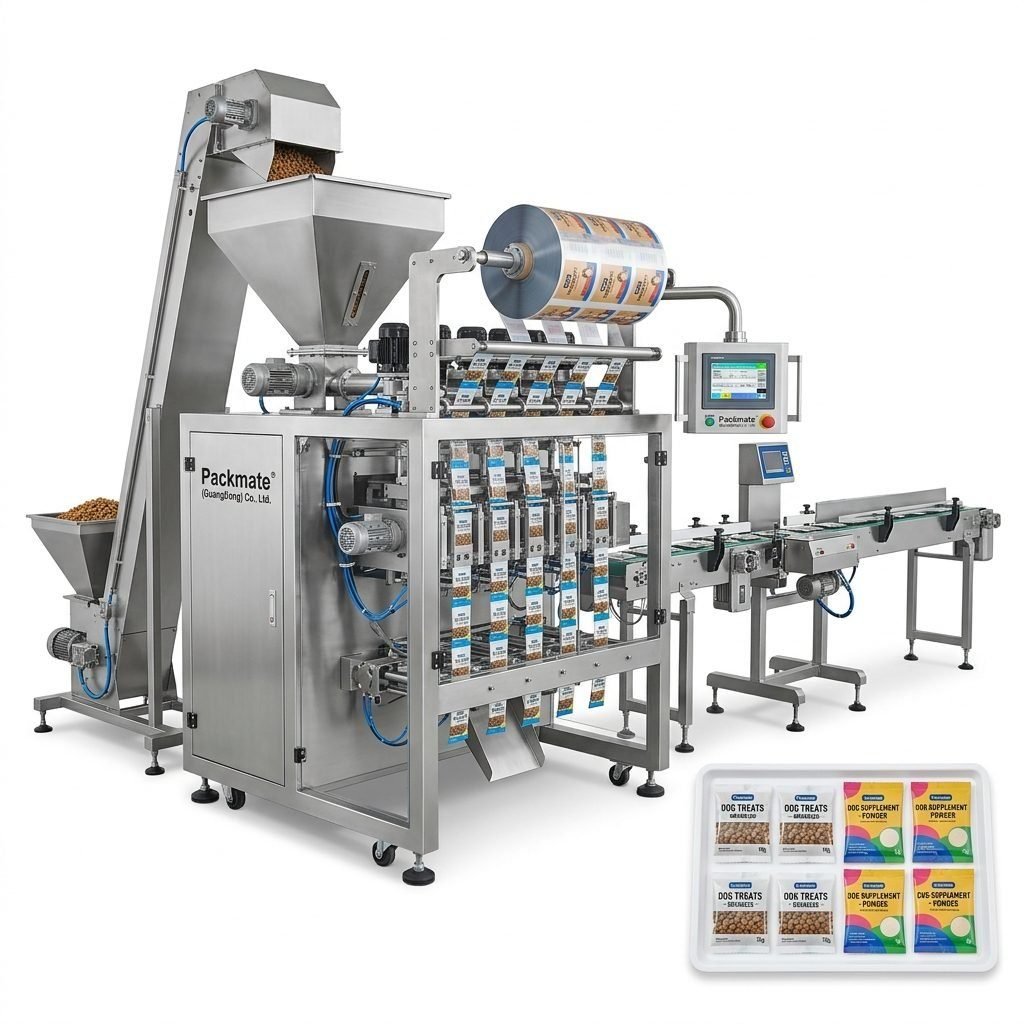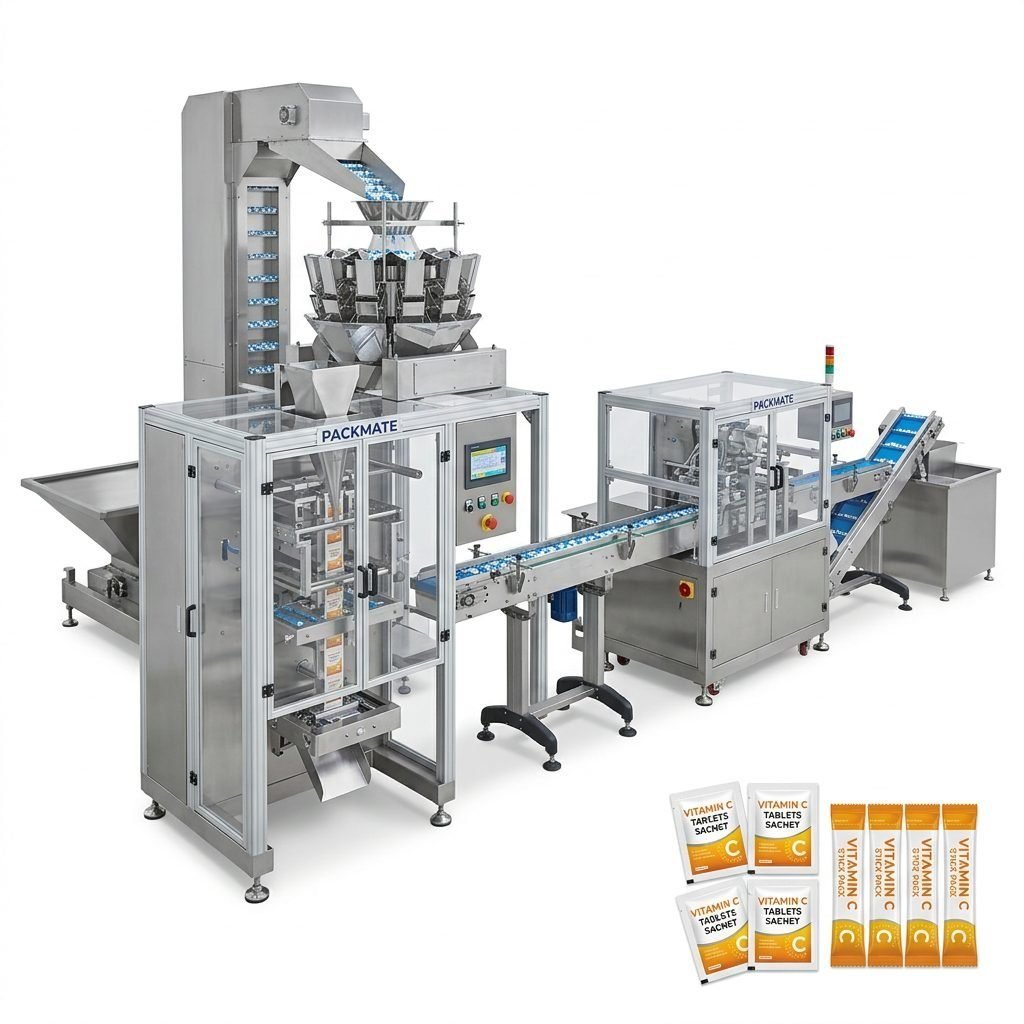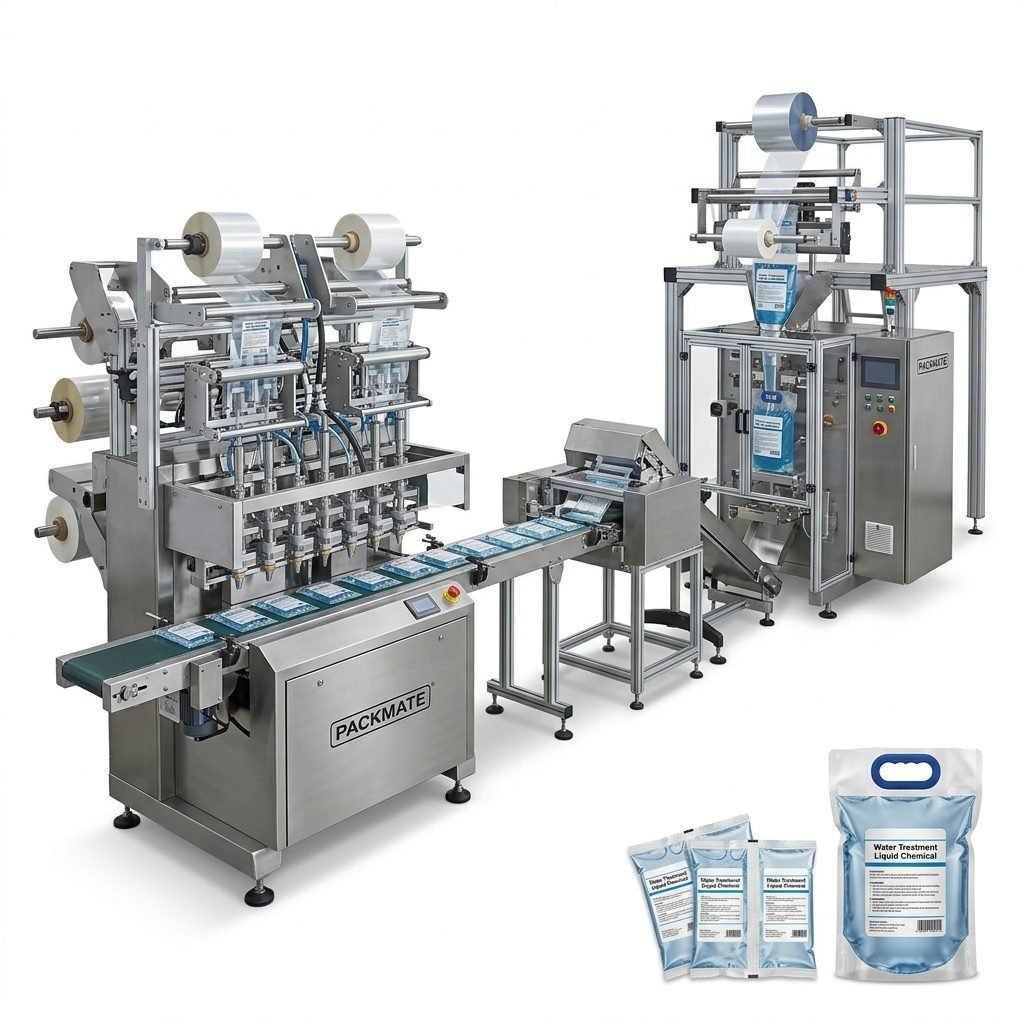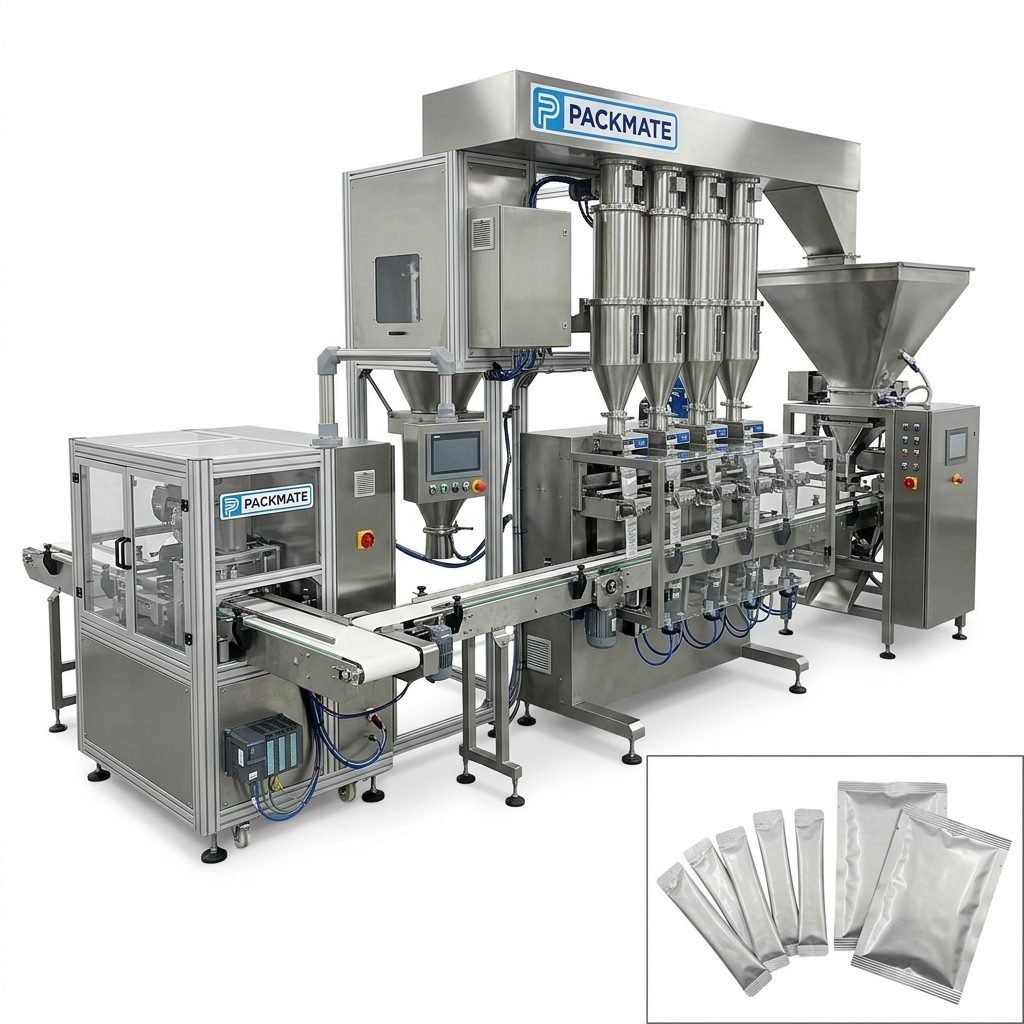
In today’s fast-paced global market, efficient product packaging is not just a final step in production; it’s a critical component of brand identity, product protection, and supply chain logistics. The right packaging equipment services provide the backbone for this essential process, transforming raw materials into market-ready goods with precision, speed, and reliability. For businesses in the food, pharmaceutical, and health industries, where consistency and hygiene are paramount, investing in advanced packaging solutions is a strategic imperative for growth and competitiveness.
The Core of Modern Packaging: Automation and Precision
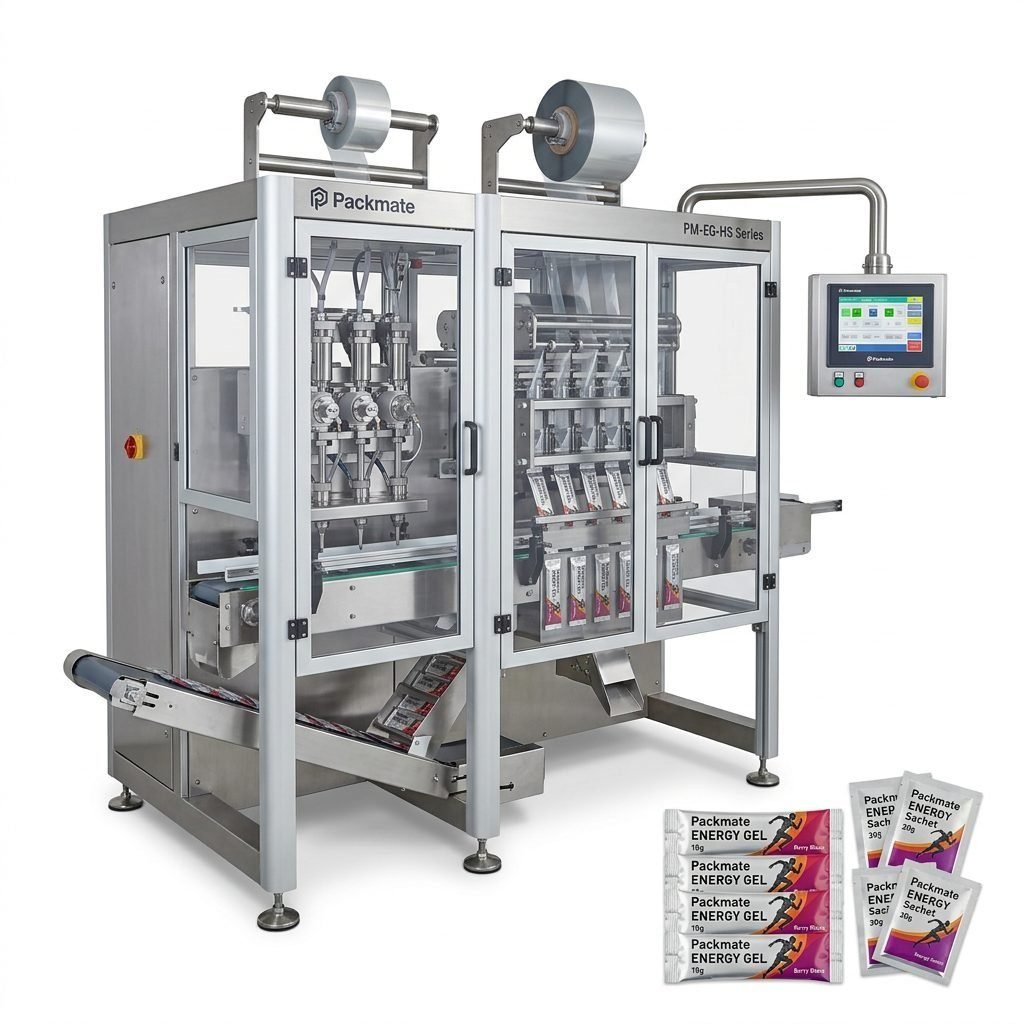
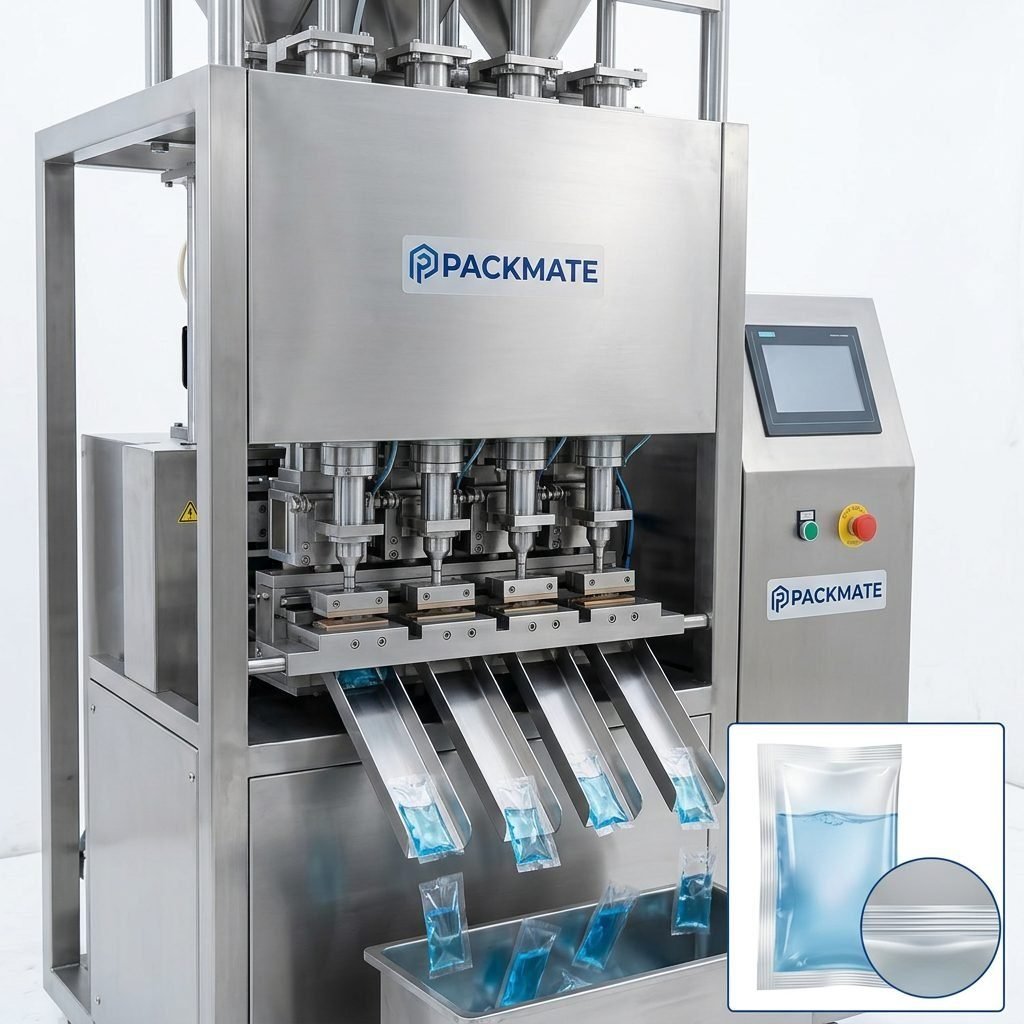
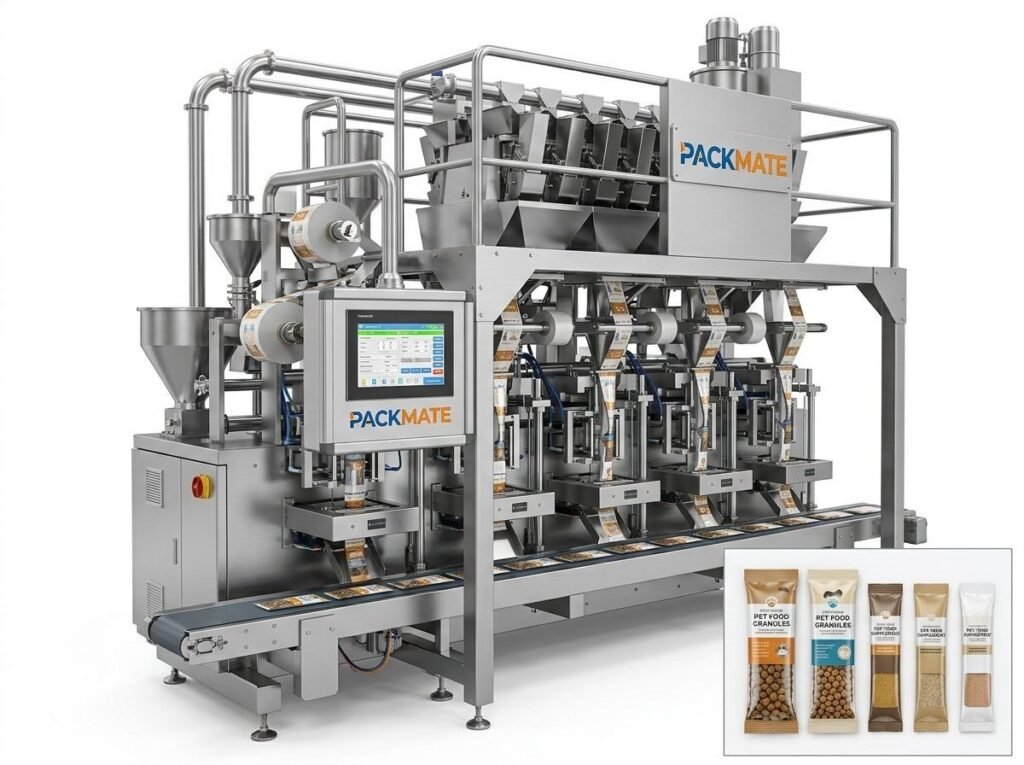
The evolution from manual packing to automated systems represents one of the most significant leaps in manufacturing efficiency. Modern packaging equipment integrates sophisticated technology to handle a vast array of products—from granules and powders to viscous liquids—with minimal human intervention. This automation ensures consistent portion control, reduces material waste, and dramatically increases output. For instance, multi-lane stick pack machines can produce thousands of perfectly sealed units per hour, a feat impossible to achieve manually. This precision is especially crucial in industries like pharmaceuticals, where dosage accuracy is non-negotiable, and in food, where portion consistency builds consumer trust.
Key Benefit: Automated packaging lines minimize human error, ensure product uniformity, and enhance overall production speed, leading to a stronger bottom line and scalable operations.
Tailored Solutions for Diverse Product Needs
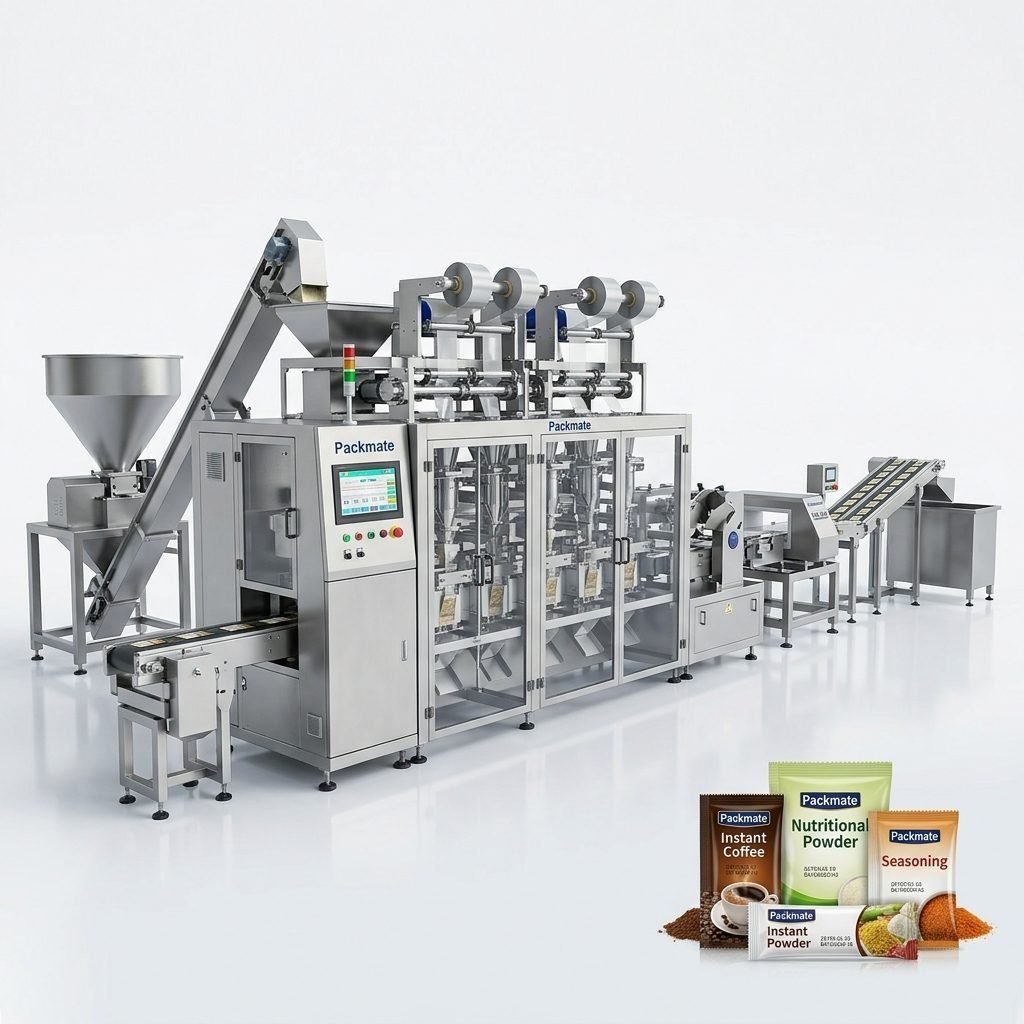
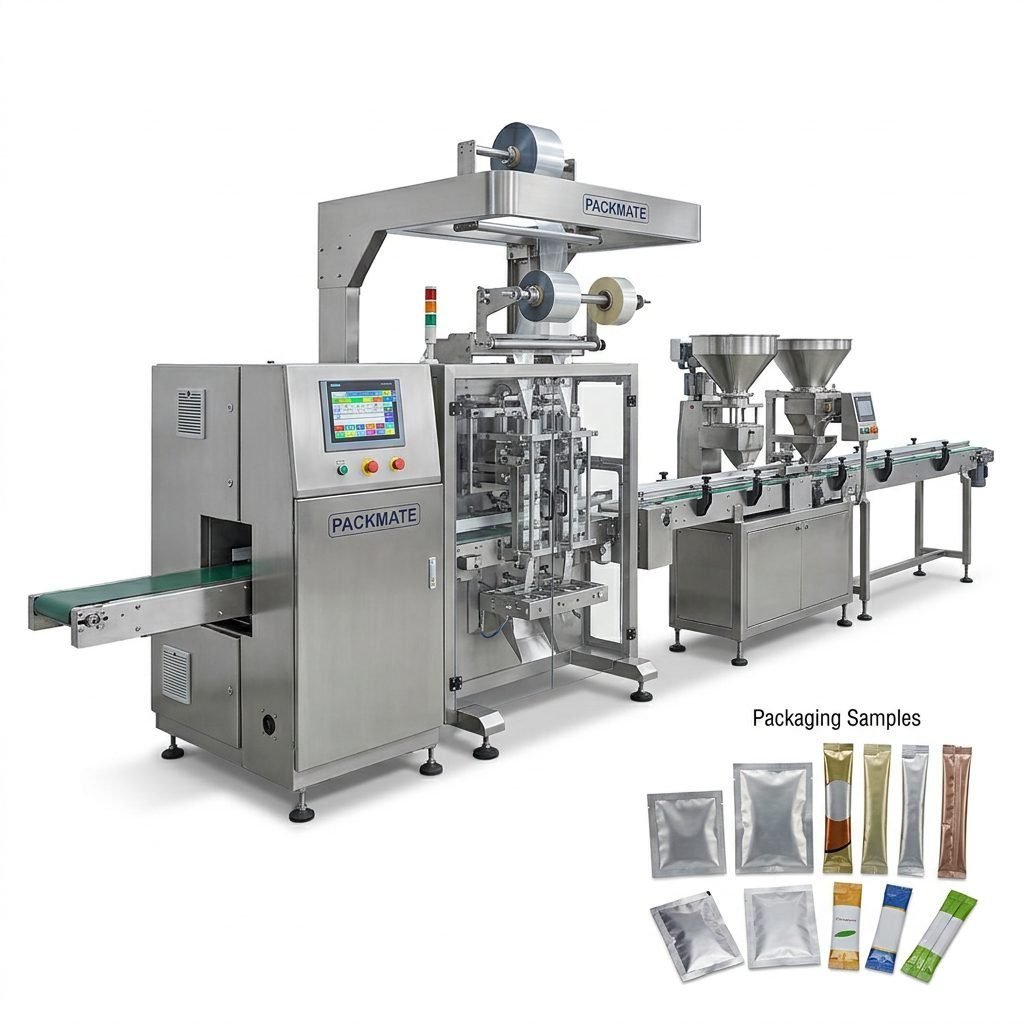
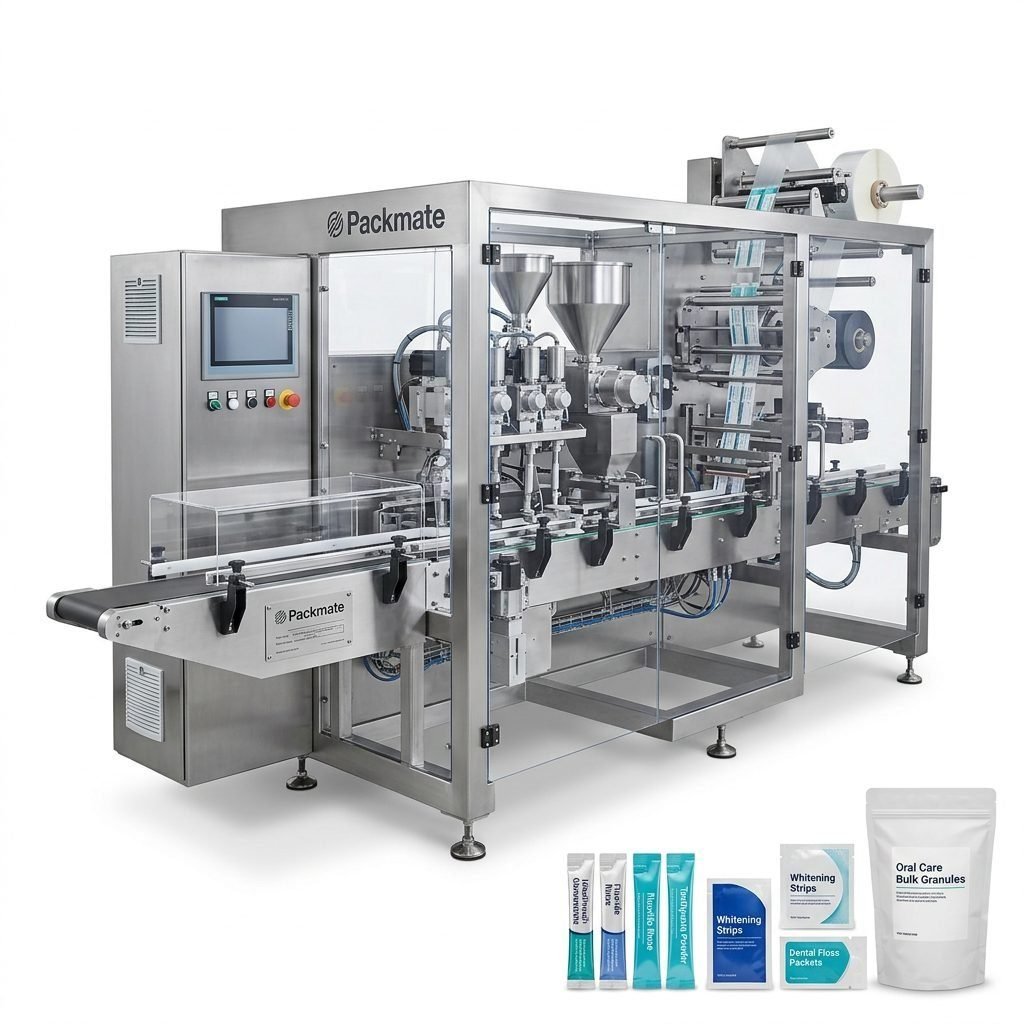
No single machine fits all packaging requirements. The true value of professional packaging equipment services lies in their ability to provide customized, turnkey solutions. A reputable provider like Packmate Machinery doesn’t just sell machines; they engineer complete systems. Whether a client needs a compact sachet line for single-serve condiments or a complex weighing and filling system for bulk nutritional powders, the solution is built from the ground up. This involves selecting the right components—from bag and pouch form-fill-seal machines to precision auger fillers and checkweighers—and integrating them into a seamless, synchronized production line.
Beyond the Machine: The Importance of Service and Support
Purchasing a high-end packaging machine is the beginning of the partnership, not the end. Comprehensive service is what separates basic equipment vendors from true solutions providers. This encompasses several critical areas:
- Installation & Commissioning: Expert technicians ensure the line is installed correctly and calibrated for optimal performance from day one.
- Operator Training: Thorough training empowers your staff to run the equipment efficiently and perform basic troubleshooting.
- Preventive Maintenance: Scheduled service visits help prevent unexpected downtime by identifying and resolving potential issues early.
- Technical Support & Spare Parts: Access to responsive support and genuine spare parts is vital for maintaining long-term operational continuity.
Driving Innovation with Experience
The journey of Packmate Machinery, from a small workshop in 1993 to a leading manufacturer with a 20,000㎡ facility, underscores the role of experience in innovation. With over 30 years of focused expertise, they have developed more than 50 machine models. This deep industry knowledge allows them to anticipate market trends, such as the rising demand for sustainable packaging formats or the need for high-speed sachet and stick pack machines for the booming health supplement sector. Their commitment to R&D ensures that their equipment incorporates the latest advancements in servo motor control, touch-screen HMIs, and data connectivity for Industry 4.0 readiness.
Ensuring Quality and Compliance
For manufacturers serving global markets, packaging must adhere to stringent international quality and safety standards. Professional packaging equipment services ensure machinery is built to comply with regulations such as GMP (Good Manufacturing Practice) for pharmaceuticals and food safety standards. Equipment constructed with food-grade stainless steel, designed for easy cleaning (CIP/SIP systems), and capable of producing hermetic seals is essential. This built-in compliance protects your product integrity, safeguards your brand reputation, and simplifies the audit process for entering new, regulated markets.
The Strategic Impact on Business Growth
Implementing efficient packaging equipment services is a strategic investment with a clear ROI. The benefits cascade throughout the organization:
- Cost Reduction: Higher speed and accuracy lower per-unit packaging costs. Reduced product giveaway and material waste directly improve profit margins.
- Enhanced Flexibility: Modern machines allow for quick changeovers between different product sizes or packaging materials, enabling manufacturers to respond swiftly to market demands.
- Improved Sustainability: Precision filling reduces product waste, and advanced machines can handle newer, thinner, or recyclable materials, supporting corporate sustainability goals.
- Brand Enhancement: Consistent, professional-looking packaging elevates brand perception on the shelf and reinforces quality in the consumer’s mind.
Ultimately, the goal is to create a packaging operation that is not just a cost center but a value-adding, competitive advantage. By partnering with an experienced provider that offers robust service and support, businesses can achieve this transformation, ensuring their packaging process is as dynamic and reliable as the products they create.
Frequently Asked Questions (FAQs)
1. What factors should I consider when choosing a packaging equipment supplier?
Look for a supplier with proven experience in your specific industry (e.g., food, pharma). Evaluate their range of machinery, ability to provide custom solutions, and the comprehensiveness of their after-sales service, training, and spare parts support. A strong track record and client testimonials are key indicators of reliability.
2. How can automated packaging improve my production line’s efficiency?
Automation increases output speed, ensures consistent and accurate filling, reduces labor costs and human error, and minimizes material waste. It also allows for continuous operation and integration with upstream and downstream processes, creating a seamless, high-throughput production flow.
3. What is a “turnkey” packaging solution?
A turnkey solution is a complete, ready-to-operate system provided by a single supplier. It includes the design, manufacturing, integration, installation, and commissioning of all necessary equipment—from the bag maker to the cartoner—ensuring all components work harmoniously. This approach saves time, reduces project management complexity, and guarantees system performance.
4. How important is after-sales service for packaging machinery?
Extremely important. Even the most robust machinery requires maintenance. Reliable after-sales service, including readily available technical support, preventive maintenance programs, and a supply of genuine spare parts, is critical for minimizing downtime, extending equipment life, and protecting your production investment.
5. Can packaging equipment handle different types of materials and product formats?
Yes, modern equipment is highly versatile. Many machines can be configured or have quick-change parts to handle various packaging materials (like laminates, films, or recyclable paper) and different formats (such as sachets, stick packs, stand-up pouches, or large bags). Discuss your specific needs with the supplier to ensure the machine is suitably adaptable.