In the fast-paced world of manufacturing, efficiency and precision in the final stages of production are not just advantages—they are necessities. Filling and packaging equipment solutions form the critical bridge between product creation and market delivery. This ultimate guide delves into the core aspects of these systems, exploring the technologies, considerations, and innovations that define modern packaging lines. Whether you are in the food, pharmaceutical, or health industry, understanding these solutions is key to optimizing your operations, reducing waste, and ensuring product integrity from your facility to the end consumer.
Understanding the Core Components of a Packaging Line
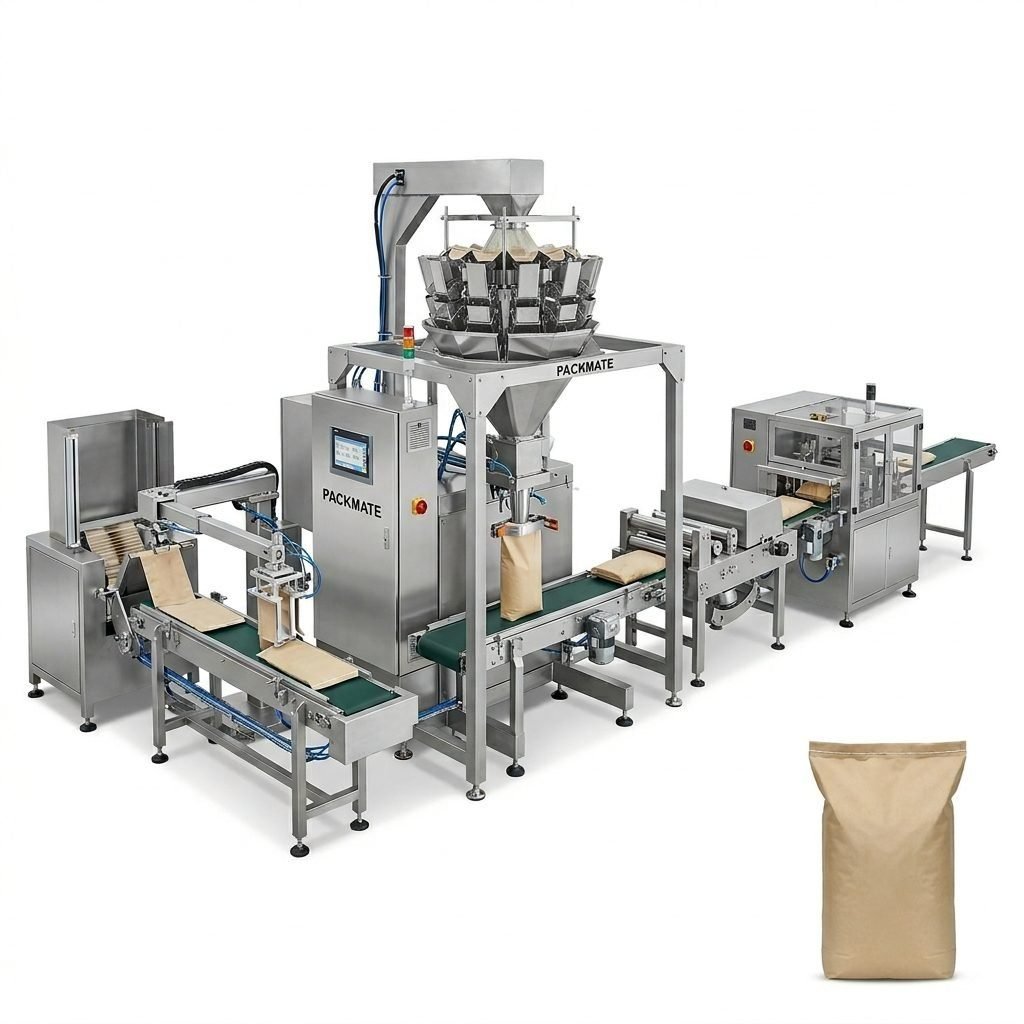
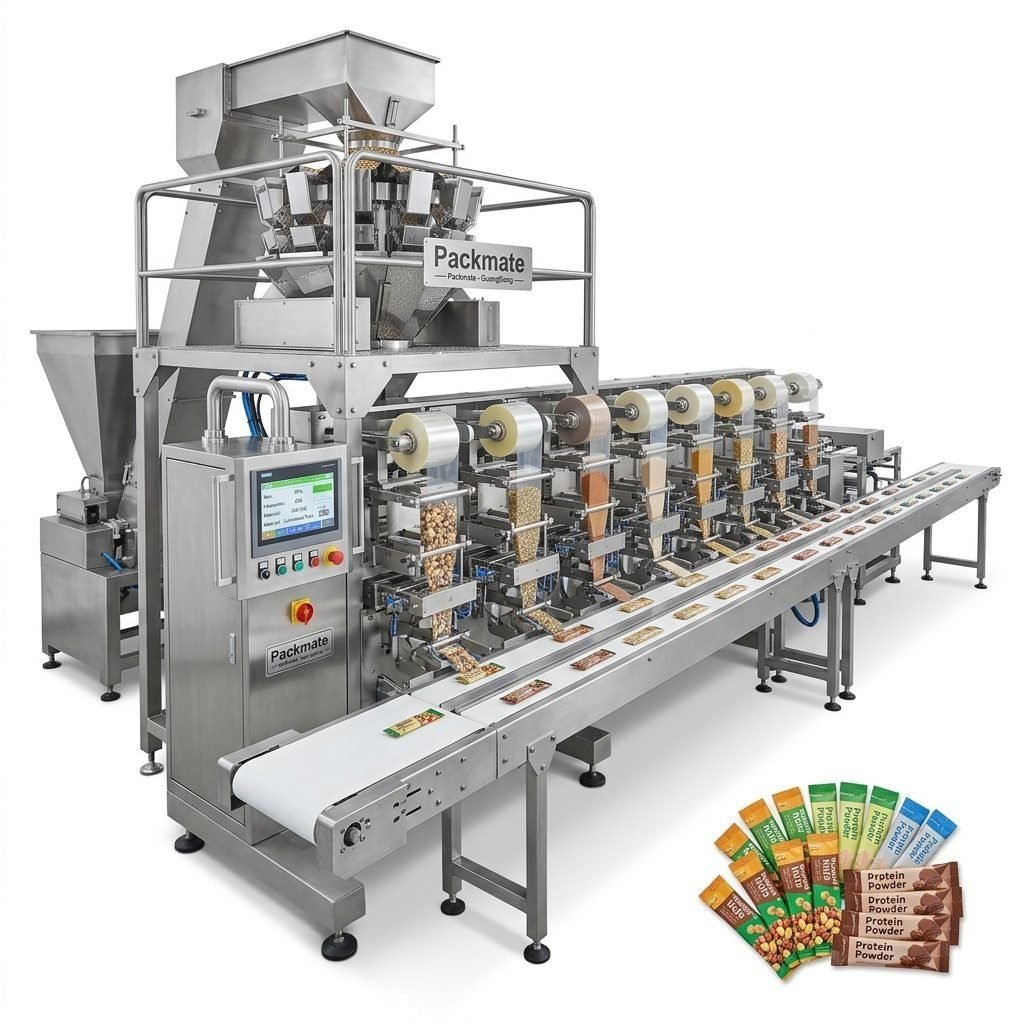
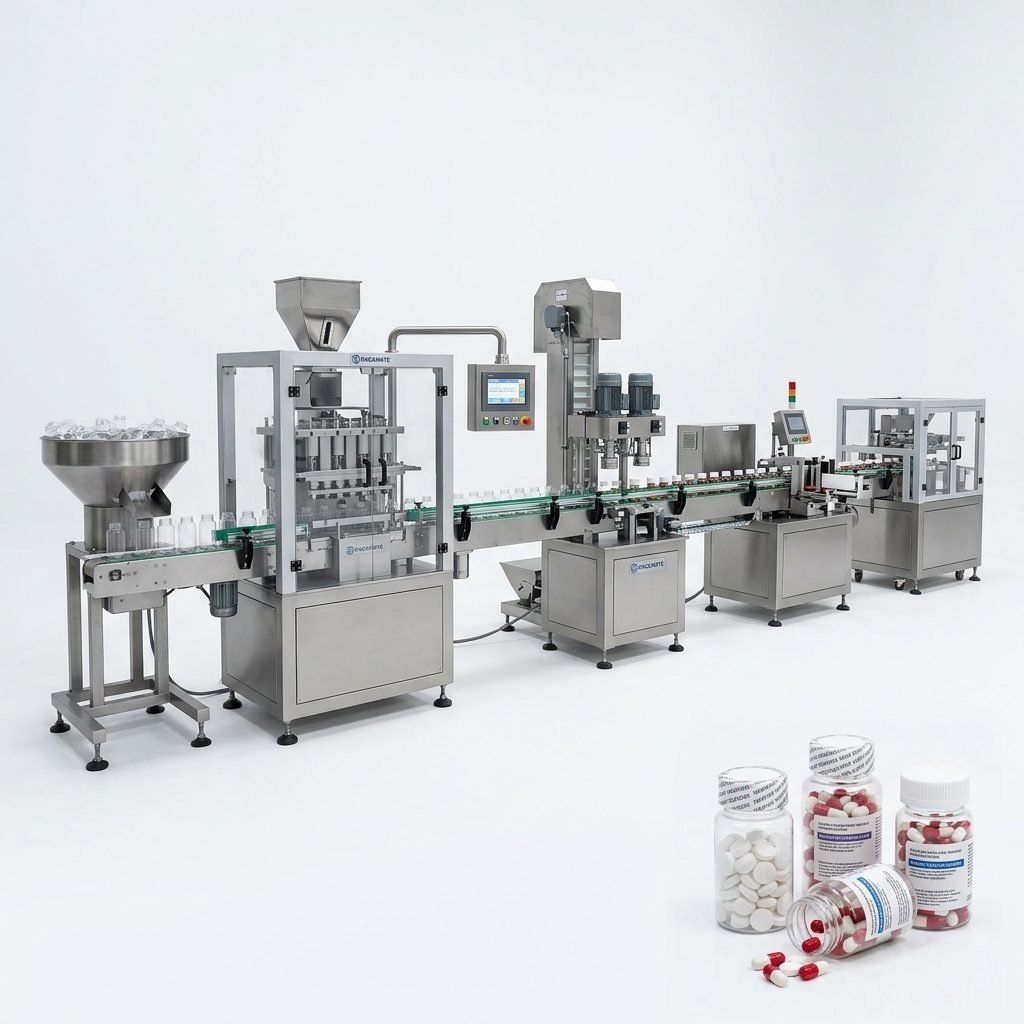
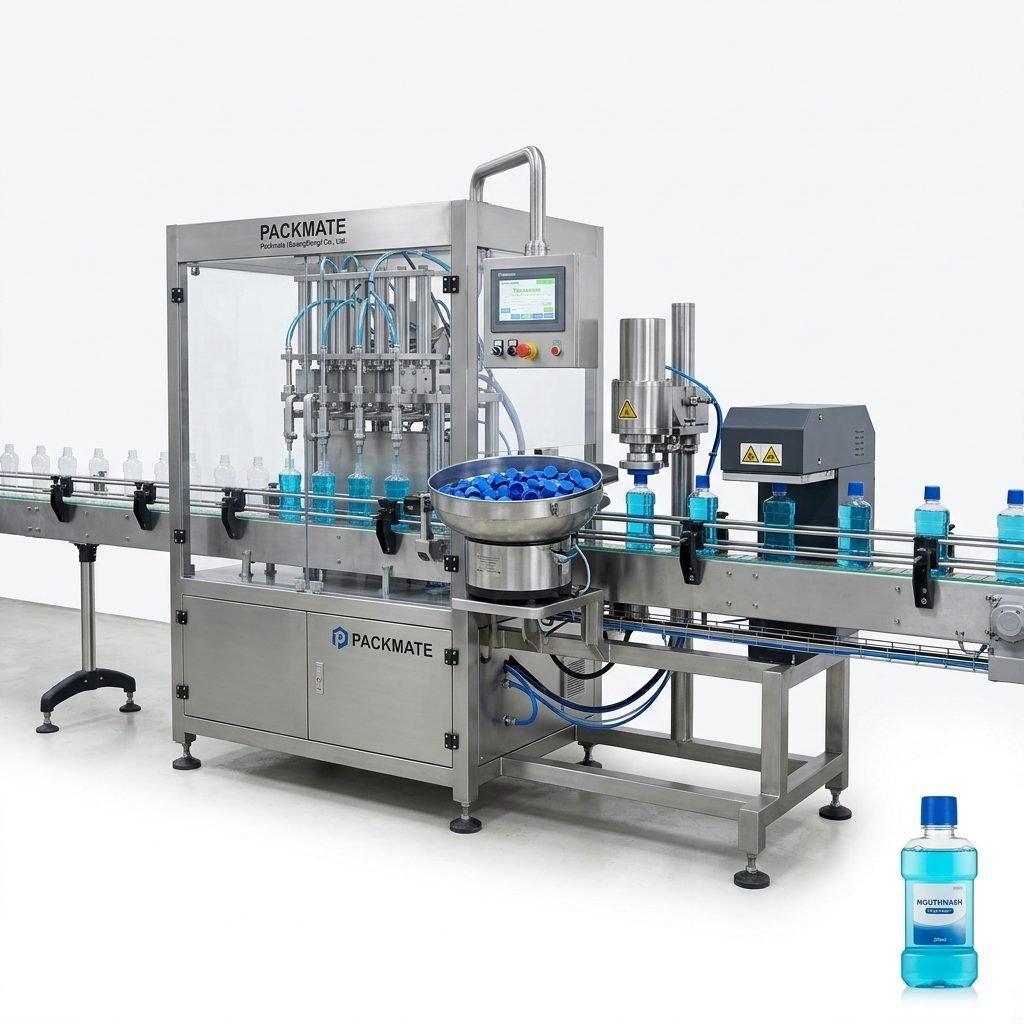
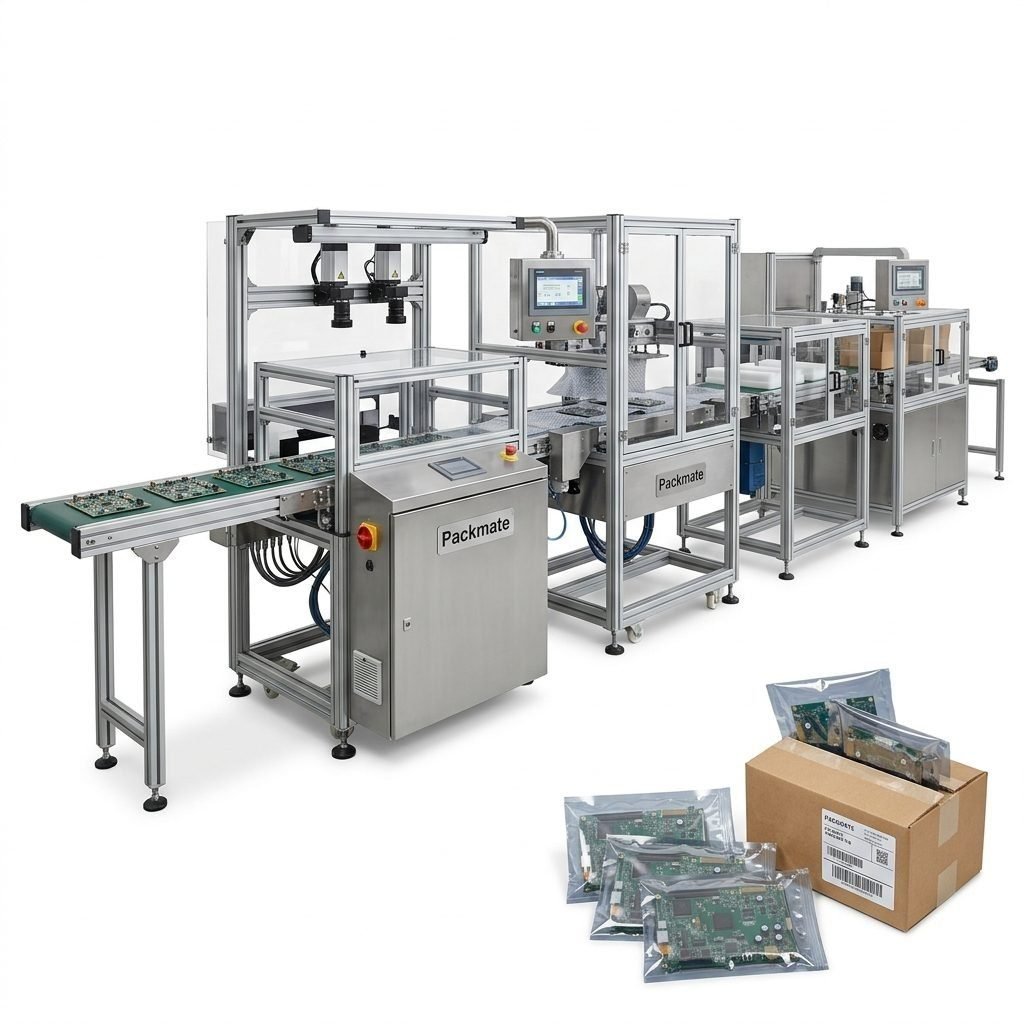
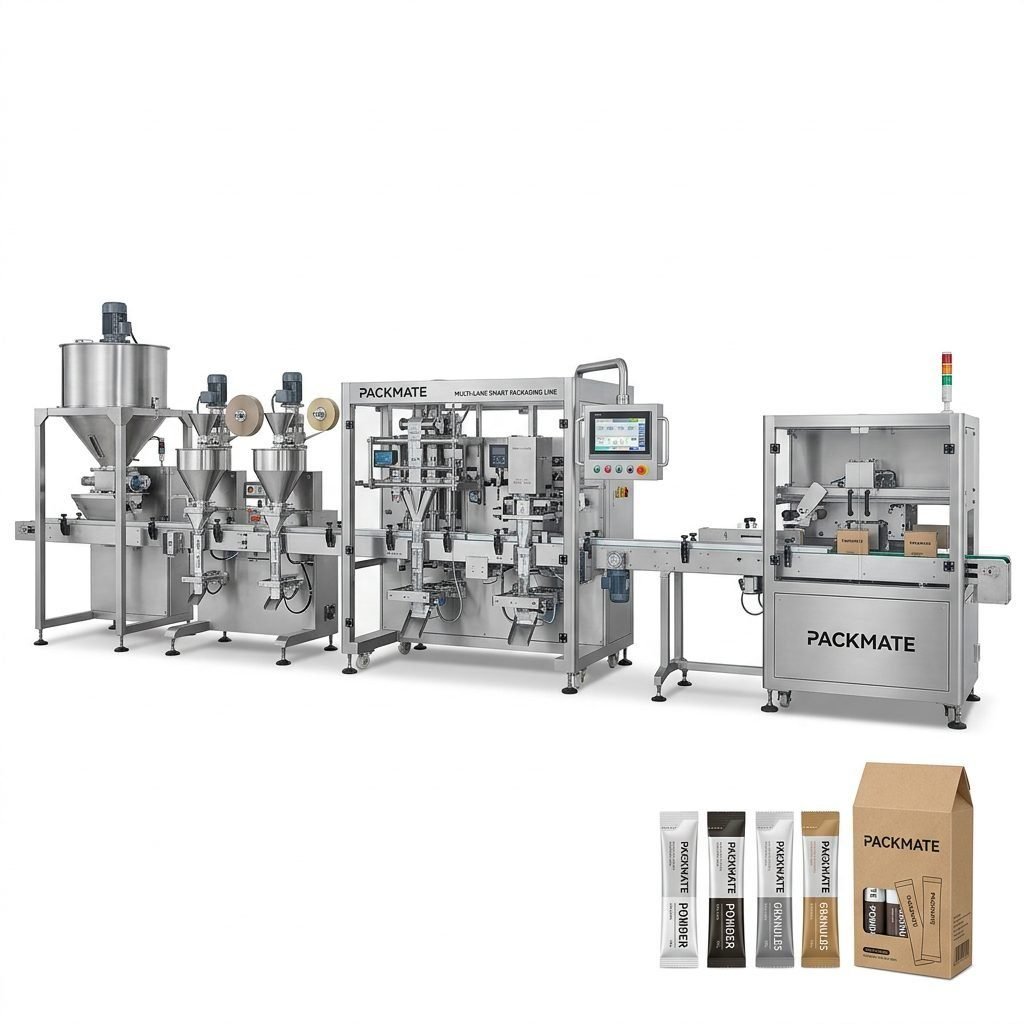
A complete filling and packaging line is a symphony of integrated machinery, each component performing a specific, vital function. The process typically begins with product handling and feeding, moves through precise filling or weighing, and concludes with sealing, labeling, and cartoning. The choice of equipment depends heavily on the product’s form—whether it’s granules, powders, liquids, or solids. For granular products, multi-head weighers or volumetric fillers offer high-speed accuracy. For powders, auger fillers prevent dust and ensure consistent dosage. Liquid products demand pumps and nozzle systems designed to handle viscosity and prevent dripping. The seamless integration of these components into a single, automated line is what transforms individual machines into a powerful turnkey solution.
Key Takeaway: No single machine fits all. The most effective packaging line is a custom-configured system built around the specific physical characteristics and throughput requirements of your product.
The Critical Role of Filling Technology
At the heart of any packaging operation lies the filling technology. Accuracy here is non-negotiable, as it directly impacts product quality, regulatory compliance, and profitability. Volumetric filling is ideal for uniform products, while gravimetric (weight-based) filling is superior for products where density may vary. Advanced systems now incorporate real-time feedback loops and checkweighers to immediately correct any deviation from the target fill weight, ensuring every single package meets specification. This level of control is especially crucial in industries like pharmaceuticals, where dosage precision is paramount, and in food, where weight directly correlates with cost and consumer trust.
Choosing the Right Packaging Format: Sachets, Stick Packs, and Bags
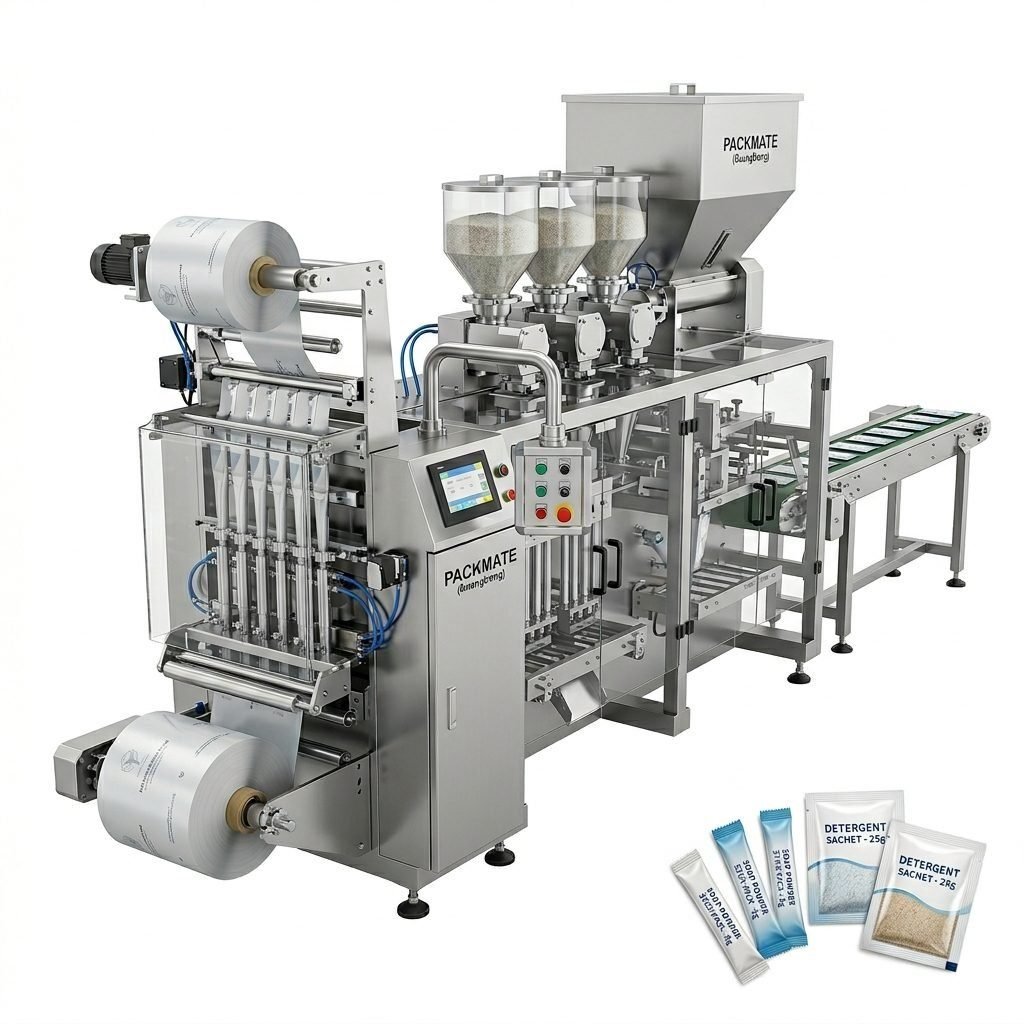
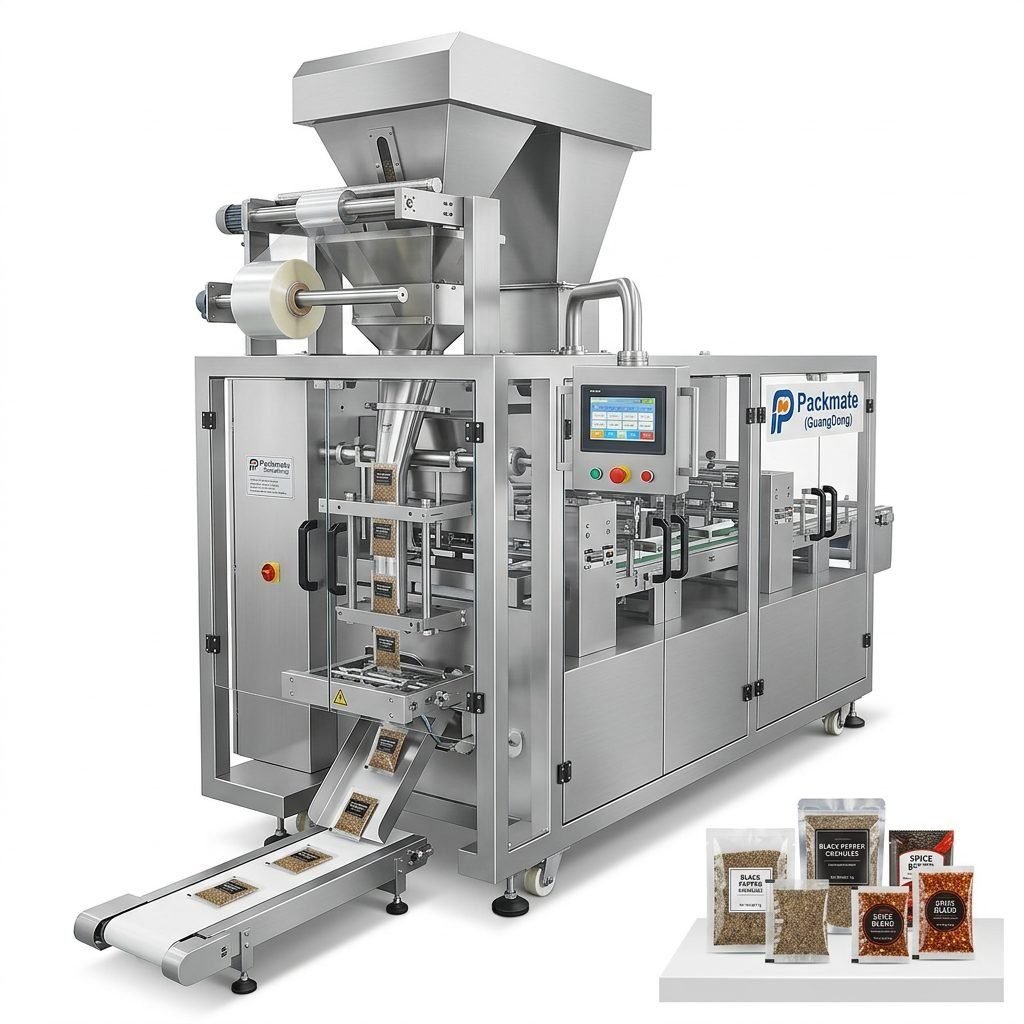
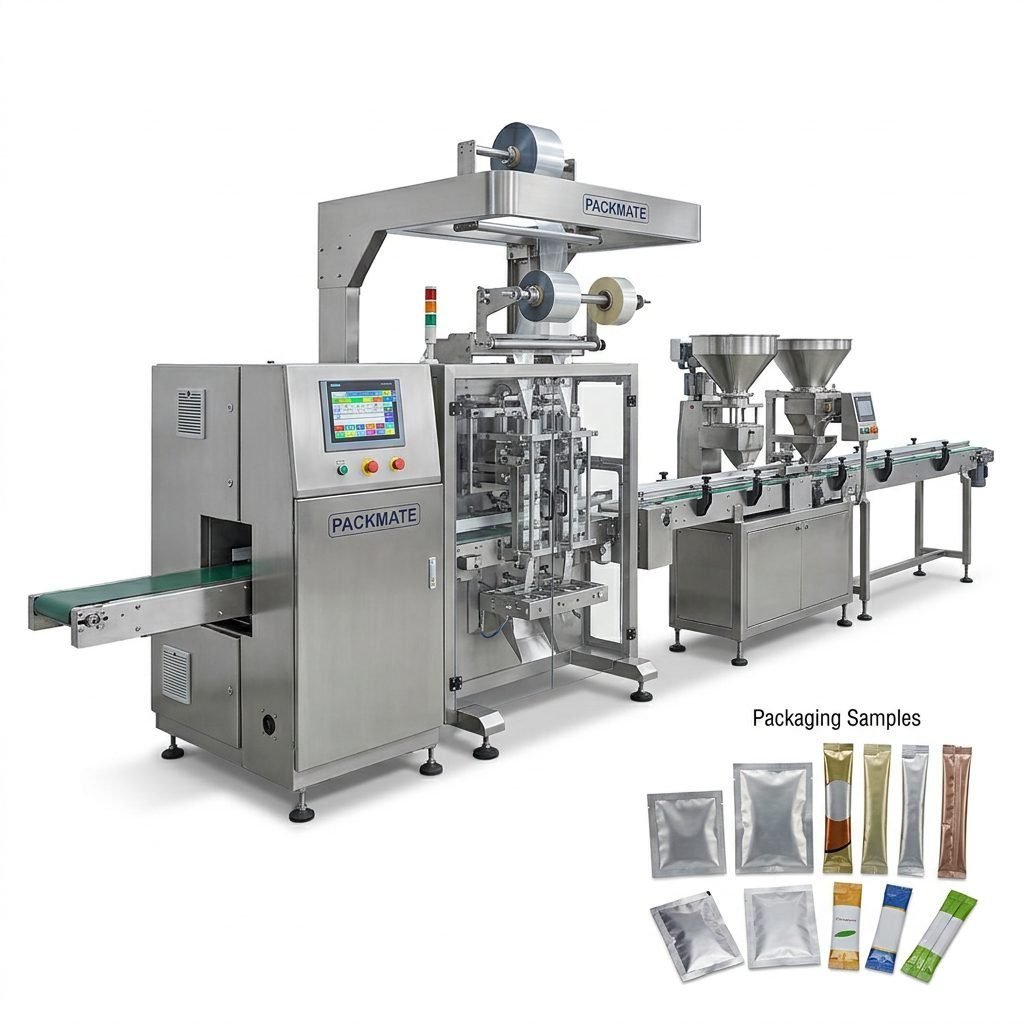
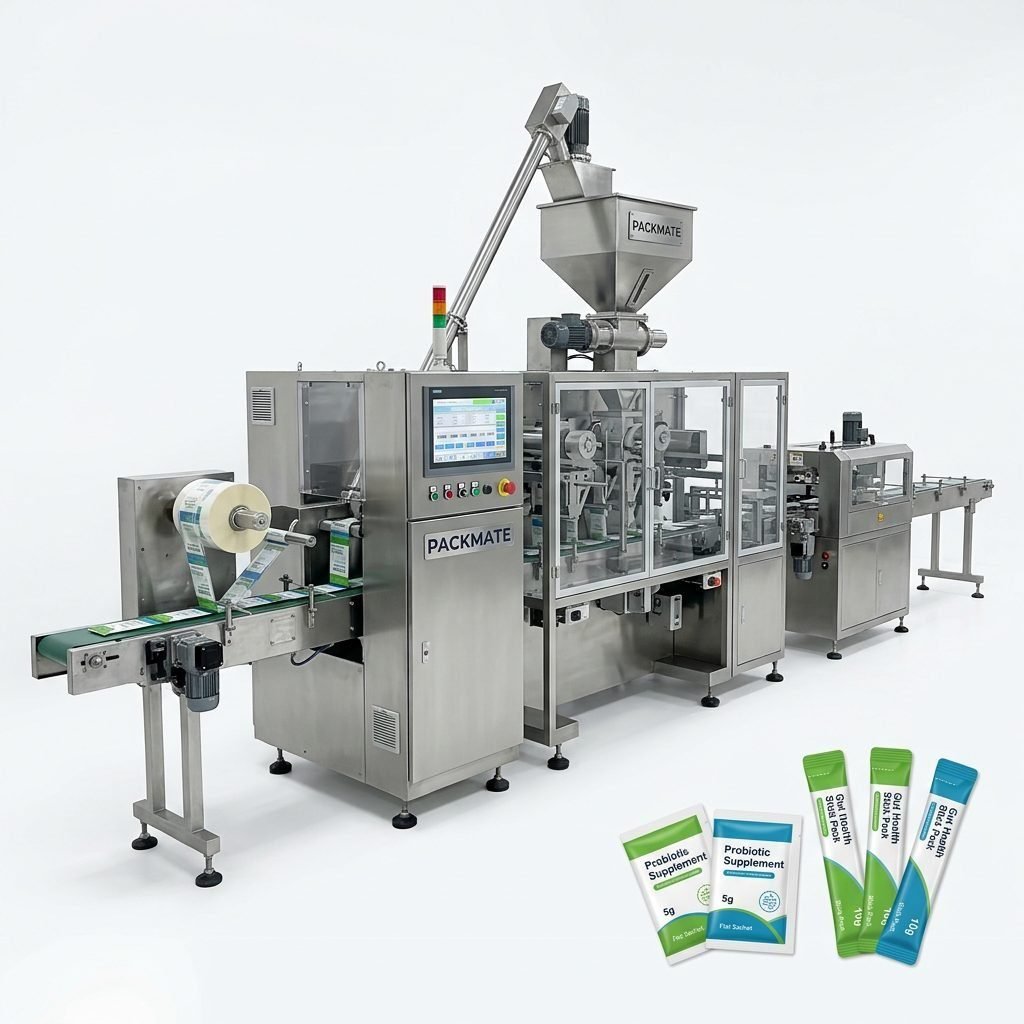
The packaging format is your product’s first physical interaction with the customer. It must be functional, protective, and aligned with brand identity. Sachet and stick pack machines are perfect for single-serve portions, samples, or products requiring high barrier properties against moisture and oxygen. They are incredibly popular in the food, dairy, and pharmaceutical supplement industries. For larger quantities, bag and pouch packaging machines offer versatility, ranging from simple three-side seal bags to sophisticated stand-up pouches with zippers and spouts. The choice of format will dictate the type of forming, filling, and sealing machinery required, influencing the entire line’s layout and complexity.
Exploring the range of available sachet and stick pack machines or robust bag and pouch packaging solutions is a essential step in the planning process.
Automation and Integration: The Path to Higher Productivity
The trend in modern packaging is unequivocally toward greater automation. A fully integrated filling and packaging line minimizes human intervention, which reduces labor costs, enhances hygiene (a critical factor in food and pharma), and dramatically increases output speed and consistency. Integration involves linking the filler with upstream equipment like bulk supply systems and downstream equipment like cartoners or case packers. Modern programmable logic controllers (PLCs) and human-machine interfaces (HMIs) allow for centralized control, easy recipe changeovers, and comprehensive data collection for analysis and traceability. Investing in automation is an investment in scalability and long-term operational resilience.
Why Partner with an Experienced Manufacturer?
Selecting equipment is only half the battle. Partnering with a manufacturer that offers end-to-end support is crucial. Look for a partner with a proven track record, like Packmate Machinery, which brings over 30 years of expertise to the table. A true partner provides more than just machines; they provide a complete solution. This includes in-depth consultation to understand your needs, custom engineering to adapt equipment to your specific product, comprehensive installation and training, and reliable after-sales service. They act as an extension of your team, ensuring your packaging line delivers on its promise from day one and continues to perform for years to come. Learn more about their approach on their homepage.
Future-Proofing Your Packaging Operations
The landscape of packaging is constantly evolving, driven by consumer demand for sustainability, convenience, and digital engagement. Future-proof equipment should have the flexibility to handle new, recyclable, or compostable film materials. It should also be designed with connectivity in mind, ready to feed data into Industry 4.0 frameworks for predictive maintenance and supply chain optimization. Furthermore, equipment that allows for quick changeovers enables manufacturers to respond agilely to market trends, offering limited editions or varying package sizes without significant downtime. Choosing modular equipment from an innovative provider ensures your investment remains valuable as technologies and market demands shift.
For complex projects requiring synchronized machinery, investigating integrated filling and packaging lines is highly recommended.
Conclusion: Building Your Optimal Solution
Navigating the world of filling and packaging equipment requires a clear understanding of your product, output goals, and growth plans. From the precision of the filling technology to the appeal of the final package format, each decision interlinks to define your operational efficiency and market success. By prioritizing accuracy, automation, and a strategic partnership with a knowledgeable equipment provider, you can build a packaging line that is not just a cost center, but a competitive asset—reliable, efficient, and ready to adapt to the future.
Frequently Asked Questions (FAQs)
1. What are the main factors to consider when choosing filling equipment?
The primary factors are the product’s physical form (liquid, powder, granule), required accuracy (± tolerance), desired speed (packages per minute), and the compatibility with your packaging material. The hygiene requirements of your industry (e.g., food-grade vs. pharmaceutical-grade standards) are also critical.
2. How can I reduce material waste in my packaging process?
Implementing highly accurate filling systems with checkweighers minimizes overfilling. Using servo-driven technology for film feeding and sealing can optimize material usage by reducing trim waste. Regular maintenance and calibration of equipment also ensure consistent performance and prevent waste due to machine error.
3. What is the benefit of a turnkey packaging solution versus buying individual machines?
A turnkey solution provides a single point of responsibility. The supplier designs, integrates, installs, and commissions the entire line to work harmoniously. This reduces project complexity, ensures compatibility between machines, minimizes startup delays, and typically comes with unified training and service support, leading to a faster return on investment.
4. How important is after-sales service and technical support?
Extremely important. Packaging equipment is a long-term investment. Reliable access to spare parts, remote troubleshooting, and on-site technician support is essential for minimizing downtime. A strong service agreement ensures your production line maintains its efficiency and longevity, protecting your operational continuity.
5. Can existing packaging lines be upgraded or automated further?
Yes, in most cases. Experienced manufacturers can retrofit older lines with new controls, add robotic arms for loading or palletizing, integrate vision inspection systems, or connect the line to a plant-wide monitoring network. An audit of your current line can identify key upgrade opportunities to boost speed, accuracy, or functionality.