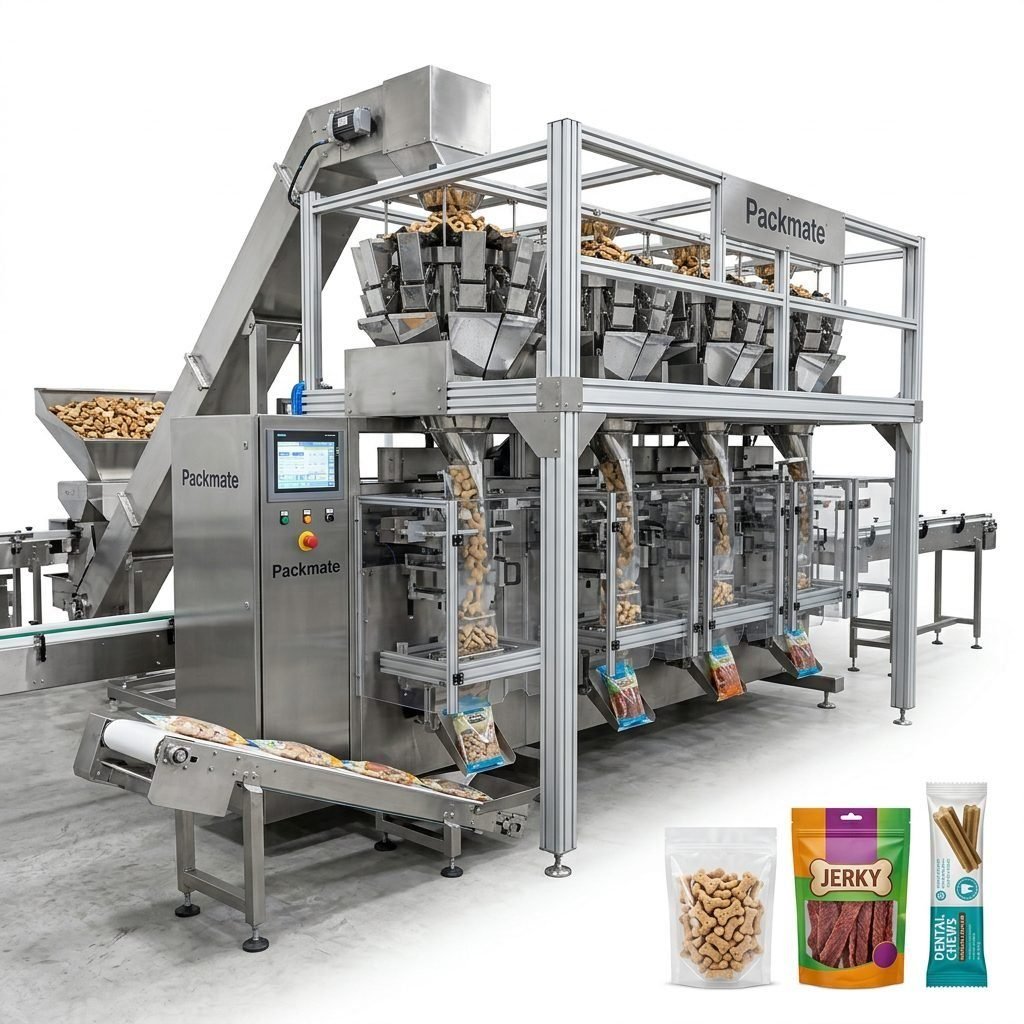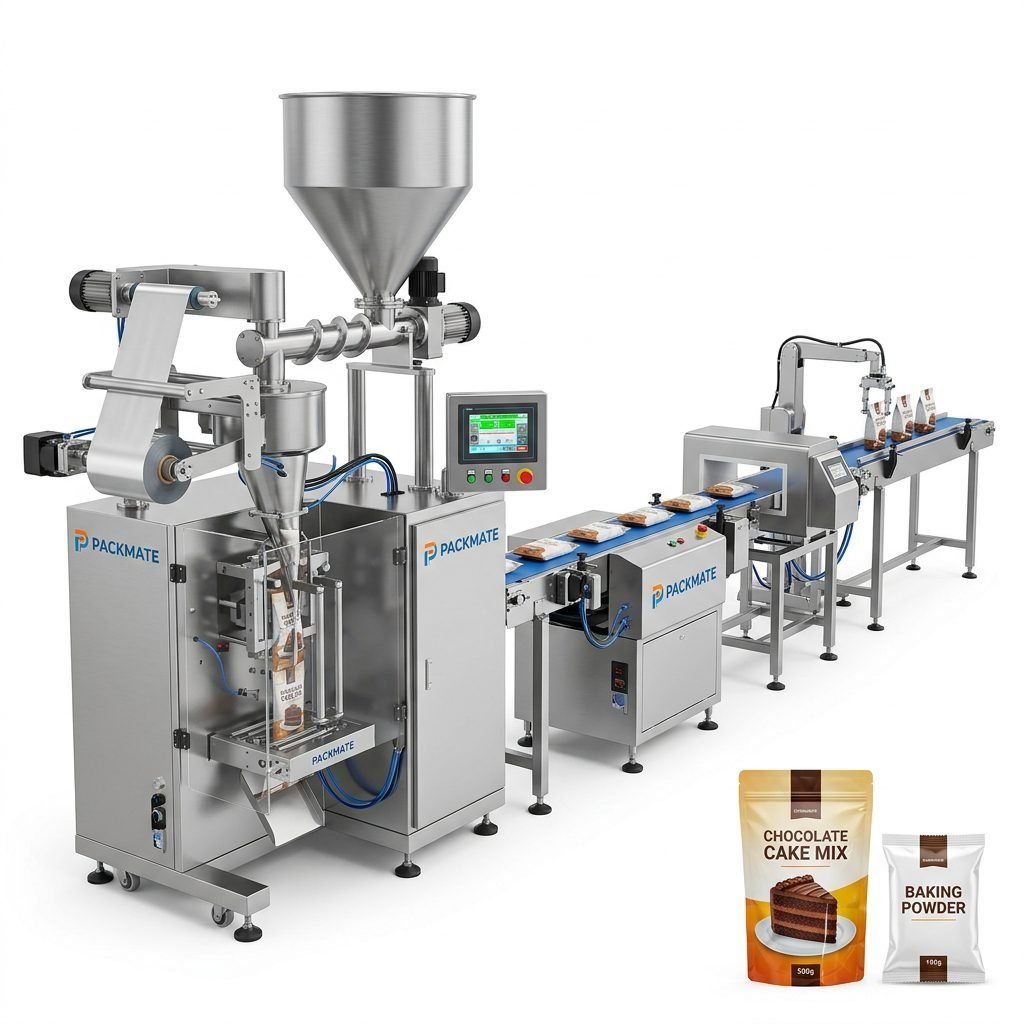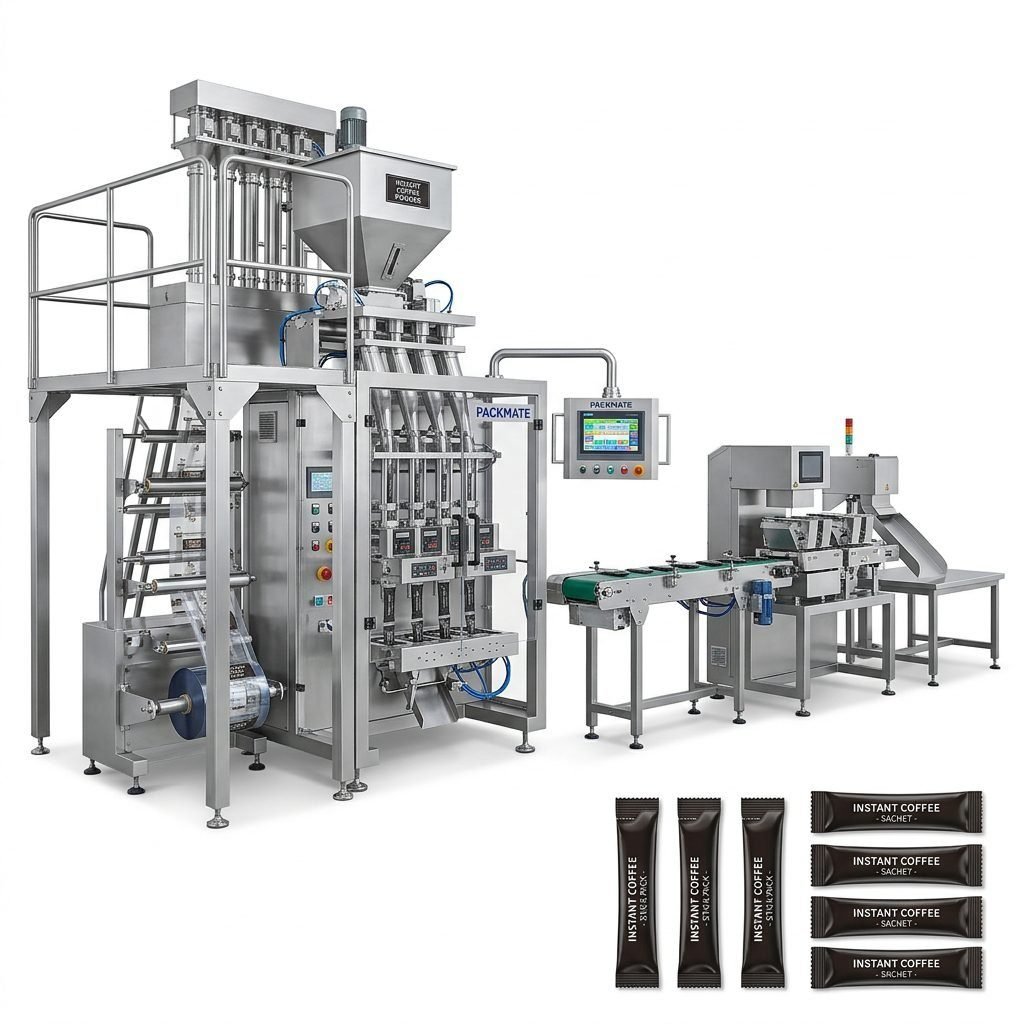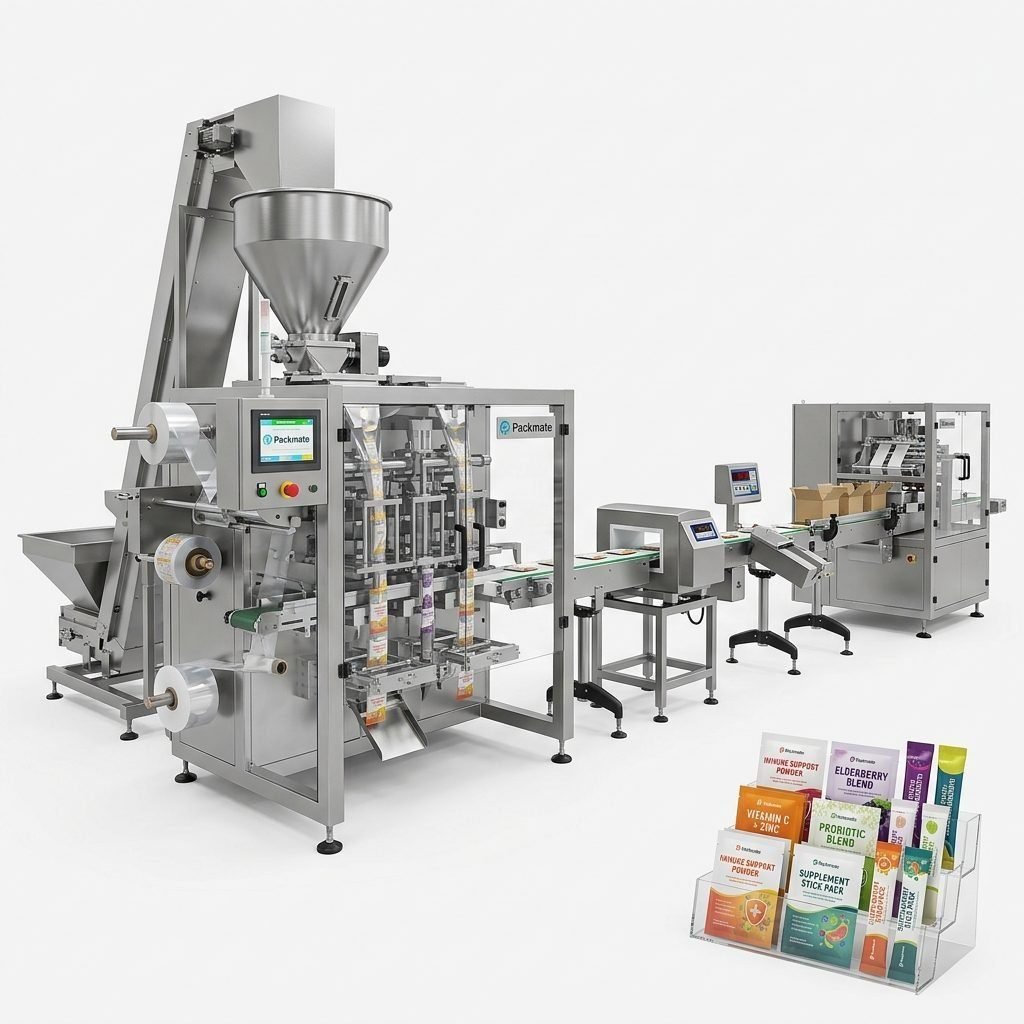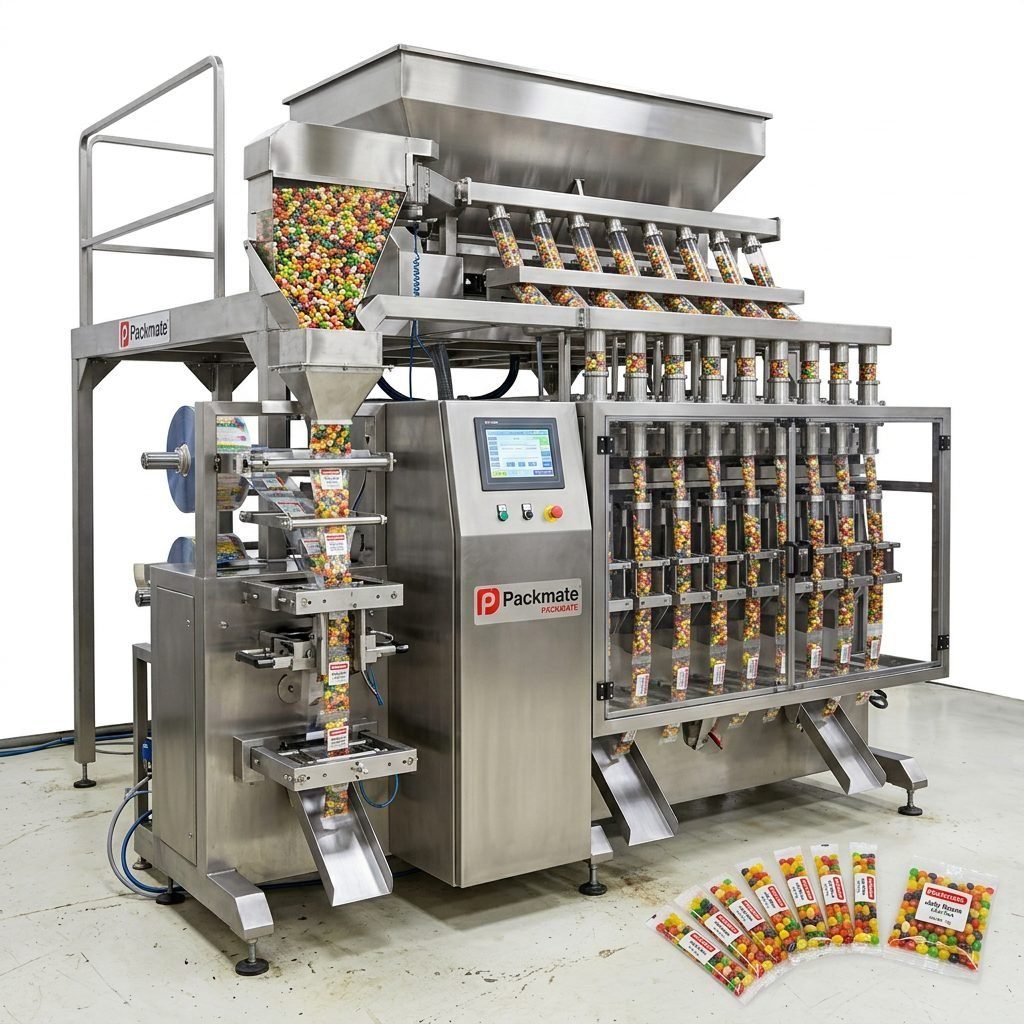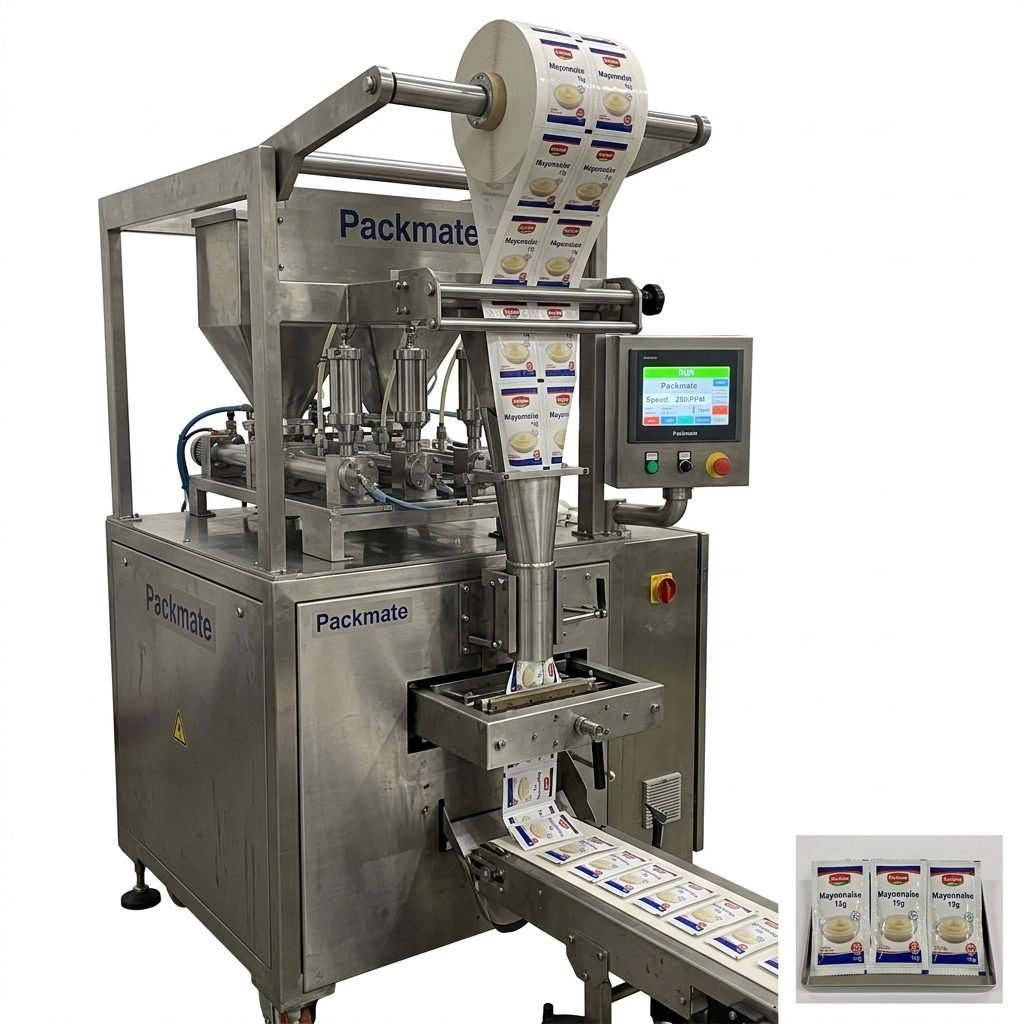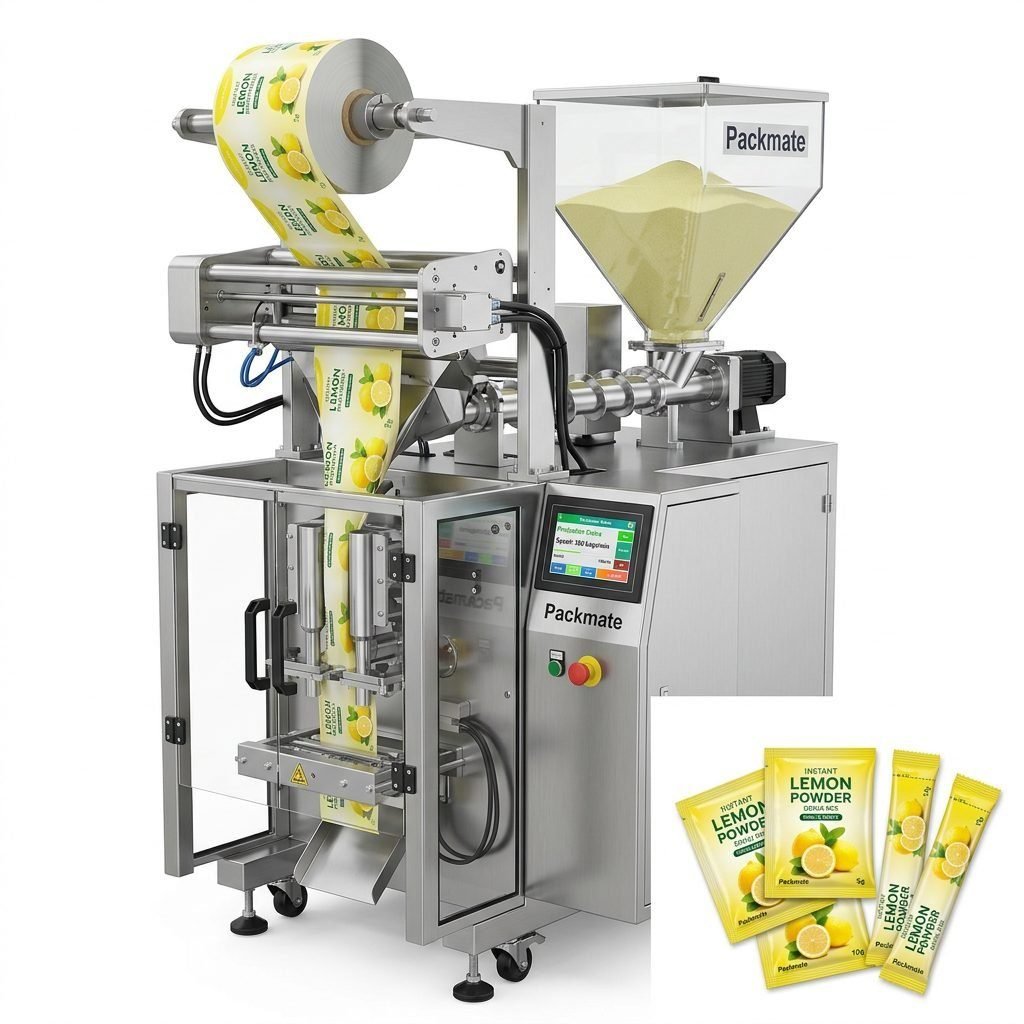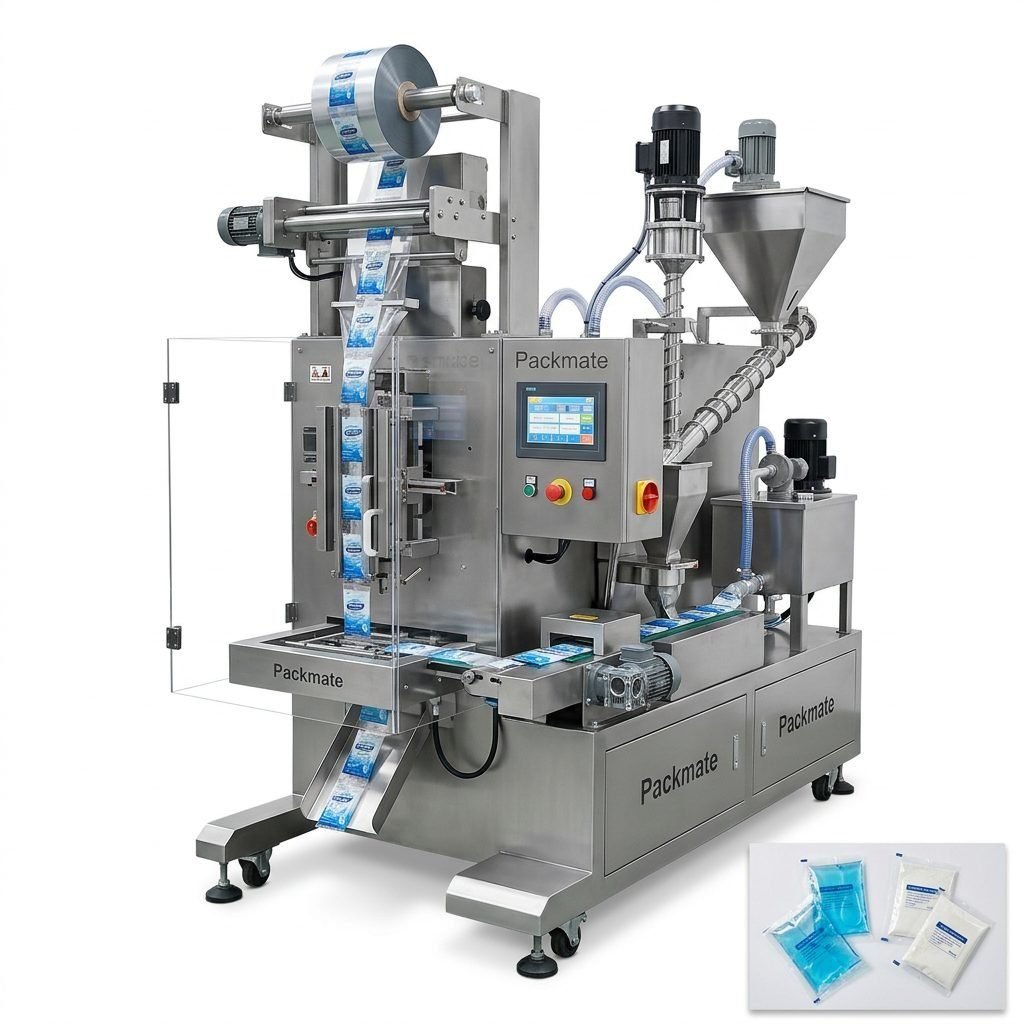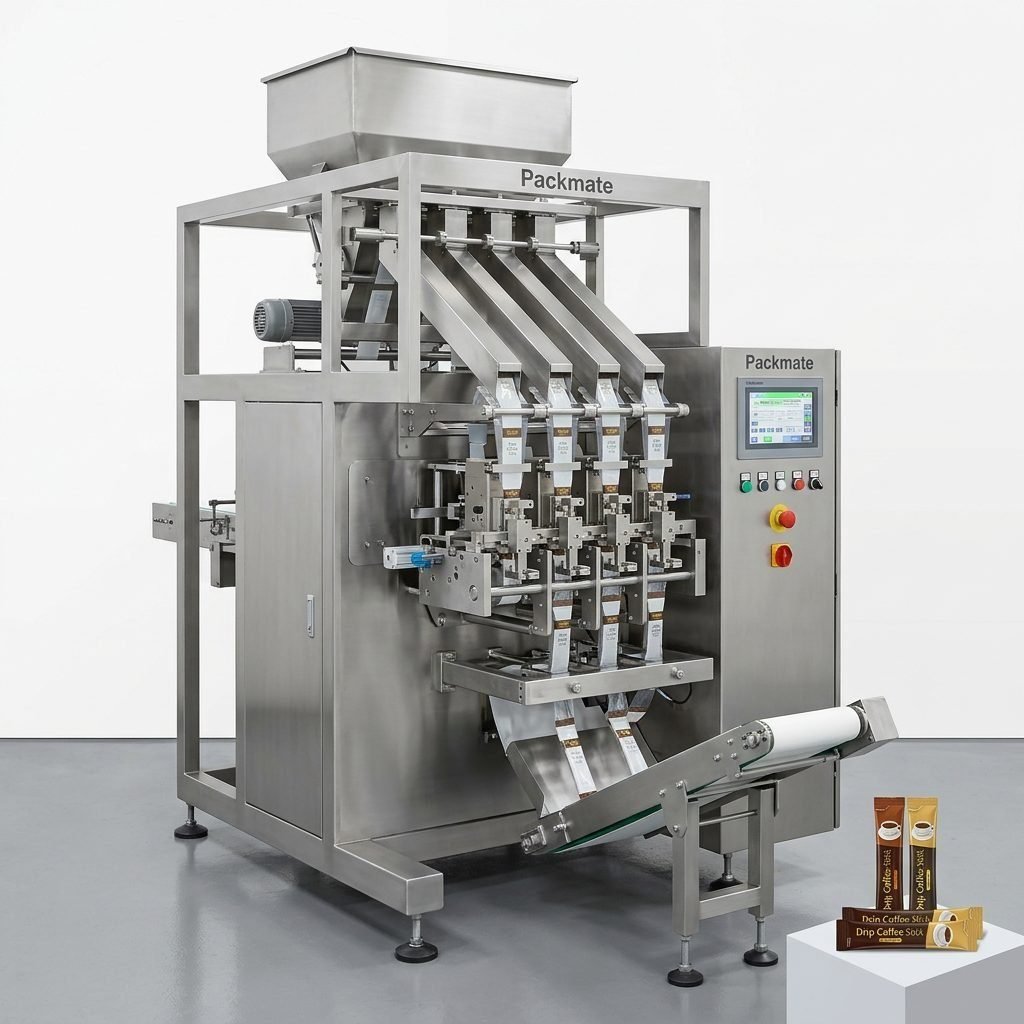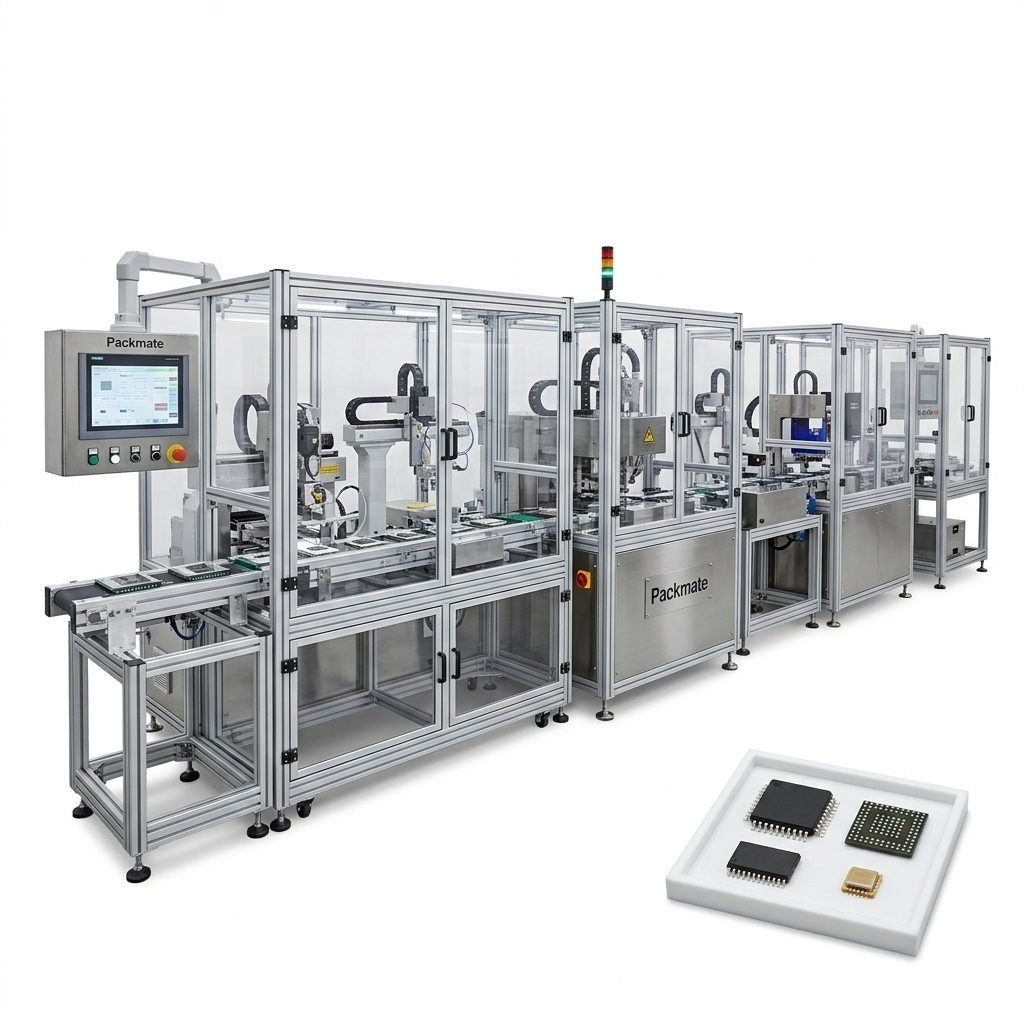
In the fast-paced world of manufacturing, efficiency and reliability are paramount. The simplex packaging machine stands as a cornerstone technology for countless industries, offering a streamlined and effective solution for packaging a wide variety of products. From food and pharmaceuticals to health supplements and granular goods, this machine type is engineered to handle specific, often high-volume packaging tasks with precision. Understanding how it operates and the advantages it brings can be crucial for businesses looking to optimize their production lines and enhance their output quality.
The Core Mechanism: How a Simplex Packaging Machine Works
The operation of a simplex packaging machine is a fascinating dance of mechanical precision and automated control. While designs may vary by manufacturer and specific application, the fundamental process follows a consistent sequence to transform raw materials and packaging film into sealed, finished products.
Stage 1: Film Feeding and Forming
The process begins with a roll of packaging film, which is fed into the machine. The film passes through a series of guides and tensioners to ensure smooth, wrinkle-free movement. It then travels over a forming collar, a critical component that shapes the flat film into a tube. This tube formation is the first step in creating the pouch that will hold the product.
Stage 2: Vertical Sealing
As the film is shaped into a tube, a vertical sealing mechanism—often a heated jaw or rotary sealer—runs along the length of the tube, creating a continuous back seal. This seal is what gives the pouch its structural integrity, converting the film from an open tube into a sealed cylinder.
Stage 3: Product Metering and Filling
This is where accuracy is key. The product to be packaged is fed from a hopper into a metering system. For powders and granules, this is typically a auger filler that rotates to dispense a precise, pre-set volume or weight of product. For liquids, a piston or pump filler performs the same function. The measured product is then dropped down through the center of the formed film tube.
Stage 4: Horizontal Sealing and Cutting
The heart of the cycle occurs here. A set of heated sealing jaws closes horizontally across the filled tube. This action accomplishes two things simultaneously: it creates the top seal of the current pouch and the bottom seal of the next pouch. Immediately following the seal, a cutting blade separates the two, releasing a finished, sealed sachet or stick pack. The machine then indexes the film forward, and the cycle repeats at high speed.
Unlocking Efficiency: Key Benefits of Simplex Technology
Choosing a simplex packaging machine is an investment in operational excellence. Its design philosophy centers on doing one thing exceptionally well, which translates into a host of tangible benefits for manufacturers. For companies like Packmate Machinery, with over 30 years of expertise, refining this technology has been central to providing reliable solutions for granules, powders, and liquids.
Superior Speed and High Output
Simplex machines are engineered for speed. With a straightforward mechanical process focused on a single packaging lane, they can achieve impressive cycle rates. This makes them ideal for high-volume production runs where maximizing the number of units produced per hour is a primary goal. Their robust construction allows them to maintain this pace consistently over long periods.
Remarkable Accuracy and Consistency
Product waste and giveaway directly impact profitability. The dedicated filling system on a simplex machine, whether an auger, piston, or pump, is calibrated for extreme precision. This ensures each pouch receives the exact same amount of product, leading to consistent package weight, reduced material waste, and compliance with strict net content regulations—a critical factor in industries like pharmaceuticals and premium foods.
Operational Simplicity and Ease of Use
Compared to more complex multi-lane systems, simplex machines have fewer moving parts and a more straightforward control interface. This translates to easier operation, faster operator training, and simpler routine maintenance. Changeovers between different products or package sizes can often be performed more quickly, minimizing downtime and increasing production flexibility.
Enhanced Seal Integrity and Product Protection
The sealing process on a simplex machine is highly controllable. Operators can precisely adjust the temperature, pressure, and dwell time of the sealing jaws. This capability is vital for creating strong, hermetic seals that protect the product from moisture, oxygen, and contaminants. Strong seals extend shelf life, preserve product quality, and prevent leaks during transportation and handling.
Cost-Effectiveness and Strong ROI
From both a capital investment and operational standpoint, simplex machines offer excellent value. Their simpler design often means a lower initial purchase price compared to multi-lane alternatives. Furthermore, their efficiency, accuracy, and reliability contribute to lower long-term costs through reduced waste, lower energy consumption, and less frequent, less complex maintenance needs. This combination delivers a compelling return on investment.
Applications Across Industries
The versatility of the simplex packaging machine is demonstrated by its widespread adoption. Its ability to handle diverse product forms makes it a valuable asset in several key sectors. For businesses exploring specific machine types, reviewing a manufacturer’s full product range can provide deeper insights into tailored solutions.
Food & Beverage
Ideal for packaging single-serve portions of sugar, coffee, creamer, spices, drink mixes, and sauces. The machine ensures freshness and provides convenient dosing for end-users.
Pharmaceutical & Nutraceutical
Used for packaging precise doses of powder supplements, electrolytes, effervescent tablets, and medicinal powders. The accurate filling and secure sealing are non-negotiable for product safety and efficacy.
Chemical & Industrial
Suited for packaging small quantities of reagents, dyes, additives, and granular chemicals where precise measurement and safe containment are essential.
Agriculture & Horticulture
Employed to package seeds, fertilizers, and pesticides in small, pre-measured sachets for easy use and distribution.
Choosing the Right Partner for Your Packaging Needs
Investing in a simplex packaging machine is a significant decision. The machine’s performance, durability, and support will impact your production for years to come. It is crucial to partner with a manufacturer that combines engineering excellence with proven experience. A company with a strong track record, like one with a 22+ year development history and a 20,000㎡ modern facility, demonstrates commitment and capability. Evaluating their project cases and available support services is a key step in the selection process.
Ultimately, the simplex packaging machine represents a perfect blend of focused engineering and practical utility. Its straightforward yet highly effective operation delivers the speed, accuracy, and reliability that modern production environments demand. By understanding its workings and benefits, manufacturers can make an informed choice that enhances their packaging line’s efficiency, protects their product quality, and strengthens their bottom line. For comprehensive support, from machine selection to after-sales service, reaching out to the manufacturer’s team is always recommended.
Frequently Asked Questions (FAQs)
What types of products can a simplex packaging machine handle?
Simplex machines are highly versatile and are primarily designed for free-flowing granular products, powders, and non-viscous liquids. Common examples include instant coffee, sugar, spices, protein powder, drink mixes, and small hardware items. The specific filling system (auger, piston, pump) determines the product compatibility.
How fast can a typical simplex machine operate?
Production speed depends on the machine model, package size, and product characteristics. However, modern simplex machines can typically achieve speeds ranging from 40 to 120 pouches per minute. High-speed models designed for very small sachets can sometimes reach even higher rates.
What materials can be used for the packaging film?
These machines can run a wide variety of heat-sealable laminates. This includes structures like PET/PE, OPP/CPP, paper/ALU/PE, and other composite films. The choice depends on the required barrier properties (moisture, oxygen, light) and the desired shelf life for the product. The machine’s sealing system must be compatible with the film’s sealing layer.
How difficult is it to change over to a different package size?
Changeover complexity varies by machine design. Many modern simplex machines feature tool-less or quick-change components for the forming collar, filling funnel, and sealing jaws. This can significantly reduce changeover time to under 30 minutes, minimizing production downtime and increasing line flexibility.
What are the main maintenance requirements for a simplex packaging machine?
Regular maintenance is key to longevity and consistent performance. Daily tasks include cleaning product contact parts and wiping down surfaces. Weekly or monthly maintenance typically involves lubricating moving parts, checking belt tensions, and inspecting sealing jaws for wear. Following the manufacturer’s detailed maintenance schedule is essential for optimal operation.