In the fast-paced world of manufacturing and logistics, efficiency is paramount. The right box packaging machine can transform your operations, slashing labor costs, minimizing errors, and dramatically increasing output. Whether you’re scaling up production or streamlining an existing line, investing in top-tier automation is a strategic move. This guide delves into the top 10 box packaging machines engineered for peak operational efficiency, helping you make an informed decision for your business.
1. Automated Carton Forming, Sealing, and Packing Systems
These all-in-one workhorses are the backbone of high-volume operations. They take flat corrugated blanks, form them into boxes, automatically insert products, and seal the cartons—all in one continuous, synchronized motion. The efficiency gain here is monumental, eliminating multiple manual stations. Look for models with quick-changeover capabilities to handle various box sizes without extensive downtime, a key feature for integrated filling and packaging lines.
Key Efficiency Factor: Speed and integration. By combining forming, packing, and sealing, these systems reduce handling steps and space requirements, leading to a direct increase in throughput per square foot of factory space.
2. Robotic Case Packers
For ultimate flexibility and gentle handling, robotic case packers are unmatched. Using advanced robotic arms, they pick products from a conveyor and place them into waiting cartons or trays with precision. This technology excels at handling irregular, fragile, or high-mix product lines where traditional systems might struggle. The ability to be reprogrammed for new pack patterns makes them ideal for dynamic production environments.
3. High-Speed Automatic Case Sealers
Once a box is packed, it needs to be sealed securely and quickly. Top-loading and side-loading automatic case sealers apply tape to box flaps at incredible speeds. Modern machines feature adjustable compression, ensuring a tight seal for various box contents and strengths. For operations focused on bag and pouch packaging that later require boxing, a reliable sealer is the perfect downstream partner.
Choosing the Right Sealer:
- Random Case Sealers: Handle boxes of varying sizes in a single line without adjustment.
- Uniform Case Sealers: Designed for high-speed sealing of boxes with consistent dimensions.
4. Tray Forming and Erecting Machines
Many products, especially in food, beverage, and pharmaceuticals, are shipped in sturdy trays before being boxed. Automatic tray formers take flat die-cut tray blanks and erect them into ready-to-fill containers at high speeds. This automation step is often more efficient and reliable than manual assembly, ensuring consistent tray quality and freeing up personnel for other tasks.
5. Vertical Cartoning Machines
Ideal for inserting products like bottles, vials, or blister packs into cartons, vertical cartoners are highly efficient. They erect cartons from flat blanks, load the product from above, and close the flaps (often with tuck-in or glue closures). Their compact vertical design saves valuable floor space while maintaining a high output rate, making them a staple in many industries.
Pro Tip for Selection:
Always consider the total cost of ownership, not just the purchase price. Factor in maintenance needs, energy consumption, required operator skill level, and the machine’s compatibility with your existing auxiliary packaging equipment. A slightly more expensive, robust machine can offer far better long-term efficiency.
6. Horizontal Wraparound Case Packers
This system is exceptionally efficient for bundling multiple primary packages (like cans or bottles). A flat corrugated sheet is fed, and products are placed on top. The machine then wraps the sheet around the products, forming a snug, protective sleeve that is glued or sealed. It uses less material than a traditional RSC (Regular Slotted Container) box and provides excellent product visibility and stability.
7. Automatic Bag-in-Box Packaging Systems
For liquids, powders, or viscous products, the bag-in-box format is popular. Automated systems form the outer box, insert and fill a sterile flexible bag, seal it, and close the box. This technology ensures hygiene, minimizes waste, and optimizes storage and shipping space. Efficiency is achieved through precise filling and minimal air inclusion in the final package.
8. Intelligent Multi-Lane Packing Systems
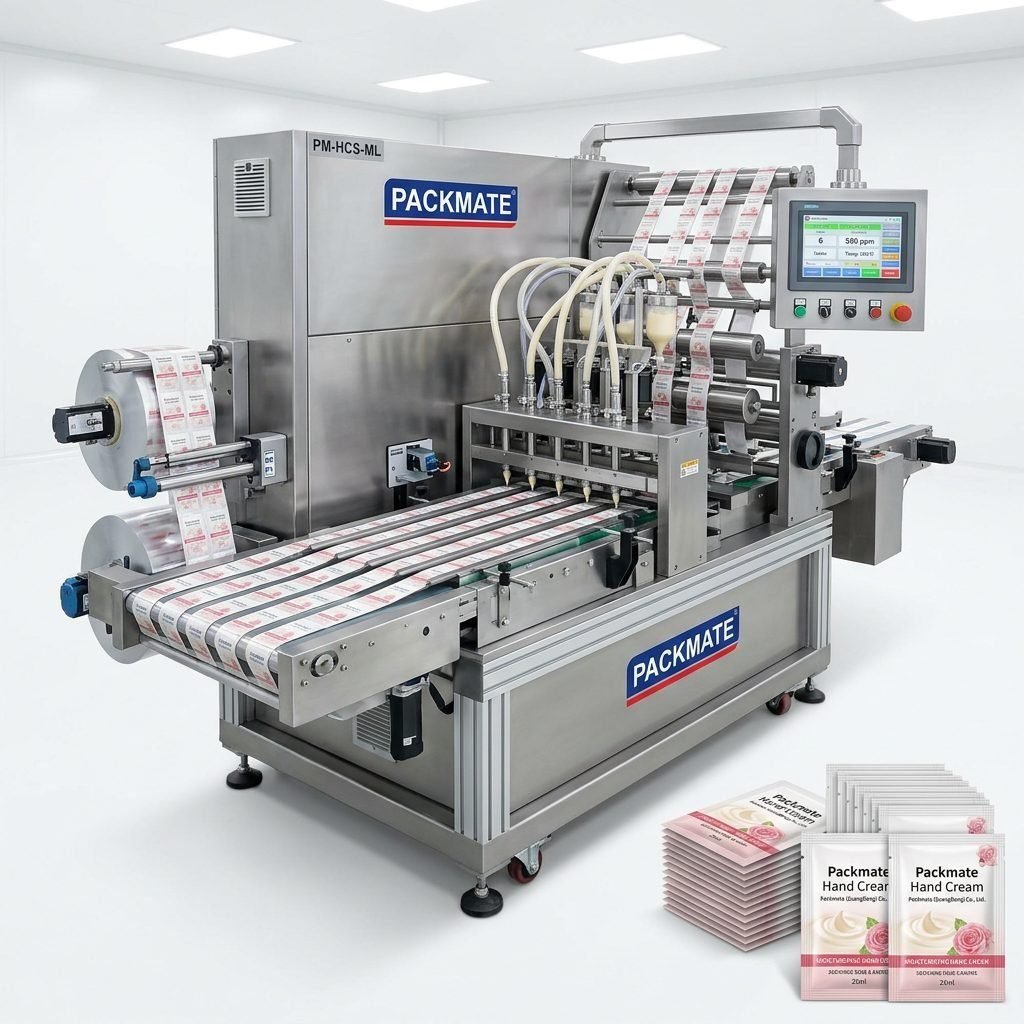
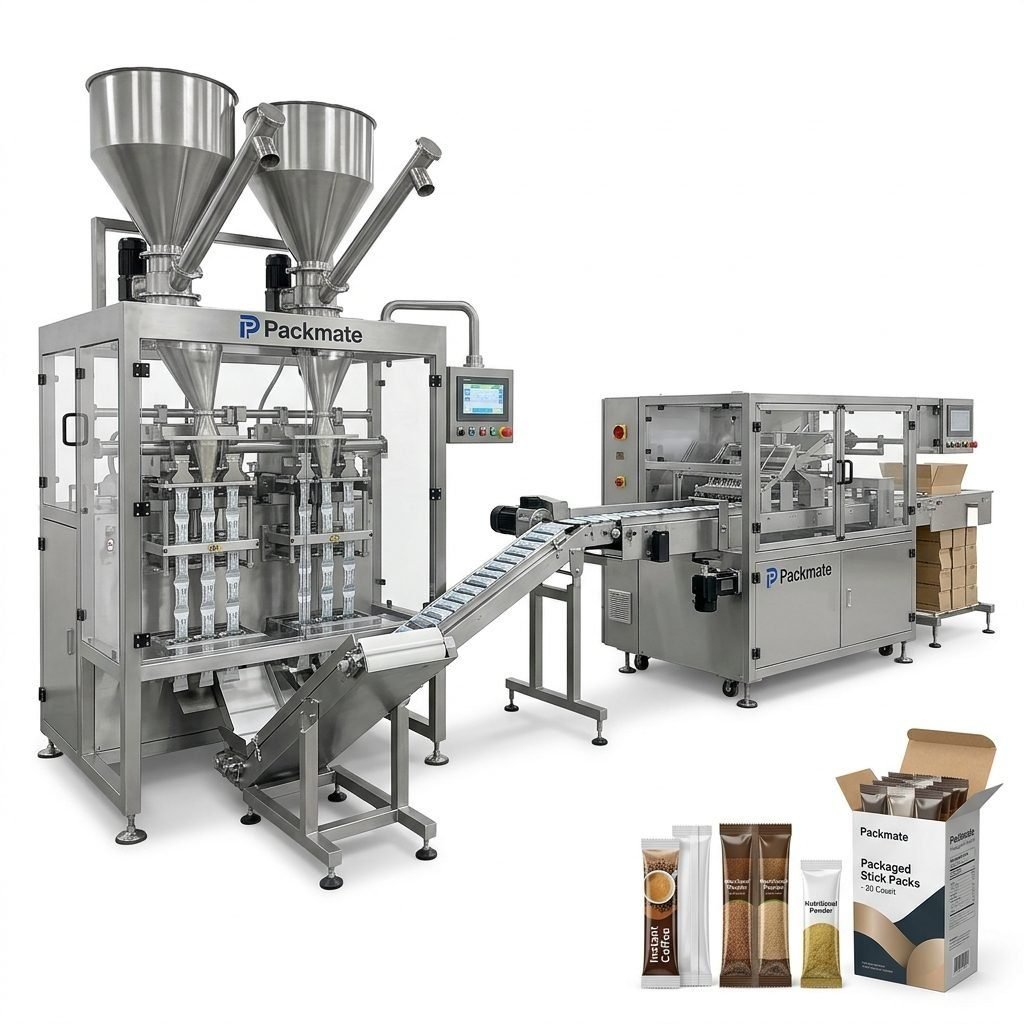
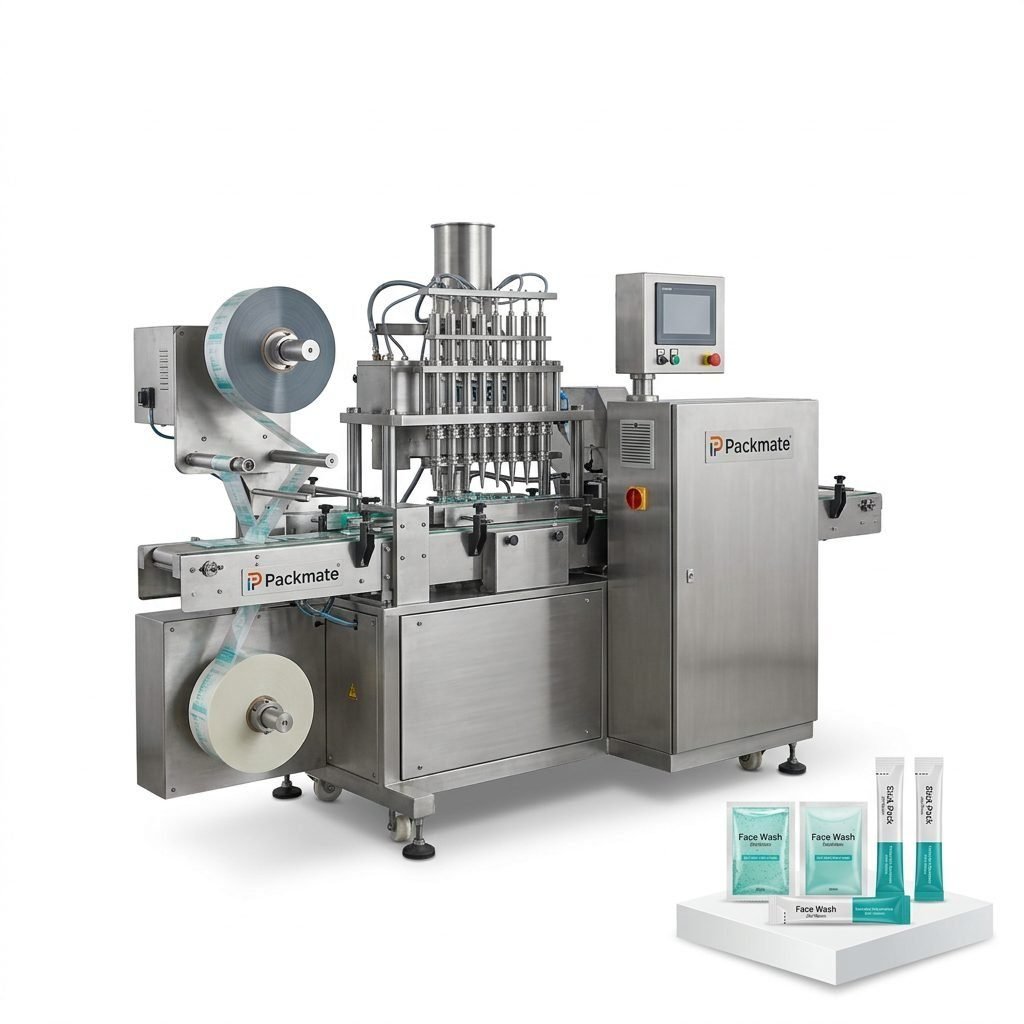
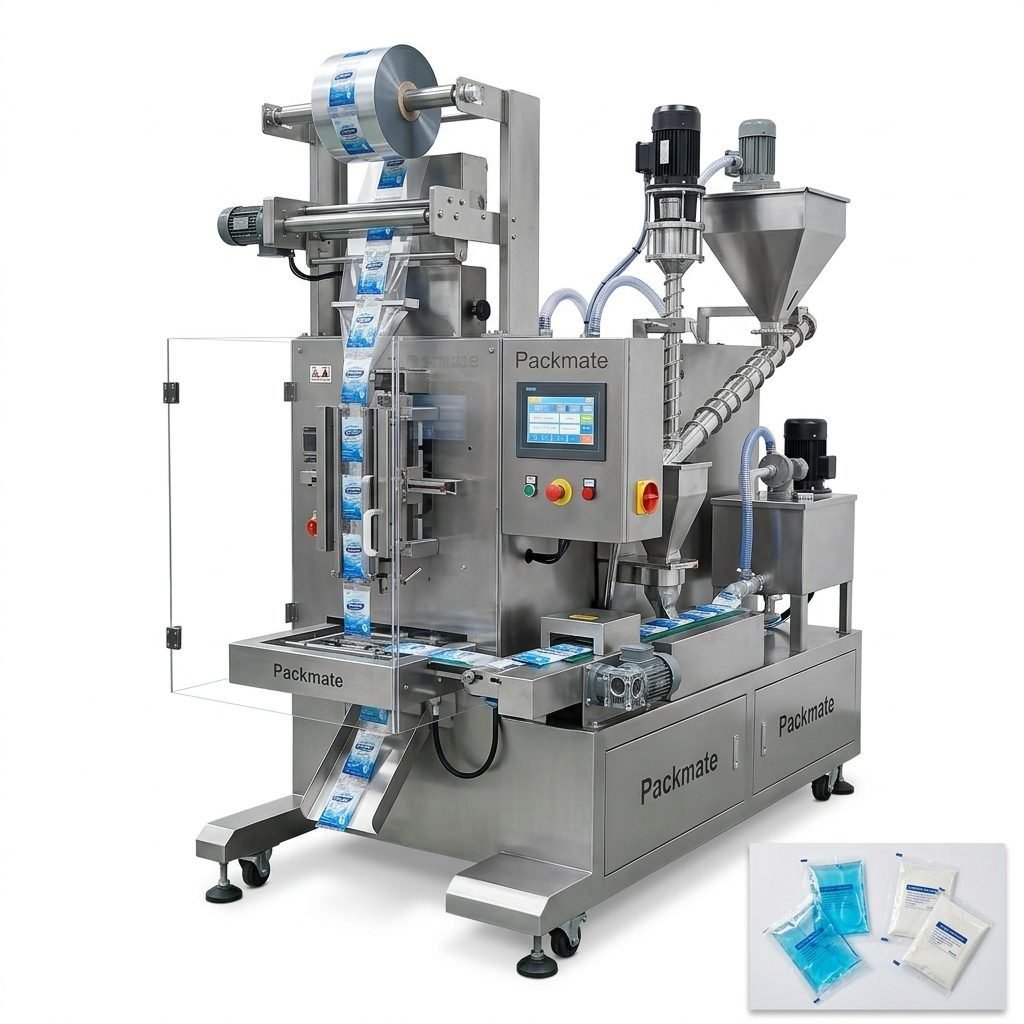
Drawing inspiration from high-speed sachet and stick pack machines, this concept involves multiple parallel product lanes feeding into a single, smart boxing unit. It’s perfect for aggregating small individual items (like condiment packets, tea bags, or pharmaceutical samples) into a larger retail box. The system synchronizes multiple inputs for maximum throughput.
Efficiency Drivers in Multi-Lane Systems:
- Synchronized lane control to prevent bottlenecks.
- Advanced sensors for 100% product count verification.
- Gentle product handling to prevent damage during collection.
9. Compact Benchtop Case Formers & Sealers
Not every operation needs an industrial giant. For small to medium businesses, laboratories, or specialty producers, compact benchtop units offer a significant efficiency boost over purely manual boxing. They are affordable, easy to operate, and provide consistent, professional-looking sealed boxes, improving both operational speed and brand presentation.
10. Integrated Weighing & Boxing Lines
The pinnacle of automated efficiency combines precise weighing with automated boxing. Products are weighed, sorted, and any under/over-weight items are rejected automatically. The correctly weighted batches are then directed into the appropriate box. This is critical in industries like fresh produce, chemicals, or any product sold by weight, ensuring compliance and eliminating giveaway.
Conclusion: Investing in Operational Flow
Selecting a box packaging machine is not just about buying a piece of equipment; it’s about investing in the smooth, uninterrupted flow of your entire operation. The most efficient machine for you will align with your product type, required speed, flexibility needs, and future growth plans. Companies like Packmate Machinery, with decades of experience in intelligent packaging solutions, understand that true efficiency comes from reliable, well-engineered machines that integrate seamlessly into your production ecosystem, delivering consistent performance day after day.
Frequently Asked Questions (FAQs)
1. What is the main benefit of automating box packaging?
The primary benefit is a significant increase in operational efficiency. Automation drastically reduces labor costs, minimizes human error, ensures consistent packaging quality, and increases output speed and volume. It also improves workplace safety by reducing repetitive manual tasks.
2. How do I choose between a robotic case packer and a traditional automated system?
Choose a robotic packer for high flexibility and delicate products. It’s ideal for frequently changing box patterns or handling fragile items. A traditional automated system (like a continuous motion cartoner) is generally faster and more cost-effective for high-volume, single-SKU or low-mix production lines with standard pack patterns.
3. What are “quick changeover” features, and why are they important?
Quick changeover refers to the ability to switch the machine from packaging one box size or product type to another with minimal downtime (often in minutes). This is crucial for efficiency in facilities that run multiple SKUs, as it maximizes machine uptime and allows for smaller, more responsive production batches.
4. Can these machines handle different box materials?
Most high-quality machines are designed to handle a range of standard corrugated boards (ECT ratings). However, it’s critical to consult with the manufacturer. Extremely lightweight, heavy-duty, or coated materials may require specific machine adjustments or different models to ensure reliable forming and sealing.
5. What kind of maintenance do automated box packaging machines require?
Regular preventive maintenance is key to sustained efficiency. This typically includes daily cleaning, lubrication of moving parts as specified, inspection of seals and wear components (like forming mandrels and tape heads), and periodic calibration of sensors and drives. A good supplier will provide a clear maintenance schedule and training.