The global market for robotic packaging machines is undergoing a significant transformation, driven by the relentless pursuit of efficiency, flexibility, and cost reduction across manufacturing sectors. This industry analysis delves into the key trends shaping this dynamic market, explores the factors fueling its growth, and examines the competitive landscape.
Current Market Trends in Robotic Packaging
The adoption of robotics in packaging is no longer a novelty but a strategic imperative. Several dominant trends are defining the current landscape:
Collaborative robots, or cobots, are becoming increasingly prevalent. Unlike traditional industrial robots that require safety caging, cobots are designed to work safely alongside human operators. This trend is particularly strong in small to medium-sized enterprises (SMEs) and for tasks like tending to multiple packaging machines, final case packing, and palletizing where human-robot interaction enhances productivity.
Another major trend is the integration of Artificial Intelligence (AI) and Machine Vision. Modern robotic systems are equipped with advanced vision systems that allow for real-time product inspection, precise picking of irregularly shaped items from bulk, and adaptive handling. This intelligence enables higher accuracy, reduces waste, and allows for rapid changeovers between different product lines, which is crucial for meeting the demand for mass customization.
The push for sustainability is also influencing robotic packaging solutions. Robots contribute to sustainability goals by optimizing material usage, reducing product damage and waste through gentle handling, and enabling the use of lighter, more eco-friendly packaging materials that might be more challenging to handle with conventional machinery.
Key Growth Drivers for the Industry
The robust growth of the robotic packaging machine market is underpinned by several powerful drivers:
- Labor Shortages and Rising Labor Costs: In many regions, finding and retaining skilled labor for repetitive packaging tasks is a persistent challenge. Robots provide a reliable, consistent, and cost-effective solution over the long term.
- E-commerce Boom: The explosive growth of online retail has created a need for highly flexible packaging systems that can handle a vast SKU (Stock Keeping Unit) variety and fluctuating order volumes. Robotic systems excel in this unpredictable environment.
- Demand for Higher Throughput and 24/7 Operation: To meet global supply chain demands, manufacturers require systems that can operate continuously with minimal downtime. Robots offer unparalleled endurance and speed.
- Advancements in Technology: Continuous improvements in gripper technology, sensor accuracy, and software ease-of-use have made robots more capable, adaptable, and easier to deploy than ever before, lowering the barrier to entry.
Companies at the forefront of packaging innovation, such as Packmate Machinery, contribute to this growth by developing intelligent equipment that integrates seamlessly into automated lines, serving critical industries like food, pharmaceuticals, and health products.
Industry Analysis and Competitive Landscape
The robotic packaging market is highly competitive and fragmented, featuring a mix of global industrial robot manufacturers, specialized packaging machinery suppliers, and system integrators. The competition centers on technological innovation, reliability, total cost of ownership, and after-sales service.
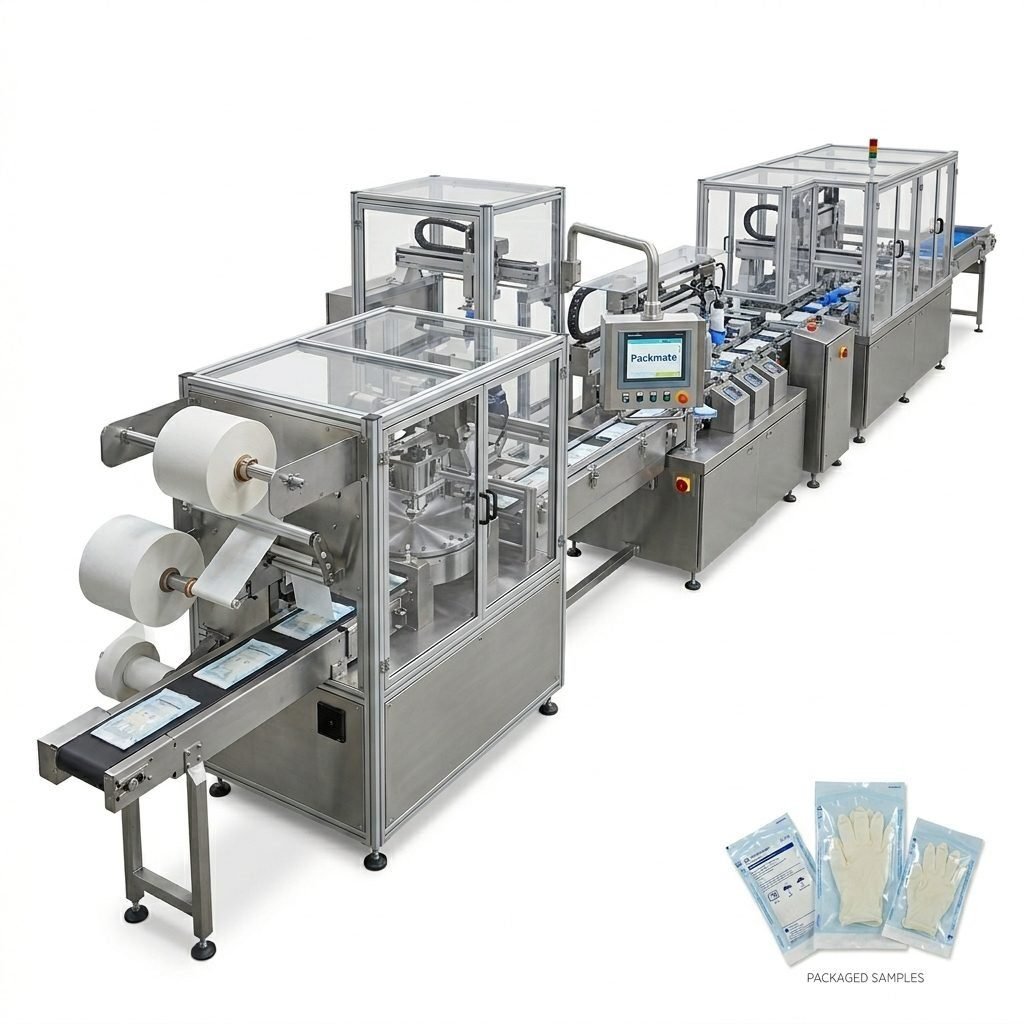
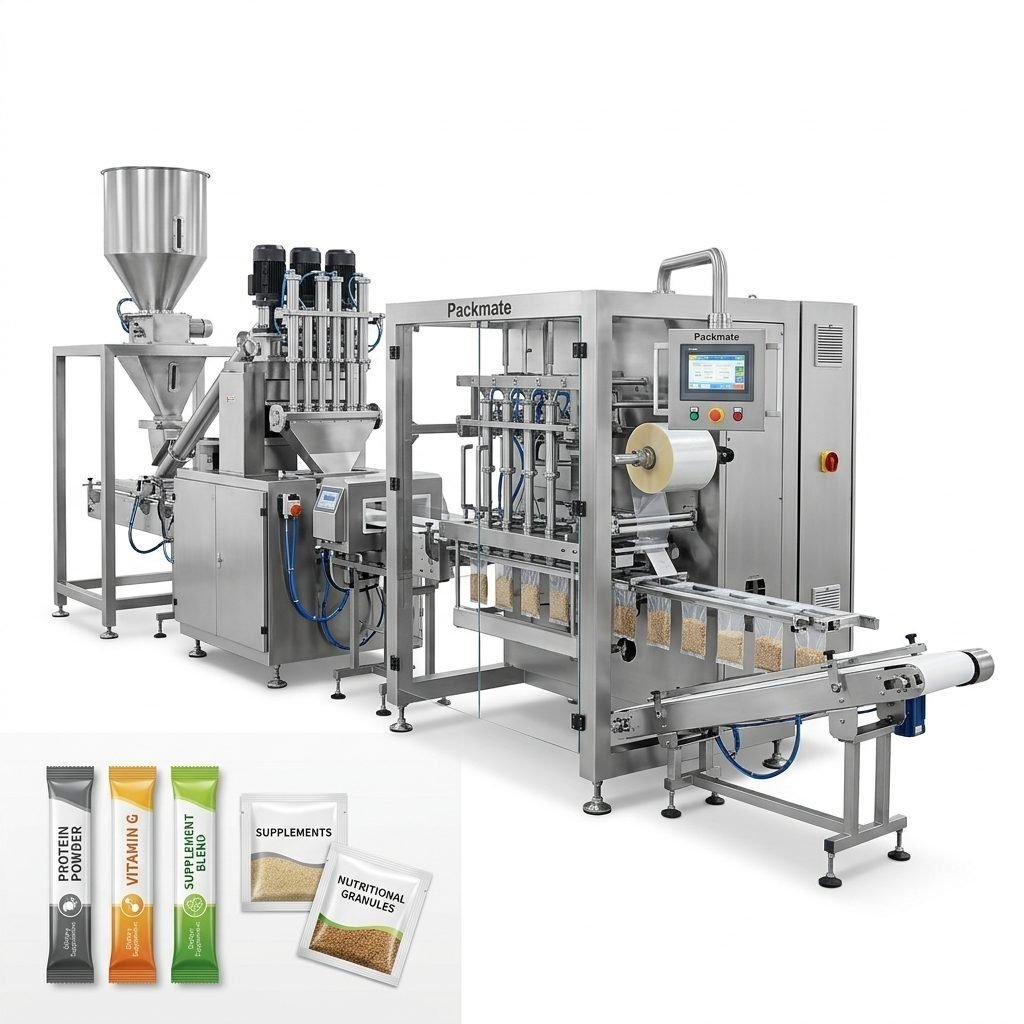
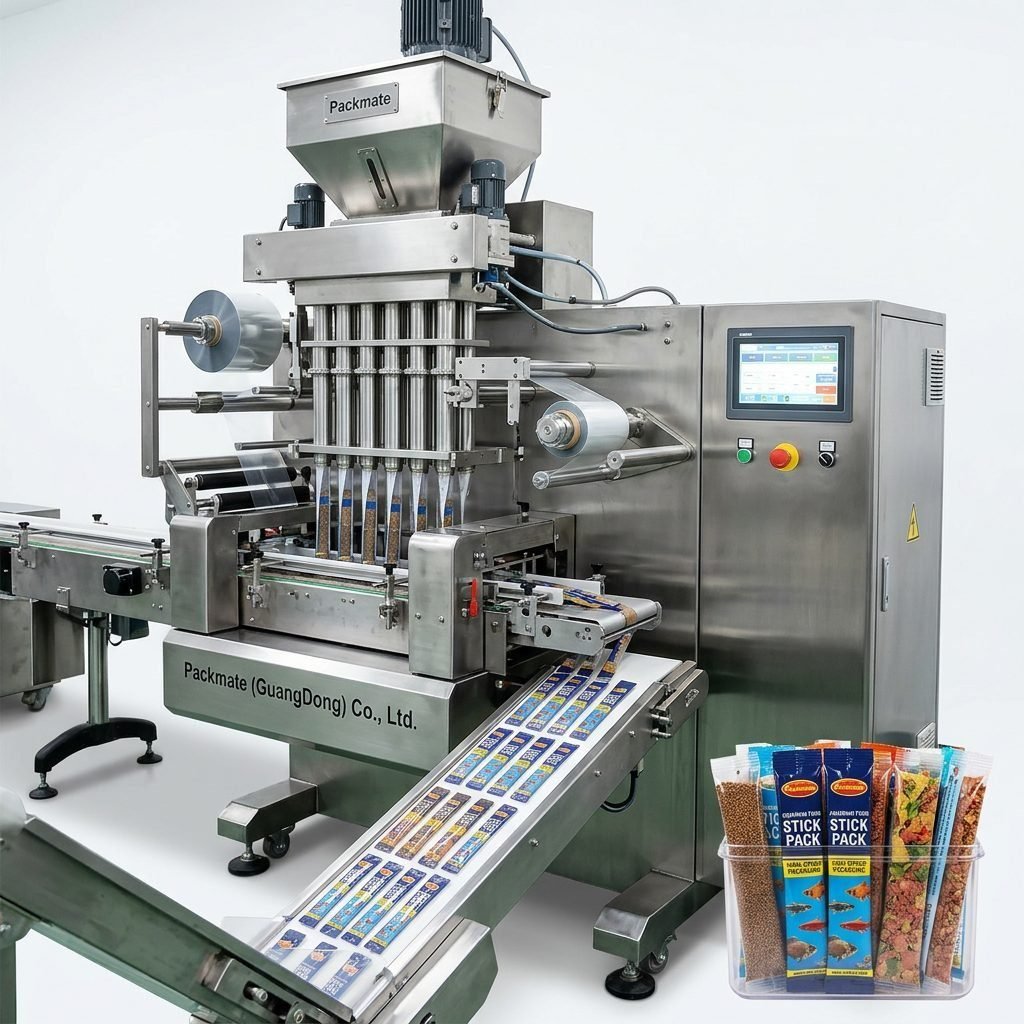
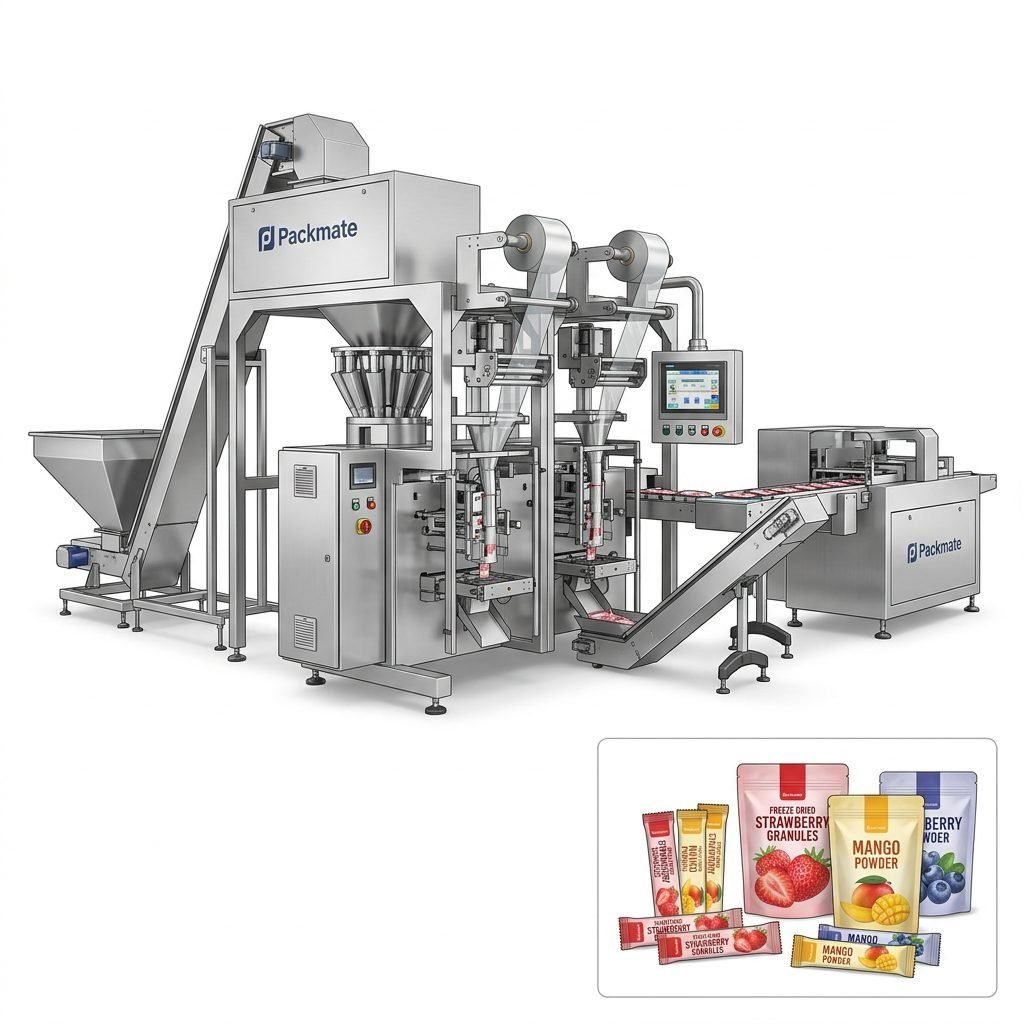
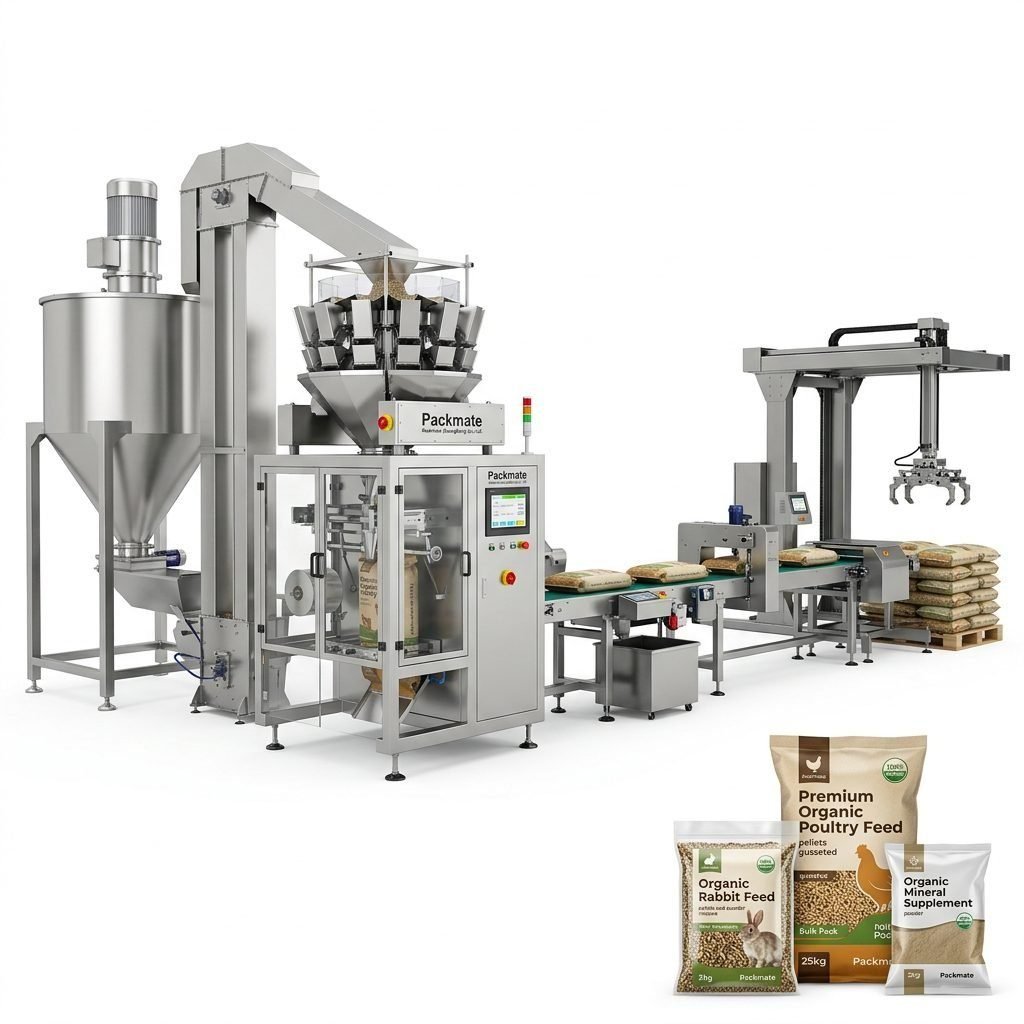
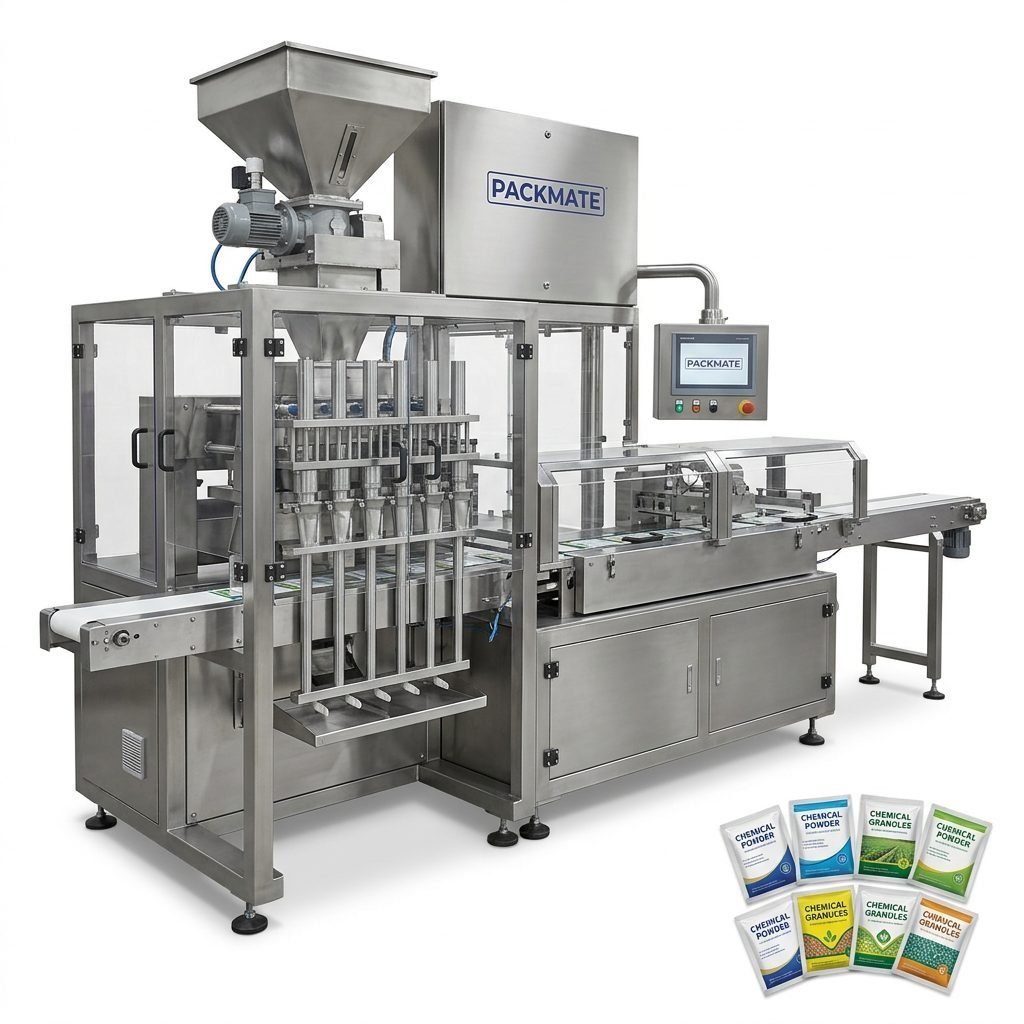
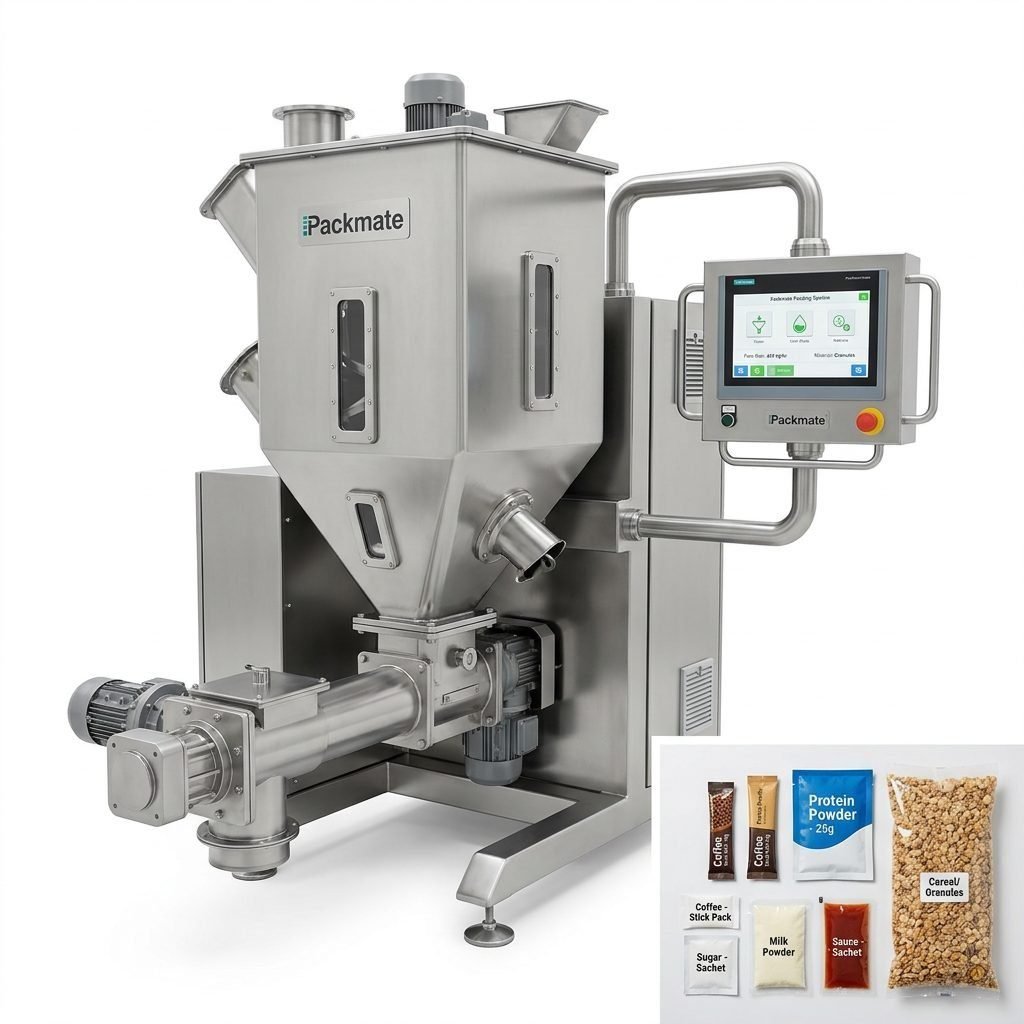
There is a clear shift from selling standalone robots to providing complete, turnkey packaging solutions. Successful players are those who can offer integrated systems that include robotics, conveyance, vision inspection, and software for line control and data analytics. For example, a comprehensive solution might involve a weighing and packaging system feeding into a robotic pick-and-place unit for pouch loading.
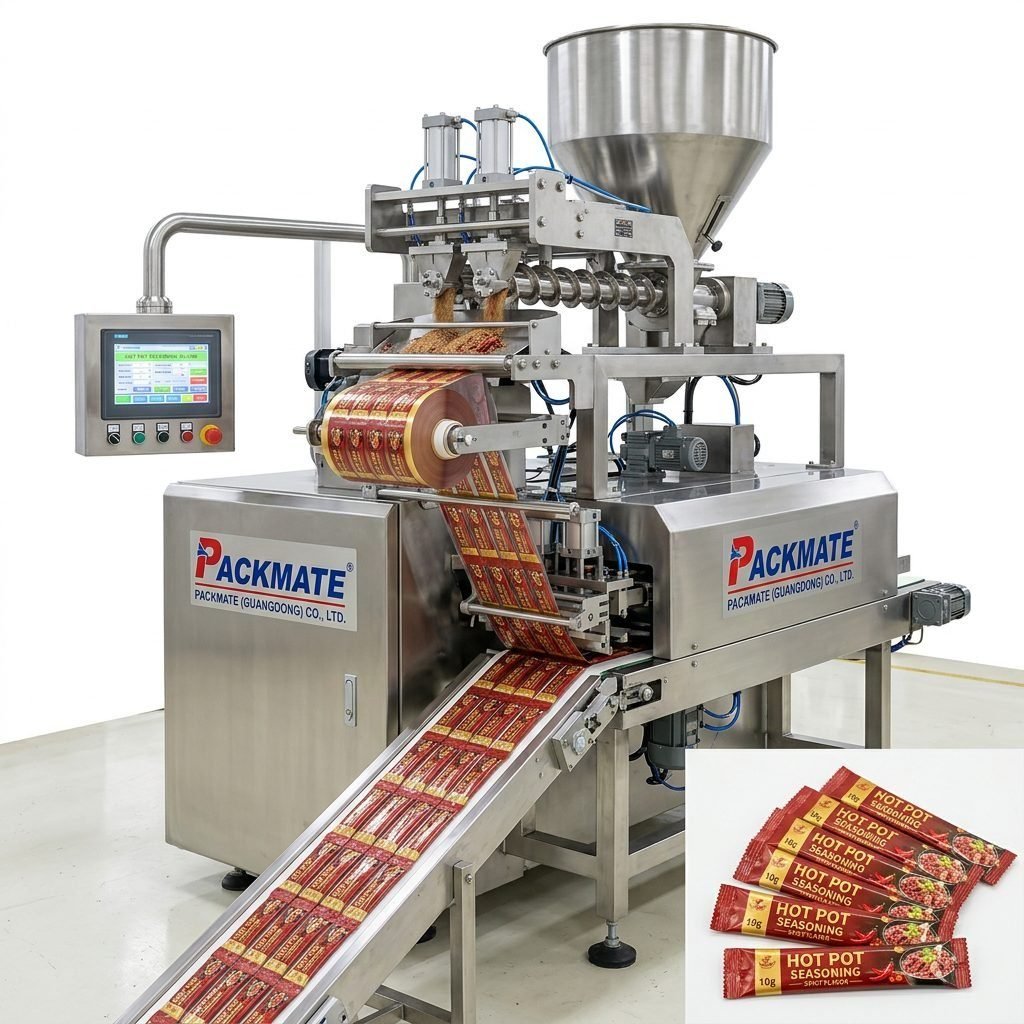
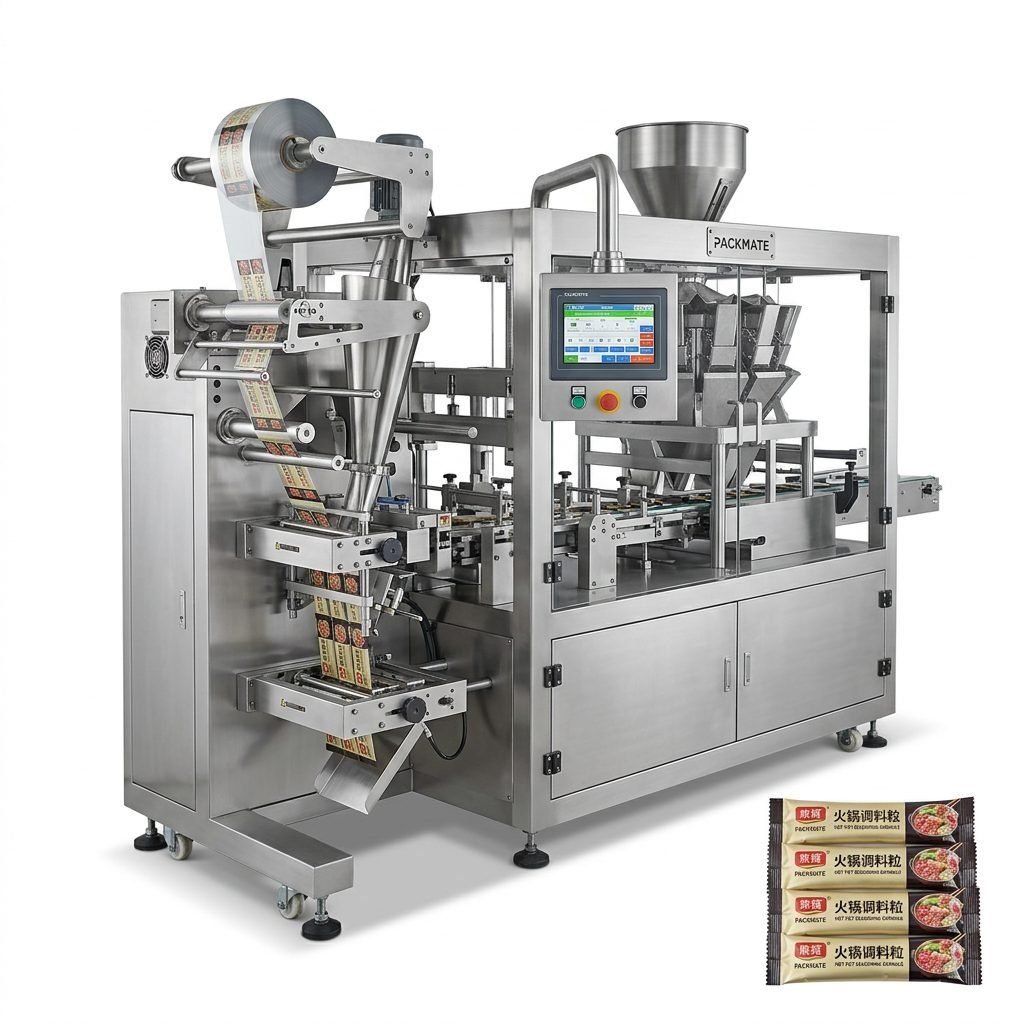
The end-user industry also shapes the competitive dynamics. The food and beverage sector remains the largest adopter, driven by hygiene requirements and high-speed needs. The pharmaceutical industry demands extreme precision and traceability, often requiring cleanroom-compatible robotic solutions. Specialized machinery, such as sachet and stick pack machines, often forms the core of these automated lines, with robots adding the final layer of flexibility and handling.
Regional analysis shows that North America and Europe are mature markets with high adoption rates, while the Asia-Pacific region is experiencing the fastest growth, fueled by rapid industrialization, government initiatives towards automation, and a booming manufacturing sector.
The Future Outlook: Smart Factories and IoT Integration
The future of robotic packaging is inextricably linked to the concept of the Smart Factory. The next wave of growth will be driven by the deeper integration of the Internet of Things (IoT) and Industrial Internet of Things (IIoT).
Robots will evolve from isolated work cells into connected nodes within a larger data ecosystem. They will communicate with other machines, such as filling and packaging lines, to self-optimize performance, predict maintenance needs before a breakdown occurs, and provide real-time production data to central management systems. This connectivity enables unprecedented levels of overall equipment effectiveness (OEE) and supply chain transparency.
Furthermore, the development of more sophisticated AI will lead to autonomous decision-making on the packaging floor. Robots will not only pick and place but also make minor adjustments to handle variations in product flow or packaging quality autonomously, moving closer to truly lights-out manufacturing for certain processes.
Conclusion
The robotic packaging machine market is on a strong growth trajectory, fueled by technological advancements and pressing industry needs. The convergence of robotics with AI, vision, and IoT is creating a new generation of intelligent, flexible, and connected packaging systems. As businesses worldwide strive for greater agility and efficiency, the role of robotic automation in packaging will only become more central and sophisticated, redefining productivity standards across the global manufacturing landscape.
Frequently Asked Questions (FAQs)
1. What are the main benefits of using robotic packaging machines over traditional methods?
The primary benefits include significantly increased speed and throughput, consistent quality and precision, reduced product waste, the ability to operate 24/7, enhanced worker safety by taking over repetitive or hazardous tasks, and greater flexibility to handle multiple product types on a single line.
2. Are robotic packaging systems suitable for small businesses or low-volume production?
Yes, increasingly so. The rise of affordable, easy-to-program collaborative robots (cobots) has made automation accessible for smaller operations. These systems can be deployed for specific tasks without requiring a complete line overhaul and can offer a quick return on investment even at lower volumes by improving accuracy and reducing labor costs.
3. How complex is it to integrate a robot into an existing packaging line?
Integration complexity varies. It requires careful planning involving system integrators or the machine supplier. Key considerations include assessing line layout, ensuring compatibility (mechanical and communication protocols), and programming the robot’s tasks. Reputable suppliers like Packmate often provide support and complete solutions to streamline this process.
4. What industries benefit the most from robotic packaging?
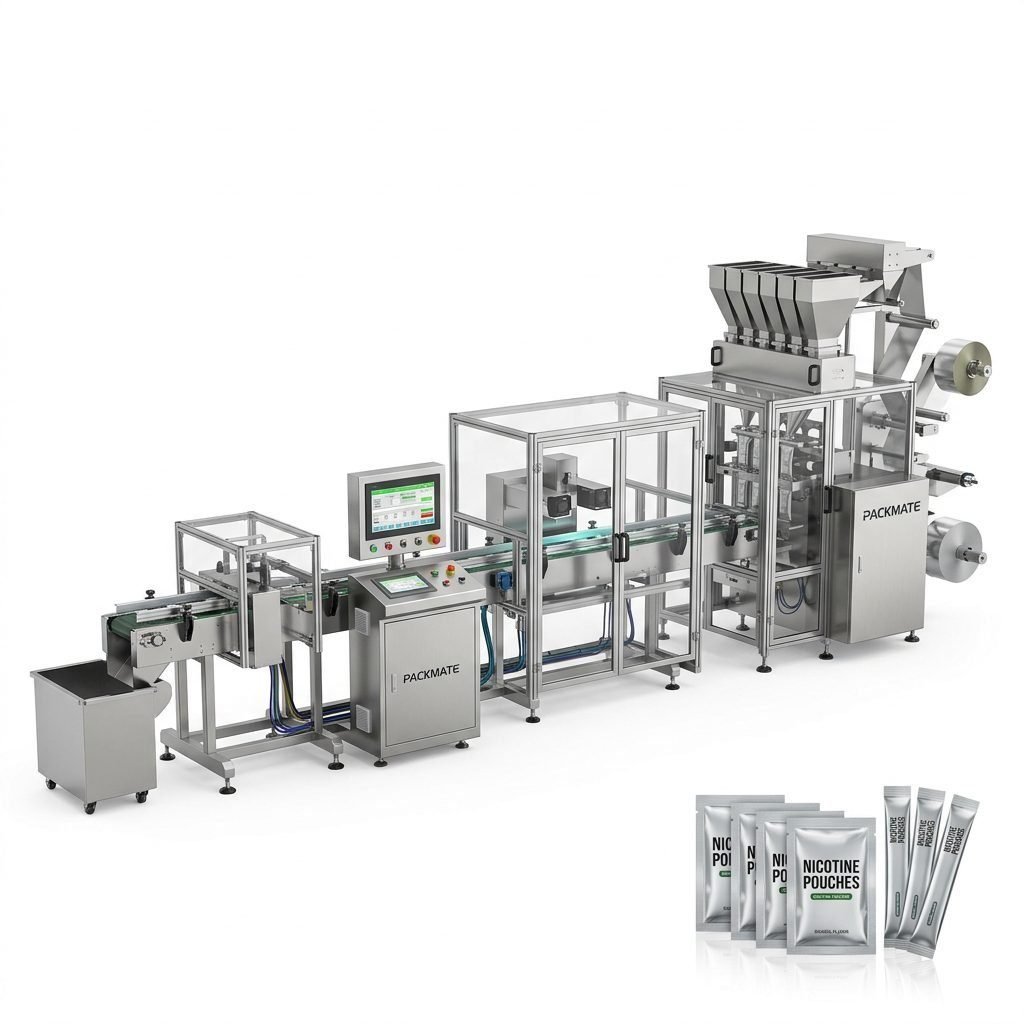
While beneficial across manufacturing, industries with high-volume, repetitive tasks, stringent hygiene standards, or delicate products see the greatest impact. This includes Food & Beverage, Pharmaceuticals, Consumer Goods, Cosmetics, and Electronics. Specialized needs, like packaging nicotine pouches, also drive adoption of tailored automated systems.
5. What is the typical lifespan and maintenance requirement for a packaging robot?
Modern industrial robots are built for durability and can have an operational lifespan of 10-15 years or more with proper maintenance. Maintenance typically involves regular preventive care (lubrication, calibration, filter changes) as per the manufacturer’s schedule. Their high reliability and predictive maintenance capabilities (in IIoT-enabled systems) help minimize unplanned downtime.