Selecting the right fruit juice packaging machine is a critical decision for any beverage producer, impacting efficiency, product quality, and overall profitability. This comprehensive guide delves into the various types of machines available, analyzes key cost factors, and provides a structured buying framework to help you make an informed investment.
Primary Types of Fruit Juice Packaging Machines
The packaging format you choose dictates the type of machinery required. Each system offers distinct advantages for different market segments and production scales.
Form-Fill-Seal (FFS) Machines
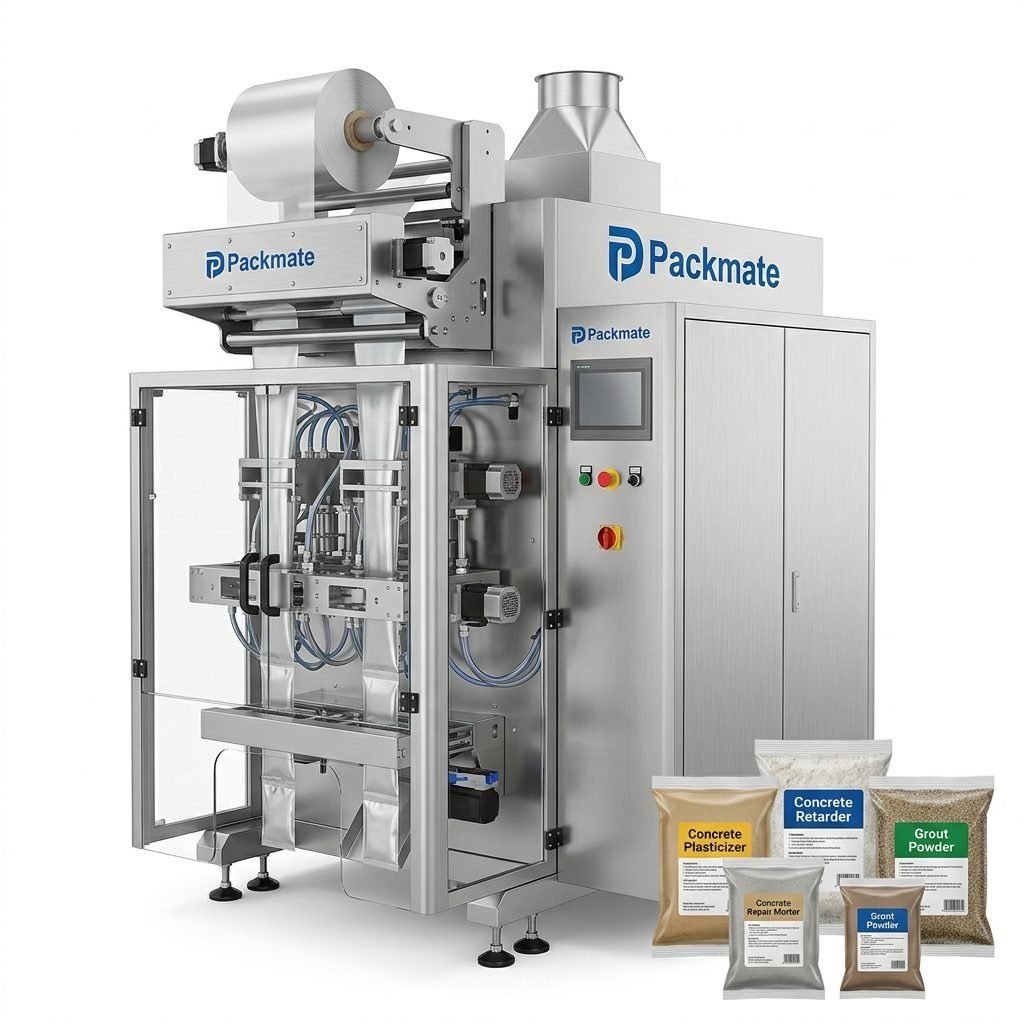
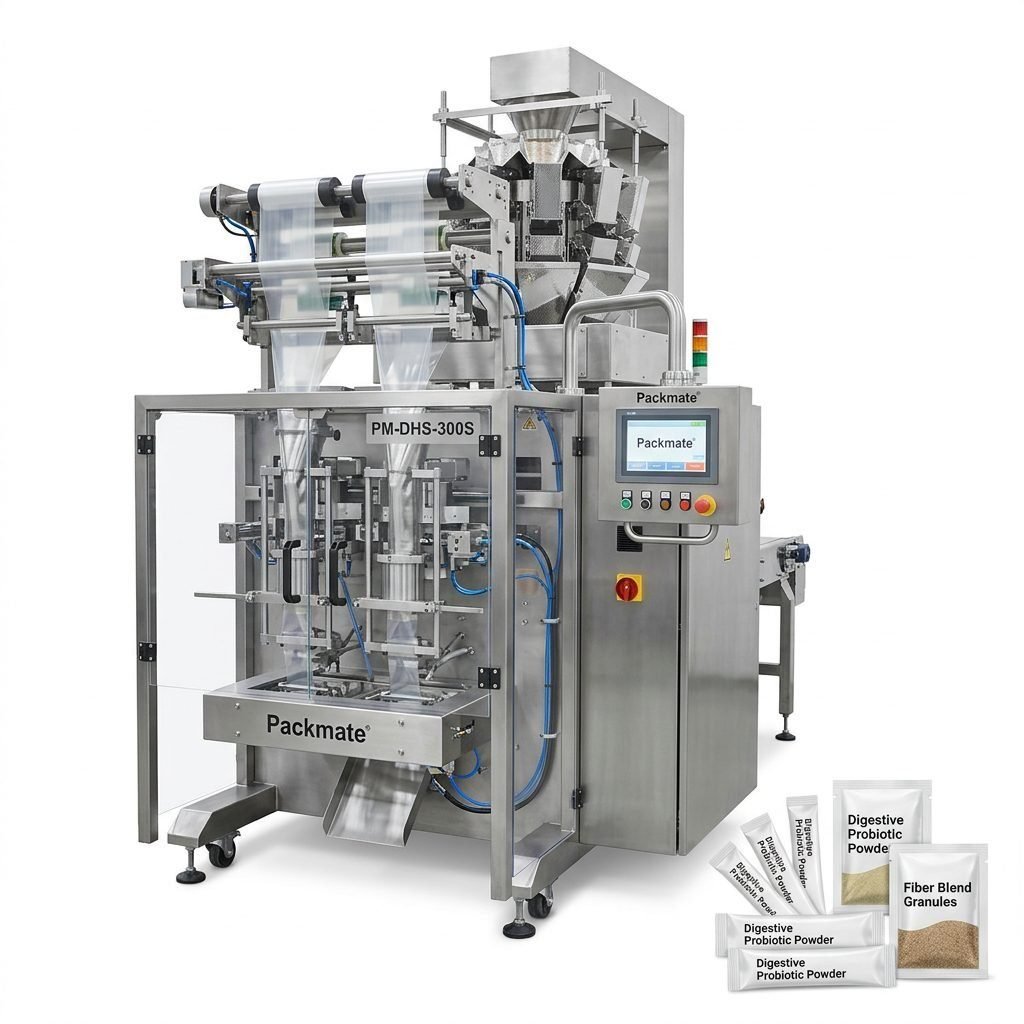
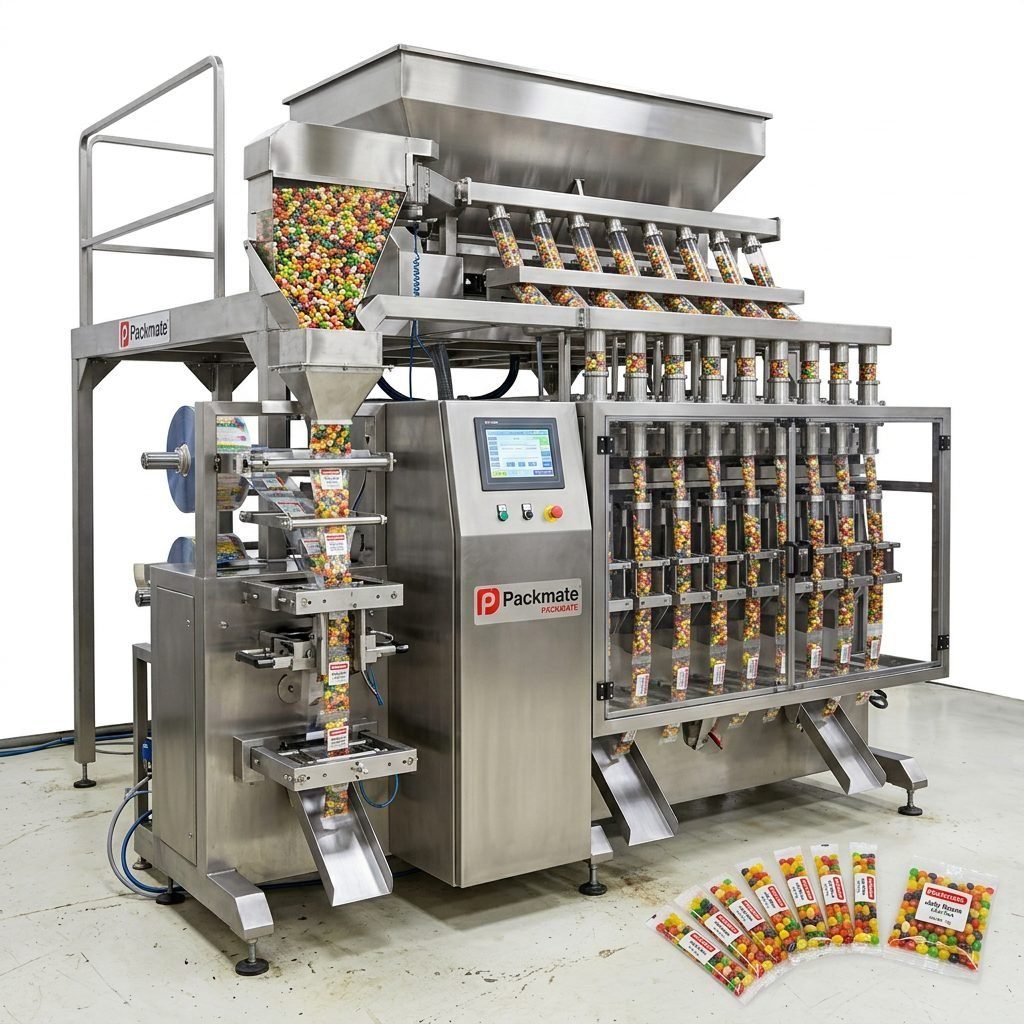
These are the workhorses of modern juice packaging. FFS machines create the pouch from a roll of film, fill it with juice, and seal it—all in one continuous, automated process. They are ideal for producing stand-up pouches, spouted pouches, and flat sachets. The major benefit is significant material cost savings and reduced storage space compared to pre-made containers.
Bottling Lines
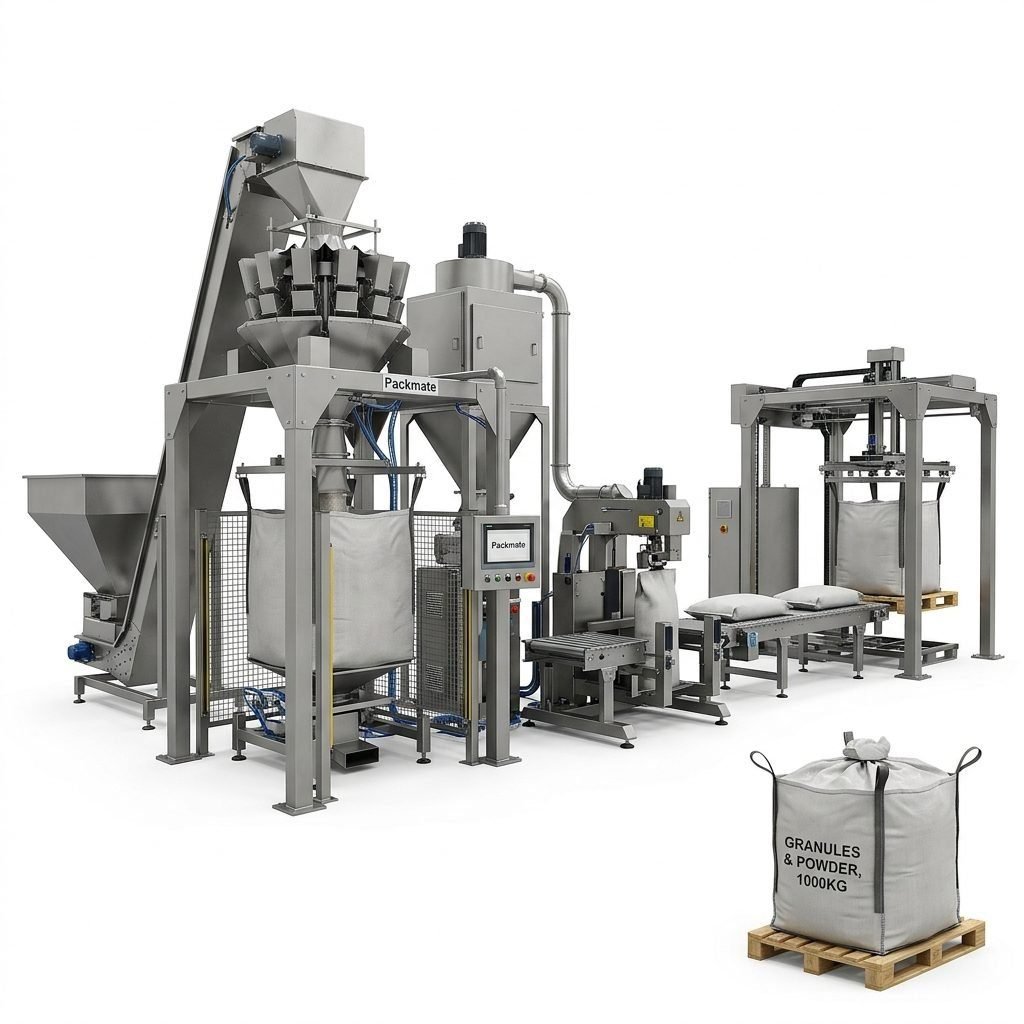
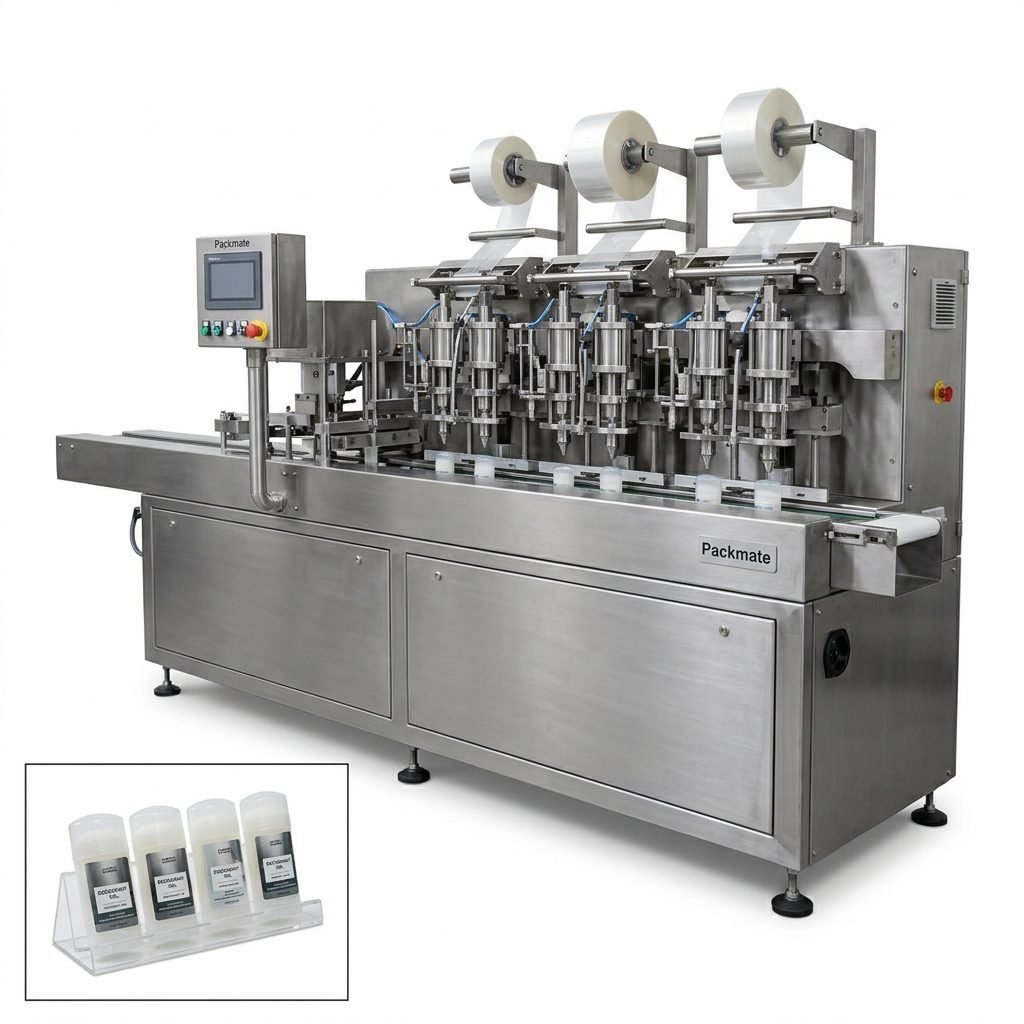
For traditional PET, glass, or HDPE bottles, a complete bottling line is necessary. This typically involves a multi-stage system: a bottle unscrambler, a rinser, a volumetric or gravity filler, a capper or sealer, and a labeler. These lines are highly efficient for large-volume production but require a larger footprint and higher initial investment. You can explore advanced filling and packaging lines designed for high-speed beverage applications.
Carton Packaging Machines
Machines for gable-top cartons (like those for fresh milk) or aseptic brick cartons are specialized. Aseptic cartoning machines sterilize the packaging material and the juice separately before filling in a sterile environment, allowing for shelf-stable products without refrigeration. This technology is perfect for extended shelf life and export markets.
Stick Pack & Sachet Machines
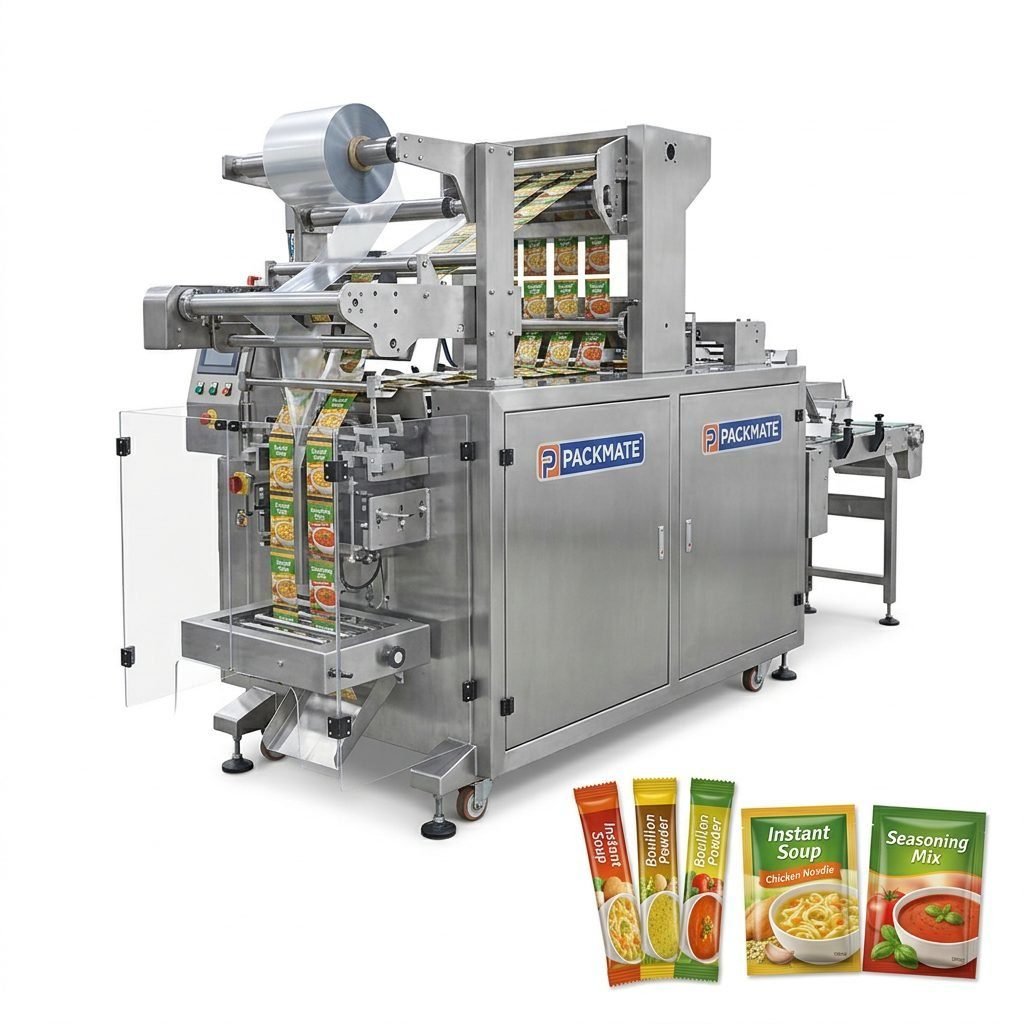
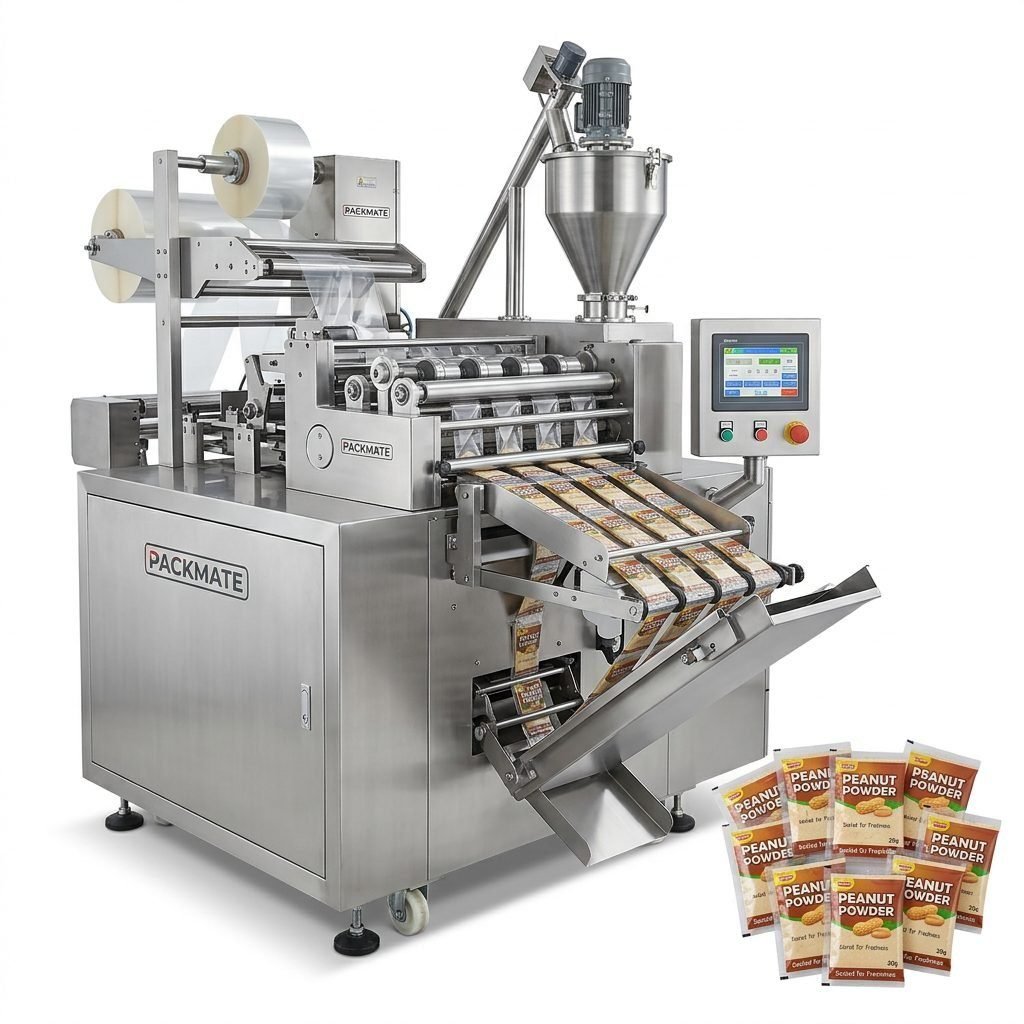
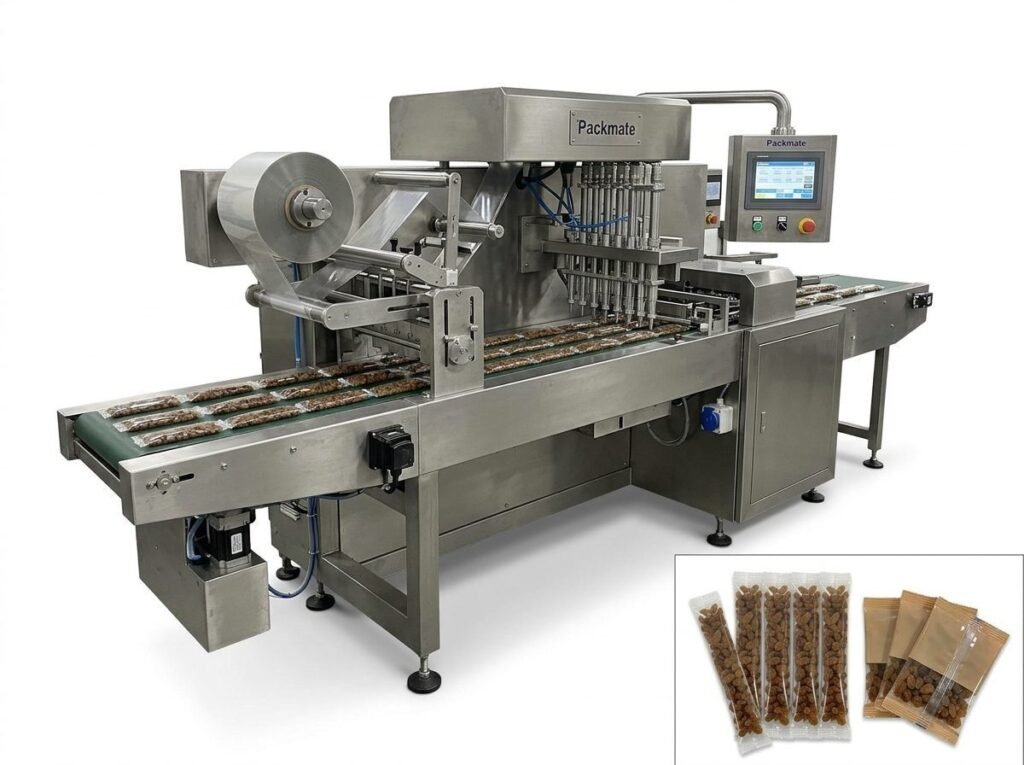
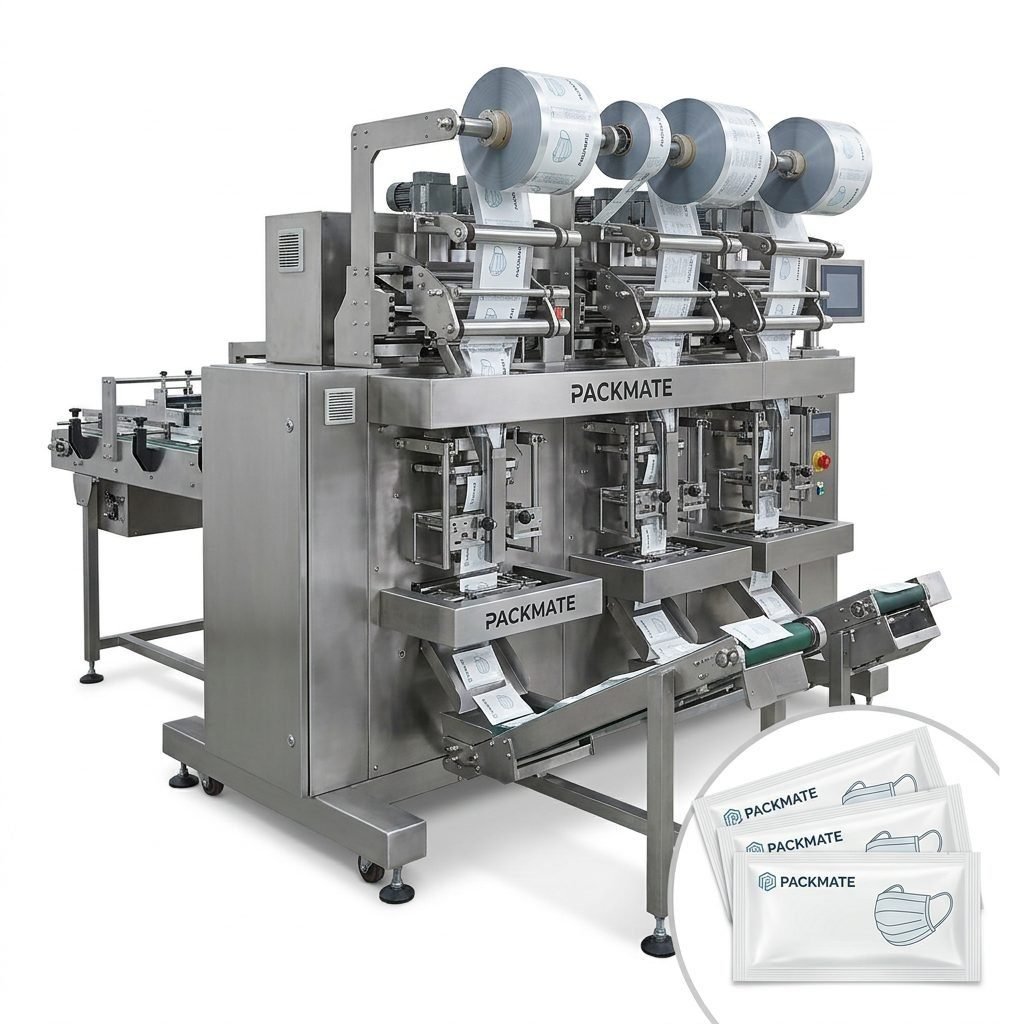
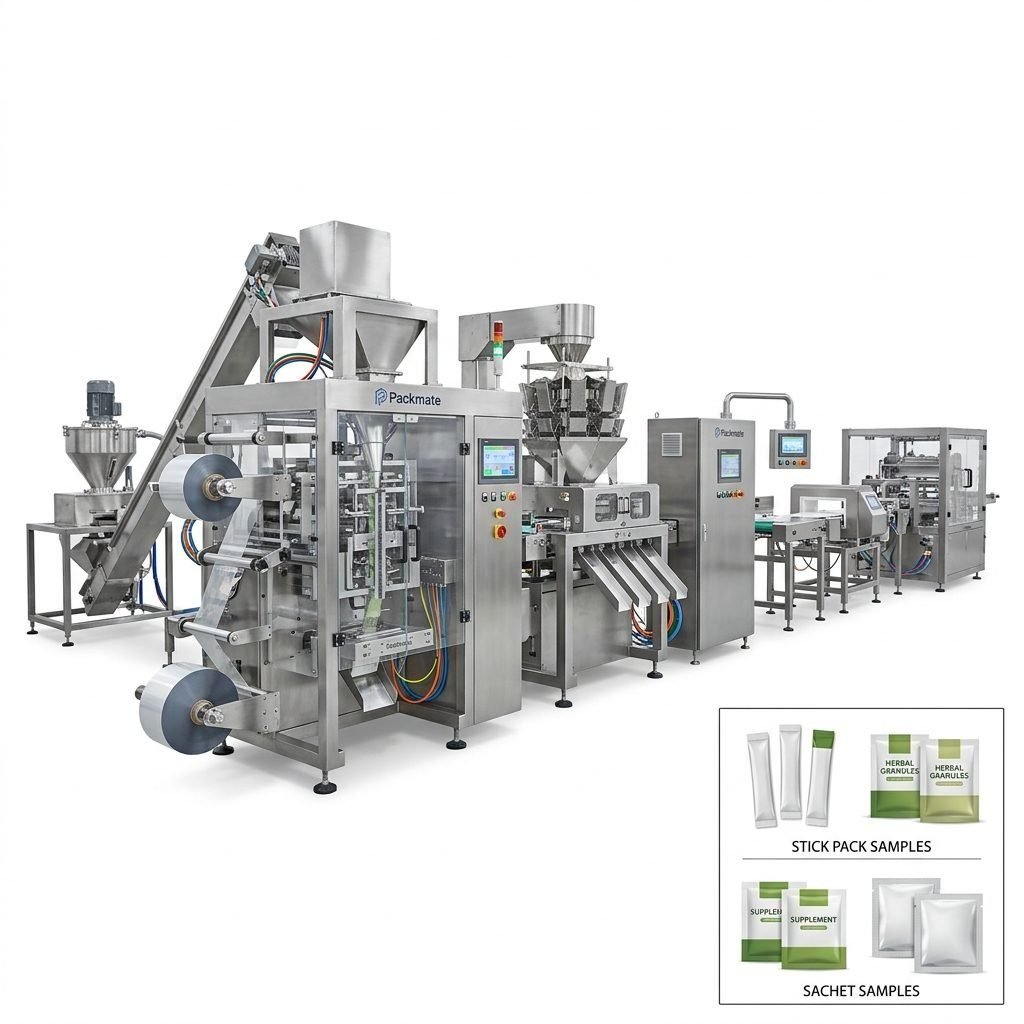
Perfect for single-serve portions, concentrates, or powder mixes that are reconstituted with water. These machines are compact, fast, and cost-effective for packaging smaller volumes. They are increasingly popular for health shots, lemon juice concentrates, and instant drink mixes. For businesses focusing on this format, sachet and stick pack machines offer versatile and reliable solutions.
Detailed Cost Analysis: Beyond the Sticker Price
The total cost of ownership (TCO) for a juice packaging machine encompasses several factors far beyond the initial purchase price.
1. Capital Investment (Machine Price)
This varies dramatically: a basic tabletop sachet machine may cost a few thousand dollars, while a fully automated, high-speed aseptic bottling line can run into millions. Complexity, speed (packages per minute), automation level, and brand reputation are the primary price drivers.
2. Operational Costs
These ongoing expenses include:
Energy Consumption: High-speed machines with numerous servo motors and heaters consume more power.
Labor: Automated lines reduce labor costs but require skilled technicians for operation and maintenance.
Maintenance & Spare Parts: Regular servicing and the availability/cost of spare parts are crucial for uptime.
Packaging Materials: The cost of films, bottles, caps, and labels. An efficient machine minimizes material waste.
3. Hidden & Long-Term Costs
Factor in installation, commissioning, and operator training costs. Also, consider the machine’s flexibility: can it handle multiple package sizes or juice viscosities with quick changeovers? A less flexible machine may incur future costs if your product line expands. Investing in a machine from an established manufacturer like Packmate Machinery, with over 30 years of expertise, can mitigate long-term risks through reliability and support.
Comprehensive Buying Guide: Key Steps to Success
Follow this structured approach to navigate the purchasing process effectively.
Step 1: Define Your Requirements
Start by answering fundamental questions:
– Product Type: Is it clear juice, pulp-heavy nectar, or a concentrate?
– Production Volume: Required output in packs per hour/shift.
– Packaging Format: Pouch, bottle, carton, or stick pack?
– Budget: Total available investment, including TCO.
– Future Plans: Anticipated business growth or new product launches.
Step 2: Research & Shortlist Suppliers
Look for manufacturers with a proven track record in the food and beverage industry. Evaluate their experience, client portfolio, and after-sales service network. Reviewing their project cases can provide real-world insights into their capabilities.
Step 3: Evaluate Machine Specifications & Performance
Do not rely solely on brochures. Key checks include:
Speed vs. Efficiency: A machine rated at 200 packs/minute with 95% efficiency is often better than one at 250 packs/minute with 85% efficiency.
Construction & Hygiene: Materials should be food-grade (e.g., SS304/316 stainless steel) and designed for easy cleaning.
Control System: User-friendly PLC/HMI interface for easier operation and changeovers.
Safety Features: Emergency stops, guards, and compliance with international safety standards.
Step 4: Request a Demo & Quotation
Always request a live or recorded video demonstration using a product similar to yours. Ask for a detailed quotation that breaks down machine price, spare parts, warranty, delivery, and installation terms.
Step 5: Finalize Support & Logistics
Clarify warranty terms, training programs for your staff, and the availability of technical support. Ensure you understand the delivery timeline and have the necessary facility preparations (power, air supply, floor space) ready. For comprehensive support, review the manufacturer’s service commitments.
Frequently Asked Questions (FAQs)
What is the most cost-effective packaging machine for a small juice startup?
For small-scale operations with limited capital, a vertical form-fill-seal (VFFS) machine for pouches or a semi-automatic bottling line often offers the best balance of affordability, flexibility, and acceptable output. Stick pack machines are also an excellent low-cost entry point for concentrates.
How do I ensure the machine is hygienic and easy to clean for food-grade production?
Choose machines constructed with food-grade stainless steel on all product contact surfaces. Look for designs with minimal crevices, quick-release parts, and CIP (Clean-in-Place) capabilities. The design should comply with relevant food safety standards like FDA or EHEDG guidelines.
What are the main differences between volumetric filling and gravity filling for juices?
Volumetric fillers (using pistons or pumps) are highly accurate and better for pulpy or viscous juices. Gravity fillers rely on product flow by gravity into bottles and are faster and simpler, best for clear, non-viscous liquids. The choice depends on your product’s characteristics and required filling accuracy.
Can one machine handle different juice viscosities and package sizes?
Many modern machines are designed for quick changeovers. However, the degree of flexibility varies. You must specify your range of requirements to the supplier. Machines may require different filling heads, pump types, or film sealing jaws to switch between vastly different products and pack sizes.
What after-sales support should I expect from the manufacturer?
Reliable support includes a clear warranty (typically 12-24 months), detailed operation and maintenance manuals, on-site or remote installation guidance, operator training, and readily available technical support for troubleshooting. Ensure spare parts are accessible to minimize downtime.