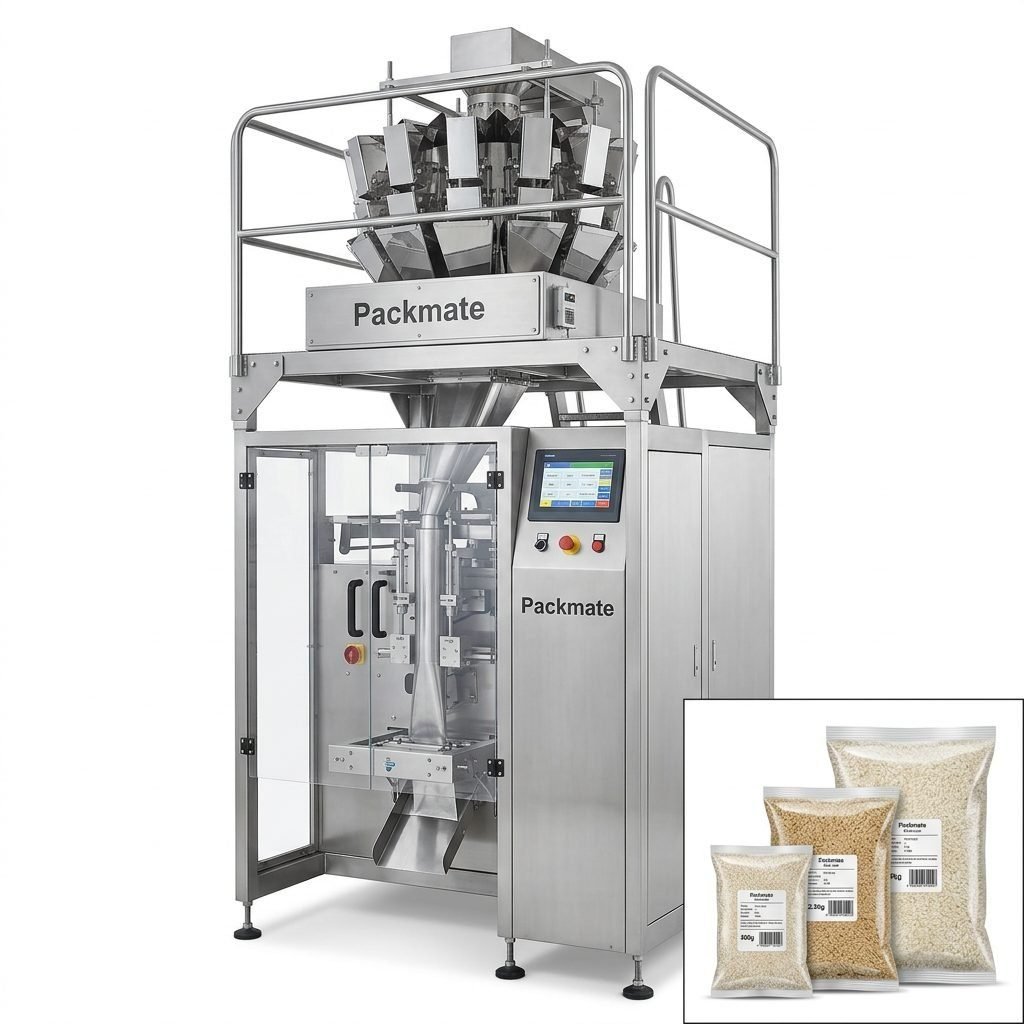
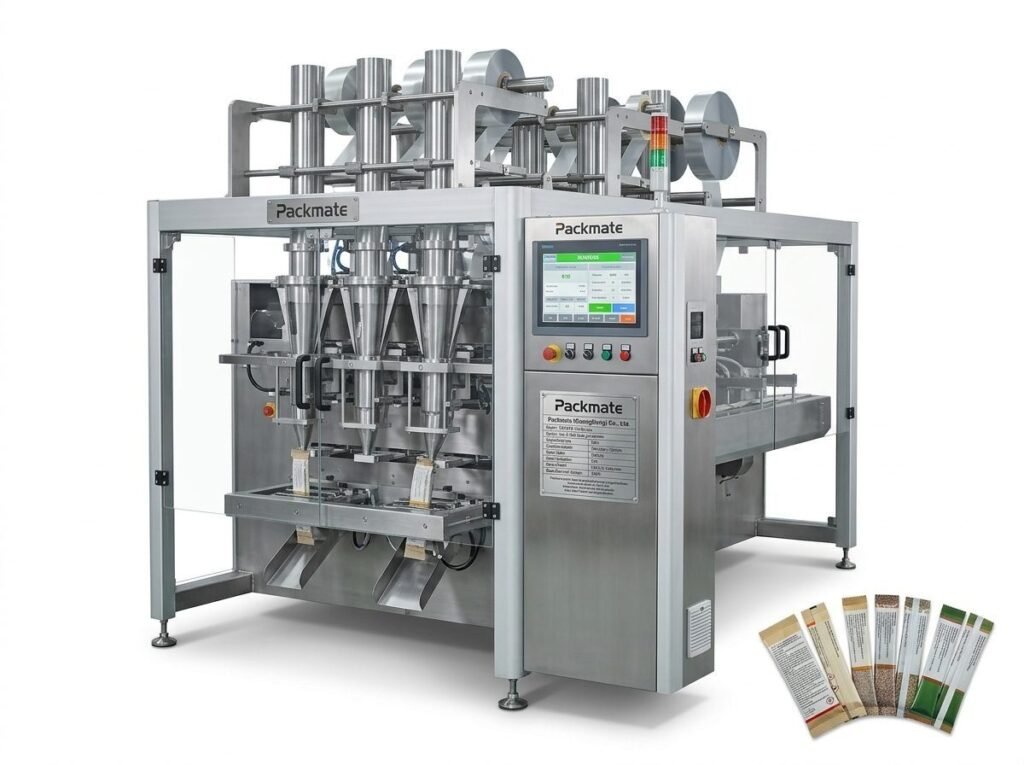
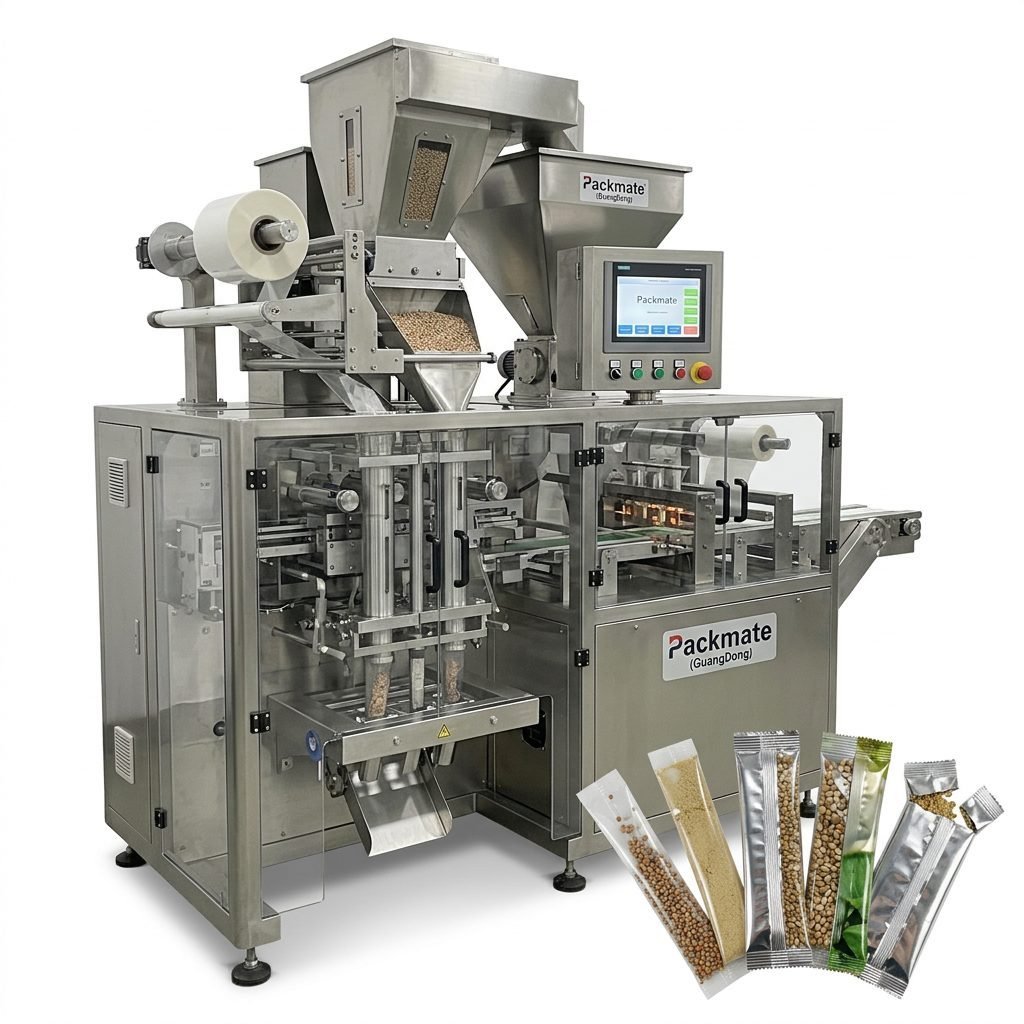
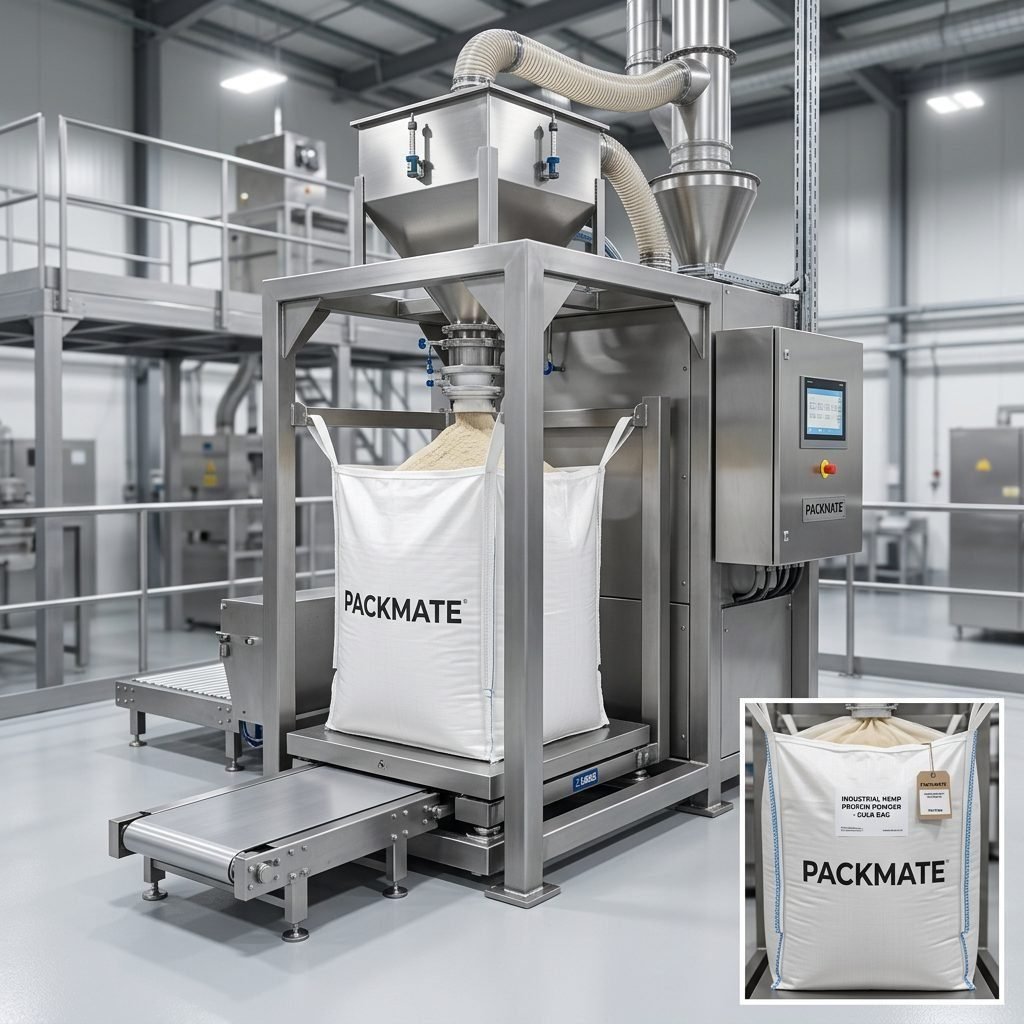
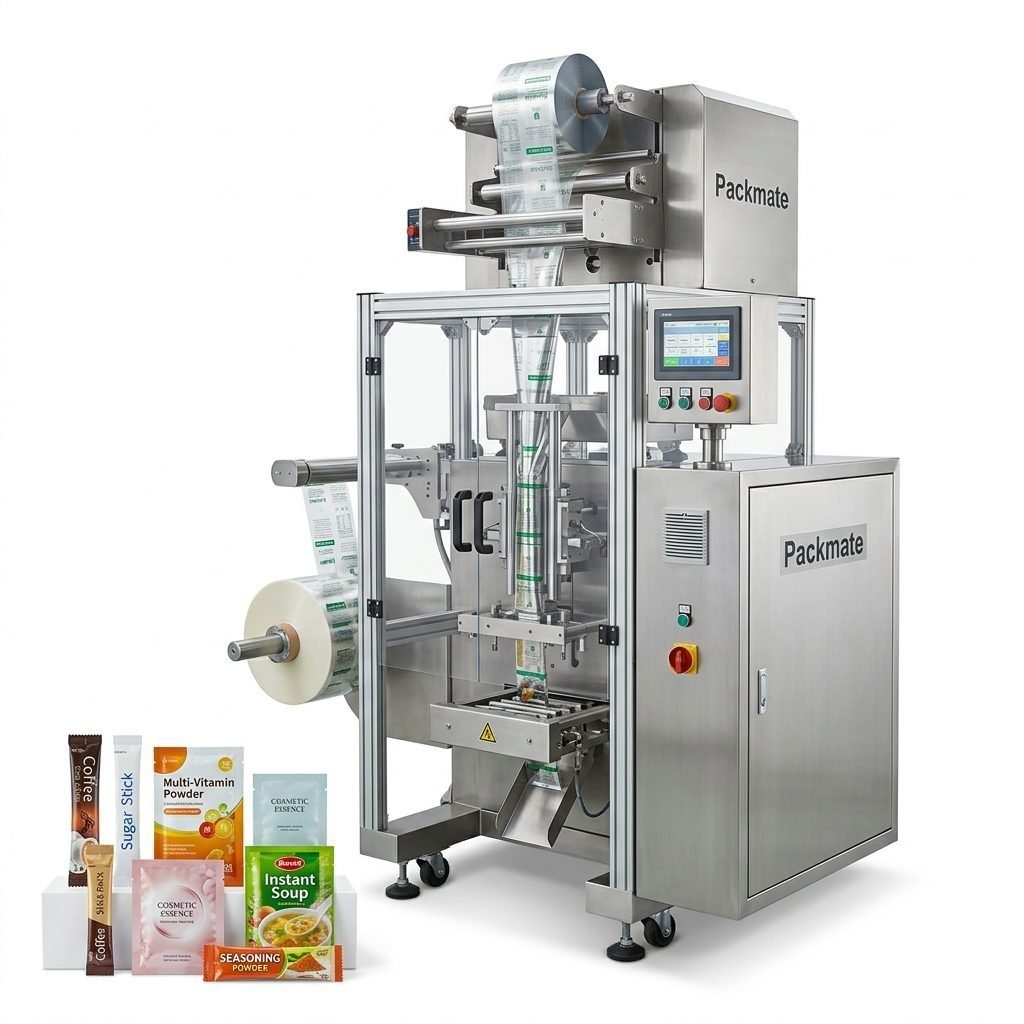
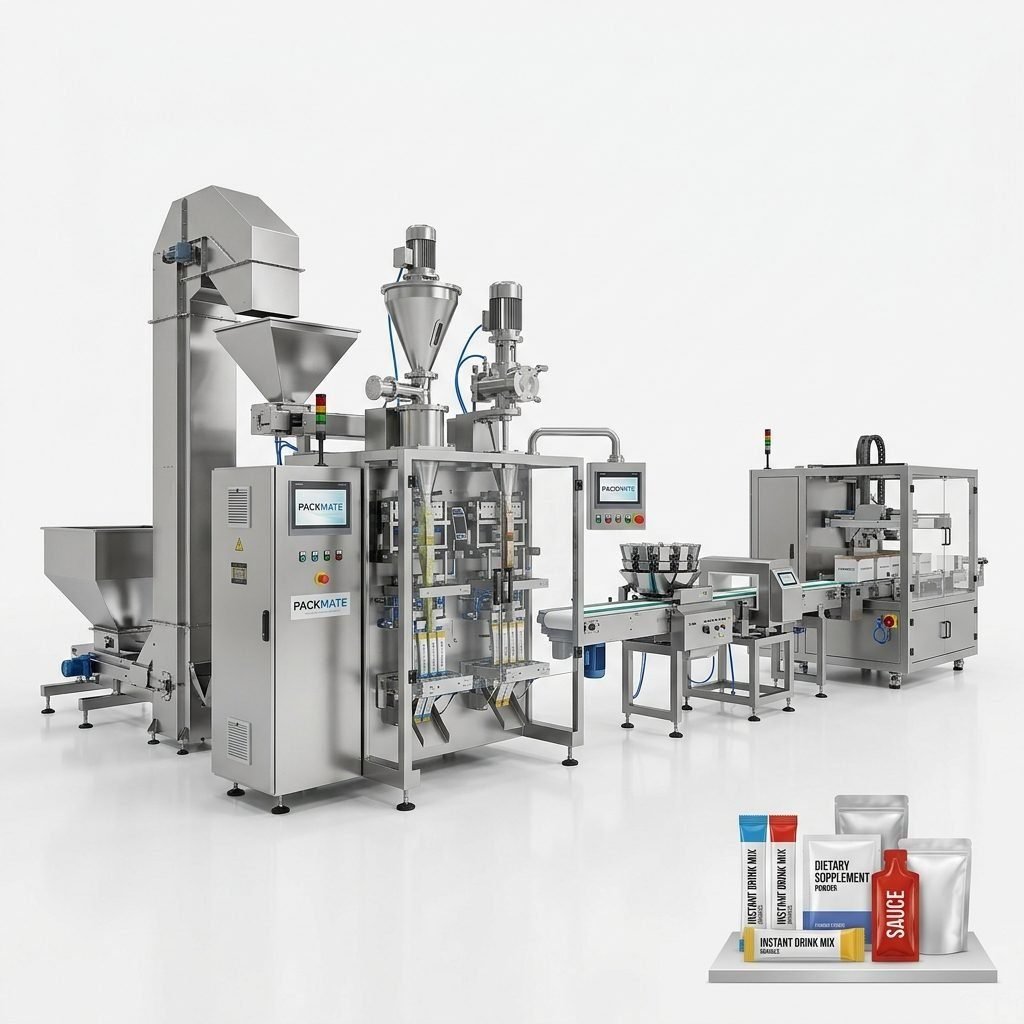
Selecting the right food packaging machine supplier is a critical decision for any business in the food industry. The efficiency, reliability, and innovation of your packaging line directly impact product quality, operational costs, and market competitiveness. With numerous suppliers in the global market, identifying partners that align with your specific business needs—whether for granules, powders, liquids, or complex multi-product lines—requires careful evaluation.
Key Factors in Choosing a Packaging Partner
When sourcing equipment, several core factors should guide your decision. Technical expertise and proven experience are paramount. A supplier with deep industry knowledge can provide solutions that not only meet current specifications but also anticipate future challenges. Look for a partner with a substantial track record, like Packmate Machinery, which brings over three decades of specialization in intelligent packaging for food, pharmaceuticals, and health products.
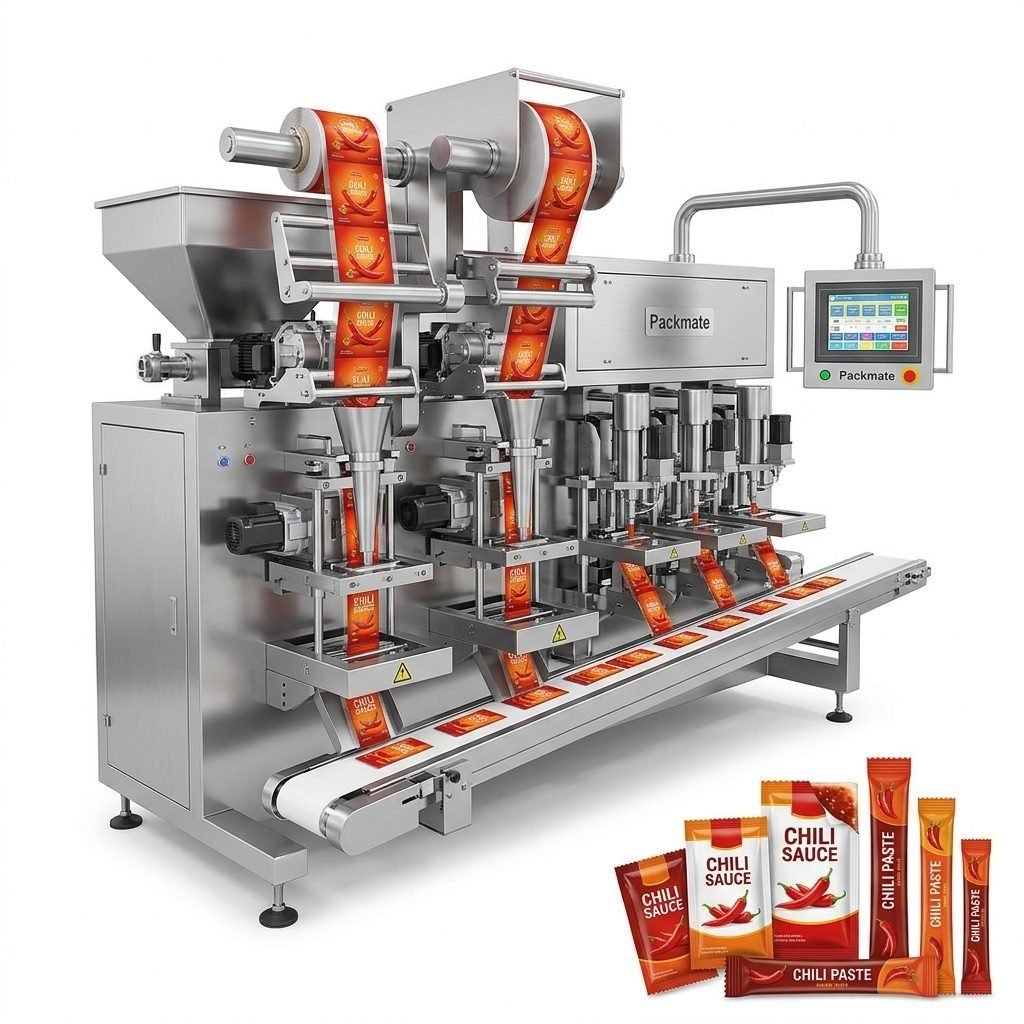
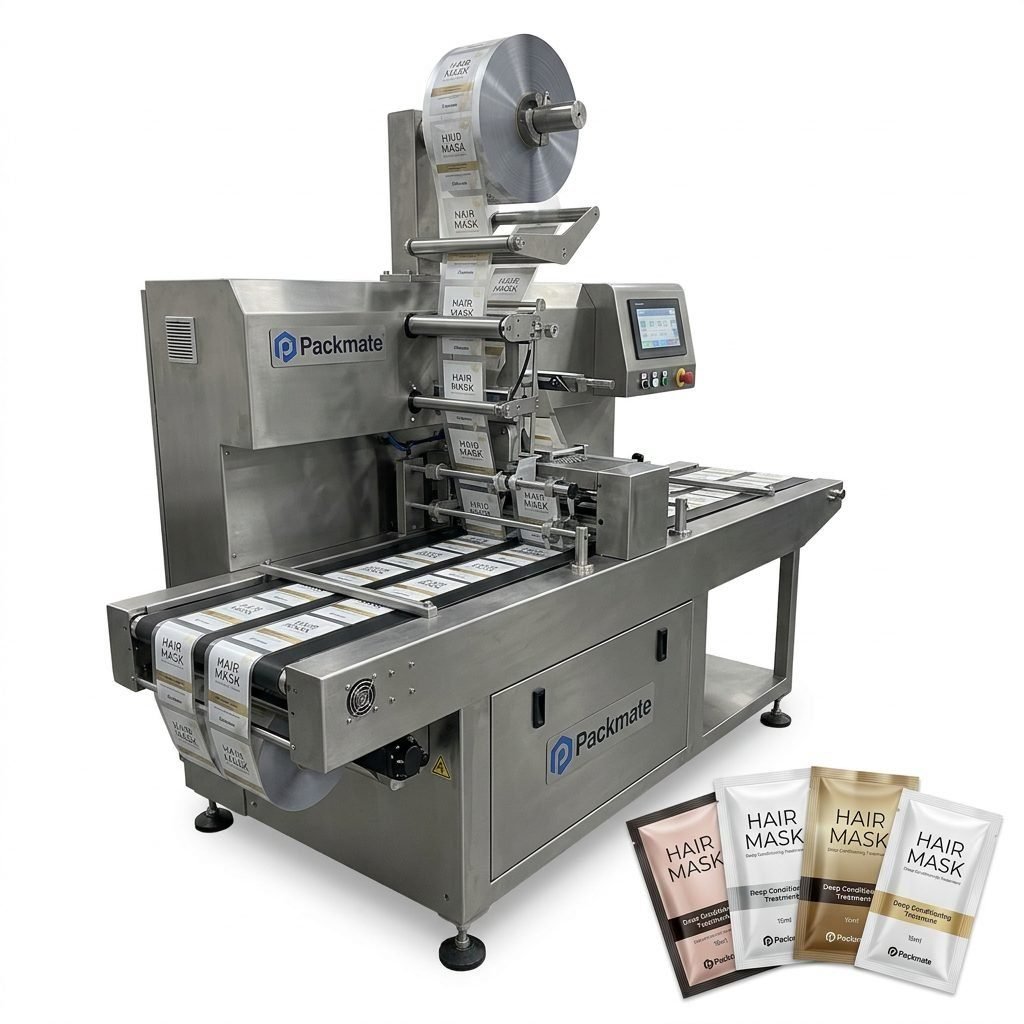
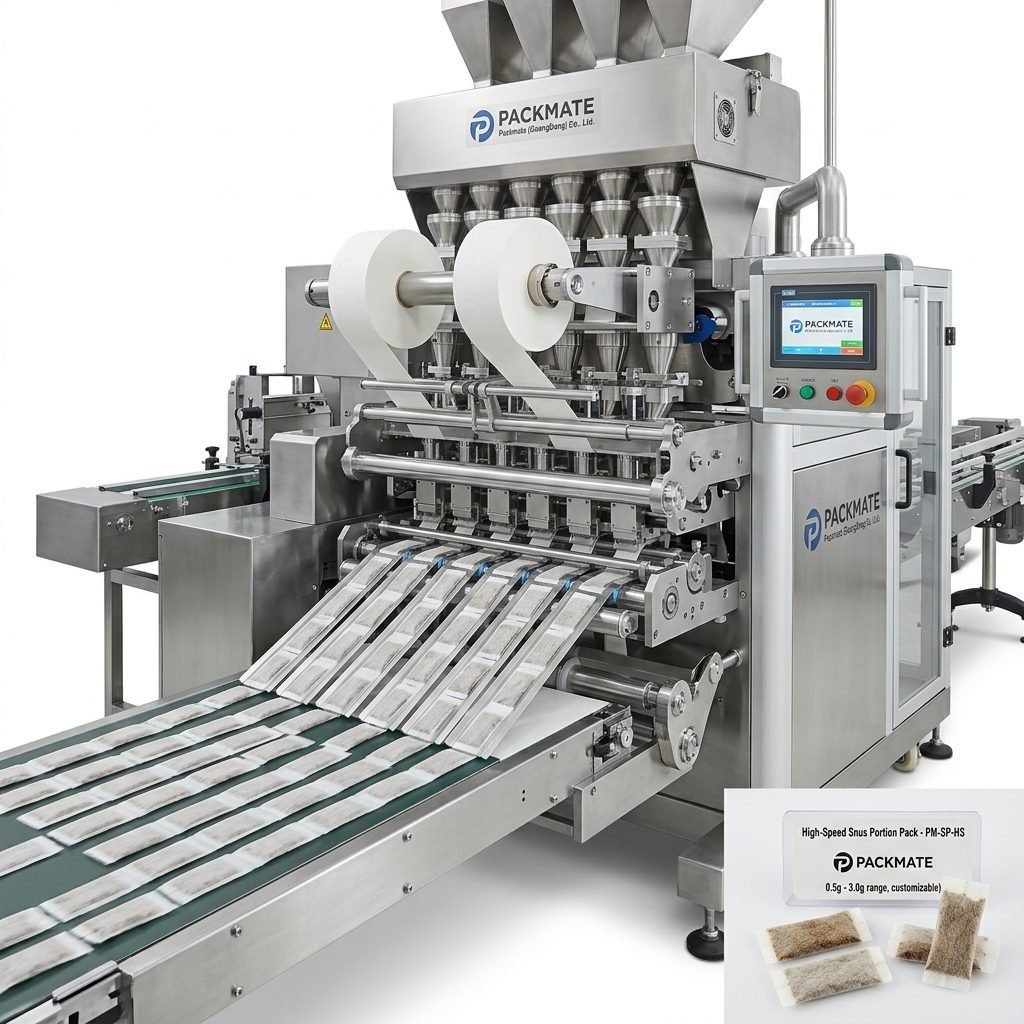
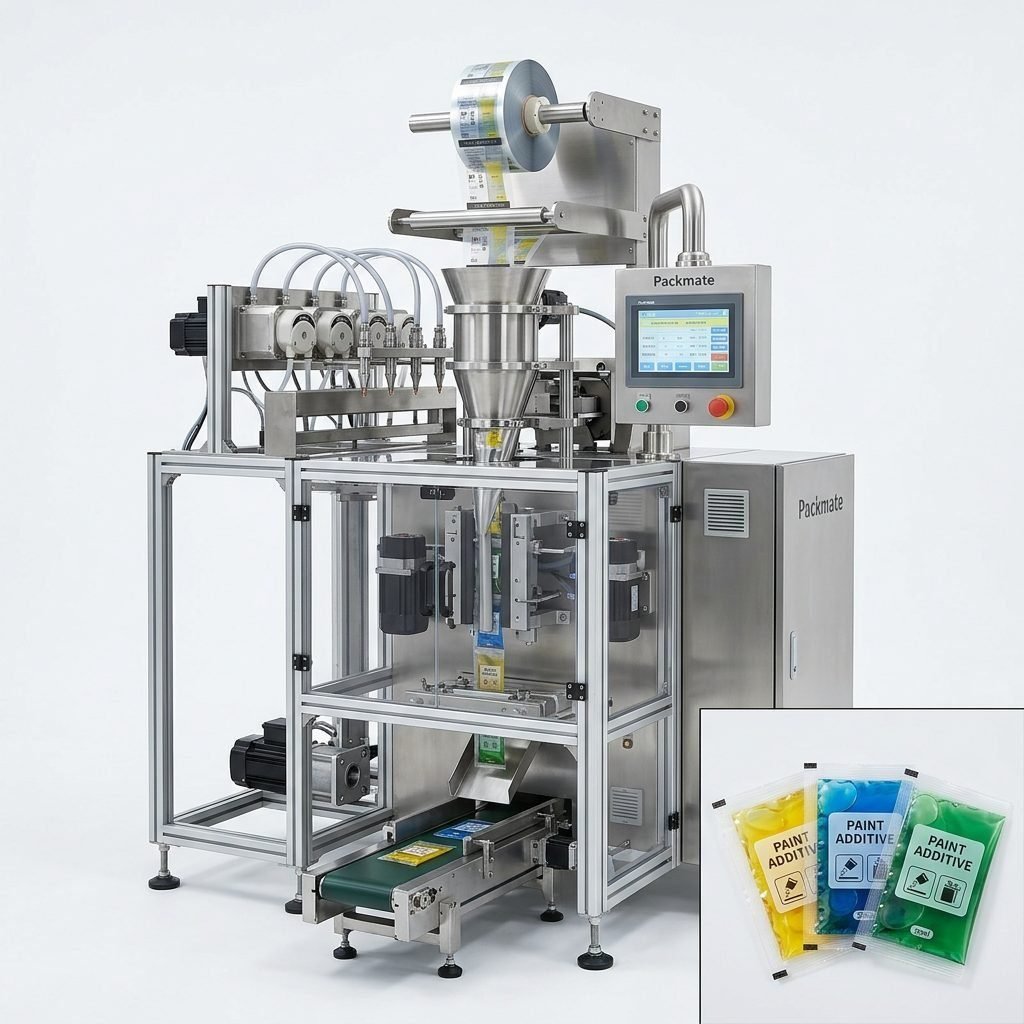
Another crucial consideration is the range and flexibility of the machine portfolio. A versatile supplier offering more than 50 machine models, from single sachet machines to complete multi-lane stick pack lines, provides scalability. This allows your business to adapt to changing product lines or increased demand without seeking new vendors. Exploring their comprehensive product range is an essential step.
Evaluating Manufacturing and Support Capabilities
The supplier’s manufacturing infrastructure is a direct indicator of quality and capacity. A modern facility, such as a 20,000㎡ factory equipped with advanced production and testing lines, ensures consistent build quality and rigorous pre-delivery checks. Furthermore, robust after-sales service, including training, spare parts availability, and technical support, is non-negotiable for minimizing downtime. A supplier’s commitment to comprehensive service programs often reflects their dedication to long-term partnerships.
The Advantage of Turnkey Solutions
For businesses looking to streamline their setup or expansion, partnering with a supplier that provides complete turnkey solutions offers immense value. A turnkey approach means the supplier manages the entire process—from machine design and manufacturing to installation, commissioning, and staff training. This holistic service, as championed by industry leaders, reduces complexity, ensures system compatibility, and accelerates time-to-market for your packaged products.
This is particularly beneficial for handling diverse products like spices, powdered supplements, or liquid condiments, where different filling and sealing technologies are required. Suppliers with expertise in integrated filling and packaging lines can design a cohesive system that optimizes each step of the process.
Innovation and Adaptability to Market Trends
The packaging landscape is continuously evolving, driven by consumer demand for sustainability, convenience, and premium presentation. Top-tier suppliers invest significantly in R&D to innovate. This includes developing machines that work with recyclable or compostable materials, enabling portion-control packaging like stick packs, or incorporating smart technologies for data monitoring and traceability.
A supplier’s history often reveals its innovative capacity. For instance, a journey that began with mastering small sachet machines and evolved into producing sophisticated multi-lane equipment demonstrates an ability to adapt and lead market trends. This evolution ensures that the machinery you invest in is not just for today’s needs but is built on a platform of continuous improvement.
Global Reach with Localized Understanding
While food packaging has global standards, successful suppliers understand that regional preferences and regulations matter. A supplier with a global clientele brings a wealth of cross-market experience, which can be invaluable when entering new territories. They can advise on packaging styles that resonate in different cultures—whether it’s the format of a soup sachet in Asia or a snus pouch in Europe.
Their international experience, often showcased through participation in global exhibitions, means they are likely familiar with various international safety and quality certifications, helping ensure your packaging line complies with the necessary standards for your target markets.
Building a Partnership Based on Core Values
Ultimately, the most successful supplier relationships transcend transactional purchases. They become strategic partnerships. Aligning with a supplier whose core values emphasize quality, reliability, and collaboration fosters trust and open communication. This partnership model is essential for troubleshooting, planning future upgrades, and ensuring that your packaging operations remain a competitive asset for years to come.
Frequently Asked Questions (FAQs)
What types of food products can your packaging machines handle?
Our machines are engineered to handle a wide variety of food products, including but not limited to granules (like coffee, sugar, spices), powders (milk powder, protein supplements, seasoning), and liquids (sauces, oils, condiments). We offer specialized solutions for different product characteristics.
Do you provide custom-configured packaging lines or only standard machines?
We specialize in providing both. While we have a robust portfolio of over 50 standard machine models, a significant part of our service involves engineering custom-configured and complete turnkey packaging lines tailored to the specific speed, format, and product requirements of our clients.
How important is after-sales service, and what do you typically offer?
After-sales service is critical for operational continuity. We provide comprehensive support including detailed operational training for your team, readily available spare parts, remote technical assistance, and on-site service visits when necessary to ensure minimal downtime and optimal machine performance.
Can your machines support sustainable or eco-friendly packaging materials?
Yes, adapting to sustainable packaging trends is a key focus of our R&D. Our machines can be configured to work with a range of newer, more eco-friendly materials. We recommend discussing your specific material goals with our engineering team during the planning phase to ensure compatibility.
What is the typical lead time for a standard machine or a full production line?
Lead times vary depending on the complexity and customization of the order. For standard machines, it is generally shorter, while full production lines require more detailed engineering and manufacturing time. We provide clear and realistic timelines upon project confirmation and maintain communication throughout the manufacturing process.