In the competitive confectionery industry, efficient and attractive packaging is not just a necessity—it’s a critical component of brand identity and market success. Candy packaging machines automate the process of wrapping, sealing, and portioning candies, ensuring hygiene, consistency, and speed that manual operations cannot match. For businesses looking to scale production, reduce labor costs, and maintain product freshness, investing in the right packaging machinery is a strategic decision.
Primary Types of Candy Packaging Machines
The choice of machine depends heavily on the candy’s form (hard, soft, chewy, powdered), the desired package style, and production volume. Here are the most common types used in the industry.
Flow Wrappers
Flow wrappers, or horizontal form-fill-seal (HFFS) machines, are ubiquitous for wrapping individual candy bars, bite-sized pieces, or bundles. The machine forms a tube of film around the product, creating a tight, secure seal at both ends. This method is ideal for high-speed production and provides excellent barrier properties against moisture and air.
Key Benefit: Exceptional speed and efficiency for uniform, single-item wrapping. Perfect for mass-produced chocolate bars and candies with a regular shape.
Vertical Form-Fill-Seal (VFFS) Machines
VFFS machines are the workhorses for packaging loose candies like jelly beans, gummies, or hard candies into bags or pouches. The machine forms a bag from a roll of film, fills it with a pre-measured weight or count of product, and then seals it. They are highly versatile and can create various bag styles, such as pillow bags, gusseted bags, or stand-up pouches.
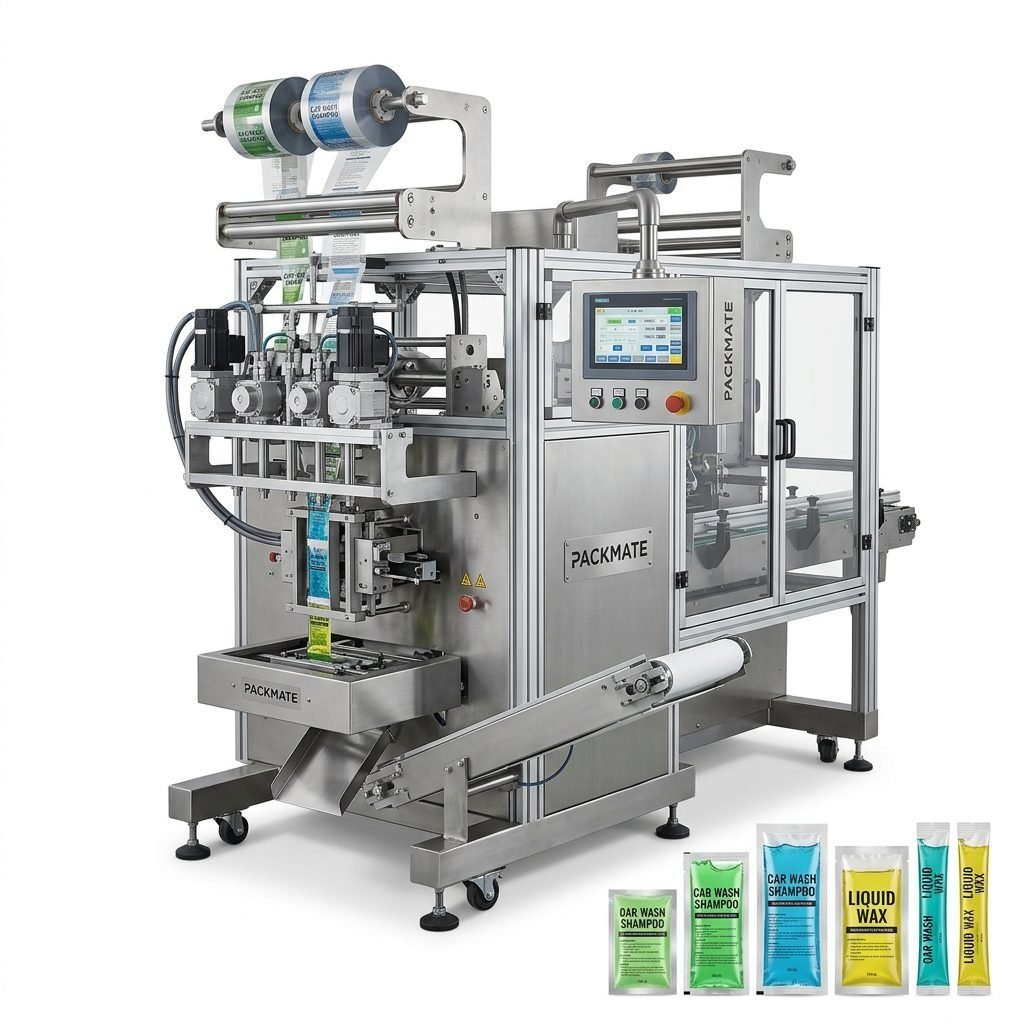
For businesses dealing with a mix of granular or small-piece confectionery, exploring a comprehensive range of bag & pouch packaging machines is essential to find the perfect fit for product characteristics and shelf appeal.
Stick Pack and Sachet Machines
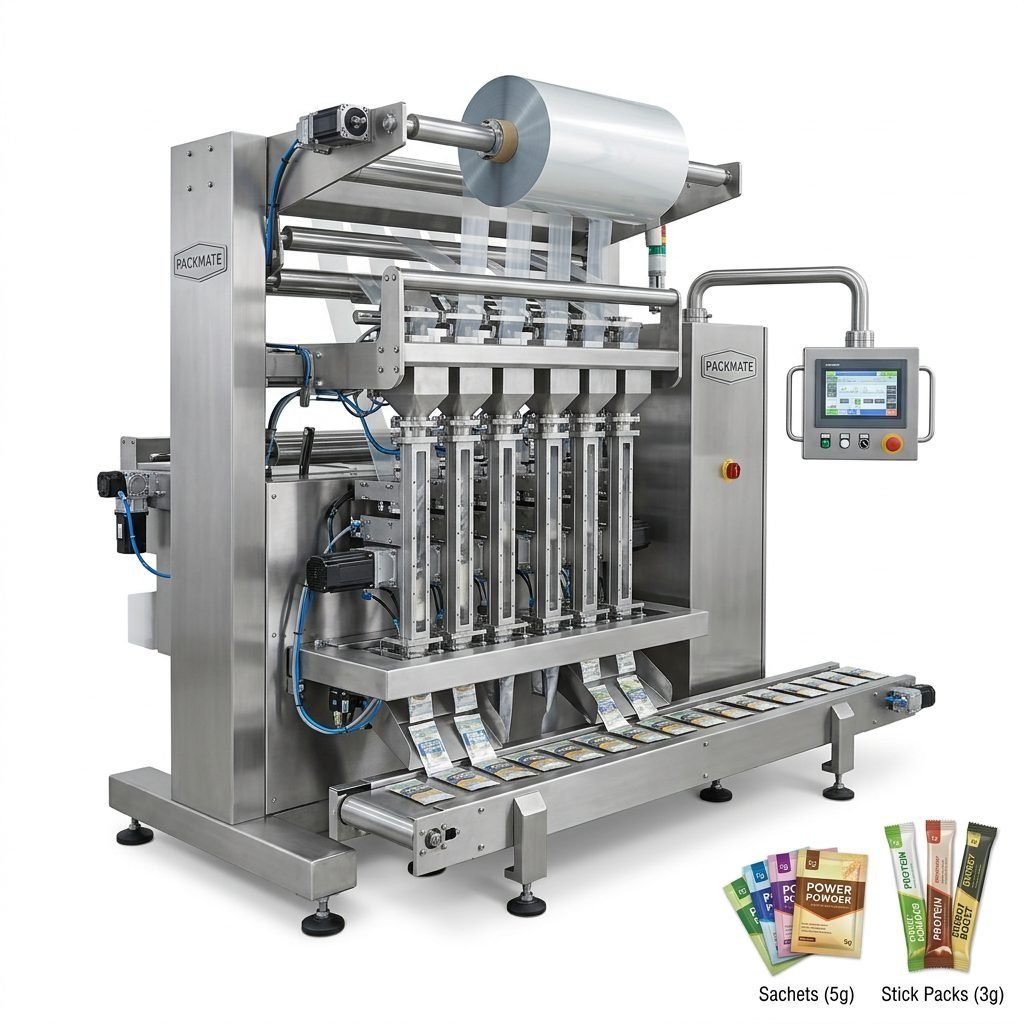
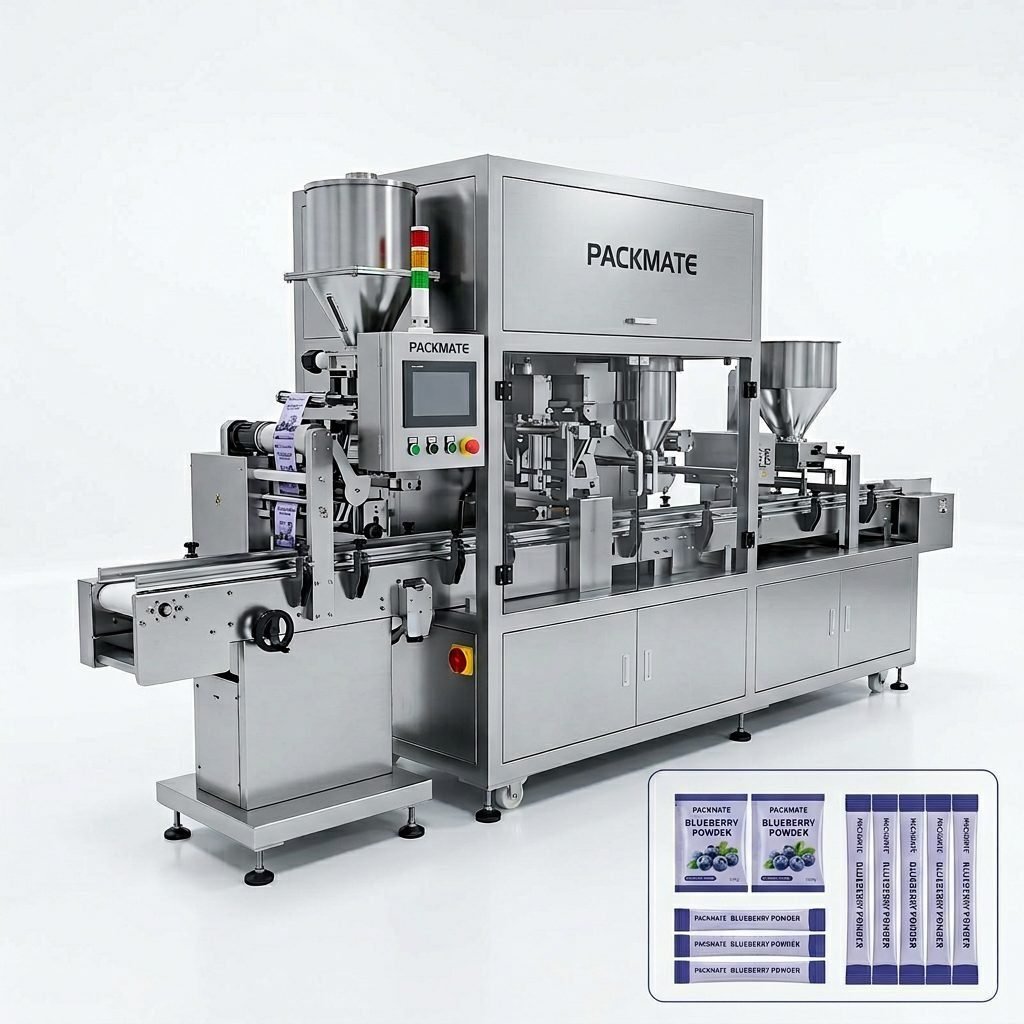
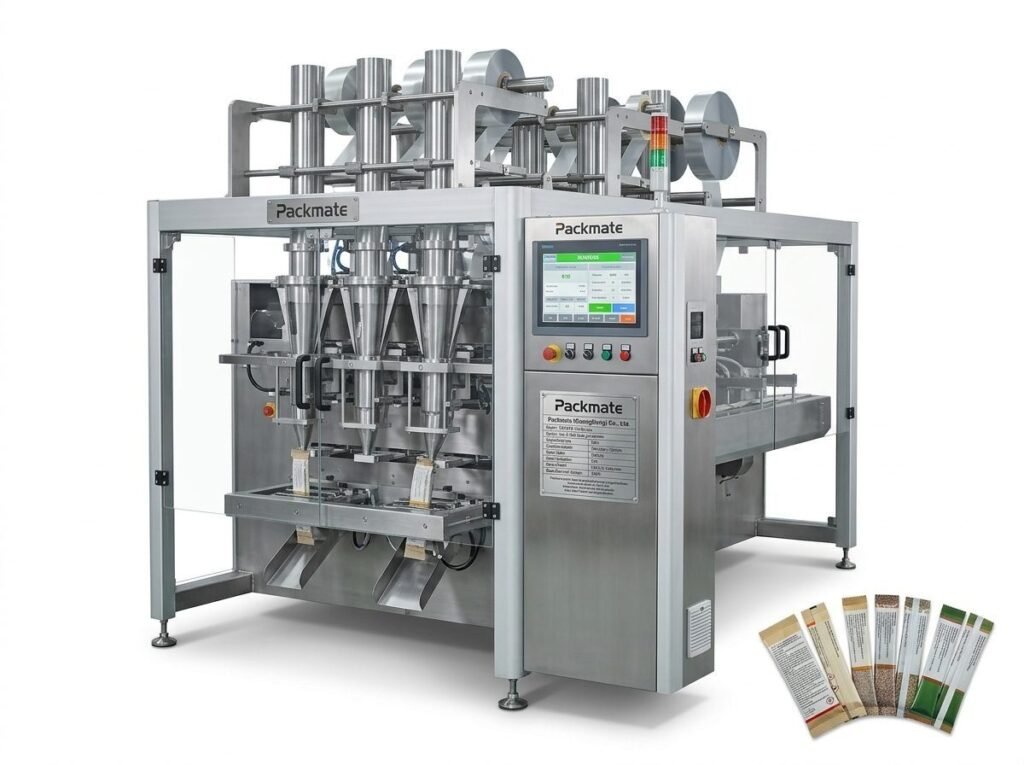
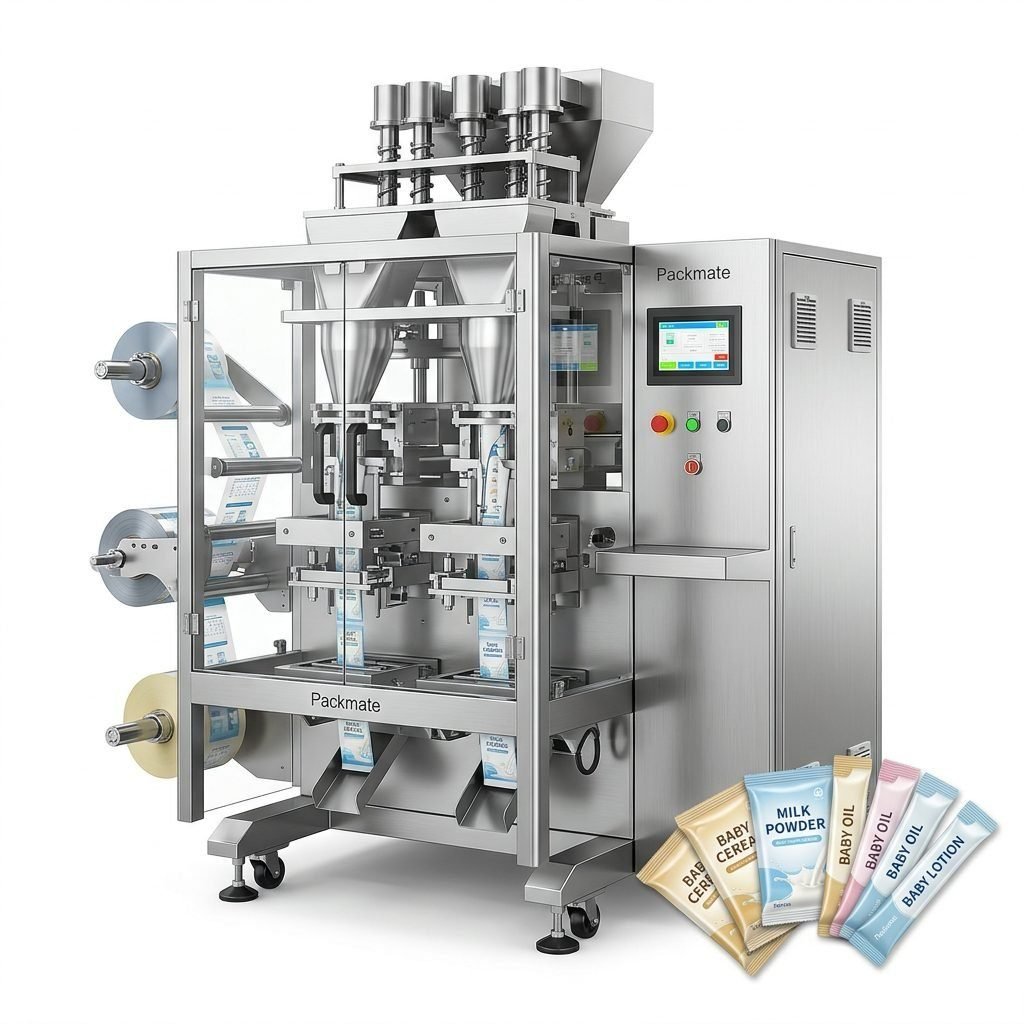
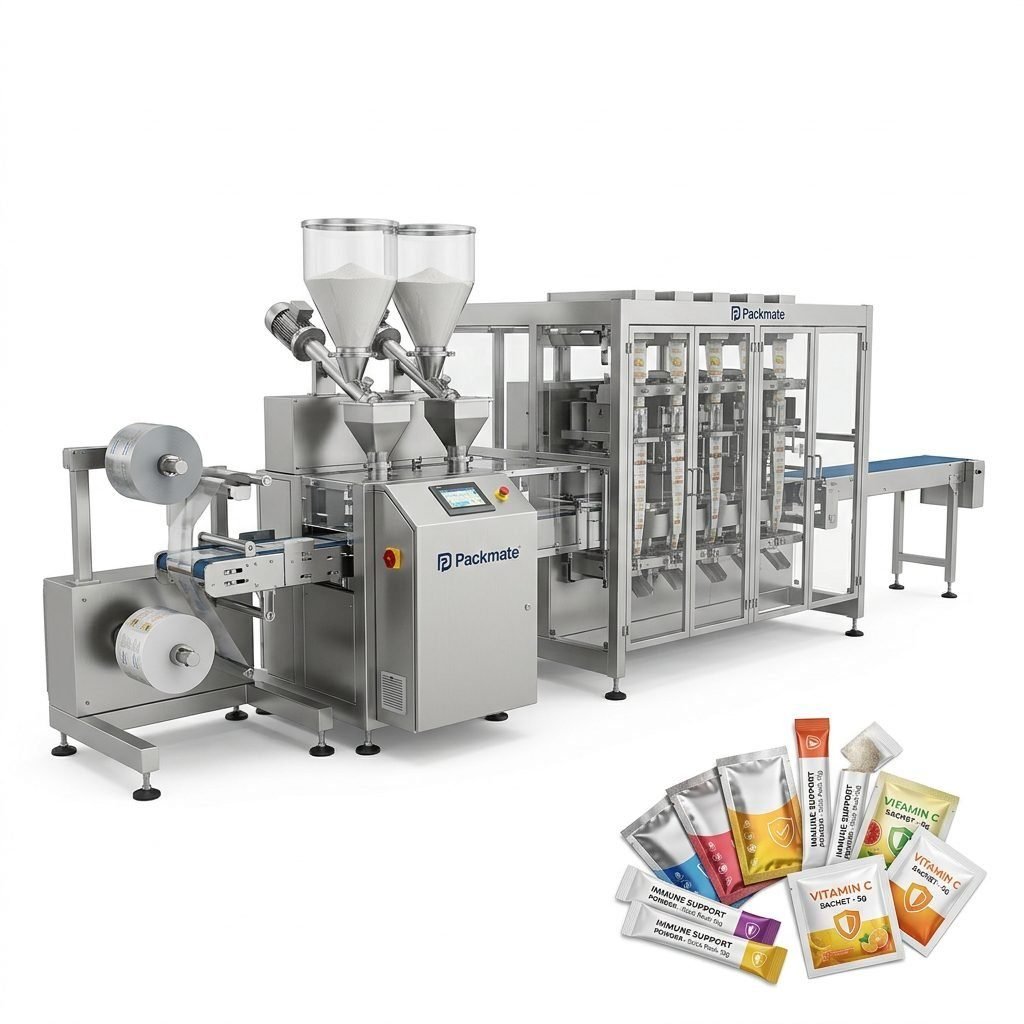
For powdered drink mixes, sugar, or small, precise portions of candy sprinkles or toppings, stick pack and sachet machines are ideal. They create long, slender packs or small rectangular pouches from roll stock. These machines are known for their precision dosing and compact, portable final package, which is popular for single-serve offerings.
Leading manufacturers like Packmate Machinery offer advanced multi-lane sachet & stick pack machines that dramatically increase output by packaging multiple units simultaneously, a crucial feature for high-volume producers.
Cartoning and Boxing Systems
After primary packaging, candies often need secondary packaging into boxes, cartons, or display cases. Automatic cartoning machines collate individual wrapped items, insert them into pre-formed cartons, and close them. These systems integrate seamlessly with primary wrappers to create a fully automated line from product to shippable box.
Tangible Benefits of Automating Candy Packaging
Moving from manual or semi-automatic processes to fully automated packaging lines delivers a significant return on investment through multiple channels.
Increased Production Speed & Output: Automated machines operate continuously at high speeds, far surpassing manual capabilities. This allows businesses to meet large orders and market demand spikes efficiently.
Enhanced Consistency and Quality: Every package is identical in weight, appearance, and seal integrity. This reduces product giveaway and eliminates the variability of manual handling, ensuring every customer gets the same high-quality experience.
Substantial Labor Cost Reduction: Automation minimizes the need for repetitive manual packing, allowing staff to be reassigned to more skilled tasks like quality control, machine supervision, and maintenance.
Improved Hygiene and Safety: Automated systems limit direct human contact with the product, which is paramount in food processing. This reduces contamination risk and helps comply with stringent food safety regulations (e.g., FDA, HACCP).
Material Savings and Sustainability: Modern machines are engineered to optimize material usage, minimizing film waste. Precise dosing also reduces product waste, contributing to both cost savings and more sustainable operations.
A Strategic Guide: How to Choose the Right Machine
Selecting a candy packaging machine is a significant capital investment. A systematic evaluation based on your specific needs will ensure you choose equipment that delivers value for years to come.
1. Analyze Your Product and Packaging Requirements
This is the foundational step. Define the physical properties of your candy (size, shape, stickiness, fragility) and your desired package type (single bar wrapper, stand-up pouch, stick pack). The machine must be compatible with your chosen packaging material (film type, thickness) to ensure reliable sealing and operation.
2. Determine Your Production Volume and Speed Needs
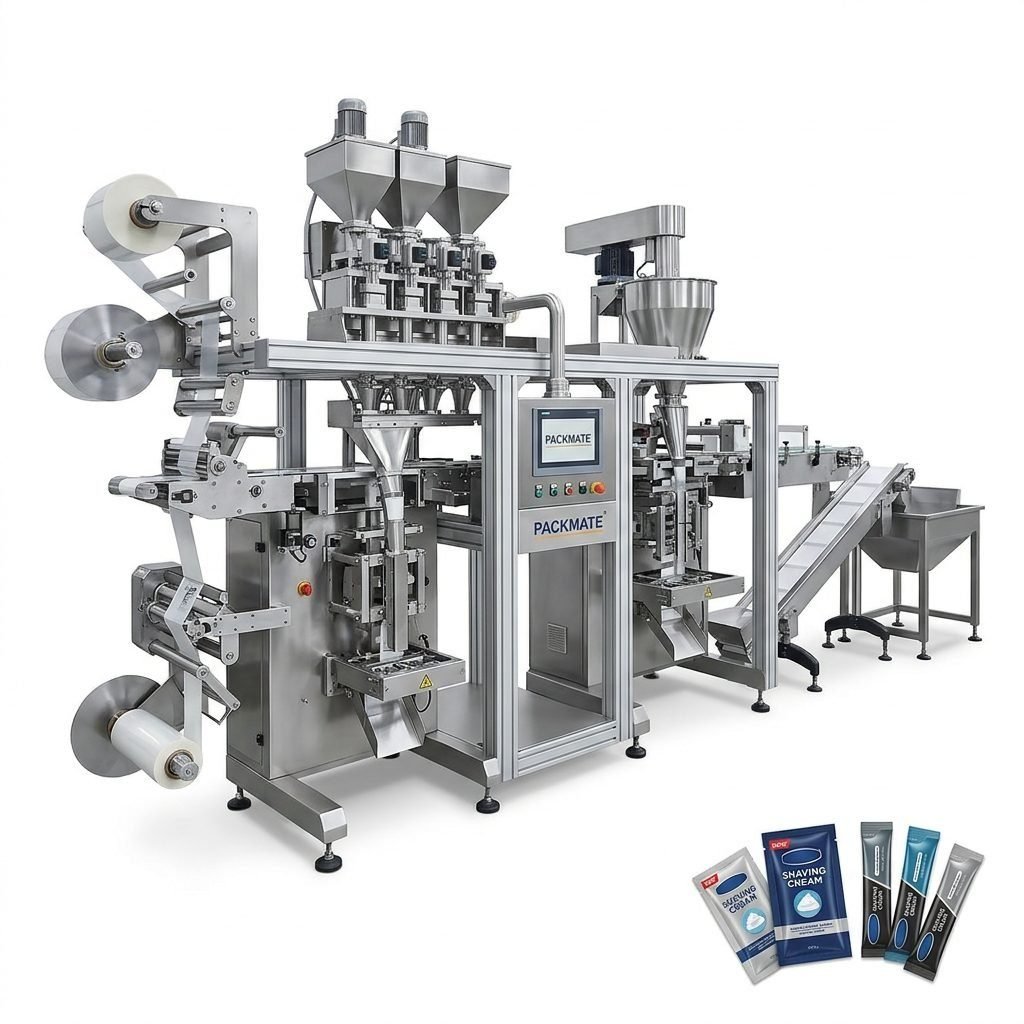
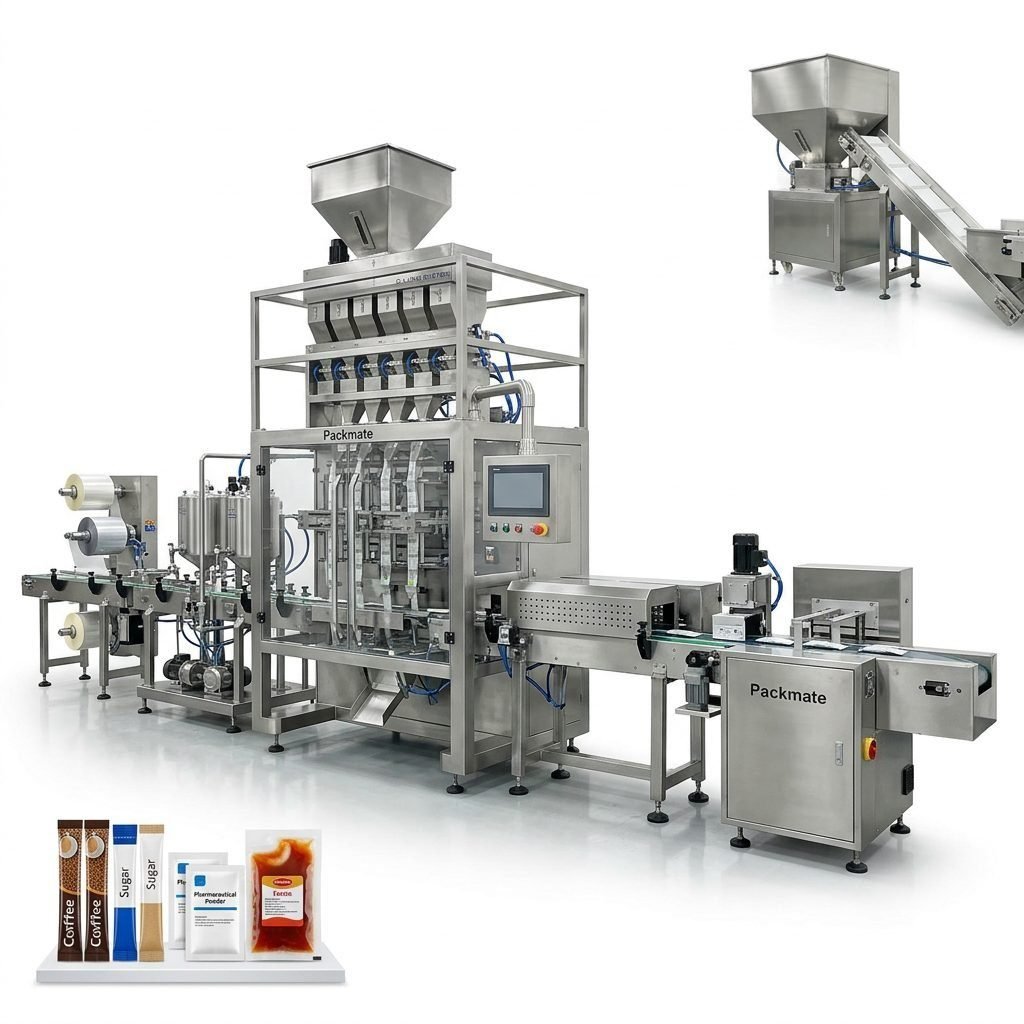
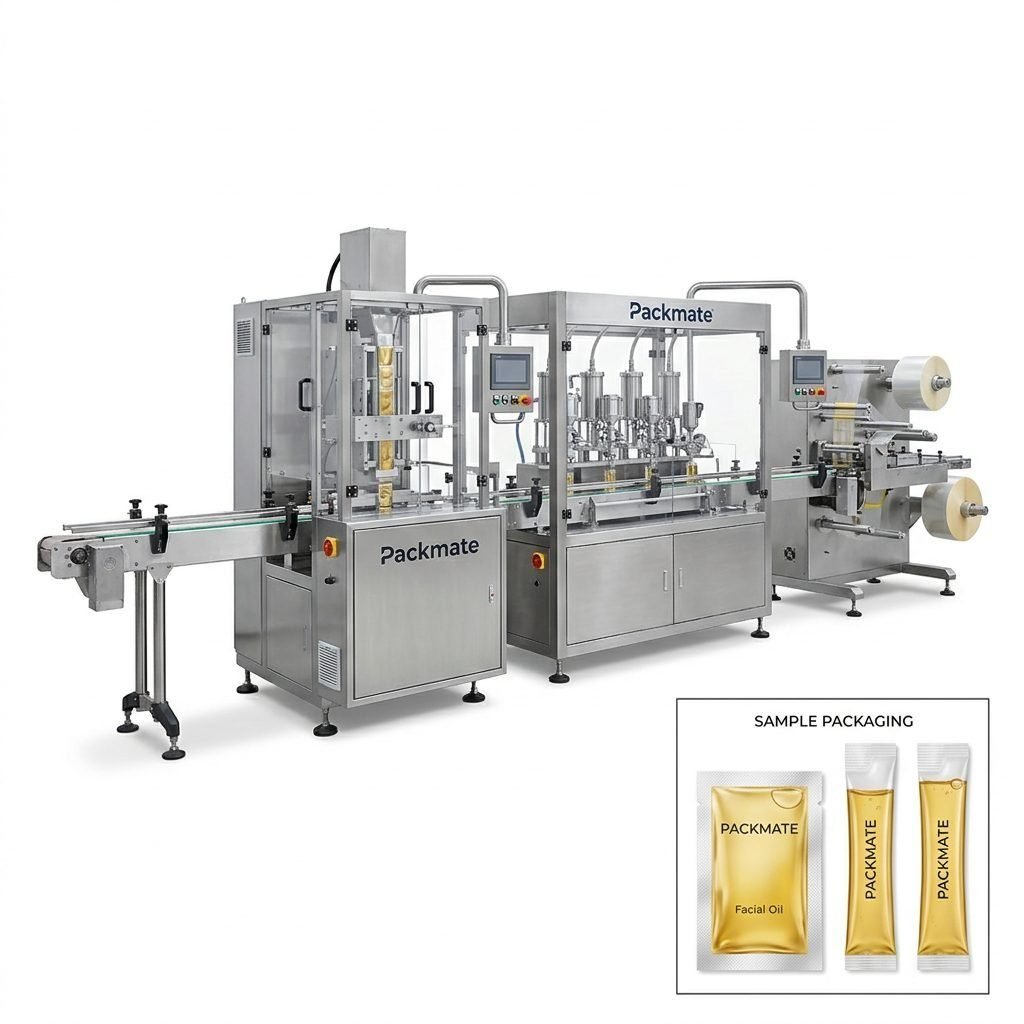
Assess your current output and future growth projections. A small business might start with a versatile semi-automatic machine, while a large manufacturer will need a high-speed, fully automatic line. Consider if you need a complete filling & packaging line that integrates multiple processes for maximum efficiency.
3. Evaluate Machine Flexibility and Changeover Time
If you produce multiple candy types or package sizes, quick changeover capability is vital. Look for machines with easy-to-adjust parts and programmable settings to minimize downtime when switching between products. Flexibility extends the useful life of your investment.
4. Prioritize Build Quality, Reliability, and Support
The machine should be robustly constructed from food-grade materials for durability in a production environment. Research the manufacturer’s reputation. A company with a long history, like Packmate Machinery with over 22 years of development, typically offers more reliable technology and proven expertise. Crucially, verify the availability of technical support, spare parts, and service. A strong service network prevents prolonged production halts.
5. Consider Total Cost of Ownership (TCO)
Look beyond the initial purchase price. Factor in operational costs (energy consumption, required labor), maintenance expenses, and potential costs for future upgrades. A slightly more expensive machine from a reputable supplier often has a lower TCO due to higher efficiency, fewer breakdowns, and better resale value.
6. Request a Live Demonstration or Trial
Whenever possible, see the machine in action, preferably with a sample of your own product. A live demo at the manufacturer’s facility or a reference site reveals the machine’s true performance, noise level, and ease of operation far better than any brochure.
Frequently Asked Questions (FAQs)
What is the typical lifespan of a candy packaging machine?
With proper maintenance and operation, a high-quality automatic candy packaging machine can last 10 to 15 years or more. Lifespan heavily depends on build quality, production hours, adherence to maintenance schedules, and the working environment (cleanliness, humidity).
Can one machine handle different types of candy?
Many machines offer a degree of flexibility. However, significant differences in product size, shape, or texture (e.g., switching from hard candies to sticky gummies) usually require a change of parts like forming tubes, augers, or sealing jaws. Always discuss your specific product range with the supplier to understand changeover requirements.
How important is after-sales service when purchasing?
Extremely important. Even the best machines require maintenance and occasional repairs. A supplier with a responsive, knowledgeable service team and readily available spare parts is crucial for minimizing costly downtime. This support is often a key differentiator between equipment suppliers.
What are the key maintenance routines for these machines?
Daily cleaning to remove sugar dust and residue is essential. Regular lubrication of moving parts, inspection and replacement of wear items (like sealing jaws, cutting blades, and gaskets), and periodic calibration of weighing systems are standard routines. Always follow the manufacturer’s specific maintenance guide.
Are there machines suitable for small businesses or startups?
Yes. The market offers a range of semi-automatic and tabletop models that are more affordable and require some manual feeding but still provide automated sealing and portioning. These are excellent for lower-volume production, product testing, or businesses with limited space and capital.