Choosing the right tablet packaging equipment is a critical decision for any pharmaceutical, nutraceutical, or supplement manufacturer. The efficiency of your packaging line directly impacts productivity, product integrity, and overall operational costs. This comprehensive guide will walk you through the various types of tablet packaging machines, their specific uses, and essential buying tips to help you make an informed investment.
Understanding the Core Types of Tablet Packaging Equipment
The market offers a diverse range of equipment, each designed for specific output requirements, package styles, and levels of automation. Selecting the correct type is the first step toward optimizing your packaging process.
Blister Packaging Machines
Blister packaging is one of the most common and consumer-friendly methods for tablet packaging. It involves forming a plastic cavity (blister) around each tablet and sealing it with a lidding material, often foil. This type of packaging offers excellent product protection, tamper evidence, and unit-dose convenience.
Key Advantage: Blister packs provide superior barrier properties against moisture, oxygen, and contamination, which is crucial for sensitive pharmaceuticals. They also support high-speed production and are ideal for compliance packaging.
Bottle Filling and Capping Lines
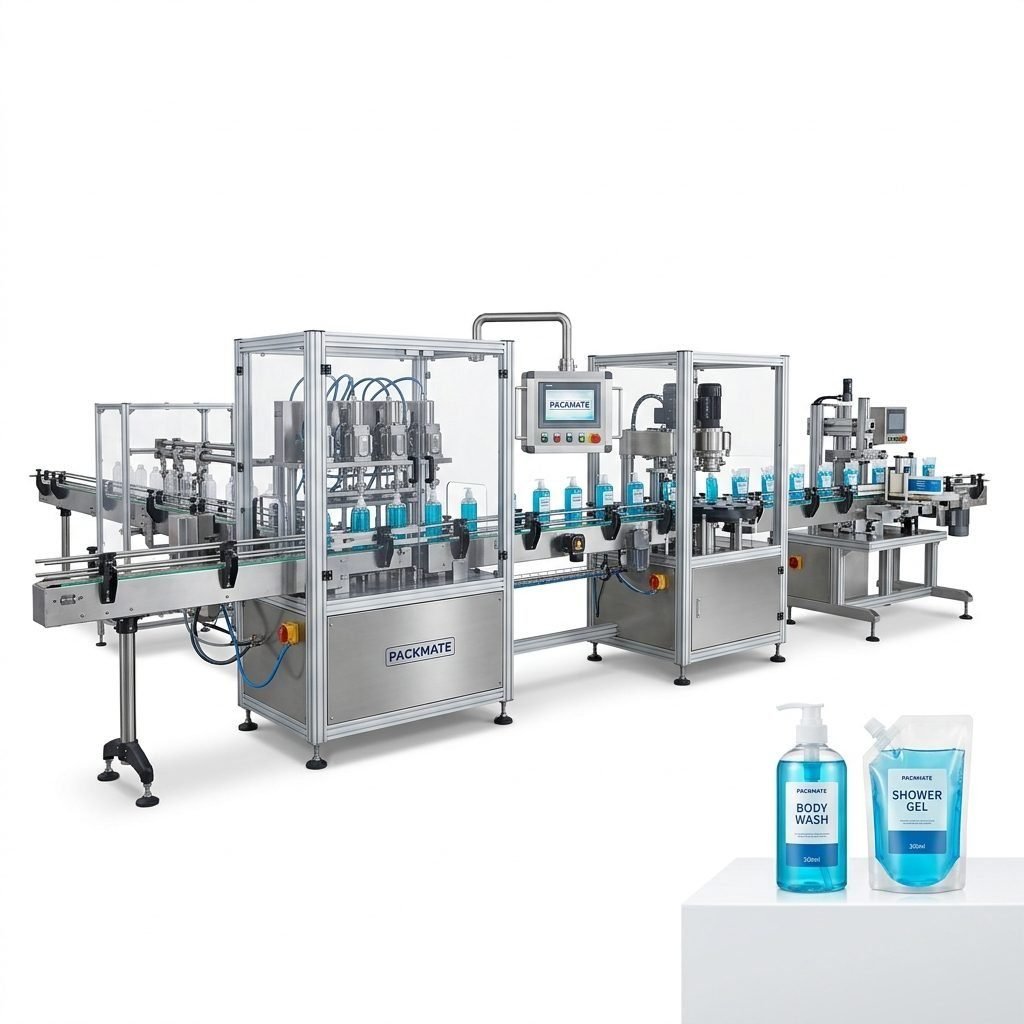
For bulk packaging of tablets into plastic or glass bottles, automated filling and capping lines are essential. These systems typically consist of a tablet counter, bottle unscrambler, filler, cottoner (if required), capper, and labeler. They are perfect for over-the-counter (OTC) medicines and high-volume supplement products.
Strip Packaging Machines
Similar to blister packs, strip packaging seals tablets between two layers of film, creating individual pouches connected in a strip or roll. This method is often more cost-effective for certain materials and is widely used for lozenges, chewable tablets, and sample packs.
Sachet Packaging Machines
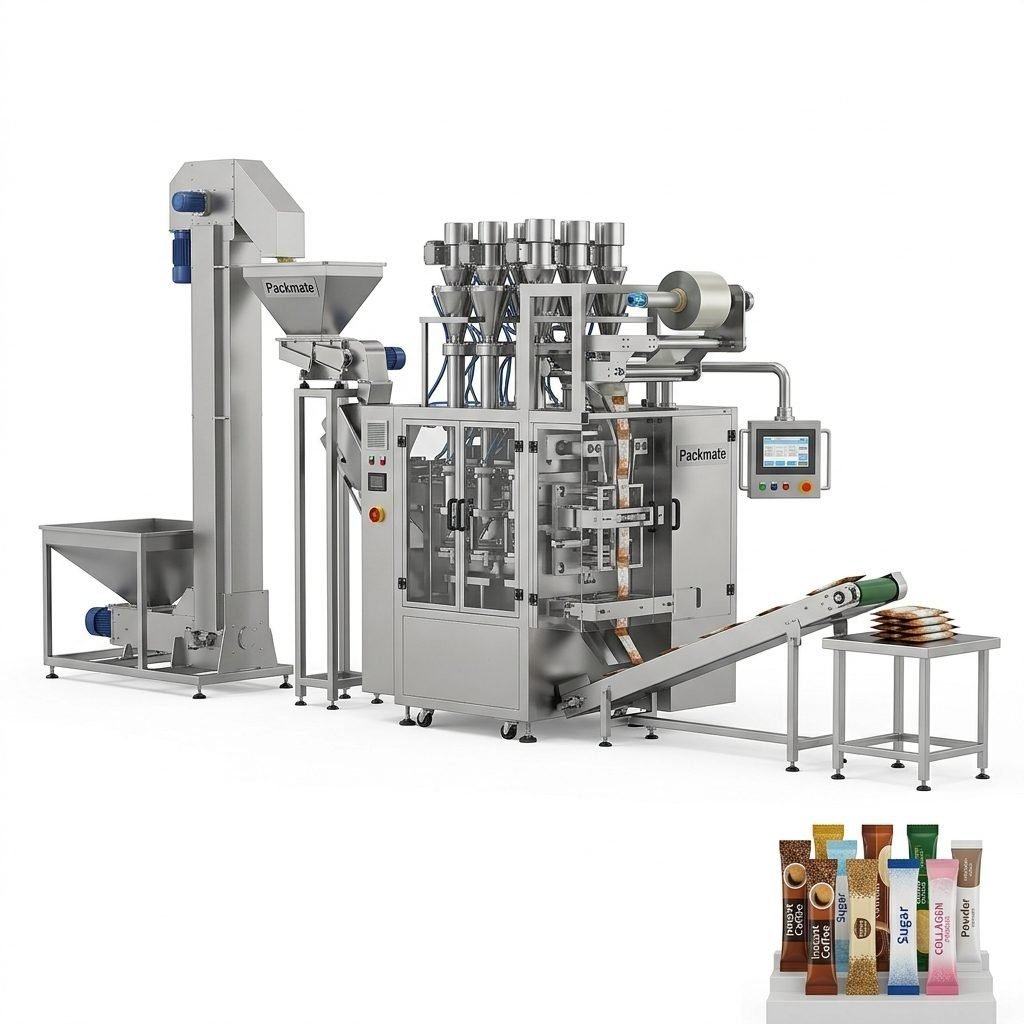
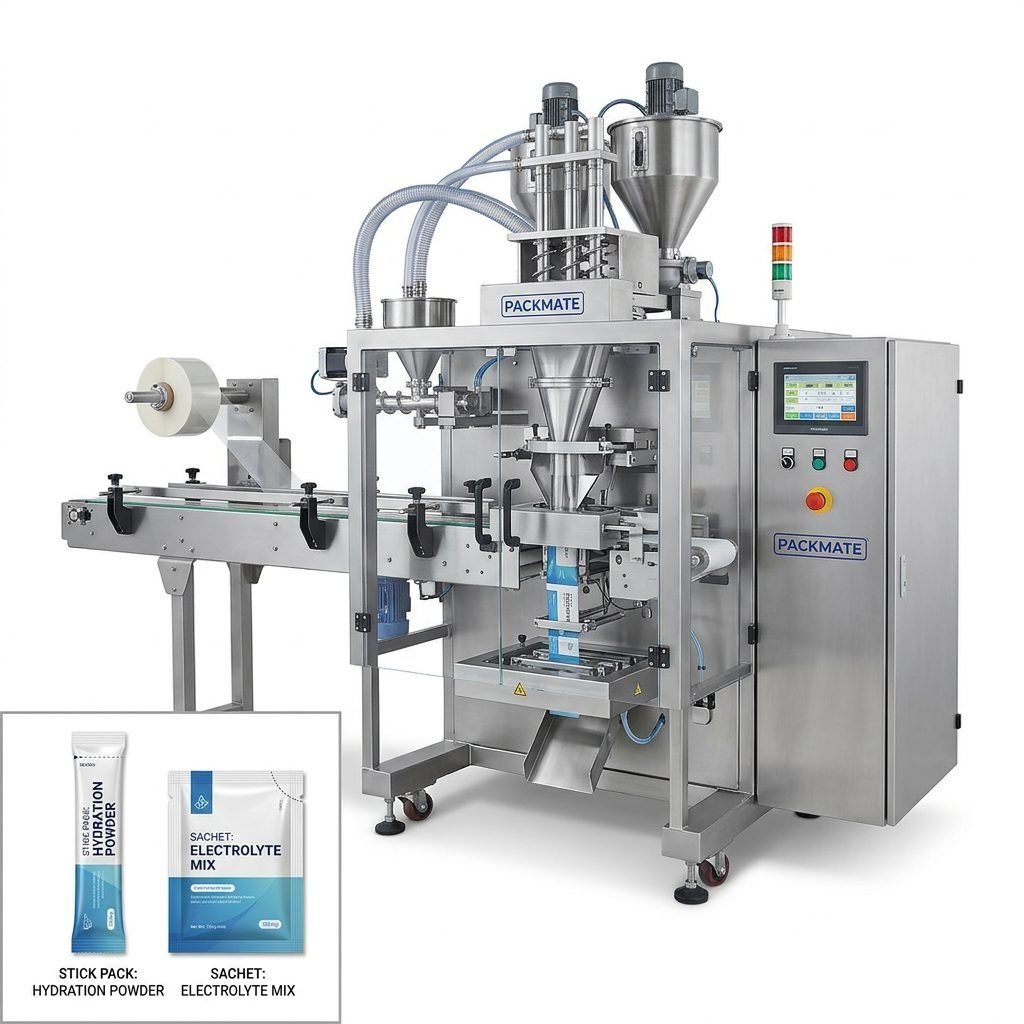
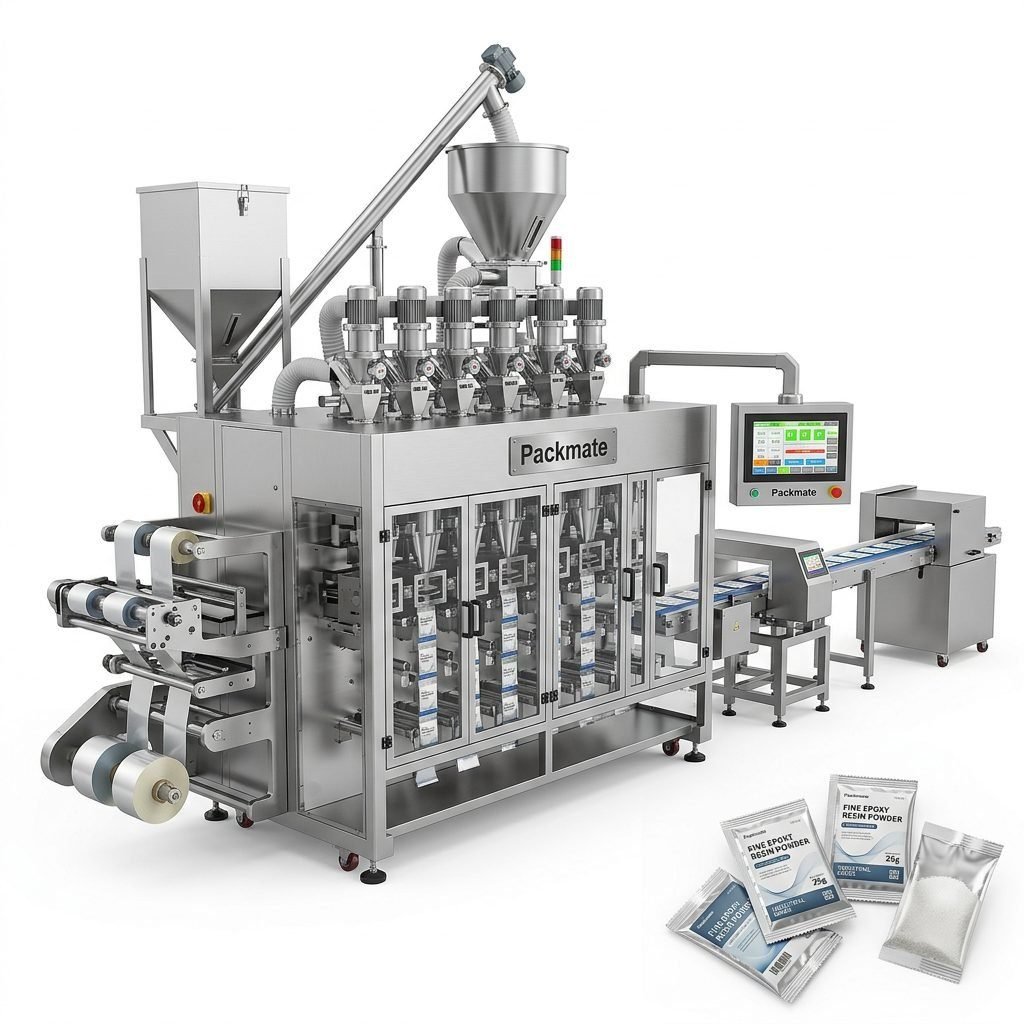
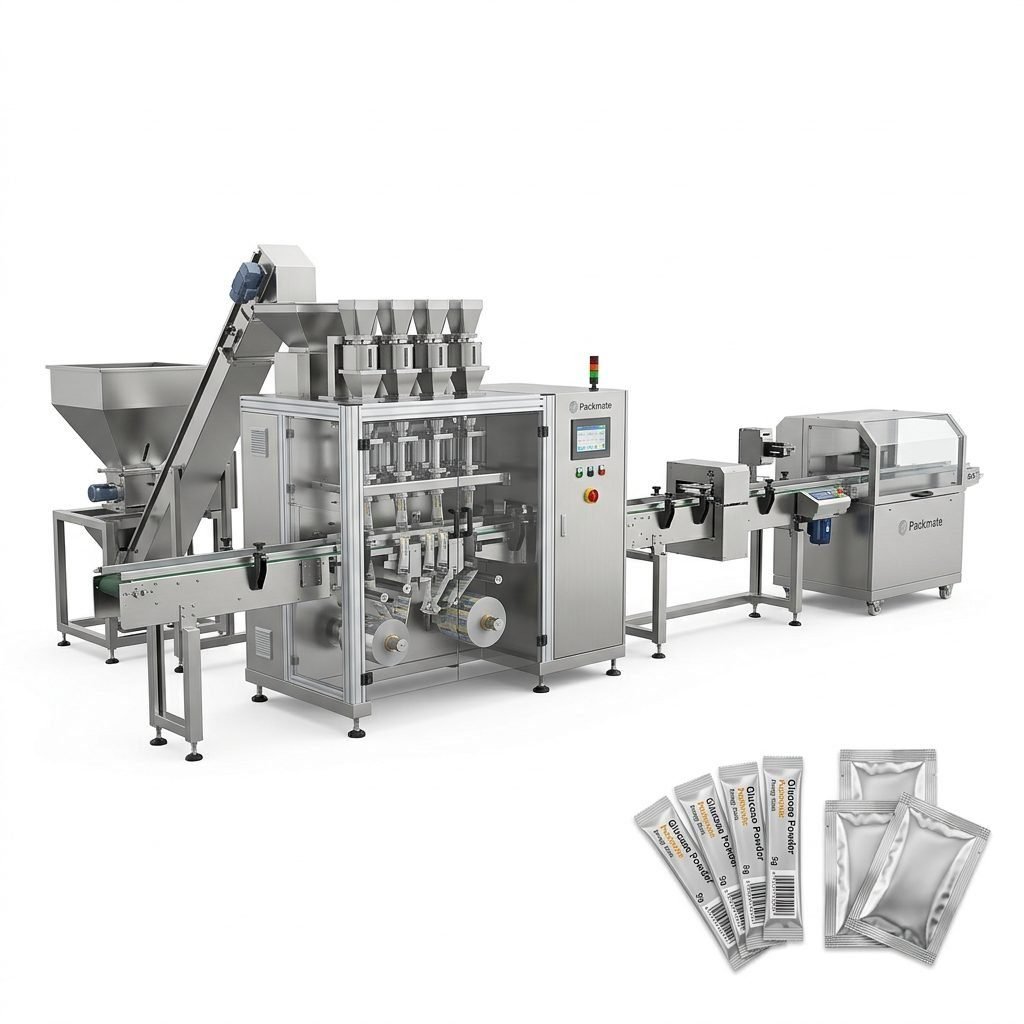
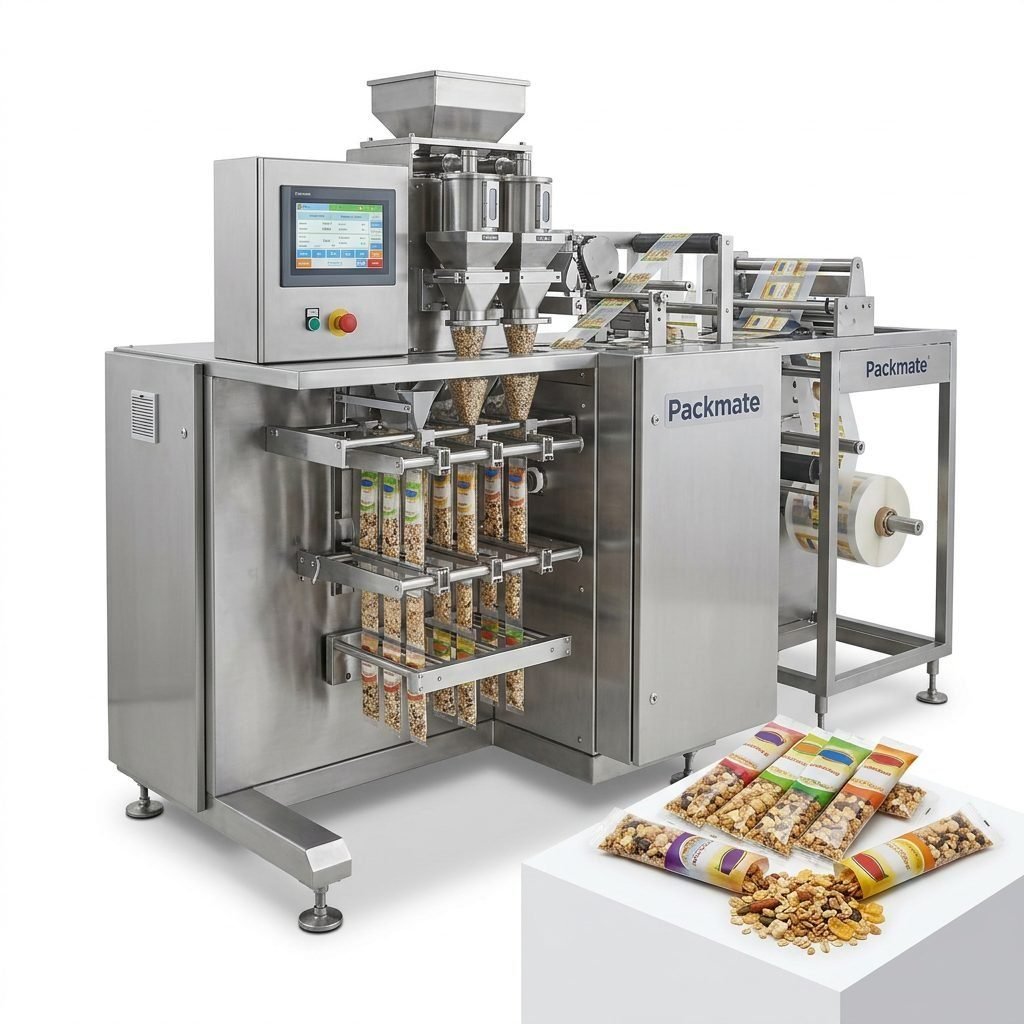
While often associated with powders, modern sachet packaging machines are highly versatile and can be configured for single or multiple tablets per pouch. This format is gaining popularity for single-dose supplements, instant drink mixes containing tablets, and promotional items. Companies like Packmate Machinery offer advanced multi-lane sachet lines that deliver impressive speeds for such applications.
Primary Uses and Industry Applications
Tablet packaging equipment serves a wide array of industries, each with its own regulatory and functional demands.
Pharmaceutical Industry
This sector has the strictest requirements, governed by regulations like cGMP (Current Good Manufacturing Practice). Equipment must ensure precise counting, avoid cross-contamination, and often integrate serialization and aggregation capabilities for track-and-trace. Blister and bottle packaging lines dominate this space.
Nutraceutical and Supplement Industry
Speed, flexibility, and cost-efficiency are key here. Manufacturers often switch between different tablet sizes and bottle types. Equipment that allows for quick changeovers and handles a variety of container shapes is highly valued. Complete filling and packaging lines that can be customized are a popular choice.
Confectionery and Mint Industry
For products like chewing gum, lozenges, and mints, visual appeal and freshness retention are paramount. Strip packaging and flow-wrap styles are commonly used, requiring equipment that provides tight, attractive seals at high speeds.
Pro Tip: When evaluating equipment, always consider your future needs. A machine that can handle multiple packaging formats (e.g., switching between blister and sachet tools) may offer better long-term value than a single-function unit, even at a higher initial cost.
Essential Buying Tips for Your Investment
Purchasing tablet packaging machinery is a significant capital expenditure. Careful planning and consideration of these factors will ensure you select a machine that delivers a strong return on investment.
1. Define Your Output Requirements
Clearly determine your required speed (tablets per minute or packs per minute) and the number of shifts you will run. Don’t just consider current demand; factor in projected growth for the next 5-7 years. Buying an underpowered machine will create bottlenecks, while an excessively large one wastes capital and floor space.
2. Assess Machine Flexibility and Changeover Time
If you produce multiple products with different tablet sizes or package types, the time needed to change the machine’s tooling (like blister molds or filling heads) is crucial. Look for machines designed for quick changeovers—some advanced models can complete changeovers in minutes rather than hours, drastically improving overall equipment effectiveness (OEE).
3. Prioritize Ease of Maintenance and Service Support
Complex machinery will require maintenance. Choose equipment with a robust design, easily accessible components, and clear documentation. Crucially, investigate the manufacturer’s service and support network. A reliable supplier like Packmate, with over two decades of experience, provides not just the machine but also training, spare parts availability, and technical support, minimizing potential downtime.
4. Consider Integration with Upstream/Downstream Processes
Your packaging machine does not work in isolation. Consider how it will integrate with your tablet press, deduster, metal detector, checkweigher, and cartoning system. Compatibility and smooth material transfer are key to a seamless production line. Discuss integration capabilities with your packaging machine supplier early in the process.
5. Evaluate the Total Cost of Ownership (TCO)
Look beyond the initial purchase price. The TCO includes installation, energy consumption, required consumables (like packaging films), maintenance costs, and potential costs for future upgrades. A slightly more expensive machine built with higher-quality components often has a lower TCO due to greater reliability, longer lifespan, and higher efficiency.
Remember: The right partner is as important as the right machine. Partnering with an established manufacturer with a proven track record, such as Packmate Machinery which operates from a modern 20,000㎡ facility, ensures you benefit from their engineering expertise, quality control, and commitment to innovation, transforming your packaging operations from a cost center into a competitive advantage.
Frequently Asked Questions (FAQs)
What is the typical lifespan of a tablet packaging machine?
With proper maintenance and operation, a high-quality tablet packaging machine from a reputable manufacturer can last 15 to 20 years or more. The lifespan heavily depends on the machine’s build quality, regularity of maintenance, and the operating environment.
Can one machine handle different tablet shapes and sizes?
Yes, most machines are designed with this flexibility in mind. However, changing between different products requires a changeover of parts like forming molds, feeding systems, or counting heads. The speed and complexity of this changeover vary by machine model and are a key factor to discuss with suppliers like those offering various packing machine solutions.
How important is after-sales service when buying packaging equipment?
Extremely important. Even the best machines may require service, parts, or technical advice. A supplier with a strong global service network, readily available spare parts, and responsive technical support is essential to minimize production downtime and protect your investment.
What are the key safety features to look for?
Modern machines should include comprehensive safety guarding, emergency stop buttons, interlock systems that prevent operation when guards are open, and safety-rated sensors. For pharmaceutical applications, features that prevent product mix-up or cross-contamination are also critical safety and quality aspects.
Is it better to buy a standalone machine or a complete integrated line?
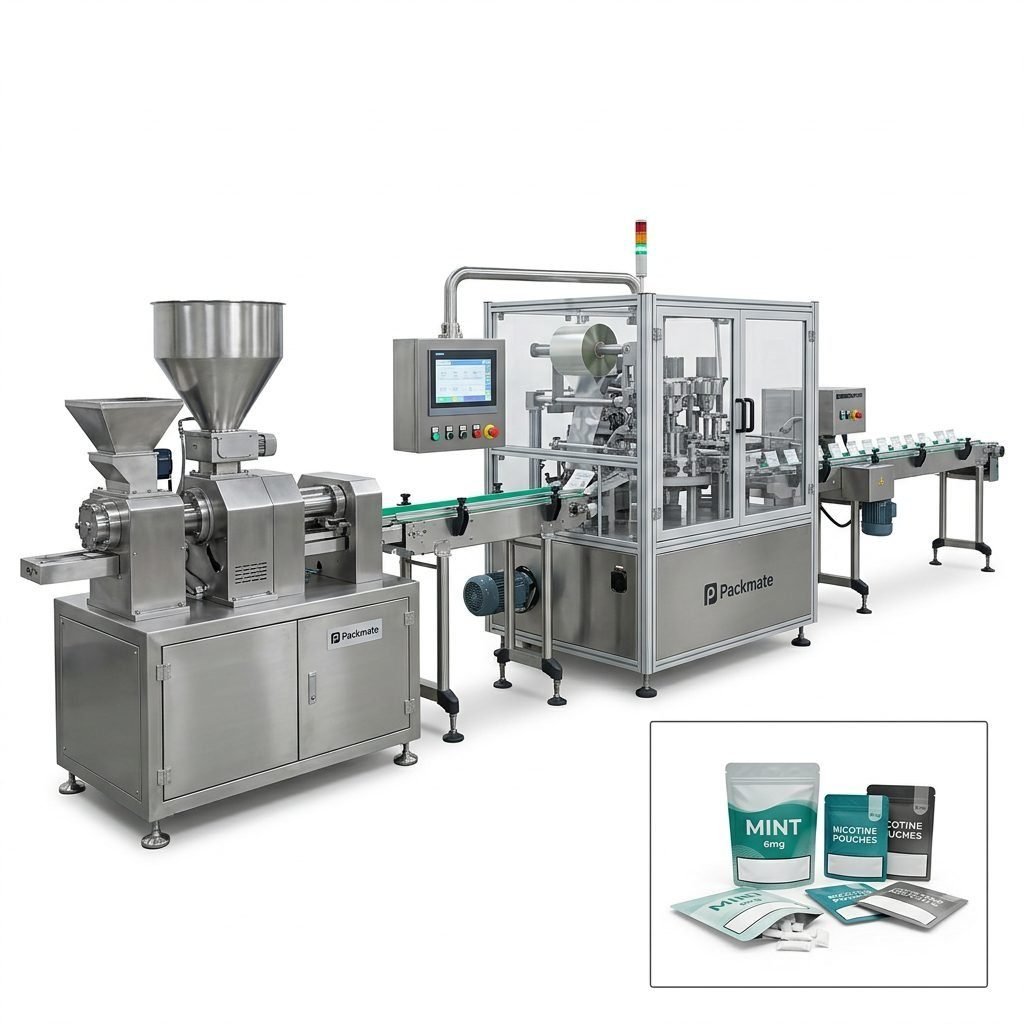
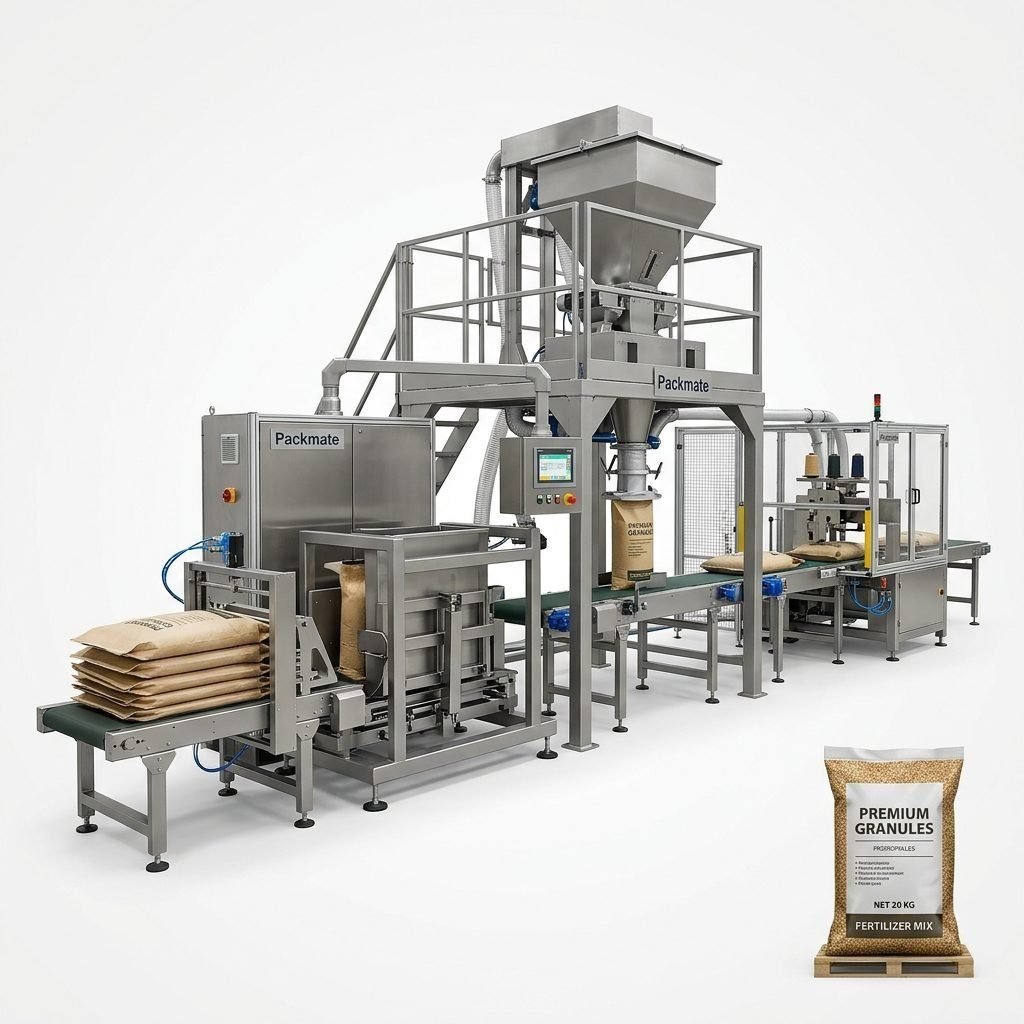
This depends on your scale and stage of operation. A standalone machine (like a blister packer) is suitable for adding capacity or a specific function. A complete integrated line (e.g., from counting to cartoning) is more efficient for greenfield projects or major upgrades, as it ensures all components are designed to work together harmoniously, often resulting in higher overall line efficiency. You can explore options for complete packaging solutions to understand the integrated approach.