Effective maintenance of packaging machinery is not merely a routine task; it is a strategic investment that directly impacts production efficiency, product quality, and operational costs. For businesses relying on automated packaging lines, a proactive and expert-led maintenance approach is the cornerstone of sustained productivity and equipment longevity. This article delves into expert tips and best practices for packaging machinery maintenance, drawing from decades of industry experience to help you optimize your operations.
The Critical Importance of a Proactive Maintenance Strategy
Moving from a reactive “fix-it-when-it-breaks” model to a proactive maintenance schedule is transformative. Unplanned downtime is one of the most significant costs in manufacturing. A proactive strategy, involving regular inspections and preventive care, minimizes unexpected failures, ensures consistent output quality, and extends the machinery’s service life far beyond its expected lifespan. This approach safeguards your investment and maintains seamless production flow.
Core Pillars of Proactive Maintenance:
Scheduled Inspections: Establish and strictly adhere to a calendar-based inspection routine for all critical components.
Predictive Monitoring: Utilize available sensor data and performance metrics to anticipate wear and tear before it leads to failure.
Preventive Parts Replacement: Replace high-wear components like seals, gaskets, and cutting blades on a scheduled basis, not when they fail.
Detailed Documentation: Maintain meticulous logs of all service activities, parts replacements, and performance observations.
Expert Tips for Daily and Weekly Maintenance Routines
Consistency in daily care prevents the accumulation of minor issues that can escalate into major problems. These routines should be second nature to your operational team.
Daily Tasks:
- Thorough Cleaning: Remove product residue, dust, and debris from all machine surfaces, especially sealing jaws, fill nozzles, and moving parts. Use approved cleaning agents to avoid corrosion.
- Lubrication Check: Verify lubrication levels at designated points as per the manufacturer’s manual. Use only the specified lubricants.
- Visual Inspection: Look for obvious signs of wear, loose fasteners, leaks (hydraulic or pneumatic), or damaged electrical cables.
- Test Runs: Conduct a brief no-load cycle to listen for unusual noises and observe the smoothness of operation.
Weekly/Periodic Tasks:
- Calibration Verification: Check the calibration of weighing systems, fill volumes, and temperature controls on sealing units to ensure accuracy.
- Component Tightening: Systematically check and tighten bolts, nuts, and clamps that may have vibrated loose.
- Filter Maintenance: Clean or replace air, oil, and suction filters to ensure pneumatic and hydraulic systems operate efficiently.
Lubrication: The Lifeblood of Your Machinery
Incorrect lubrication is a leading cause of premature bearing failure and mechanical wear. Always follow the OEM’s guidelines for lubricant type, grade, and interval. Over-lubrication can be as harmful as under-lubrication, attracting dust and creating sludge. Establish a color-coded lubrication chart for different machine points to prevent errors.
Best Practices for Seasonal and Annual Maintenance
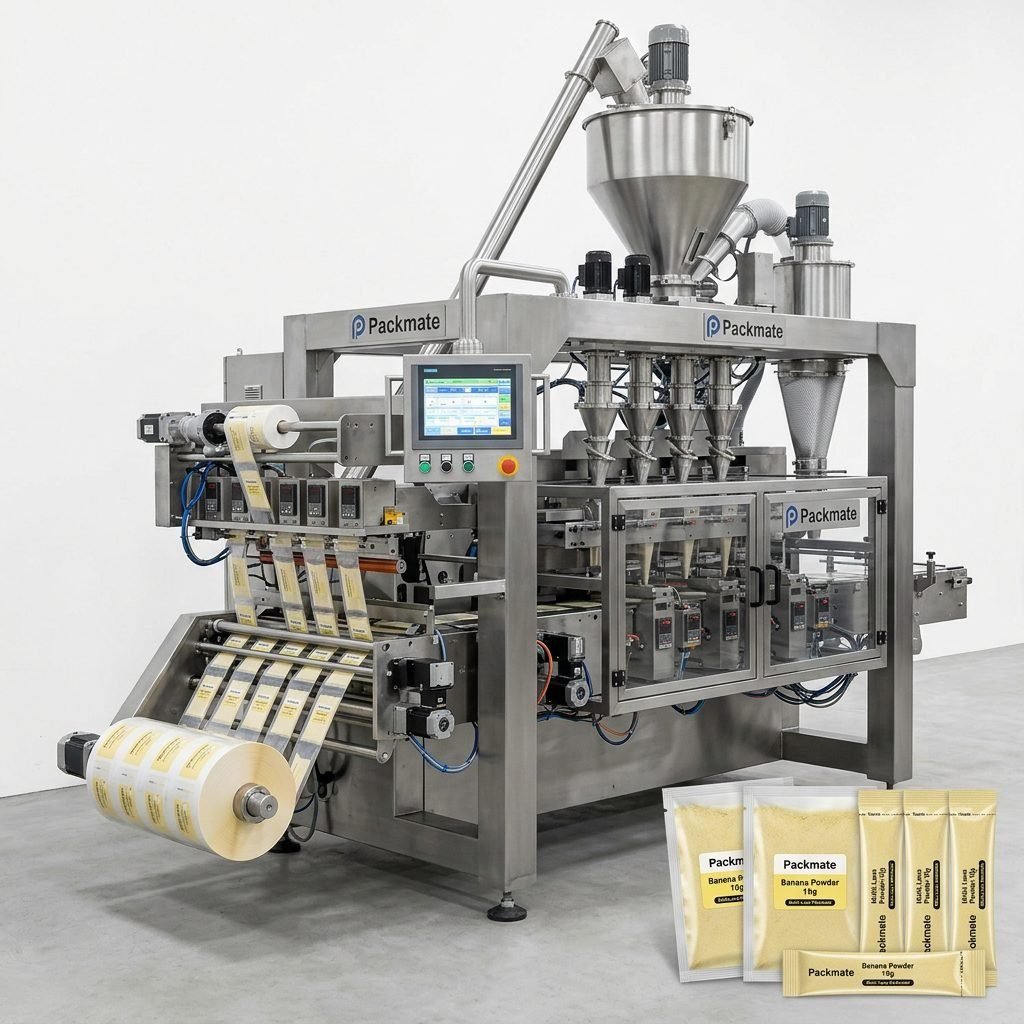
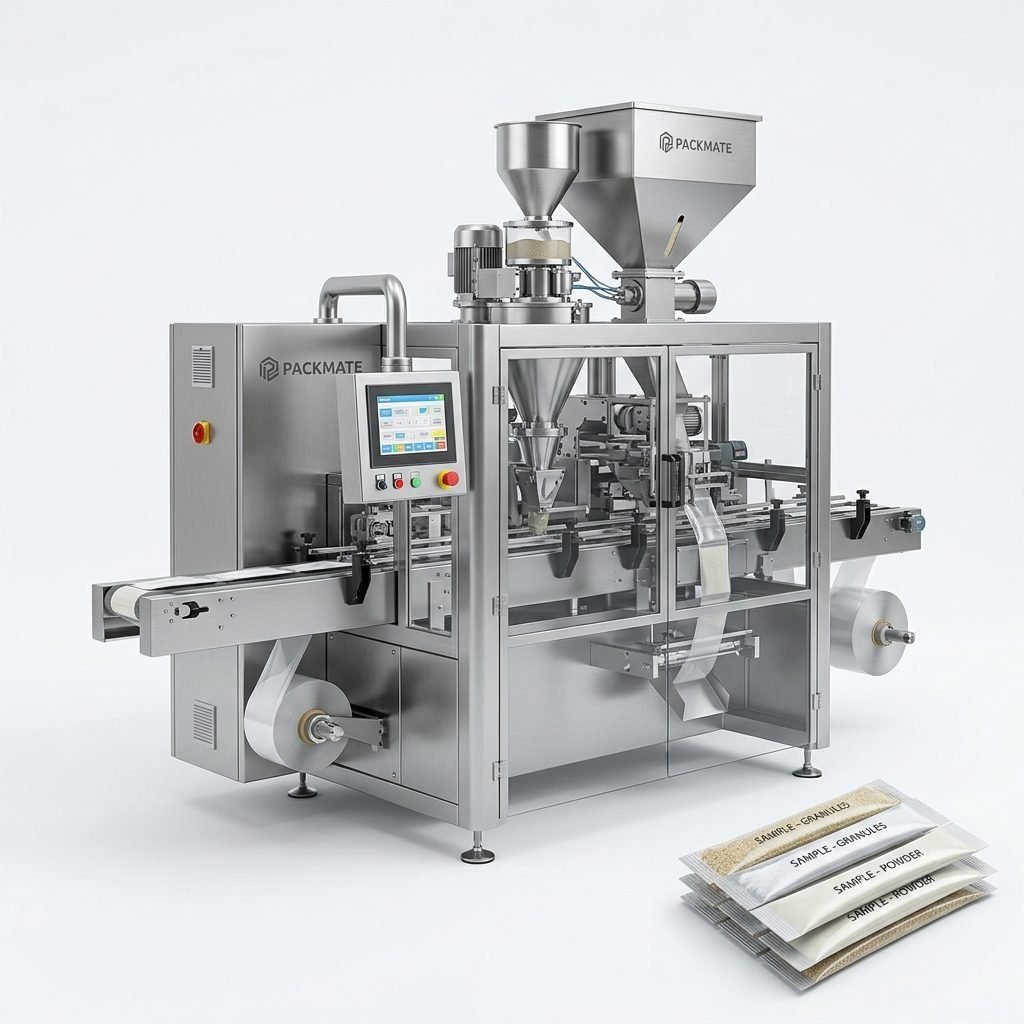
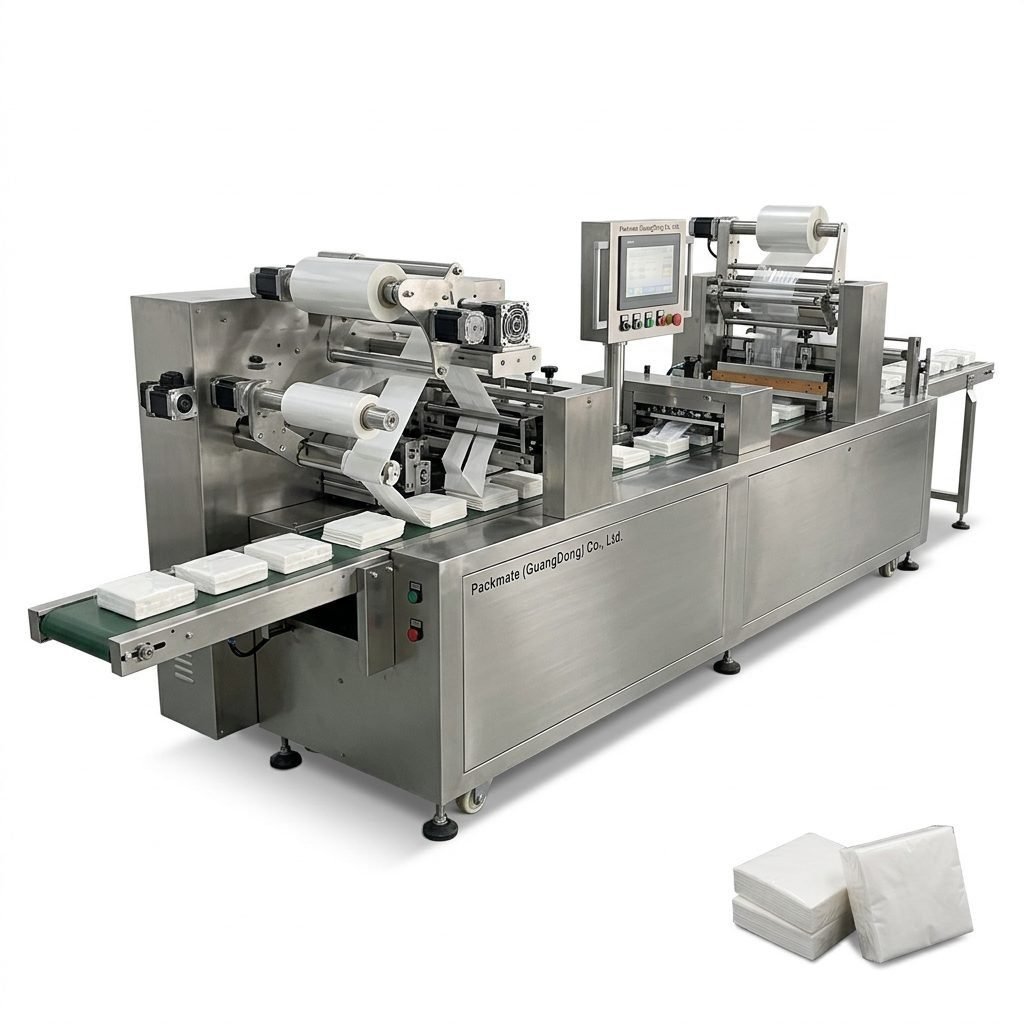
While daily routines handle surface-level care, scheduled deep maintenance addresses the long-term health of your packaging systems, such as the comprehensive filling & packaging lines offered by industry leaders.
Annual Maintenance Checklist
Mechanical System Overhaul: Inspect gears, chains, cam followers, and drive belts for wear. Check alignment of all shafts and drives.
Electrical System Audit: Inspect wiring for fraying or damage. Tighten electrical connections, check contactors and relays, and verify safety circuit functionality.
Pneumatic & Hydraulic Deep Clean: Drain and replace fluids if applicable. Inspect cylinders, valves, and hoses for leaks or wear. Test system pressure and response times.
Software & Control Update: Backup machine parameters and programs. Check for and install any manufacturer-approved firmware or software updates for the PLC and HMI.
For complex systems, partnering with the original manufacturer for an annual service contract is highly advisable. Companies with deep expertise, like Packmate Machinery, bring invaluable insight into their specific equipment models, ensuring maintenance is performed to the highest standard and often identifying potential issues invisible to untrained eyes.
Training Your Team: Building an Internal Culture of Care
The most sophisticated maintenance plan fails without a trained and engaged team. Operators are the first line of defense. Invest in structured training programs that go beyond basic operation to include:
- Understanding the machine’s basic mechanics and common failure points.
- Proper procedures for cleaning, lubrication, and minor adjustments.
- Early symptom recognition (e.g., strange sounds, slight changes in seal quality).
- Clear protocols for reporting issues and initiating work orders.
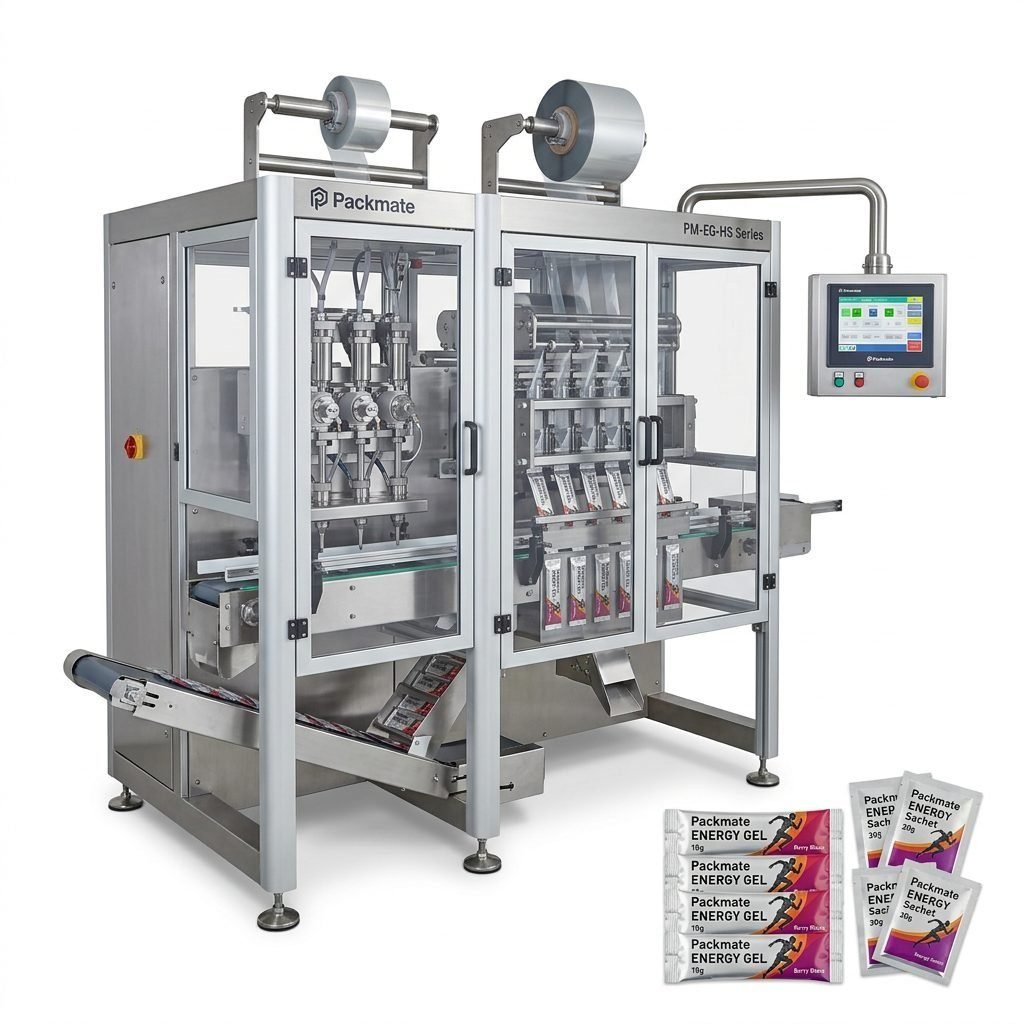
Empowering your team with knowledge fosters ownership and ensures daily best practices are consistently applied, whether they are operating a simple sachet machine or a sophisticated weighing & packaging system.
Leveraging Technology and Data for Smarter Maintenance
Modern packaging machinery often comes equipped with IoT sensors and data logging capabilities. Leverage this data for predictive maintenance:
Trend Analysis: Monitor motor current, operating temperatures, and cycle times. Gradual changes can indicate developing problems.
Alarm History Review: Regularly analyze machine alarm logs. Frequent minor alarms can point to an underlying issue needing correction.
Digital Record-Keeping: Use a Computerized Maintenance Management System (CMMS) to schedule tasks, track parts inventory, and maintain a complete digital history for each asset. This is crucial for managing a diverse portfolio, from bag & pouch machines to complete integrated lines.
Key Takeaway: The Maintenance Mindset
Ultimately, successful packaging machinery maintenance is rooted in a mindset that views equipment as a critical, living asset. It requires planning, consistent execution, continuous training, and a partnership with knowledgeable service providers. By implementing these expert tips and best practices, you secure not just your machinery, but the reliability, efficiency, and profitability of your entire packaging operation.
Frequently Asked Questions (FAQs)
How often should I perform a full calibration on my packaging machine’s weighing system?
This depends on usage and required precision. For high-accuracy applications (e.g., pharmaceuticals), weekly or even daily checks with standard weights are recommended. A full calibration by a certified technician should be performed at least annually, or whenever the machine is moved, after major repairs, or if product giveaway/underfill trends are noticed.
What are the most commonly overlooked maintenance items?
Often overlooked items include the cleaning of optical sensors and photocells (dust can cause misreads), checking the tension on drive belts and chains (stretch leads to inaccuracy), and inspecting and cleaning heat sink fins on servo drives and electrical components (overheating causes failure).
Is it worth investing in an OEM service contract versus using a local third-party technician?
For complex, high-speed, or proprietary machinery, an OEM contract is usually worth the investment. OEM technicians have specific training, access to original parts, and deep knowledge of common issues and software. For more generic tasks or older machines, a qualified third-party can be cost-effective. Evaluate based on machine criticality, complexity, and cost of potential downtime.
Can improper maintenance void my machine’s warranty?
Yes, absolutely. Most manufacturer warranties require that maintenance be performed according to the provided manual using approved parts and lubricants. Failure to keep maintenance records or using unapproved service providers can void warranty coverage. Always review your warranty terms carefully.
What initial spare parts should I keep in inventory?
Start with high-wear, consumable items critical to operation: sealing jaw inserts (Teflon, nichrome), cutting blades, gaskets and O-rings for pumps and valves, specific fuses, and filters. Your machine manual and the OEM’s recommendation (like the spare parts list from Packmate) are the best guides for building your initial critical spares kit.