The global end-of-line packaging machinery market is a critical segment within the broader industrial automation and packaging landscape, directly influencing the efficiency, cost, and speed at which finished goods reach consumers. This analysis delves into the market’s size, its projected Compound Annual Growth Rate (CAGR), and the key dynamics shaping its future. As industries from food and beverage to pharmaceuticals and consumer goods strive for higher throughput and smarter logistics, the demand for sophisticated end-of-line solutions—including case packing, palletizing, and robotic handling systems—continues to surge.
Market Size and Current Valuation
Recent industry reports estimate the global end-of-line packaging machinery market to be valued in the multi-billion-dollar range. This substantial valuation is driven by the relentless push for automation across manufacturing sectors. The need to replace manual, labor-intensive packing processes with reliable, high-speed automated systems is a primary market driver. Companies are investing heavily to reduce operational costs, minimize product damage, and ensure consistent packaging quality, which is paramount for brand integrity and supply chain efficiency.
Key Insight: The adoption of Industry 4.0 principles, integrating IoT sensors and data analytics into packaging lines, is transforming end-of-line machinery from simple mechanical units into intelligent nodes within a connected factory ecosystem. This intelligence allows for predictive maintenance, real-time monitoring, and seamless adaptation to different package formats.
Compound Annual Growth Rate (CAGR) Analysis
The market is projected to grow at a steady and healthy CAGR over the next five to seven years. This growth is not uniform but varies significantly by region and end-user industry. The Asia-Pacific region, led by manufacturing powerhouses like China and India, is anticipated to exhibit the highest CAGR. This is fueled by rapid industrialization, rising labor costs, and expanding food & beverage and e-commerce sectors requiring robust packaging solutions. In contrast, mature markets like North America and Europe are expected to see growth driven by technological upgrades and the integration of advanced robotics and collaborative robots (cobots) into existing lines.
Primary Growth Drivers
Several interconnected factors are propelling the market forward:
- E-commerce Expansion: The explosive growth of online retail demands packaging lines that can handle a vast array of product sizes and shapes efficiently, making flexible and automated end-of-line systems essential.
- Focus on Sustainability: There is increasing pressure to optimize packaging processes to reduce material waste and energy consumption. Modern machinery is designed for precision, using the right amount of material and enabling the use of recyclable or lightweight packaging options.
- Labor Shortages and Safety: Persistent challenges in finding manual labor for repetitive packing tasks, coupled with stricter workplace safety regulations, make automation a strategic necessity rather than a luxury.
- Demand for Flexibility: Manufacturers require machinery that can quickly switch between different products and packaging formats to accommodate shorter production runs and greater product variety, a trend known as mass customization.
Challenges and Restraints
Despite the positive outlook, the market faces hurdles. The high initial capital investment required for advanced end-of-line systems can be a barrier for small and medium-sized enterprises (SMEs). Furthermore, the complexity of integrating new machinery with legacy equipment and enterprise software (like ERP and MES) poses technical challenges. Companies must also navigate the skilled labor gap for operating and maintaining these sophisticated systems.
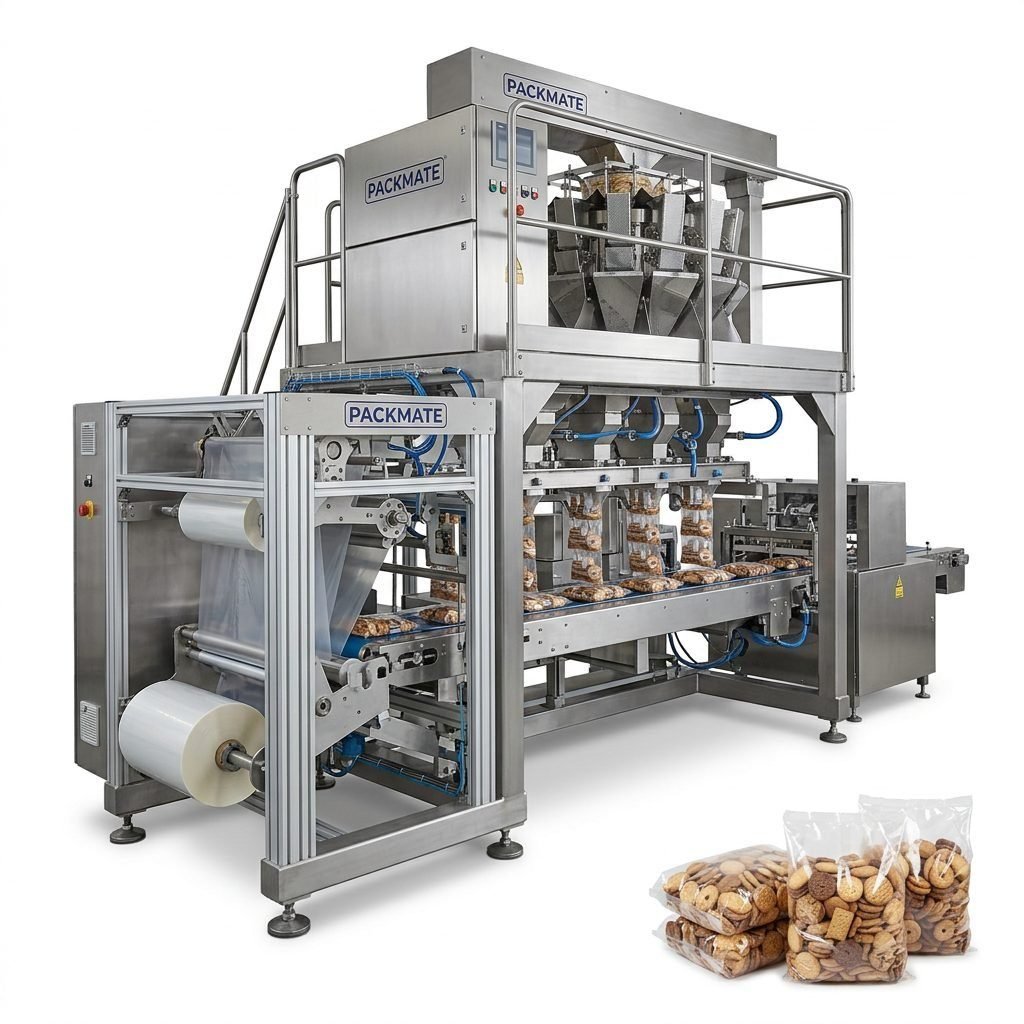
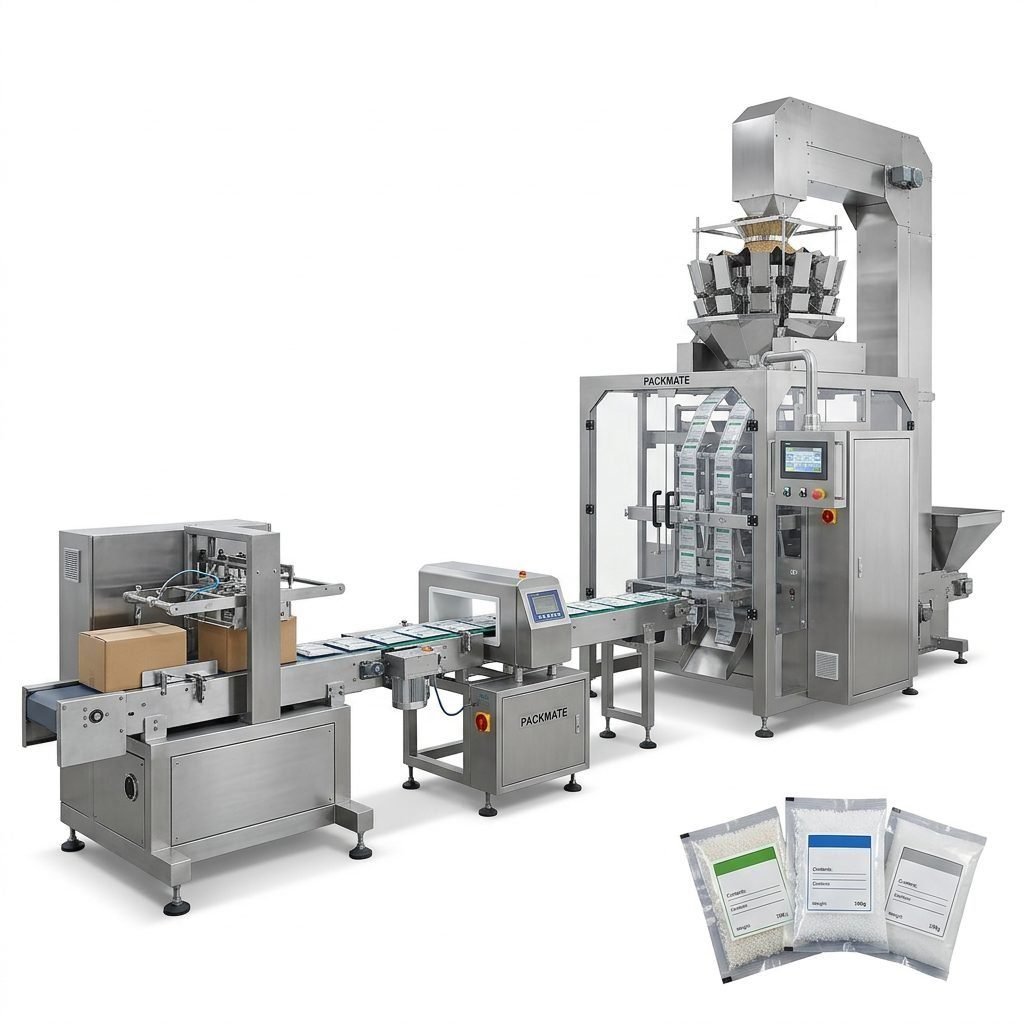
For businesses seeking reliable and innovative partners in this space, exploring manufacturers with a strong track record is crucial. Firms like Packmate Machinery, with decades of experience in creating intelligent packaging solutions, demonstrate how deep industry expertise can translate into robust and adaptable end-of-line equipment. Their focus on complete packaging lines ensures seamless integration from filling to palletizing.
Technological Trends Shaping the Future
The future of end-of-line packaging is undeniably digital and connected. Key technological trends include:
- Robotics and Cobots: Articulated and delta robots are increasingly used for high-speed picking and placing, while collaborative robots work safely alongside humans for tasks like final case sealing or light palletizing.
- Machine Vision and AI: Advanced vision systems perform 100% inspection for label accuracy, seal integrity, and product placement, with AI algorithms optimizing line performance over time.
- Digital Twin Technology: Creating a virtual model of the packaging line allows for simulation, optimization, and troubleshooting without disrupting physical production.
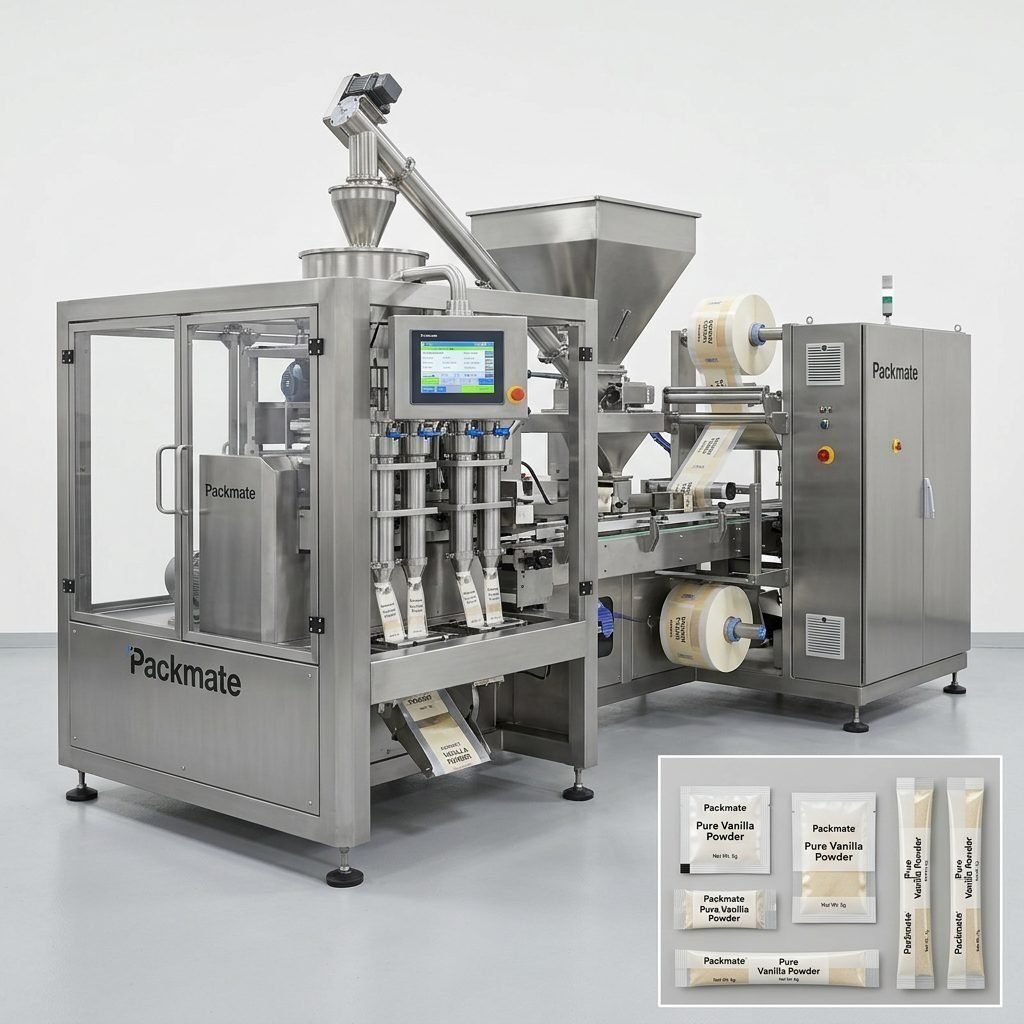
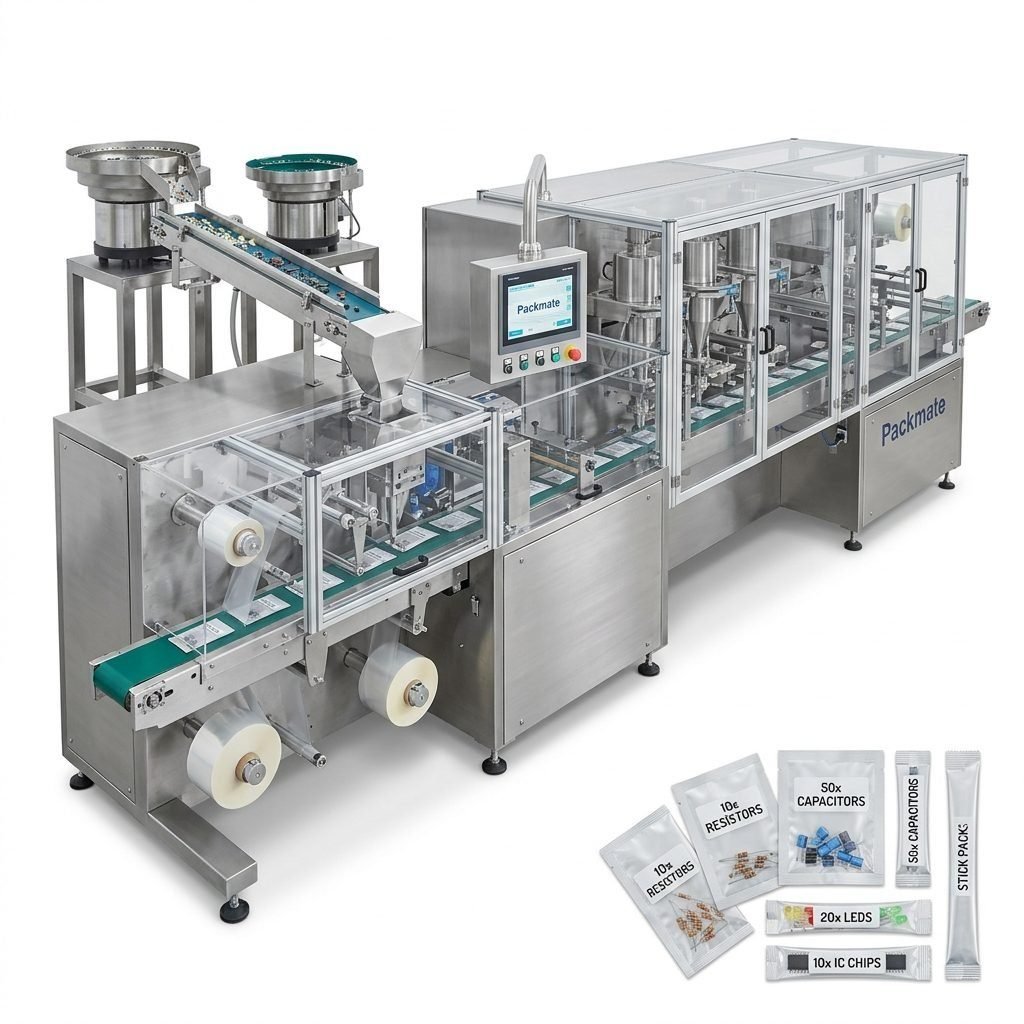
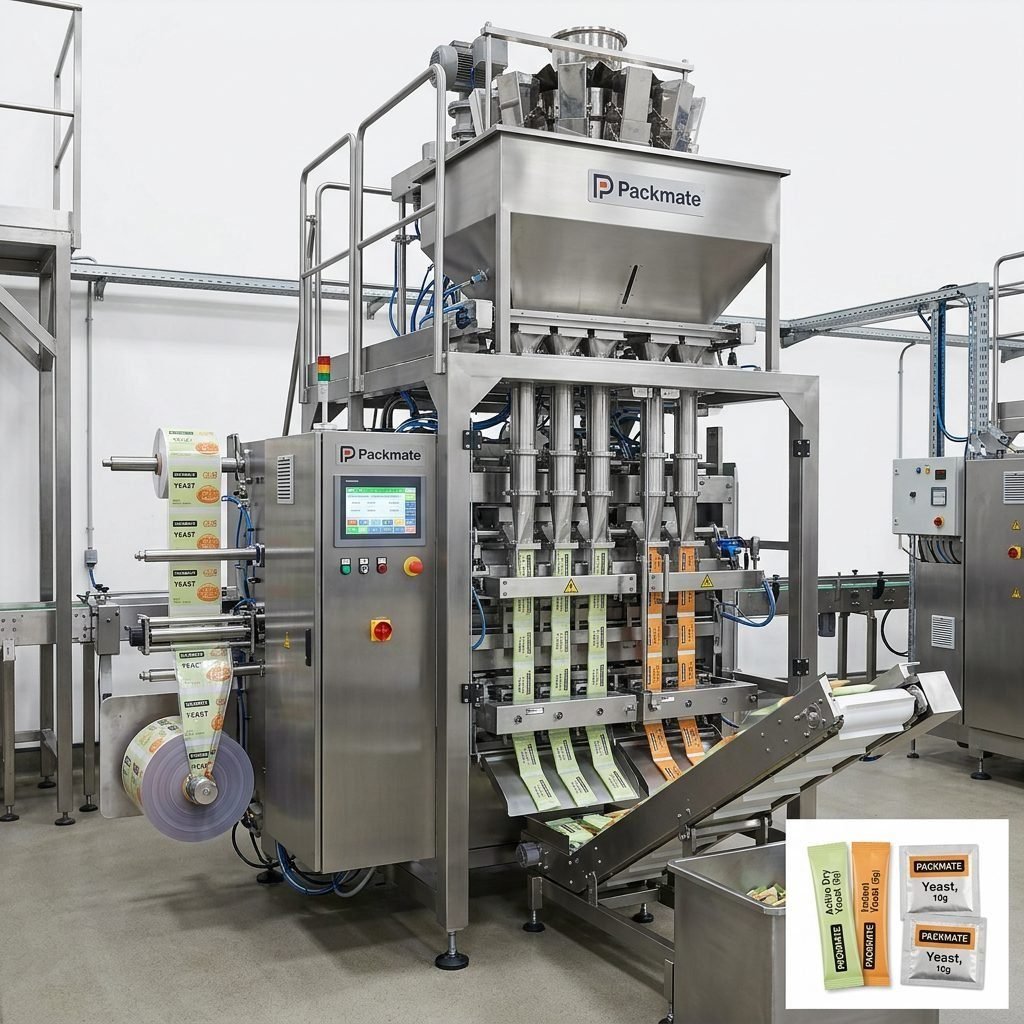
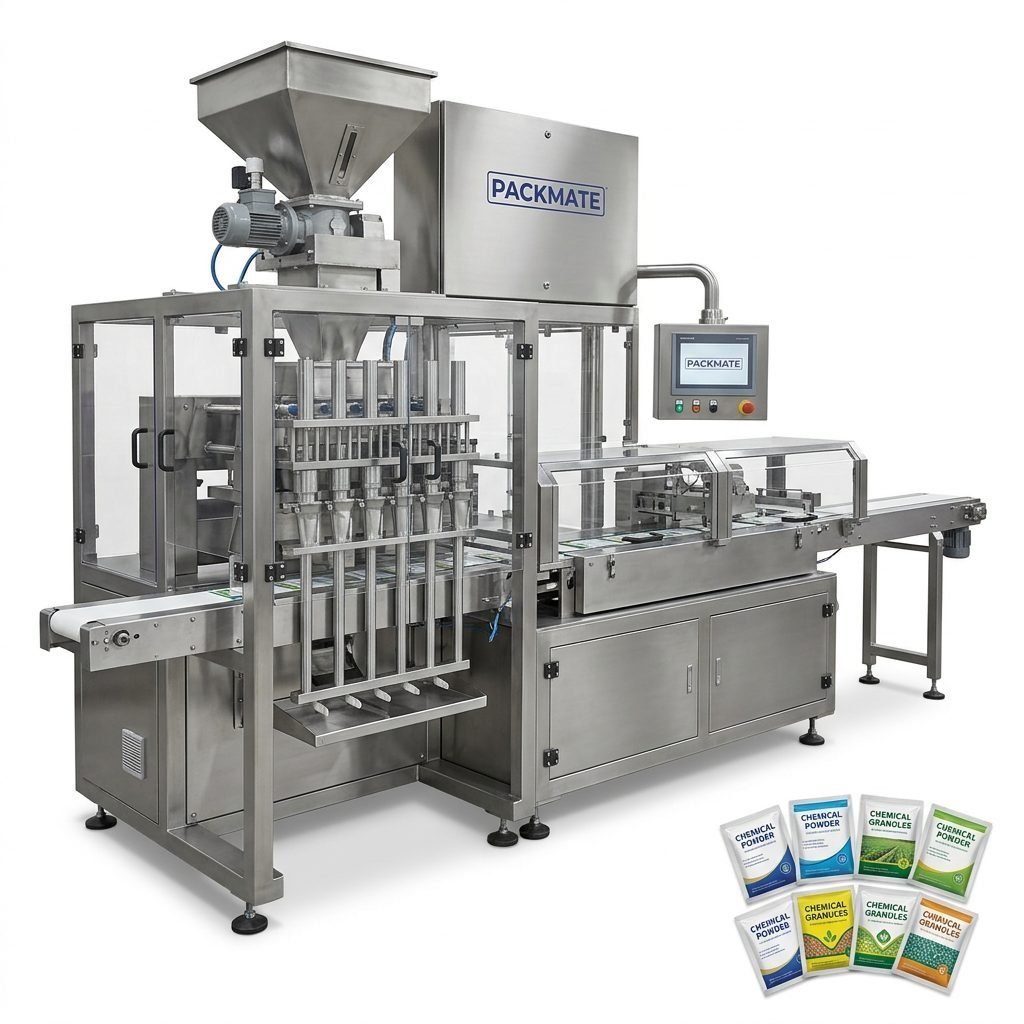
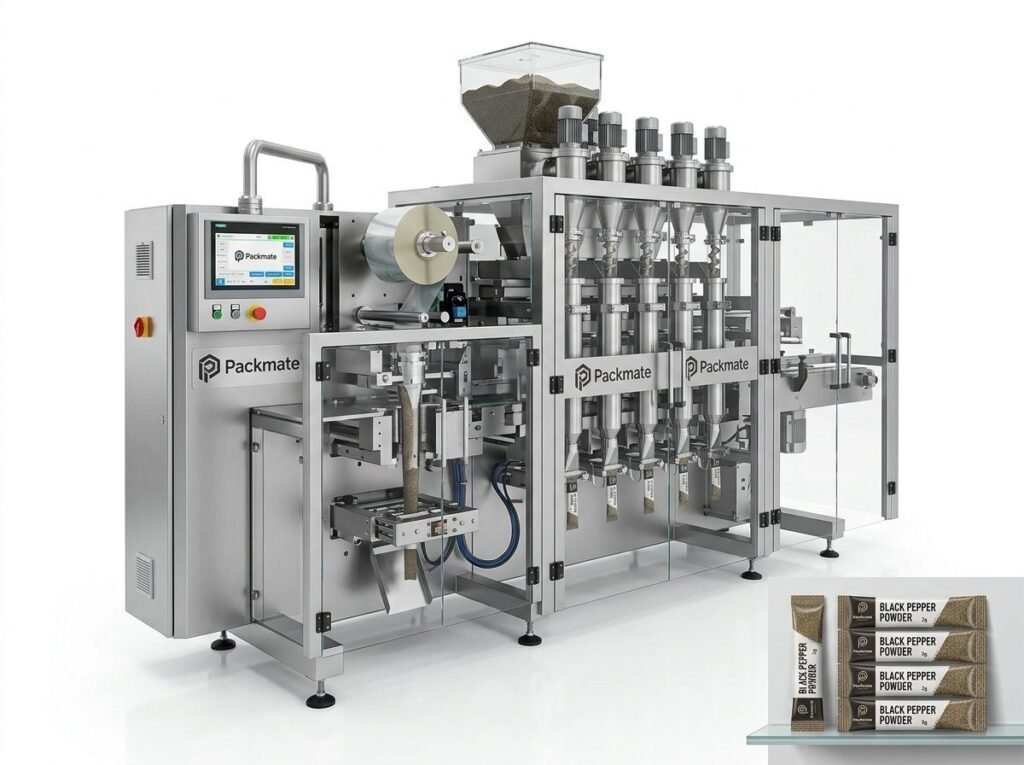
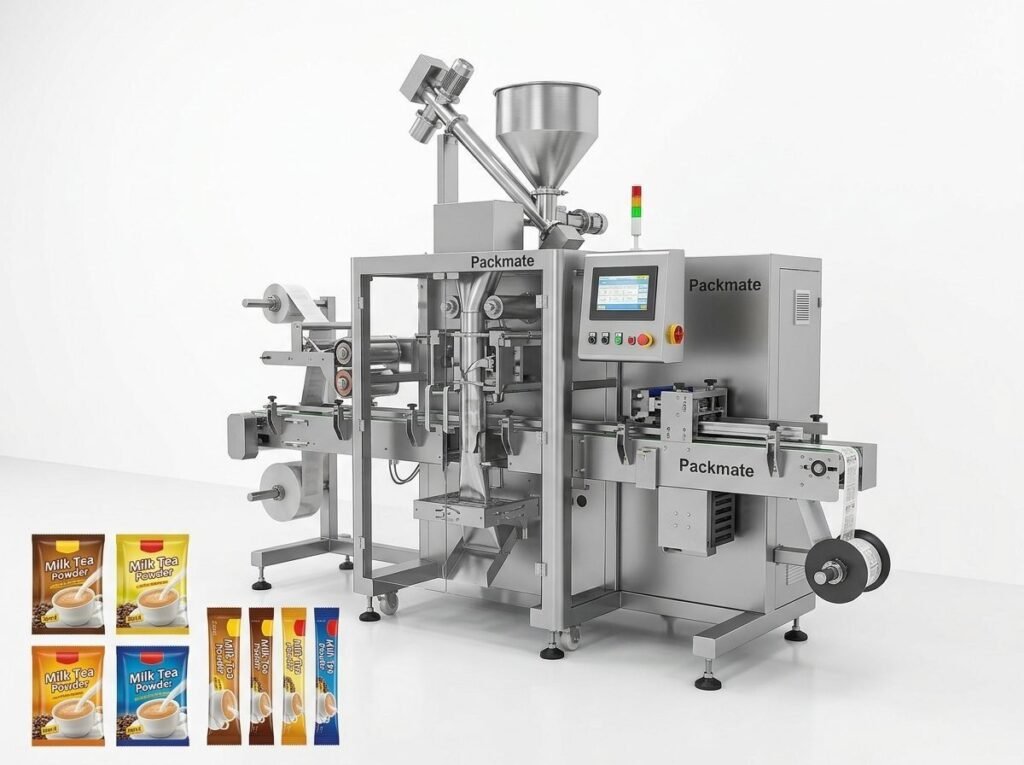
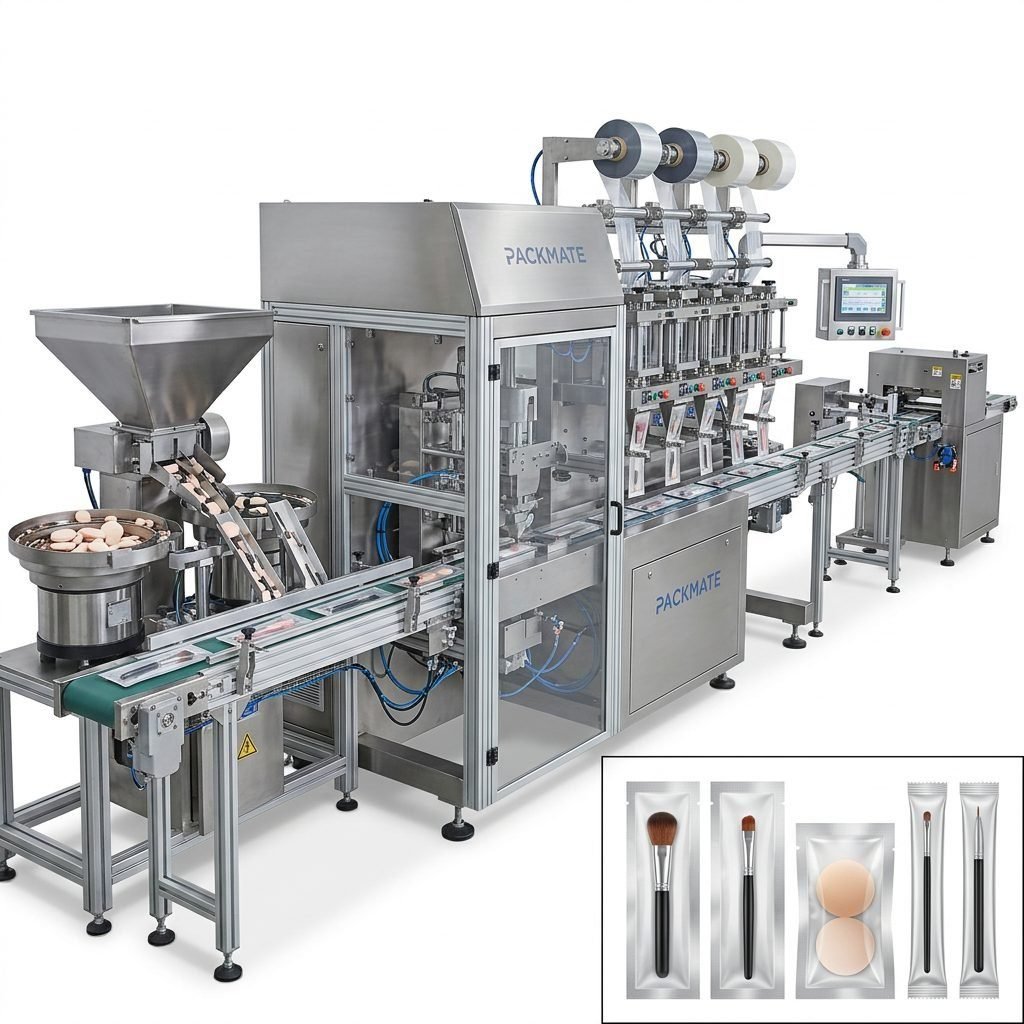
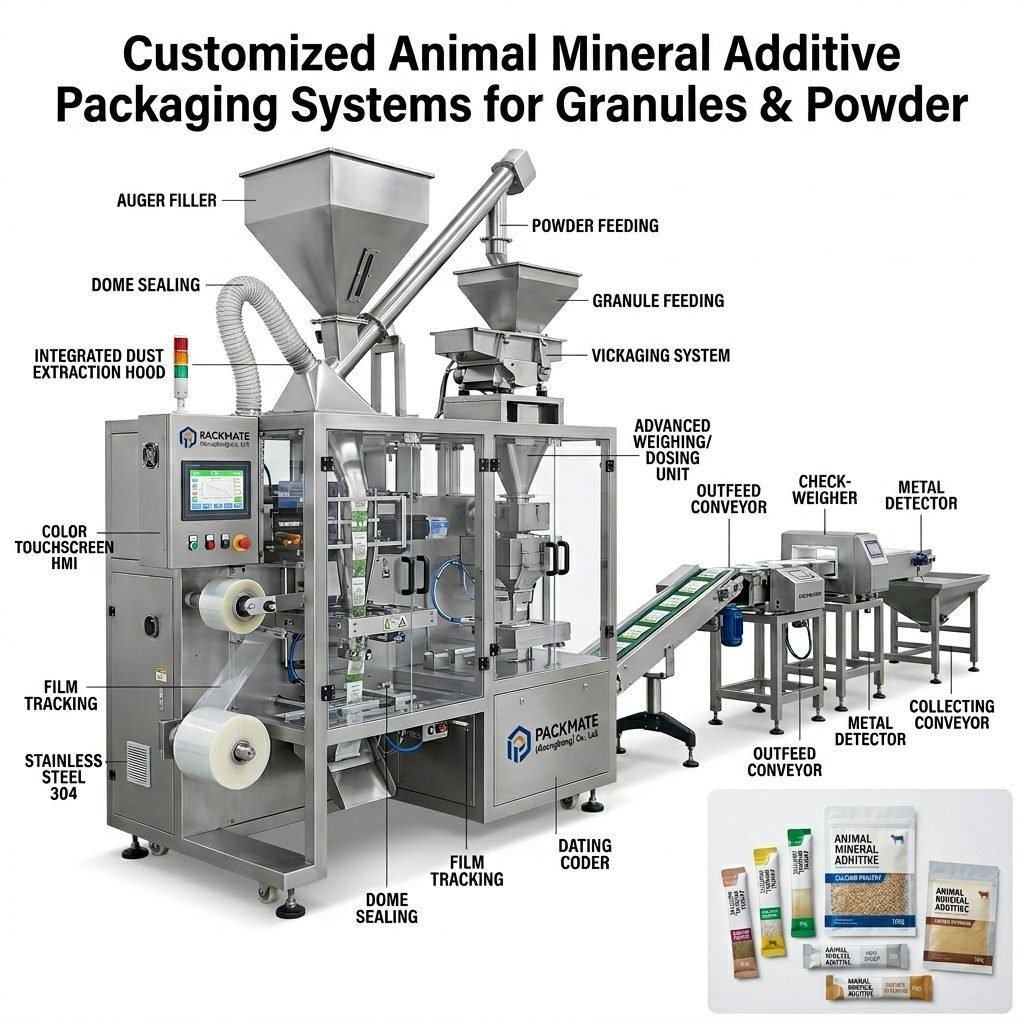
Implementing these technologies often requires specialized equipment. For instance, the precision needed for small-format packaging, such as sachets or stick packs, can be met by dedicated machinery like the sachet and stick pack machines offered by industry leaders, which can be integrated as a module within a larger end-of-line system.
Regional Market Insights
Market dynamics differ by region. In North America and Europe, the focus is on retrofitting and upgrading existing lines with smart, energy-efficient technologies to boost productivity. In the Asia-Pacific, greenfield projects in new manufacturing facilities are a major source of demand. Latin America and the Middle East & Africa are emerging markets where growth is linked to foreign investment in food processing and pharmaceutical production.
Conclusion and Future Outlook
The end-of-line packaging machinery market is on a solid growth trajectory, underpinned by macro trends in automation, e-commerce, and sustainable manufacturing. Success for equipment manufacturers will depend on their ability to deliver flexible, intelligent, and easily integrable solutions. For end-users, the strategic selection of machinery partners who provide not just equipment but comprehensive support and service will be key to unlocking the full return on investment and maintaining a competitive edge in the market.
Frequently Asked Questions (FAQs)
What is the biggest challenge when implementing new end-of-line packaging machinery?
The most significant challenge is often successful integration with existing upstream processes (like filling and primary packaging) and downstream warehouse management systems. Ensuring seamless communication (via PLCs and industrial protocols) and minimal production downtime during installation and commissioning are critical.
How does end-of-line automation improve sustainability?
Automated systems optimize material usage by applying tapes, glues, or wraps with precision, reducing waste. They also enable the efficient use of right-sized corrugated cases and the implementation of lightweight, recyclable packaging materials. Furthermore, energy-efficient motors and smart systems that power down during idle periods contribute to a lower carbon footprint.
Is robotic palletizing suitable for all businesses?
While highly efficient, robotic palletizing is most cost-effective for high-volume, low-mix production environments or where heavy loads pose safety risks. For lower-volume or highly variable pallet patterns, semi-automatic or even manual systems might be more economical. A thorough analysis of production volume, product mix, and return on investment is necessary.
What should I look for in a machinery supplier?
Prioritize suppliers with a proven track record, strong after-sales service and technical support, and the ability to provide a complete solution (from design to installation). Review their case studies and industry certifications to gauge their expertise and reliability in your specific sector.
Can end-of-line machinery handle frequent product changeovers?
Yes, modern machinery is designed for flexibility. Look for features like programmable logic controllers (PLCs) with recipe management, quick-change tooling for grippers and heads, and user-friendly HMIs (Human-Machine Interfaces) that store settings for different products. This minimizes changeover time and maximizes line utilization.