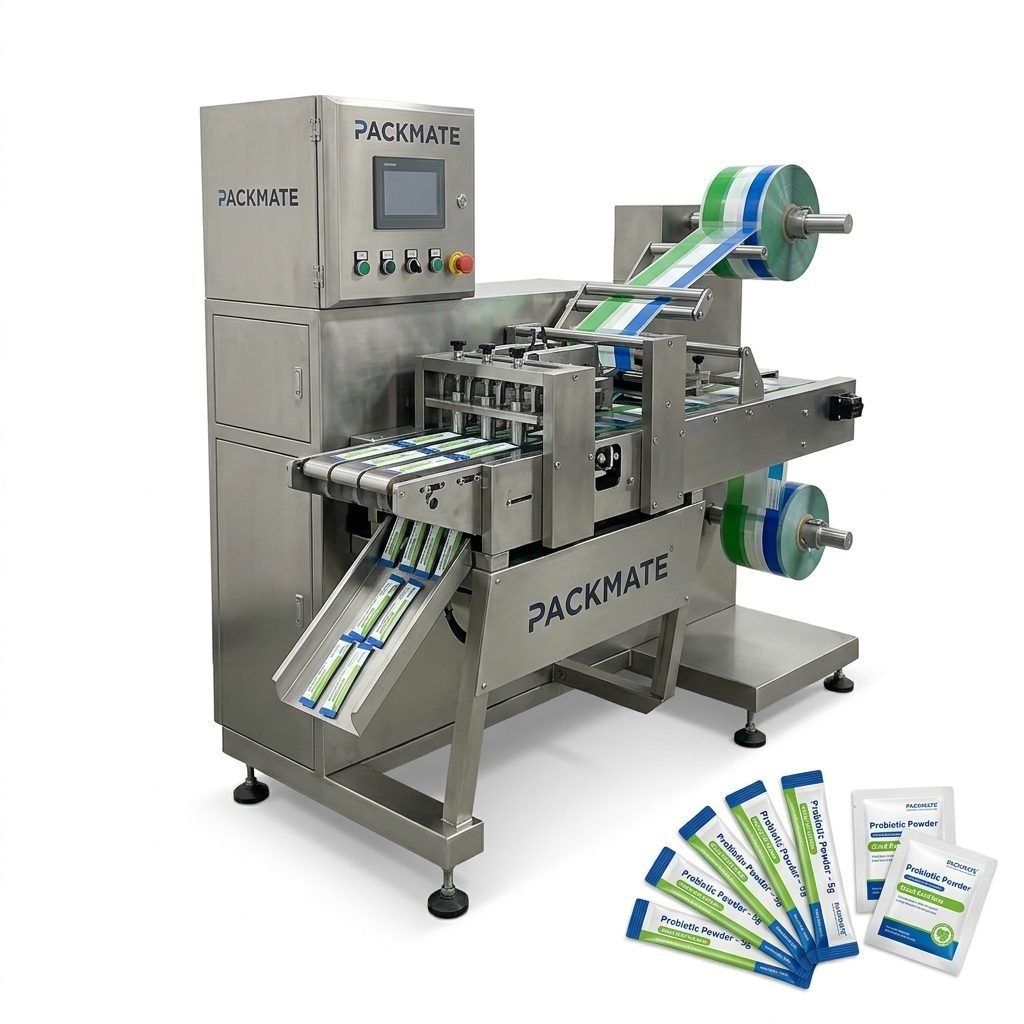
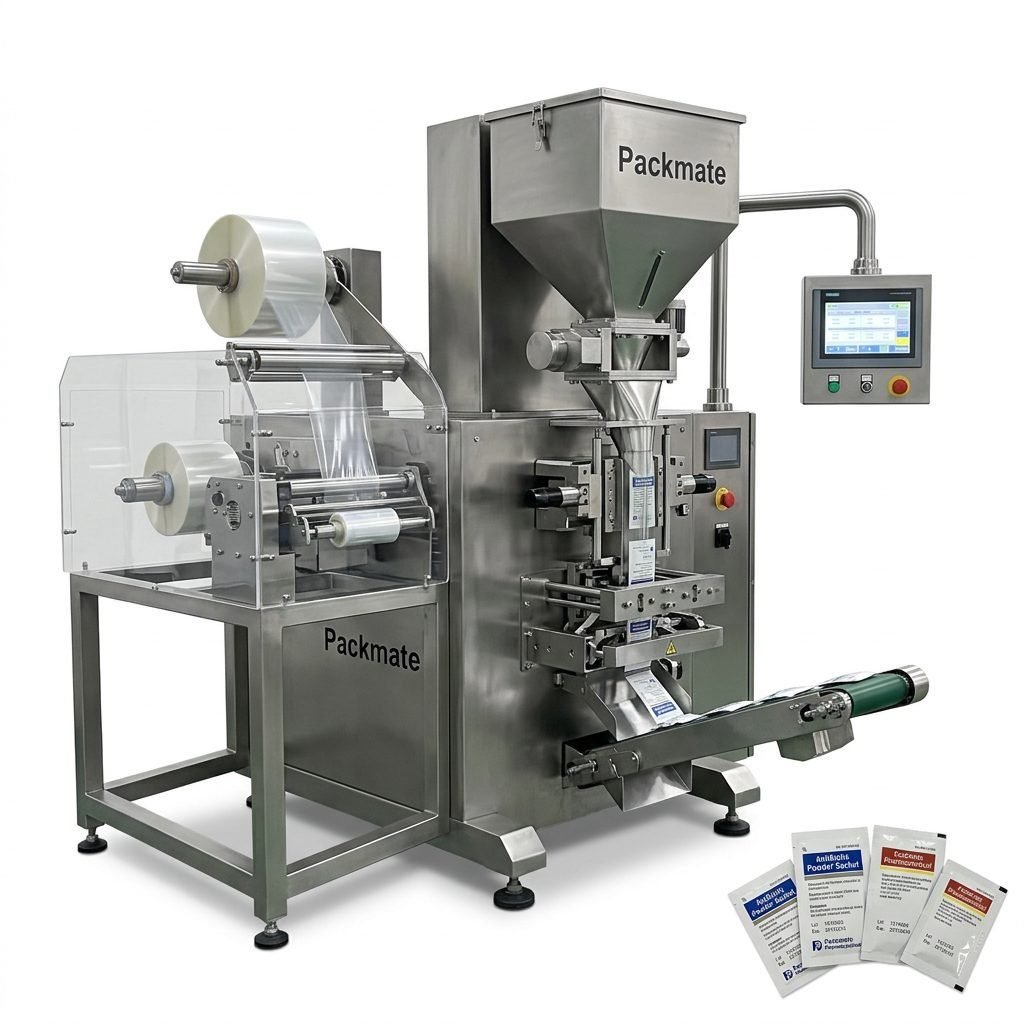
In the competitive world of food production, maintaining product freshness, safety, and shelf life is paramount. Airtight food packaging machines are the cornerstone of achieving these goals, providing a robust barrier against oxygen, moisture, and contaminants. This technology is essential for everything from snacks and coffee to spices and ready-to-eat meals.
Understanding Airtight Packaging Technology
Airtight packaging, often referred to as modified atmosphere packaging (MAP), works by replacing the air inside a package with a protective gas mixture or creating a complete vacuum. This process significantly slows down oxidation and microbial growth, which are primary causes of food spoilage. The machinery that accomplishes this is sophisticated, integrating sealing, gas flushing, and quality control in one streamlined operation.
Core Mechanism
The fundamental process involves placing the product in a high-barrier film pouch or container. The machine then evacuates the ambient air and either seals the package under vacuum or injects a precise blend of gases like nitrogen or carbon dioxide before sealing. The integrity of the final seal is critical and is rigorously tested to ensure no leaks compromise the package.
Primary Types of Airtight Food Packaging Machines
The market offers various machines tailored to different product forms, volumes, and packaging styles. Choosing the right type is crucial for operational efficiency.
1. Vertical Form-Fill-Seal (VFFS) Machines
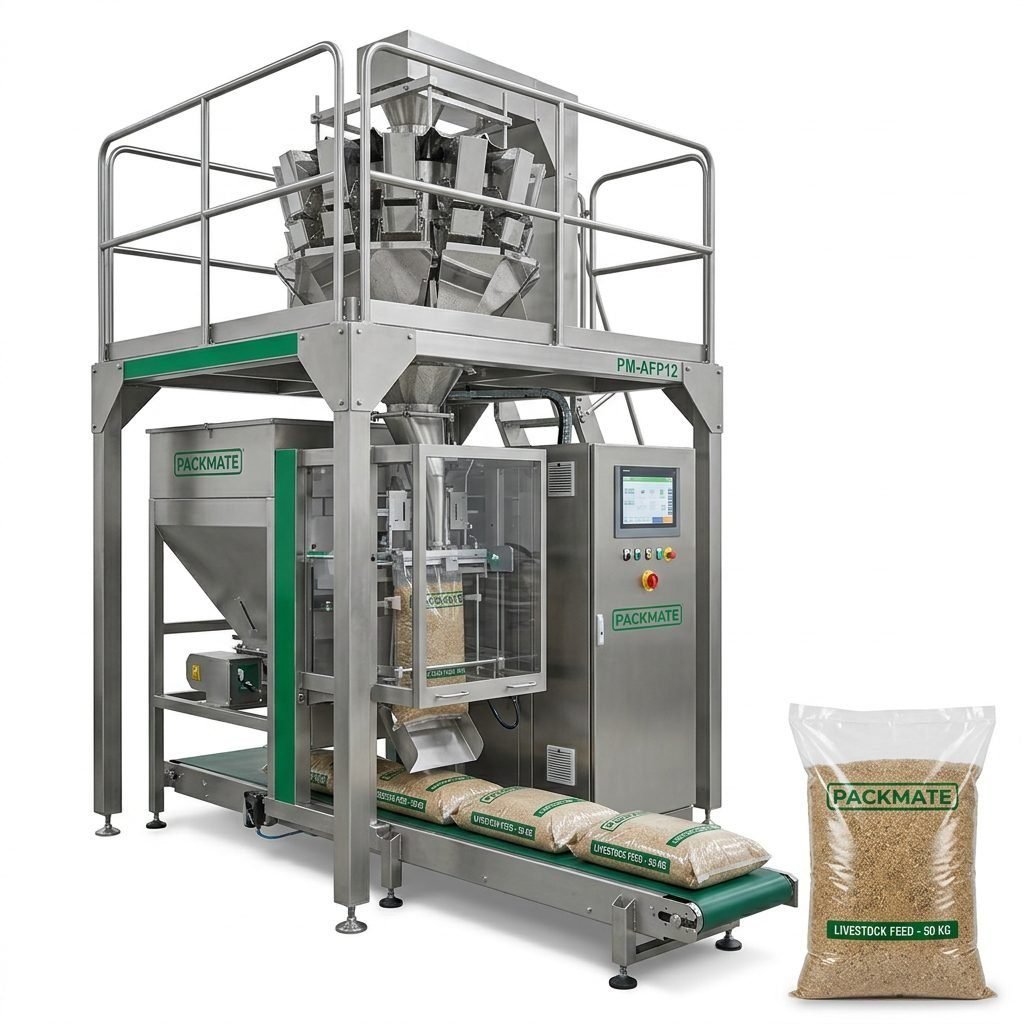
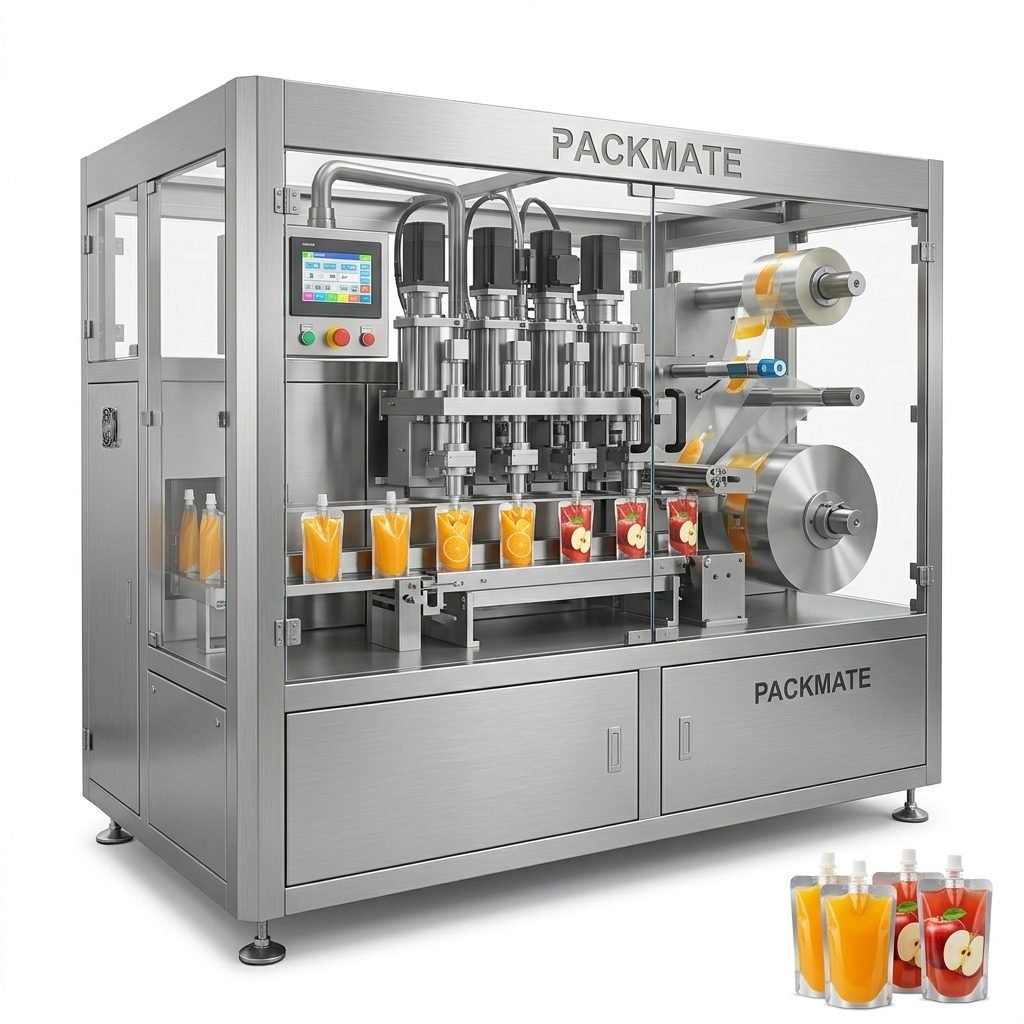
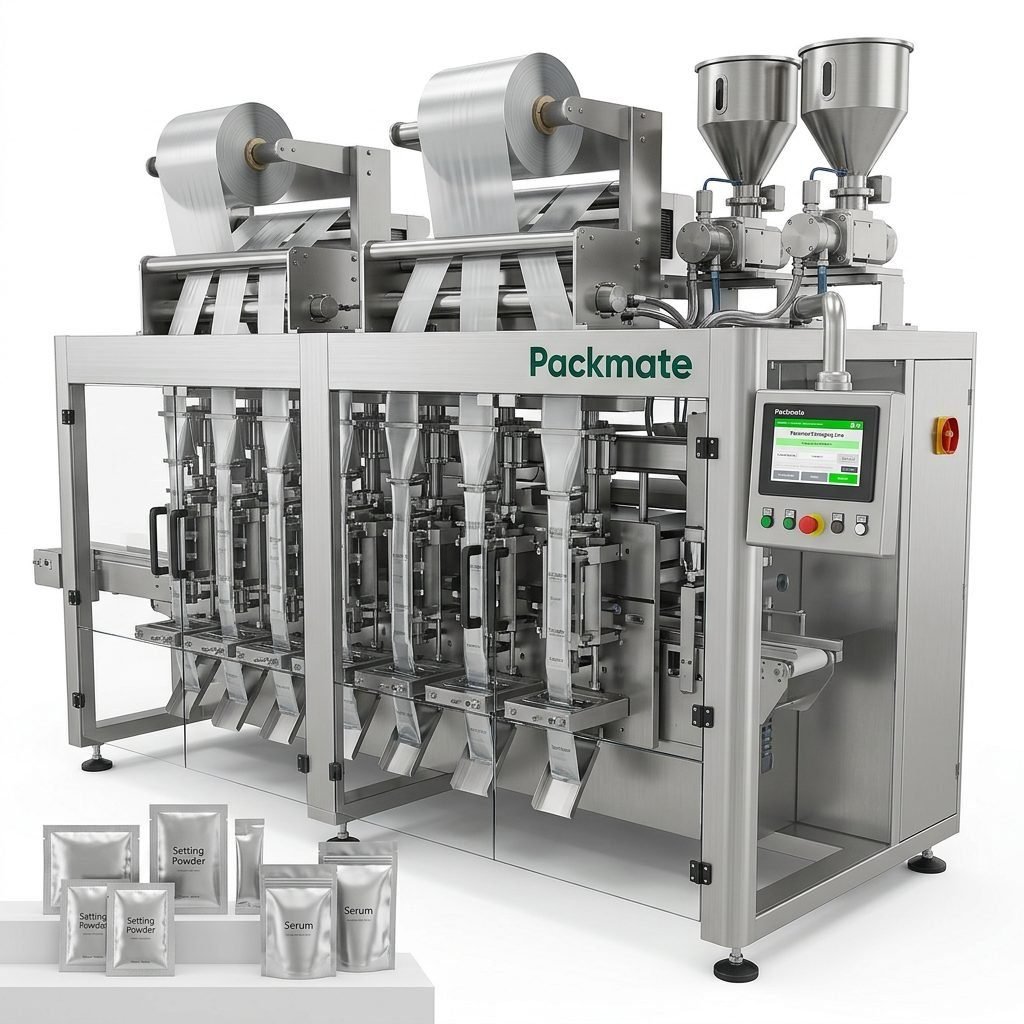
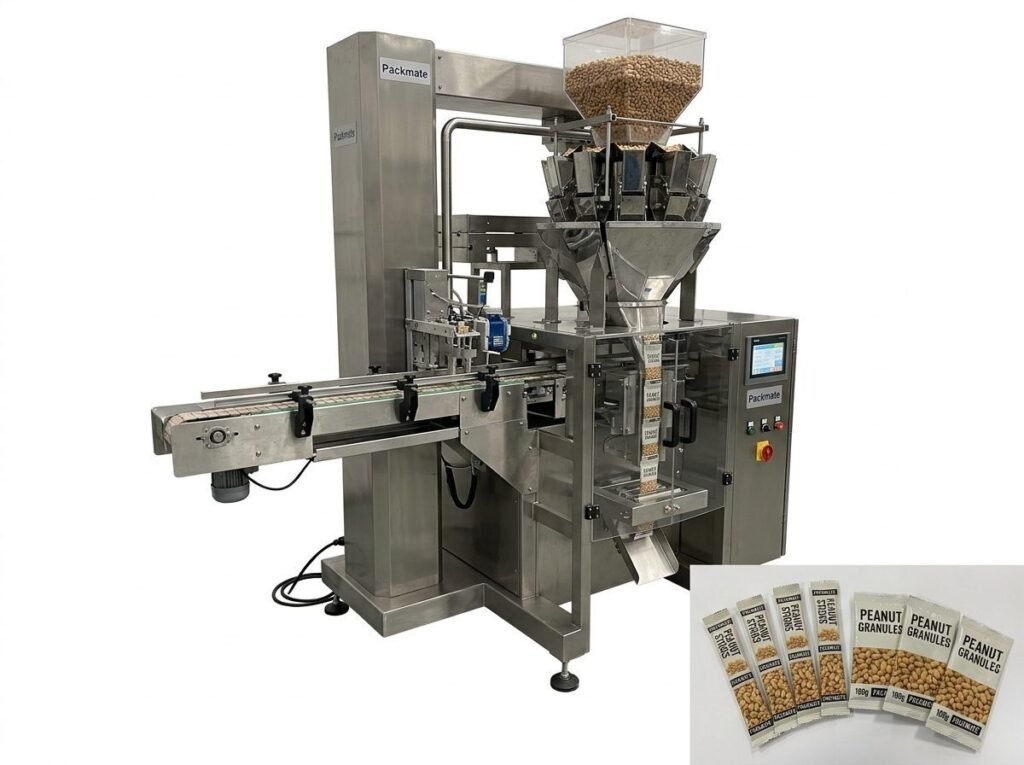
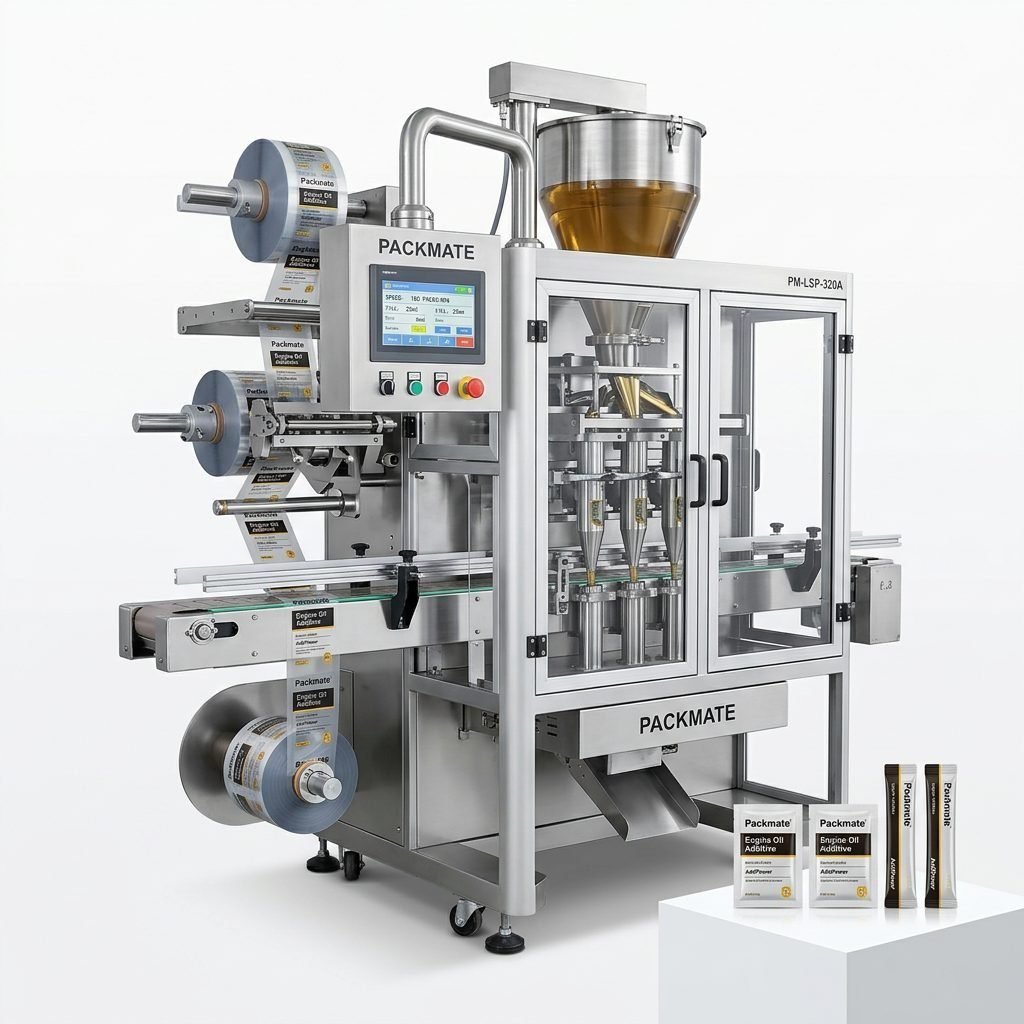
These are among the most common and versatile machines. They form a bag from a roll of film, fill it with the product, and then seal it—all in a continuous vertical motion. Ideal for granules, powders, and small solid items like nuts, candy, or powdered drinks. They are highly efficient for medium to high-volume production lines. You can explore various models in our range of Bag & Pouch Packaging Machines.
2. Horizontal Form-Fill-Seal (HFFS) Machines
Perfect for packaging products that are more delicate or require a specific presentation, such as cookies, bars, or sliced meats. The film travels horizontally, and the product is placed into pre-formed pockets before being lidded with a top film. This method often allows for excellent graphic display and easier product loading.
3. Vacuum Chamber Sealers
These machines are designed for creating a perfect vacuum inside pre-made bags or pouches. The product is placed in the bag, the open end is laid over the seal bar, and the entire bag is enclosed in a chamber. Air is removed, and the bag is sealed. Excellent for irregularly shaped products, marinated meats, or cheeses where removing as much air as possible is the goal.
4. Thermoforming Machines
This advanced type uses heat to form rigid plastic trays or cavities from a bottom film roll. The product is loaded into these cavities, the top film is applied, and the package is sealed under vacuum or gas flush. Commonly used for fresh produce, processed meats, and ready meals that require a rigid, tray-like package for protection and retail appeal.
Choosing the Right Machine: A Quick Comparison
VFFS: Best for free-flowing products, high speed, cost-effective bags.
HFFS: Ideal for fragile items, excellent print registration, modular design.
Vacuum Chamber: Superior for total air removal, works with pre-made bags.
Thermoforming: Top choice for product presentation, rigid packaging, and complex MAP applications.
Key Benefits of Investing in Airtight Packaging
Implementing airtight packaging technology delivers tangible returns across the entire supply chain.
Extended Shelf Life
By inhibiting oxidation and microbial activity, airtight packaging can multiply a product’s shelf life by several times. This reduces food waste, allows for broader distribution, and provides greater flexibility in inventory management.
Enhanced Food Safety & Quality
It acts as a physical barrier against contaminants, dust, and insects. Preserving the product’s original flavor, aroma, texture, and nutritional value ensures that the end consumer enjoys the product as the manufacturer intended.
Improved Brand Value & Marketability
Fresh, high-quality products build brand loyalty. Airtight packages often look more professional and secure, which can justify a premium price point and make products stand out on crowded retail shelves.
Operational Efficiency
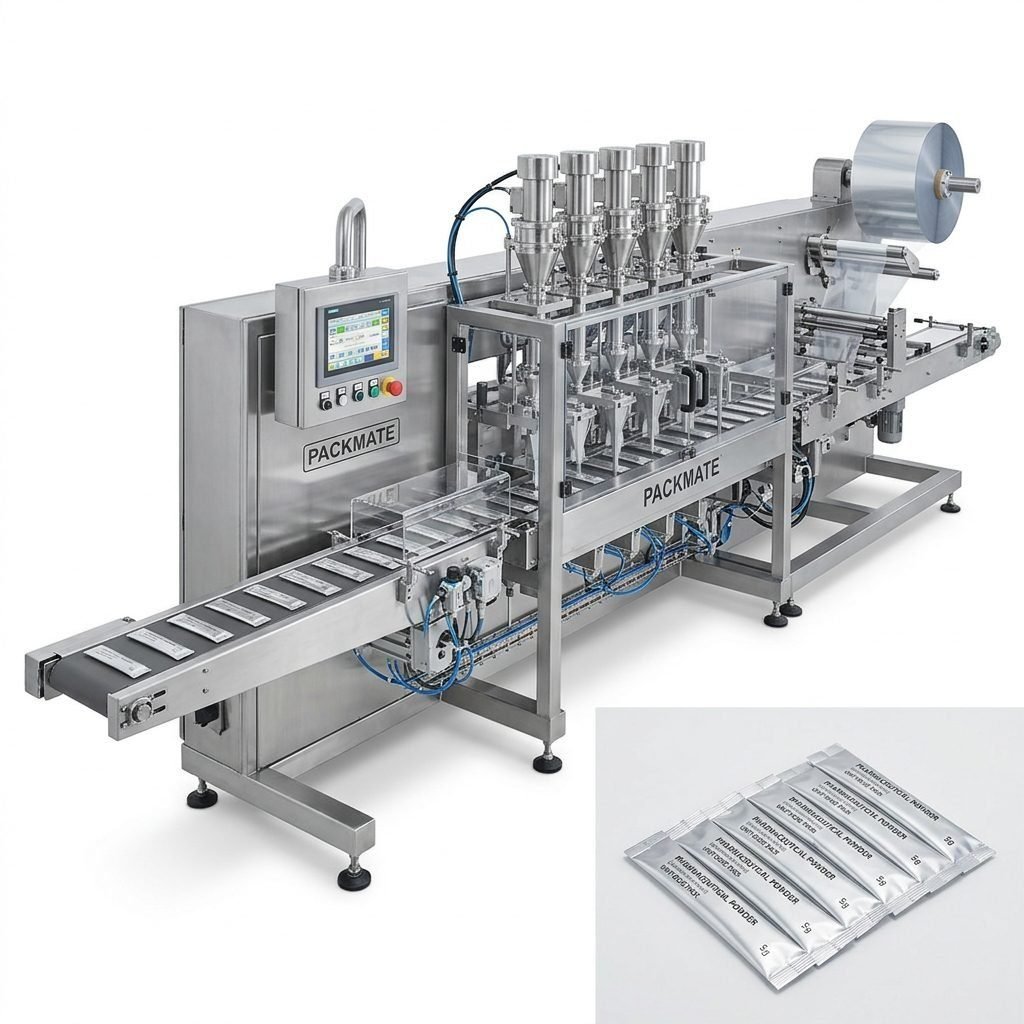
Modern airtight packaging machines, like the automated lines offered by Packmate Machinery, are designed for high-speed, reliable operation with minimal downtime. This increases overall production throughput and reduces labor costs per unit.
Essential Buying Guide: What to Consider
Selecting an airtight packaging machine is a significant investment. Here are the critical factors to evaluate.
1. Product Characteristics
Analyze your product’s form (solid, liquid, powder), size, fragility, and oil/fat content. This will directly determine the suitable machine type (e.g., VFFS for powders, thermoformer for oily snacks).
2. Production Volume & Speed Requirements
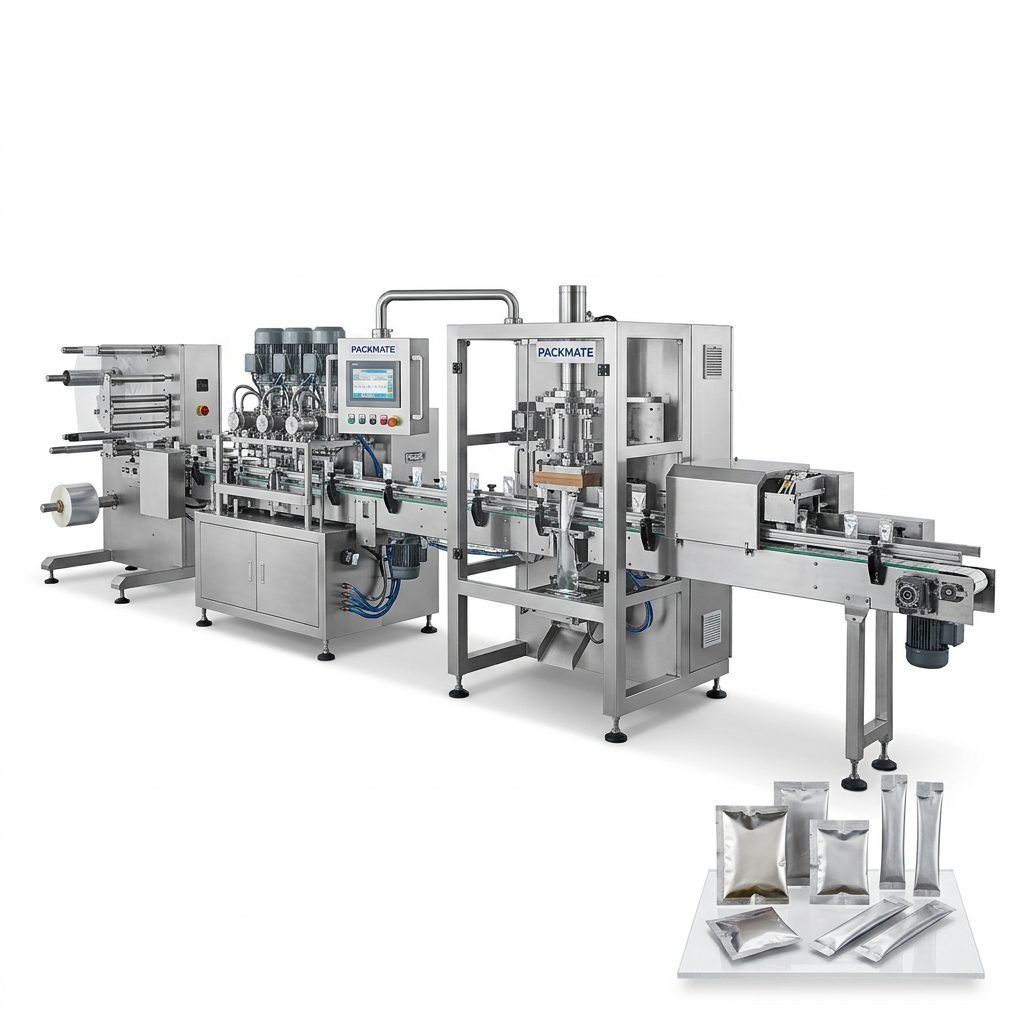
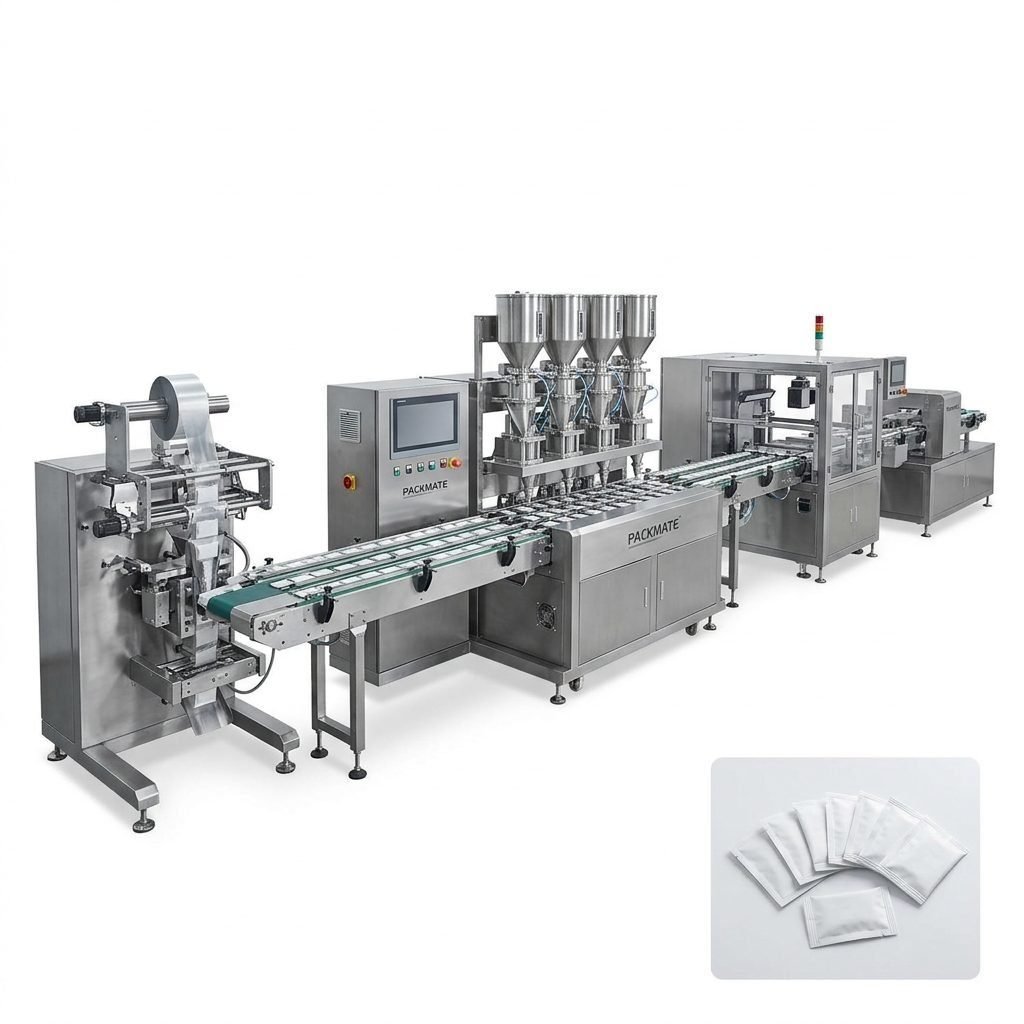
Calculate your current and projected output. Machines are rated by packages per minute (PPM). Investing in a machine with scalable capacity can accommodate future business growth. For integrated high-volume solutions, consider our Filling & Packaging Lines.
3. Packaging Material Compatibility
The machine must work seamlessly with your chosen barrier films or laminates (e.g., PET/AL/PE). Ensure the sealing mechanism (heat, impulse, vacuum) is compatible with the material to guarantee strong, consistent seals.
4. Level of Automation
Options range from semi-automatic machines requiring an operator to fully automated lines integrated with weighing, feeding, and cartoning systems. Higher automation reduces human error and labor costs but requires a larger initial investment.
5. Supplier Reputation & Support
Partner with a manufacturer known for quality, reliability, and strong after-sales service. Review their company history, client testimonials, and availability of spare parts and technical support. A supplier with a proven track record, like Packmate with its over 30 years of expertise, provides invaluable peace of mind. Learn more about our commitment in the Company Profile.
The Role of a Trusted Manufacturer
Choosing a partner like Packmate Machinery means more than just buying a machine. It means accessing comprehensive turnkey solutions, from initial consultation and factory layout planning to installation, training, and ongoing maintenance. Our portfolio of over 50 machine models, developed over two decades of innovation, is designed to deliver reliable solutions for granules, powders, and liquids, ensuring your investment drives long-term productivity.
Conclusion
Airtight food packaging machines are a transformative investment for any food producer serious about quality, safety, and efficiency. From versatile VFFS machines to sophisticated thermoformers, the right technology can dramatically extend shelf life, enhance brand perception, and streamline operations. The key to success lies in thoroughly assessing your product needs, production goals, and partnering with a reputable equipment manufacturer who can provide not just a machine, but a complete, reliable packaging solution.
Frequently Asked Questions (FAQs)
1. What is the main difference between vacuum packaging and modified atmosphere packaging (MAP)?
Vacuum packaging removes almost all air from the package, which is ideal for preventing oxidation and freezer burn. MAP replaces the air with a specific gas mixture (like nitrogen or carbon dioxide) tailored to the product, which can be better for preserving the shape of delicate items (like chips) and further inhibiting specific bacteria.
2. Can one machine handle both vacuum sealing and gas flushing?
Yes, many advanced airtight packaging machines, particularly chamber sealers and thermoformers, are equipped to perform both functions. They can create a full vacuum or introduce a precise gas mix before sealing, offering great flexibility for different product lines.
3. How do I know what type of packaging film to use with my machine?
The machine manufacturer is the best source for this information. They will specify the types of laminate films (e.g., structures with polyester, aluminum foil, or polyethylene layers) that are compatible with their sealing technology to ensure a strong, airtight seal. It’s a critical part of the machine selection process.
4. What kind of maintenance do these machines require?
Regular maintenance is essential for longevity and consistent seal quality. This typically includes daily cleaning of sealing jaws and product contact areas, periodic lubrication of moving parts, and inspection/replacement of wear components like sealing elements, cutter blades, and vacuum pumps as recommended by the manufacturer.
5. Are these machines suitable for small businesses or start-ups?
Absolutely. The market offers a range of machines, from compact, semi-automatic tabletop vacuum sealers to fully automated lines. For small-scale production, semi-automatic or single-lane automatic machines provide an affordable entry point to benefit from airtight packaging technology, with the option to upgrade as the business grows.