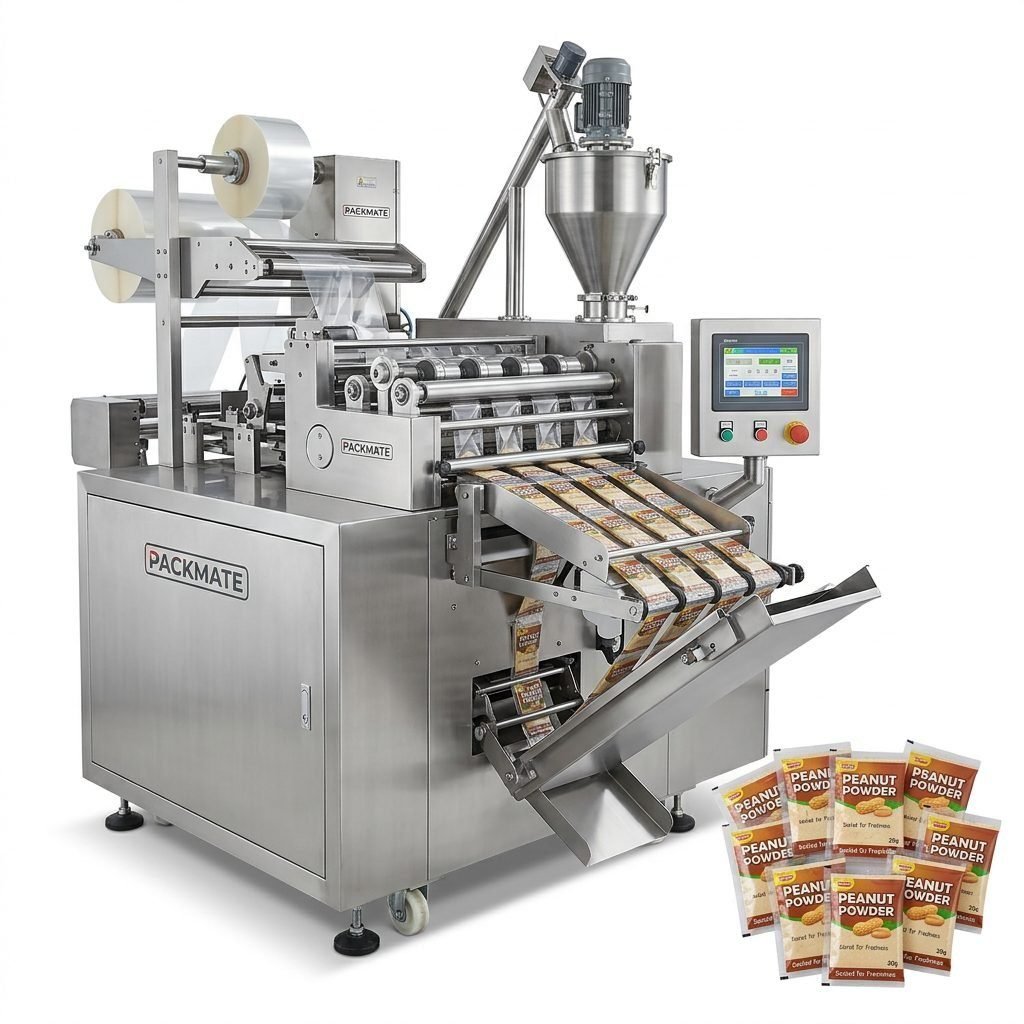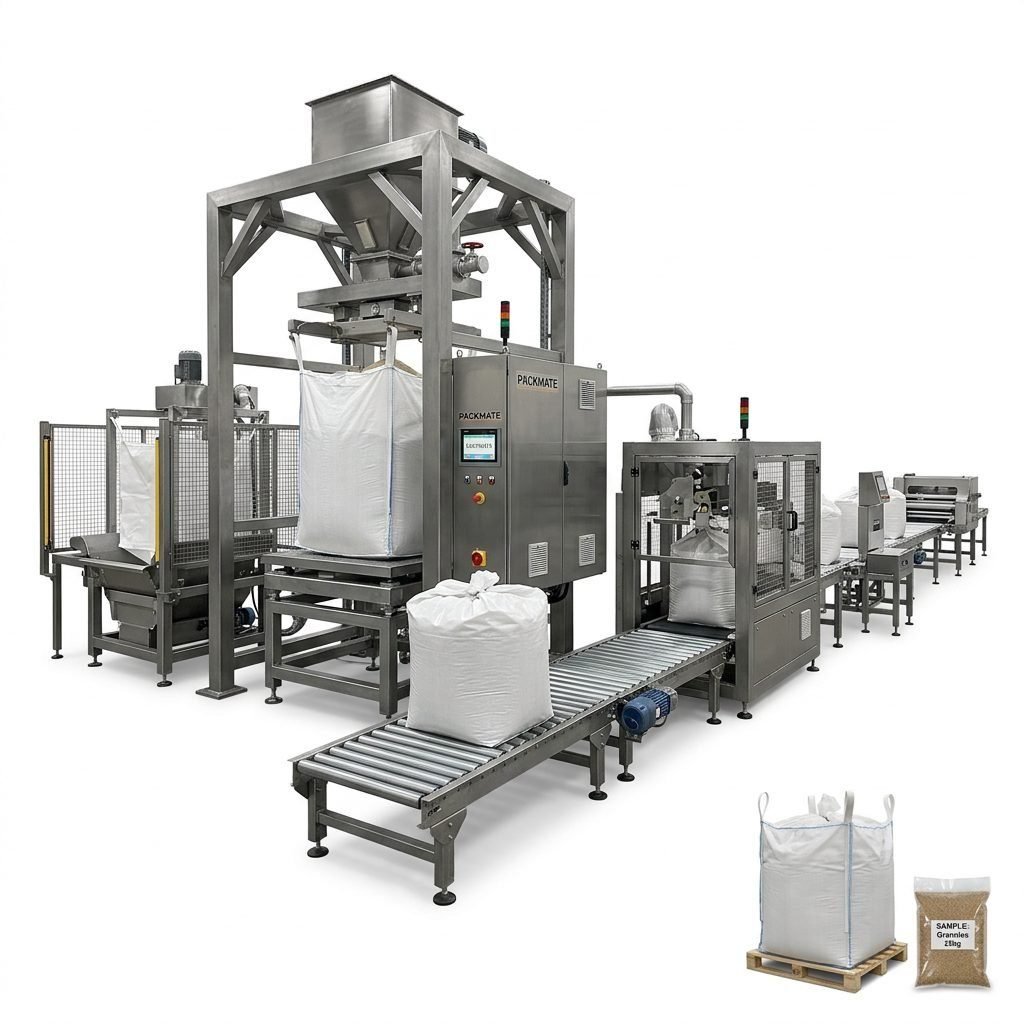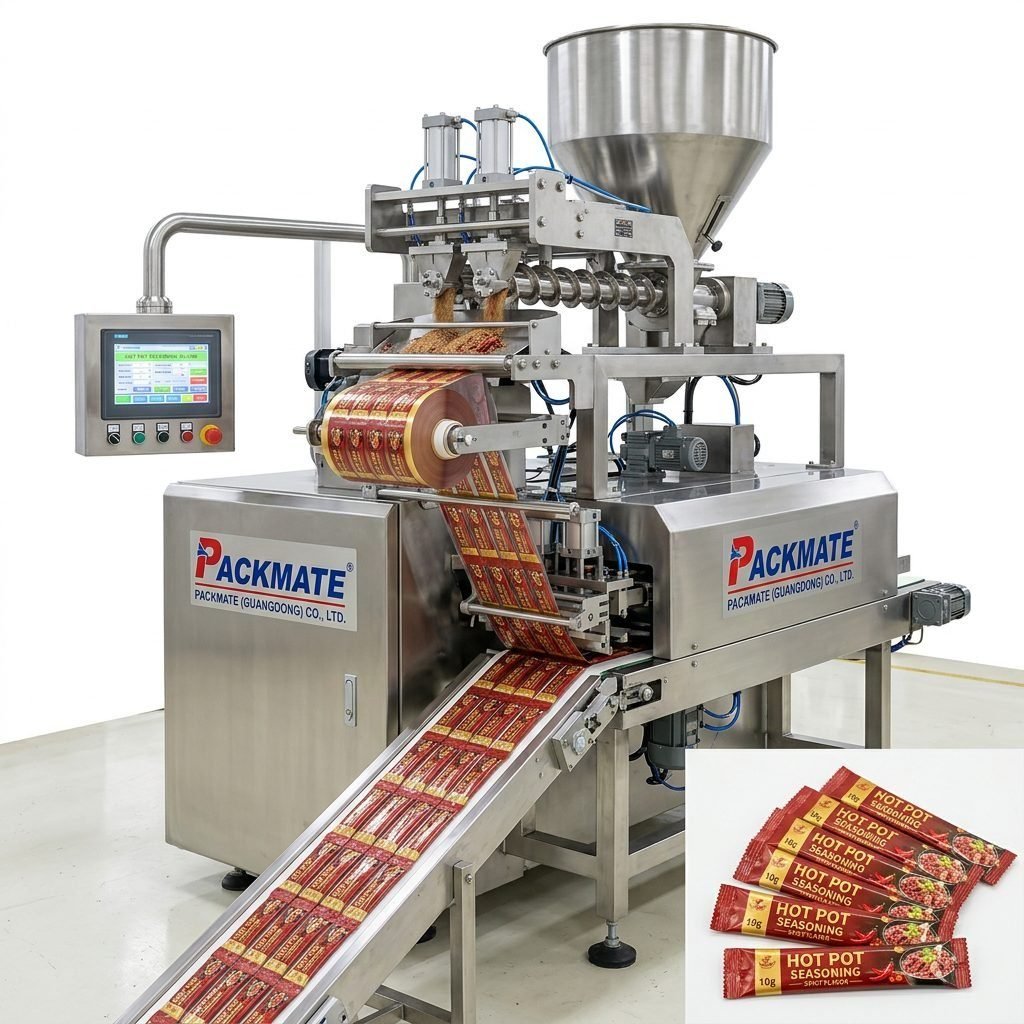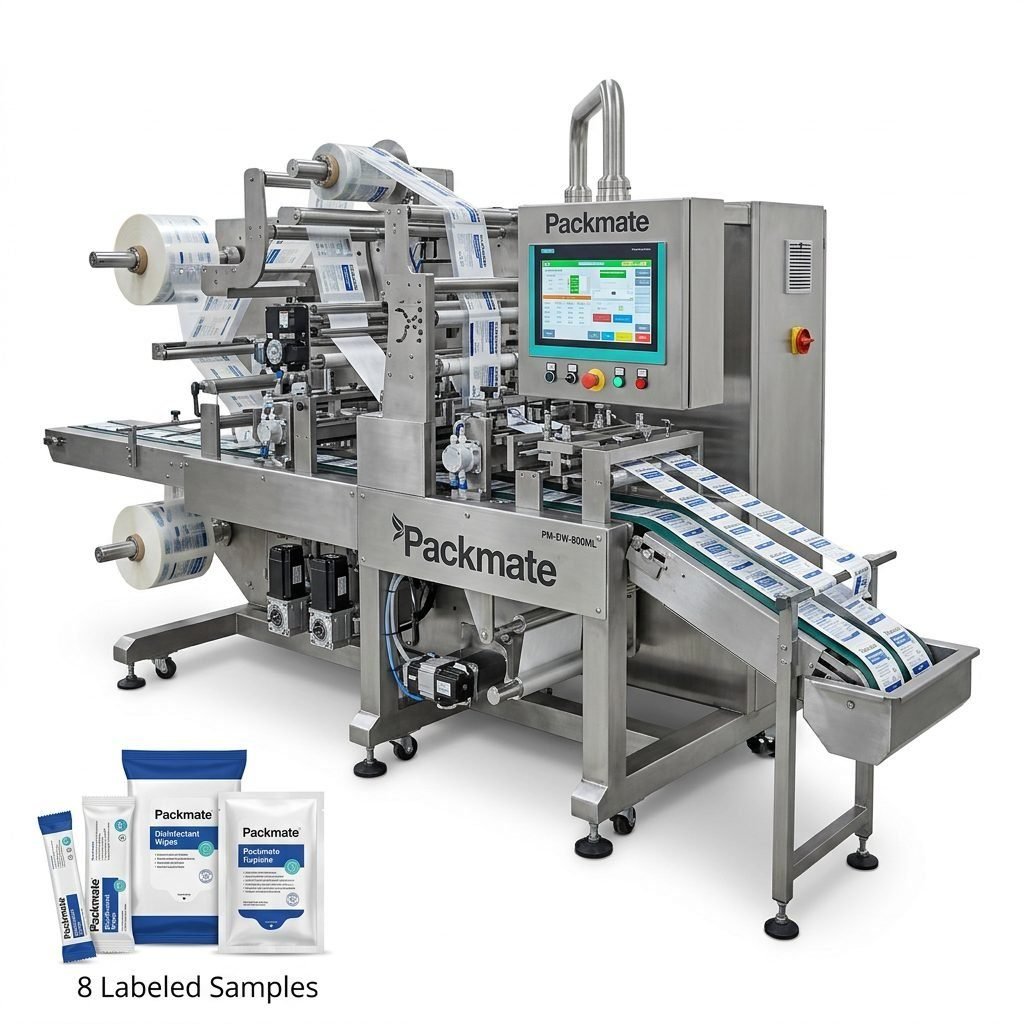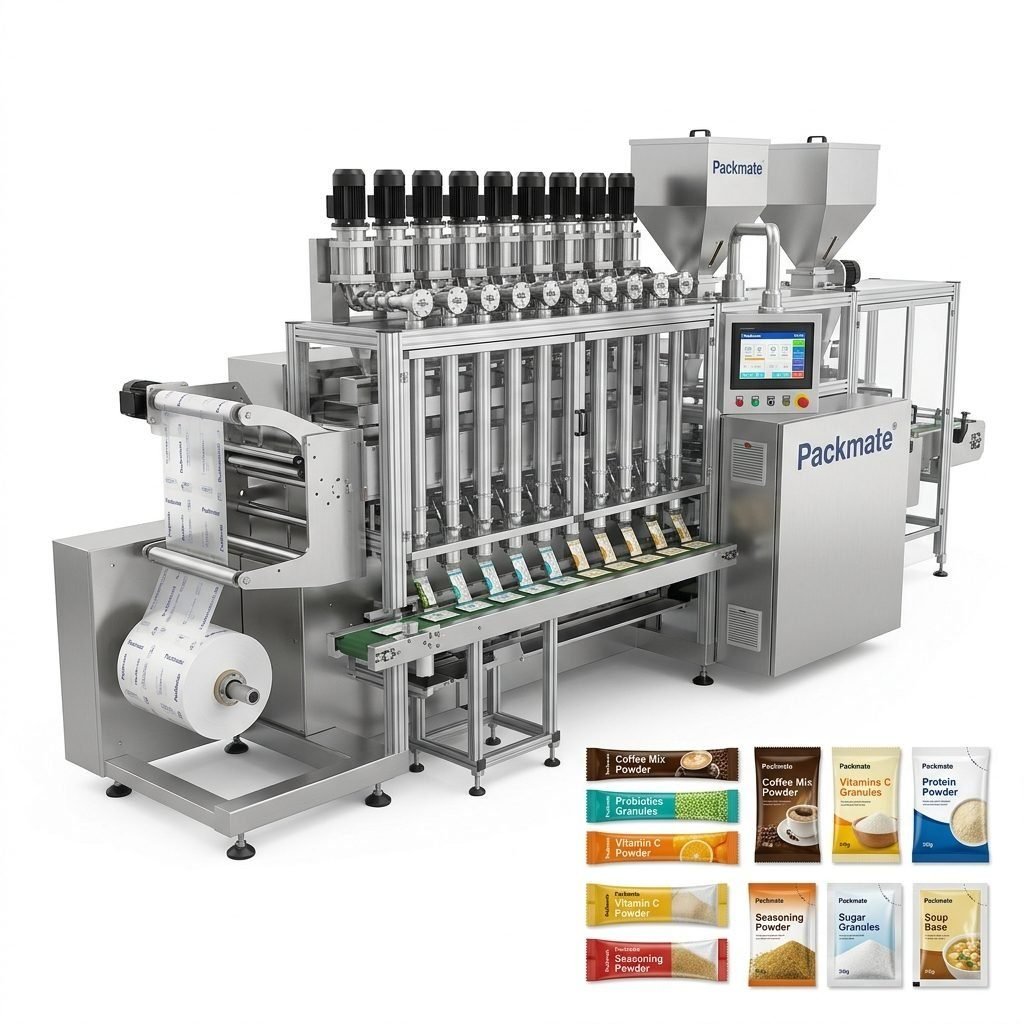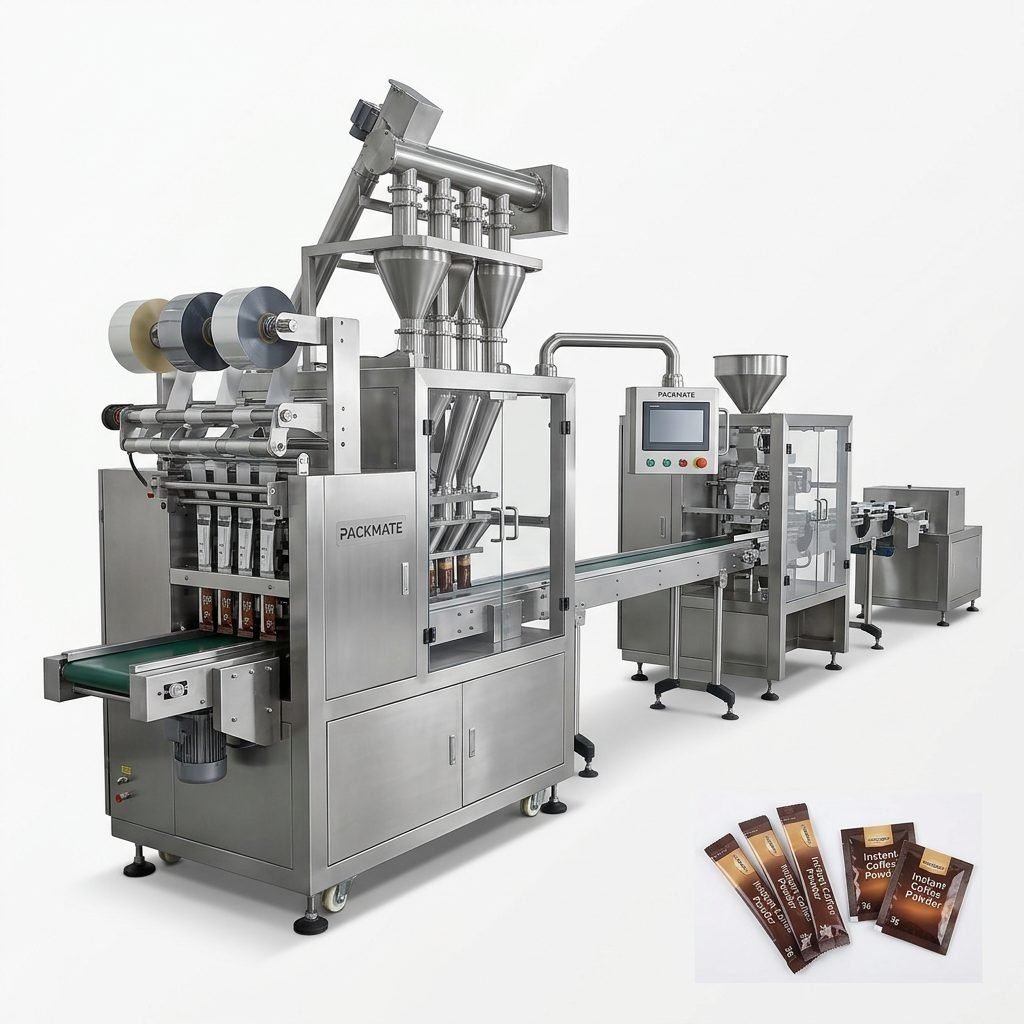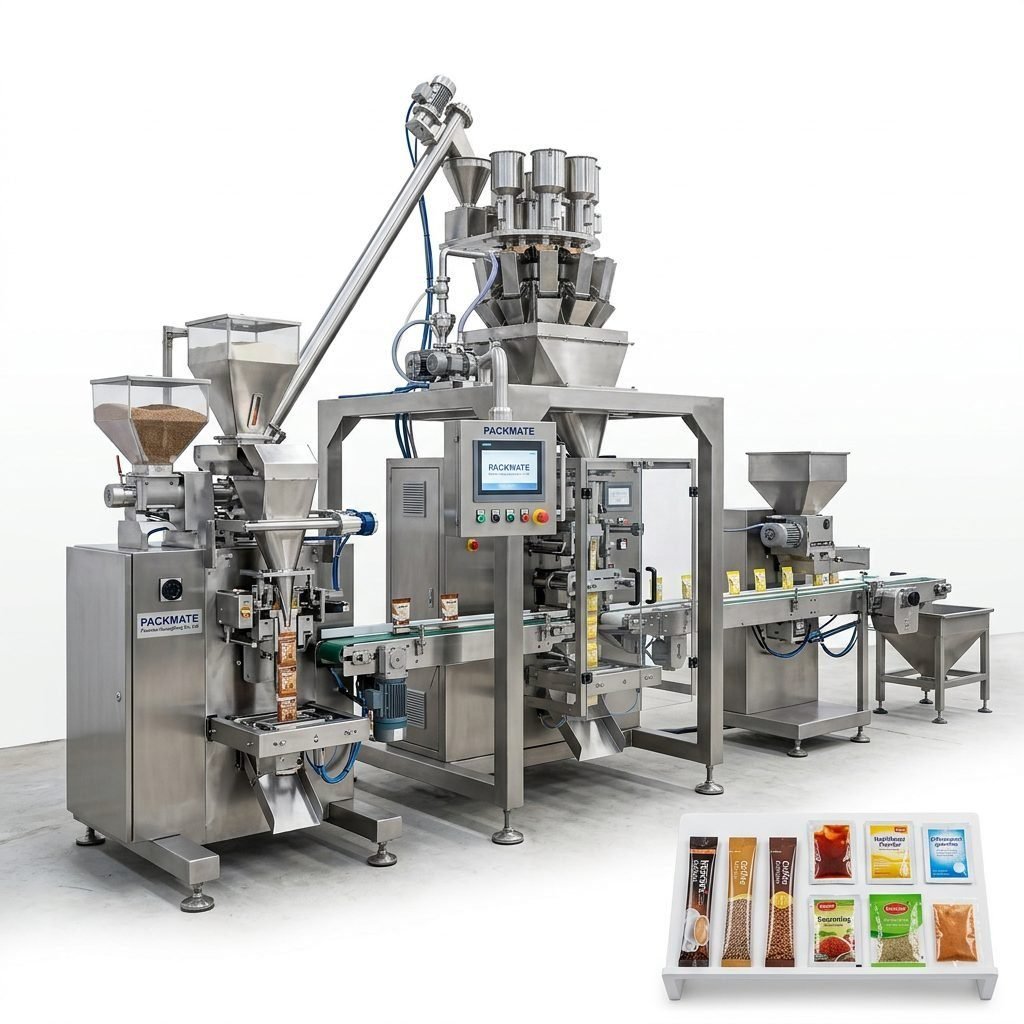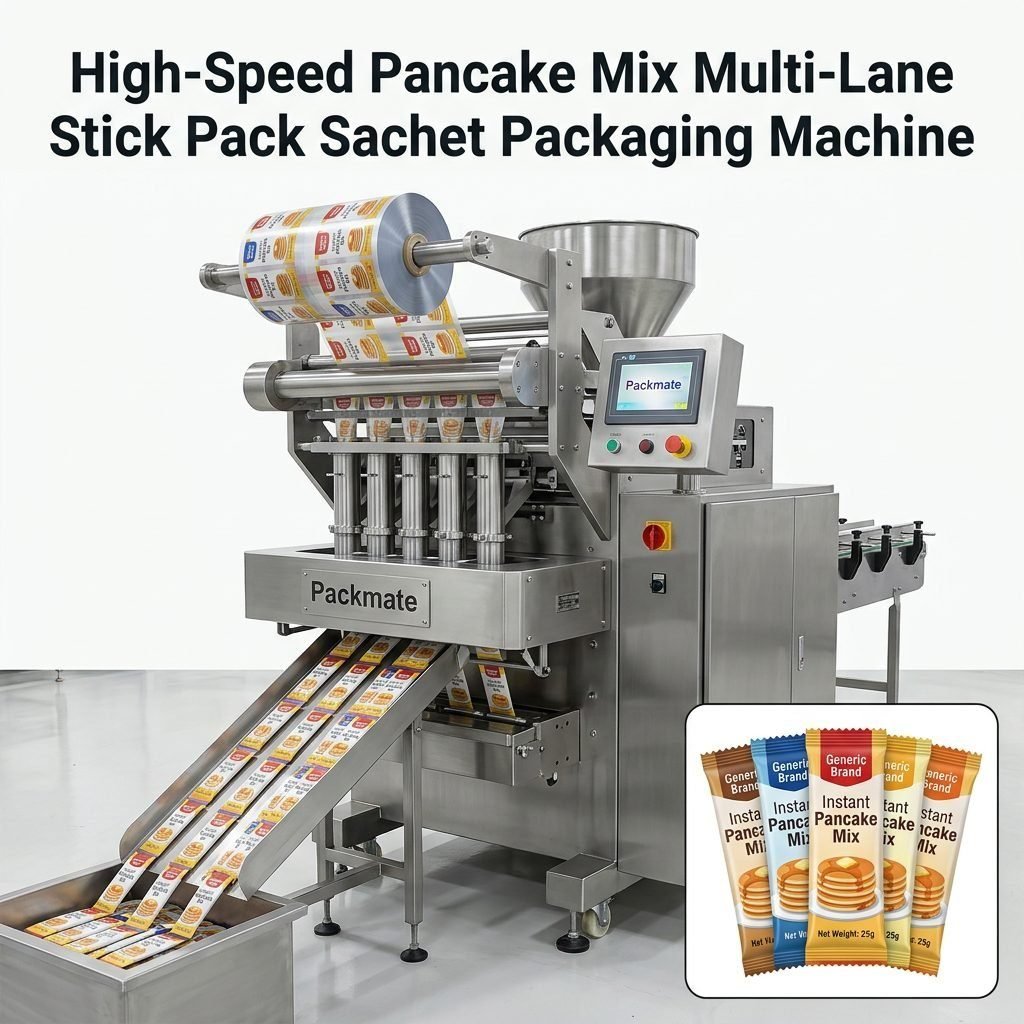
In the fast-paced world of manufacturing and product distribution, efficiency, reliability, and hygiene are paramount. The monobloc packaging machine stands as a cornerstone technology, seamlessly integrating multiple packaging functions into a single, cohesive unit. This comprehensive guide delves into the intricate functions and substantial benefits of these sophisticated systems, explaining why they are a critical investment for modern production lines across industries like food, pharmaceuticals, and health products.
What is a Monobloc Packaging Machine?
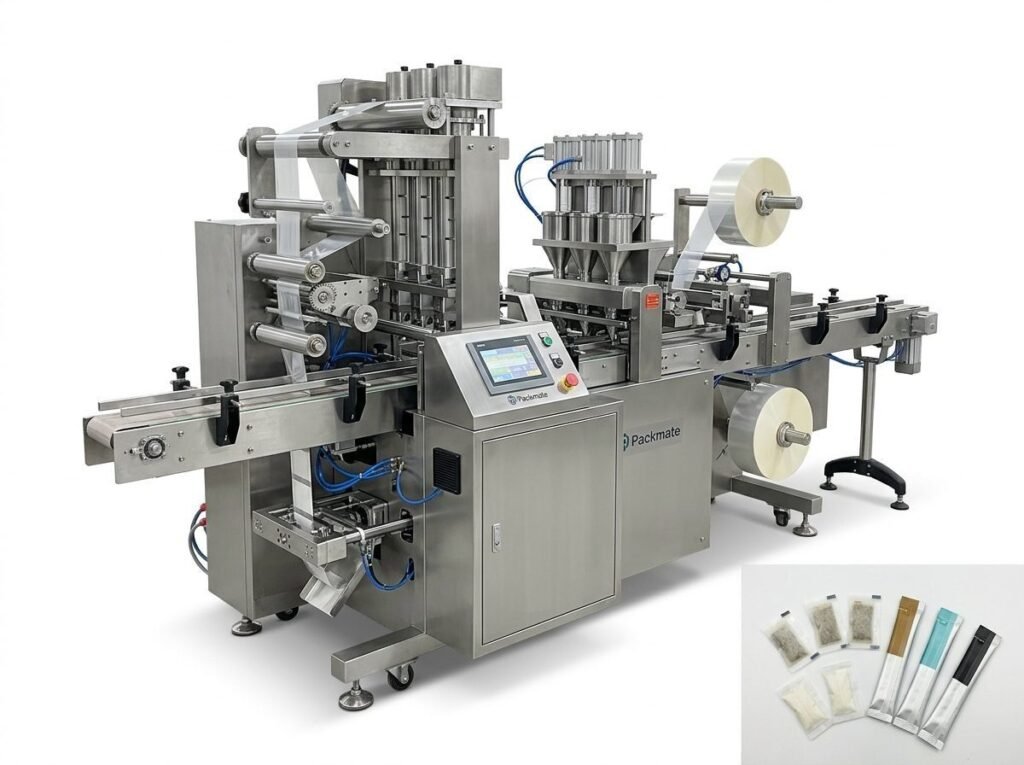
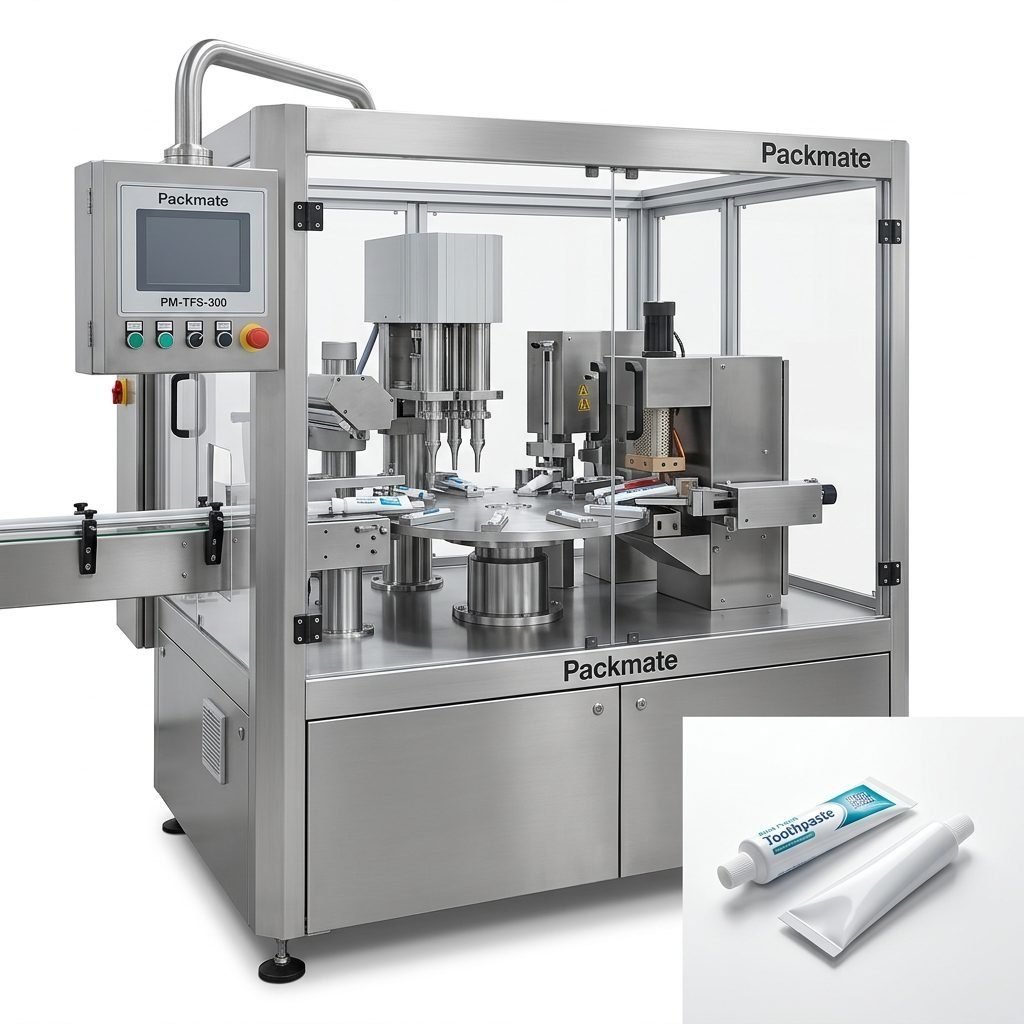
At its core, a monobloc packaging machine is an all-in-one, integrated system that performs several packaging operations in a continuous, synchronized sequence. Unlike traditional setups where forming, filling, and sealing are handled by separate, standalone machines connected by conveyors, a monobloc combines these processes into a single, compact frame. This integration is engineered for maximum operational harmony, reduced footprint, and enhanced hygiene control, making it an ideal solution for high-speed, high-volume production environments where product integrity is non-negotiable.
Core Integrated Functions
The true power of a monobloc lies in its seamless execution of the packaging workflow. Here are the primary functions typically unified within one machine:
- Film Unwinding & Forming: The machine draws packaging film from a roll, precisely forms it into the desired pouch or sachet shape (such as a stick pack or sachet) around a forming collar.
- Precise Product Filling: The formed pouch is then accurately filled with the product—be it granules, powders, or liquids. Advanced systems like weighing and packaging systems ensure dose accuracy.
- Sealing & Cutting: Immediately after filling, the package is hermetically sealed to ensure freshness and prevent contamination. The continuous film is then cut, separating individual, finished packages.
- Optional Secondary Operations: Many advanced monobloc units can integrate additional steps like date coding, batch numbering, gas flushing (for modified atmosphere packaging), or even cartoning.
Key Advantages and Operational Benefits
Investing in a monobloc system translates into tangible, bottom-line benefits for manufacturers. The integration drives efficiency and quality in several key areas.
1. Unmatched Efficiency and Space Optimization
By eliminating the need for multiple independent machines and the conveyors between them, monobloc machines significantly reduce the overall production line footprint. This is a crucial advantage for facilities where floor space is at a premium. More importantly, the synchronized, continuous motion minimizes transfer points and mechanical hand-offs, leading to higher potential speeds and a drastic reduction in downtime caused by misalignment or jamming between separate units.
2. Enhanced Hygiene and Product Safety
In industries like pharmaceuticals, baby food, or health supplements, contamination control is critical. A monobloc design minimizes exposed product zones and transfer points where dust or microbes could enter. The enclosed, streamlined process makes it easier to implement clean-in-place (CIP) systems and maintain a hygienic environment, ensuring the final product meets stringent safety standards. Companies like Packmate Machinery, with decades of experience, design their integrated lines with these strict hygiene protocols in mind.
3. Superior Packaging Quality and Consistency
The tight integration of processes ensures perfect registration and alignment at every stage. This results in consistently neat seals, accurate fill weights, and professionally finished packages batch after batch. Reduced mechanical handling also means less chance for package deformation or product spillage, directly enhancing the brand’s image on the shelf.
4. Reduced Operational Complexity and Labor Costs
Operating and maintaining one sophisticated machine is often simpler than managing a line of several interconnected ones. Training requirements for operators are streamlined, and troubleshooting is centralized. Furthermore, the high level of automation inherent in monobloc systems reduces the need for manual intervention, allowing staff to oversee multiple lines or perform value-added tasks, thereby optimizing labor costs.
5. Flexibility for Modern Markets
Contemporary monobloc machines are designed with adaptability in mind. They can often handle a range of packaging materials and be quickly adjusted for different package sizes or formats. This agility is essential for manufacturers producing multiple product lines or needing to respond quickly to market trends with new package types, such as the popular stick packs for on-the-go consumption. Explore the versatility of sachet and stick pack machines to see this flexibility in action.
Applications Across Critical Industries
The robustness and hygiene of monobloc packaging make them indispensable in several sectors:
- Food & Beverage: Ideal for packaging sugar, coffee, spices, soup mixes, and liquid condiments into single-serve sachets or stick packs.
- Pharmaceuticals: Used for packaging powders, granules, and unit-dose liquids where accuracy, tamper-evidence, and sterility are mandatory.
- Health & Nutrition: Perfect for protein powders, vitamin supplements, electrolyte mixes, and herbal teas.
- Fast-Moving Consumer Goods (FMCG): Employed for items like detergent pods, shampoo sachets, and snus portions, requiring high-speed, reliable packaging.
Choosing the Right Monobloc Partner
Selecting a monobloc machine is a significant capital decision. Partnering with an experienced manufacturer is crucial. Look for a provider with a proven track record, robust R&D capabilities, and comprehensive after-sales support. A partner like Packmate Machinery, which operates a 20,000㎡ modern facility and has developed over 50 machine models, can offer not just a machine, but a complete turnkey packaging solution tailored to your specific product and output requirements. Their 22+ years of development ensure the technology is mature and reliable.
Frequently Asked Questions (FAQs)
Q1: What is the main difference between a monobloc and a traditional packaging line?
A: The key difference is integration. A traditional line uses separate, distinct machines for forming, filling, and sealing, connected by conveyors. A monobloc machine integrates all these core functions into a single, unified machine on one chassis, improving synchronization, saving space, and enhancing hygiene.
Q2: Are monobloc machines suitable for small-batch or frequent product changeovers?
A: Modern monobloc machines are designed with greater flexibility. While they excel at high-volume runs, many models allow for relatively quick changeovers of packaging formats and sizes. The suitability depends on the specific machine design; discussing your changeover needs with the manufacturer (like during a consultation at Packmate) is essential.
Q3: How does a monobloc machine improve hygiene compared to modular lines?
A: By minimizing open transfer points between machines, the monobloc reduces the number of areas where product can be exposed to the ambient environment. This enclosed flow is easier to seal and clean, making it superior for applications requiring high levels of cleanliness, such as in pharmaceutical or food packaging.
Q4: What kind of maintenance do these integrated systems require?
A: Maintenance is centralized but requires specialized knowledge of the integrated system. Regular preventive maintenance as per the manufacturer’s schedule is critical. Choosing a supplier with strong technical support and readily available spare parts is vital to ensure long-term machine uptime and productivity.
Q5: Can monobloc machines handle all types of products?
A: Monobloc machines are highly versatile but are typically optimized for specific product types—such as granules, powders, or liquids. The filling system must be matched to the product’s characteristics. It’s important to provide detailed product specifications to the machine builder to ensure the selected monobloc configuration is perfectly suited for your material.