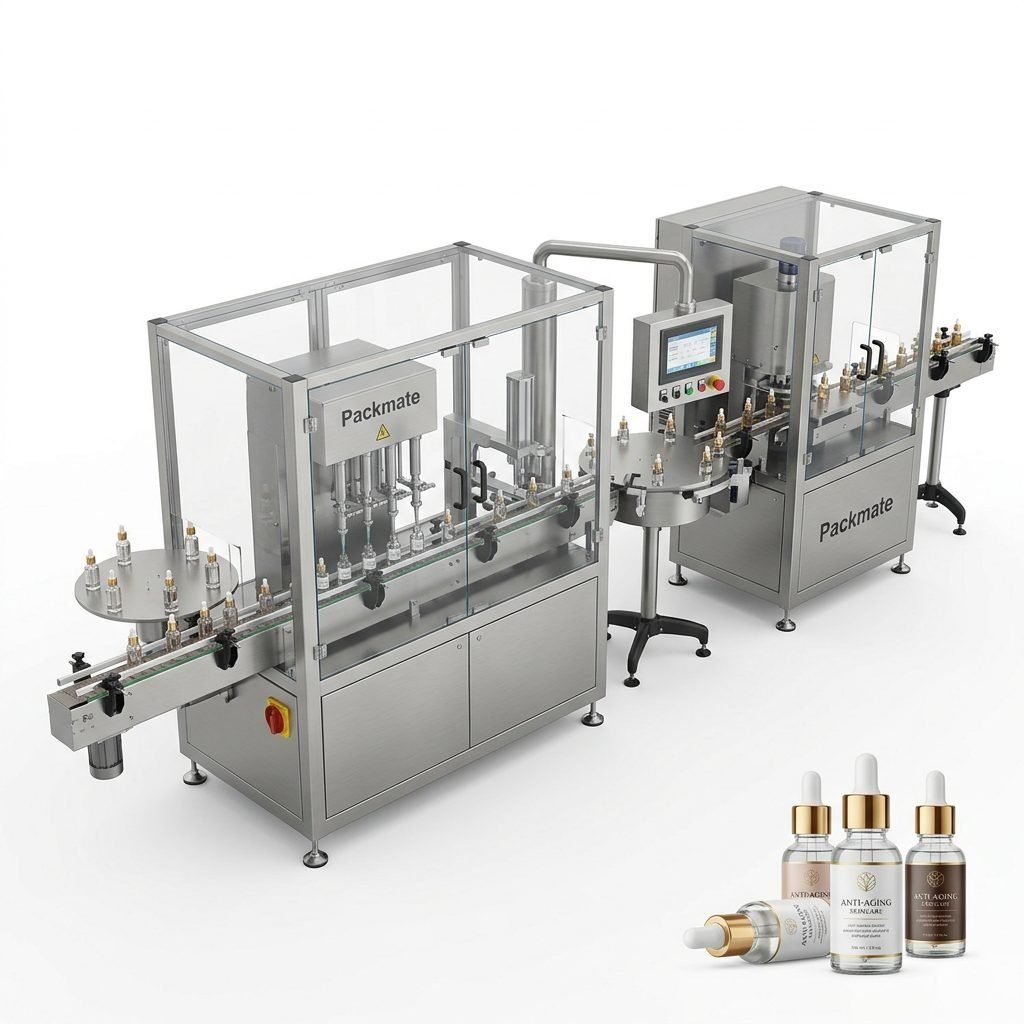
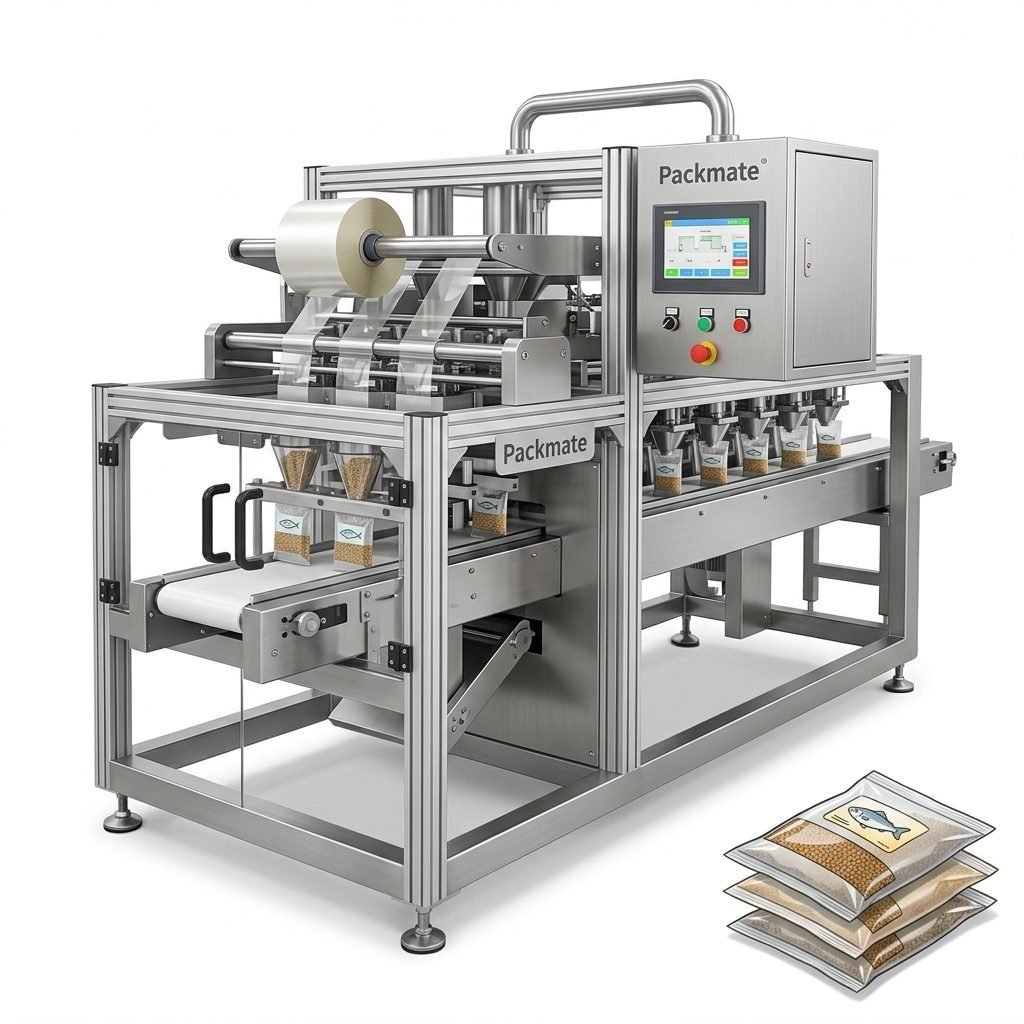
In the fast-paced world of product manufacturing and distribution, the final presentation and protection of goods are paramount. This is where clamshell packaging machines step in, offering a robust and visually appealing solution for sealing a vast array of products. From consumer electronics and hardware to pharmaceuticals and food items, clamshell packaging provides a secure, tamper-evident, and retail-ready enclosure that enhances product visibility and shelf appeal. The efficiency of this sealing process directly impacts production throughput, cost-effectiveness, and overall product quality, making the choice of packaging machinery a critical business decision.
The Core Advantages of Automated Clamshell Sealing
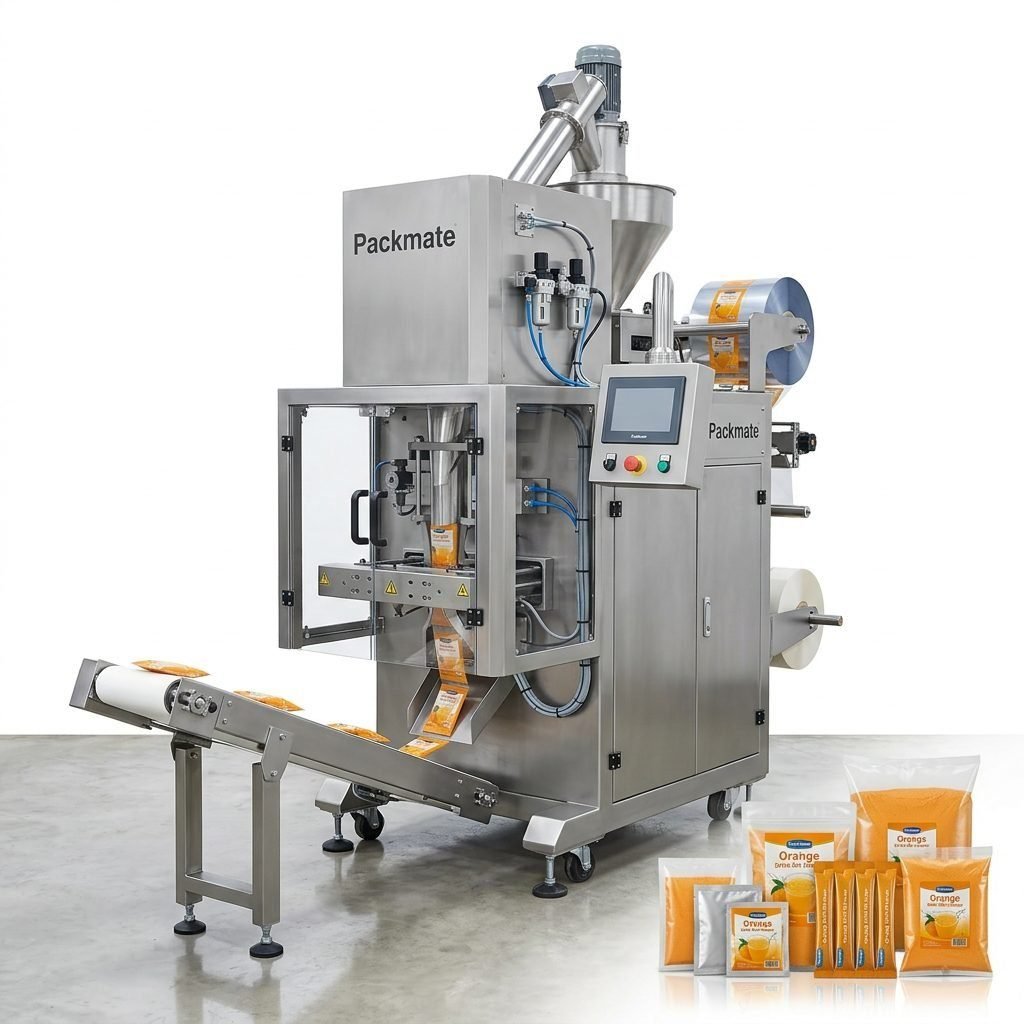
Transitioning from manual or semi-automatic sealing to a fully automated clamshell packaging machine unlocks a new level of operational excellence. These systems are engineered to handle the forming, loading, and sealing of clamshell blisters with precision and speed.
A primary benefit is dramatically increased output. Automated machines can consistently seal hundreds, even thousands, of units per hour, far surpassing manual capabilities. This scalability is essential for meeting large order volumes and just-in-time delivery schedules. Furthermore, automation ensures uniform seal quality on every package. Consistent heat, pressure, and timing eliminate weak seals or burnt edges, significantly reducing product waste and costly returns due to packaging failure.
Key Features of Modern Clamshell Packaging Systems
Today’s advanced clamshell machines are marvels of engineering, integrating features that address the nuanced demands of various industries. Look for systems with adjustable sealing parameters, allowing fine-tuning of temperature, pressure, and dwell time for different plastic materials (like PET, PVC, or APET) and card stocks. This flexibility is crucial for packaging diverse products, from a delicate medical device to a sturdy tool.
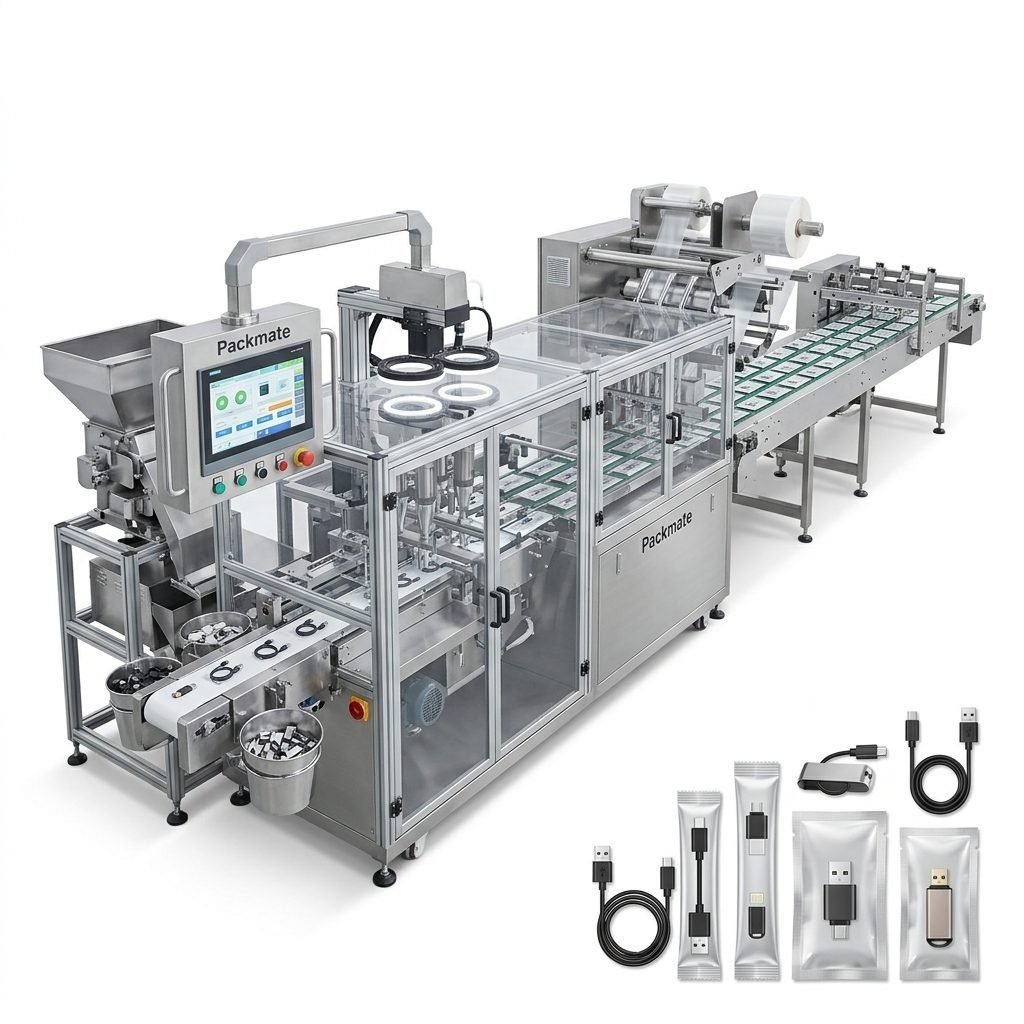
Another critical feature is versatile feeding and loading mechanisms. Depending on the product, systems can be equipped with vibratory bowls, conveyor belts, or robotic pick-and-place arms to gently and accurately position items into the clamshell cavity before sealing. For operations dealing with multiple product lines, quick-change tooling minimizes downtime during switchovers, allowing for rapid reconfiguration to different clamshell sizes and shapes.
Integrating Clamshell Machines into Your Production Line
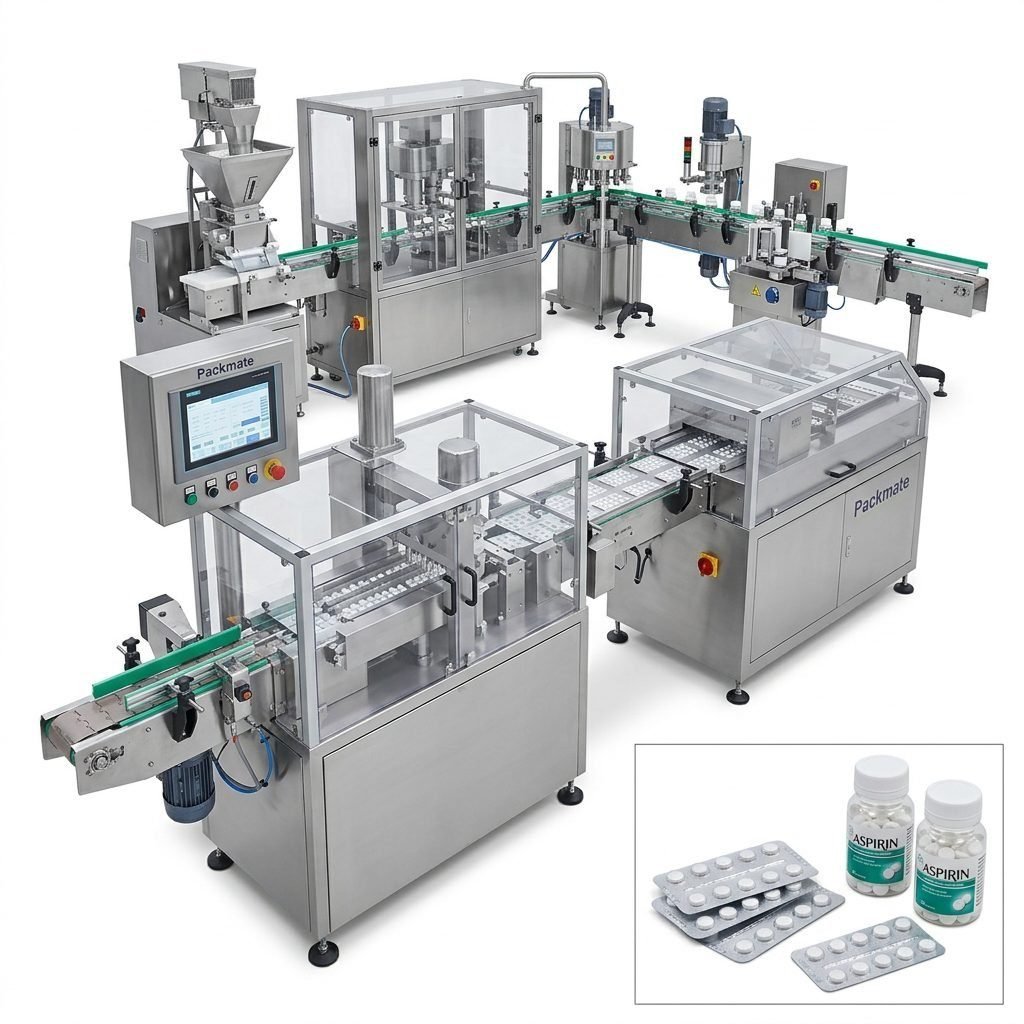
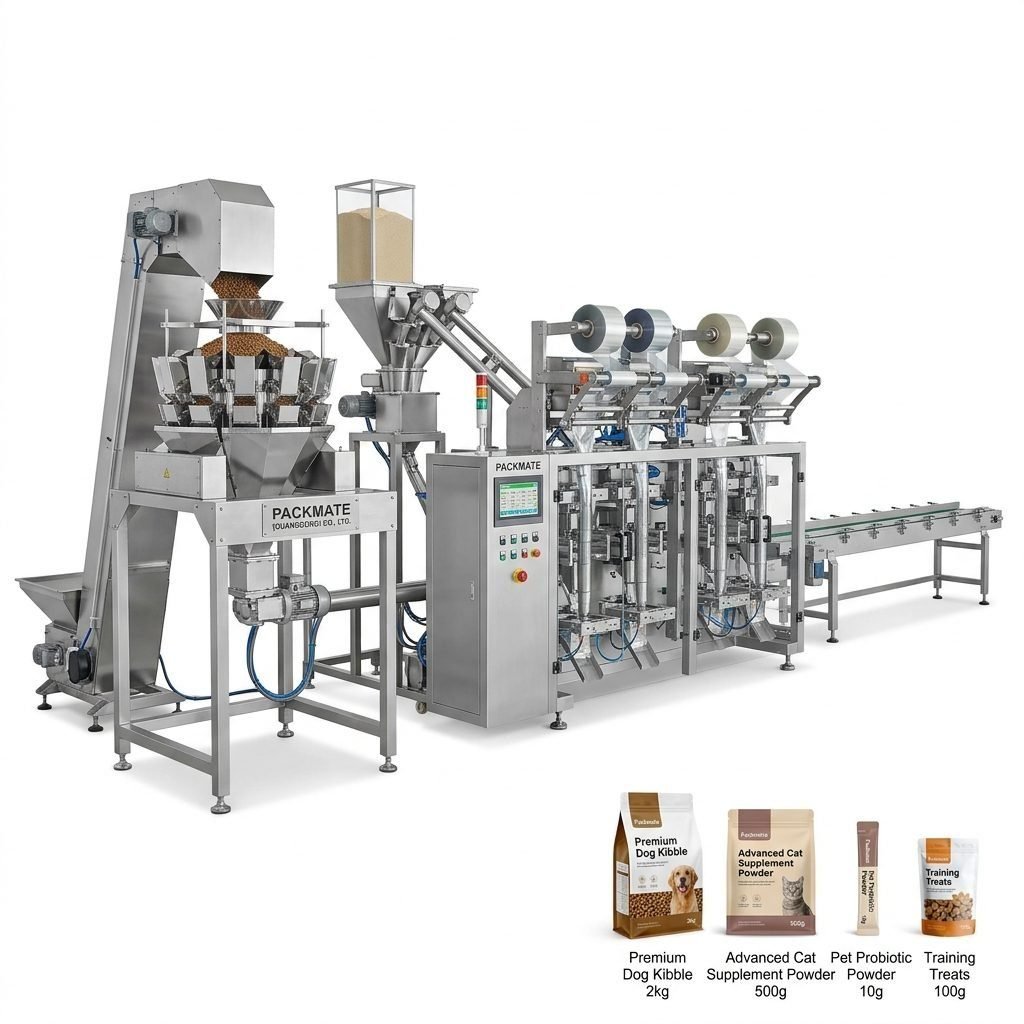
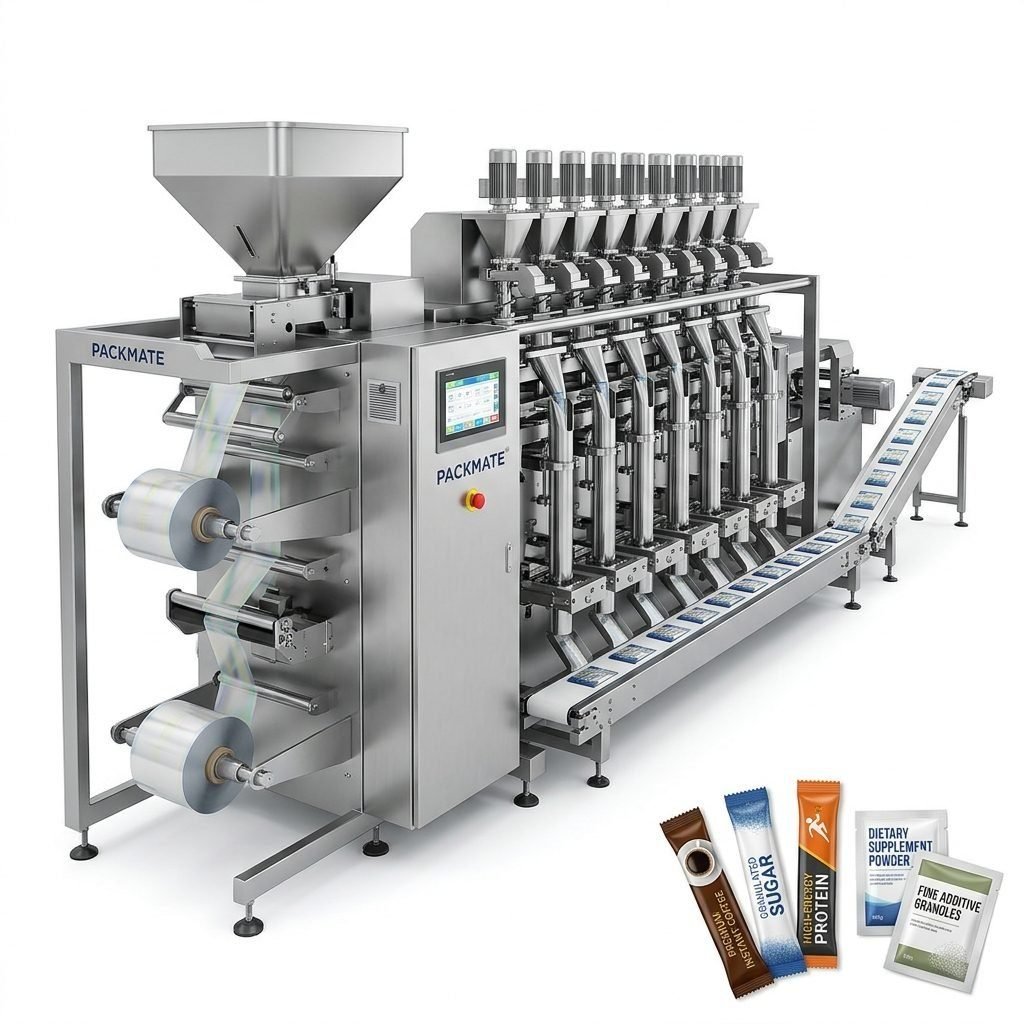
A clamshell packaging machine rarely operates in isolation. Its true potential is realized when seamlessly integrated into a complete packaging line. This integration begins upstream with systems that prepare the clamshell blisters and cards, such as auxiliary packaging equipment for cutting and forming. Downstream, the sealed packages may be directed to weighing and packaging systems for final cartoning or palletizing.
The synergy between machines is key. For instance, a complete filling and packaging line might include a filler for granular products, a clamshell loader, the sealing machine, and a case packer. This end-to-end automation not only boosts efficiency but also reduces labor costs and minimizes human handling, which is especially important in industries with strict hygiene standards like pharmaceuticals and food.
Material Considerations for Optimal Sealing
The efficiency of a clamshell sealing machine is heavily dependent on the materials used. The compatibility between the blister film and the backing card is non-negotiable. The film must have the correct melting point and clarity, while the card stock needs a compatible coating (often a heat-seal lacquer) to bond securely with the film under heat and pressure.
Working with a machinery provider that understands material science is invaluable. They can recommend the optimal material combinations for your specific product, ensuring a strong seal that protects against moisture, dust, and tampering, while also maintaining an attractive, crystal-clear display window. This expertise helps avoid costly trial-and-error with materials that lead to seal failures or subpar visual quality.
The Packmate Advantage in Packaging Solutions
Selecting the right partner for your clamshell packaging machinery is as important as selecting the machine itself. With over 30 years of expertise in designing and manufacturing intelligent packaging equipment, Packmate Machinery stands as a leader in the field. Our journey, from a focused workshop to a company with a 20,000㎡ modern manufacturing facility, is built on a foundation of innovation and a deep understanding of client needs across the food, pharmaceutical, and health industries.
Our commitment extends beyond selling a machine. We provide complete turnkey packaging solutions. This holistic approach means we consider your entire workflow—from product characteristics and material selection to line integration and after-sales support. Our team of over 125 skilled professionals is dedicated to transforming your packaging challenges into efficient, reliable, and scalable sealing solutions. Discover our full range of capabilities on our Company Profile page.
Driving Efficiency from Concept to Sealed Package
Efficiency in product sealing isn’t just about machine speed; it’s about the entire ecosystem. It encompasses the reliability of the equipment, the suitability of the materials, the intelligence of the line integration, and the expertise of the supplier. A well-chosen clamshell packaging machine solution becomes a strategic asset, safeguarding product integrity, enhancing brand image at the point of sale, and delivering a strong return on investment through reduced waste and higher throughput.
By investing in advanced sealing technology and partnering with an experienced provider like Packmate, businesses can secure a critical competitive edge. They gain the agility to adapt to market trends, the capacity to scale operations, and the confidence that their products are presented to the world in a package that is as secure and professional as it is efficient to produce.
Frequently Asked Questions (FAQs)
What types of products are best suited for clamshell packaging?
Clamshell packaging is exceptionally versatile and ideal for a wide range of products including small consumer electronics (USB drives, headphones), hardware (tools, fasteners), pharmaceuticals (blister packs for pills), medical devices, and retail items like toys or batteries. Its key strengths are product visibility, security, and tamper evidence.
How do I choose the right sealing temperature for my clamshell material?
The optimal sealing temperature depends on the specific type of plastic blister film (e.g., PET, PVC) and the coating on the backing card. It is crucial to consult your material supplier’s specifications. Reputable machinery providers like Packmate offer machines with precisely adjustable temperature controls and can provide guidance based on their extensive testing experience to achieve a perfect seal without burning or weakening the material.
Can one clamshell machine handle different sizes of packages?
Many modern clamshell packaging machines are designed with flexibility in mind. They often feature quick-change tooling or adjustable sealing dies. This allows operators to switch between different clamshell sizes and shapes with minimal downtime, making the machine cost-effective for production lines that run multiple products.
What is the difference between a clamshell machine and a blister packaging machine?
While the terms are sometimes used interchangeably, they often refer to slightly different applications. “Clamshell” typically describes a package where a plastic blister is sealed to a flat, printed card, forming a hanging or standing retail package. “Blister packaging” more commonly refers to a thermoformed plastic cavity (the blister) sealed to a foil or paper lidding, frequently used for pharmaceutical pills or small consumer goods. The core sealing technology (heat and pressure) is similar, but the machine configuration and tooling are tailored to the specific package format.
What kind of maintenance does an automated clamshell sealer require?
Regular preventive maintenance is essential for longevity and consistent performance. This typically includes daily cleaning of sealing dies to prevent adhesive buildup, periodic lubrication of moving parts as per the manufacturer’s manual, and inspection of heating elements and sensors. Choosing a supplier with a strong service and support network ensures you have access to genuine spare parts and expert technical assistance when needed.