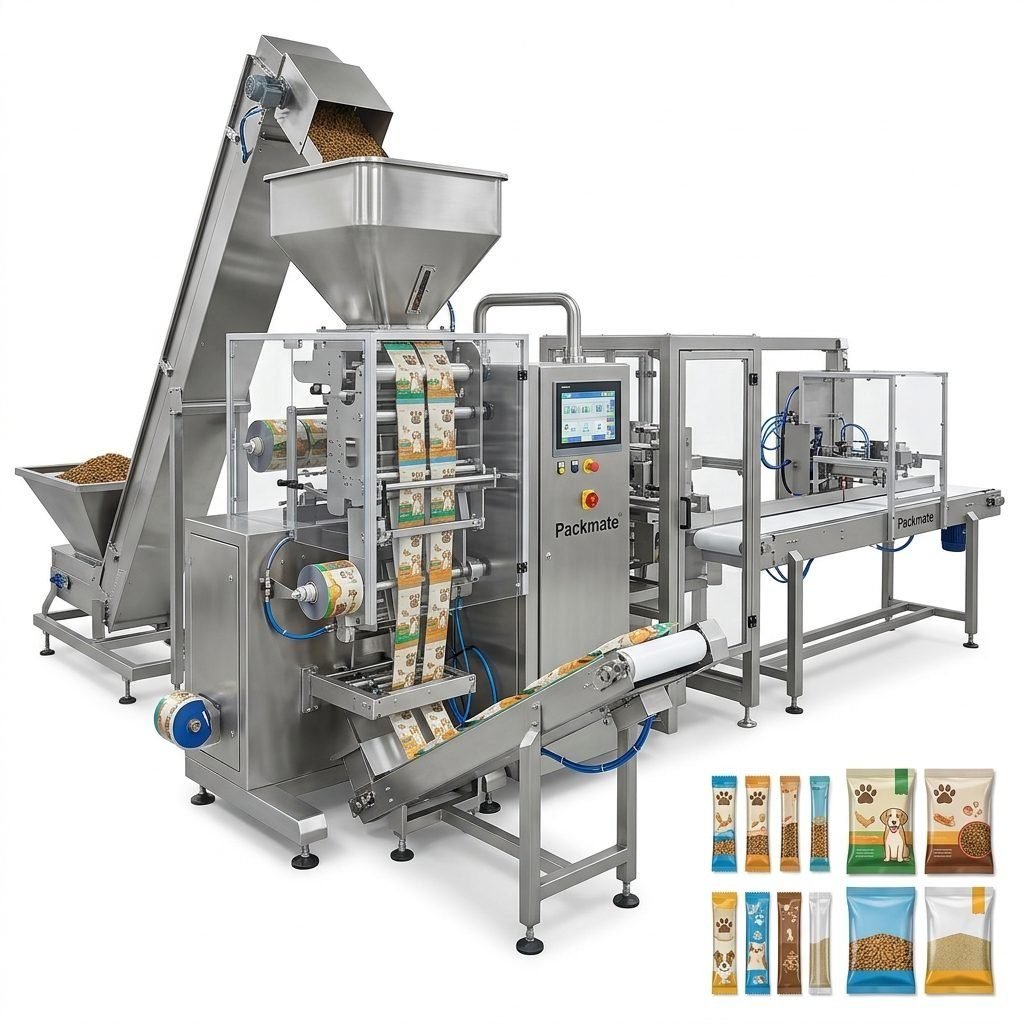
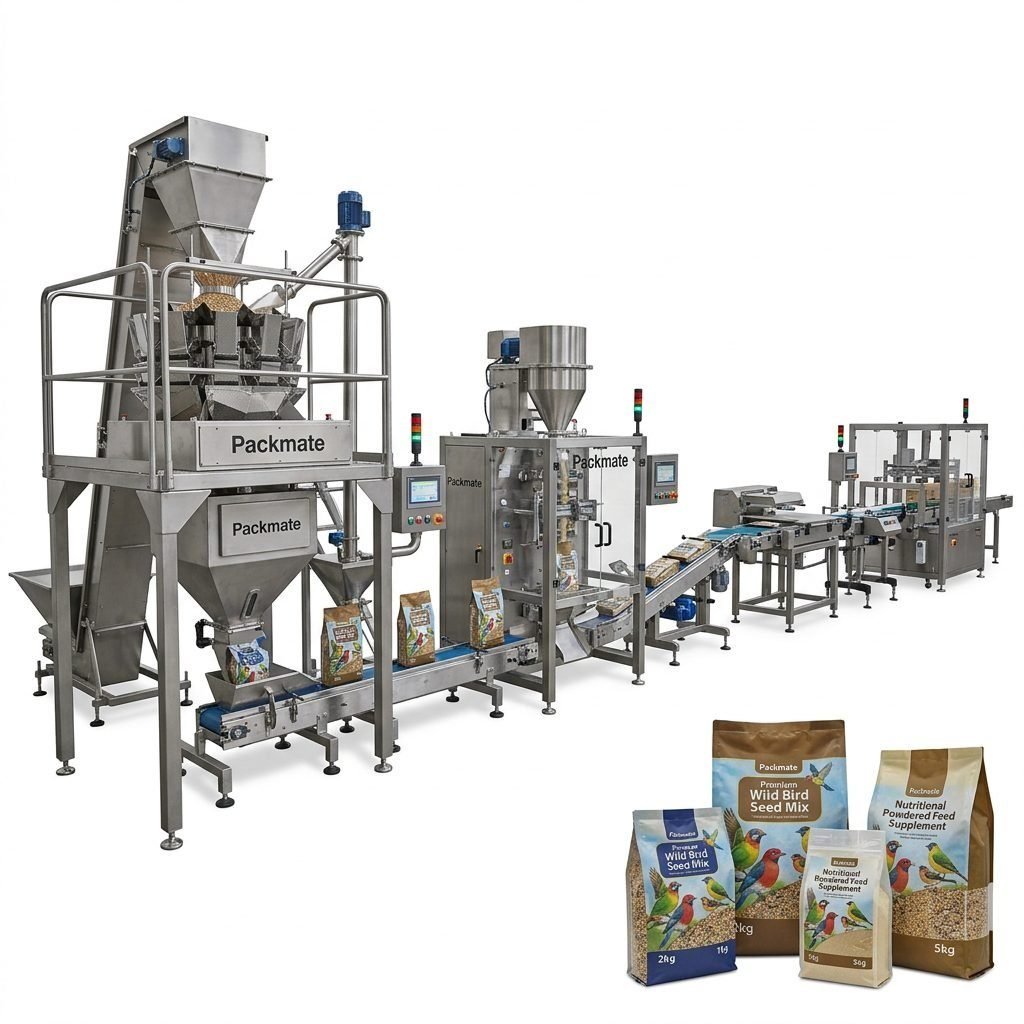
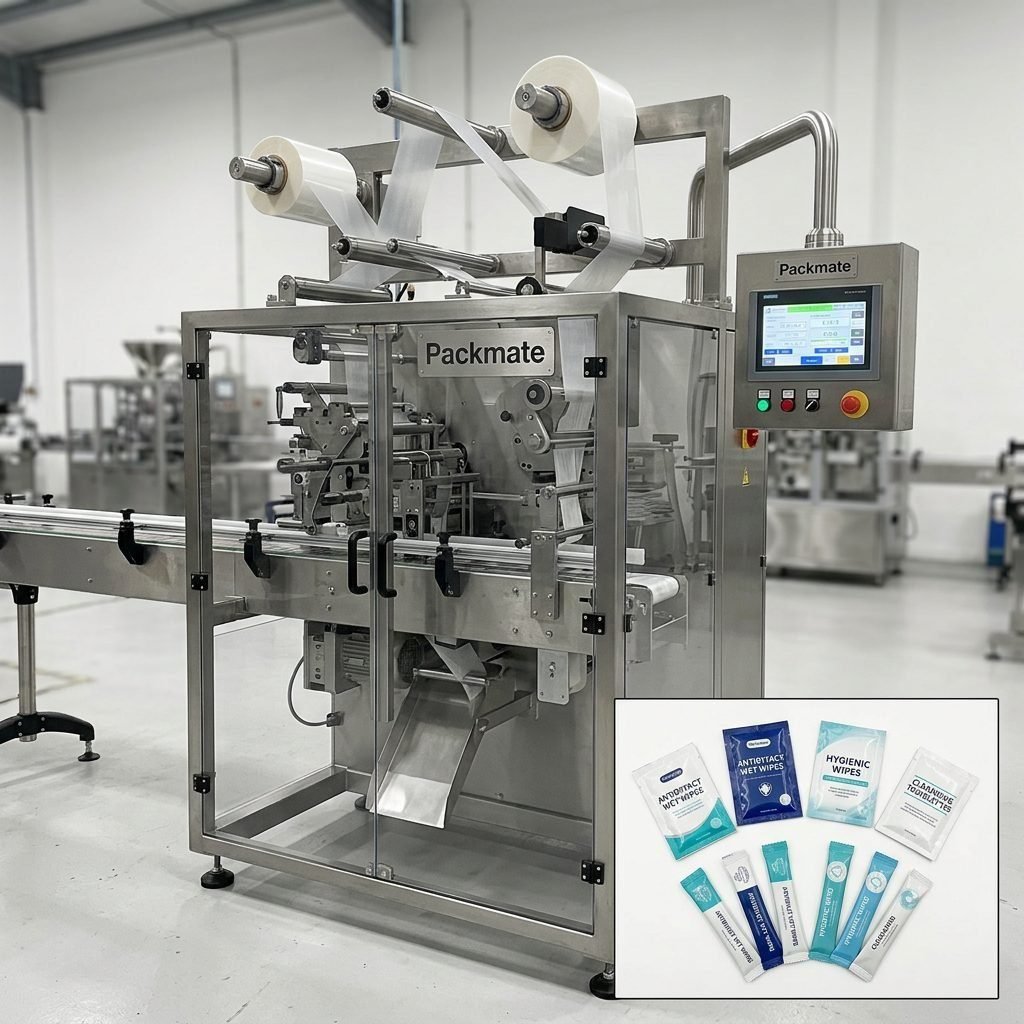
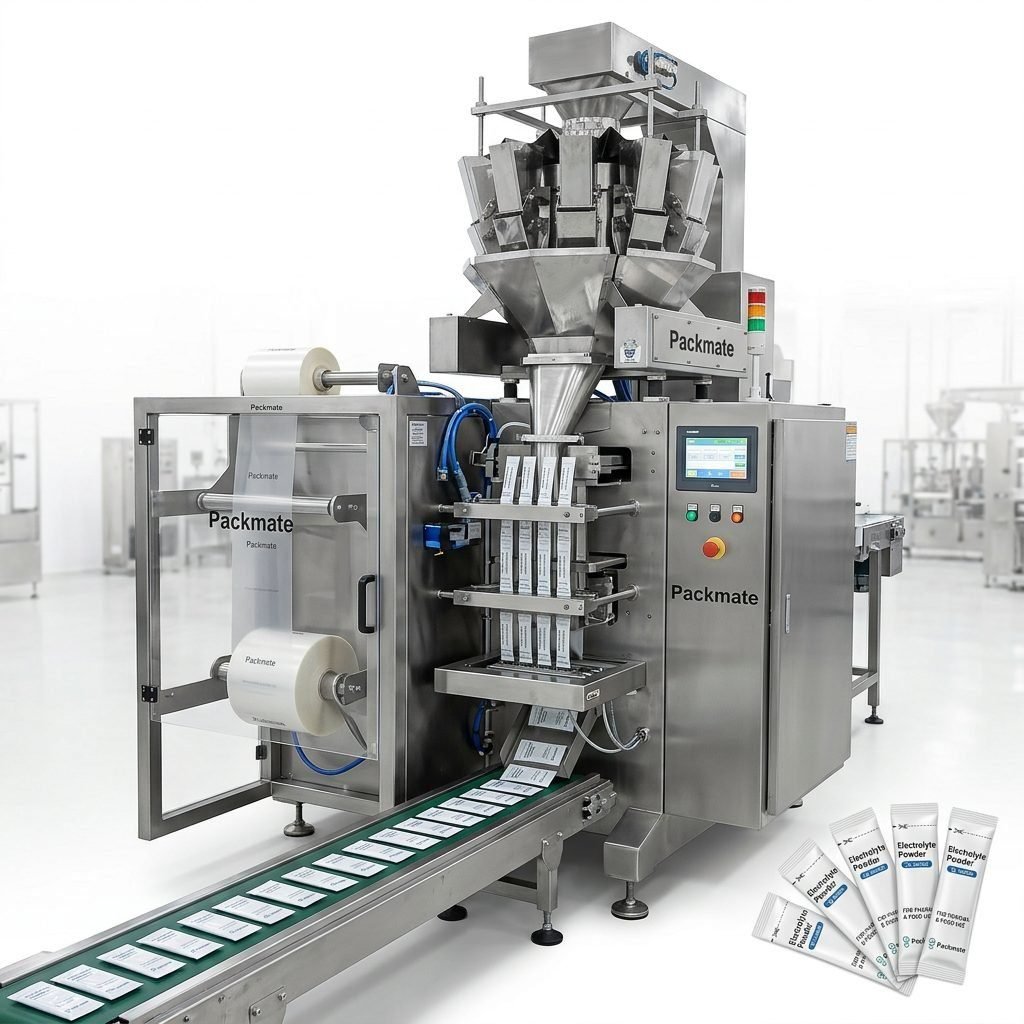
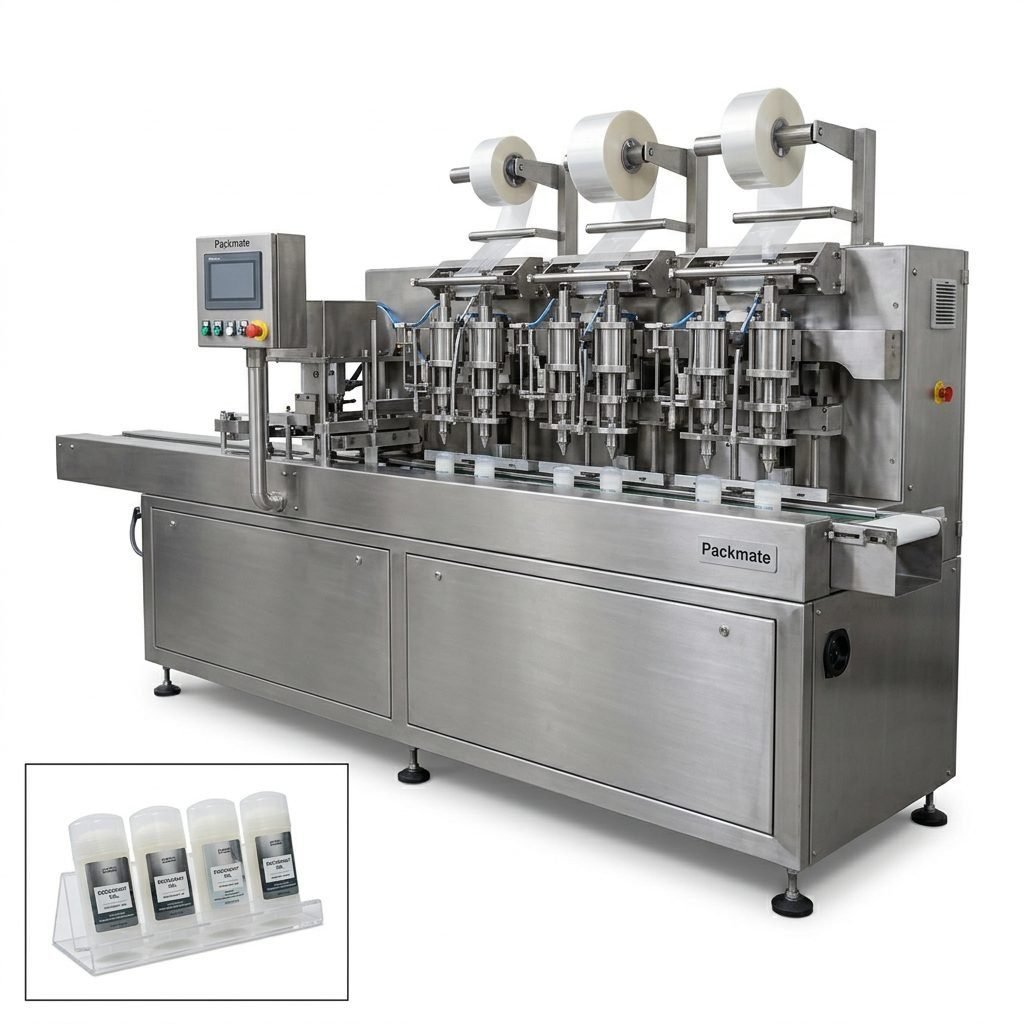
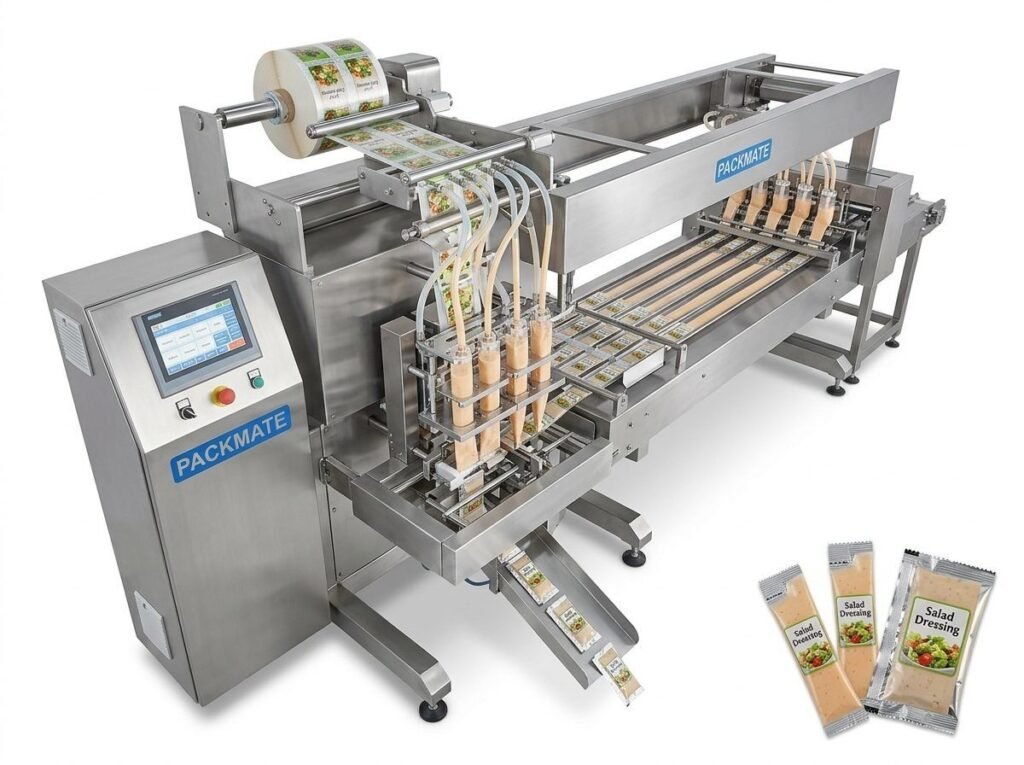
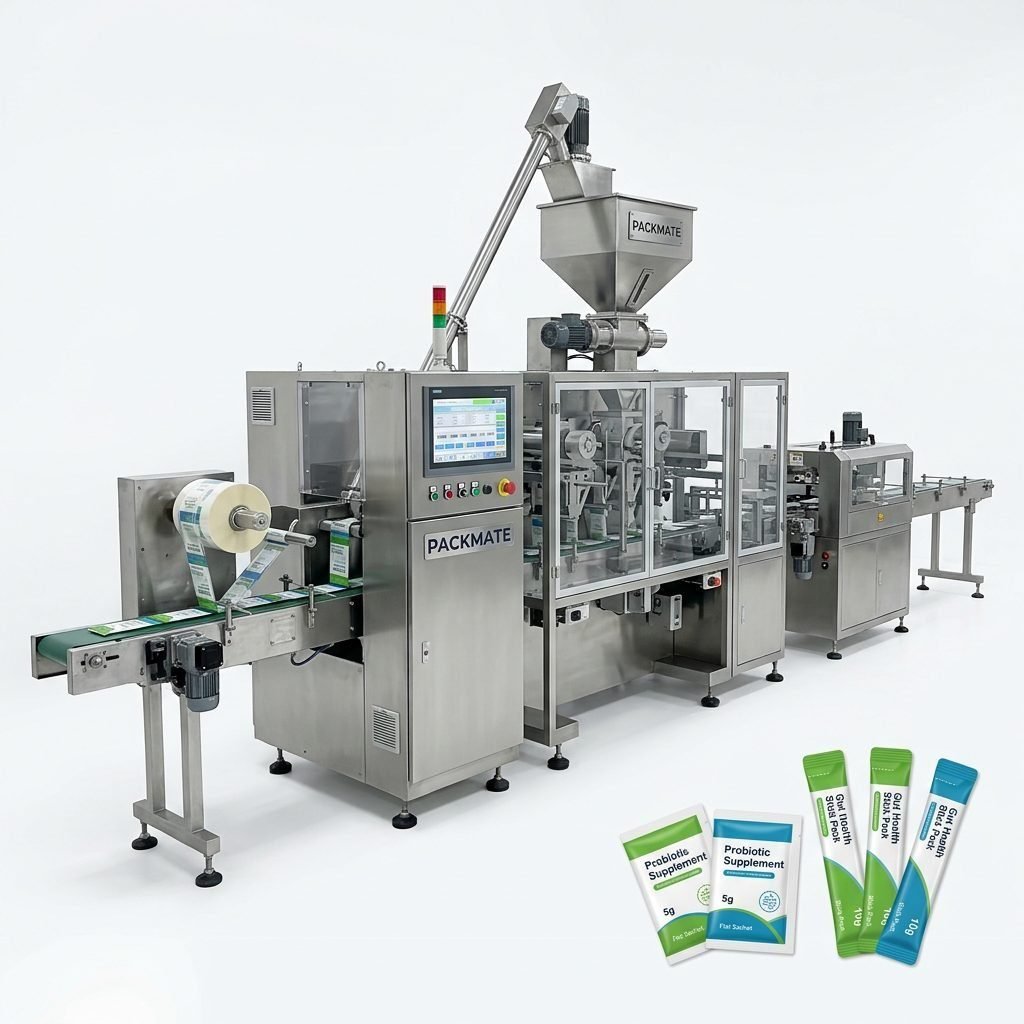
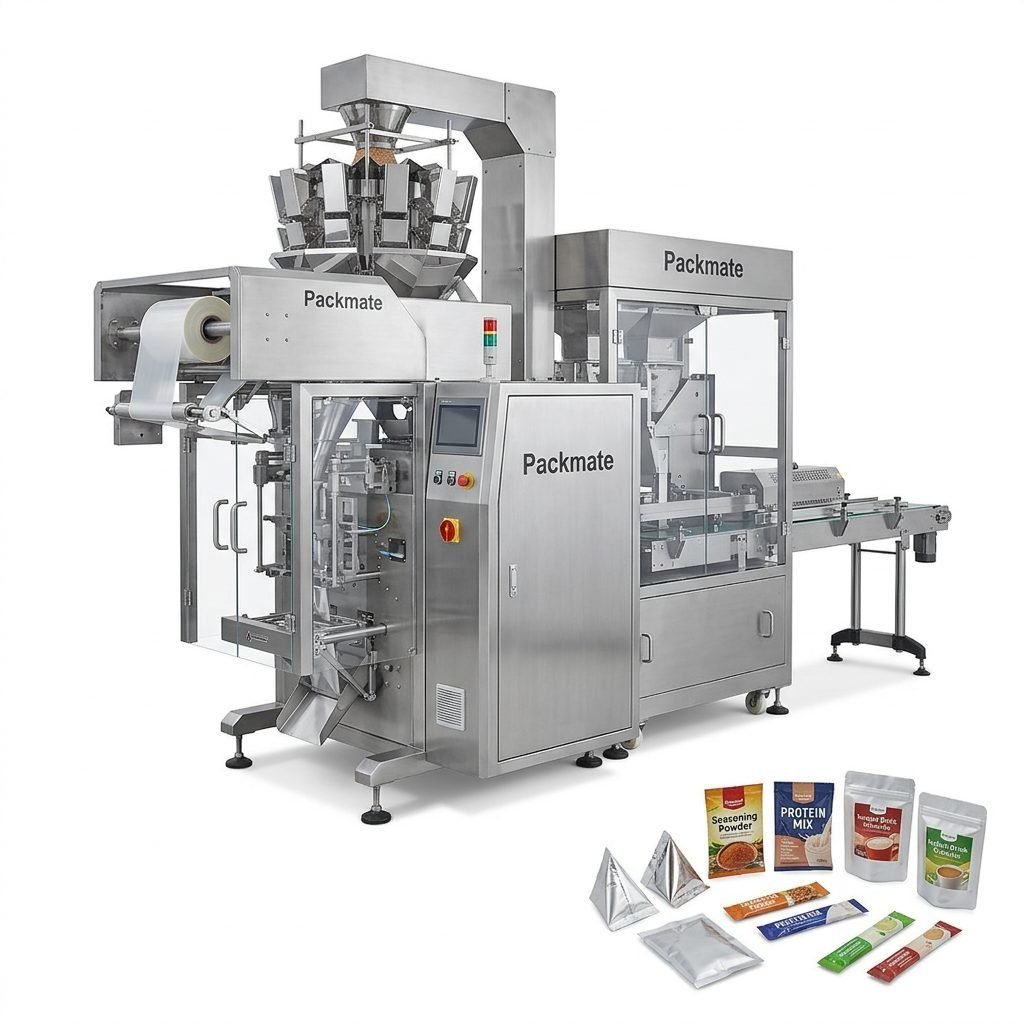
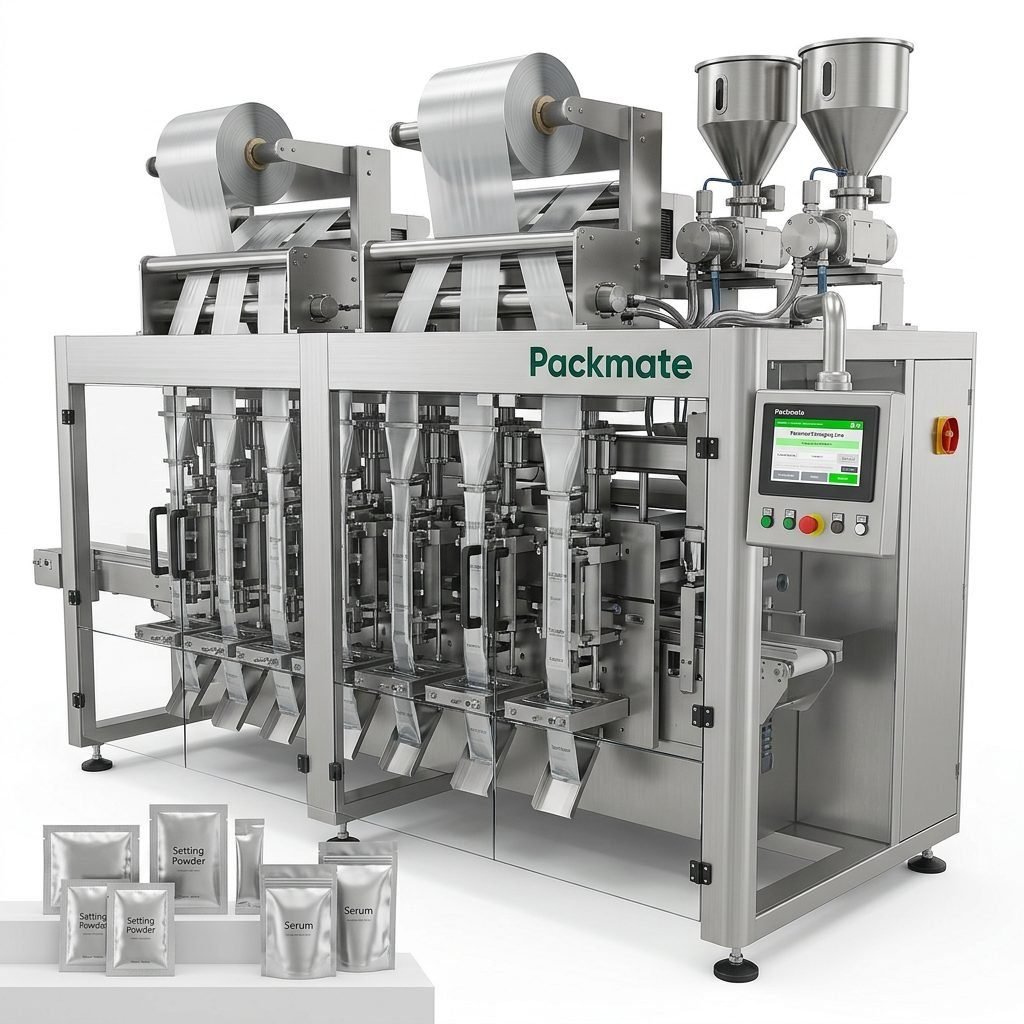
The UK packaging machinery market is a dynamic and sophisticated sector, reflecting the nation’s strong manufacturing heritage, high consumer standards, and evolving retail landscape. British businesses, from artisanal food producers in the Cotswolds to global pharmaceutical giants, demand packaging solutions that are not only efficient and reliable but also align with the UK’s stringent regulations and growing sustainability ethos. Understanding the local context is crucial—whether it’s the preference for premium, branded presentation in the consumer goods sector or the uncompromising need for precision and traceability in pharmaceuticals.
Current Driving Forces in the UK Market
Several key trends are shaping investment and innovation within the UK’s packaging machinery industry. These forces are responses to both global shifts and specific domestic pressures.
The Sustainability Imperative
Driven by government policies, corporate responsibility goals, and increasingly eco-conscious consumers, sustainability is no longer a niche concern but a core business driver. This translates into a surge in demand for machinery capable of handling recycled materials, mono-material films, and compostable substrates. Equipment that minimizes material waste through precision dosing and cutting, and machines that enable lightweighting without compromising product integrity, are seeing high demand. The UK’s commitment to reducing plastic waste and achieving net-zero targets makes this a long-term, non-negotiable trend for machinery suppliers.
Key Insight: For UK manufacturers, investing in flexible machinery that can adapt to new, often more challenging sustainable materials is becoming a strategic necessity to future-proof operations and maintain brand reputation.
Automation, Industry 4.0, and Labour Dynamics
The UK’s competitive labour market and the need for consistent, high-quality output are accelerating the adoption of automation. Beyond simple mechanization, the focus is on smart, connected machinery. This includes equipment with integrated IoT sensors for predictive maintenance, real-time production monitoring, and seamless data exchange with Manufacturing Execution Systems (MES). This drive towards intelligent filling and packaging lines helps UK manufacturers improve Overall Equipment Effectiveness (OEE), reduce downtime, and enhance traceability—a critical factor in sectors like pharmaceuticals and food.
Flexibility for Small Batch & Premium Production
The rise of craft producers, subscription services, and personalized products requires machinery that excels at quick changeovers. The UK market, with its vibrant SME sector and demand for premium goods, particularly values versatile sachet and stick pack machines that can handle short runs of high-value products—from specialty teas and coffee to gourmet seasonings and skincare samples—with minimal waste and maximum efficiency.
Industry-Specific Insights and Demands
The application of packaging machinery varies significantly across different sectors, each with its own unique set of requirements and challenges.
Food & Beverage Sector
This remains the largest end-user. Hygiene, speed, and compliance with food safety standards (like BRCGS) are paramount. There is growing demand for machinery that handles modified atmosphere packaging (MAP) to extend shelf-life, as well as solutions for the booming convenience and on-the-go snack market, where stick packs and stand-up pouches are dominant. Equipment must also accommodate the UK’s diverse culinary landscape, from handling sticky sauces to delicate baked goods.
Pharmaceutical & Healthcare
Precision, sterility, and absolute regulatory compliance define this sector. Machinery must meet stringent MHRA and international GMP standards. Demand is high for high-integrity bag and pouch packaging machines for medical devices, as well as blister packing and precise powder filling equipment for pharmaceuticals. Serialization and anti-counterfeiting features are increasingly becoming standard requirements.
The Role of a Trusted Partner
Navigating this complex market requires more than just a equipment vendor; it requires a solutions partner. A partner like Packmate Machinery, with over 30 years of expertise, understands that delivering a machine is just the beginning. Success hinges on providing complete turnkey solutions—from initial consultation and custom engineering to installation, training, and ongoing support. This holistic approach ensures that the machinery integrates seamlessly into the client’s specific production environment and business goals, a service model highly valued by UK manufacturers who prioritize reliability and total cost of ownership.
Cosmetics & Personal Care
This sector prioritizes aesthetic presentation and flexibility. Machinery needs to create visually appealing sachets, tubes, and bottles for samples and travel-sized products. The ability to handle a variety of viscosities—creams, gels, liquids—and provide clean, precise fills is essential. The trend towards natural and organic products also calls for equipment that can work with sensitive formulations.
Future Outlook and Strategic Considerations
The future of the UK packaging machinery market will be defined by converging technologies. We will see greater integration of AI for quality control, advanced robotics for delicate handling tasks, and even more sophisticated data analytics driving efficiency. Furthermore, the circular economy will push machinery design towards facilitating easier disassembly, repair, and recycling of the equipment itself.
For businesses looking to invest, the strategy should be long-term. Choosing machinery that is adaptable, upgradeable, and supported by a robust service network is critical. Partnering with a manufacturer that has a proven global track record and a commitment to R&D, such as Packmate Machinery, can provide the technological edge and stability needed to compete in the demanding UK and international markets.
Frequently Asked Questions (FAQs)
What are the most important factors for UK businesses when choosing packaging machinery?
UK businesses typically prioritize reliability, compliance with safety and environmental regulations, total cost of ownership (including energy efficiency), and the supplier’s ability to provide local technical support and spare parts. Flexibility for small batches and compatibility with sustainable materials are also increasingly critical.
How is Brexit affecting the packaging machinery supply chain in the UK?
Brexit has introduced complexities around customs, regulations, and lead times. This makes the reliability of the supplier and clarity on Incoterms, certification (like UKCA marking), and after-sales service more important than ever. Many businesses now value suppliers with a strong local presence or established UK partners to mitigate supply chain disruptions.
Can existing packaging lines be upgraded to be more sustainable and automated?
Yes, in many cases. A reputable supplier can often retrofit new drives, control systems, vision inspection systems, or material handling modules onto existing lines. This can significantly enhance speed, accuracy, and material efficiency, extending the life of the capital investment. An audit of your current line by an expert is the first step.
What type of packaging machinery is best for start-ups or small-scale producers in the UK?
Versatile, semi-automatic or compact automatic machines with quick changeover capabilities are ideal. Multi-lane sachet or stick pack machines that allow for small batch production of various products (like spices, teas, or powders) without major downtime are a popular and cost-effective choice for growing businesses.
Why is after-sales service so critical for packaging machinery in the UK?
Packaging lines are often central to production. Any unplanned downtime can lead to significant financial loss. A supplier with a responsive, knowledgeable service team—offering remote diagnostics, readily available spare parts, and on-site engineer support—ensures maximum uptime and protects your productivity. This service level is a key differentiator between a simple vendor and a true long-term partner.