In the fast-paced world of manufacturing, the final stage of packaging—often referred to as end-of-line (EOL) packaging—is where product presentation, protection, and logistics efficiency converge. Choosing the right End of Line Packaging Equipment is not merely a purchase; it’s a strategic investment that directly impacts your operational throughput, cost per unit, and brand perception on the retail shelf. This comprehensive guide delves into the essential solutions and provides a structured framework for buyers to make an informed decision.
Understanding End of Line Packaging Systems
End of Line Packaging encompasses all the processes that occur after a product is filled and primarily sealed into its primary packaging. This stage transforms individual items into shippable, salable units. The core functions include cartoning, case packing, palletizing, and bundling. A well-integrated EOL line ensures products are grouped, protected, and labeled correctly for distribution, minimizing damage and labor costs while maximizing speed.
Key Equipment Categories in EOL Operations
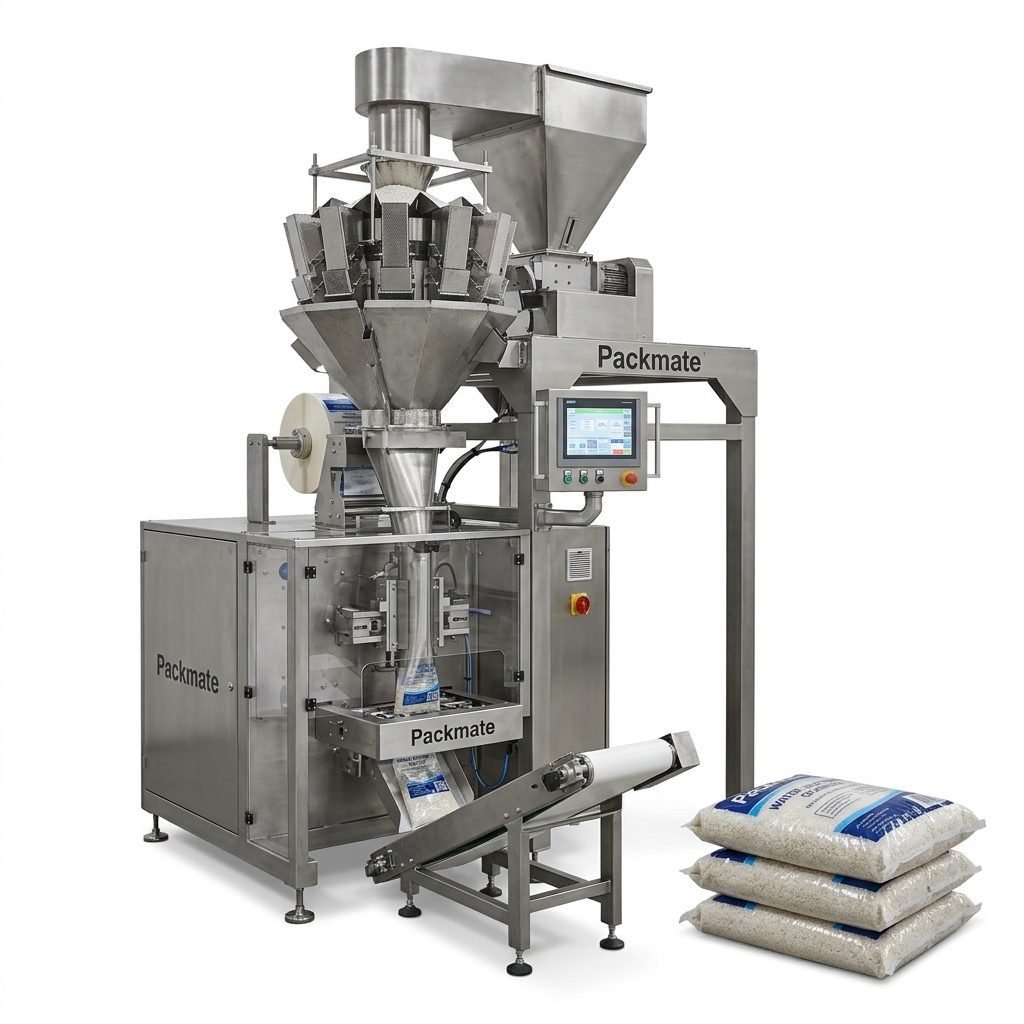
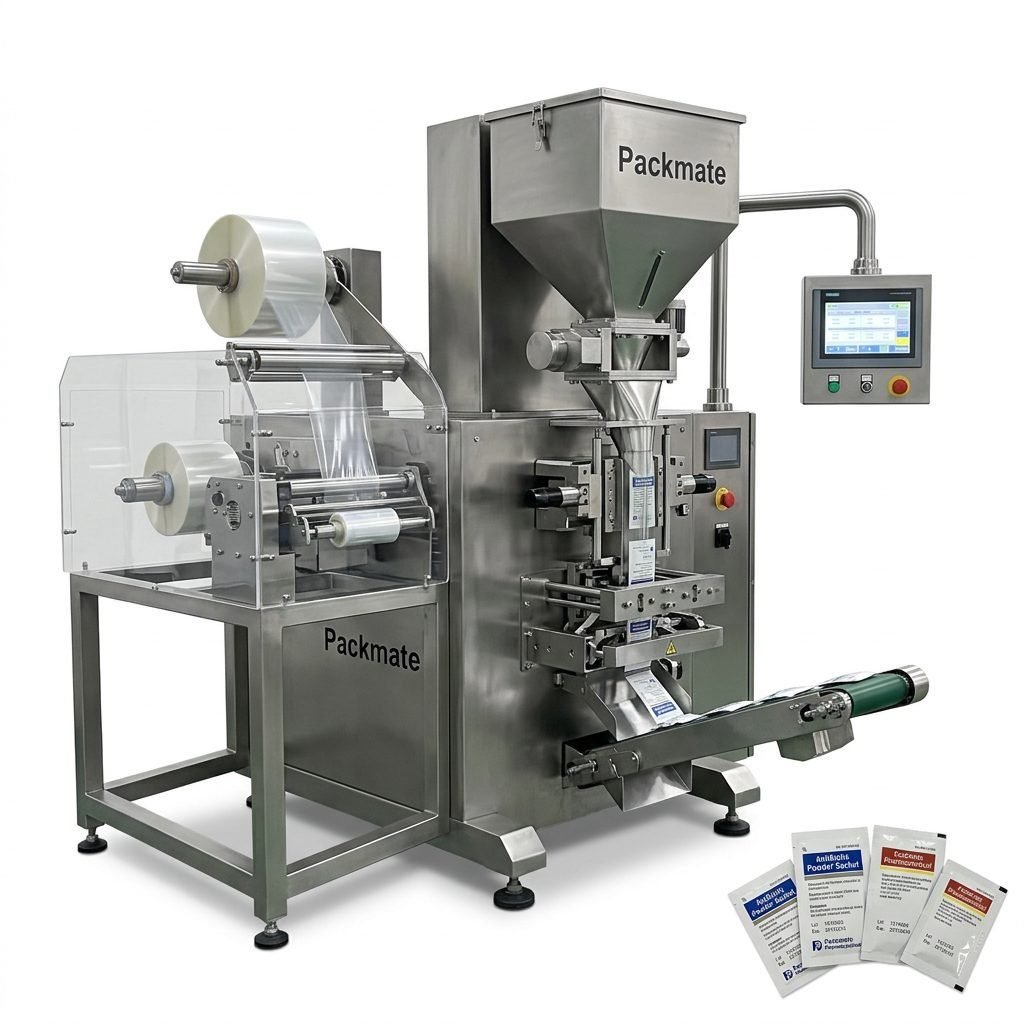
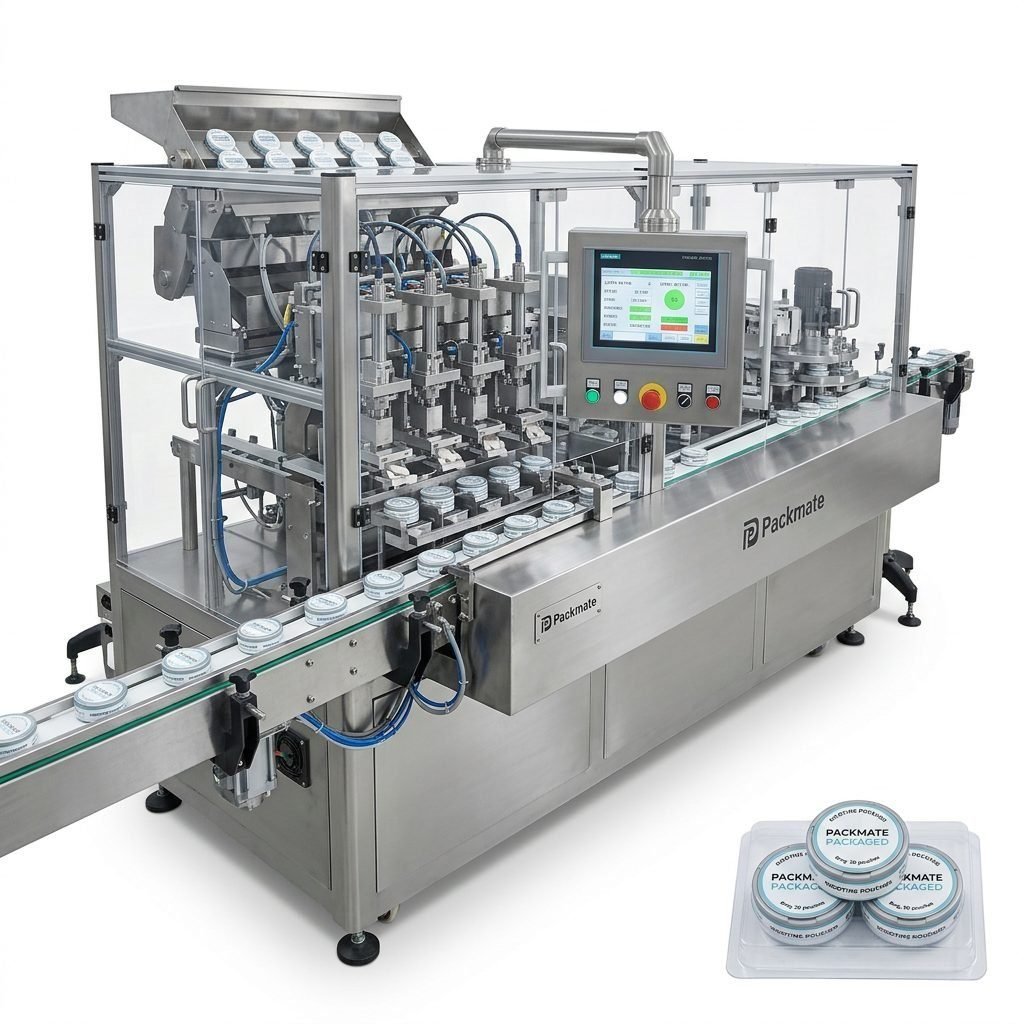
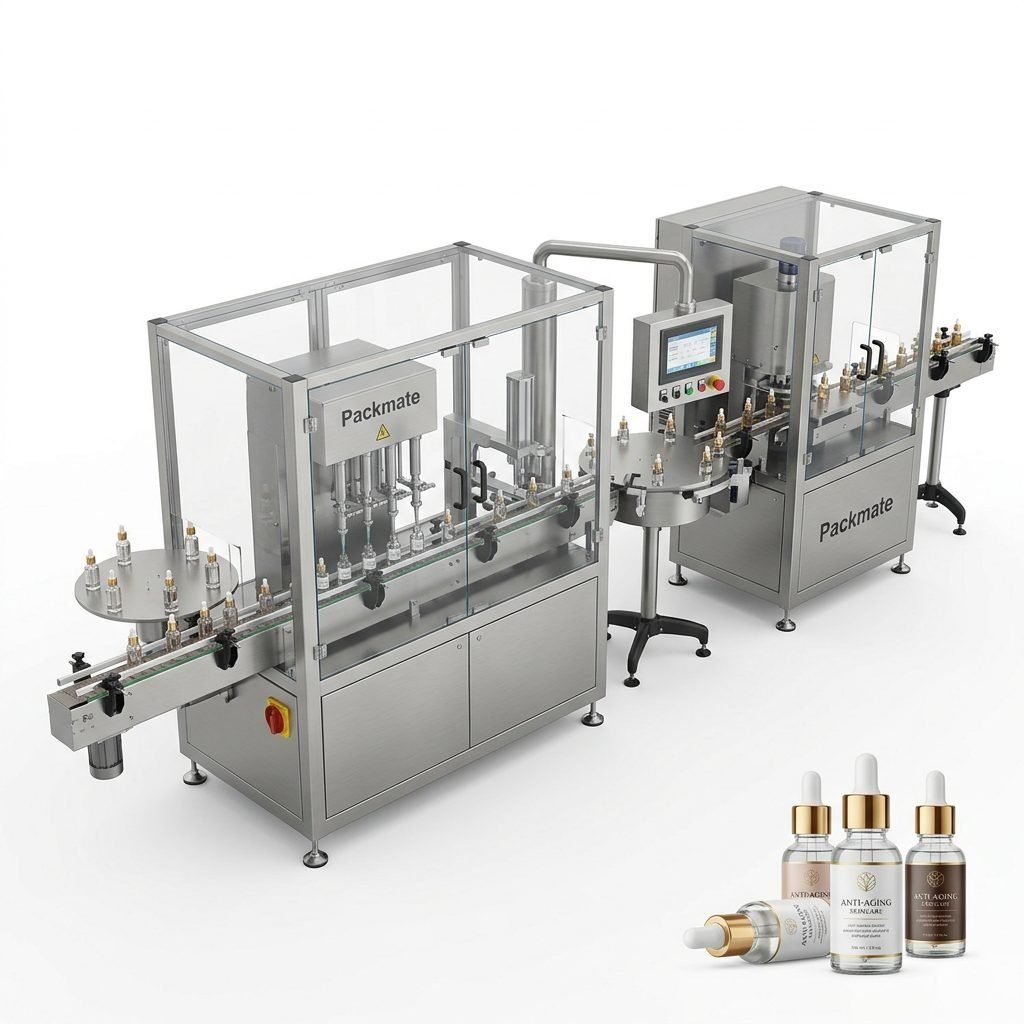
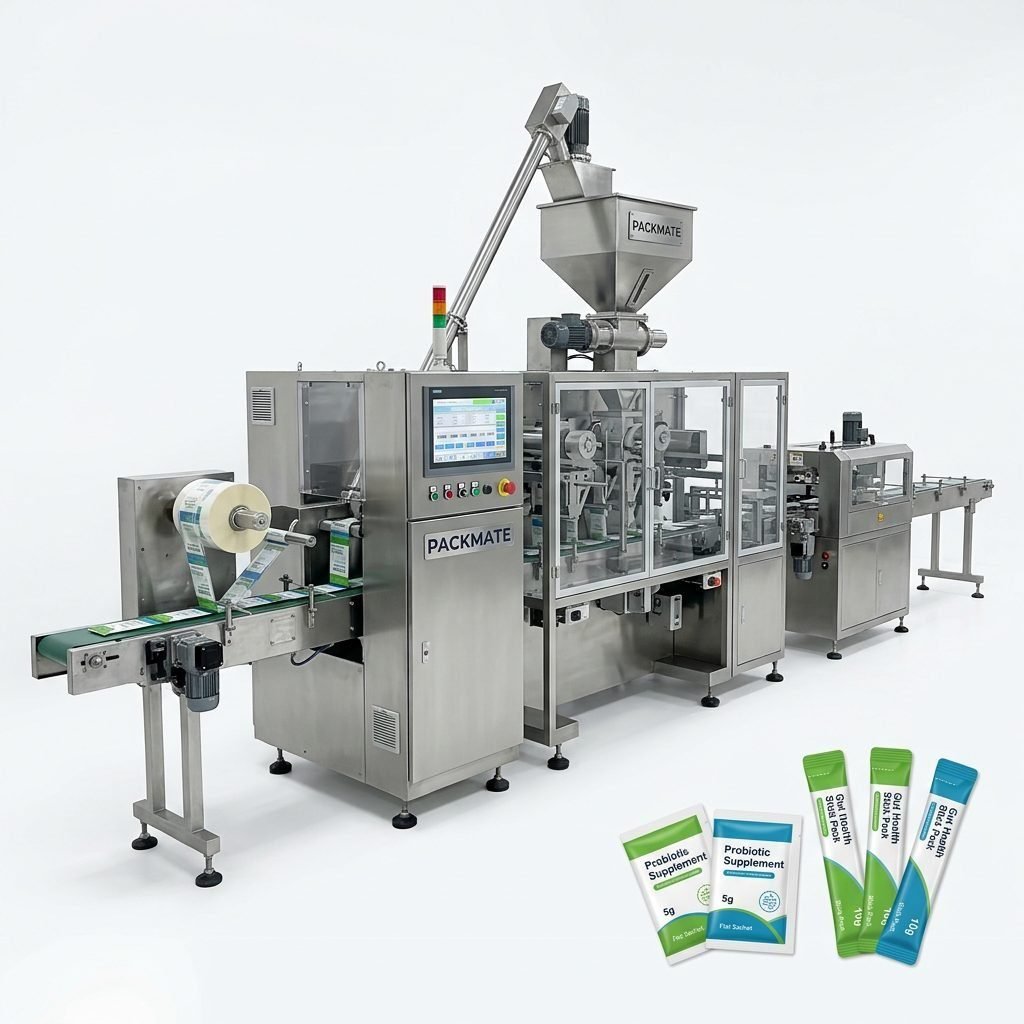
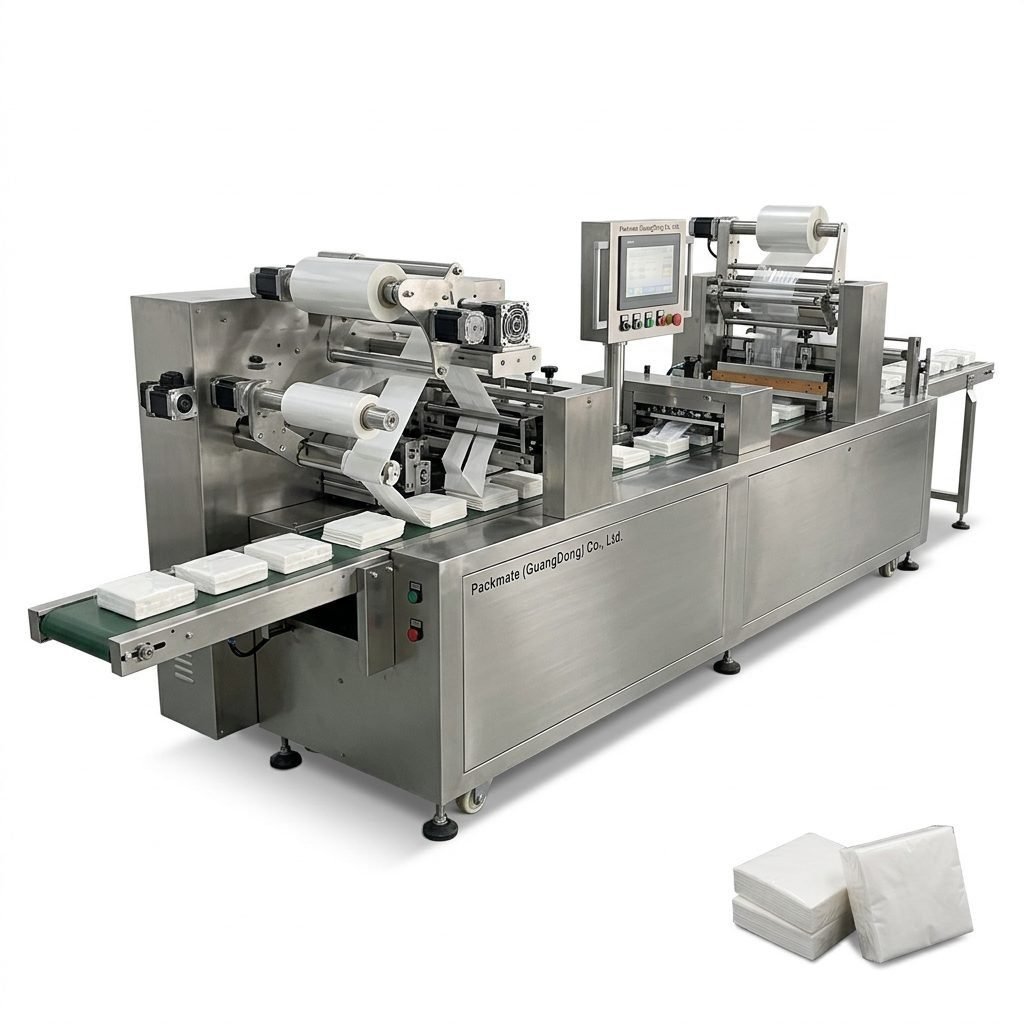
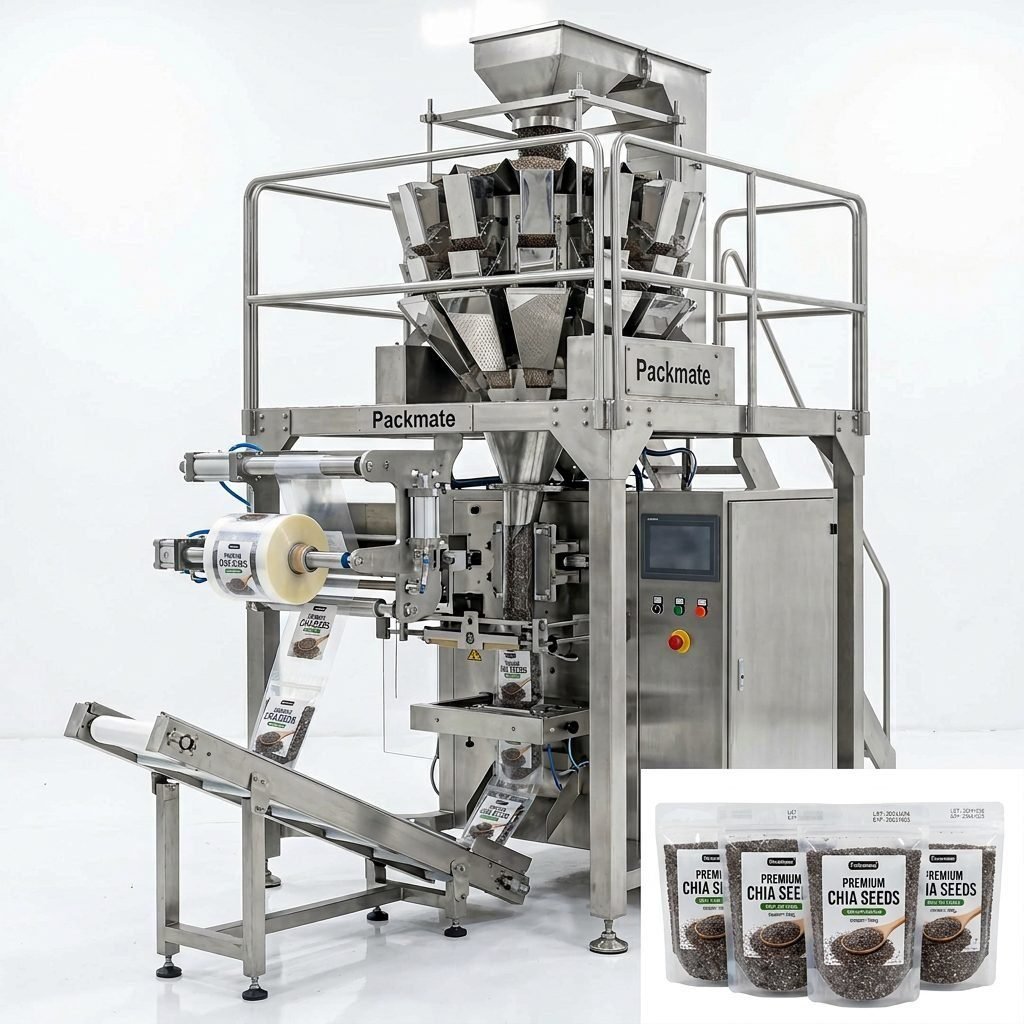
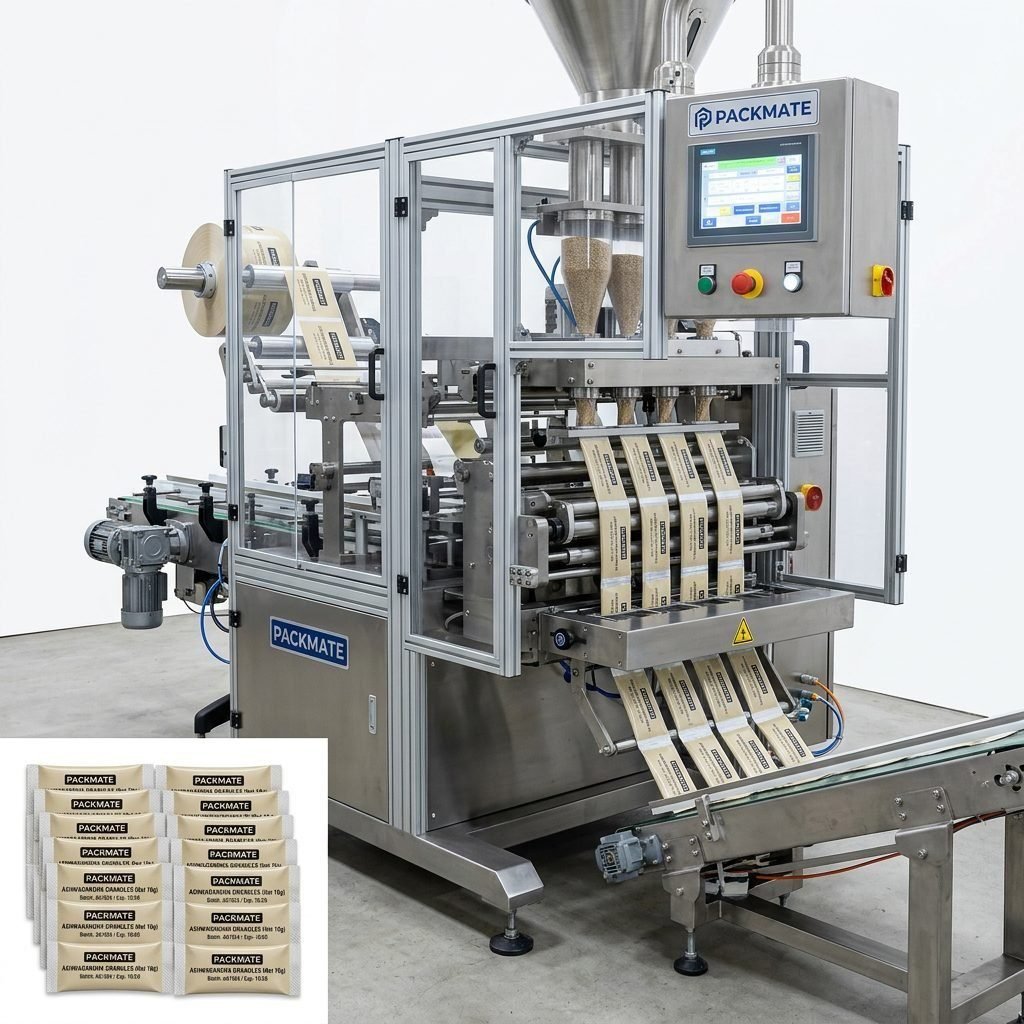
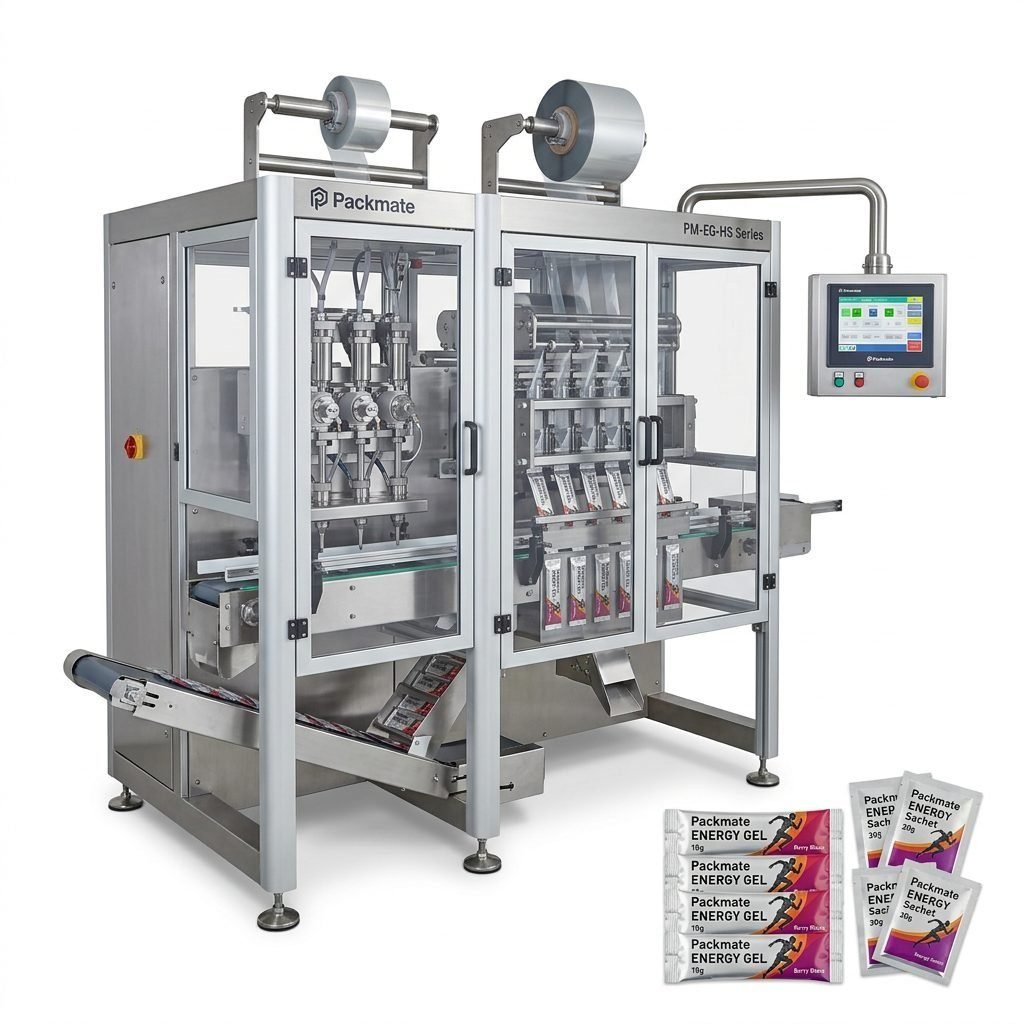
The machinery involved is diverse, each serving a specific purpose in the packaging workflow. Cartoners erect, load, and seal cartons, ranging from simple tuck-end styles to complex auto-loading systems for fragile items. Case Packers are workhorses that automatically place multiple primary packages (bottles, pouches, boxes) into shipping cases. Palletizers then arrange these cases onto pallets in stable, optimized patterns, with options including robotic palletizers for flexibility or conventional gantry systems for high speed. Finally, Stretch Wrappers and Bundlers secure the pallet load or product bundles for transit. Integrating these machines, often from a single supplier like Packmate Machinery, ensures compatibility and smoother communication between line components.
The Critical Buyer’s Guide: Selecting Your EOL Solution
Navigating the market for packaging machinery requires a methodical approach. A hasty decision can lead to bottlenecks, compatibility issues, and wasted capital. Follow this step-by-step guide to align your equipment choice with your business goals.
Step 1: Conduct a Thorough Line Audit
Begin by analyzing your current and future needs. What is your product type, size, weight, and primary packaging material? Determine your required line speed (units per minute) and calculate peak production volumes. Assess your available factory floor space and layout, including ceiling height for palletizers. Don’t forget to consider future product SKU expansions to ensure the equipment has the necessary flexibility.
Step 2: Prioritize Flexibility and Changeover Ease
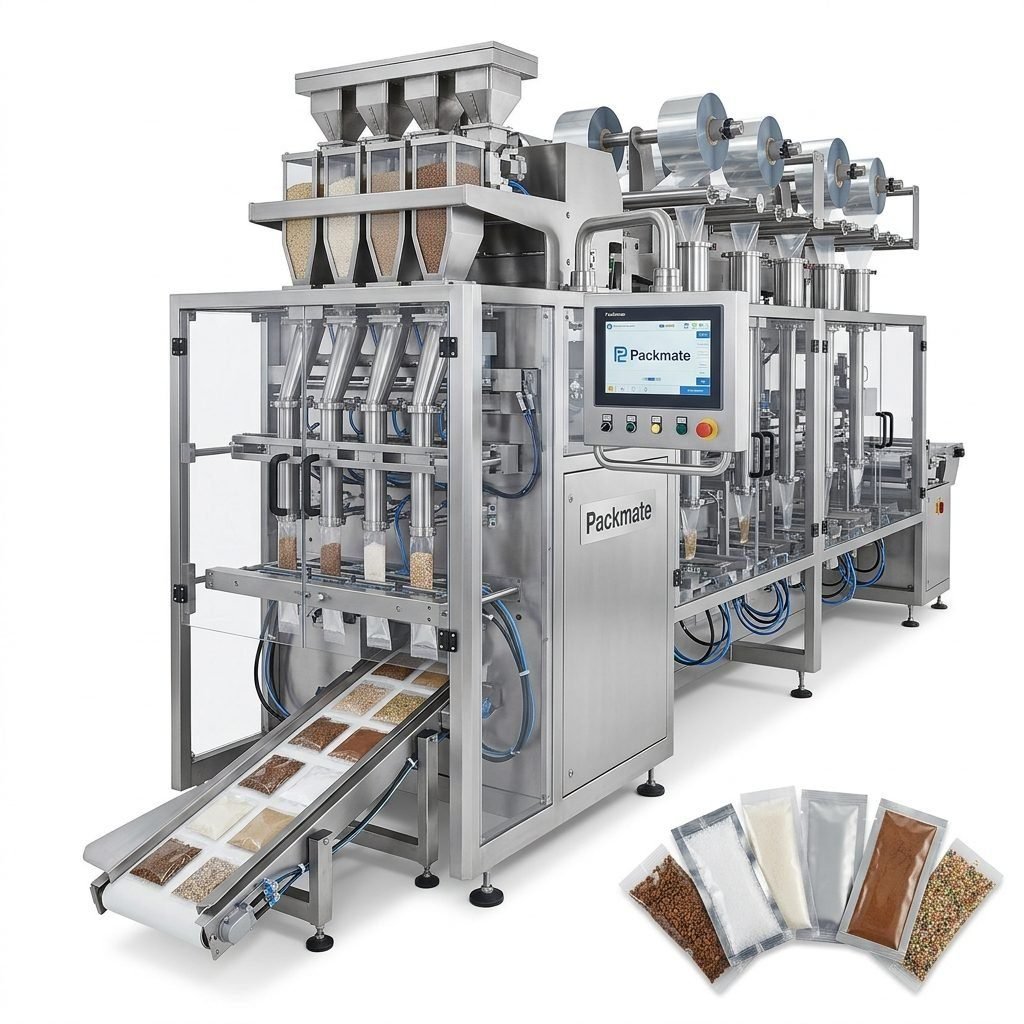
In today’s market, agility is key. Equipment that allows for quick and simple changeovers between different product sizes or pack patterns drastically reduces downtime. Look for features like tool-less adjustments, programmable logic controller (PLC) recipes, and modular designs. This is especially crucial for manufacturers running multiple SKUs on the same line. Solutions that offer modularity, such as certain filling and packaging lines, can be reconfigured as needs evolve.
Step 3: Evaluate Integration and Technology
Your new EOL equipment must communicate effectively with upstream machines (like fillers and cappers) and downstream systems (like Warehouse Management Software). Prioritize machinery with modern industrial communication protocols (Ethernet/IP, Profinet, etc.) and user-friendly Human-Machine Interfaces (HMIs). Consider the value of Industrial Internet of Things (IIoT) capabilities for predictive maintenance and data analytics, which can preempt failures and optimize performance.
Step 4: Scrutinize Total Cost of Ownership (TCO)
Look beyond the initial purchase price. A reliable partner like Packmate, with over 30 years of expertise, understands that TCO includes installation, energy consumption, routine maintenance, spare parts availability, and potential downtime costs. Durable machines built with quality components may have a higher upfront cost but typically offer a lower TCO through years of reliable service. Always request a detailed lifecycle cost analysis from your vendor.
Step 5: Assess Supplier Credibility and Support
The manufacturer’s reputation is paramount. Investigate their industry experience, portfolio of successful installations, and financial stability. Review their after-sales service structure: Do they offer comprehensive training, readily available spare parts, and responsive technical support? Can they provide turnkey solutions, managing the entire integration project? Examining a supplier’s case studies and client testimonials offers invaluable insight into real-world performance and support quality.
The Role of a Trusted Manufacturing Partner
Selecting equipment from a manufacturer with deep engineering prowess and a commitment to innovation pays long-term dividends. A partner like Packmate Machinery, which evolved from a dedicated workshop in 1993 to a modern facility with a 20,000㎡ factory, embodies the journey from passion to industrial leadership. Their focus on developing over 50 machine models for sectors like food and pharmaceuticals means they understand the stringent hygiene, accuracy, and reliability requirements of end-of-line operations. This expertise translates into machines that are not just built, but engineered for longevity and performance.
Future Trends in End of Line Packaging
The EOL landscape is being reshaped by sustainability and smart technology. There is a growing demand for equipment that can handle recyclable and mono-material plastics, reduce film usage in wrapping, and optimize pack patterns to minimize void space and shipping costs. Simultaneously, robotics and collaborative robots (cobots) are becoming more accessible for tasks like mixed-case palletizing and gentle product handling. Furthermore, AI-driven vision systems are enhancing quality control at the final stage, ensuring only perfect cases leave the facility.
Ultimately, your End of Line Packaging Equipment is the guardian of your product’s journey to the customer. A strategic, well-researched investment in this critical area safeguards your product quality, enhances operational efficiency, and provides the scalability needed for future growth. By partnering with an experienced and innovative manufacturer, you secure not just machinery, but a foundation for continuous packaging excellence.
Frequently Asked Questions (FAQs)
What is the main benefit of automating end-of-line packaging?
The primary benefits are significant increases in throughput and consistency, along with major reductions in labor costs and physical strain on workers. Automation also minimizes product damage caused by manual handling and ensures uniform, professional-looking pallet loads for shipping.
How do I know if I need a robotic or a conventional palletizer?
Conventional high-speed palletizers are ideal for high-volume, single-SKU lines where speed is the top priority. Robotic palletizers excel in flexibility, perfect for lines with frequent changeovers, mixed SKU pallets, or limited floor space, as they can perform multiple tasks like packing and palletizing.
Can end-of-line equipment be integrated with my existing production line?
Yes, in most cases. Reputable manufacturers design equipment with standard communication protocols and offer engineering services to ensure seamless integration. It is crucial to provide your machinery supplier with detailed specifications of your existing upstream equipment for a proper interface assessment.
What kind of maintenance do these machines require?
Maintenance typically involves regular lubrication, inspection of wear parts (like seals and belts), and sensor cleaning. A preventive maintenance schedule provided by the manufacturer is essential. Choosing a supplier with a strong global support network ensures you have access to genuine spare parts and expert service when needed.
Are there sustainable options for end-of-line packaging?
Absolutely. Modern equipment focuses on material reduction through optimized pack patterns and stretch wrap technology. Furthermore, many systems are now compatible with recyclable packaging materials and are themselves designed for energy efficiency, contributing to a lower overall environmental footprint for your operations.