In the fast-paced world of product manufacturing, efficiency and precision in packaging are not just advantages—they are necessities. Doypack packaging machinery stands at the forefront of this critical operation, specifically designed for the versatile and popular pouch format. This guide delves into the mechanics, benefits, and strategic implementation of efficient pouch filling systems, providing a comprehensive resource for businesses aiming to optimize their production lines.
Understanding Doypack Packaging Machinery
Doypack, a brand name that has become synonymous with stand-up pouches, refers to flexible packaging that can stand upright on shelves. The machinery designed to fill these pouches is a sophisticated blend of automation, precision engineering, and reliability. Unlike rigid containers, pouches require specialized equipment that can handle flexible materials, create airtight seals, and accurately dispense a wide range of product types—from granules and powders to viscous liquids and pastes.
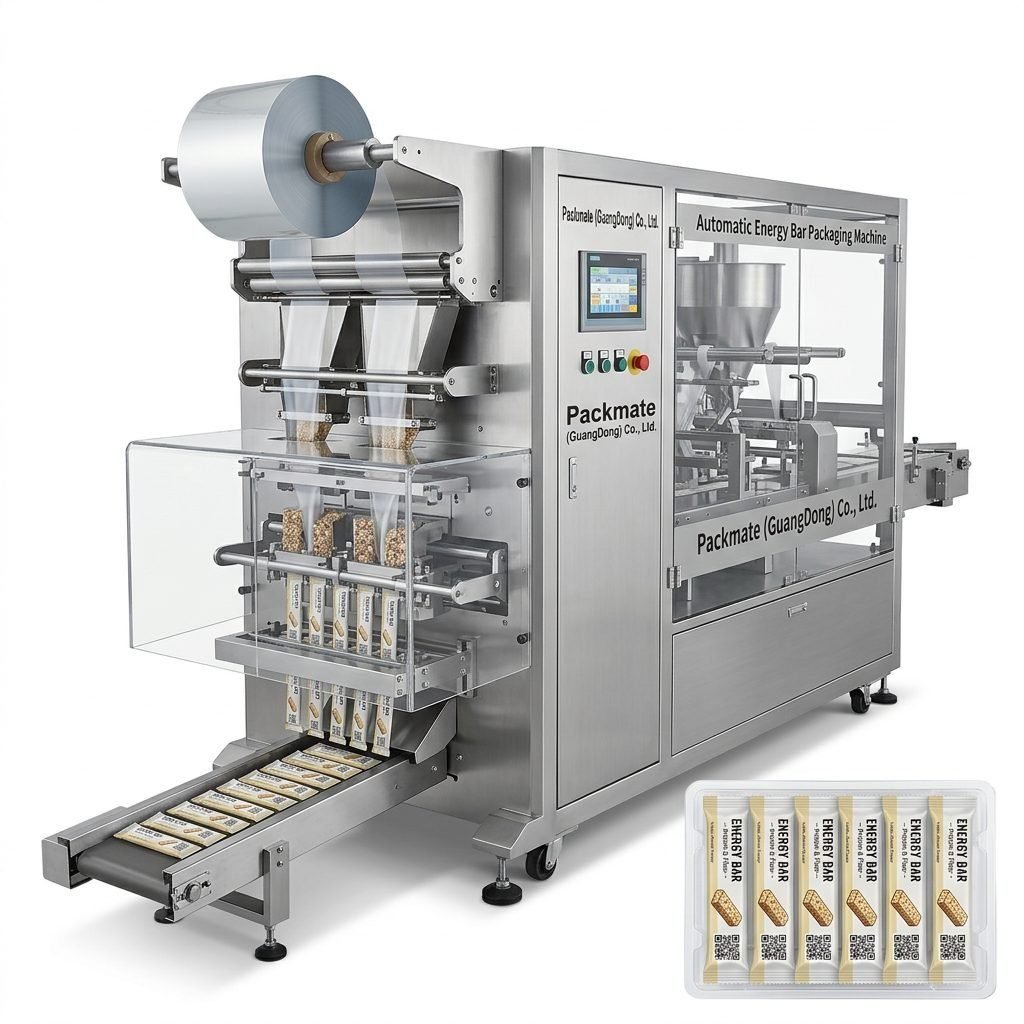
The core function of this machinery is to automate the entire pouch handling process: forming the pouch from a roll of film, filling it with the exact measured quantity of product, and then sealing it securely. Modern systems integrate weighing systems, gas flushing for preservation, and date coding into a seamless, high-speed operation.
Key Components of an Efficient Pouch Filling Line
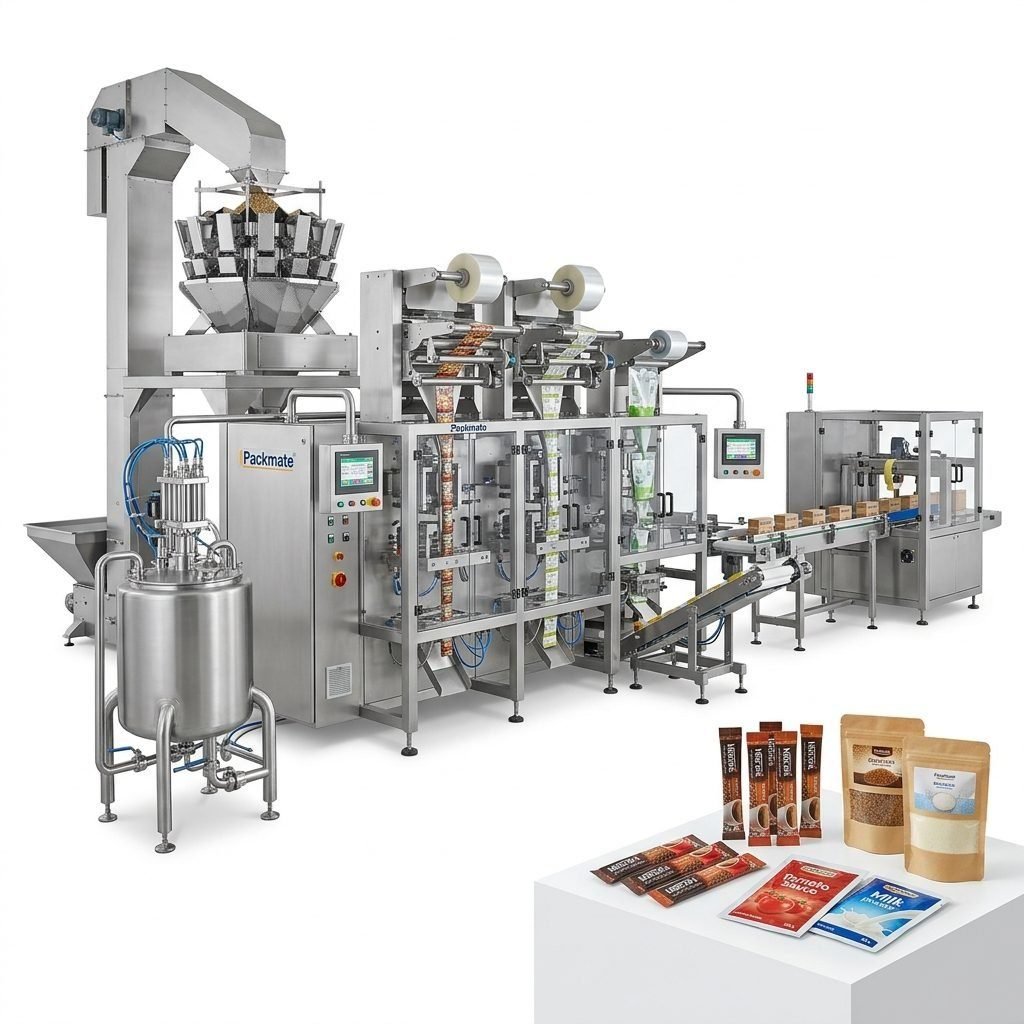
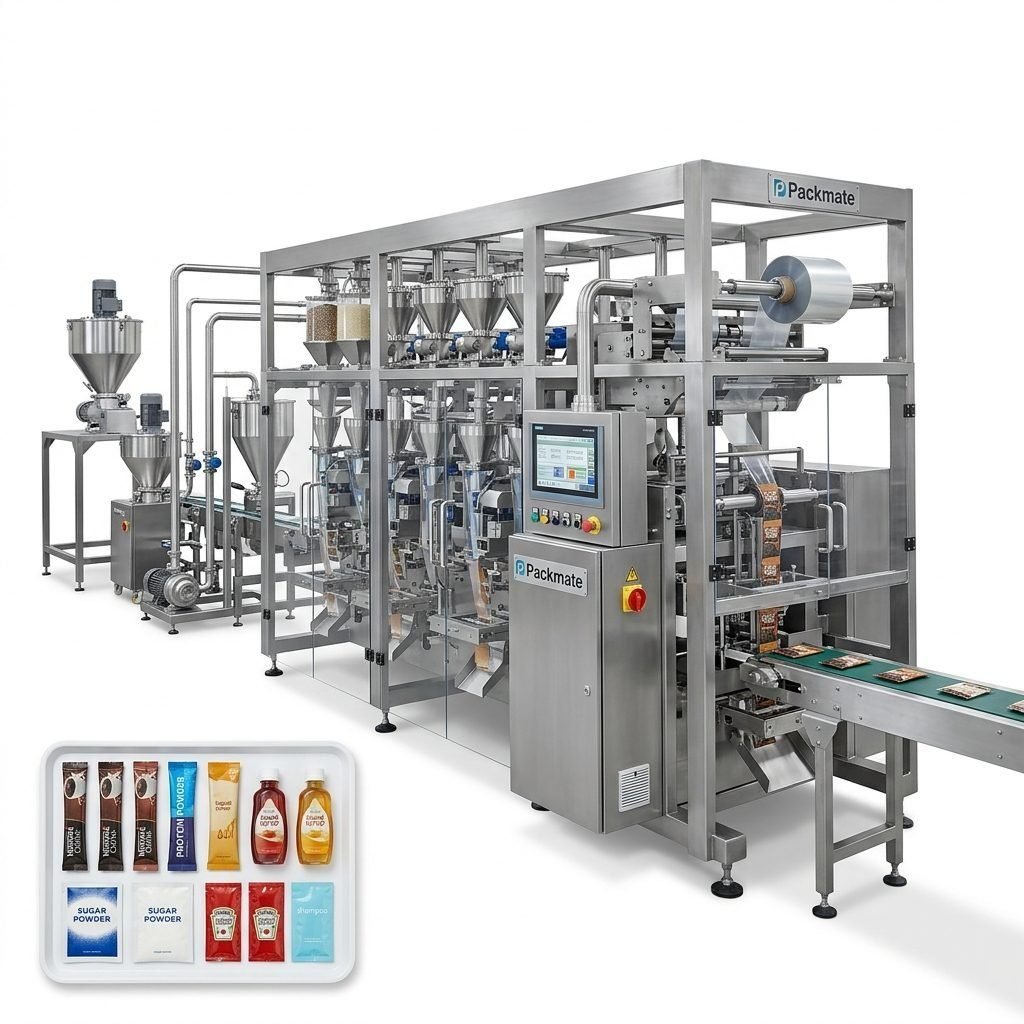
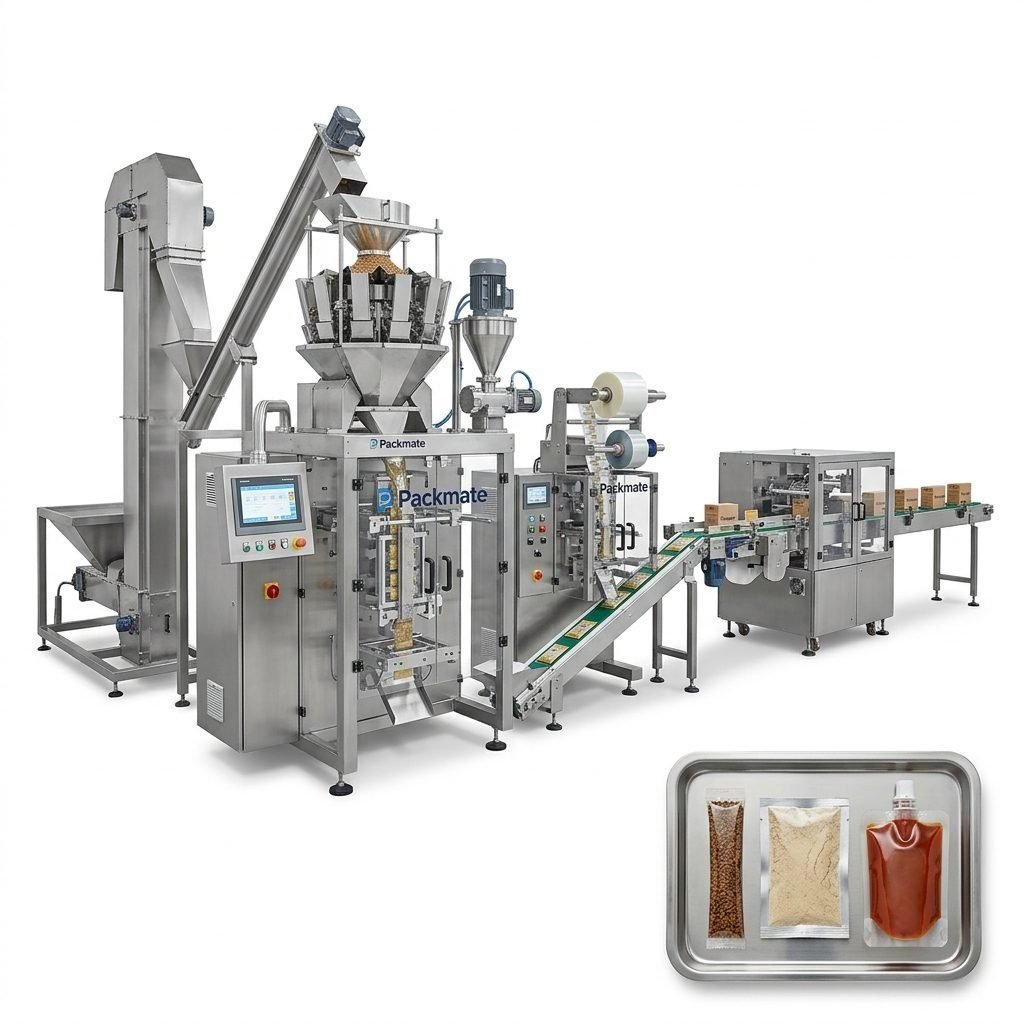
An optimal Doypack packaging line is more than just a single machine; it’s a synchronized system. Key components typically include:
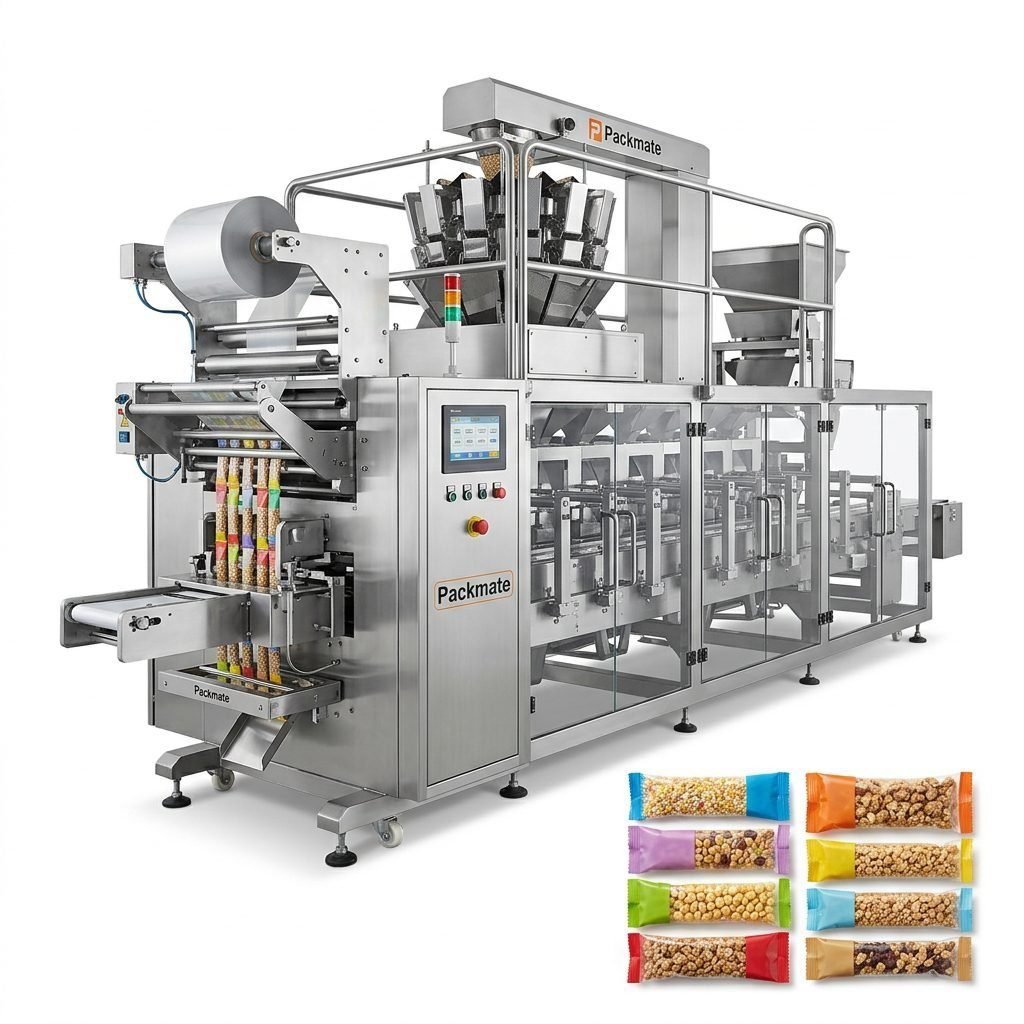
Pouch Unwinding & Forming Unit: This unit draws flat film from a roll and forms it into the desired pouch shape through a series of guides and sealing jaws.
Precision Filling System: The heart of the operation. For powders, auger fillers are common, while liquid products use piston or pump fillers. Granules often employ volumetric cup or weigh-scale fillers for extreme accuracy.
Gas Flushing Station (Optional): For products requiring extended shelf life, such as coffee or snacks, this module replaces the air inside the pouch with an inert gas like nitrogen before the final seal.
Sealing & Cooling Jaws: These apply heat and pressure to create a hermetic seal on the pouch, with cooling stations to ensure the seal sets perfectly.
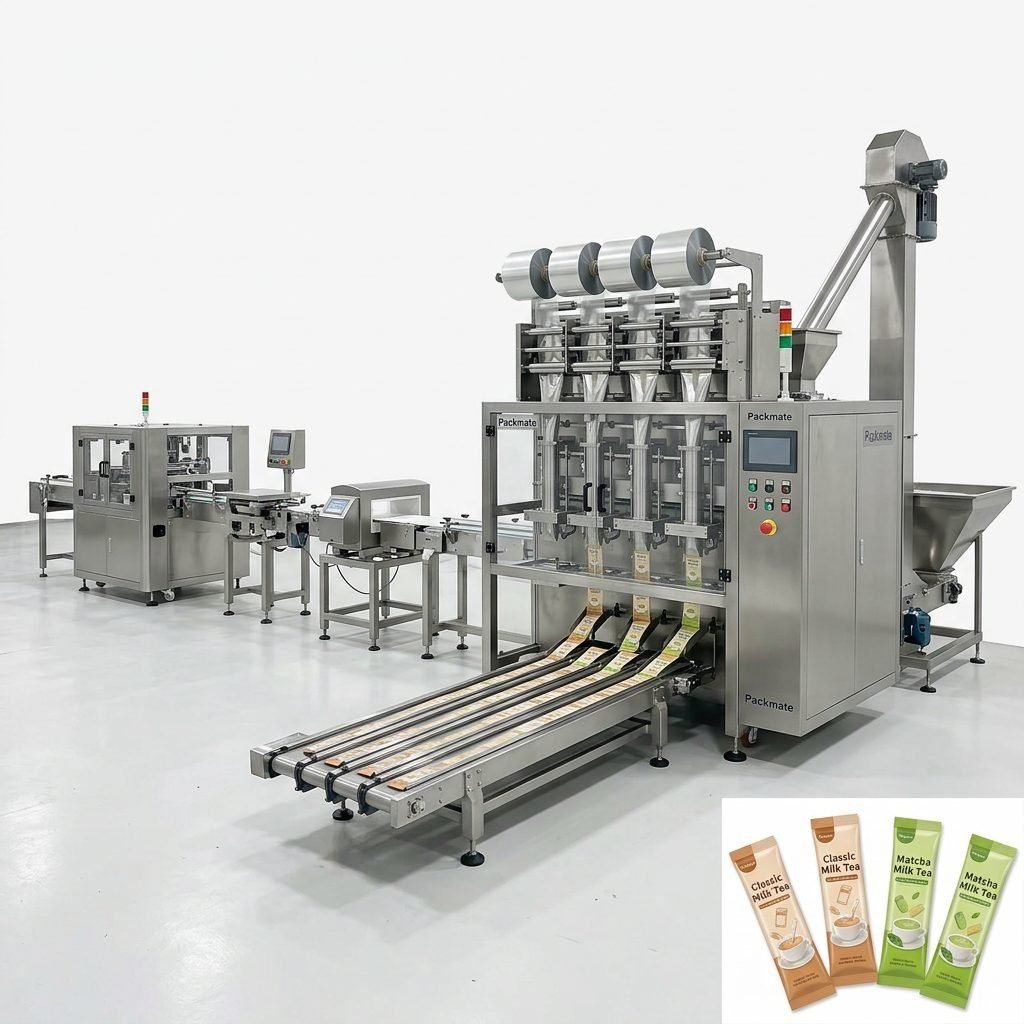
Discharge & Conveying System: Gently transports the finished, filled pouches to the next stage, such as cartoning or case packing.
The Role of Innovation and Expertise
Developing such complex machinery requires deep industry knowledge and a commitment to innovation. Companies with decades of experience, like Packmate Machinery, bring invaluable expertise to the table. With over 30 years in designing intelligent packaging solutions, they understand that efficiency is not just about speed. It’s about reliability, minimal waste (give-away), and seamless integration into existing production environments. Their journey from a small workshop to a modern 20,000㎡ facility underscores the technical evolution required to master pouch packaging.
The Tangible Benefits of Automated Pouch Filling
Investing in a dedicated Doypack machine translates into direct operational and commercial benefits.
Dramatically Increased Output: Automated lines can fill hundreds of pouches per minute, far surpassing manual or semi-automatic methods. This scalability is crucial for meeting market demand.
Unmatched Consistency and Accuracy: Precision filling systems ensure every pouch contains the exact same amount of product, protecting your profit margins and complying with stringent trade regulations.
Enhanced Product Preservation: The ability to integrate gas flushing and create strong, airtight seals significantly extends product shelf life, reducing spoilage and expanding distribution reach.
Reduced Labor Costs and Human Error: Automation minimizes the need for manual handling, lowering labor costs and eliminating inconsistencies associated with manual filling.
Material and Space Efficiency: Pouches themselves use less material than rigid containers, and the machinery often has a smaller footprint than lines for cans or bottles. Explore our range of efficient bag and pouch packaging machines to see specific solutions.
Selecting the Right Machinery for Your Product
Choosing the correct Doypack system is a critical decision. The primary consideration is your product’s characteristics.
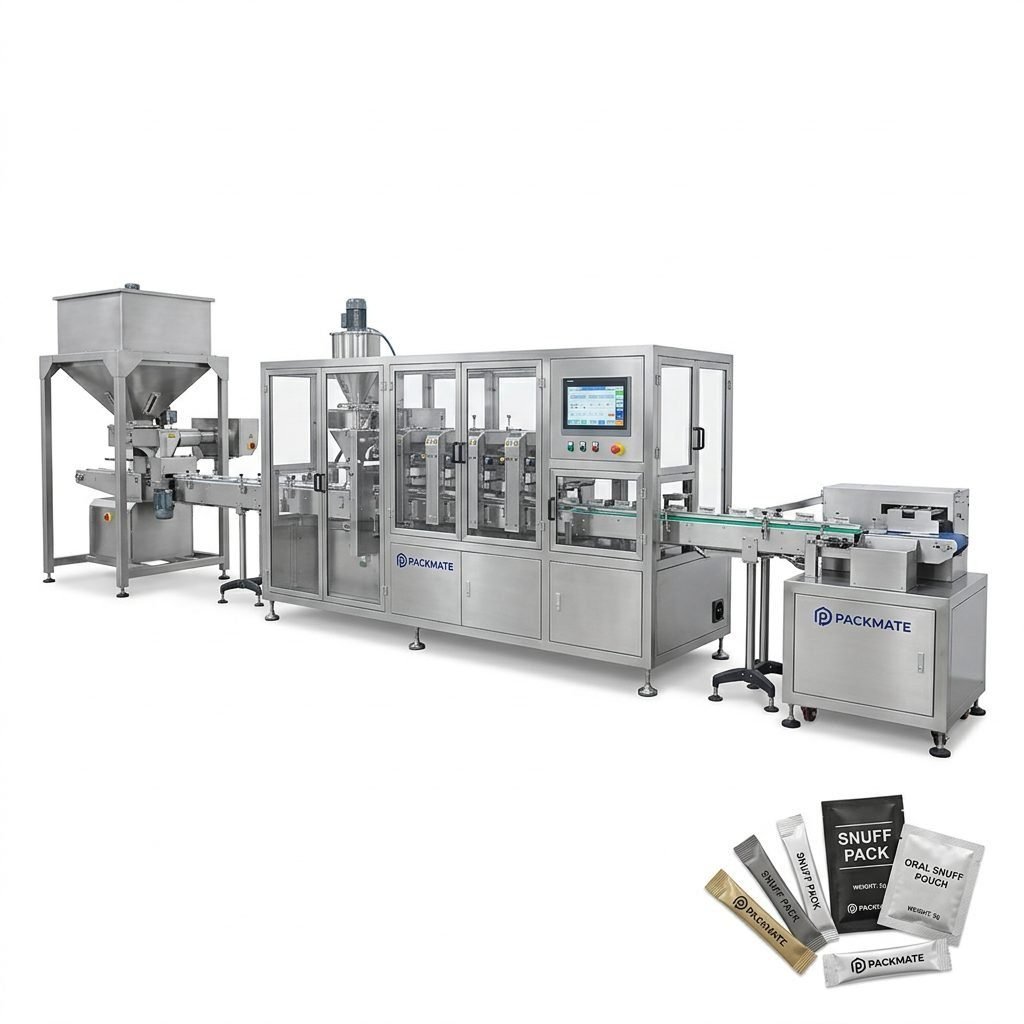
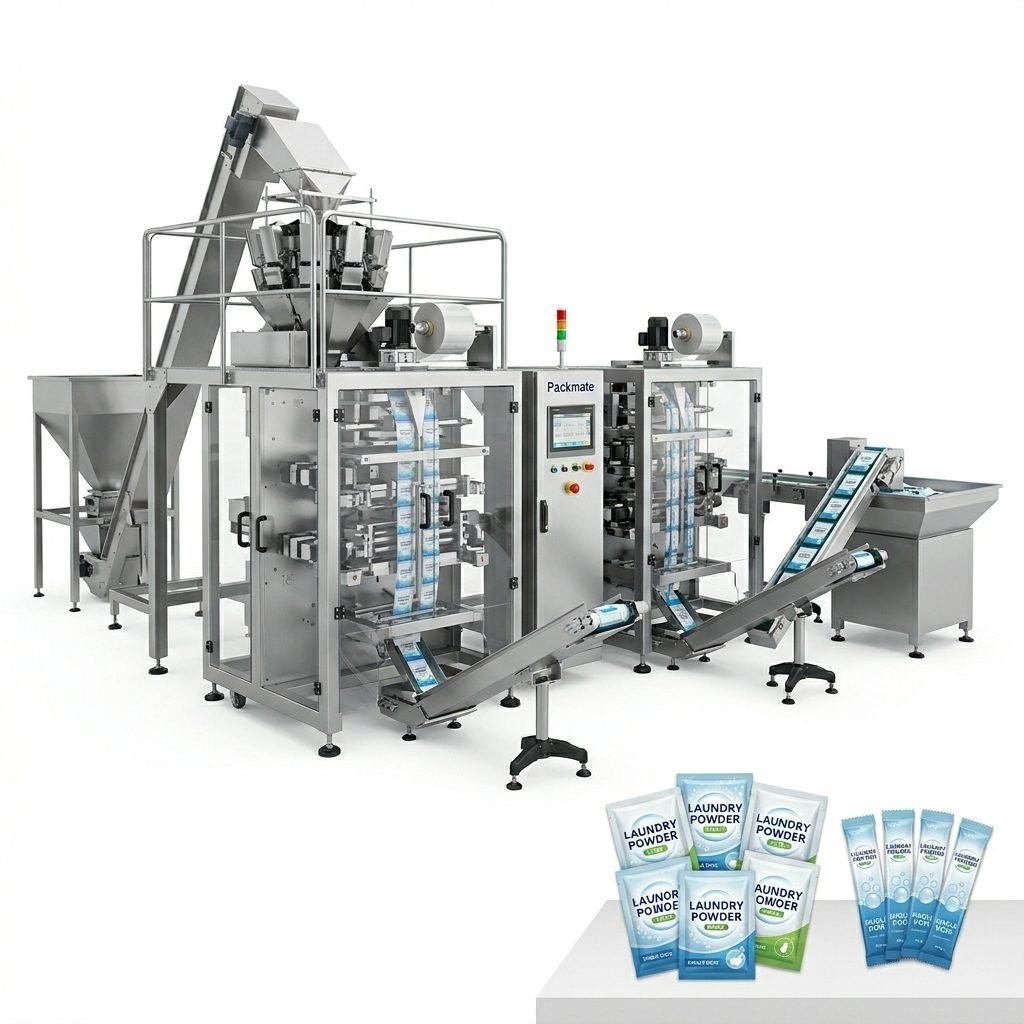
For Powders (e.g., protein, spices, detergent): An auger filler is typically the best choice. The key is selecting an auger design (single or twin) and screw type that prevents product aeration or bridging, ensuring a consistent feed and accurate fill weight.
For Liquids (e.g., sauces, oils, shampoos): Piston fillers offer excellent accuracy for viscous products, while pump systems are suited for thinner, free-flowing liquids. Drip-free nozzles are essential to maintain pouch cleanliness.
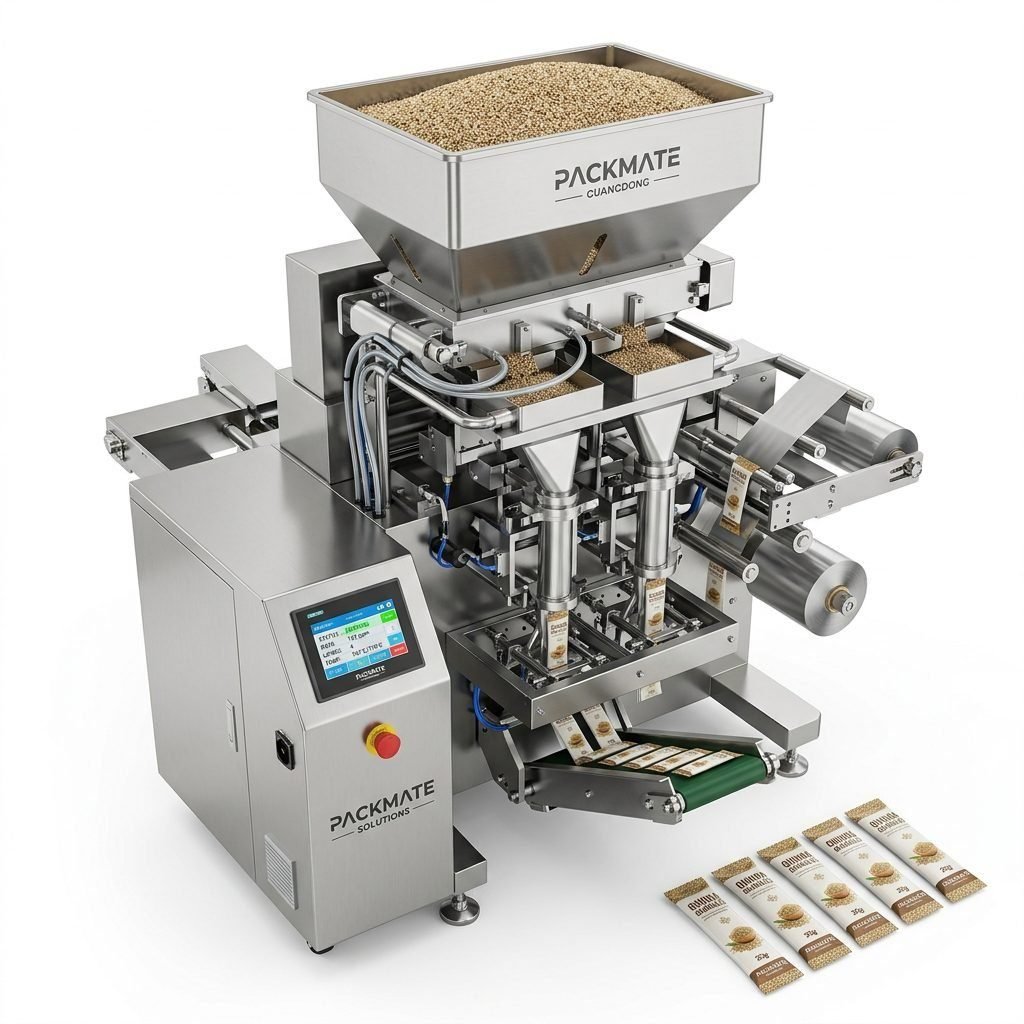
For Granules & Solids (e.g., coffee beans, nuts, candy): Multi-head weighers provide the highest speed and accuracy for free-flowing granules. Volumetric cup fillers are a cost-effective alternative for less critical applications.
Beyond the filler, consider the pouch size range, desired output speed, and any needed ancillary functions like zipper application or hang-hole punching. Partnering with a manufacturer that offers comprehensive filling and packaging lines ensures all components are perfectly matched.
Optimizing Your Line for Peak Efficiency
Once the right machinery is in place, continuous optimization is key to maintaining peak efficiency.
Preventive Maintenance is Paramount: A scheduled maintenance plan for sealing jaws, filters, and moving parts prevents unplanned downtime. Regular calibration of weighing systems is non-negotiable for accuracy.
Train Your Operators Thoroughly: Well-trained personnel can perform quick changeovers, basic troubleshooting, and identify minor issues before they cause major stoppages.
Monitor Key Performance Indicators (KPIs): Track metrics like Overall Equipment Effectiveness (OEE), which combines availability, performance, and quality. Monitoring waste rates and line speed against theoretical maximums highlights areas for improvement.
Utilize Quality Packaging Materials: The machine can only perform as well as the film it processes. Consistent, high-quality laminate films with good sealant layers are essential for achieving strong seals at high speeds.
The Future: Smart Packaging Integration
The next frontier for Doypack machinery is integration with Industry 4.0 principles. Modern machines are increasingly equipped with IoT sensors and connectivity, allowing for real-time monitoring of production data, predictive maintenance alerts, and remote diagnostics. This shift from reactive to proactive management is the ultimate step in maximizing efficiency and minimizing operational costs over the machine’s entire lifecycle.
Frequently Asked Questions (FAQs)
1. What is the typical speed range of a Doypack pouch filling machine?
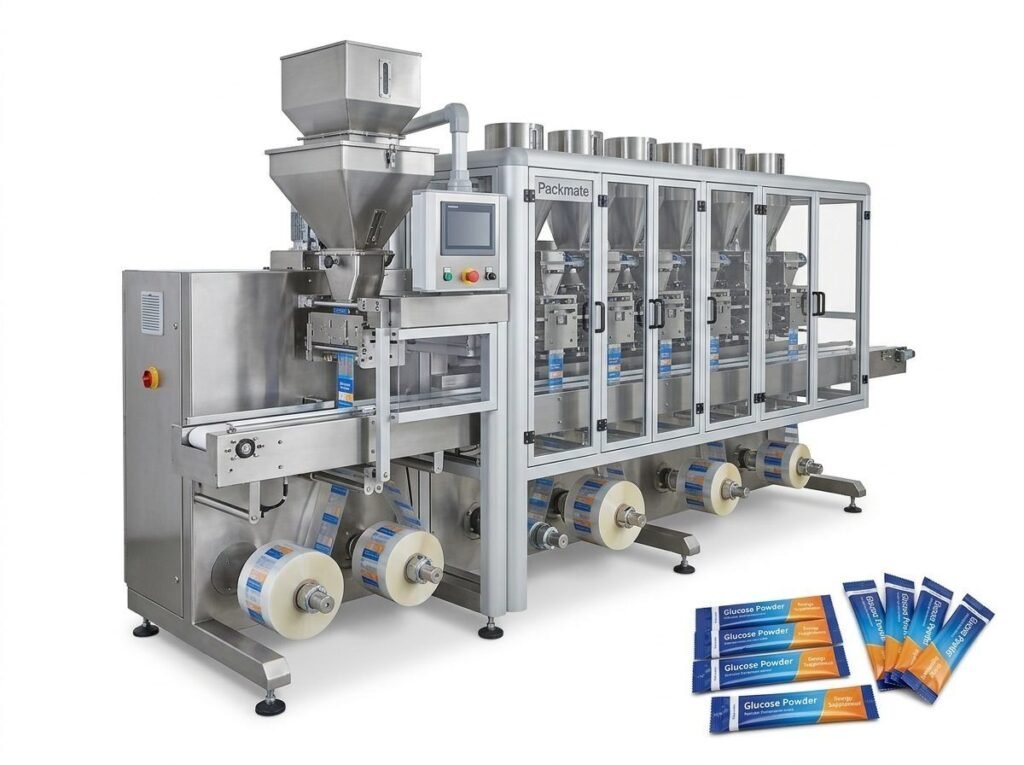
Speeds vary greatly based on pouch size, product type, and machine configuration. Basic single-lane machines may run 40-60 pouches per minute (ppm), while advanced multi-lane systems for small sachets, like our sachet and stick pack machines, can exceed 1000 ppm. Standard stand-up pouch fillers typically operate in the range of 80-200 ppm.
2. Can one machine handle different pouch sizes and products?
Yes, most modern machines are designed for quick changeover. This involves changing the forming tooling (like the forming shoulder and sealing jaws), the filling nozzle, and the product-specific parts like augers or pistons. A well-designed machine can change formats in under 30 minutes with proper tooling.
3. How important is gas flushing, and how does it work?
Gas flushing is critical for oxygen-sensitive products like coffee, nuts, or processed meats. It removes oxygen from the pouch headspace and replaces it with an inert gas (usually nitrogen), drastically slowing oxidation and microbial growth. The machine has a dedicated station that injects the gas just before the final top seal is applied.
4. What kind of maintenance do these machines require?
Daily cleaning of product contact parts is essential. Weekly checks might include lubricating moving parts and inspecting seals. Monthly or quarterly preventive maintenance involves deeper cleaning, checking torque on bolts, and calibrating scales and sensors. Always follow the manufacturer’s specific maintenance schedule.
5. How do I choose between a volumetric filler and a weigh scale filler?
The choice depends on your product value and accuracy requirements. Volumetric fillers (auger, piston, cup) are faster and more cost-effective, suitable for lower-value products or where +/- 1-2% accuracy is acceptable. Weigh scale fillers are slower but offer superior accuracy (often +/- 0.5% or better), making them ideal for high-value products or where regulatory fill weight compliance is strict.