In the competitive world of agricultural chemical manufacturing, efficiency, safety, and precision are non-negotiable. The packaging process stands as a critical juncture where product integrity meets market delivery. Selecting the right packaging machinery is not merely an operational decision; it is a strategic investment that directly impacts production throughput, cost management, and compliance with stringent global safety standards. This article explores the top categories of agricultural chemical packaging machines designed to streamline operations and bolster your production efficiency.
The Imperative of Specialized Packaging in Agrochemicals
Agricultural chemicals, including fertilizers, pesticides, herbicides, and plant growth regulators, present unique packaging challenges. These substances can be corrosive, hygroscopic, toxic, or volatile. Therefore, packaging must ensure absolute seal integrity to prevent leakage, contamination, and moisture ingress, which can degrade product efficacy and pose environmental hazards. Furthermore, regulations often mandate clear labeling, tamper evidence, and specific bag or container strengths. Specialized packaging machines are engineered to meet these rigorous demands, automating processes that minimize human contact with hazardous materials while maximizing speed and accuracy.
1. Automated Weighing and Filling Systems
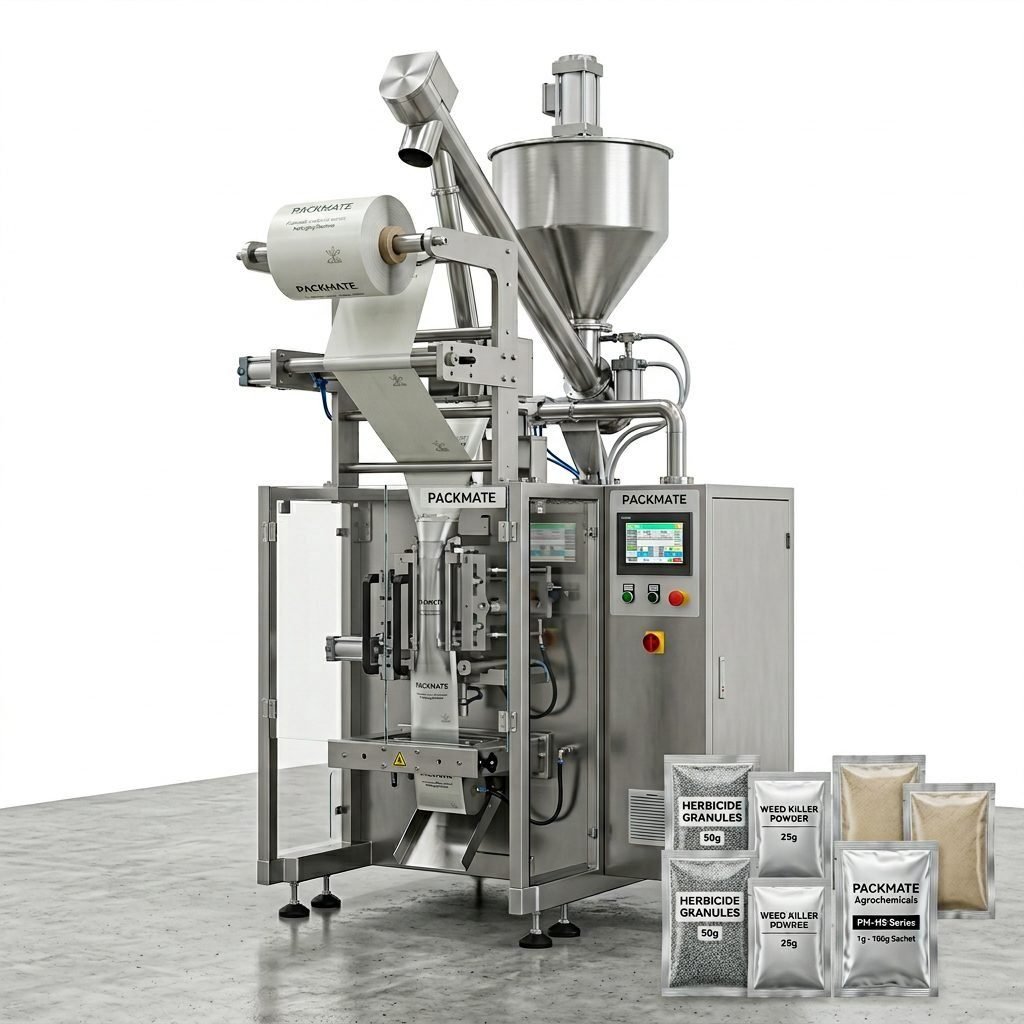
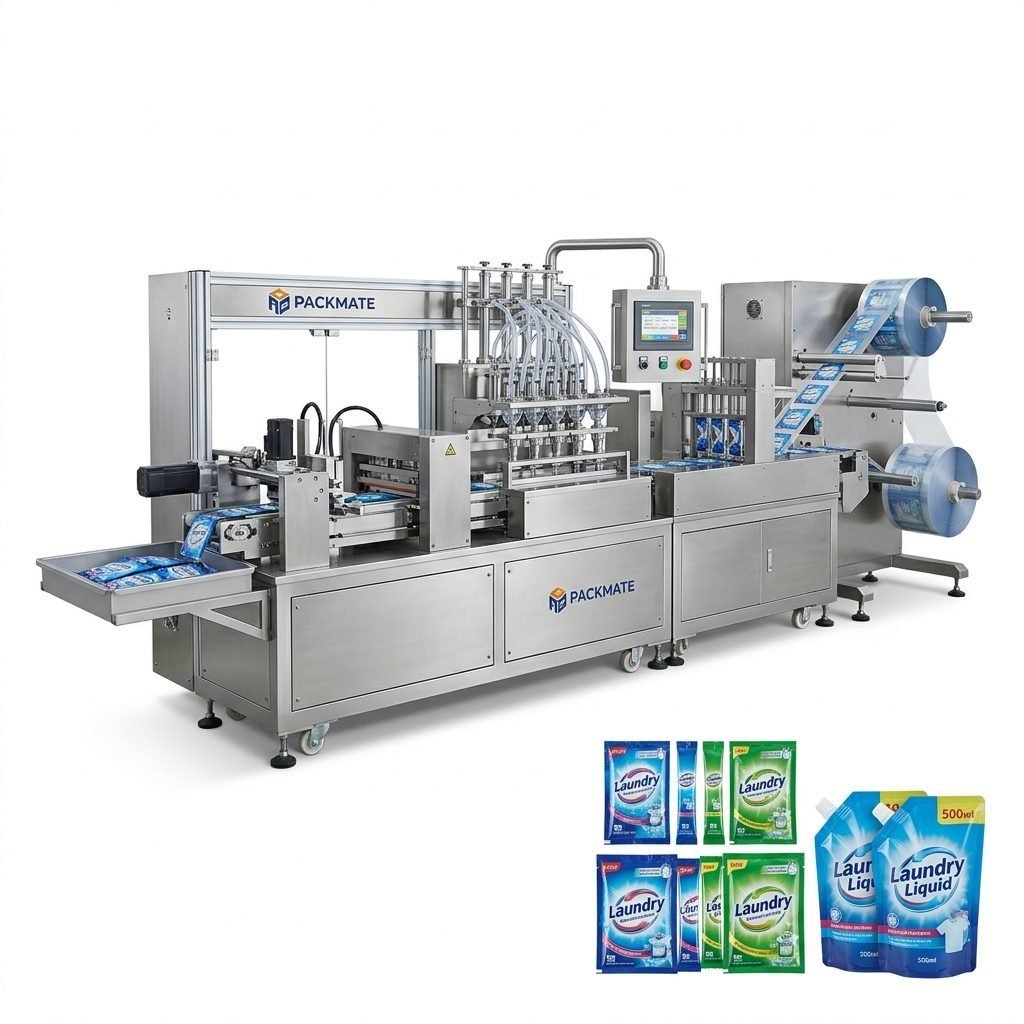
Precision dosing is paramount. Modern weighing and packaging systems utilize advanced load cell technology and multi-head weighers to achieve high-speed, accurate filling of powders and granules into bags, pouches, or containers. These systems are integral for formulation consistency and reducing giveaway, directly impacting your bottom line. For liquid agrochemicals, piston filler or gravity filler machines provide exact volumetric control, ensuring each package contains the specified amount without spillage.
Key Benefit: These systems eliminate manual weighing errors, enhance batch-to-batch uniformity, and can be seamlessly integrated with downstream packaging lines for a continuous flow.
2. High-Speed Bag & Pouch Packaging Machines
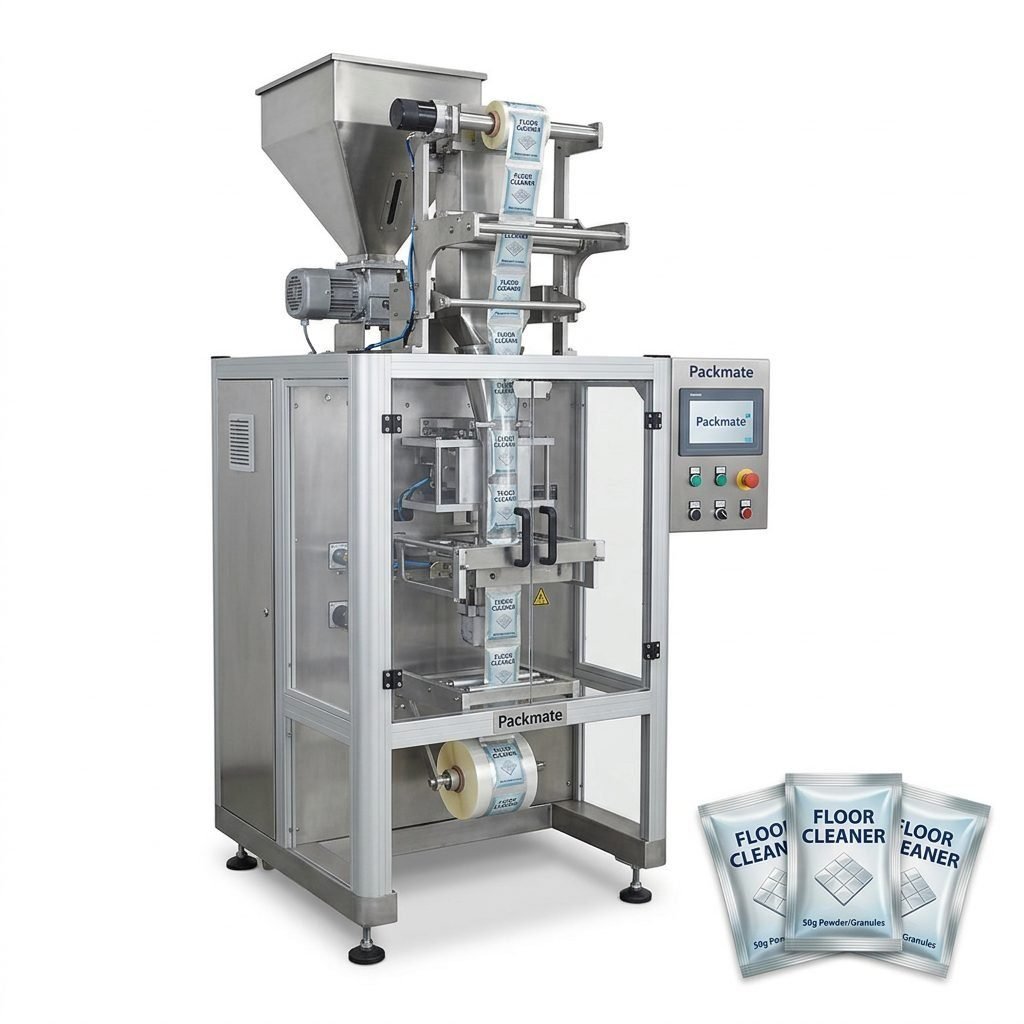
For packaging fertilizers and granular products, bag and pouch packaging machines are the workhorses of the industry. They can handle various bag types, including woven PP bags, valve bags, and stand-up pouches. Features like automatic bag feeding, impeller filling, and heat sealing create a closed, dust-free environment. This is crucial for operator safety and maintaining a clean production facility. Modern machines offer quick changeover capabilities, allowing producers to switch between bag sizes and materials with minimal downtime, catering to diverse market needs.
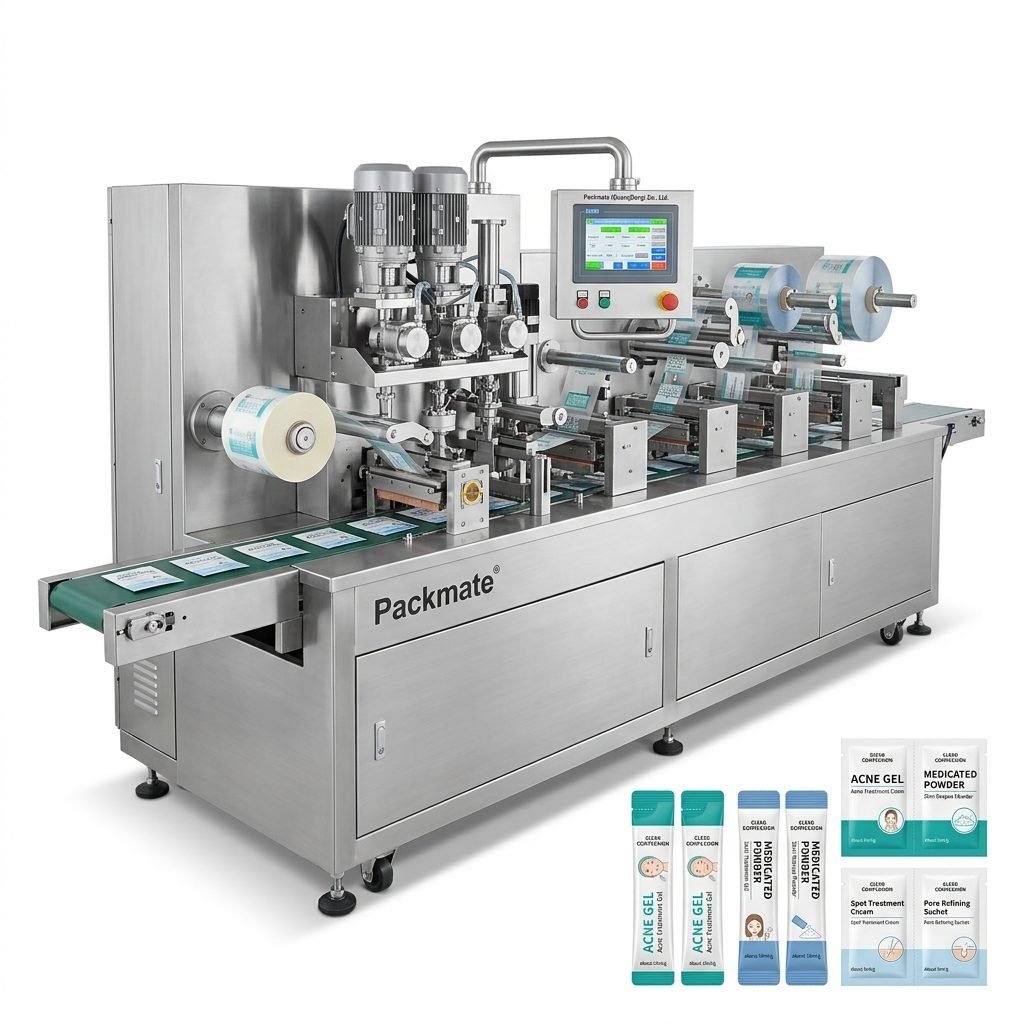
3. Stick Pack and Sachet Machines for Sample & Small Doses
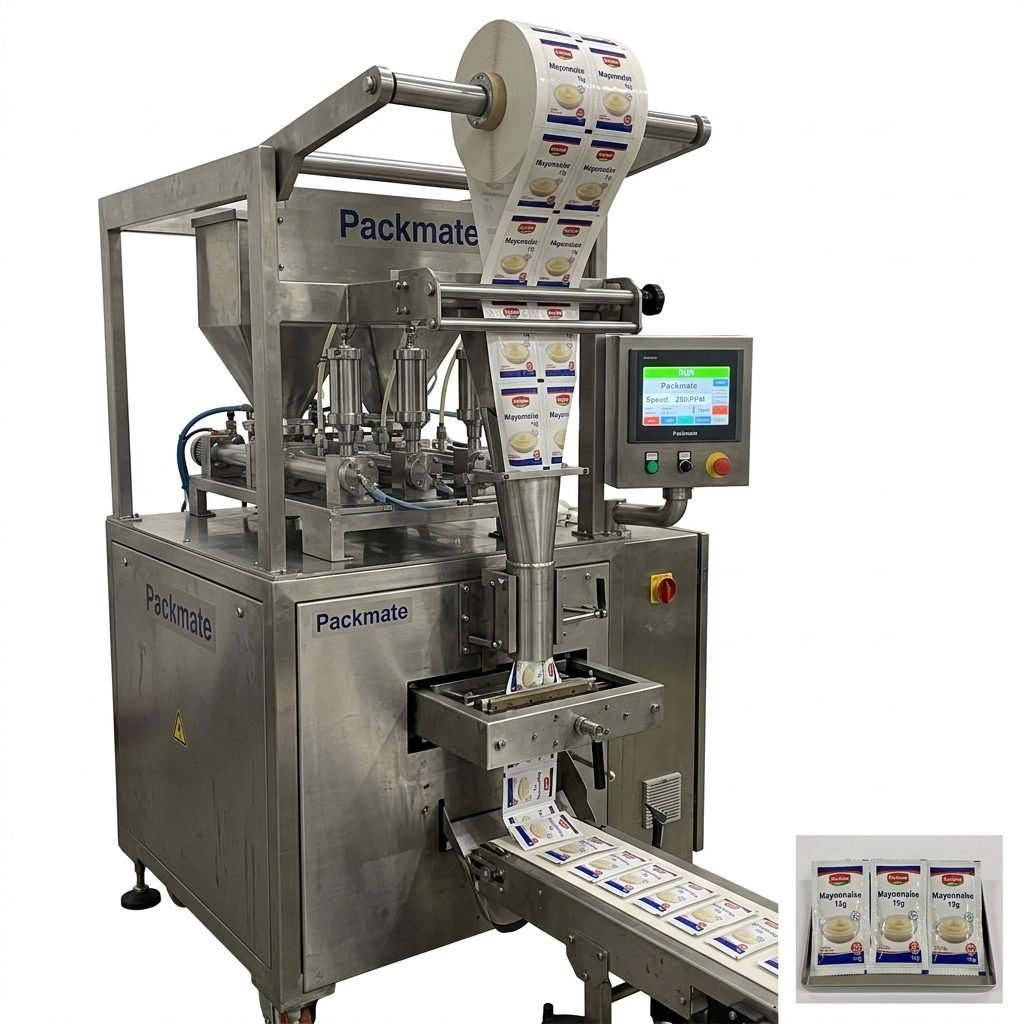
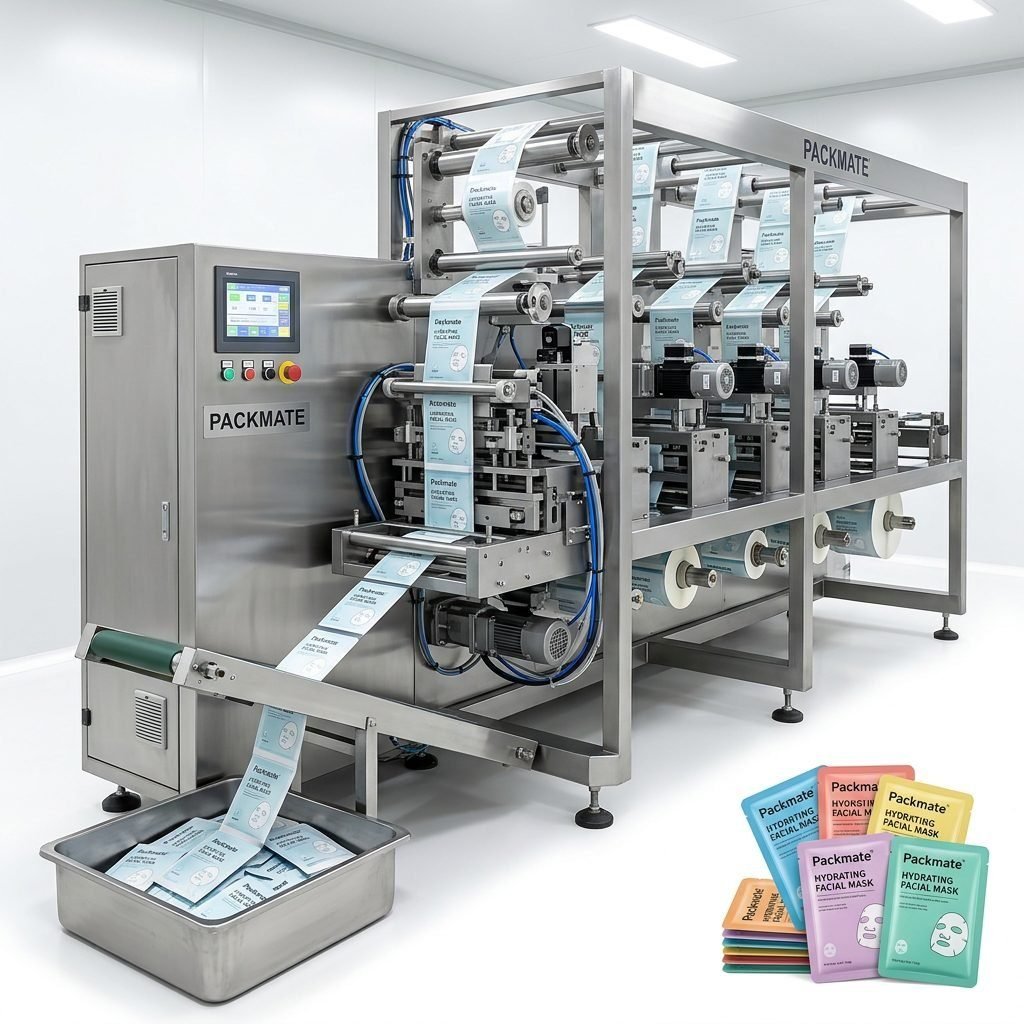
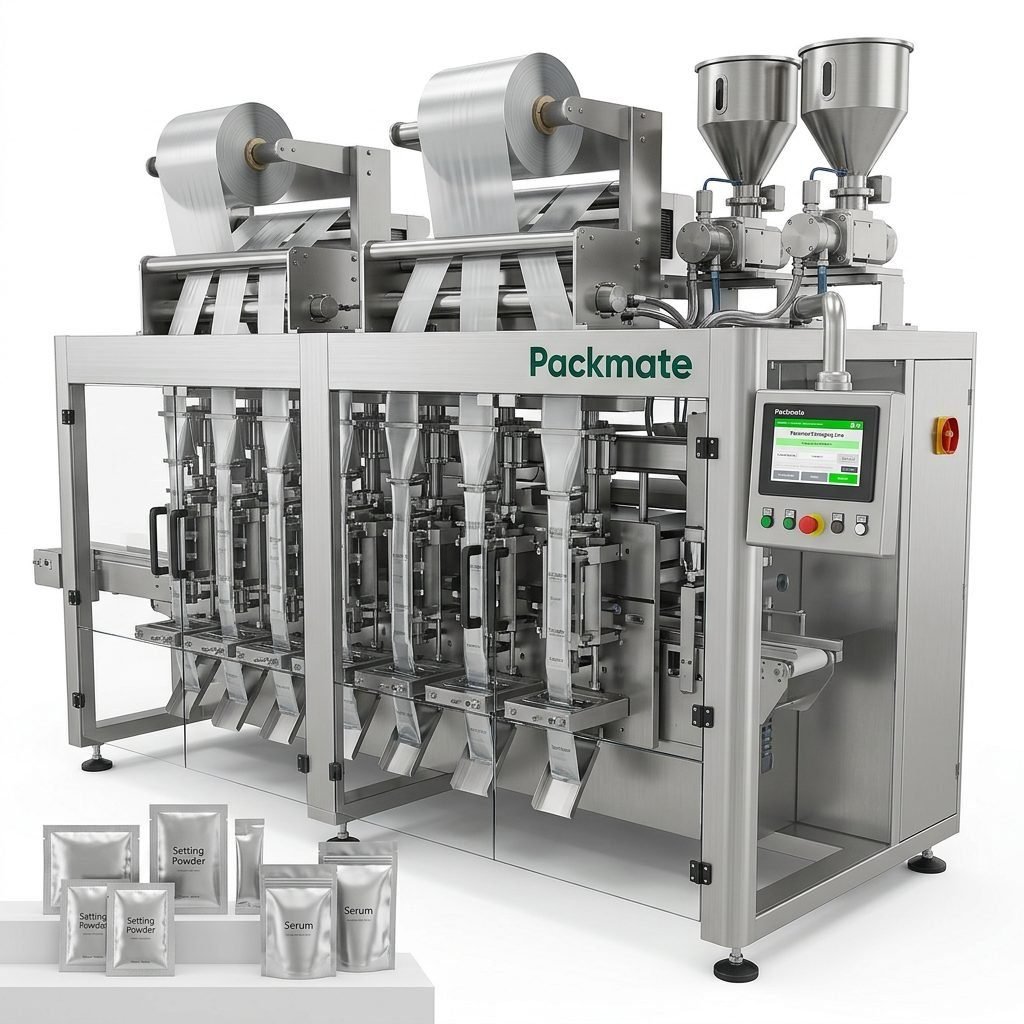
The market for single-dose or sample-sized agrochemicals is growing. Stick pack and sachet machines are perfect for creating precise, portable, and disposable packages for seed treatments, micronutrients, or water-soluble powders. These machines form, fill, and seal from a roll of laminated film, producing packs with excellent barrier properties against moisture and light. Their compact size and efficiency make them ideal for high-mix, low-volume production runs or for creating promotional sample packs.
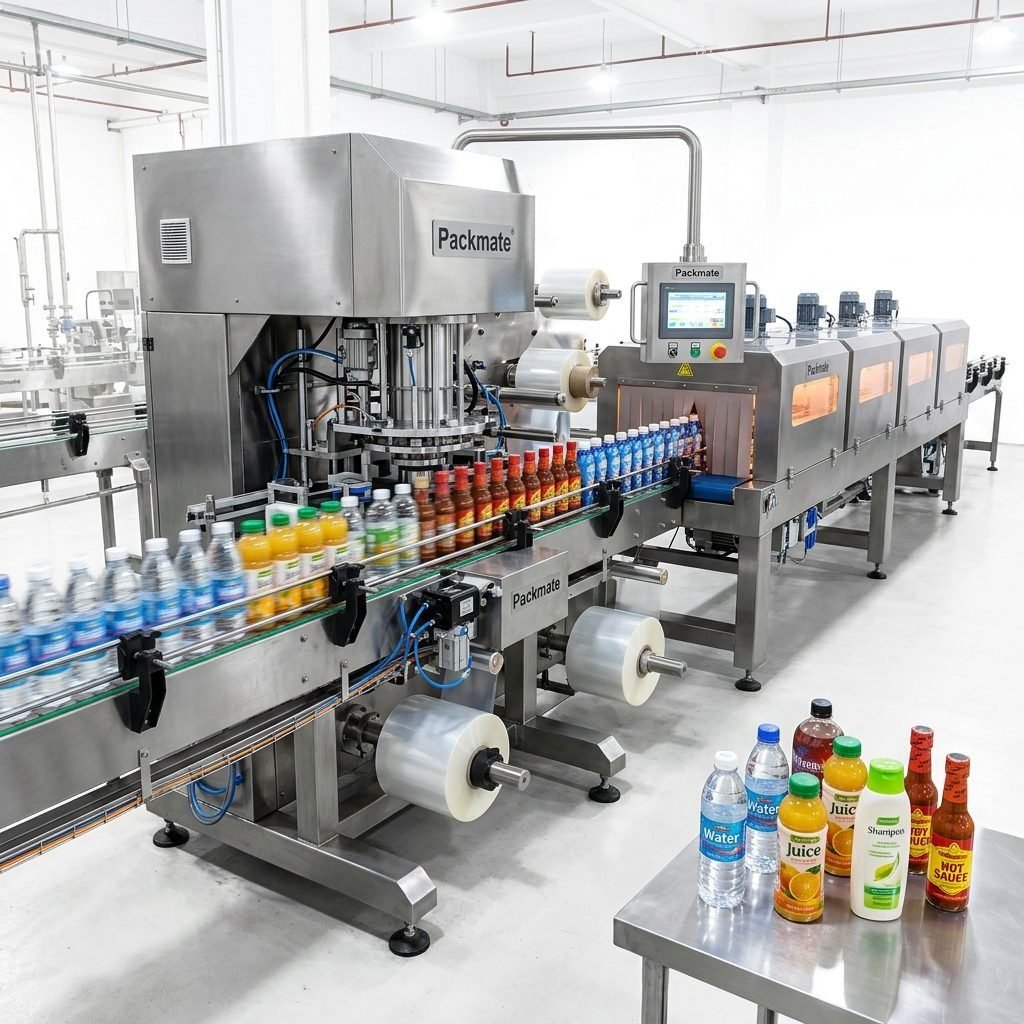
4. Complete Filling and Packaging Lines
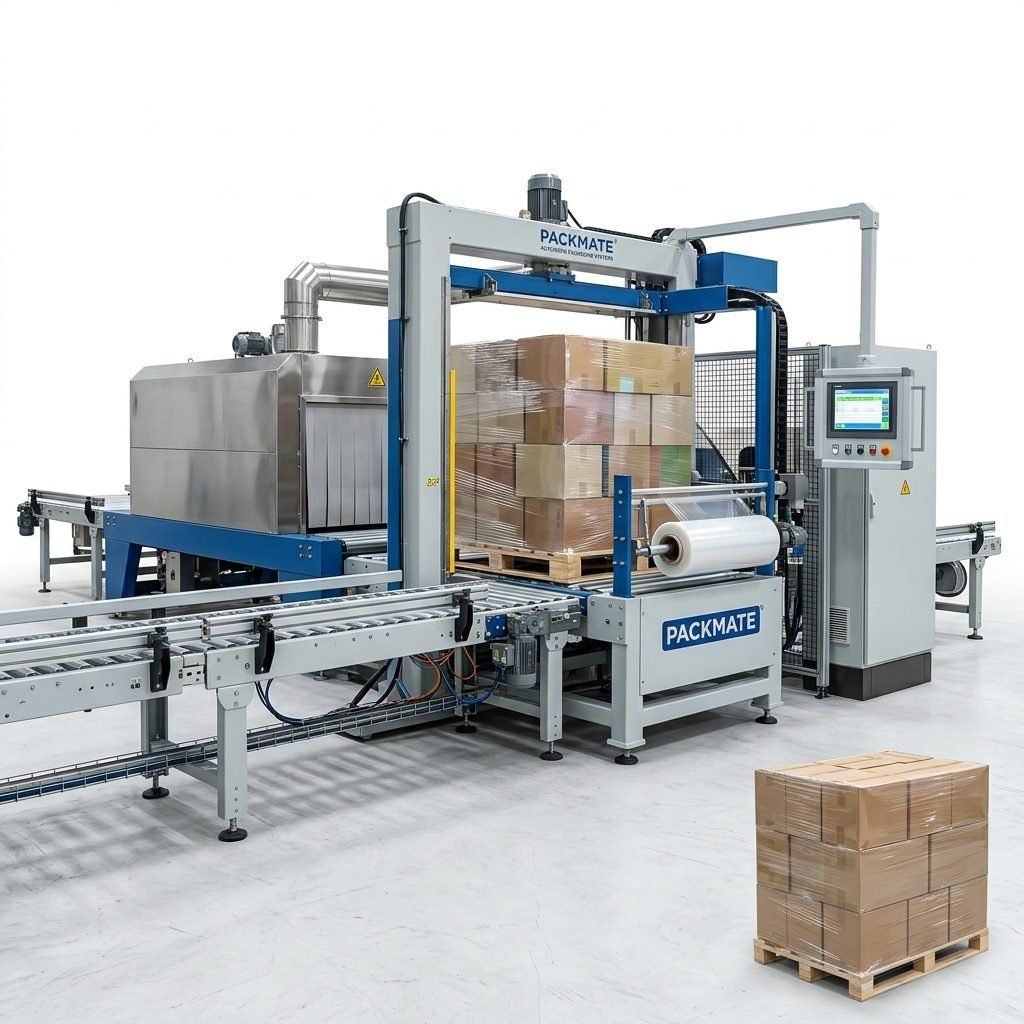
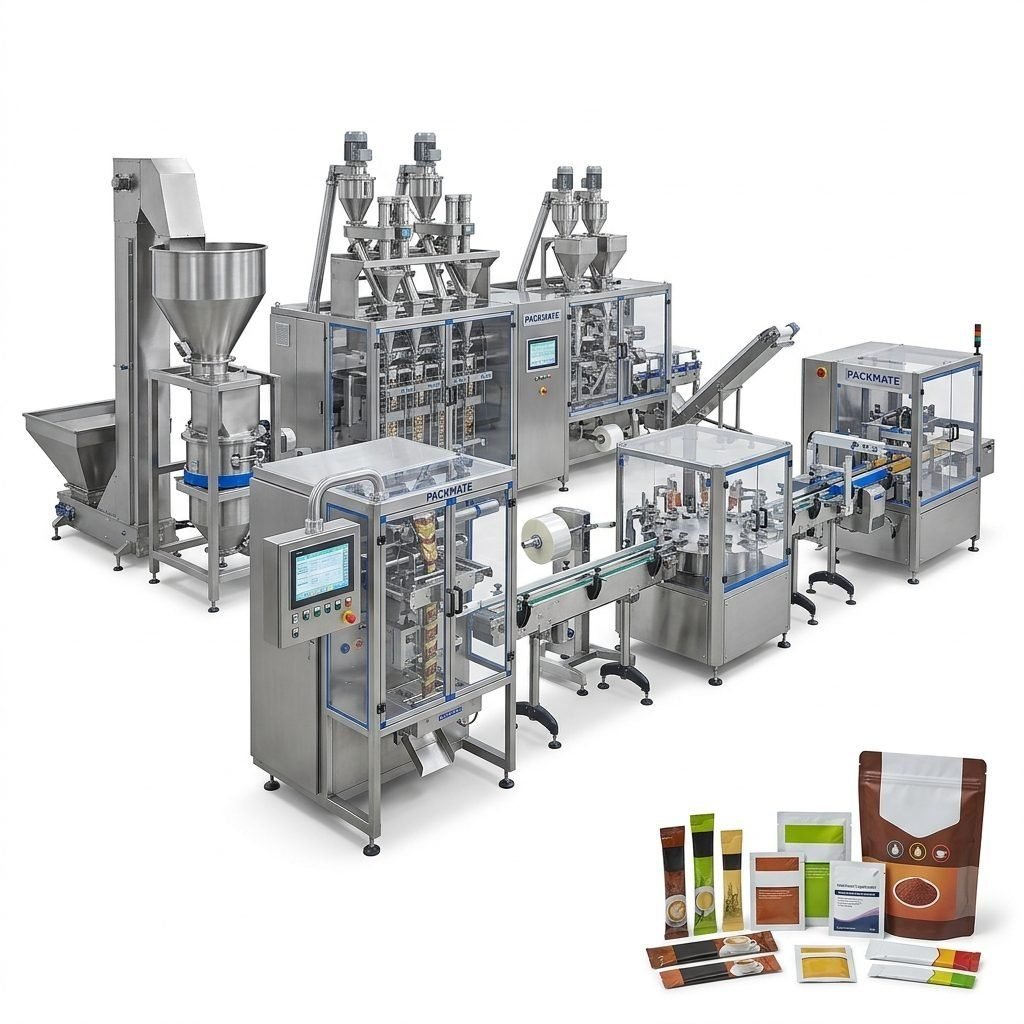
For large-scale operations, a synchronized filling and packaging line is the ultimate solution for efficiency. This integrates multiple machines—such as a filler, capper, labeler, and case packer—into one automated system. For agrochemicals, this might involve filling liquid into bottles, applying child-resistant closures, labeling with safety pictograms, and boxing finished products. Turnkey lines, like those developed by experienced manufacturers such as Packmate Machinery, are designed for minimal manual intervention, ensuring a smooth, continuous, and safe production process from start to finish.
Choosing Your Machinery Partner: Beyond the Machine
Investing in agricultural chemical packaging equipment goes beyond the hardware. Partnering with a manufacturer with deep industry expertise is critical. A partner like Packmate Machinery, with over 30 years in crafting intelligent packaging solutions, brings invaluable knowledge. They understand the need for corrosion-resistant components, explosion-proof electrical configurations, and easy-clean designs required in this sector. Their ability to provide complete turnkey solutions—from initial design and factory layout to installation, training, and after-sales support—ensures your new machinery delivers on its promise of efficient production from day one.
5. Auxiliary Equipment for Enhanced Workflow
Don’t overlook the role of auxiliary packaging equipment. Conveyors, checkweighers, metal detectors, and coders are essential for a robust packaging line. Checkweighers verify fill weight compliance, metal detectors ensure no foreign contaminants are present, and coders print batch numbers and expiry dates for traceability. Integrating these units creates a comprehensive quality control checkpoint, safeguarding your brand reputation and ensuring regulatory compliance before products leave the facility.
Implementing the right mix of these top agricultural chemical packaging machines transforms your production floor. It leads to higher output with lower operational costs, improved worker safety, reduced product waste, and guaranteed package quality. In an industry where margins and regulations are tight, this technological investment is a decisive step toward sustainable, profitable, and efficient production.
Frequently Asked Questions (FAQs)
1. What are the key safety features to look for in agrochemical packaging machines?
Look for machines constructed with stainless steel or coated carbon steel for corrosion resistance. Electrical systems should be rated for damp or hazardous environments. Enclosed designs with dust extraction ports and emergency stop buttons are essential. Always verify that the machine supplier understands the specific safety standards for chemical packaging.
2. How can I ensure my packaging line meets international regulatory standards?
Work with a machinery manufacturer that has a global footprint and experience, like Packmate Machinery, which serves clients worldwide. They can guide you on machine specifications that comply with common international standards (e.g., CE, UL) and design lines that facilitate proper labeling and traceability coding as required by different markets.
3. Can one machine handle both powder and liquid agrochemicals?
Typically, no. Powder/granule fillers and liquid fillers have fundamentally different mechanisms (e.g., auger vs. piston). Some manufacturers offer modular designs where you can change the filling head. It’s more common to have dedicated lines or machines for different product forms to maintain optimal speed and accuracy.
4. What is the importance of “quick changeover” in this context?
Quick changeover allows you to switch production between different package sizes, types, or products with minimal downtime (often in minutes). This is vital for manufacturers who produce a variety of SKUs, enabling flexible, just-in-time production and reducing inventory costs of pre-made packages.
5. What kind of after-sales support should I expect?
Comprehensive support includes detailed installation supervision, operator and maintenance training, readily available spare parts, and access to technical service. Providers with a strong reputation will offer remote diagnostics and have a responsive service team to minimize potential production disruptions. You can explore the service commitment of manufacturers on their dedicated service pages.