In today’s competitive manufacturing landscape, achieving peak efficiency on your production line is paramount. The right packaging machinery services can dramatically enhance throughput, reduce waste, and ensure consistent product quality. For businesses seeking to optimize their operations, investing in top-tier packaging machine services is not just an upgrade—it’s a strategic necessity for sustainable growth and market responsiveness.
The Core Components of a High-Efficiency Packaging Line
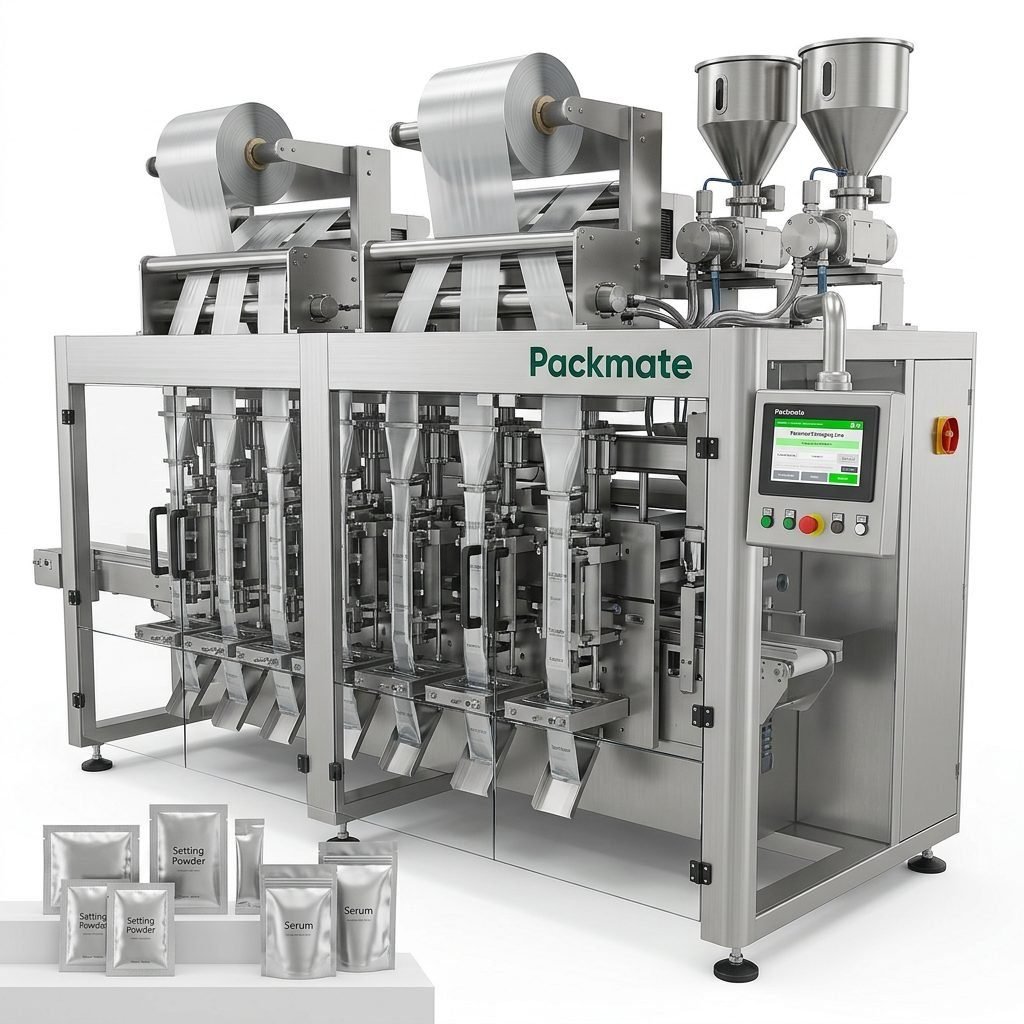
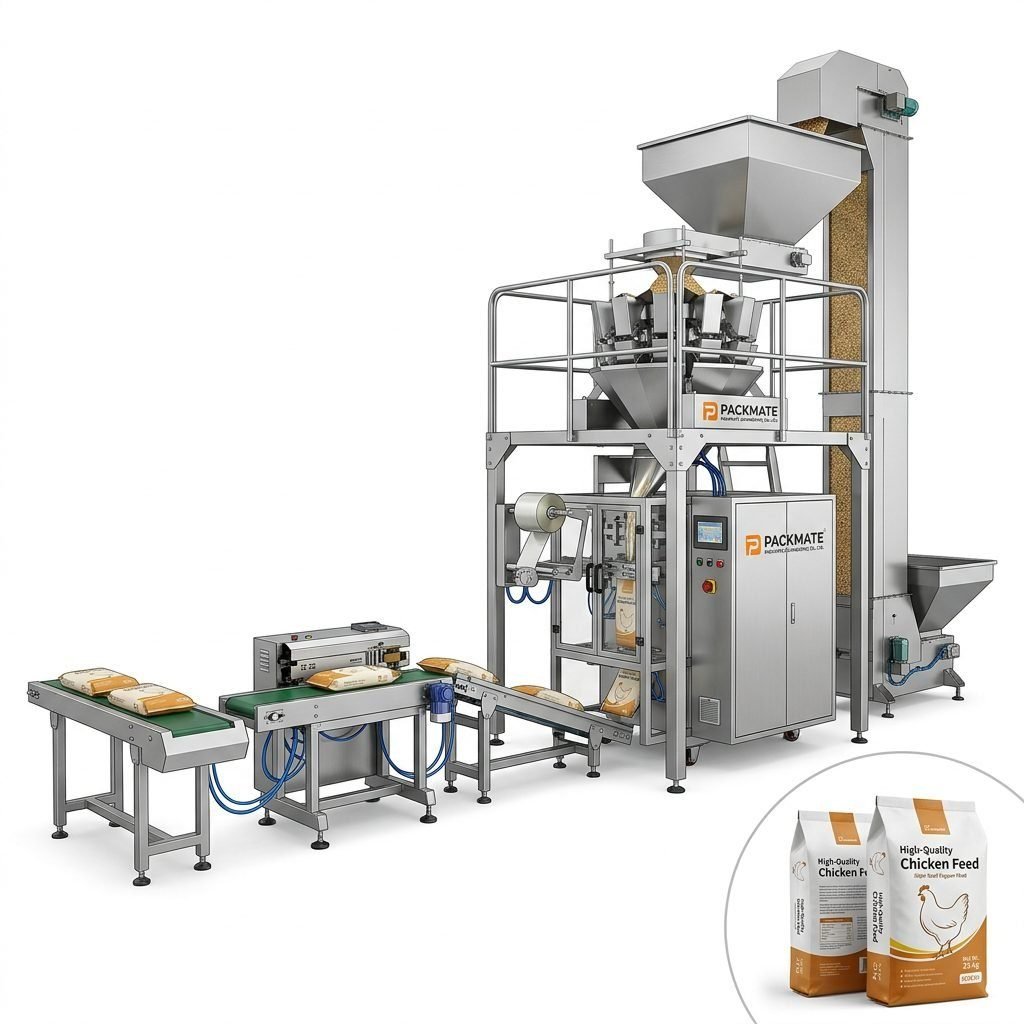
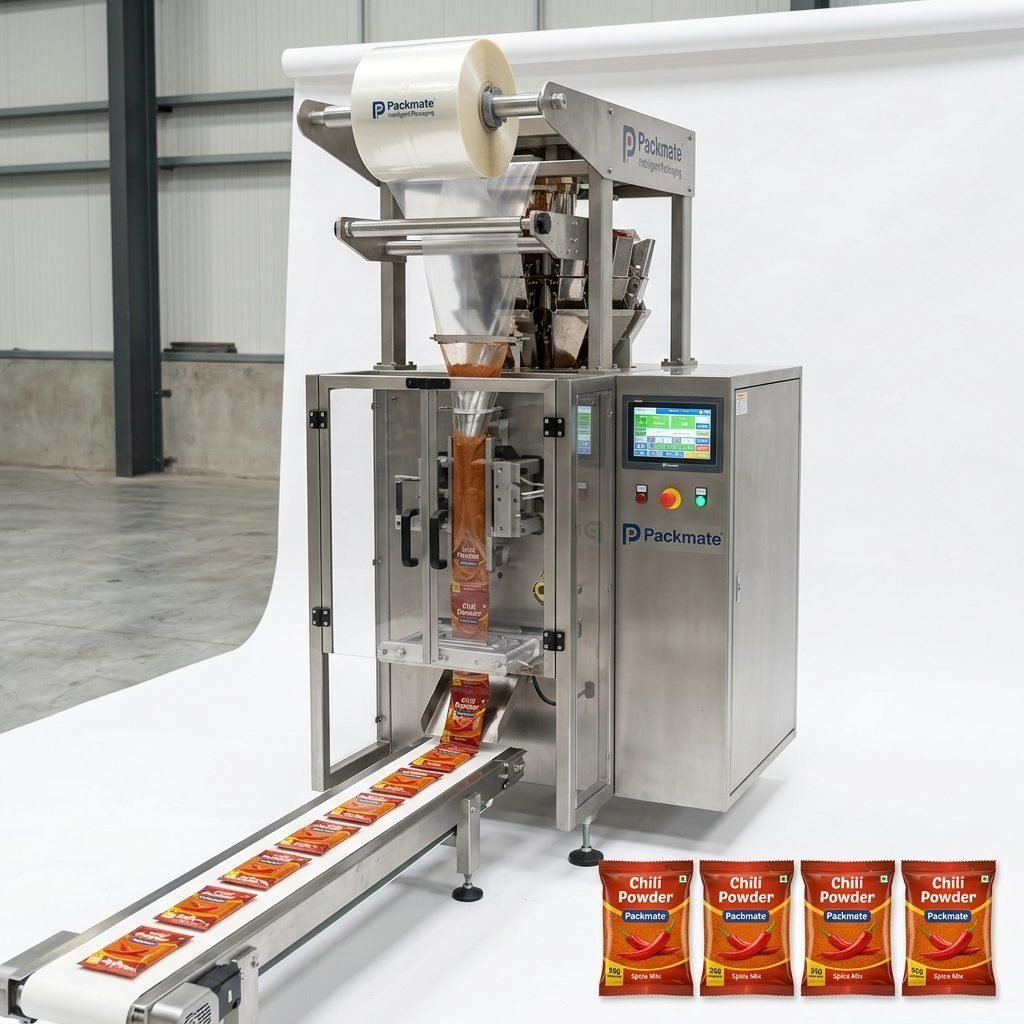
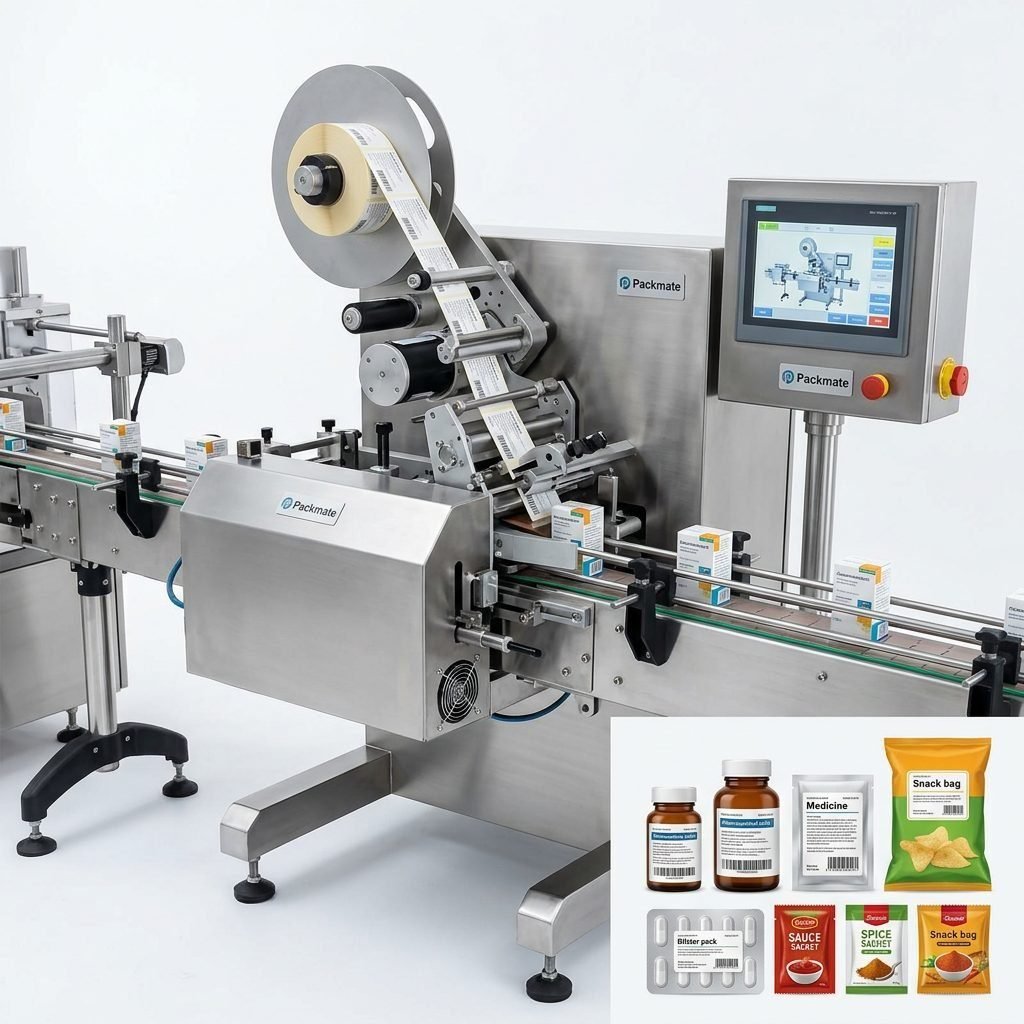
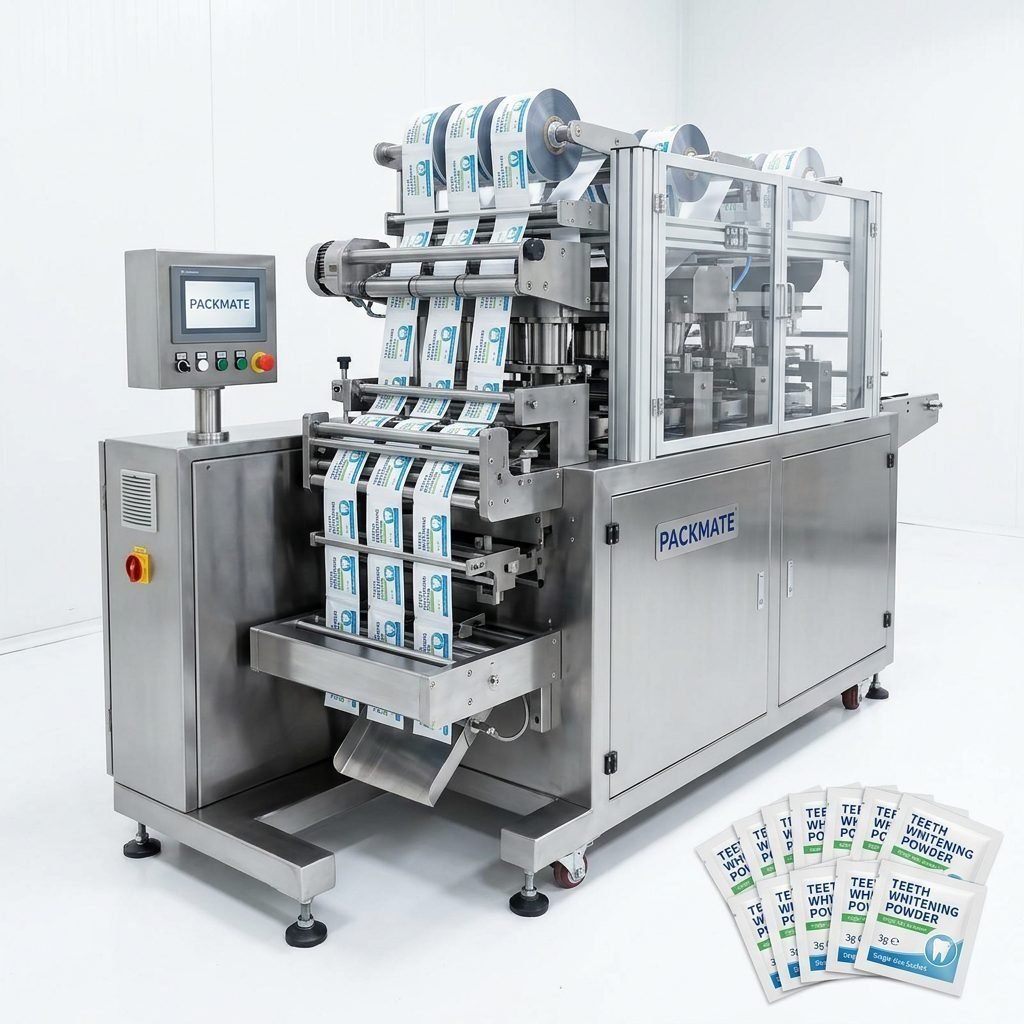
An efficient packaging line is a symphony of synchronized components. It begins with reliable weighing and dosing systems that ensure precise product measurement, a critical factor for cost control and regulatory compliance. This is seamlessly followed by advanced forming, filling, and sealing (FFS) machines, which create the package, insert the product, and hermetically seal it at remarkable speeds.
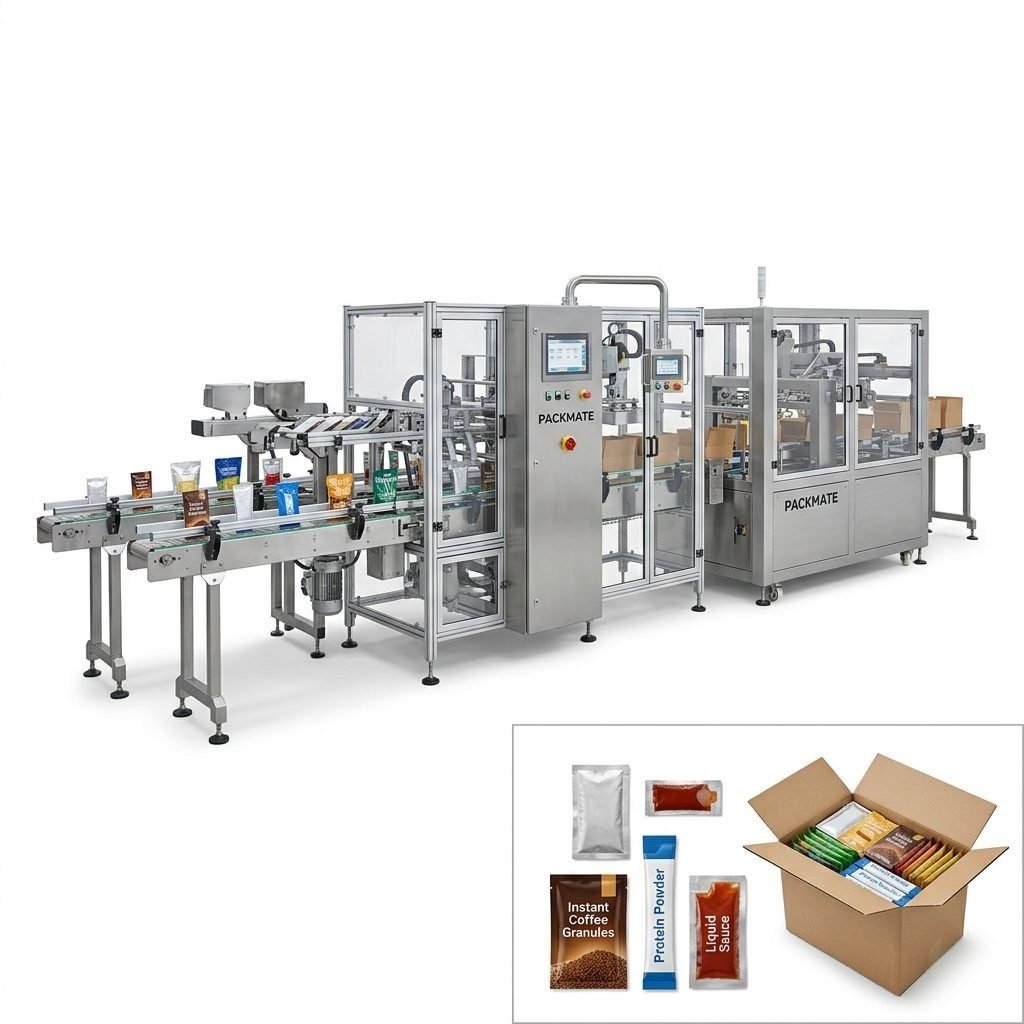
Key Insight: The true measure of a packaging service lies in its ability to provide a complete, integrated line rather than isolated machines. A holistic approach minimizes bottlenecks and ensures smooth material flow from start to finish.
Selecting the Right Machine for Your Product Type
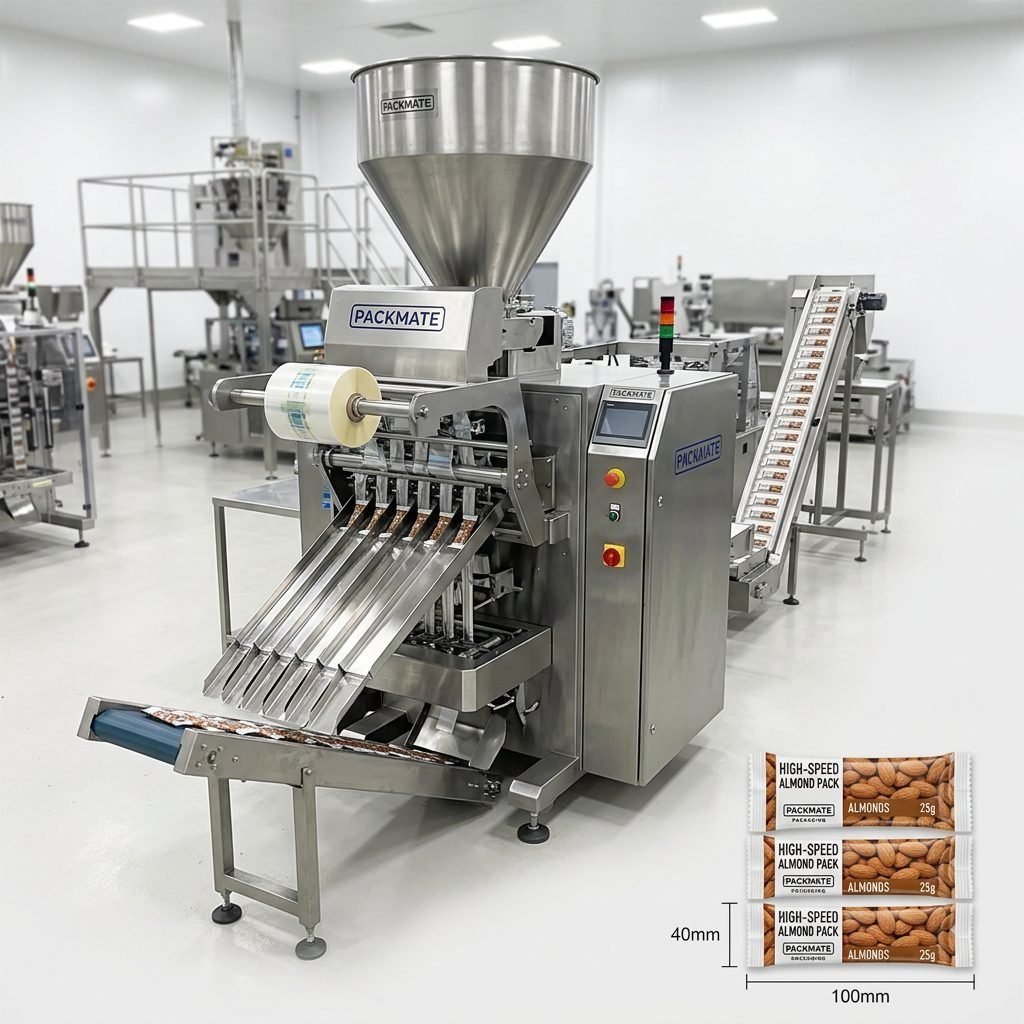
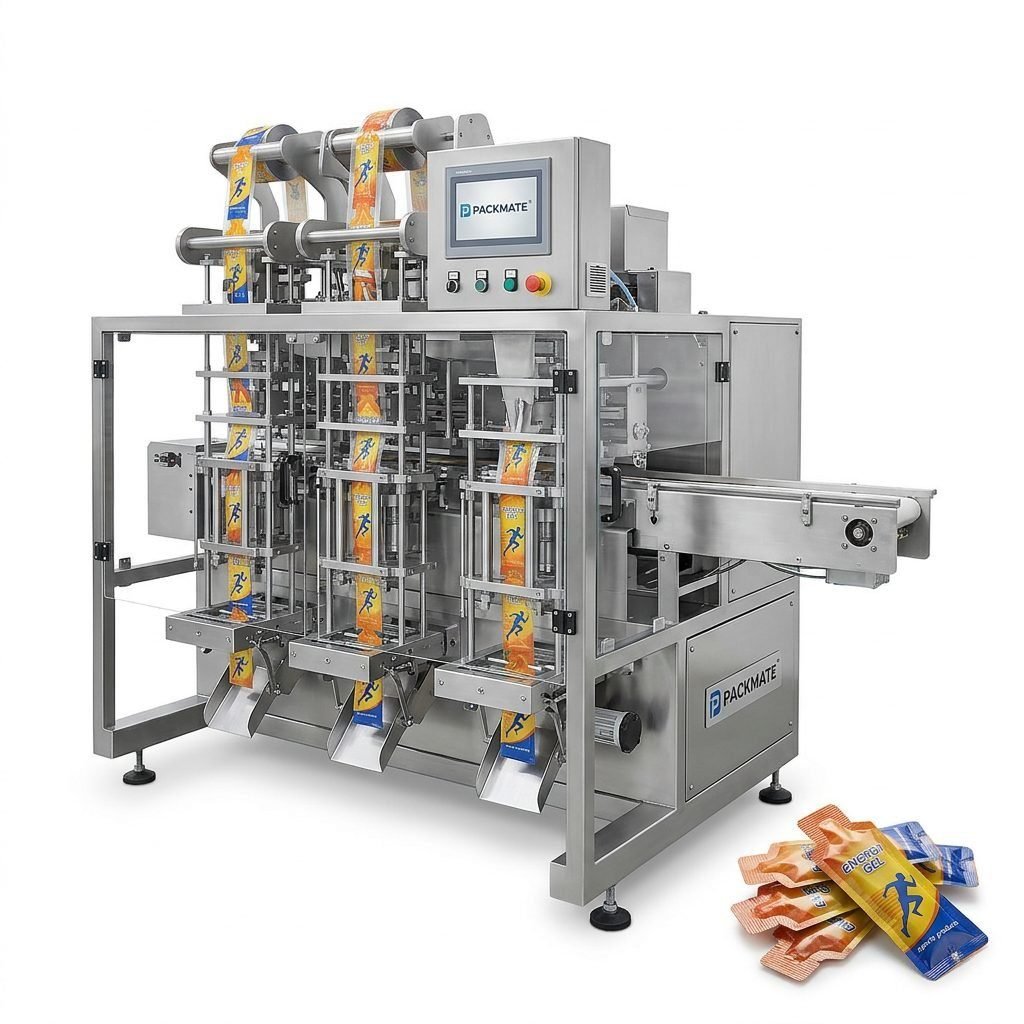
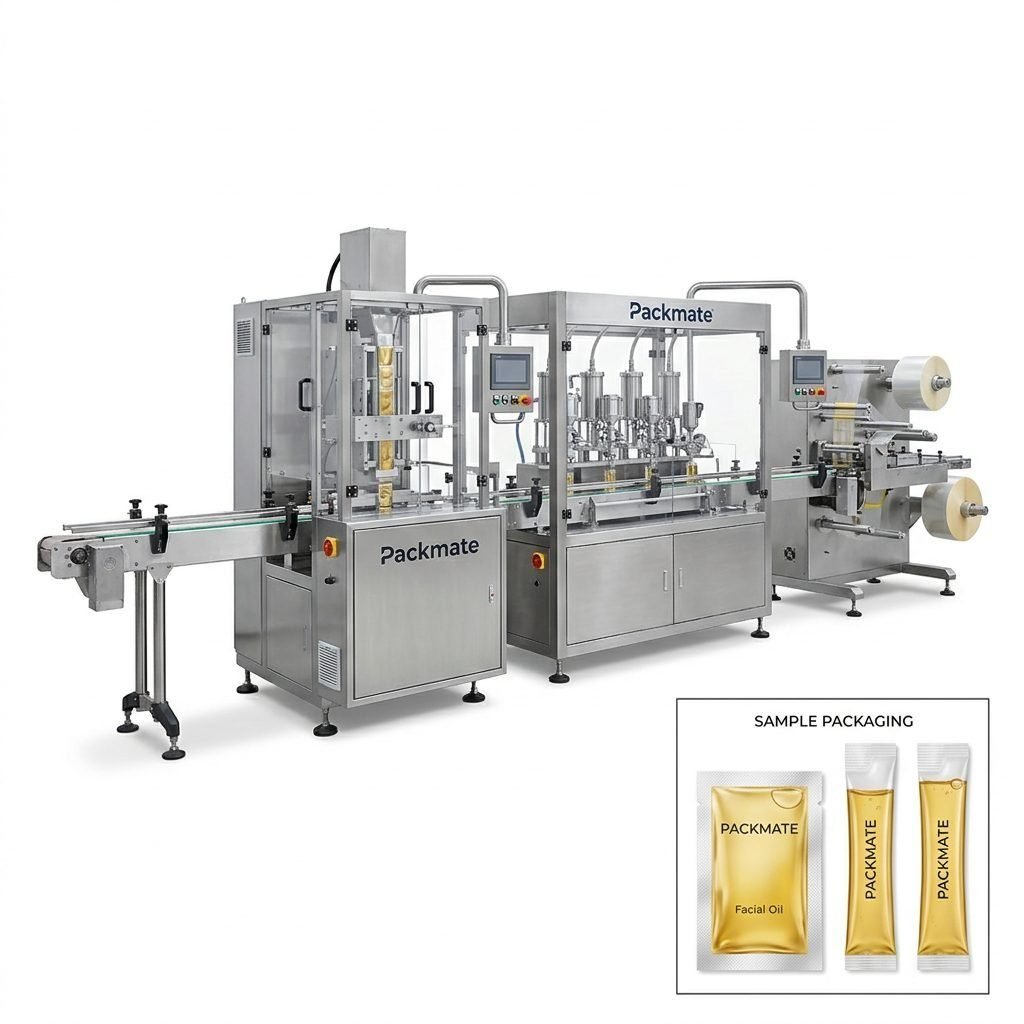
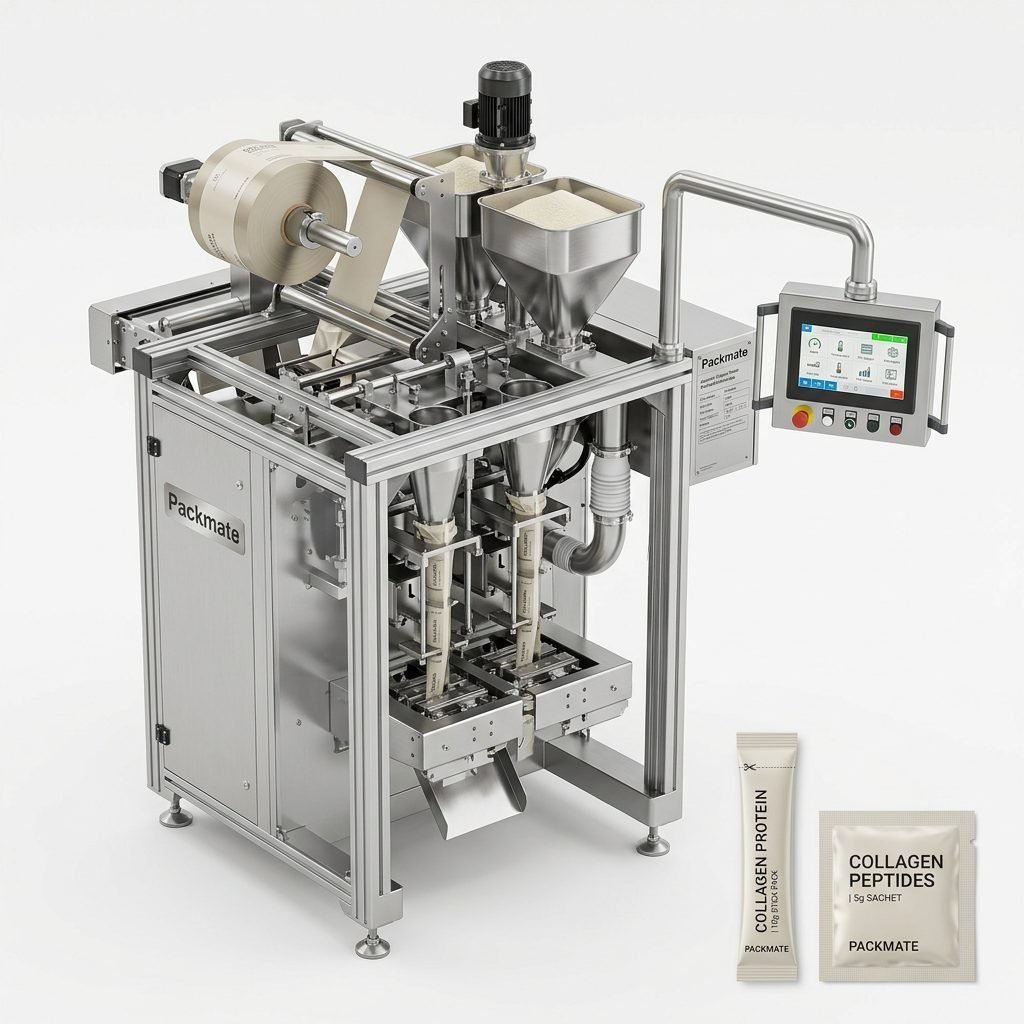
Different products demand specialized packaging solutions. For granular items like coffee, sugar, or seeds, multi-lane vertical form-fill-seal (VFFS) machines offer unparalleled speed. For powders, such as milk powder or protein supplements, machines with auger fillers and dust extraction systems are essential to maintain accuracy and a clean production environment. Liquid products, including sauces and oils, require piston or pump fillers integrated with liquid-tight sealing systems.
Companies like Packmate Machinery exemplify this specialization. With over 30 years of expertise, they have developed a portfolio of more than 50 machine models specifically engineered for these diverse product categories, from high-speed sachet and stick pack machines for single-serve portions to robust systems for larger bag formats.
The Critical Role of Automation and Smart Controls
Modern packaging services go beyond mechanical operation. The integration of Programmable Logic Controllers (PLCs), Human-Machine Interfaces (HMIs), and Industry 4.0 connectivity is what defines a top service provider. These smart controls allow for:
- Recipe Management: Quick changeover between products with stored parameters.
- Real-Time Monitoring: Tracking of output, efficiency (OEE), and downtime.
- Predictive Maintenance Alerts: Reducing unplanned stoppages by anticipating component wear.
- Data Logging: Providing traceability for quality assurance and compliance reports.
Beyond the Machine: The Value of Comprehensive Service
Purchasing a machine is only the first step. The most valuable packaging machine services encompass the entire lifecycle of the equipment. This begins with in-depth consultancy and line design, ensuring the proposed solution perfectly matches production volume, factory layout, and future scalability needs.
Service Spectrum: Top providers offer turnkey solutions. This includes installation, calibration, and comprehensive operator training. Following commissioning, a robust after-sales service network is crucial, offering readily available spare parts, remote technical support, and scheduled maintenance visits to guarantee long-term reliability and performance.
Case Study: Integrating a Full Turnkey Line
Consider a health supplement company aiming to package powdered vitamins into stick packs. A premier service provider would not only supply the high-speed stick pack machine but also integrate it with a precision powder filler, a checkweigher to reject under/overweight packs, and a cartoning system. They would manage the entire installation, synchronize the PLCs across all units, and train the staff on operating the complete, seamless line. This end-to-end responsibility, as demonstrated in Packmate’s project cases, minimizes client risk and accelerates time-to-market.
Ensuring Quality and Compliance
For industries like pharmaceuticals, nutraceuticals, and food, packaging services must adhere to stringent global standards. Machines must be constructed with food-grade stainless steel (e.g., 304 or 316L), feature easy-clean designs with minimal dead spots, and be capable of validating processes for standards like GMP, FDA, or CE. Reputable manufacturers invest in certifications and rigorous factory acceptance testing (FAT) to provide this assurance to their clients.
Future-Proofing Your Investment
The best packaging services help you plan for tomorrow. This involves selecting modular machines that can be upgraded or reconfigured, choosing suppliers committed to R&D and innovation, and considering the flexibility to handle new packaging materials or formats. A partner with a forward-looking vision, clear mission and strategy, ensures your investment remains productive for years to come.
Ultimately, the goal is to create a production line that is not just efficient but also agile, reliable, and intelligent. By partnering with a seasoned provider that offers robust machinery, deep application knowledge, and unwavering support—from the initial contact and consultation through to decades of operation—manufacturers can build a formidable competitive advantage centered on packaging excellence.
Frequently Asked Questions (FAQs)
Q1: What is the most important factor when choosing a packaging machine service?
The most critical factor is finding a provider that offers a complete, integrated solution tailored to your specific product and output goals, backed by strong after-sales support and service, rather than just selling individual machines.
Q2: How can I minimize downtime on my packaging line?
Minimize downtime by selecting machines with high reliability ratings, ensuring comprehensive operator training, implementing a scheduled preventive maintenance program, and choosing a supplier with a fast-response service network and readily available spare parts.
Q3: Can one machine handle different packaging sizes or products?
Yes, many modern machines are designed for quick changeover. Look for models with tool-free adjustments, digital size change recall (via PLC recipes), and modular components to switch between different pouch sizes or product types efficiently.
Q4: What should I look for to ensure food-grade or pharmaceutical compliance?
Ensure the machine contact parts are made of certified food-grade stainless steel (like 316L), the design has smooth surfaces for easy cleaning (CIP/SIP capabilities where needed), and the manufacturer can provide documentation and validation support for relevant standards (GMP, FDA, CE).
Q5: Is after-sales support really that important?
Absolutely. The quality of after-sales support directly impacts your total cost of ownership and line uptime. Essential support includes technical assistance, training refreshers, preventive maintenance services, and a reliable supply of genuine spare parts to keep your line running optimally for its entire lifespan.