In the fast-paced world of modern manufacturing and distribution, efficiency and product protection are paramount. This is where the automatic shrink packaging machine becomes an indispensable asset. This comprehensive guide will delve into the various types of automatic shrink packaging machines, their extensive uses across industries, and the significant benefits they offer to businesses aiming to streamline their operations and enhance their product presentation.
Understanding Automatic Shrink Packaging Machines
An automatic shrink packaging machine is a system designed to wrap products in a loose sleeve or bag of plastic film, which is then heated to cause the film to shrink tightly around the product’s contours. This process creates a secure, tamper-evident, and visually appealing package. The automation refers to the machine’s ability to perform the feeding, sealing, and shrinking processes with minimal human intervention, significantly boosting production line speed and consistency.
Core Components: A typical automatic shrink packaging system consists of several key parts: an L-bar sealer or a sleeve wrapper to form the film around the product, a heat tunnel (or shrink tunnel) where controlled heat is applied to activate the film’s memory, and a conveyor system to transport products seamlessly through each stage.
Primary Types of Automatic Shrink Packaging Machines
The market offers several configurations to suit different product shapes, volumes, and packaging requirements. Choosing the right type is crucial for optimal performance.
1. L-Sealer with Shrink Tunnel
This is one of the most common and versatile setups. Products are placed manually or automatically onto the film. An L-shaped sealing bar descends to seal the film underneath and on one side, creating a loose bag. The product then moves into a conveyorized heat tunnel where the film shrinks tightly. This type is ideal for bundling multiple items (like beverage cans, software boxes, or food containers) and for individual packaging of medium-sized products.
2. Sleeve Wrapper (or Sleeve Packer)
Sleeve wrappers are designed for higher-speed applications. They form the film into a continuous tube. Products are fed into this tube, and a sealing mechanism creates a cross-seal behind the product and cuts the film, creating a sealed sleeve around each item. The sleeved products then pass through a shrink tunnel. This method is exceptionally efficient for packaging uniform, stable products like books, magazines, DVDs, and various consumer goods at high speeds.
3. Automatic Shrink Wrapping Systems with Integrated Feeders
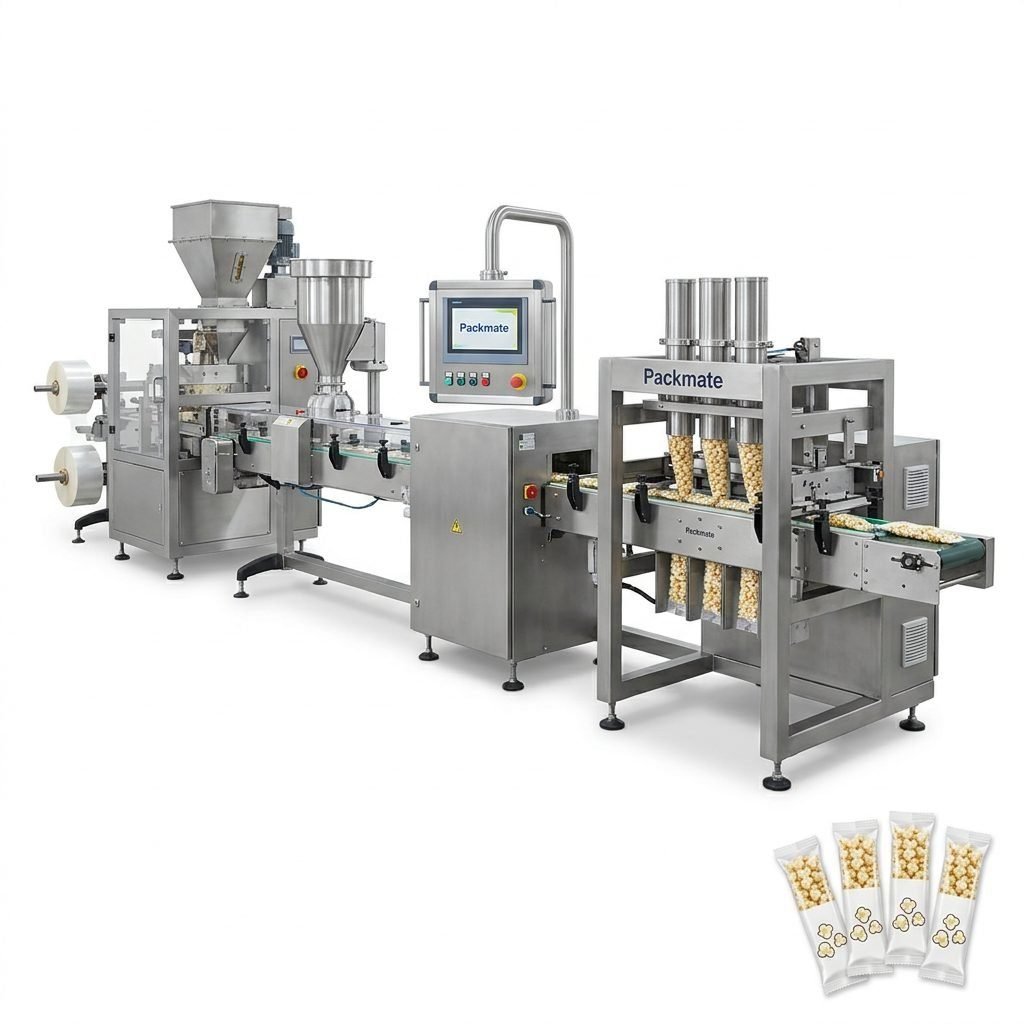
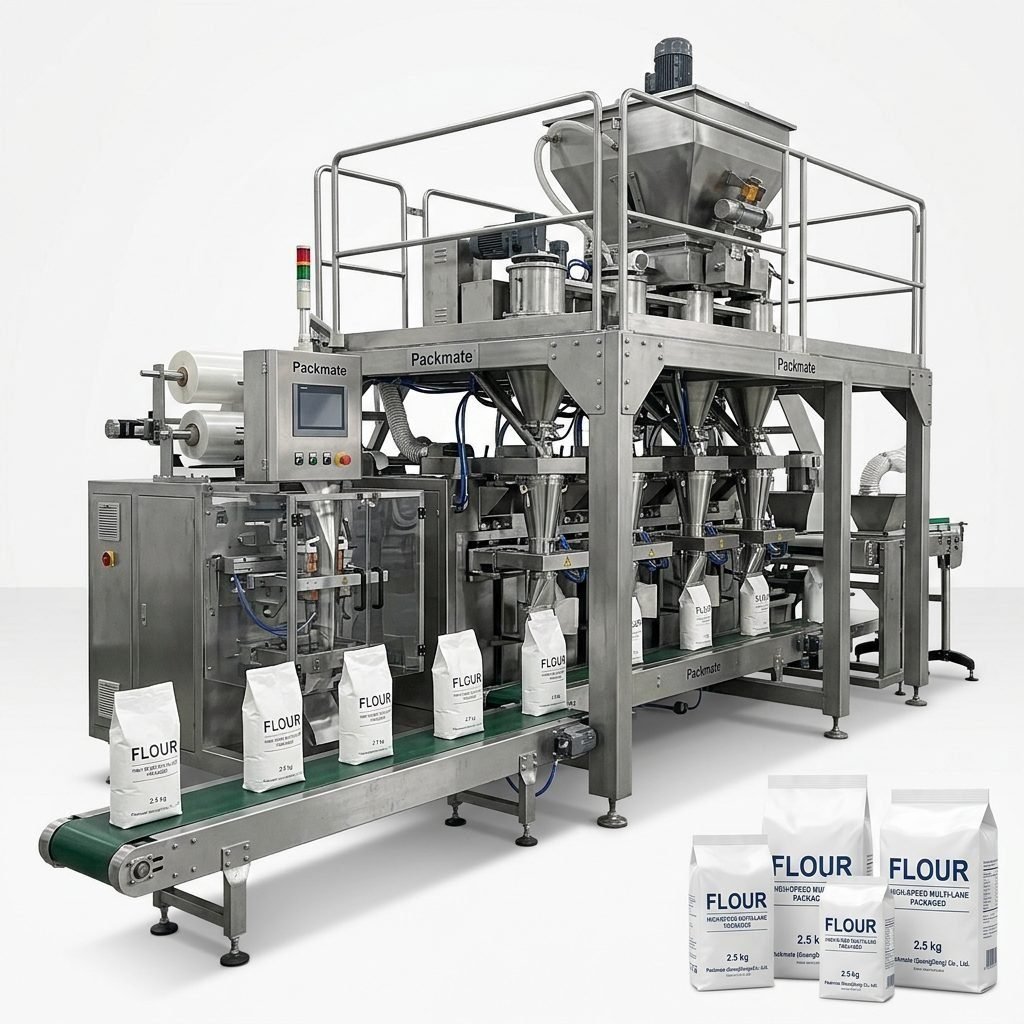
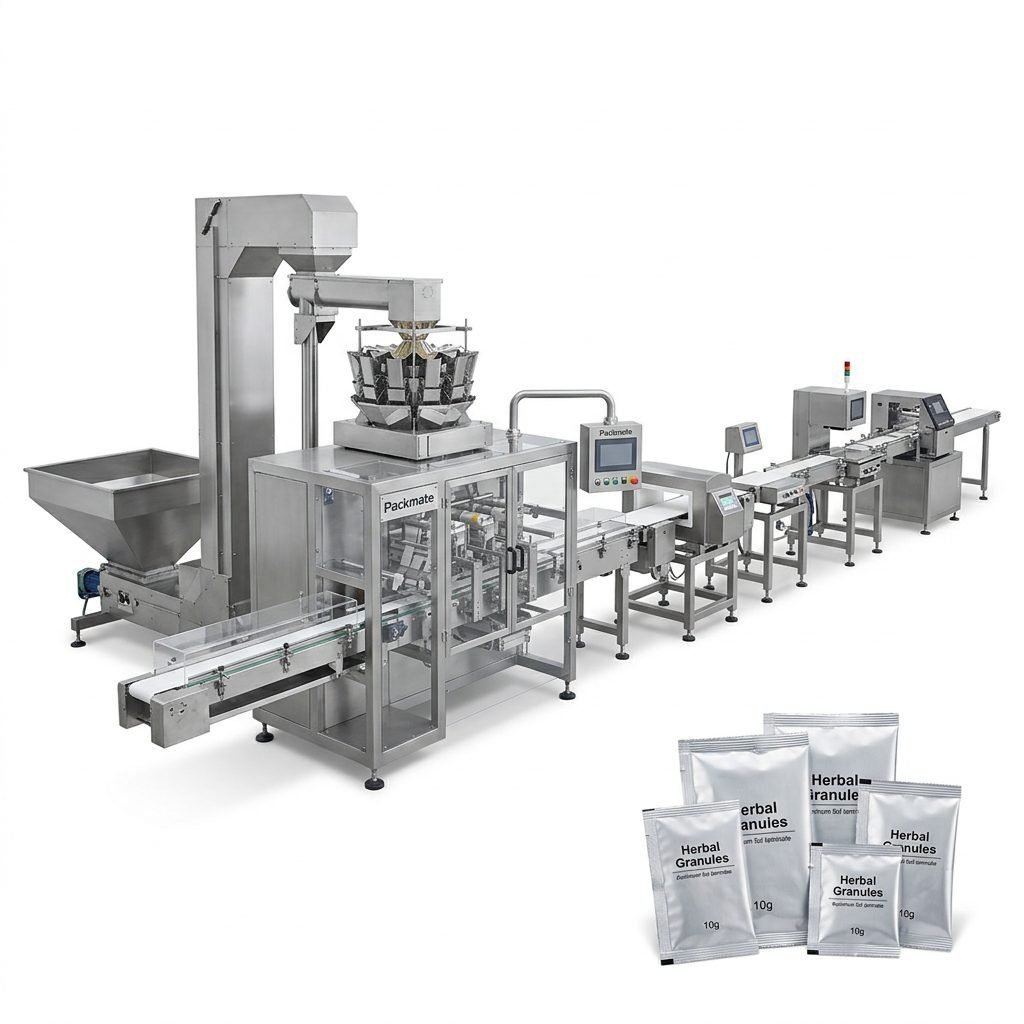
For the highest level of automation, these systems integrate product feeding, collating, wrapping, and shrinking into one seamless line. They often include robotic arms or specialized conveyors to organize products before they are wrapped. These are essential for large-scale operations in industries like food and beverage, pharmaceuticals, and logistics, where handling thousands of units per hour is standard. Companies like Packmate Machinery specialize in creating such integrated, turnkey packaging lines tailored to specific product needs.
Key Selection Criteria
When selecting a machine, consider your product dimensions and stability, required production speed (units per hour), the type of shrink film you plan to use (e.g., Polyolefin, PVC, PET), and the available factory floor space. Consulting with an experienced manufacturer can prevent costly mismatches.
Wide-Ranging Uses and Applications
The versatility of automatic shrink packaging makes it a favorite across countless sectors. Its primary functions are to protect, unitize, and improve the display of products.
Food & Beverage Industry: This is a major application area. Machines are used to bundle multi-packs of bottles, cans, and jars. They also wrap individual food trays, cheese blocks, and frozen food boxes, providing a hygienic barrier against moisture and contaminants. The clarity of modern shrink films also enhances product visibility on shelves.
Pharmaceutical & Healthcare: Here, the tamper-evident nature of shrink packaging is critical. It is used to seal medicine boxes, medical device kits, and sanitized products, ensuring integrity from the factory to the end-user. The process can also include labeling and lot-coding within the line.
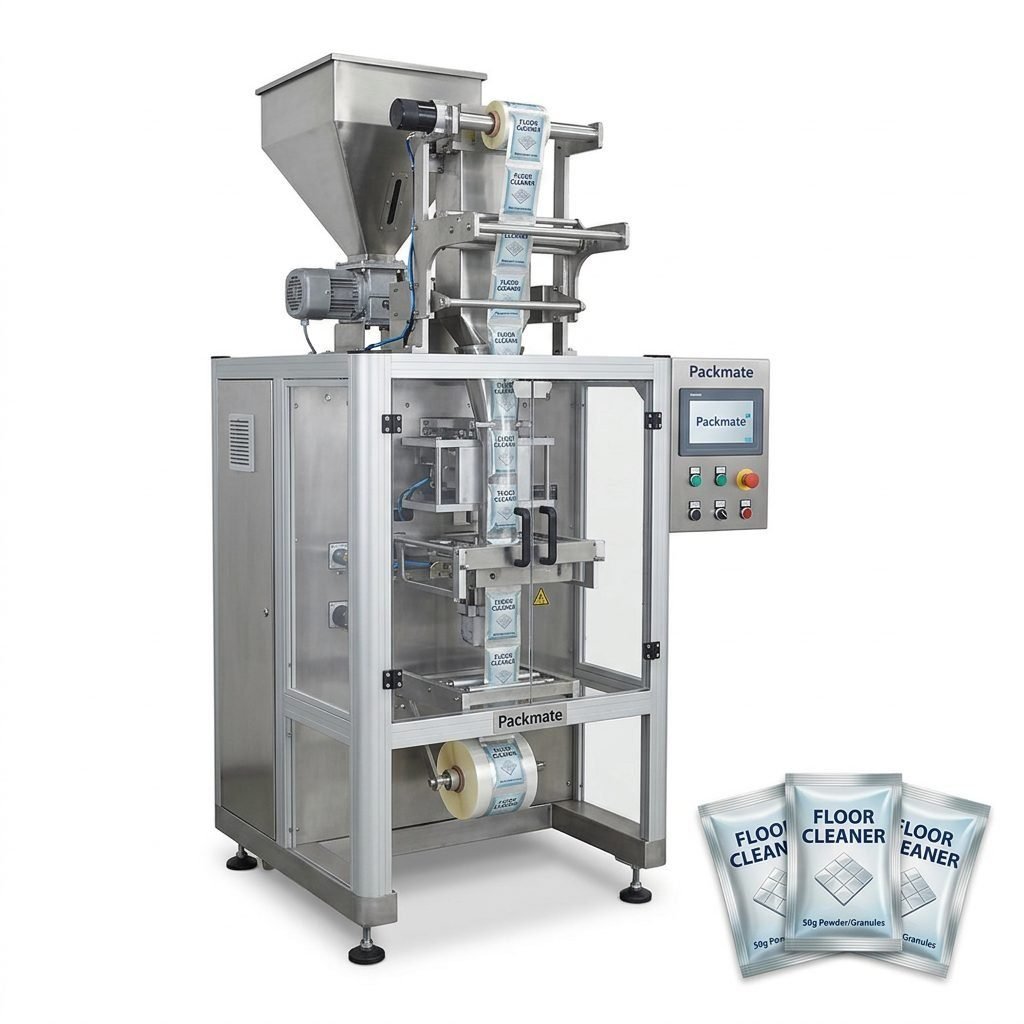
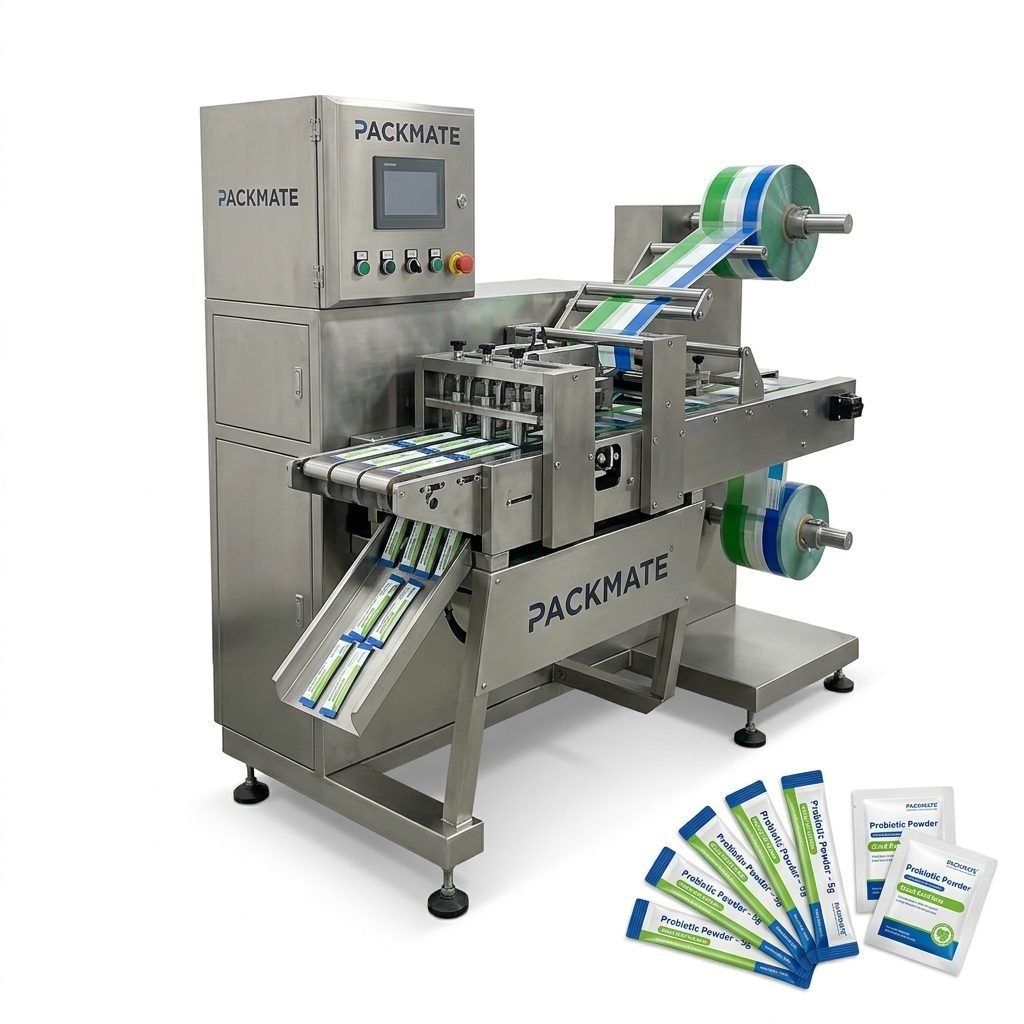
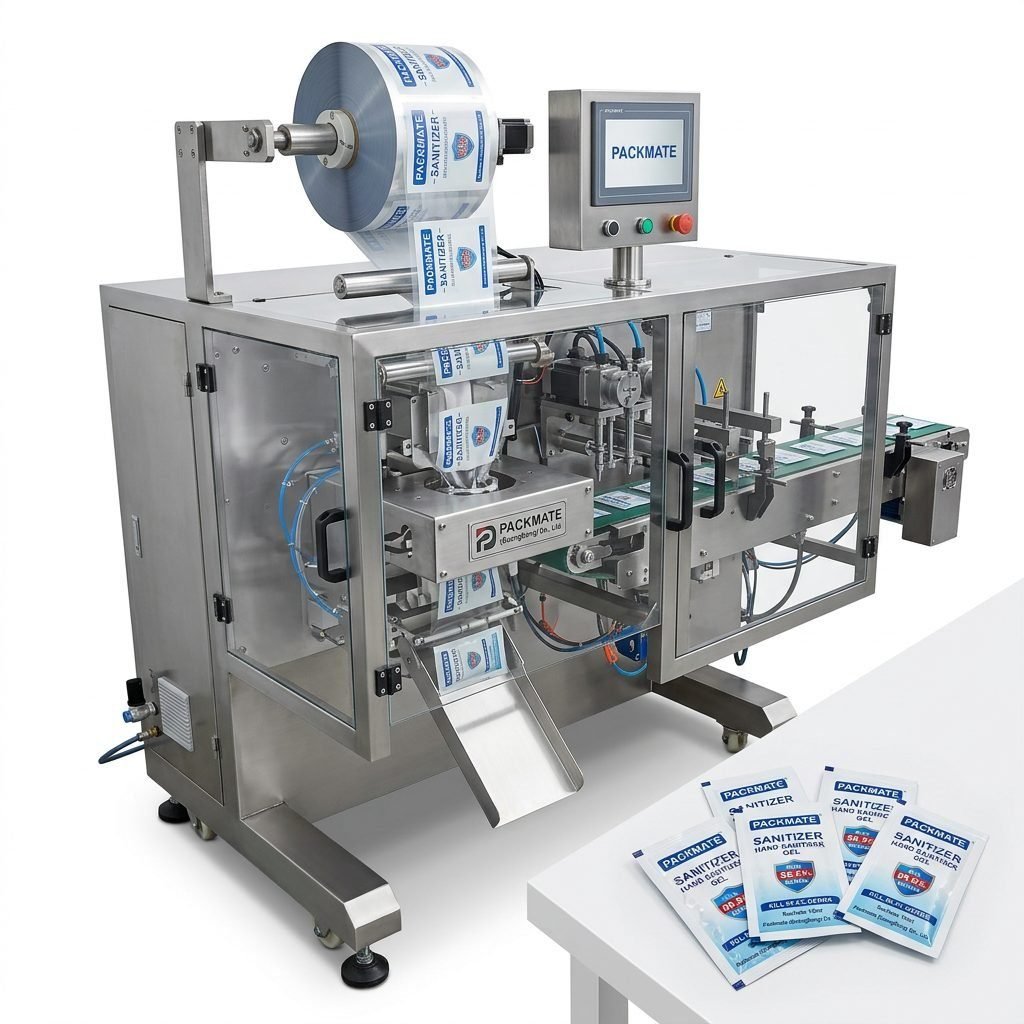
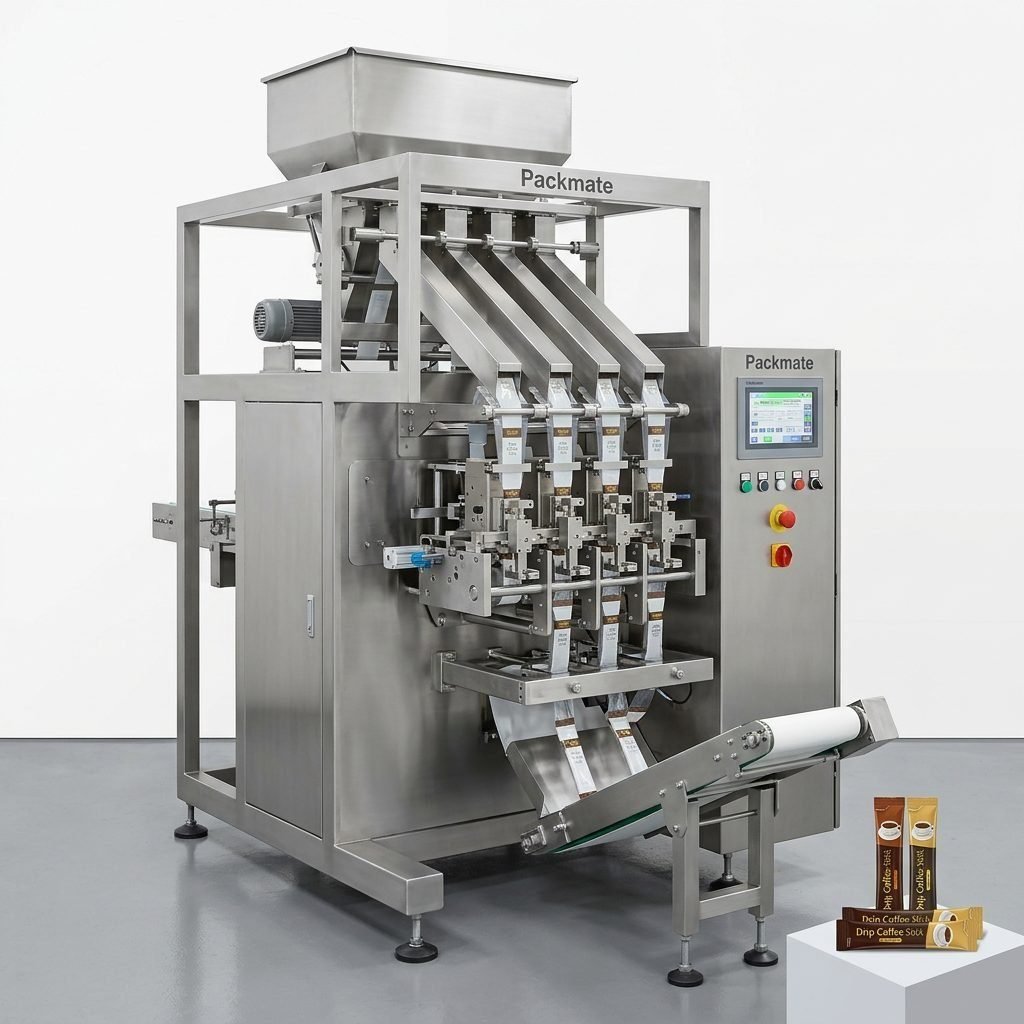
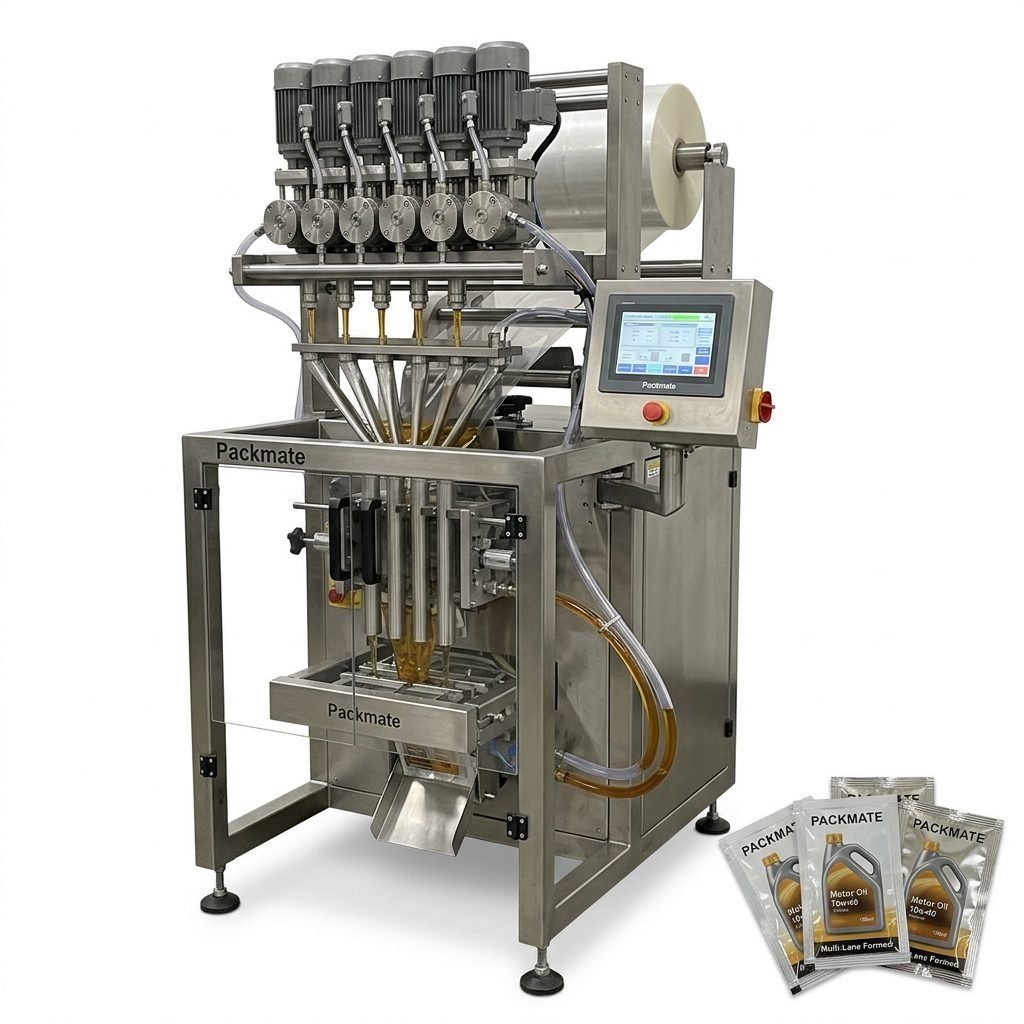
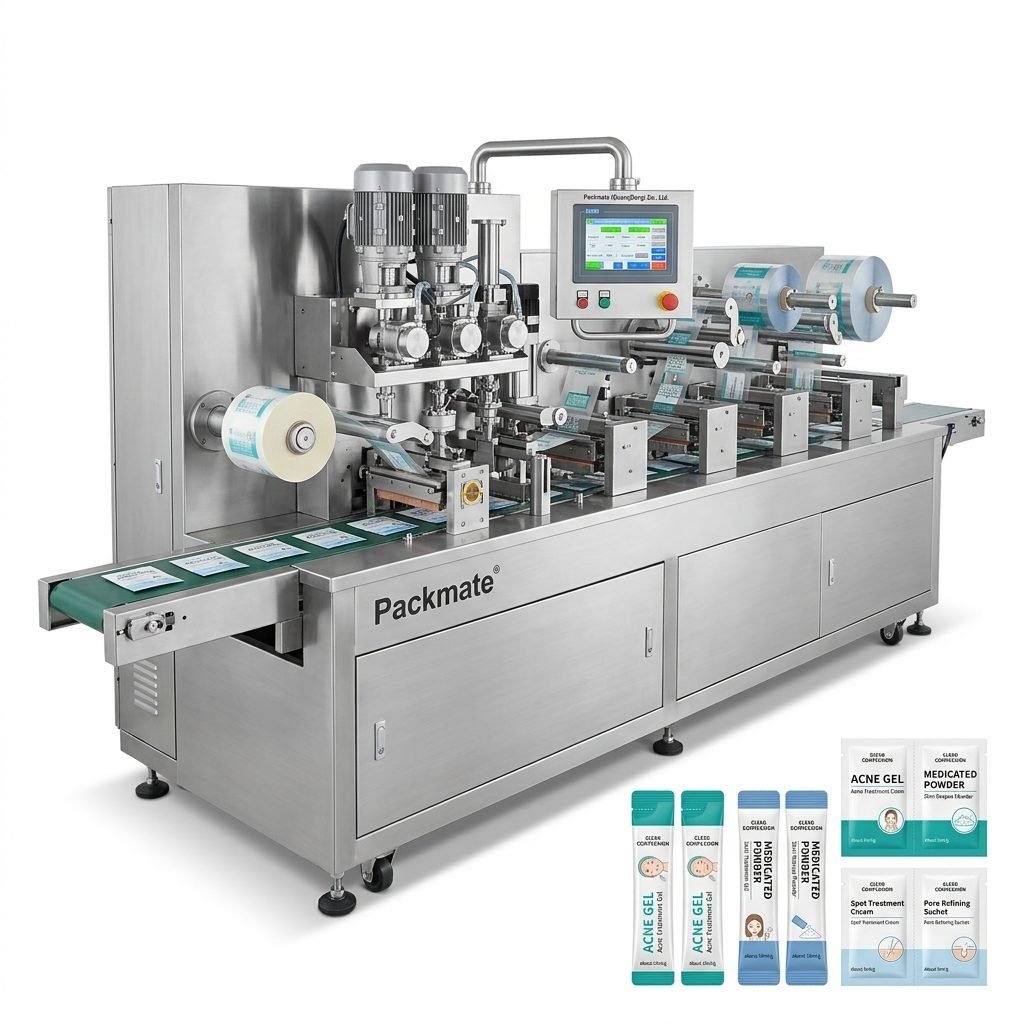
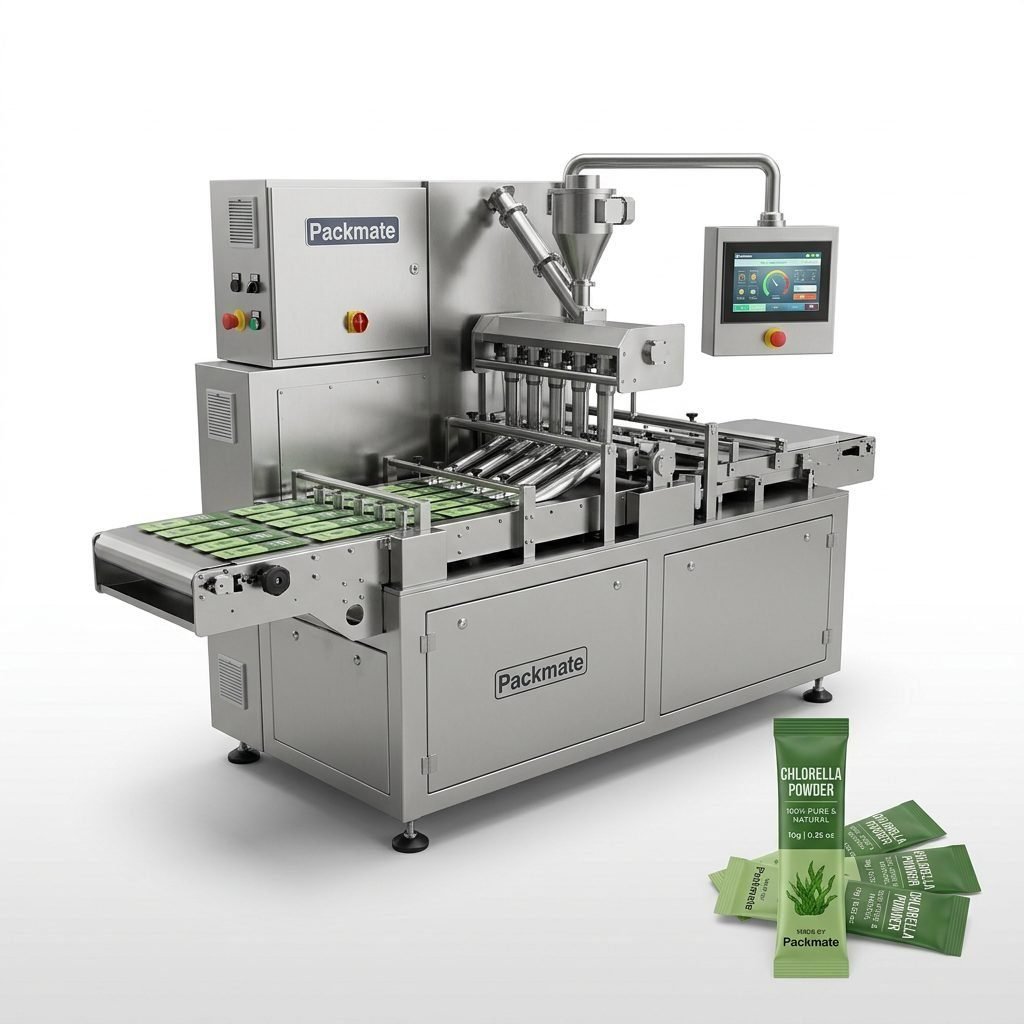
Consumer Goods & Retail: From software and electronics to toys and hardware, shrink wrapping protects products from dust, scratches, and pilferage. It is also extensively used for promotional bundling, where a primary product is packaged with a sample or accessory. Specialized machines, such as those for sachet and stick pack machines, often feed their output into shrink bundlers for final retail presentation.
Logistics & Distribution: Shrink wrapping stabilizes palletized loads for transport, preventing shifting and damage. It is a more flexible and cost-effective alternative to strapping or stretch wrapping for many types of cargo.
The Compelling Benefits of Automation
Investing in an automatic shrink packaging system delivers a strong return on investment through tangible operational improvements.
1. Dramatically Increased Productivity & Speed: Automation eliminates manual wrapping bottlenecks. Machines can consistently output hundreds, even thousands, of packaged units per hour, far surpassing manual capabilities and allowing businesses to scale operations efficiently.
2. Enhanced Consistency and Quality: Every package is identical. The machine applies the same amount of film, heat, and sealing pressure each cycle, resulting in a professional, high-quality finish that strengthens brand perception. There is no variability from operator fatigue or technique.
3. Significant Labor and Cost Savings: While there is an upfront capital cost, automatic systems drastically reduce long-term labor expenses. One operator can often oversee multiple machines, freeing staff for higher-value tasks. They also minimize film waste through precise cutting and sealing.
4. Superior Product Protection & Security: The tight, conforming seal protects against moisture, dirt, and UV light. It also acts as a tamper-evident shield, as any attempt to open the package is immediately visible, which is crucial for food, pharmaceuticals, and high-value goods.
5. Improved Sustainability (When Optimized): Modern machines can be paired with thinner-gauge, recyclable polyolefin films. Precise application reduces material usage compared to manual methods. Furthermore, protecting products from damage in transit reduces overall waste in the supply chain.
Choosing a reliable partner for your packaging automation is as important as choosing the right machine type. Manufacturers with deep expertise, like Packmate Machinery, bring over two decades of engineering experience. They don’t just sell equipment; they provide solutions backed by robust service and support, ensuring your investment delivers value for years to come.
Frequently Asked Questions (FAQs)
What types of shrink film work with these machines?
Most automatic systems are compatible with common center-folded shrink films like Polyolefin (POF), Polyvinyl Chloride (PVC), and Polyethylene (PE). The choice depends on required clarity, shrinkage percentage, strength, and food-contact compliance. Your machine supplier can recommend the best film for your product.
How much maintenance does an automatic shrink wrapper require?
Regular maintenance is minimal but essential for longevity. Daily tasks include cleaning the sealing bars and tunnel of debris. Periodic lubrication of moving parts and inspection of heating elements and seals should be performed as per the manufacturer’s manual. A quality machine from a reputable supplier is designed for easy maintenance.
Can one machine handle products of very different sizes?
Many machines offer adjustable settings for film width, sealing bar height, and tunnel temperature. However, frequent, drastic size changes may require manual adjustment and recalibration, which can cause downtime. For lines with highly variable products, discuss this with your supplier to find the most flexible configuration.
What is the typical lifespan of an automatic shrink packaging machine?
With proper operation and regular maintenance, a well-built automatic shrink packaging machine from a quality manufacturer can last 10 to 15 years or more. Critical factors include the build quality of components, the operating environment, and adherence to maintenance schedules.
Are these machines safe to operate?
Yes, modern machines are built with numerous safety features, including emergency stop buttons, thermal cut-offs, safety guards, and sometimes light curtains. Proper operator training on safety procedures is mandatory to prevent accidents, especially around heated components and moving parts.