In today’s competitive business landscape, efficient packaging is not just a necessity—it’s a strategic advantage. The right commercial packaging equipment can dramatically enhance your operational efficiency, reduce costs, and elevate your product’s market appeal. This guide explores the top solutions available, helping you make an informed decision to propel your business forward.
Understanding Your Packaging Needs
Before investing in any equipment, a thorough assessment of your specific requirements is crucial. Consider your product type—whether it’s granules, powders, liquids, or solids. Each category demands different handling and sealing technologies. Volume is another critical factor; high-output operations benefit from fully automated, multi-lane systems, while smaller batches might only need semi-automatic machines. Furthermore, the packaging material—be it film, foil, or laminate—dictates the sealing method (heat seal, ultrasonic, etc.). Aligning the machine’s capabilities with your product’s physical characteristics and your production goals is the first step toward a successful investment.
Key Factors for Equipment Selection
Choosing the right machinery involves balancing several factors. Speed and output directly impact your production capacity and ability to meet demand. Accuracy and precision are non-negotiable, especially in industries like pharmaceuticals or high-value food products, where consistent fill weight is mandated by law and consumer trust. Flexibility is increasingly important; a machine that can handle multiple package sizes or formats allows you to adapt to market trends without major capital reinvestment. Finally, consider the total cost of ownership, which includes not just the purchase price but also installation, maintenance, energy consumption, and potential downtime.
Top Commercial Packaging Equipment Categories
The market offers a diverse range of machinery, each designed for specific applications. Here are some of the most impactful solutions for modern businesses.
Vertical Form-Fill-Seal (VFFS) Machines
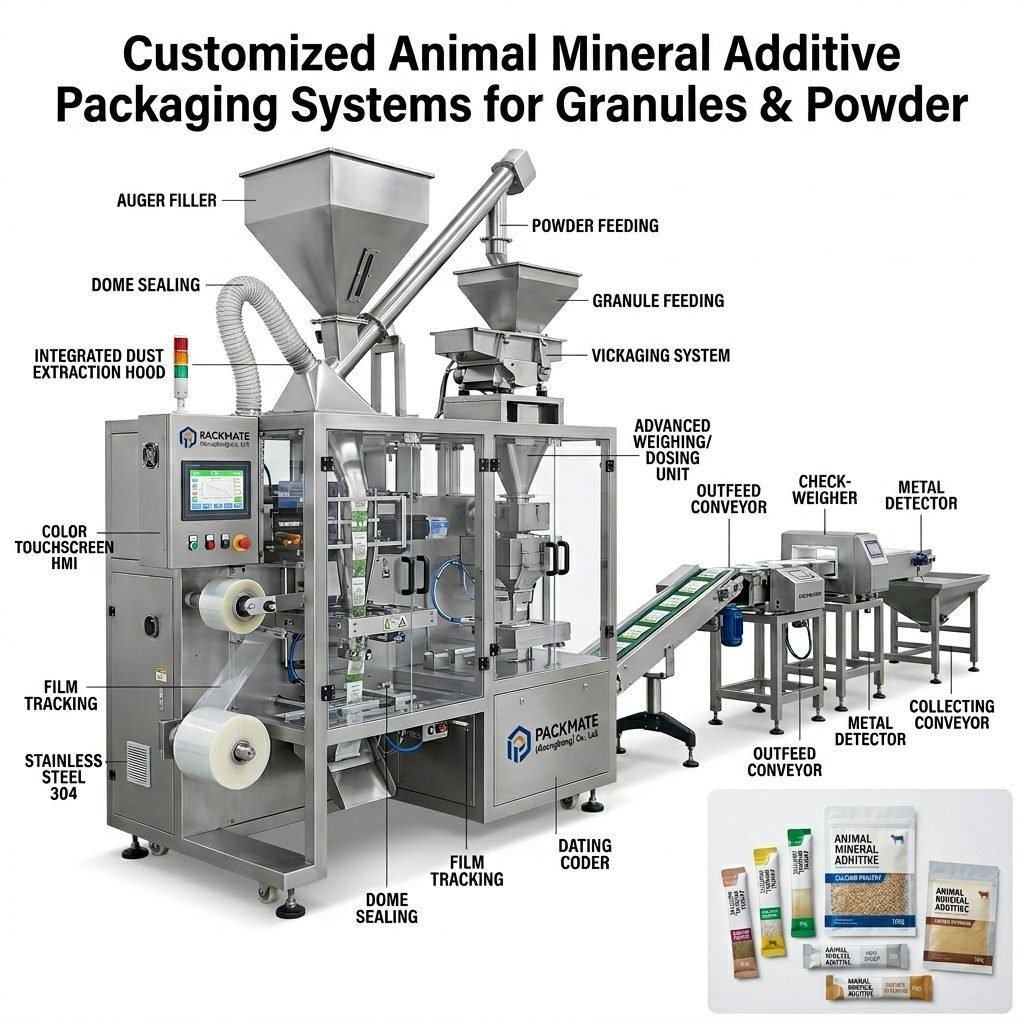
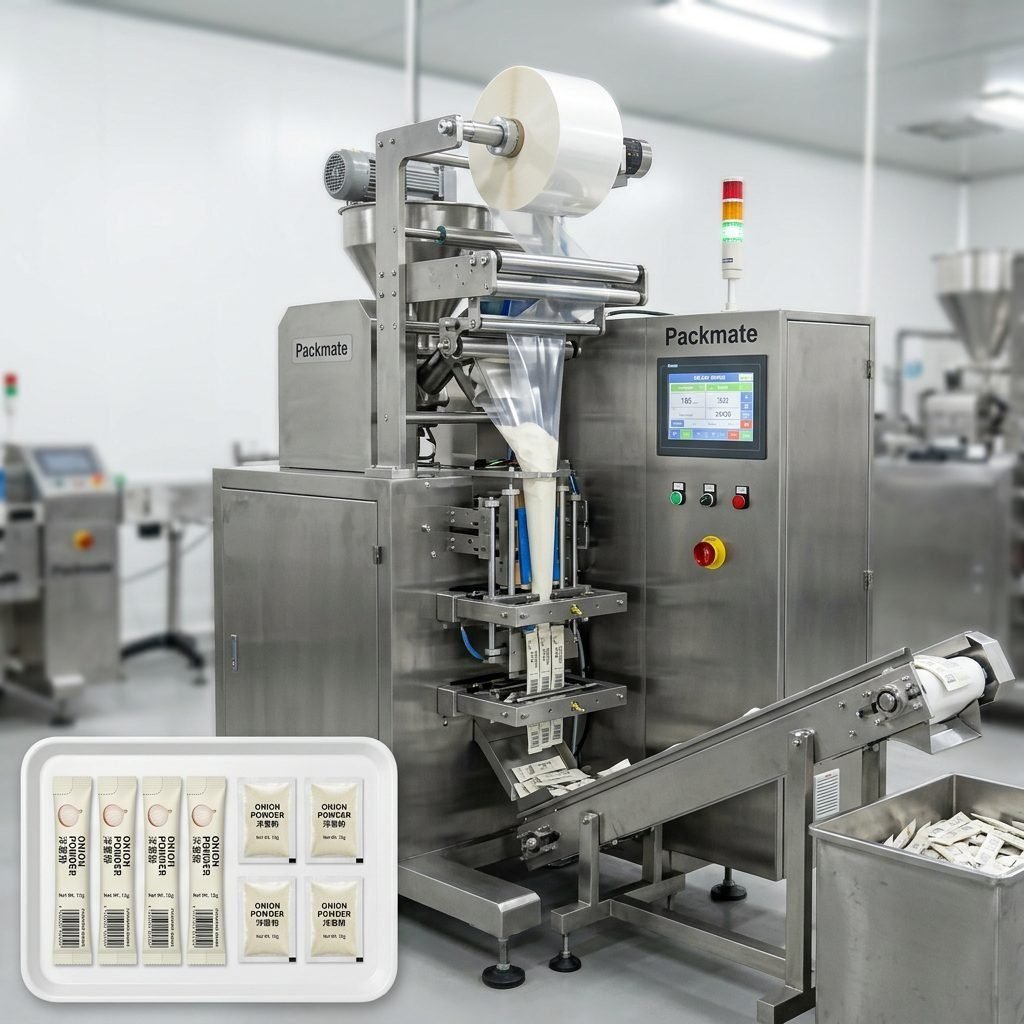
Vertical Form-Fill-Seal machines are the workhorses of the packaging industry. They create bags from a roll of film, fill them with product, and seal them in one continuous, vertical operation. Ideal for a vast array of dry products like snacks, coffee, and hardware components, VFFS machines are prized for their high speed, efficiency, and material savings. Modern VFFS systems integrate advanced weighing technology for unparalleled accuracy.
Horizontal Flow Wrappers
For products that require a more rigid presentation or need to be bundled, horizontal flow wrappers are the go-to solution. These machines wrap products in a single sheet of film, creating a tight, secure package. They are exceptionally versatile, handling everything from candy bars and bakery items to software boxes and multi-packs. The clean, professional finish they provide is excellent for retail shelf appeal.
Sachet and Stick Pack Machines
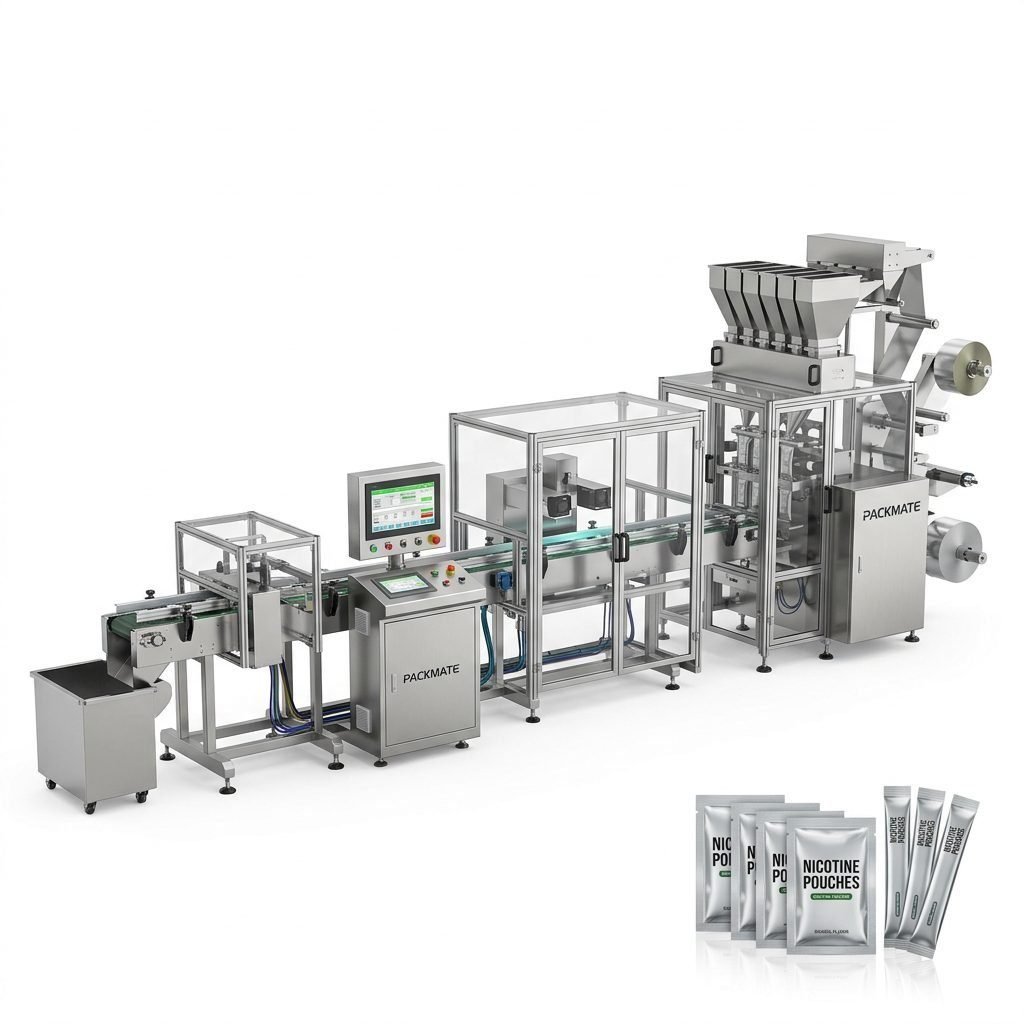
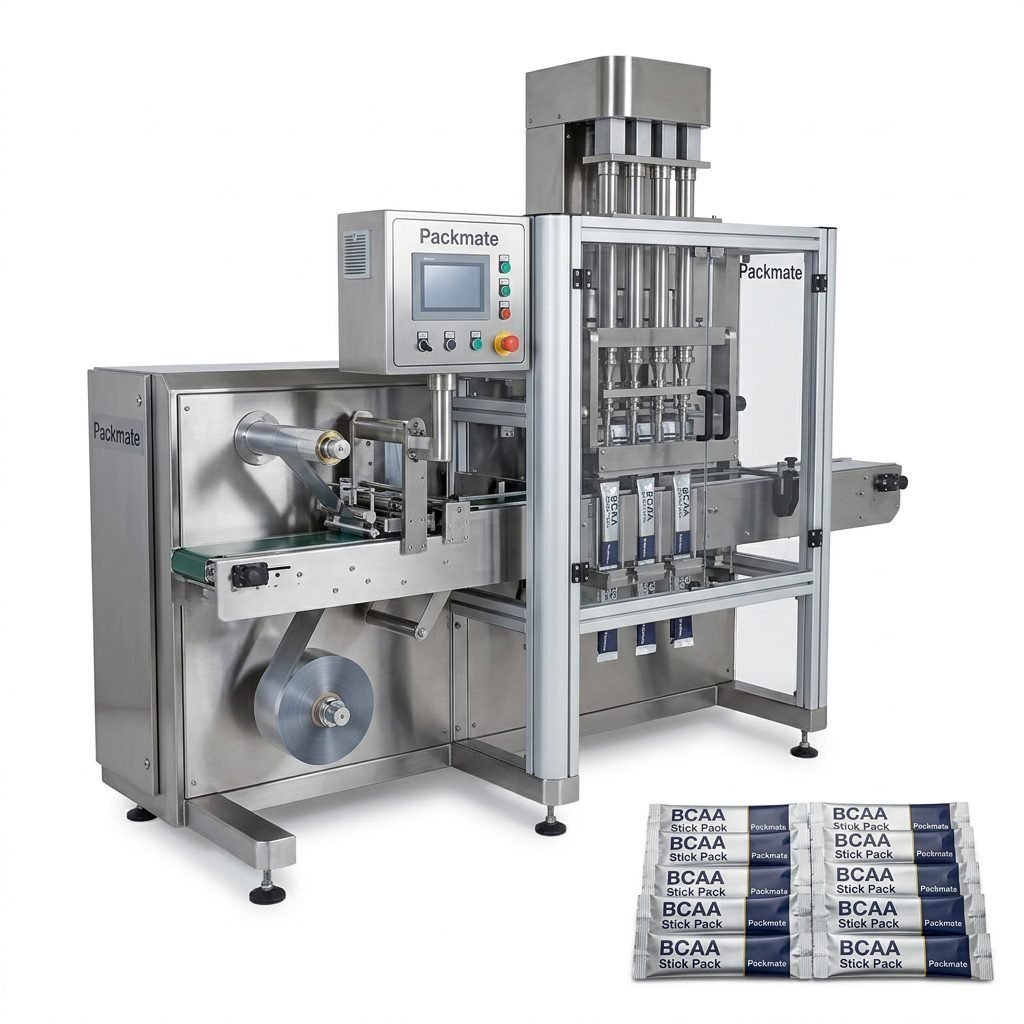
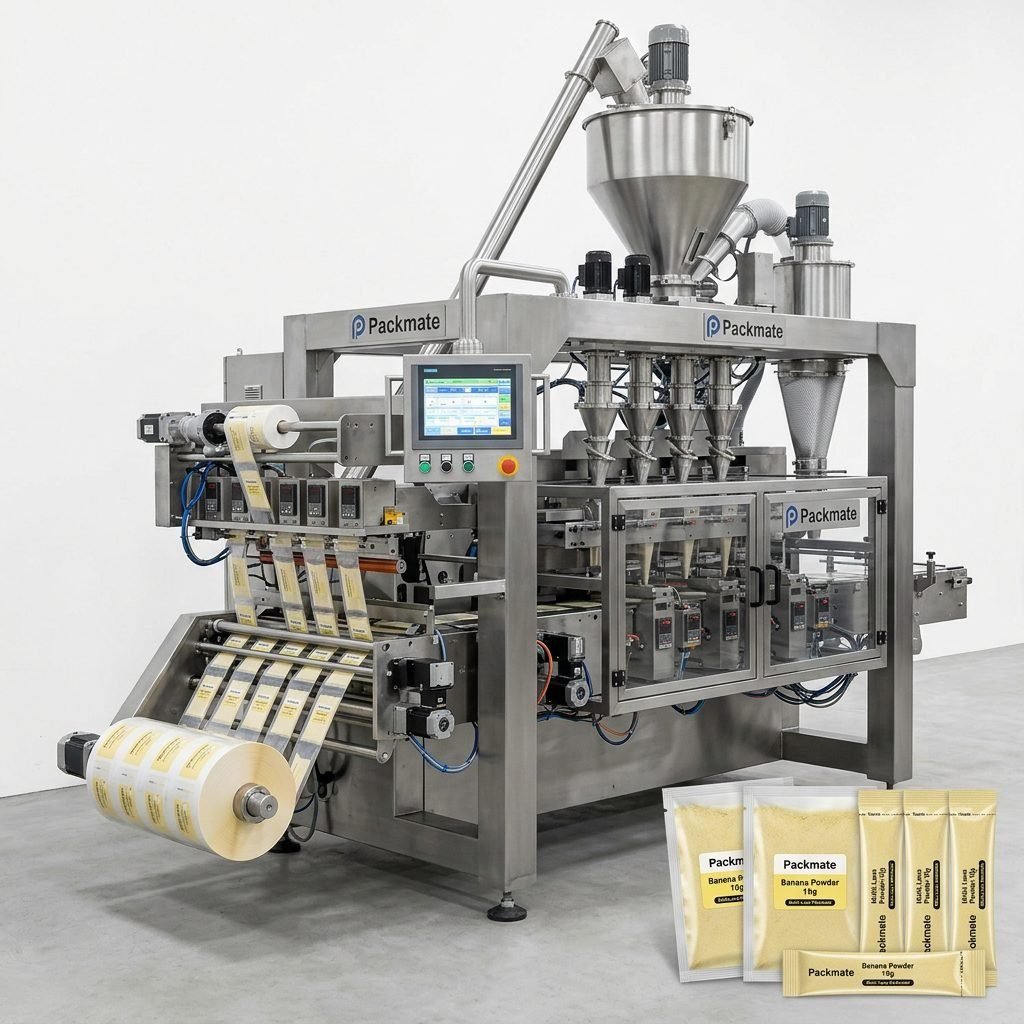
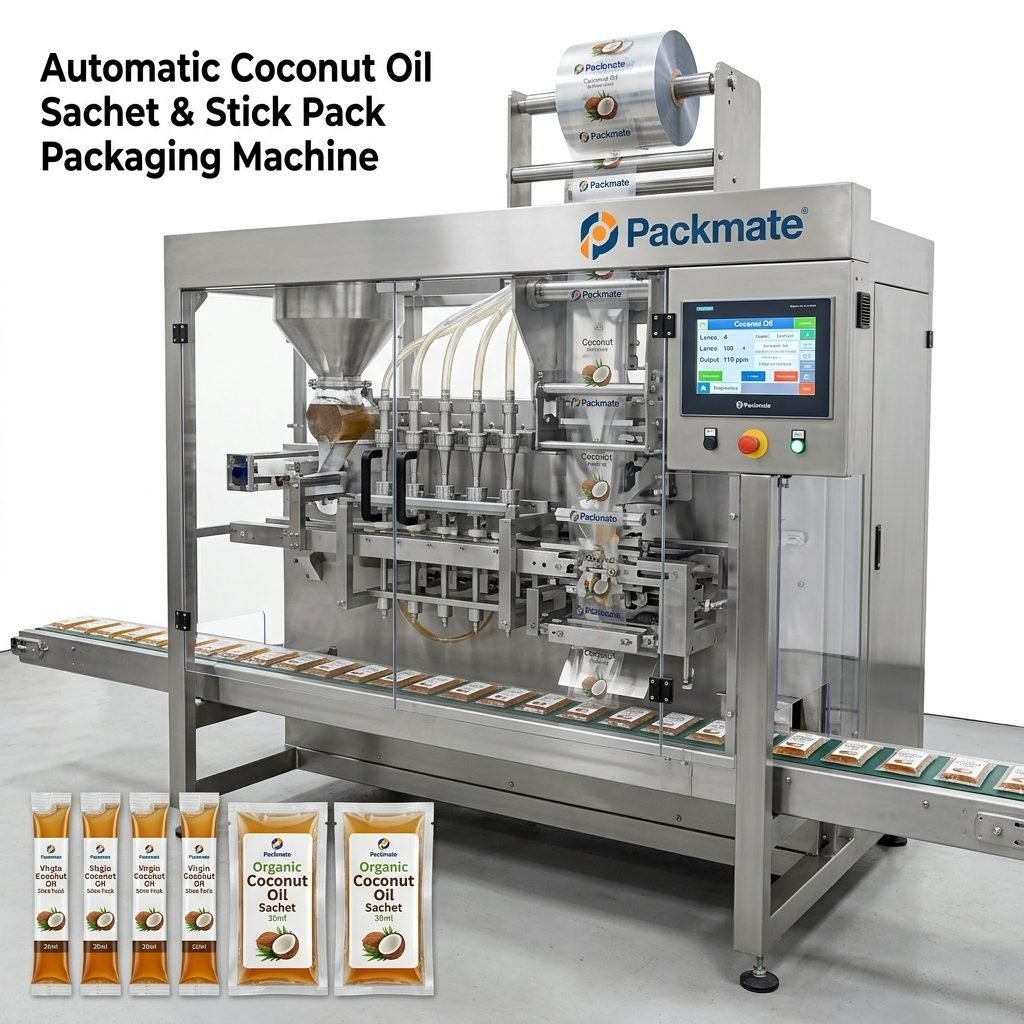
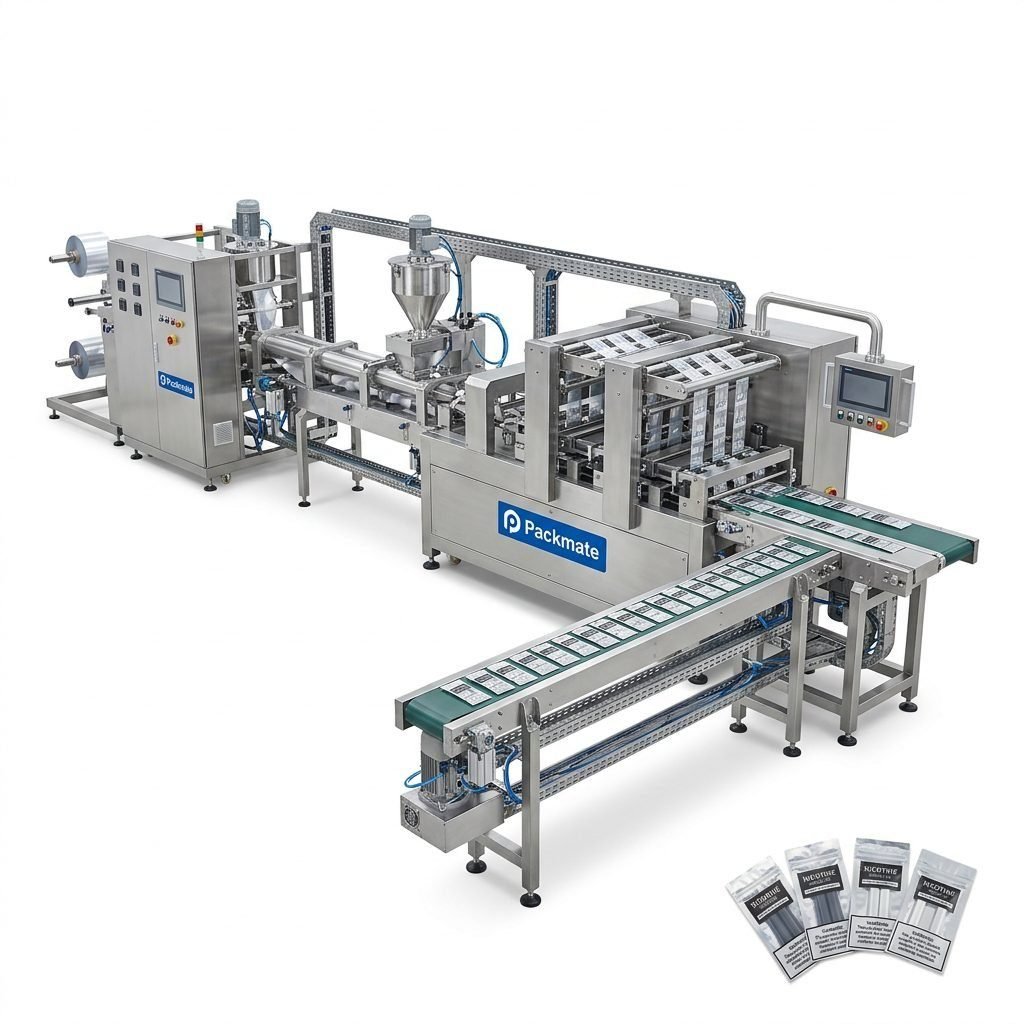
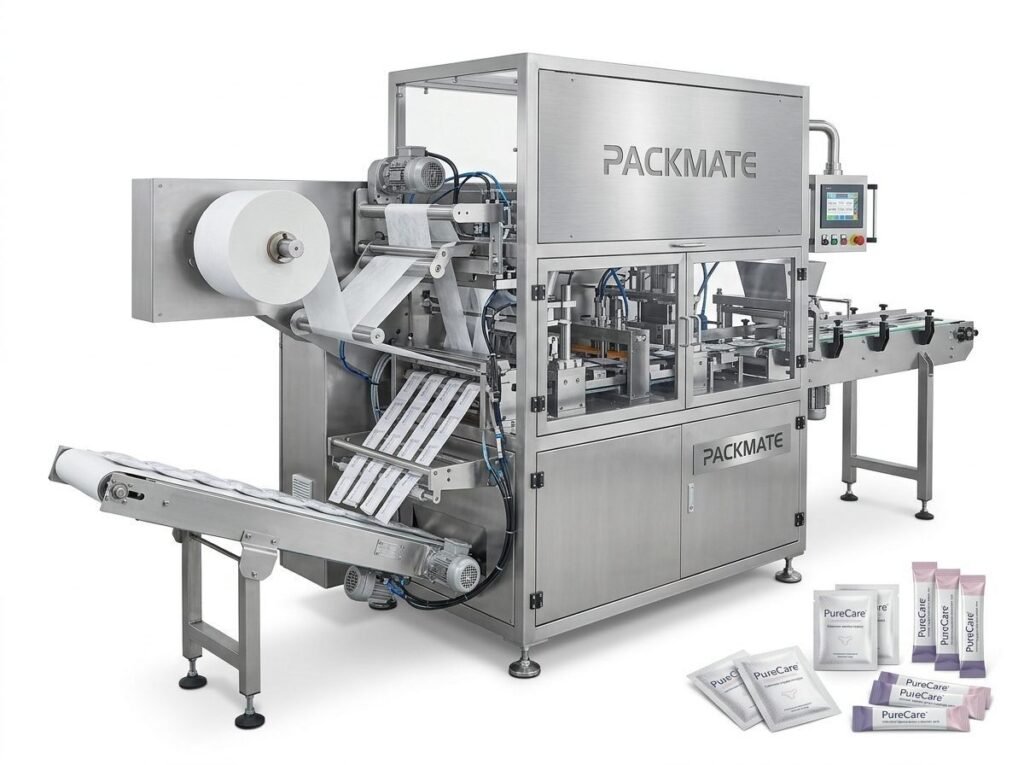
Driven by consumer demand for convenience and portion control, sachet and stick pack formats have exploded in popularity. Specialized machines, like those developed by industry leaders such as Packmate Machinery, are engineered for high-speed production of these small, single-serve packages. Perfect for condiments, instant beverages, pharmaceuticals, and cosmetics, these machines often feature multi-lane designs to maximize output. You can explore their specific solutions for Sachet & Stick Pack Machines.
Liquid and Pouch Filling Lines
The liquid packaging sector requires robust solutions to handle viscosities ranging from water to pastes. Automated pouch filling lines combine form-fill-seal technology with precise liquid dispensers. These systems are essential for products like sauces, dairy, detergents, and oils. Key considerations include the filling mechanism (piston, gravity, pump) and the ability to maintain hygiene and prevent dripping or oxidation.
Weighing and Bagging Systems
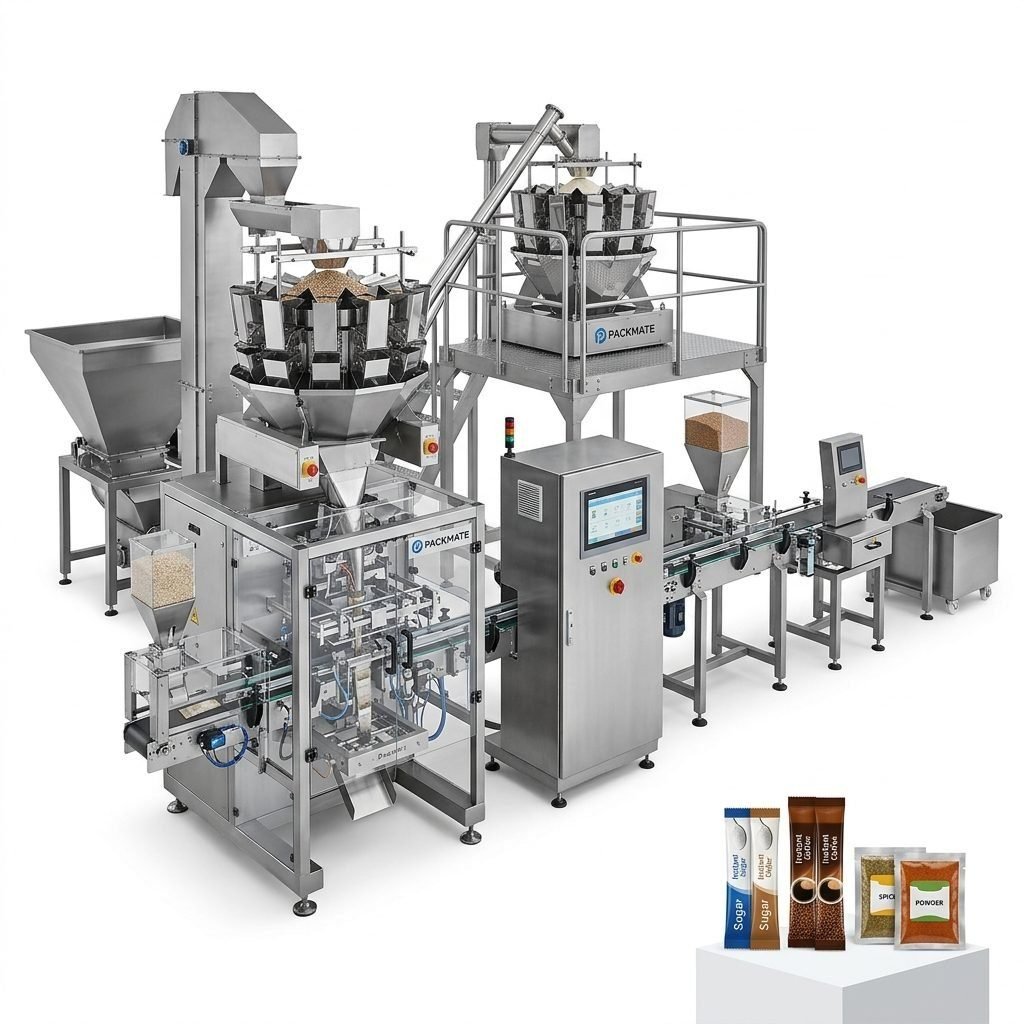
Accuracy is paramount in many industries. Integrated weighing and bagging systems combine multi-head weighers or linear weighers with automated baggers. This ensures each package contains the exact weight promised, crucial for compliance and customer satisfaction. These systems are a cornerstone for packaging nuts, seeds, frozen vegetables, and other free-flowing products. For comprehensive systems, consider Weighing & Packaging Systems.
The Value of Automation and Integration
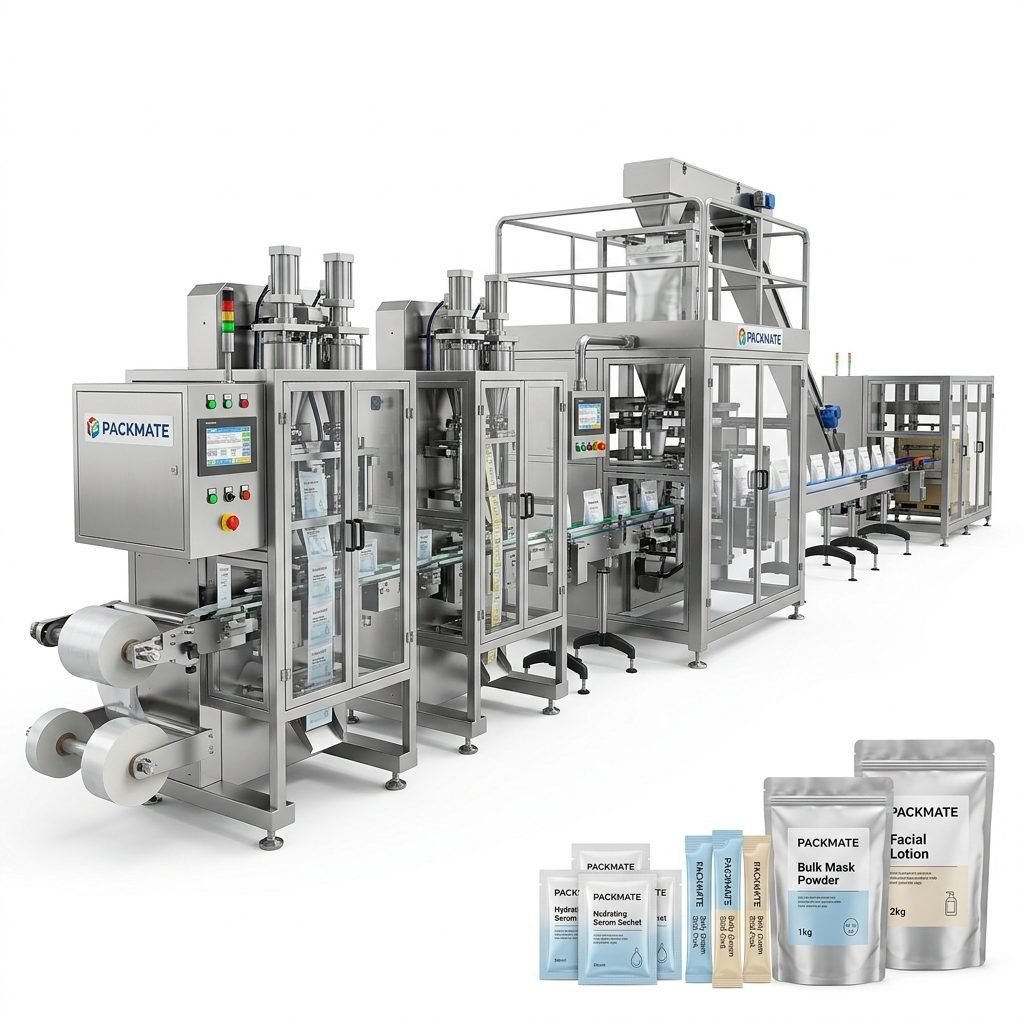
Moving from semi-automatic to fully automated packaging lines represents a significant leap in productivity. Automation minimizes human error, increases consistent output, and improves worker safety by handling repetitive and physically demanding tasks. The real power, however, lies in integration. A turnkey packaging line that seamlessly connects filling, sealing, labeling, and cartoning operations creates a synchronized production flow. This reduces bottlenecks, simplifies management, and provides a single point of responsibility for service and support. Companies like Packmate specialize in delivering these complete Filling & Packaging Lines.
Smart Features in Modern Equipment
Today’s top-tier packaging equipment goes beyond mechanics. Industry 4.0 features such as IoT connectivity, touch-screen HMIs (Human-Machine Interfaces), and data logging are becoming standard. These features allow for remote monitoring, predictive maintenance, and detailed production analytics, enabling data-driven decisions to optimize efficiency further.
Selecting a Reliable Equipment Partner
Your packaging equipment is a long-term investment, and the manufacturer you choose is as important as the machine itself. Look for a partner with a proven track record and substantial experience. For instance, Packmate (GuangDong) Co., Ltd. brings over 30 years of expertise in designing and manufacturing intelligent packaging solutions. A partner should offer robust after-sales service, readily available spare parts, and comprehensive training. Reviewing their case studies and client testimonials can provide valuable insight into their reliability and the real-world performance of their equipment.
Global Support and Customization
If your business operates or plans to expand internationally, a supplier with a global support network is invaluable. Furthermore, the ability to provide customized solutions—modifying a standard machine to fit your unique product or space constraints—is a hallmark of a superior equipment partner. This flexibility ensures the solution fits your process perfectly, rather than forcing you to adapt your process to the machine.
Conclusion: Packaging as a Growth Engine
Investing in the right commercial packaging equipment is a strategic decision that impacts your bottom line, brand perception, and scalability. From high-speed VFFS machines to precise multi-lane sachet packers, the optimal solution aligns with your specific product, volume, and future goals. By prioritizing accuracy, flexibility, and automation, and by partnering with an experienced and reliable manufacturer, you can transform your packaging line from a cost center into a powerful engine for business growth and customer satisfaction.
Frequently Asked Questions (FAQ)
1. What is the most important factor when choosing packaging equipment?
The most critical factor is matching the machine’s capabilities to your specific product characteristics and production volume. A machine perfect for powdered milk may be entirely unsuitable for viscous shampoo. A detailed product and production analysis is essential before any purchase.
2. How can I justify the cost of automated packaging machinery?
Justification comes from calculating the Return on Investment (ROI). Consider savings from reduced labor costs, lower material waste from improved accuracy, increased output leading to higher sales capacity, and reduced costs from fewer errors and product giveaways. The payback period is often shorter than anticipated.
3. What maintenance do commercial packaging machines require?
Regular preventative maintenance is key to longevity and avoiding costly downtime. This typically includes daily cleaning, lubrication of moving parts as specified by the manufacturer, inspection of seals and cutting blades, and calibration of weighing systems. Always follow the manufacturer’s maintenance schedule.
4. Can one machine handle different package sizes?
Many modern machines are designed with quick-changeover features, allowing you to switch between different package sizes or formats with minimal tooling and downtime. This flexibility is a valuable feature for businesses with multiple product lines.
5. Where can I see examples of these machines in operation?
Reputable manufacturers often provide video case studies or have showrooms. You can view real-world applications and machine demonstrations by visiting a manufacturer’s project portfolio, such as the case study section on Packmate’s website, to see equipment solving practical packaging challenges.