In the dynamic world of manufacturing and product distribution, the role of packaging equipment is absolutely critical. It’s the bridge between production and the consumer, ensuring products are protected, preserved, and presented perfectly. This guide delves into the comprehensive universe of general packaging equipment and solutions, exploring the machinery, technologies, and strategic considerations that drive modern packaging lines. Whether you are a startup or an established enterprise, understanding these systems is key to optimizing efficiency, reducing costs, and maintaining product integrity.
Understanding Core Packaging Equipment Types
The foundation of any packaging operation lies in its core machinery. These systems are designed for specific functions and product types.
Filling Machines: Precision and Speed
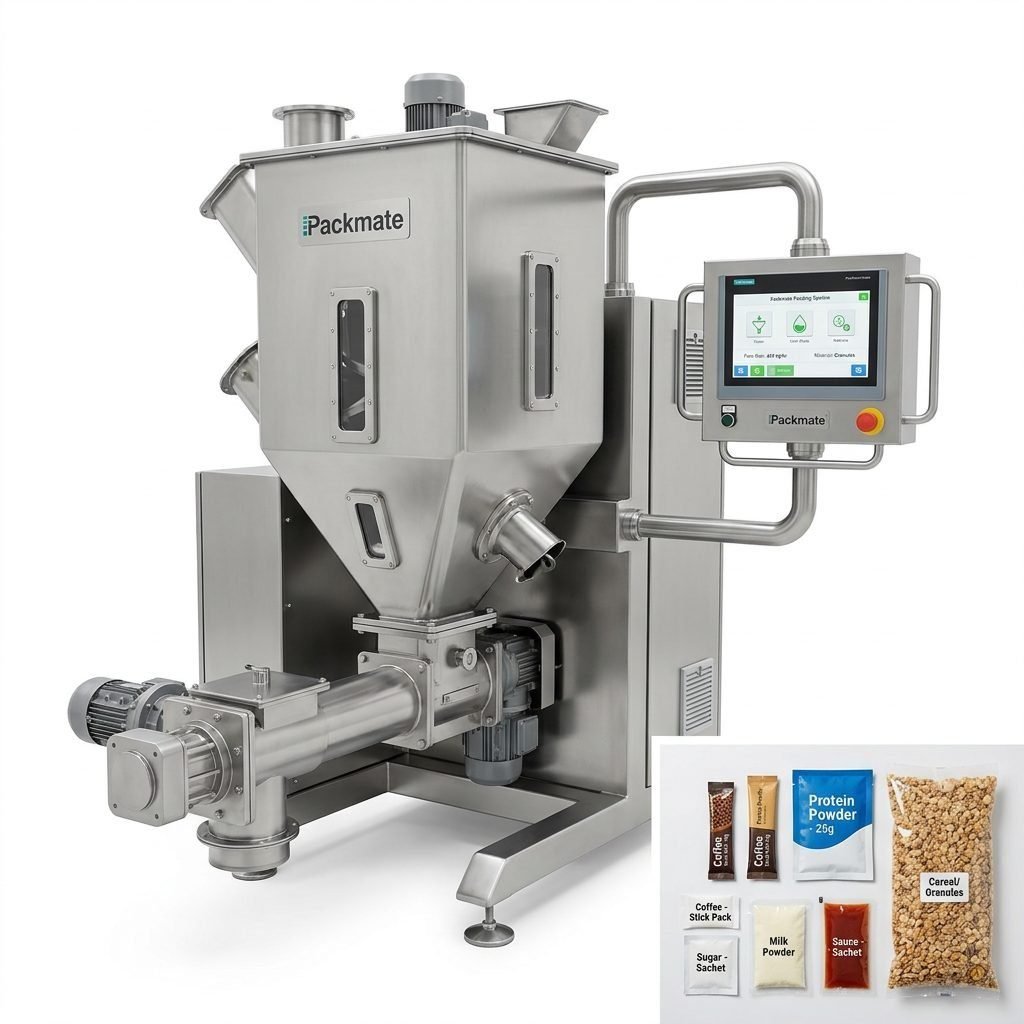
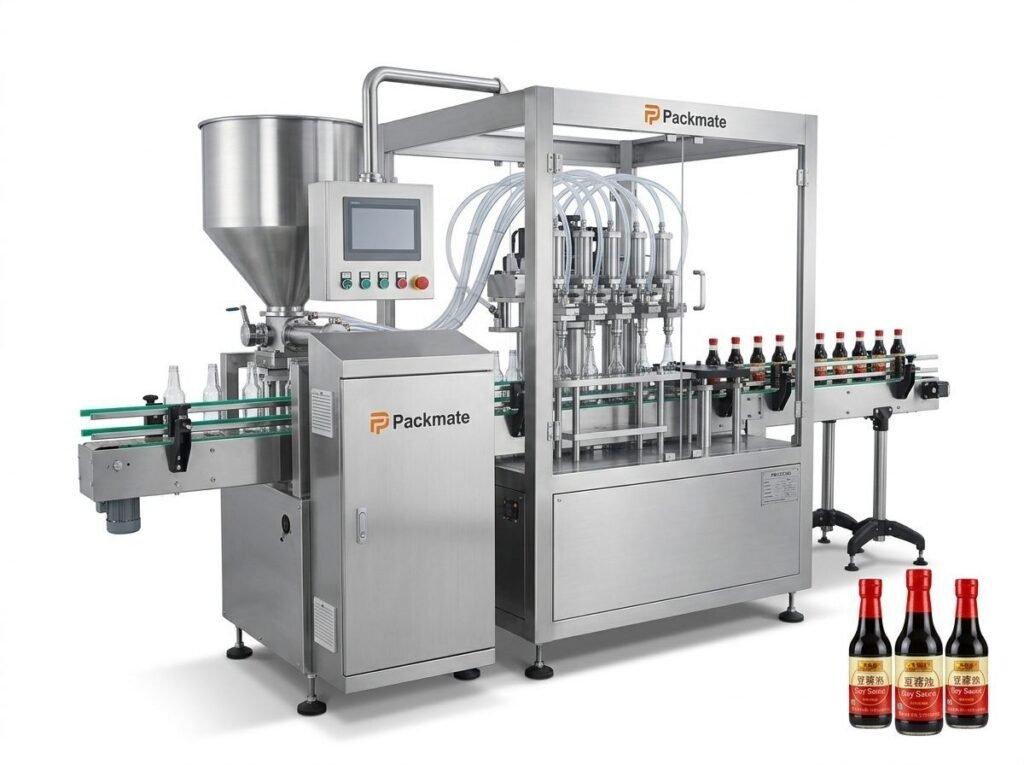
Filling machines are responsible for accurately dispensing product into containers, pouches, or sachets. The technology varies significantly based on the product’s form. For liquids and creams, piston fillers and gravity fillers are common, offering high-speed, drip-free performance. Granules and powders require auger fillers or cup fillers, which handle these free-flowing materials with precision to minimize waste. For sticky or viscous products, specialized pumps ensure consistent fill volumes. Choosing the right filler is the first step toward a reliable packaging line, impacting both speed and accuracy directly.
Sealing and Closing Equipment
Once a product is filled, it must be securely sealed. This category includes a wide array of machines. Heat sealers are ubiquitous for flexible packaging like pouches and sachets, using controlled heat and pressure to create a hermetic seal. For rigid containers, capping machines apply screw caps, snap-on lids, or press-on closures at high speeds. Induction sealers add an inner foil liner for tamper-evidence and extra freshness. The integrity of the seal is non-negotiable for product safety and shelf life.
Labeling and Coding Systems
Product identification and compliance are handled by labeling and coding equipment. Pressure-sensitive labelers apply pre-printed labels to bottles, boxes, or pouches. Inkjet and laser coders print variable data like batch numbers, expiry dates, and barcodes directly onto packaging. This stage is crucial for traceability, branding, and meeting regulatory requirements in industries like food and pharmaceuticals.
Key Takeaway: System Integration
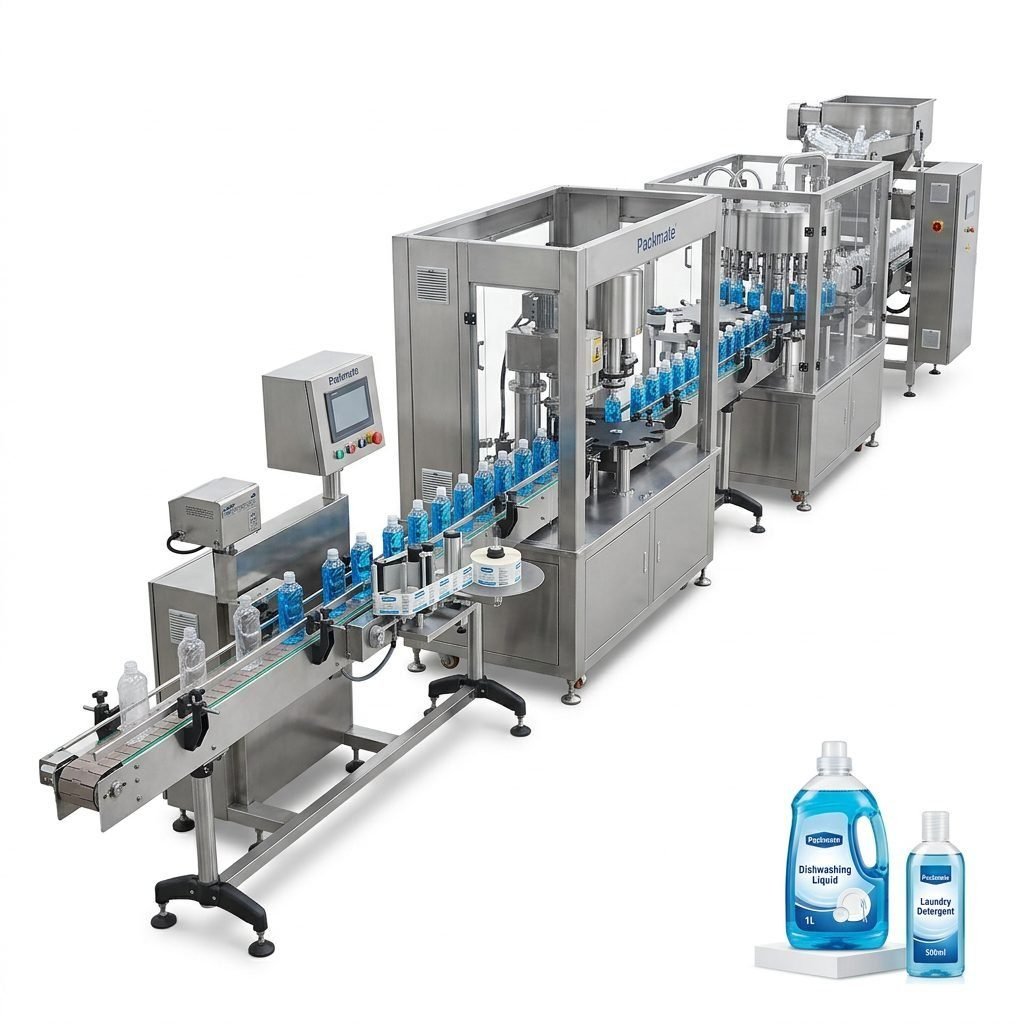
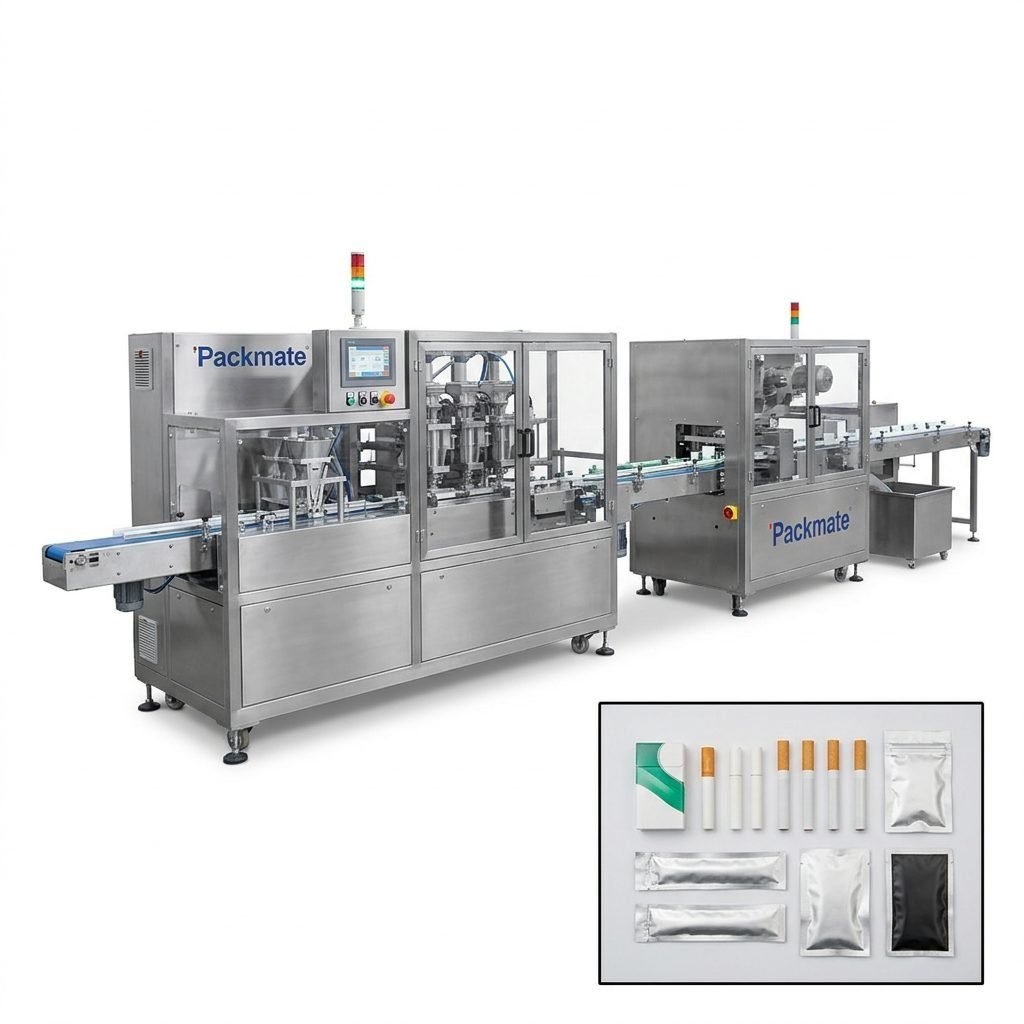
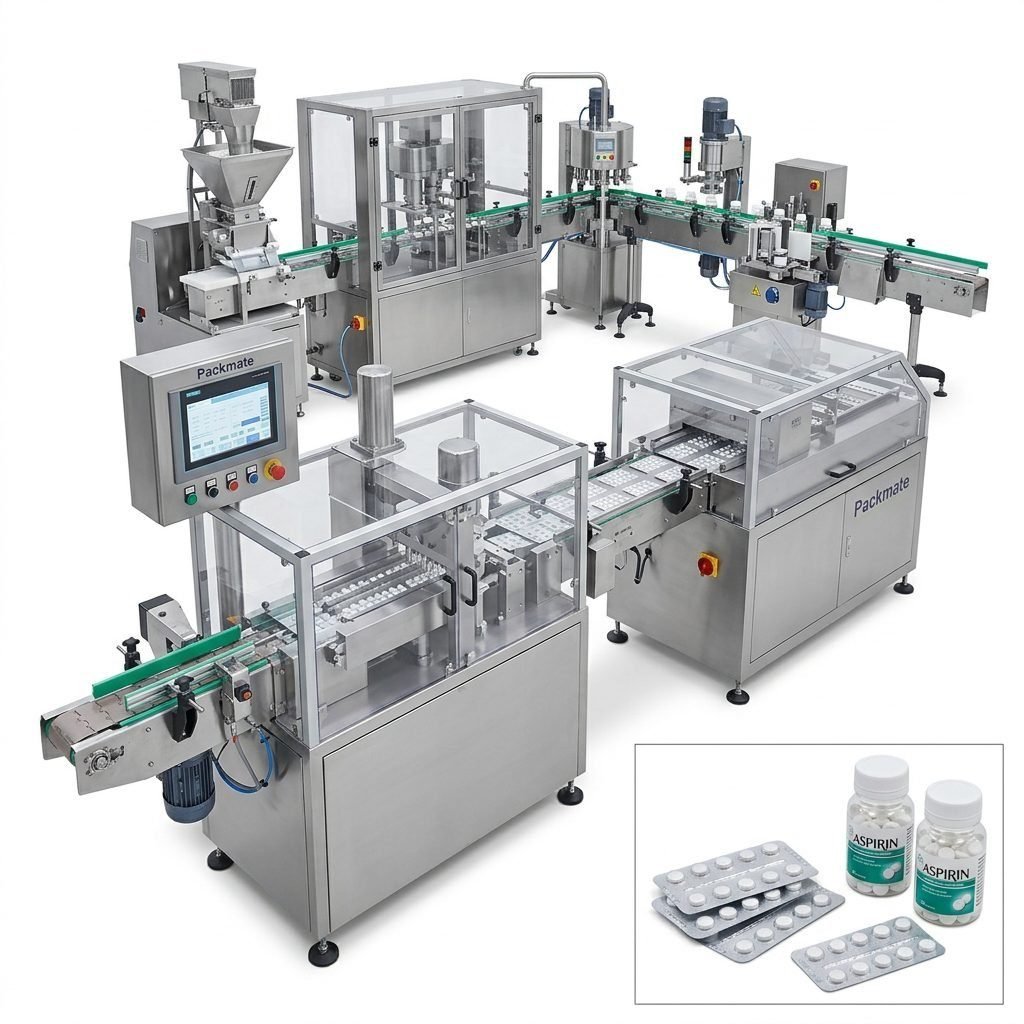
The true power of modern packaging is unlocked not by standalone machines, but by their integration into a cohesive packaging line. A synchronized system where a filler, sealer, labeler, and cartoner work in unison dramatically boosts output, reduces labor, and minimizes handling errors. Investing in a turnkey solution from a single provider often ensures better compatibility and smoother operation.
Advanced Solutions for Specific Needs
Beyond general equipment, specialized solutions address unique market demands and product challenges.
Weighing and Dosing Systems
For products sold by weight, precision is paramount. Multi-head weighers use a combination of scales to achieve ultra-fast and accurate weight combinations, ideal for snacks, nuts, and frozen vegetables. Checkweighers placed inline verify that each package meets the declared weight, ensuring compliance and preventing giveaway. For pharmaceuticals or high-value ingredients, micro-dosing systems handle minute quantities with exceptional accuracy.
Flexible Packaging Formats: Pouches and Stick Packs
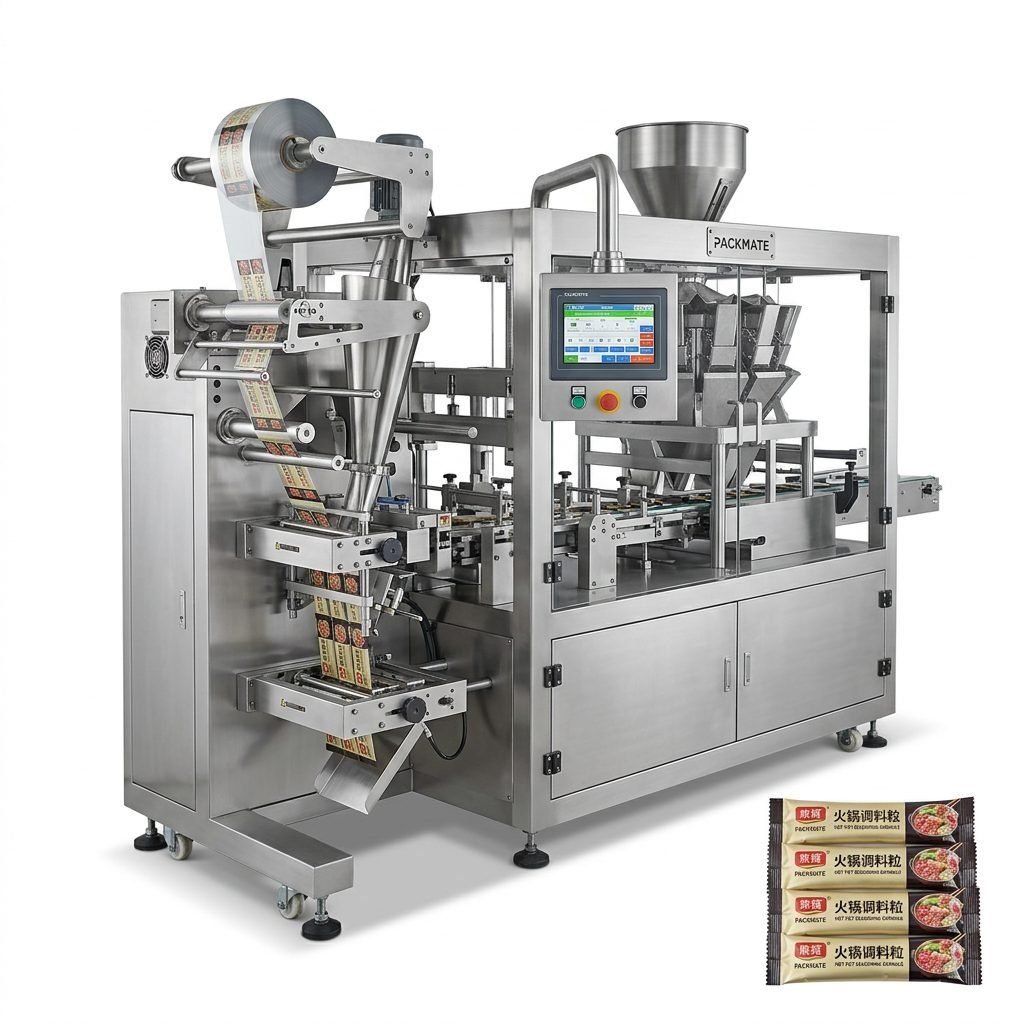
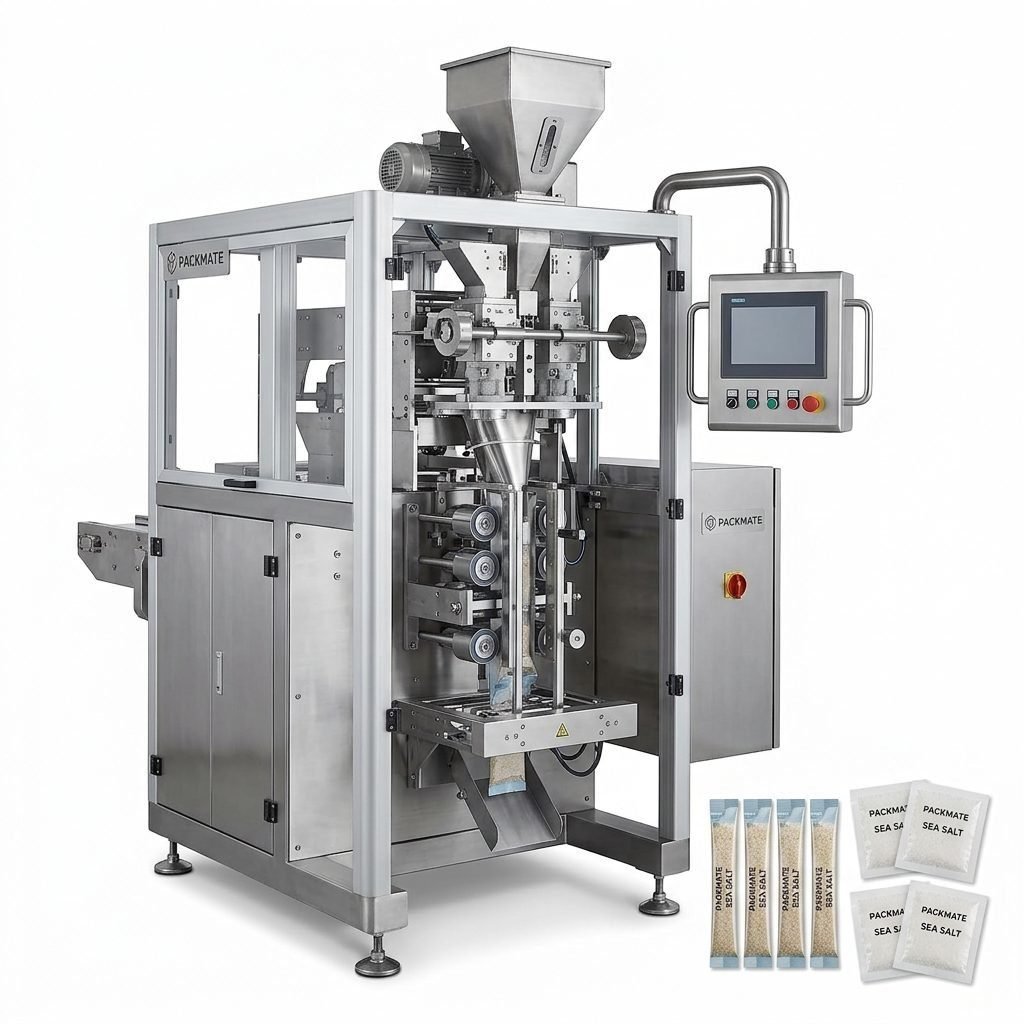
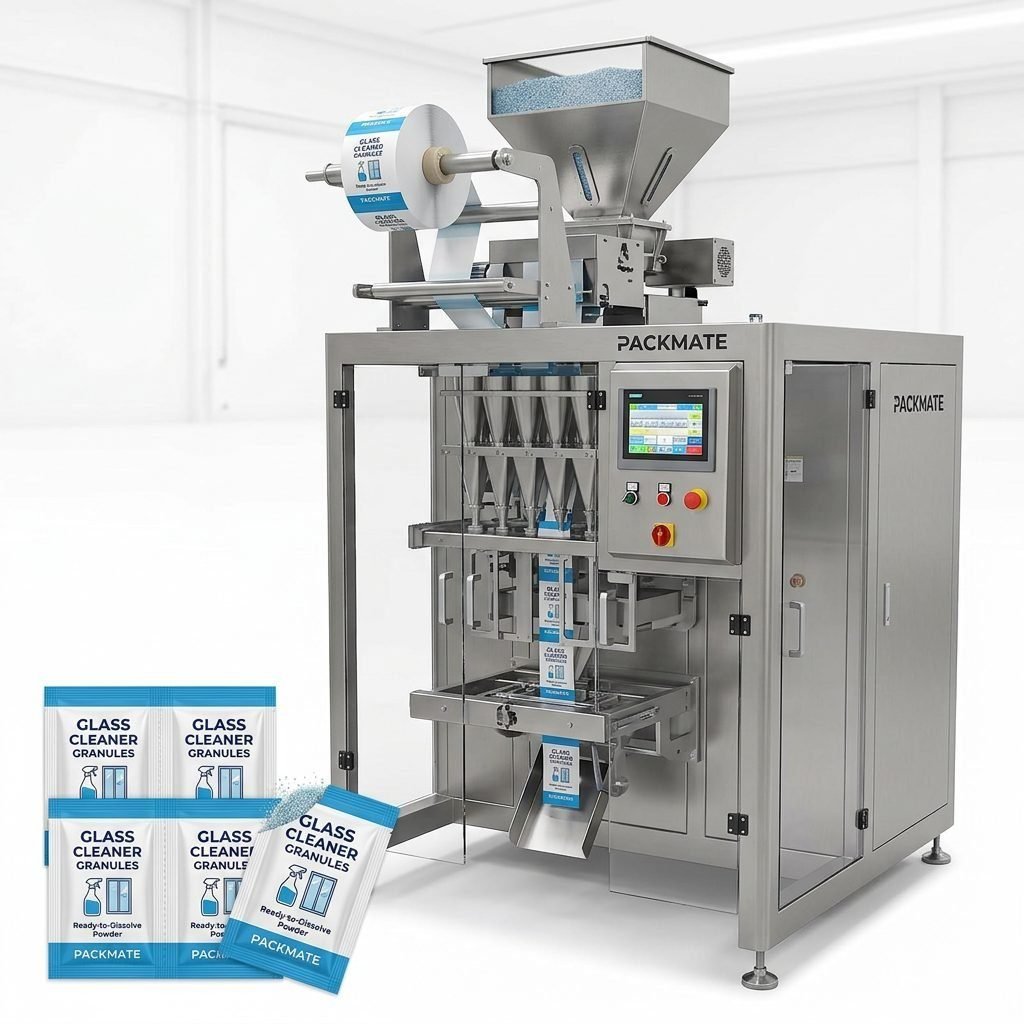
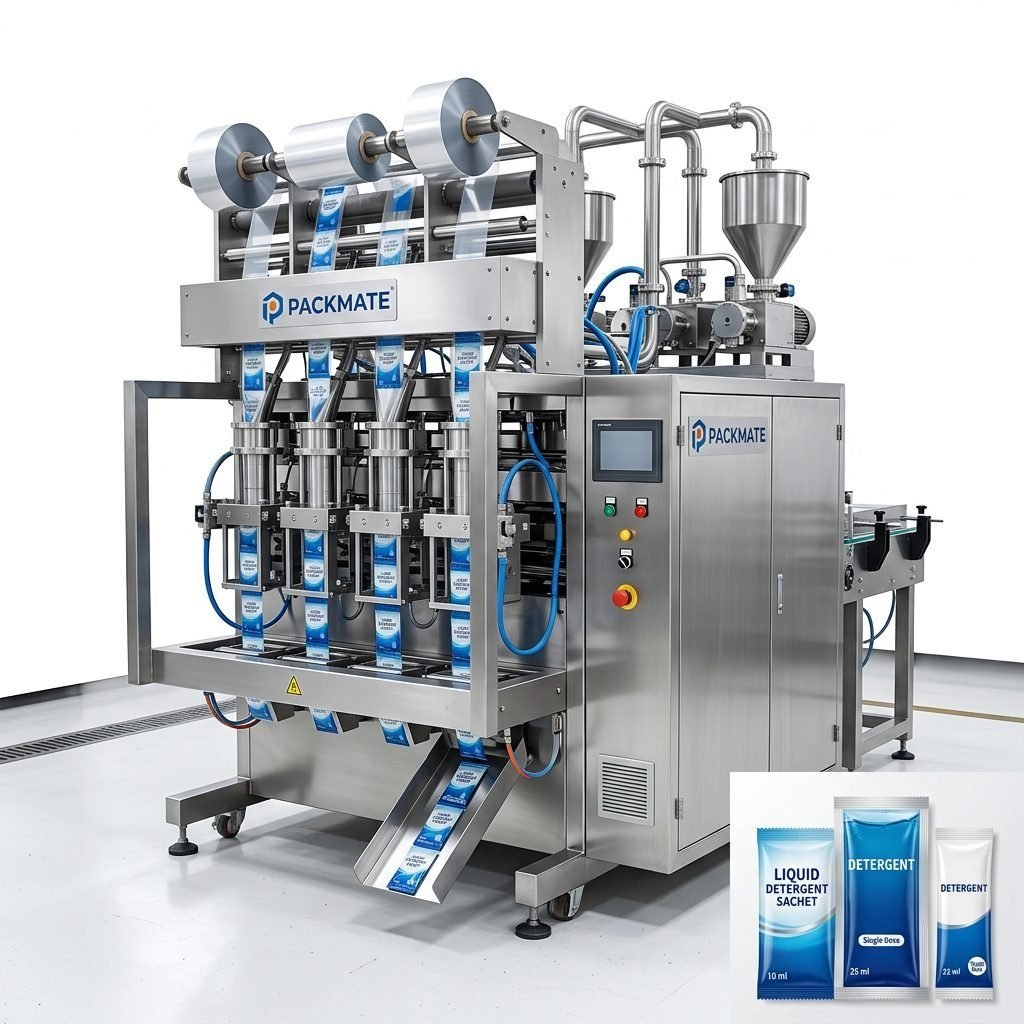
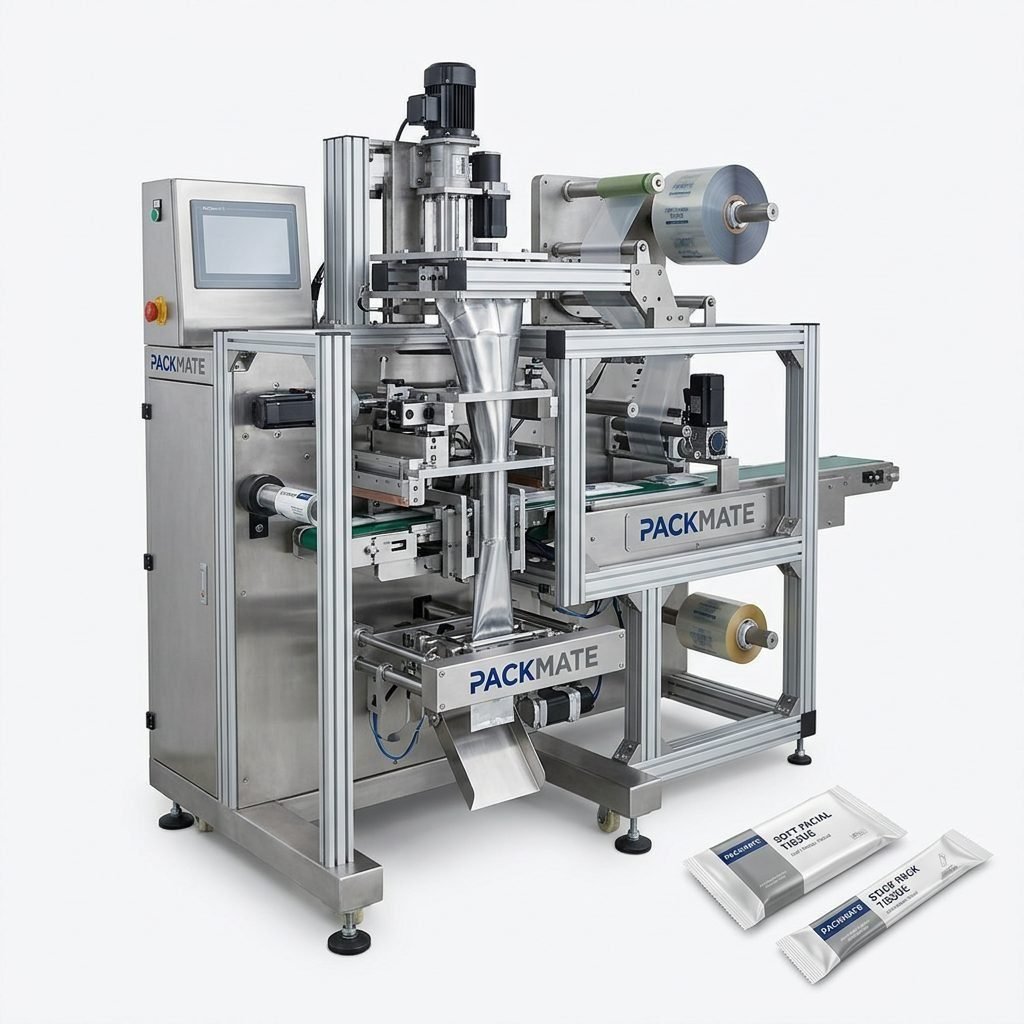
The demand for convenience and sustainability has propelled flexible packaging to the forefront. Form-fill-seal (FFS) machines create pouches from a roll of film, fill them, and seal them in one continuous operation. Stick pack machines produce the slim, elongated packs popular for powders, supplements, and condiments. These formats use less material than rigid containers, reduce shipping costs, and offer great shelf appeal. Modern FFS machines can handle complex structures like spouted pouches or zipper re-closable features.
End-of-Line and Automation
The packaging process concludes with end-of-line equipment. Case packers automatically load finished products into shipping cartons. Palletizers stack these cartons onto pallets for storage and transport. Integrating robotics and automated guided vehicles (AGVs) here can create a fully automated warehouse interface, minimizing manual labor and streamlining the supply chain from production to dispatch.
Choosing the Right Packaging Partner
Selecting equipment is only half the battle; choosing the right manufacturer is equally critical for long-term success.
A partner with deep industry experience, like Packmate Machinery, brings invaluable expertise. With over 30 years in the field, such companies understand the nuances of packaging different product types—from hygroscopic powders to volatile liquids. They don’t just sell machines; they provide solutions. Look for a provider that offers comprehensive support, from initial consultation and factory layout planning to installation, training, and after-sales service. The ability to offer a complete turnkey project, where they assume responsibility for the entire line’s performance, is a significant advantage.
Furthermore, a partner with a strong R&D focus will offer equipment that is not only reliable but also incorporates the latest technological advancements in servo control, IoT connectivity for predictive maintenance, and energy efficiency.
The Future of Packaging Equipment
The trajectory of packaging technology points toward greater intelligence, flexibility, and sustainability. Smart machines with integrated sensors will provide real-time data on output, efficiency, and maintenance needs. Modular designs will allow faster changeovers between different package sizes and formats, catering to smaller batch production runs. Most importantly, equipment will increasingly be designed to handle mono-material and recyclable films, supporting the global shift toward a circular economy. Investing in future-ready technology today prepares your operation for the demands of tomorrow.
Frequently Asked Questions (FAQs)
What are the main factors to consider when selecting packaging equipment?
The primary factors are: Product characteristics (form, viscosity, abrasiveness), required output speed, packaging materials (film type, container style), available factory space and utilities, and budget. A detailed consultation with an experienced supplier like Packmate is essential to balance these requirements.
How can I improve the efficiency of my existing packaging line?
Efficiency gains often come from line integration and automation. Replacing manual hand-offs between machines with conveyors, adding automatic carton erectors, or implementing a centralized control system can significantly boost throughput. Regular preventive maintenance and operator training are also crucial for minimizing downtime.
What is the difference between a sachet machine and a stick pack machine?
Both are types of vertical form-fill-seal machines. Sachet machines typically produce wider, pillow-style pouches used for sauces, shampoo, or tea. Stick pack machines create long, narrow tubes ideal for single-serve powders (like coffee, sugar, or supplements) where easy tearing and pouring are desired. The choice depends on your product and market preference.
Why is after-sales service important for packaging machinery?
Packaging equipment is a long-term investment. Reliable after-sales service ensures access to genuine spare parts, expert technical support, and timely repairs. This minimizes production stoppages, extends the machine’s lifespan, and protects your ROI. Always verify the service network and support terms offered by the manufacturer.
Can packaging equipment handle sustainable or biodegradable materials?
Yes, but it requires careful selection. Many modern machines can run bio-based or compostable films. However, these materials often have different sealing properties and tensile strengths. It is vital to test your specific material on the target equipment and work with your machine supplier to adjust parameters like temperature, pressure, and film tension for optimal performance.