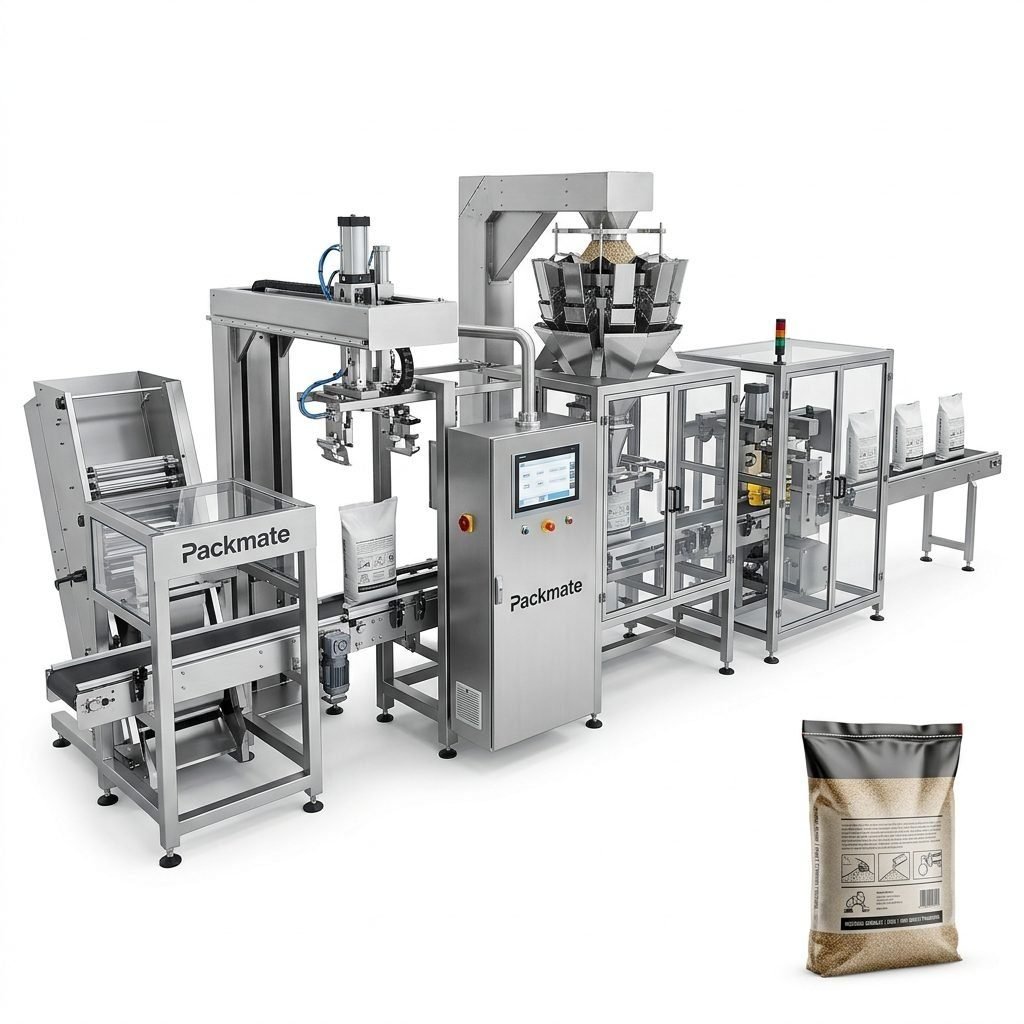
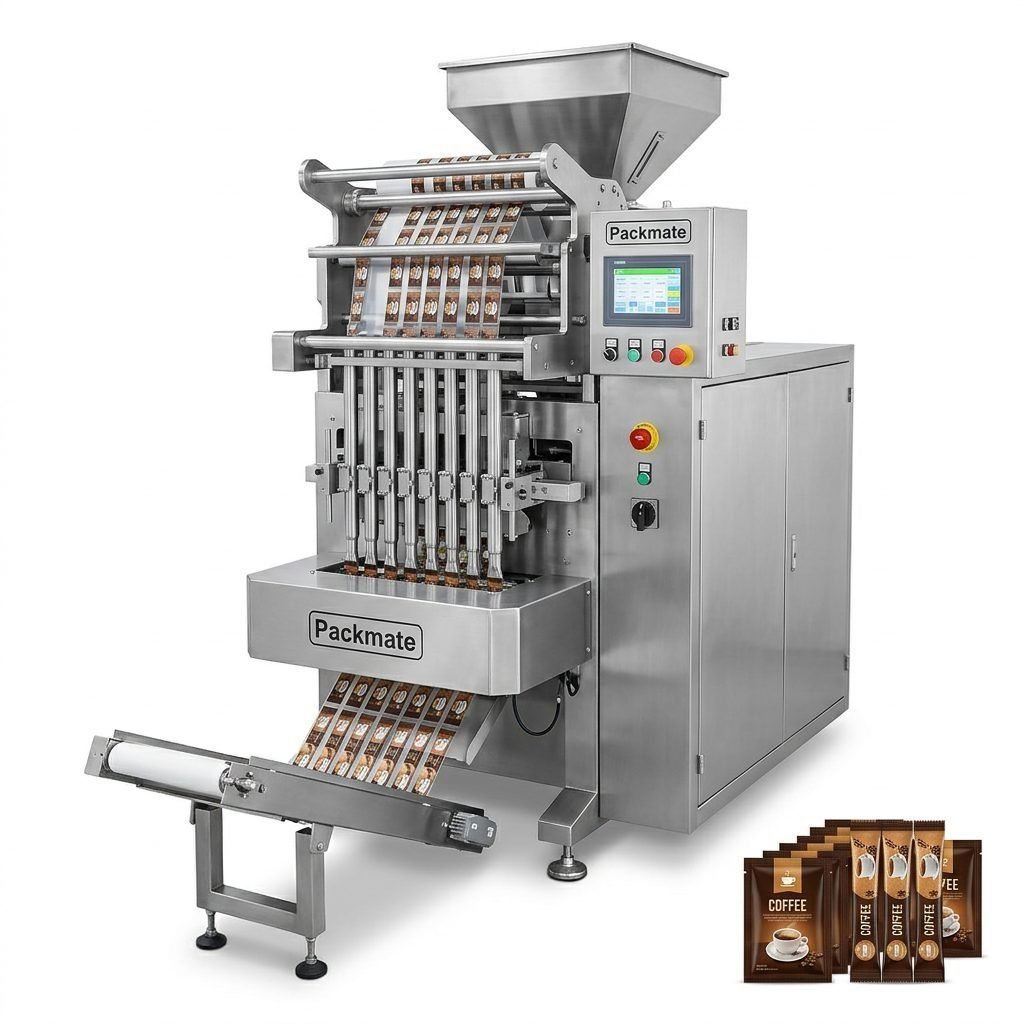
In today’s fast-paced manufacturing landscape, efficiency and sustainability are not just buzzwords—they are critical drivers of business success and environmental responsibility. For industries handling granules, powders, and liquids, from food and pharmaceuticals to health products, the choice of packaging machinery directly impacts operational costs, product integrity, and brand reputation. Selecting the right paper packaging machine is a strategic decision that balances high-speed production with eco-friendly practices.
Why Paper Packaging Machines are Leading the Sustainable Shift
The global push towards reducing plastic waste has made paper-based packaging a preferred solution for countless brands. Modern paper packaging machines are engineered to handle various materials, including recyclable and compostable paper, without compromising on speed or seal integrity. These machines support the circular economy by enabling packaging that is easier to recycle and has a lower environmental footprint compared to traditional plastic options.
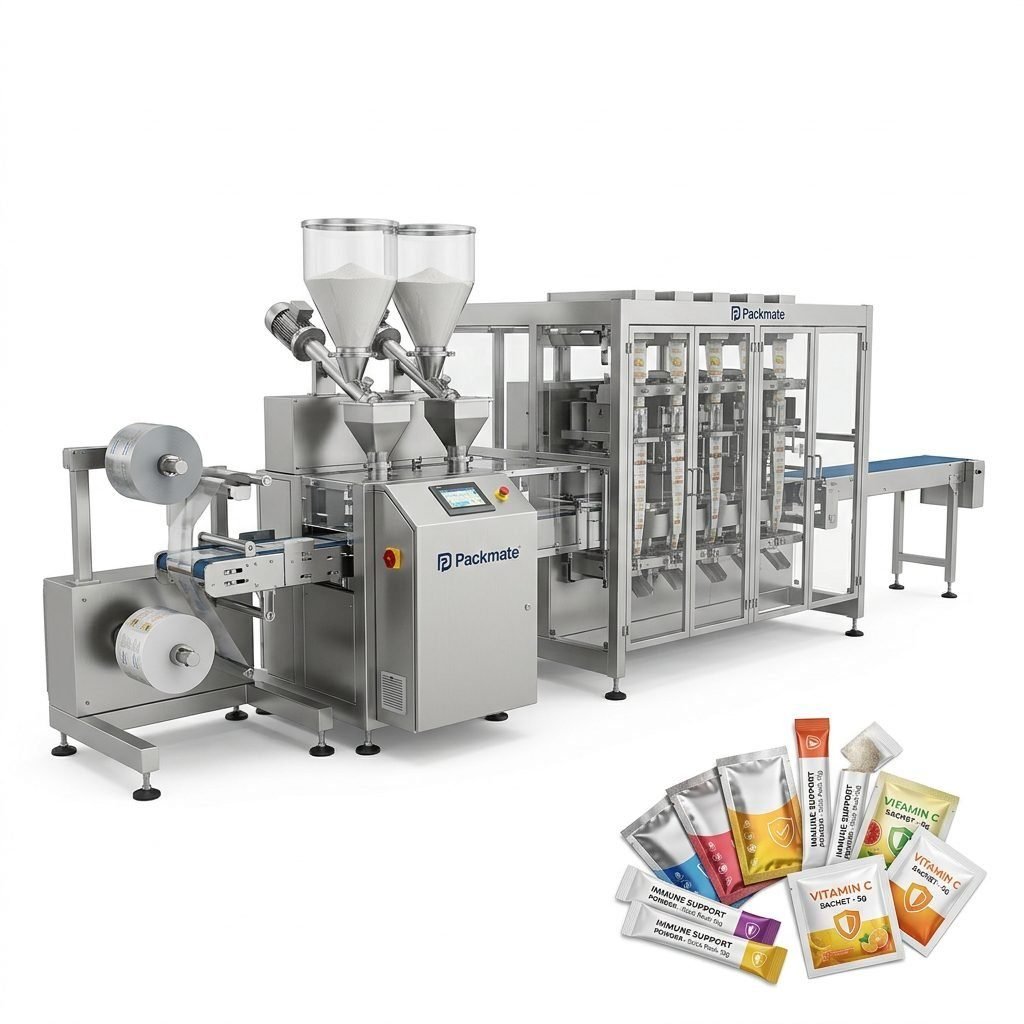
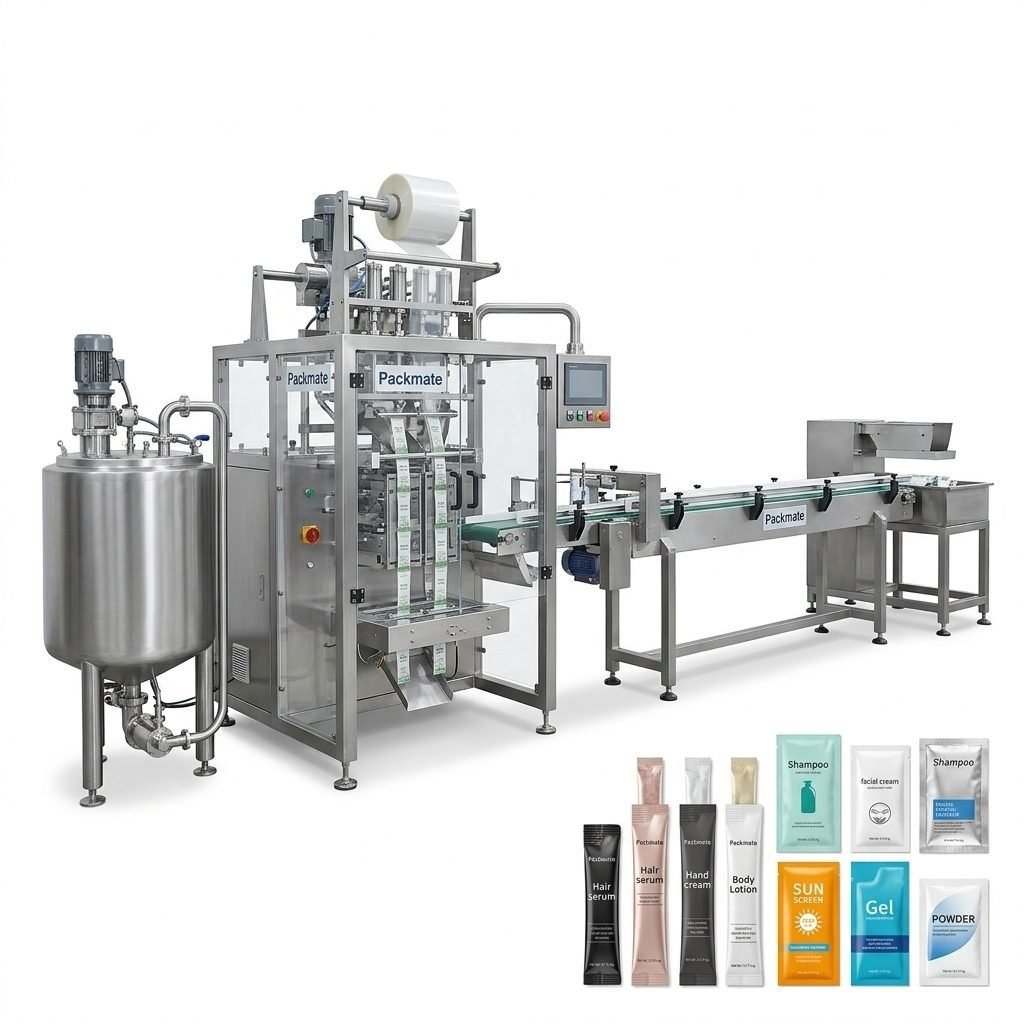
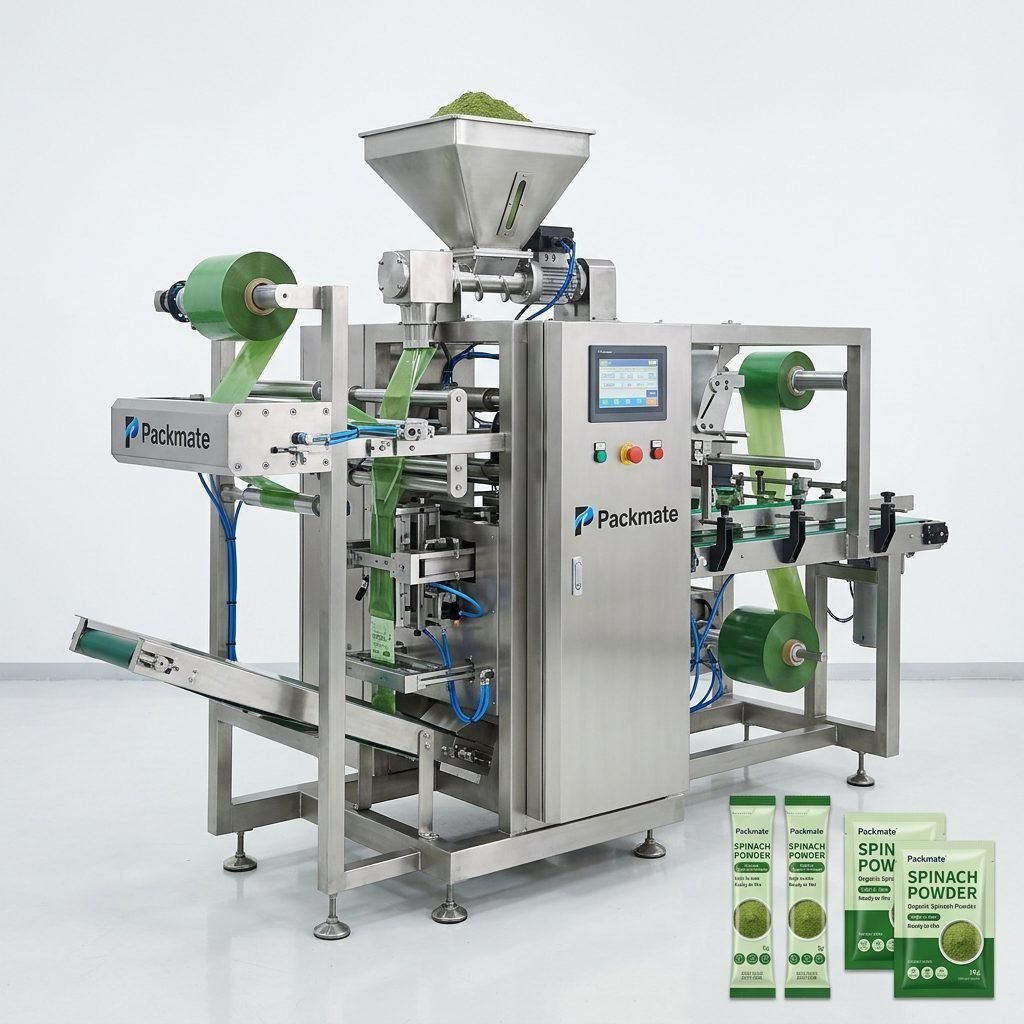
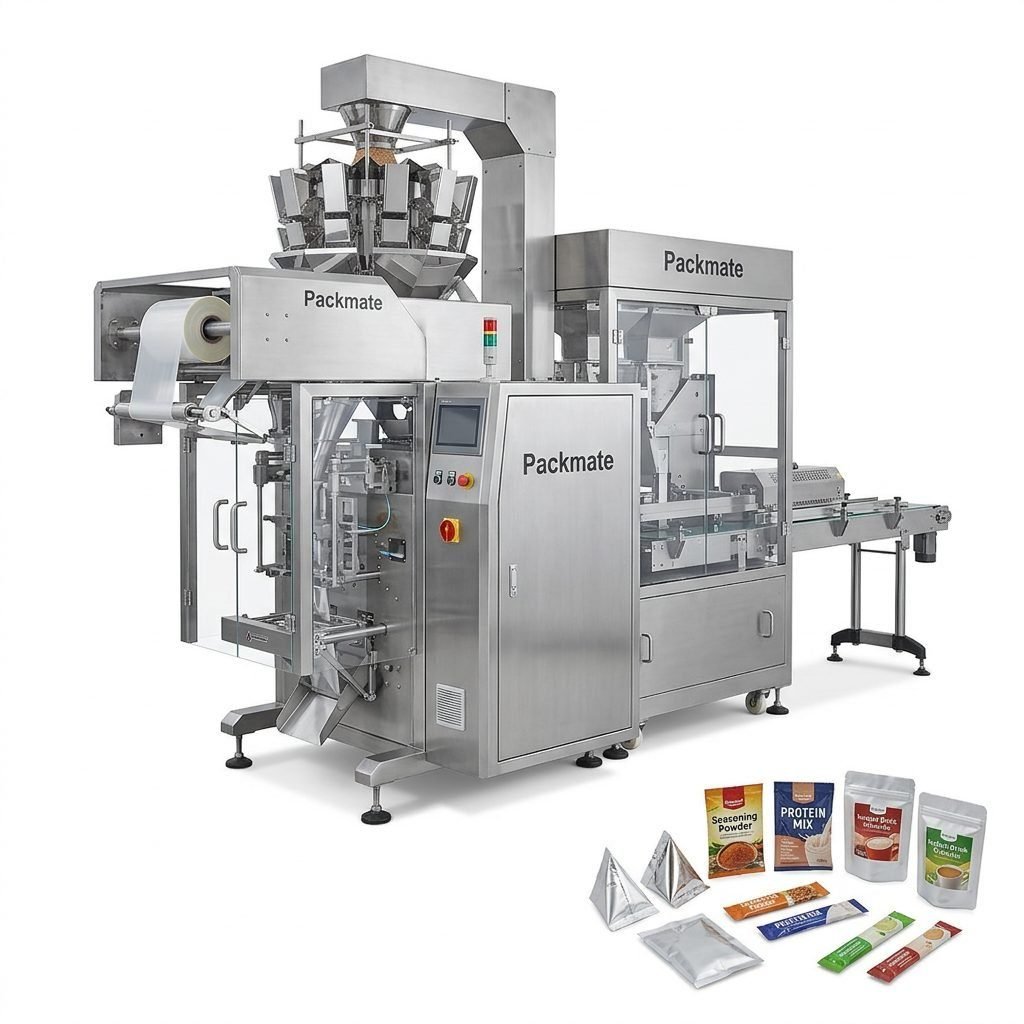
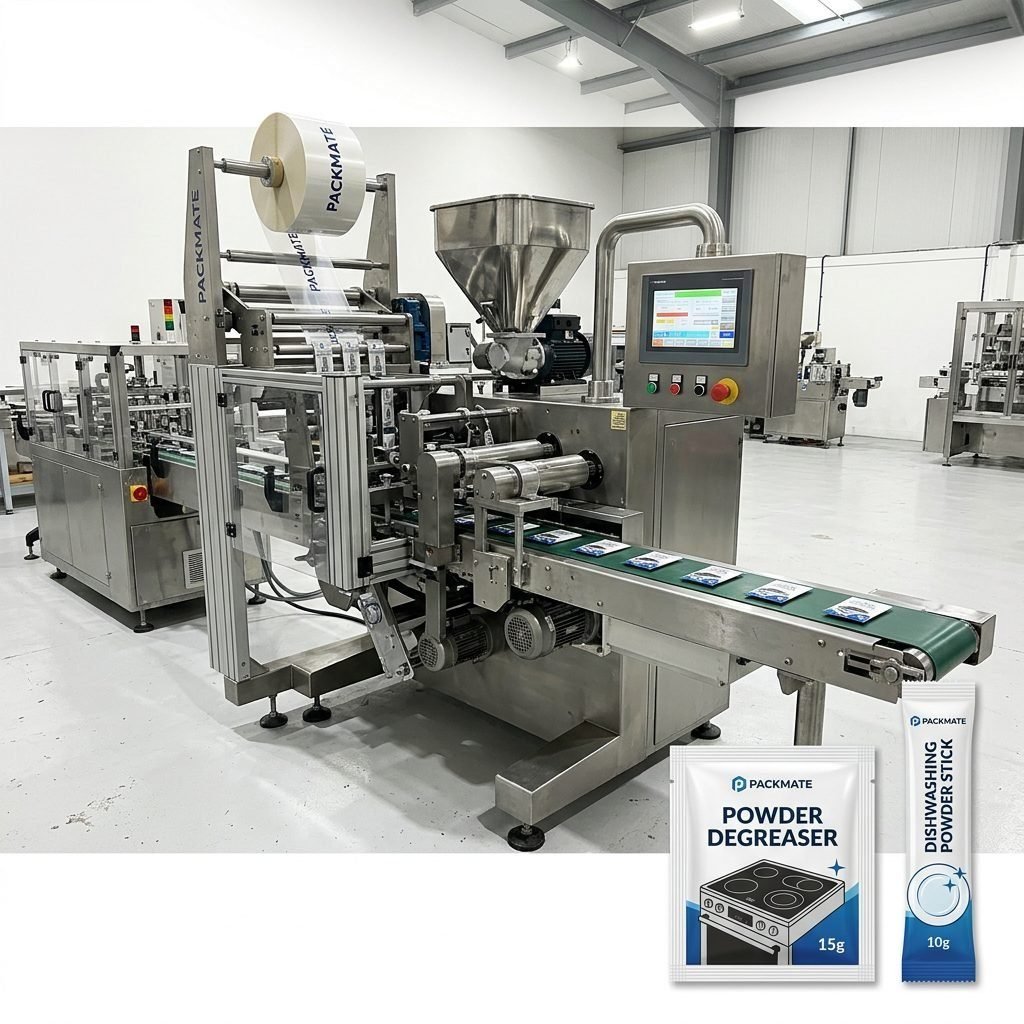
A key advantage is their versatility. Top-tier machines can efficiently package a diverse range of products—from instant drink powders and spices to pharmaceutical granules and herbal supplements—into formats like sachets, stick packs, and pouches. This adaptability makes them an invaluable asset for companies looking to streamline their operations across multiple product lines.
Core Features of High-Efficiency Paper Packaging Machines
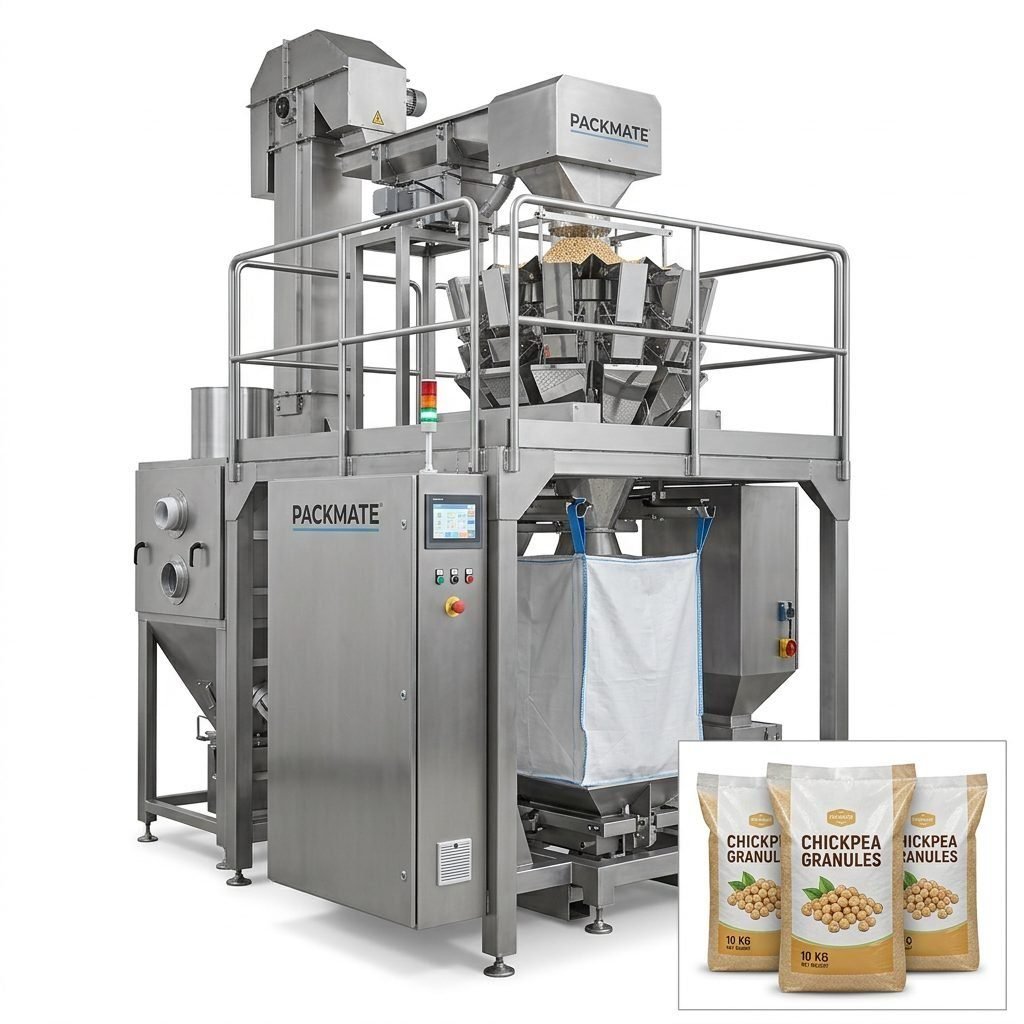
When evaluating equipment, several features distinguish superior machines. Precision weighing and filling systems are paramount. They ensure accurate dosing, which minimizes product giveaway—a significant cost-saving factor—and guarantees consistent portion sizes for consumers. Advanced servo-driven technology allows for gentle handling of delicate products and precise control over the packaging process.
Another critical component is the sealing mechanism. Efficient machines provide strong, hermetic seals using heat or ultrasonic methods, which are crucial for maintaining product freshness, preventing contamination, and extending shelf life. This is especially vital for hygroscopic products like certain powders or sensitive health supplements that degrade upon exposure to moisture.
Integrating Sustainability into the Packaging Line
Sustainable operation goes beyond the packaging material itself. Leading manufacturers design machines with energy-efficient motors and optimized operational cycles to reduce power consumption. Furthermore, machinery that minimizes material waste during the forming and cutting process contributes directly to a more sustainable production line. By reducing both energy use and raw material waste, businesses can significantly lower their overall carbon footprint.
The journey towards sustainable packaging is a collaborative effort. Partnering with a machinery provider that understands this holistic view is essential. A provider like Packmate Machinery, with decades of expertise, doesn’t just sell equipment; it offers complete turnkey solutions. This includes guidance on selecting the right sustainable materials and configuring the machine for optimal, waste-free performance.
The Role of Innovation and Reliability
Innovation in paper packaging machinery focuses on enhancing user experience and operational intelligence. Modern machines often feature intuitive touch-screen interfaces (HMIs) for easy setup and changeovers, reducing downtime between production runs. Built-in diagnostic systems and remote monitoring capabilities allow for predictive maintenance, preventing unexpected breakdowns and ensuring consistent output.
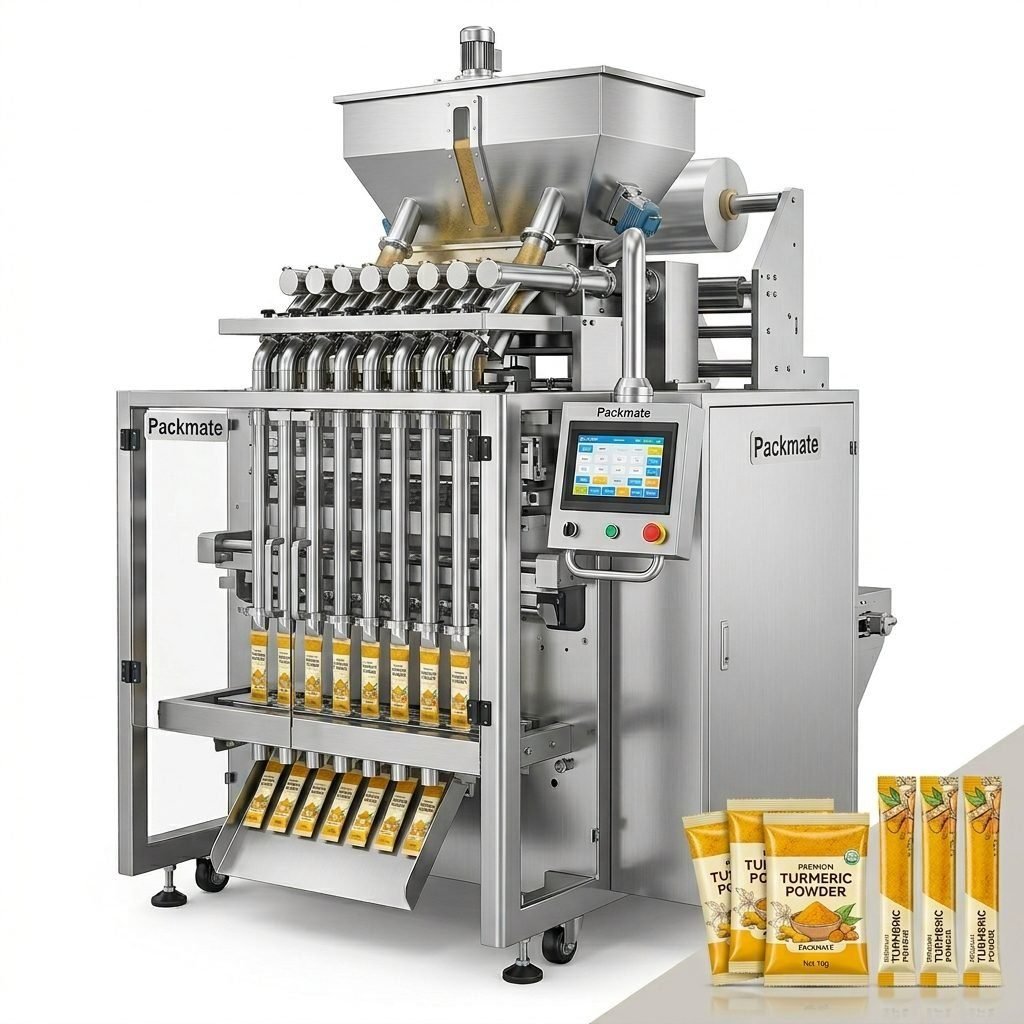
Reliability is built on a foundation of robust engineering and rigorous testing. Companies that invest in extensive research and development, like Packmate, produce machines that withstand the demands of 24/7 production environments. Their sachet and stick pack machines are known for durability, which translates to a higher return on investment and lower total cost of ownership over the machine’s lifecycle.
Choosing the Right Partner for Your Packaging Needs
The selection process for a paper packaging machine should extend beyond technical specifications. The manufacturer’s experience, support network, and commitment to innovation are equally important. A partner with a proven track record, such as a company with over 30 years in the industry, brings invaluable insights into solving complex packaging challenges and adapting to market trends.
Look for a supplier that offers comprehensive after-sales service, including training, readily available spare parts, and technical support. This ensures your packaging line remains productive and efficient long after the initial installation. The goal is to establish a partnership that supports your growth and helps you navigate the evolving landscape of sustainable packaging.
Future Trends in Paper Packaging Automation
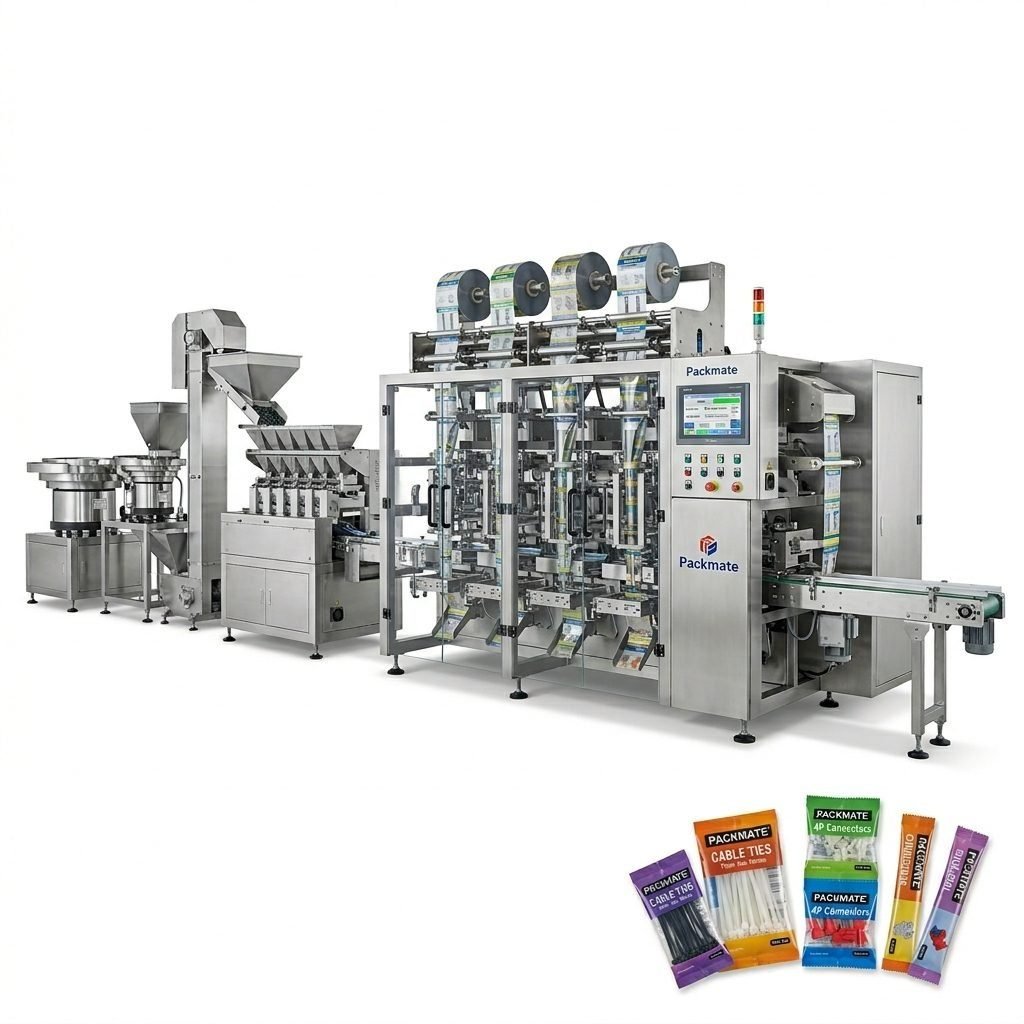
The future points towards even greater integration and smart automation. We are moving towards interconnected packaging lines where paper packaging machines communicate seamlessly with upstream and downstream equipment, such as cartoners and palletizers, creating a fully automated, data-driven production floor. The integration of IoT (Internet of Things) sensors will provide real-time analytics on machine performance, material usage, and energy efficiency, enabling unprecedented levels of optimization and control.
Furthermore, as material science advances, machines will need to adapt to handle next-generation sustainable substrates, including papers with higher barrier properties or novel bio-based laminates. Flexibility and adaptability will remain key design principles for future-proof packaging machinery.
Conclusion
Investing in top paper packaging machines is a strategic move that delivers a dual payoff: remarkable operational efficiency and a strong commitment to environmental stewardship. By focusing on precision, versatility, sustainability, and partnering with an experienced and innovative provider, businesses can build a packaging operation that is not only profitable but also responsible. The right machinery empowers brands to meet consumer demand for sustainable products while securing a competitive edge in the market.
Frequently Asked Questions (FAQs)
What types of products can be packaged with paper packaging machines?
These machines are highly versatile and can handle a wide array of dry and free-flowing products. Common applications include packaging coffee, sugar, spices, instant soups, drink mixes, pharmaceutical powders, granular supplements, tea, and detergents into formats like sachets, stick packs, and pouches.
How do paper packaging machines contribute to sustainability?
They contribute by enabling the use of recyclable, compostable, or biodegradable paper materials. Additionally, advanced machine design minimizes material waste during production and incorporates energy-efficient components, reducing the overall environmental impact of the packaging process.
What is the importance of a ‘turnkey solution’ in packaging?
A turnkey solution means the supplier provides a complete, ready-to-operate system. This includes the main packaging machine, all necessary auxiliary equipment (like feeders and conveyors), installation, commissioning, operator training, and ongoing support. It simplifies the process for the buyer, ensures system compatibility, and reduces project risk and timeline.
Can these machines handle high-speed production requirements?
Yes, modern high-speed paper packaging machines are engineered for rapid output. Speeds can vary significantly by model and package format, with some multi-lane stick pack and sachet machines capable of producing hundreds of packs per minute, making them suitable for large-scale manufacturing needs.
What should I consider for maintenance and spare parts?
Choose a manufacturer with a strong global support network. Ensure they provide comprehensive documentation, readily available spare parts, and responsive technical support. Inquire about preventive maintenance schedules and the availability of service contracts to maximize machine uptime and longevity.