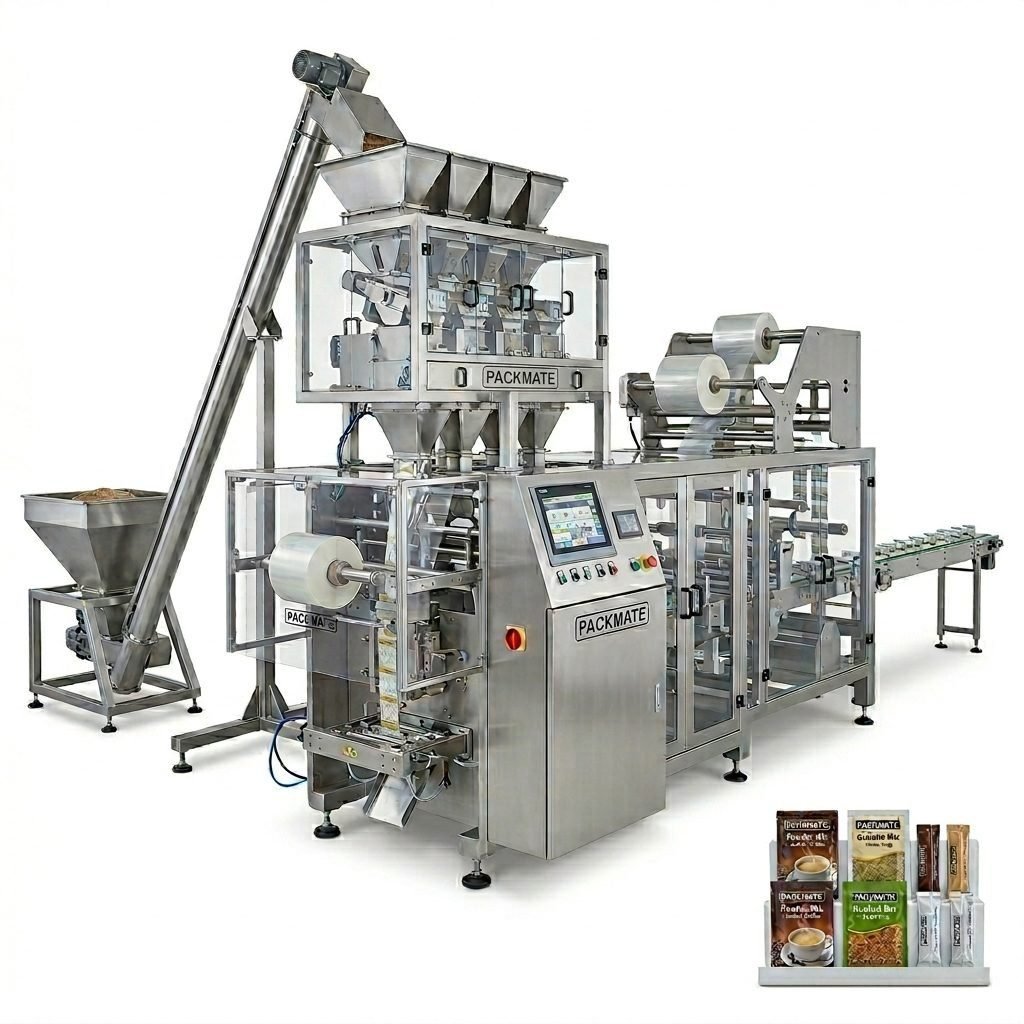
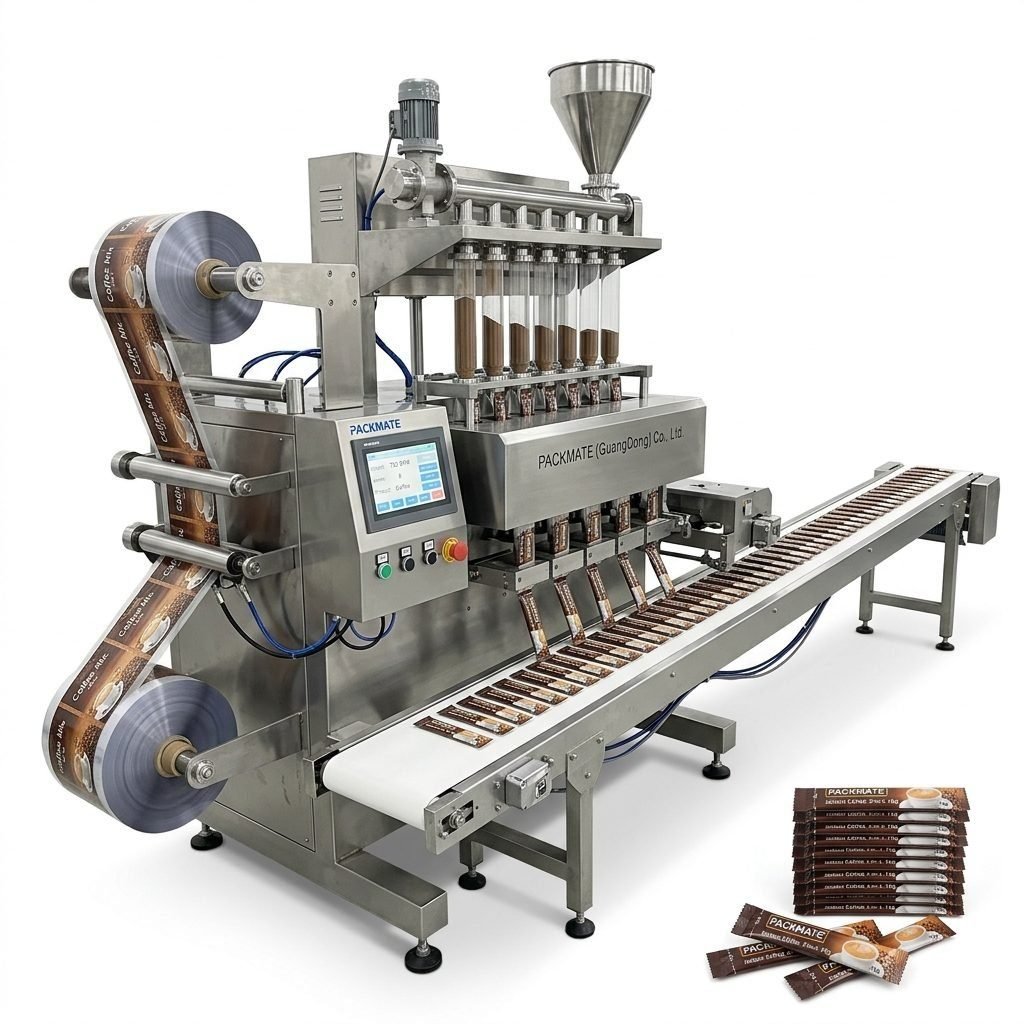
Selecting the ideal packaging machine is a pivotal decision for any business involved in manufacturing, food production, pharmaceuticals, or consumer goods. The right equipment not only ensures product integrity and shelf appeal but also directly impacts operational efficiency, cost control, and scalability. With a vast array of technologies, speeds, and functionalities available, navigating the market can be daunting. This guide is designed to demystify the process, providing you with a structured framework to evaluate your needs and make an informed investment that aligns with your long-term business goals.
Understanding Your Core Packaging Requirements
The foundation of a successful selection lies in a thorough internal audit. Before looking at any machinery, you must clearly define what you need to package.
Product Characteristics: The physical nature of your product is the primary driver. Is it a granule like coffee or sugar, a fine powder like flour or protein supplements, a liquid like sauce or shampoo, or a viscous paste? Each type requires specific filling mechanisms—auger fillers for powders, liquid pumps for fluids, volumetric cup fillers for granules. Consider also product abrasiveness, stickiness, and sensitivity to heat or contamination.
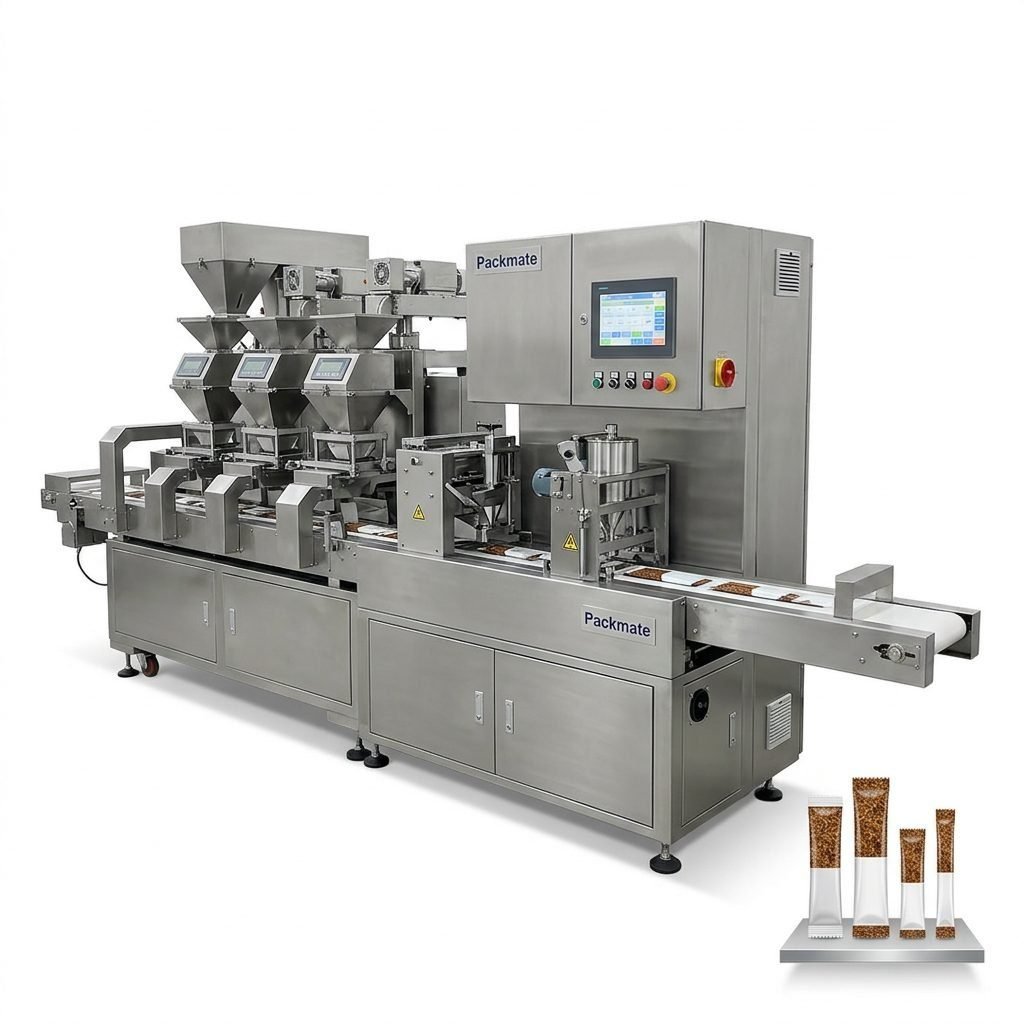
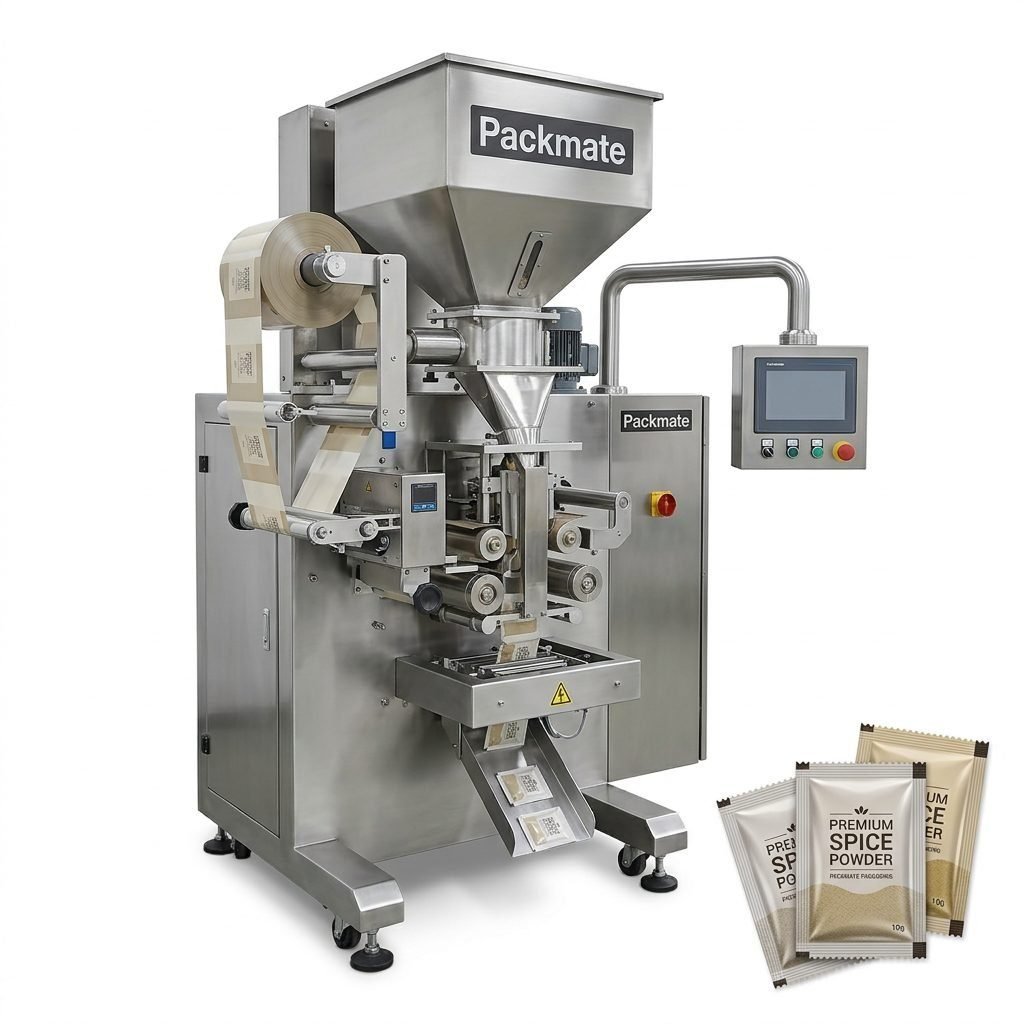
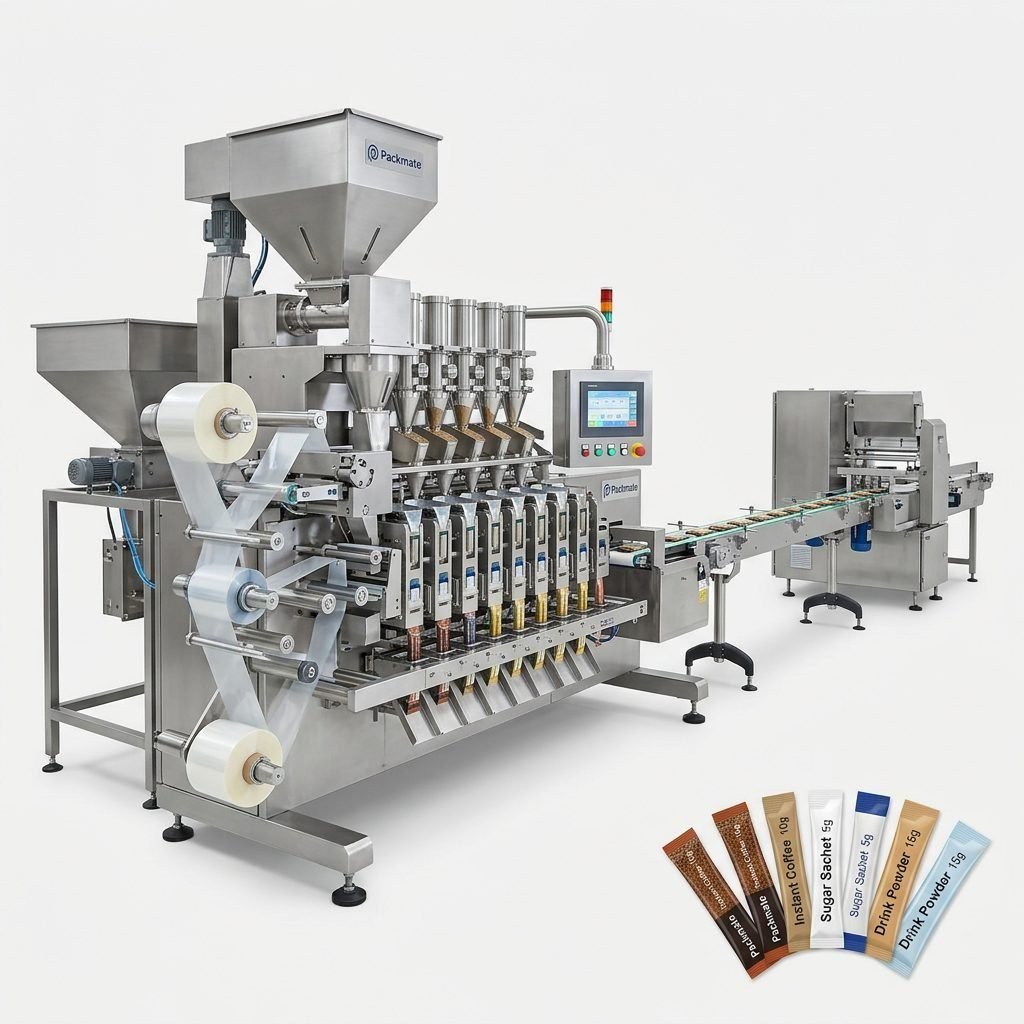
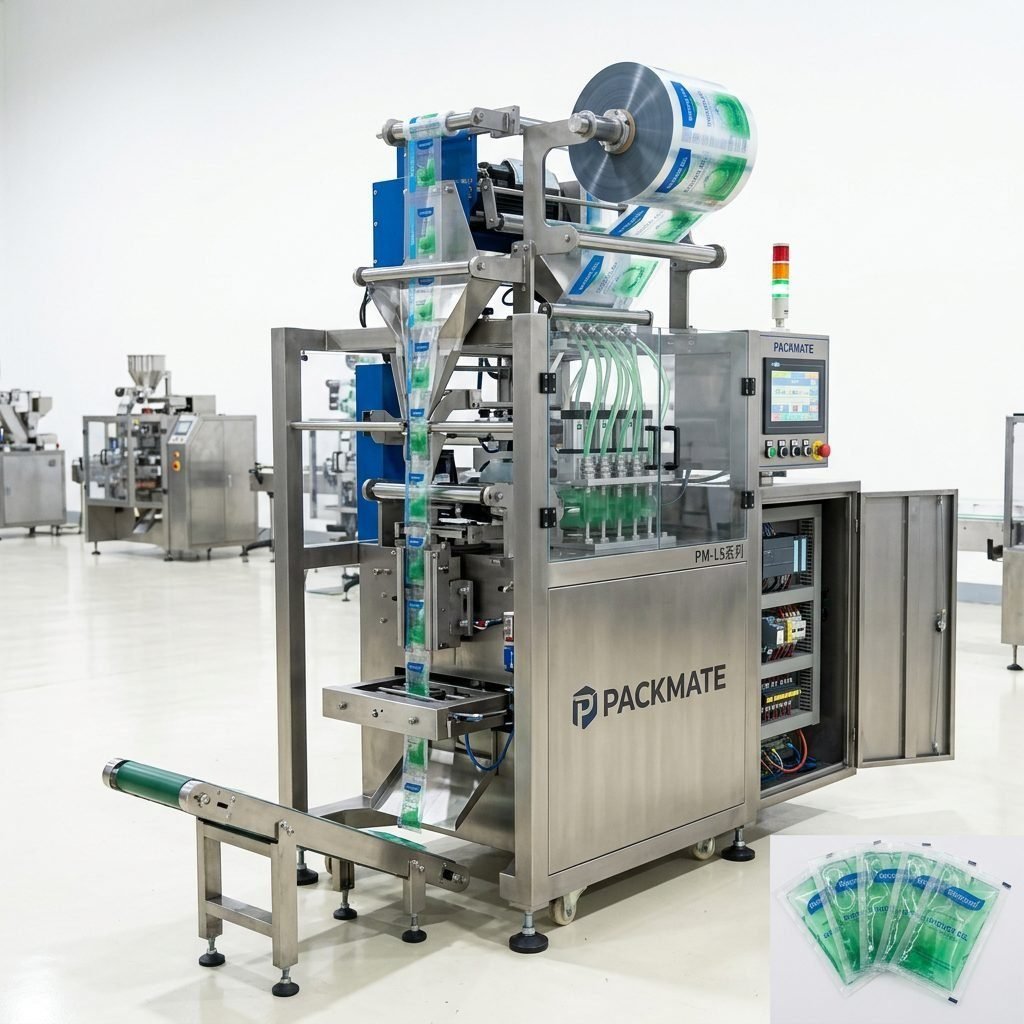
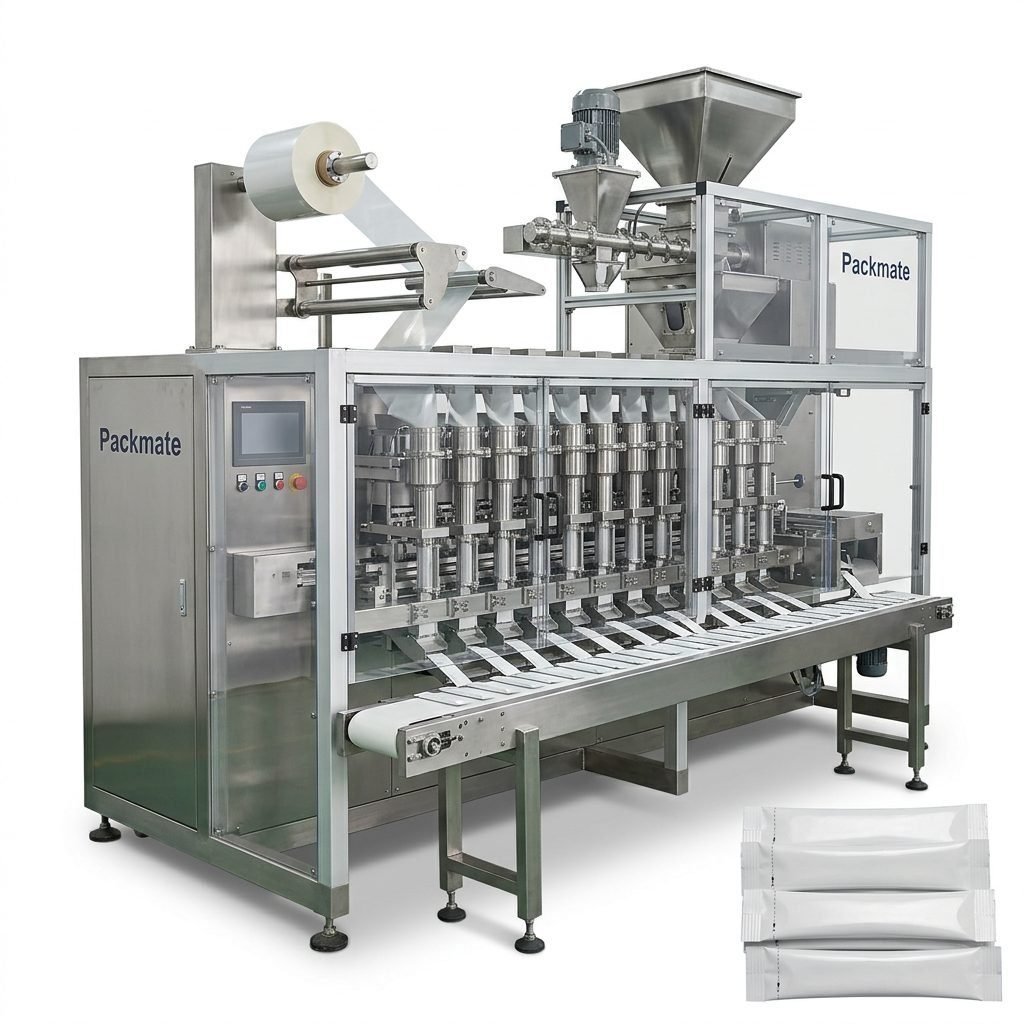
Packaging Format & Materials: Determine your desired final package. Are you producing small single-serve sachets or stick packs, retail-ready stand-up pouches or flat bags, or larger bulk bags? The machine must be compatible with your chosen film material (e.g., laminates, polyethylene, aluminum foil) and capable of performing the necessary sealing method (heat seal, ultrasonic seal, cold seal) reliably.
Production Speed & Volume: Calculate your current and projected output. Required speed is measured in packages per minute (PPM). A low-speed machine will bottleneck a growing business, while an overly fast, complex machine is a capital-intensive underutilization. Be realistic about your peak and average demands.
Key Machine Specifications to Scrutinize
Once your needs are mapped, you can effectively compare machines based on hard specifications.
Accuracy and Consistency: For weighed products, filling accuracy is non-negotiable. It affects product give-away (cost) and regulatory compliance. Look for machines with high-precision weighing systems, like multi-head weighers or advanced auger systems with feedback control. Consistency in seal strength and package appearance is equally critical for quality assurance.
Flexibility and Changeover Time: If you run multiple products or package sizes, how quickly can the machine switch between them? Modern machines offer tool-less or quick-changeover features for formats like stick pack machines, drastically reducing downtime and increasing overall equipment effectiveness (OEE).
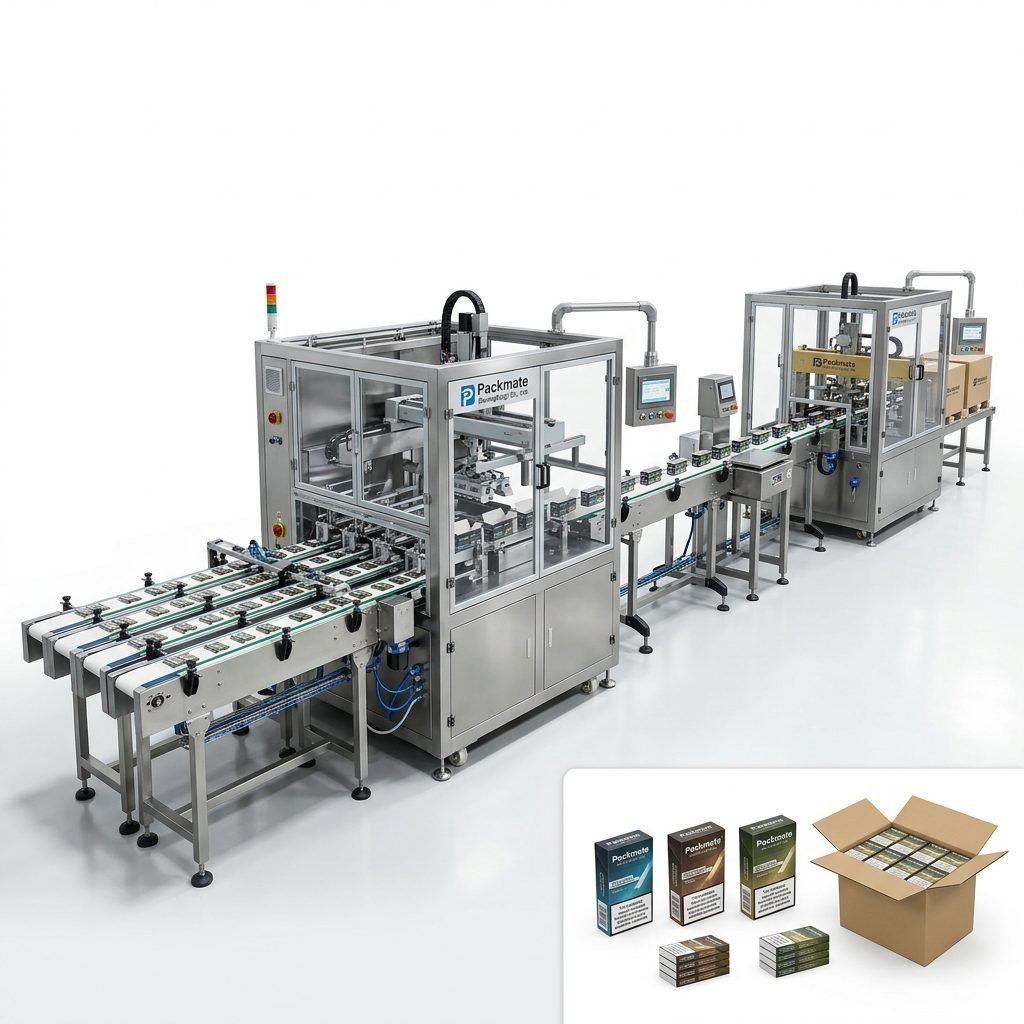
Automation Level & Integration: Consider the machine’s place in your line. Can it integrate with upstream feeders, downstream cartoners, or robotic palletizers? Does it require one operator or can it run unattended? Higher automation reduces labor costs and human error but requires greater upfront investment and technical support.
The Critical Role of the Manufacturer
The machine is only as good as the company behind it. Partnering with a reputable manufacturer is perhaps the most crucial step in the selection process.
Experience and Expertise: A manufacturer with decades of experience, like Packmate Machinery, brings invaluable problem-solving knowledge. They have likely encountered and solved challenges similar to yours across diverse industries such as food, pharmaceutical, and health products. Their deep understanding translates into more reliable and suitable machine recommendations.
Quality of Construction & Components: Inspect the build quality. Machines built with robust frames, food-grade stainless steel contact parts, and premium-brand electrical components (e.g., Siemens, Mitsubishi PLCs) promise greater longevity, stability, and hygiene compliance. A 20,000㎡ modern facility with advanced production equipment is a strong indicator of a manufacturer’s commitment to quality control.
Technical Support & Service Network: Post-purchase support is paramount. Inquire about installation, training, warranty, spare parts availability, and response times for technical assistance. A global service network ensures you have help when you need it, minimizing potential production stoppages.
Total Cost of Ownership (TCO) vs. Initial Price
Do not make the common mistake of choosing based on the lowest initial price tag. The true cost is the Total Cost of Ownership.
TCO = Purchase Price + Installation + Operating Costs (Energy, Labor) + Maintenance & Spare Parts + Downtime Costs + Decommissioning.
A slightly more expensive machine from a proven manufacturer often has higher energy efficiency, lower maintenance needs, and much higher reliability, resulting in a significantly lower TCO over a 5-10 year period. It is an investment in productivity and peace of mind.
Future-Proofing Your Investment
Your packaging needs will evolve. A forward-thinking selection considers scalability and adaptability.
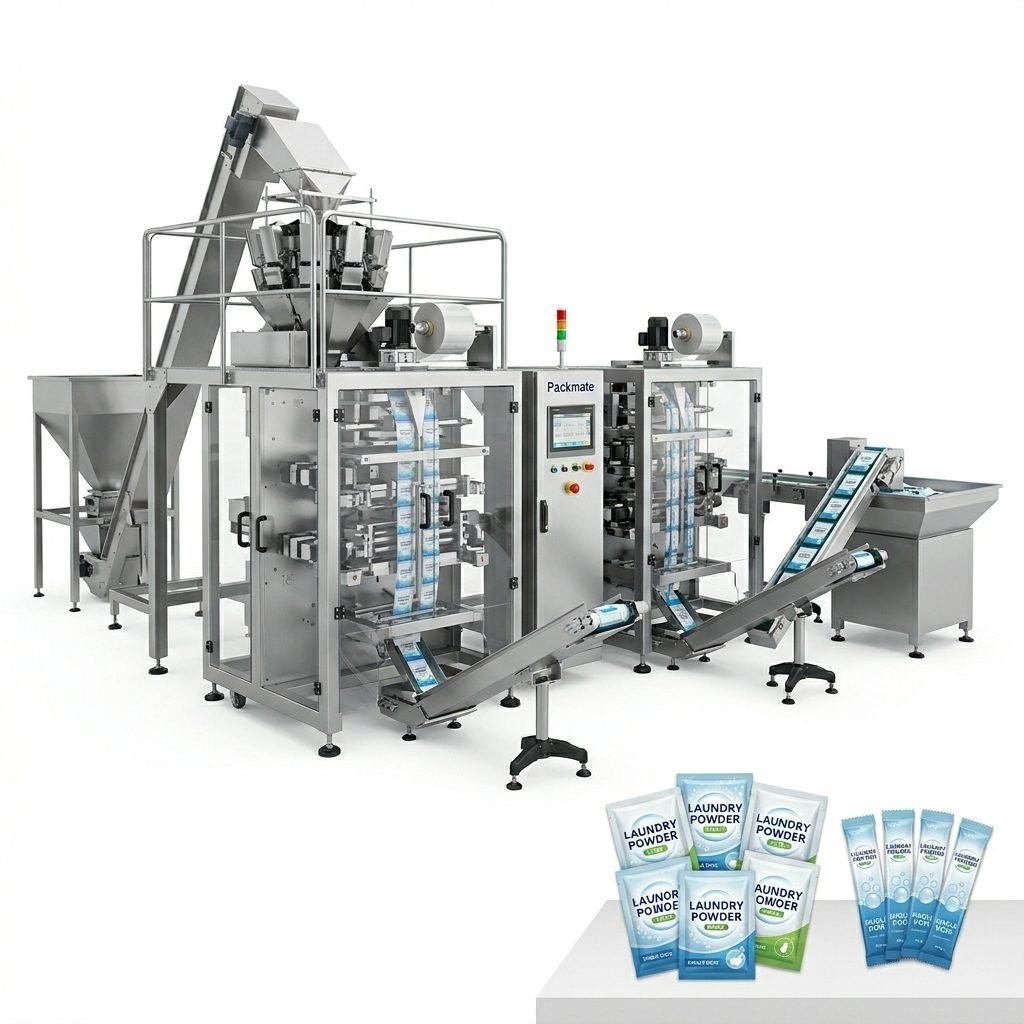
Modular Design: Can the machine be upgraded later? For instance, can a single-lane sachet machine be expanded to a multi-lane system? Can you add features like gas flushing for modified atmosphere packaging (MAP) or vision inspection systems later? Modular platforms protect your investment.
Technology Roadmap: Does the manufacturer invest in R&D? A company that continuously develops new models and integrates Industry 4.0 features (IoT connectivity, data analytics) ensures its machines remain relevant. This commitment to innovation, as seen in companies with over 30 years of expertise developing intelligent packaging equipment, is a key differentiator.
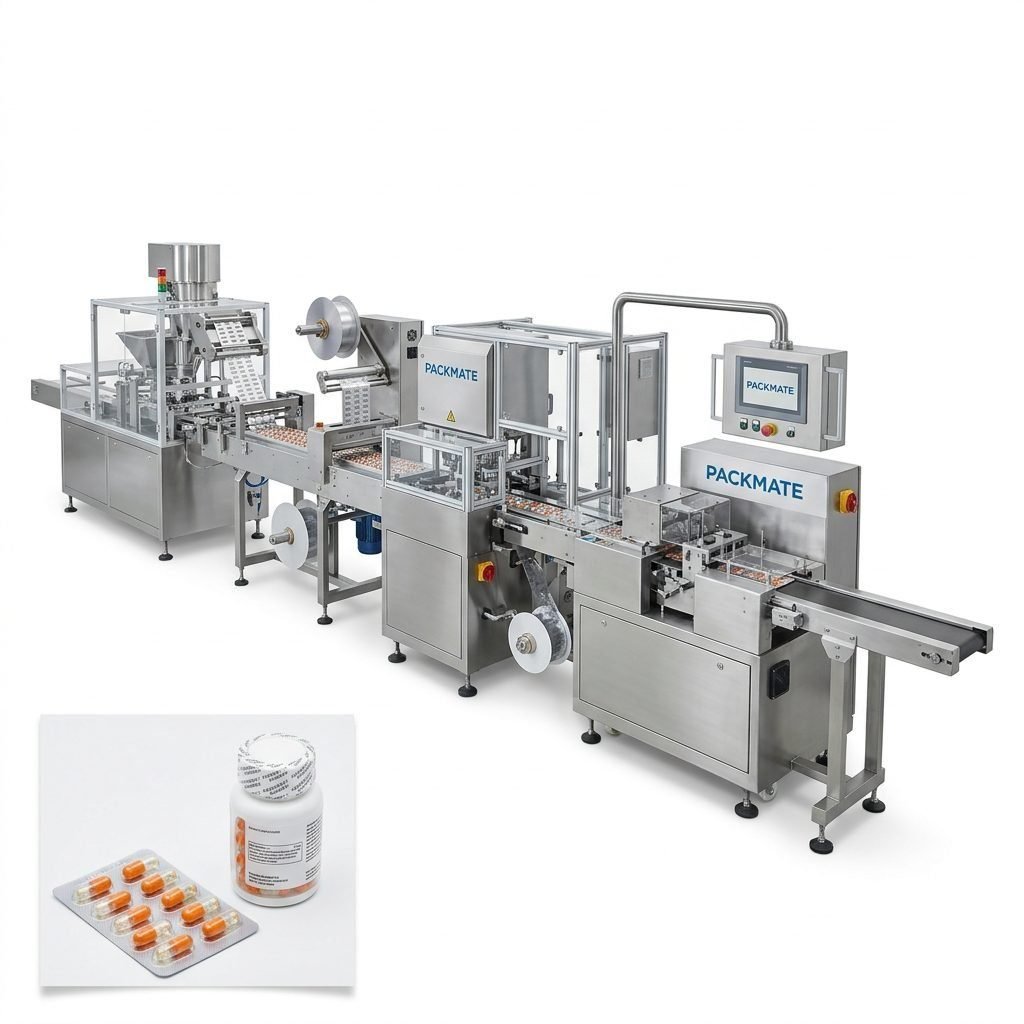
Regulatory Compliance: Ensure the machine design meets the regulatory standards for your target markets (e.g., FDA, CE, GMP for pharmaceuticals). A manufacturer experienced in serving global clients will be adept at navigating these requirements.
Final Steps: Validation and Decision
Before finalizing your purchase, take these essential validation steps:
Request a Product Test: Always send your actual product and packaging materials to the manufacturer for a live machine test. This is the only way to verify performance on speed, accuracy, sealing quality, and material runnability.
Visit the Factory: If possible, visit the manufacturer’s facility. Seeing their production process, quality checks, and meeting their engineering team provides immense confidence. It allows you to assess their capabilities firsthand.
Check References: Ask for and contact customer references, especially those in a similar industry or using a similar machine model. Their firsthand experience is invaluable.
Review the Contract Thoroughly: Ensure all specifications, performance guarantees, delivery timelines, payment terms, and service agreements are clearly documented before signing.
Frequently Asked Questions (FAQ)
1. What is the most important factor when choosing a packaging machine?
While all factors are interconnected, clearly defining your product characteristics and packaging format is the absolute starting point. This fundamental requirement dictates the type of filling, sealing, and handling technology needed. A machine perfect for powders will fail miserably with liquids, regardless of its other features.
2. How do I know if a machine manufacturer is reliable?
Look for tangible proof of stability and capability: significant industry experience (10+ years), a physical modern factory, a portfolio of successful case studies, and verifiable customer testimonials. Manufacturers that offer comprehensive after-sales service and support globally are typically more invested in long-term customer relationships and their own reputation.
3. Should I buy a standard machine or a custom-designed one?
Always start by exploring standard models from a manufacturer’s range, as they are proven, cost-effective, and have readily available spare parts. Most reputable manufacturers, offering over 50 machine models, can often meet needs with a standard machine configured with specific options. Custom design is only necessary for highly unique products or processes and comes with higher cost and longer lead times.
4. How can I estimate the potential Return on Investment (ROI) for a new machine?
Calculate ROI by comparing the new machine’s performance against your current method or an older machine. Key metrics include: increased output speed (PPM), reduced labor costs, lower material waste (from improved accuracy), decreased downtime, and improved product quality leading to fewer returns. A detailed proposal from a quality manufacturer should help you model these savings.
5. What are common mistakes to avoid in the selection process?
The top mistakes are: prioritizing low initial price over Total Cost of Ownership (TCO), underestimating future production needs, skipping the live product test, neglecting to evaluate the manufacturer’s service capability, and failing to plan for proper operator training and maintenance. A methodical, research-driven approach as outlined in this guide helps avoid these costly errors.