Choosing the right energy bar packaging machine is a critical investment for any manufacturer looking to scale production, ensure product integrity, and enhance brand appeal. The packaging is often the first physical interaction a consumer has with your product, making it a vital component of your marketing and operational strategy. This guide delves into the various types of packaging machines available, key considerations for selection, and practical buying tips to help you make an informed decision.
Primary Types of Energy Bar Packaging Machines
The energy bar market demands versatility, speed, and precision. Different machine types cater to varying production scales, bar formats, and packaging styles.
Flow Wrappers (Horizontal Form-Fill-Seal)
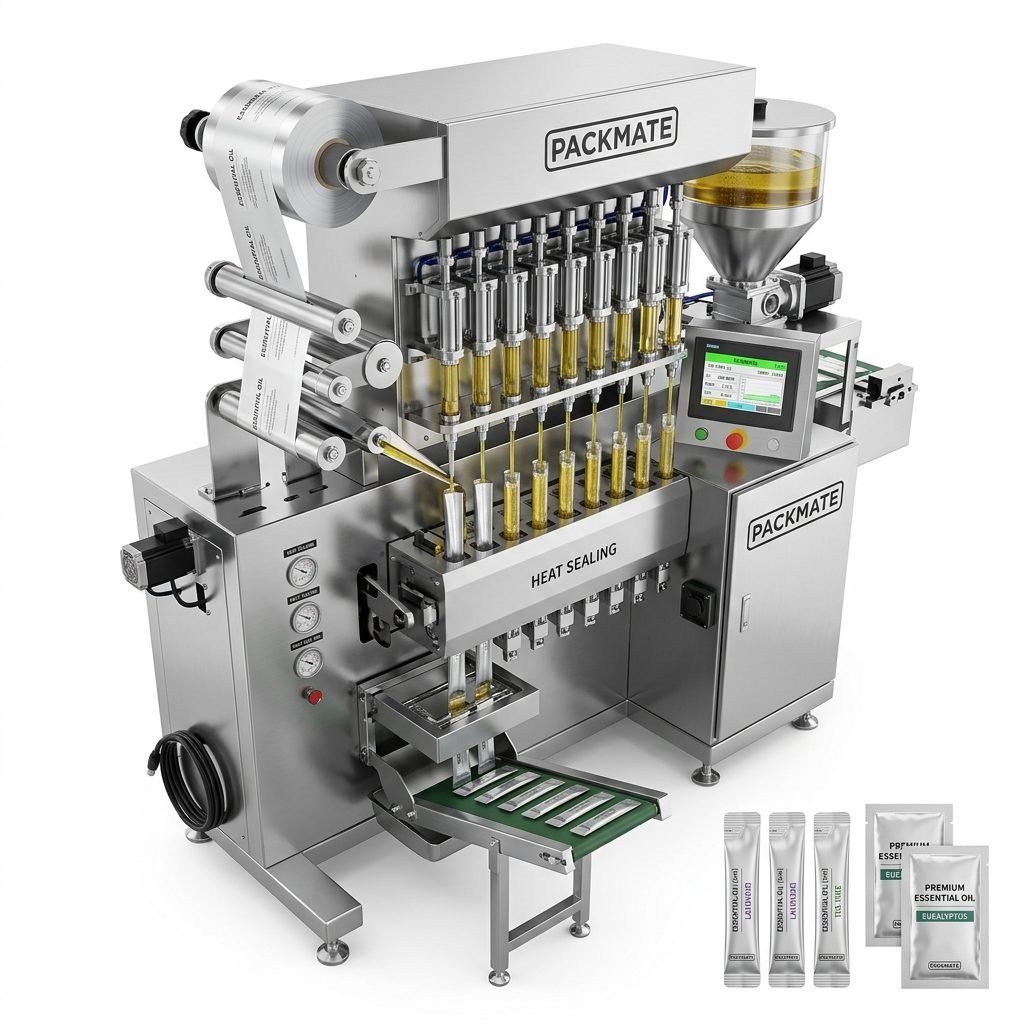
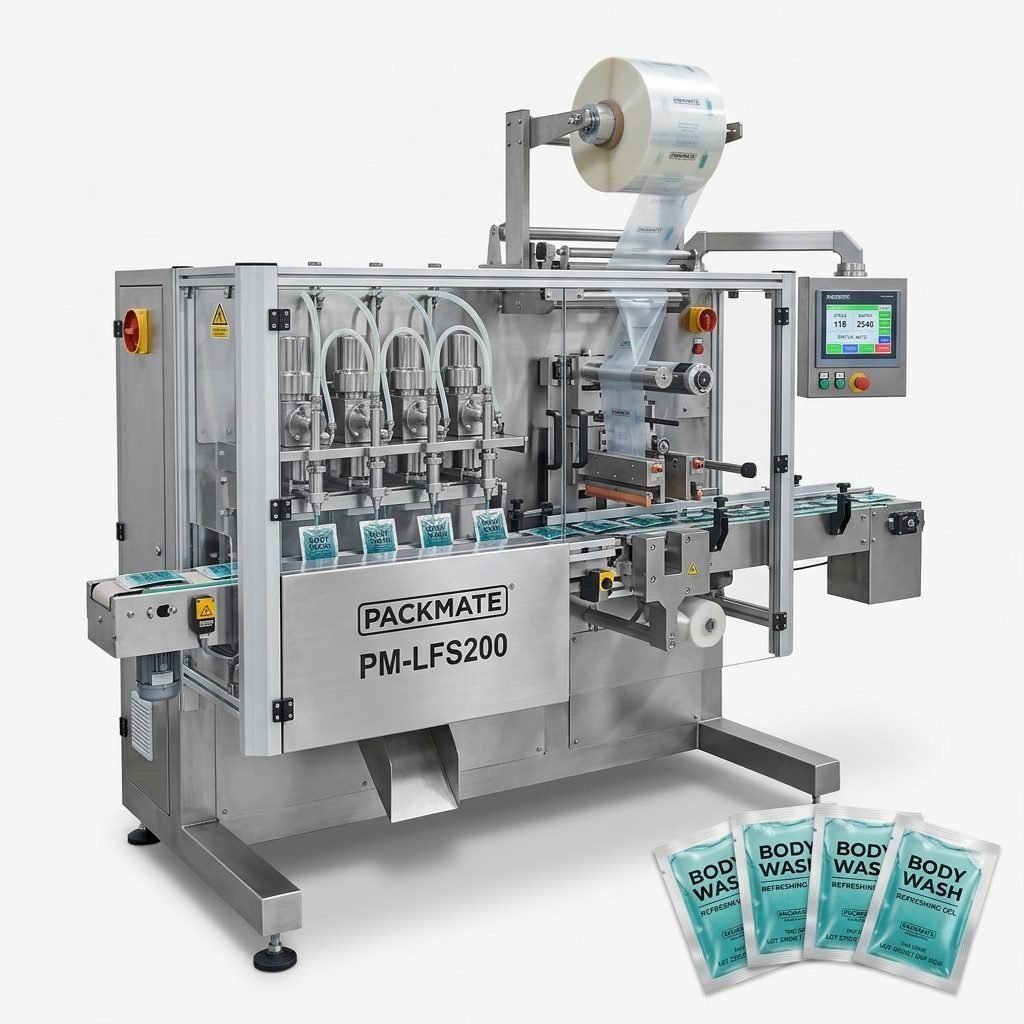
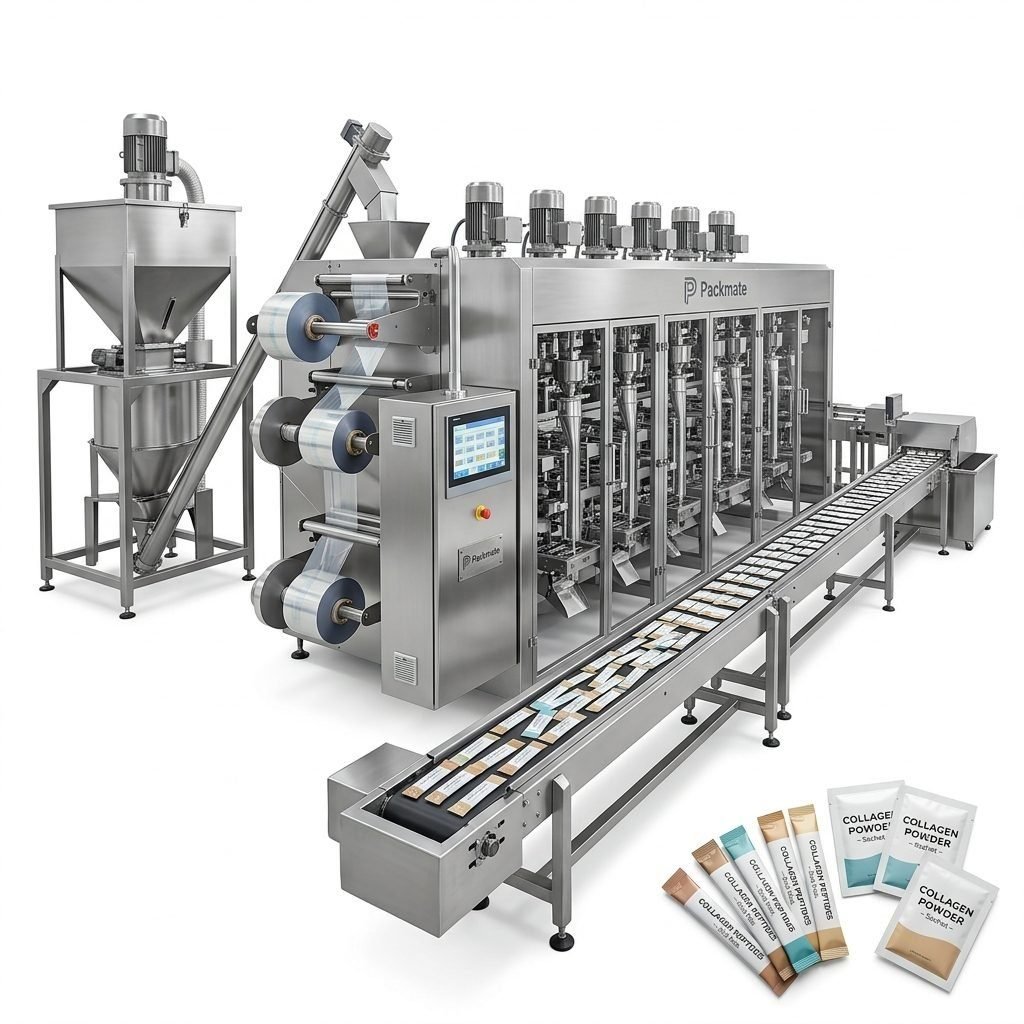
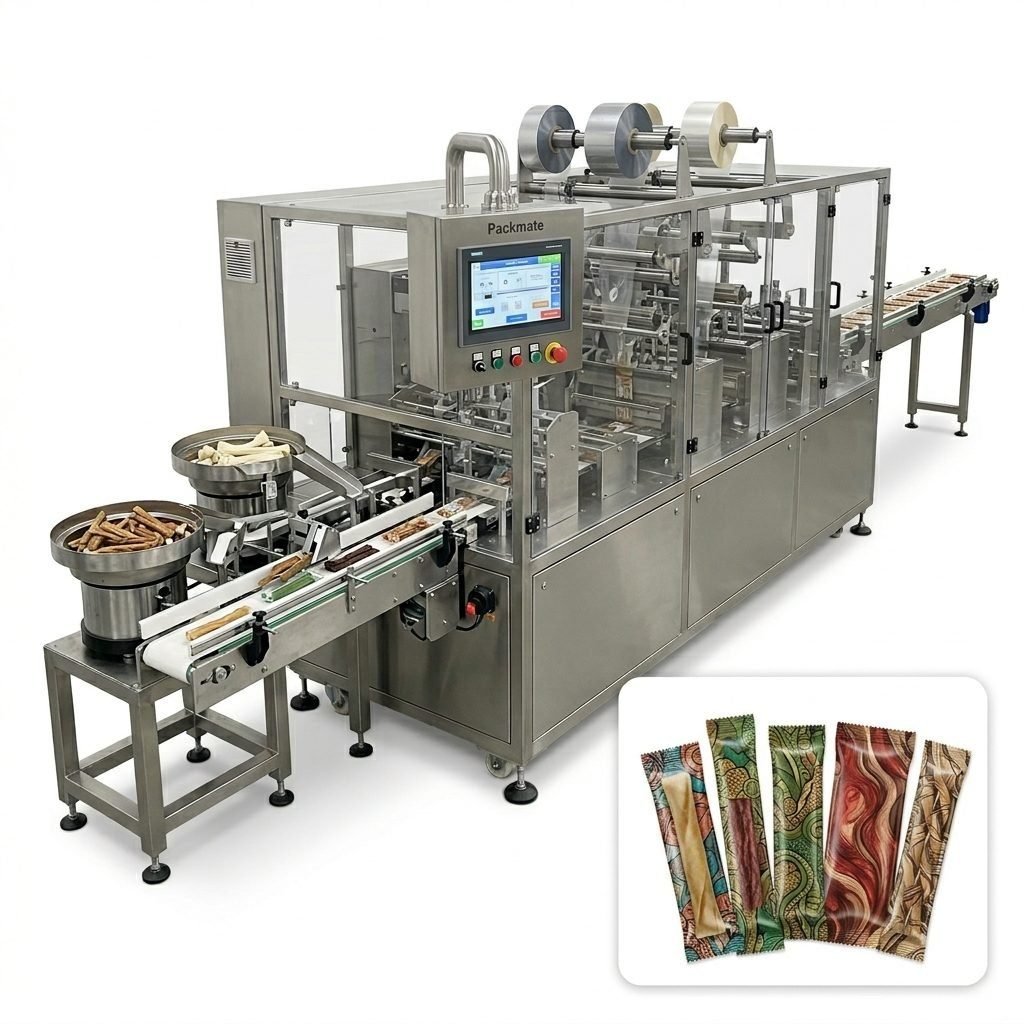
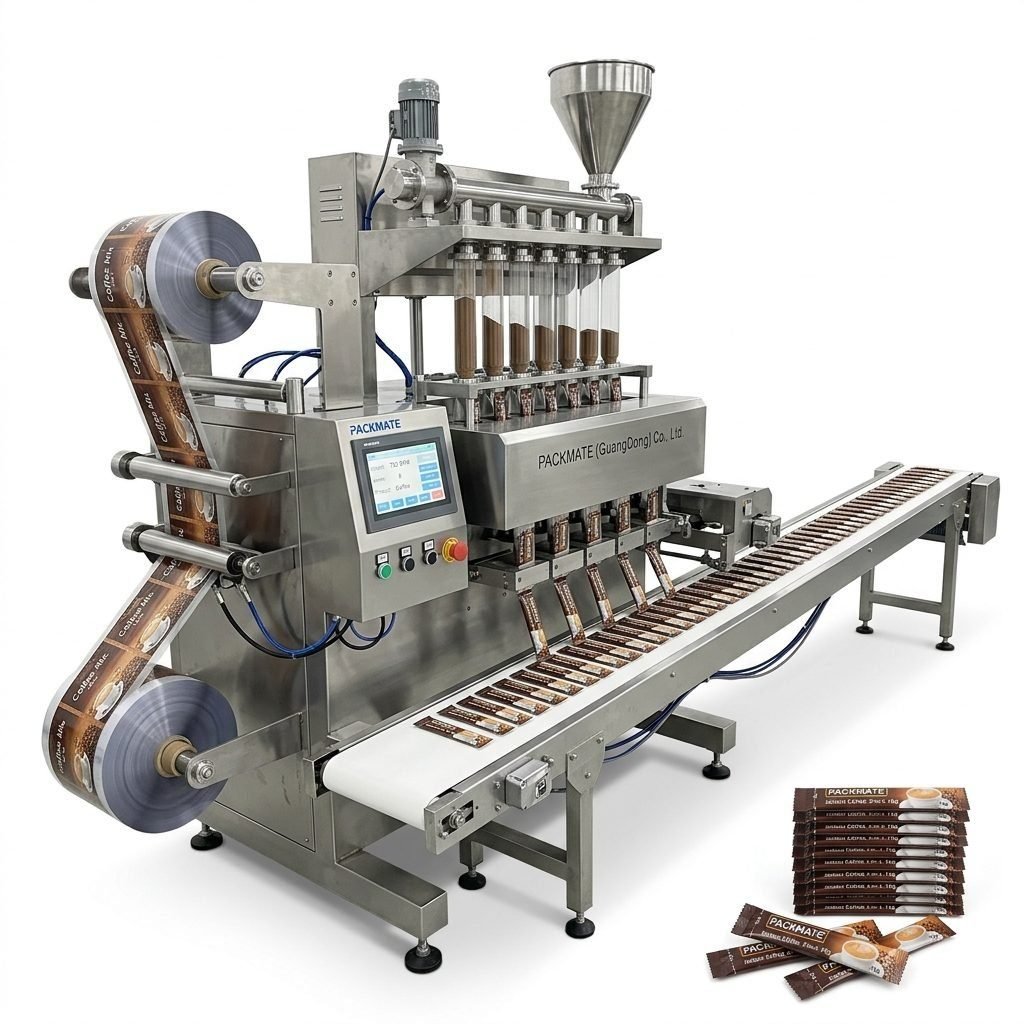
Flow wrappers are the industry standard for individually wrapping energy bars. They use a continuous roll of flexible film to form a tube around the product, create longitudinal and end seals, and cut the finished pouch. This method is ideal for high-speed production and offers excellent barrier properties to preserve freshness. Machines like the multi-lane stick pack machines from Packmate exemplify advanced horizontal wrapping technology, capable of handling multiple lanes simultaneously for maximum output.
Vertical Form-Fill-Seal (VFFS) Machines
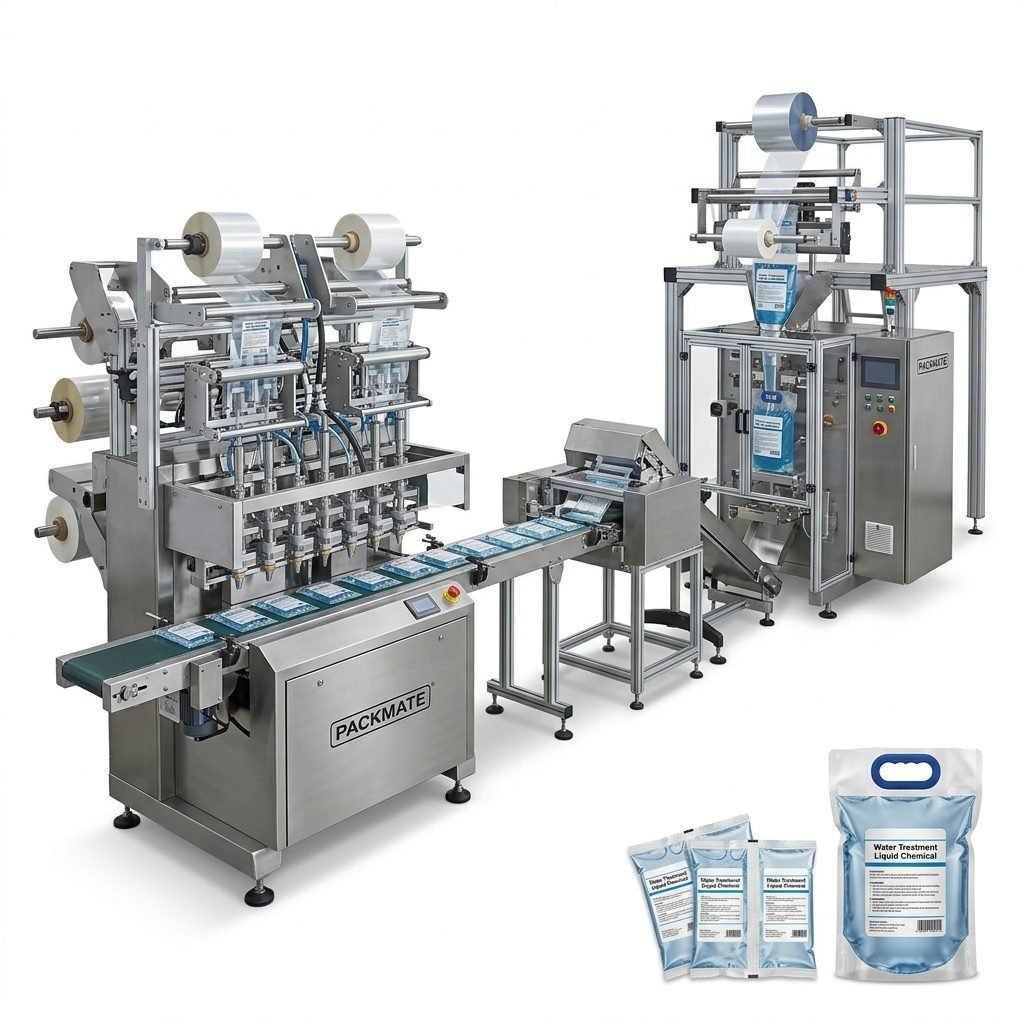
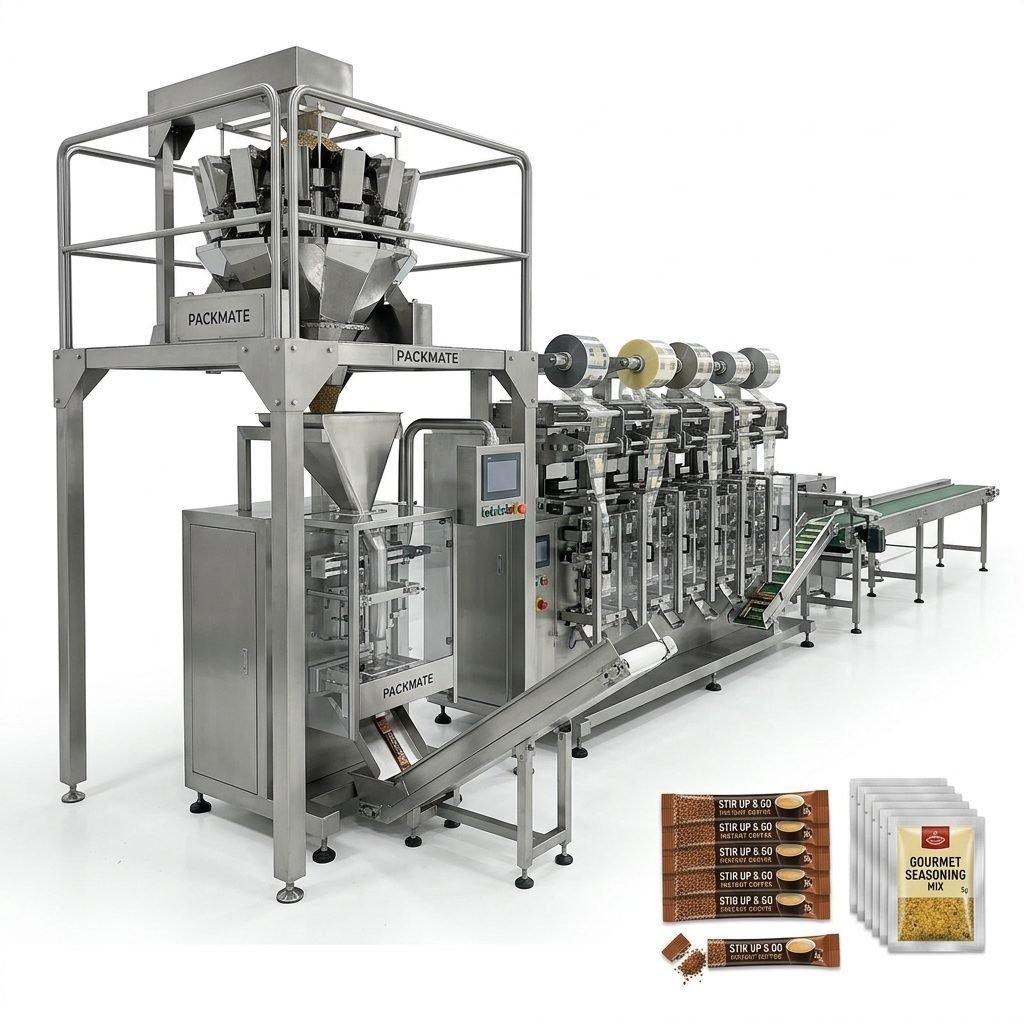
VFFS machines are typically used for pouching multiple bars together or for granola-style loose bars. The film is formed vertically into a bag, filled with the product, and then sealed. This type is highly flexible and can accommodate various bag sizes and styles, including stand-up pouches with zippers or tear-notches. They are a cornerstone of modern bag & pouch packaging solutions.
Cartoning Systems
For premium or multi-pack presentations, cartoning machines place wrapped bars into paperboard boxes. These systems can be semi-automatic or fully automatic, integrating with upstream flow wrappers. They add rigidity, improve shelf presence, and provide space for detailed nutritional information and branding.
Shrink Wrapping & Bundling Machines
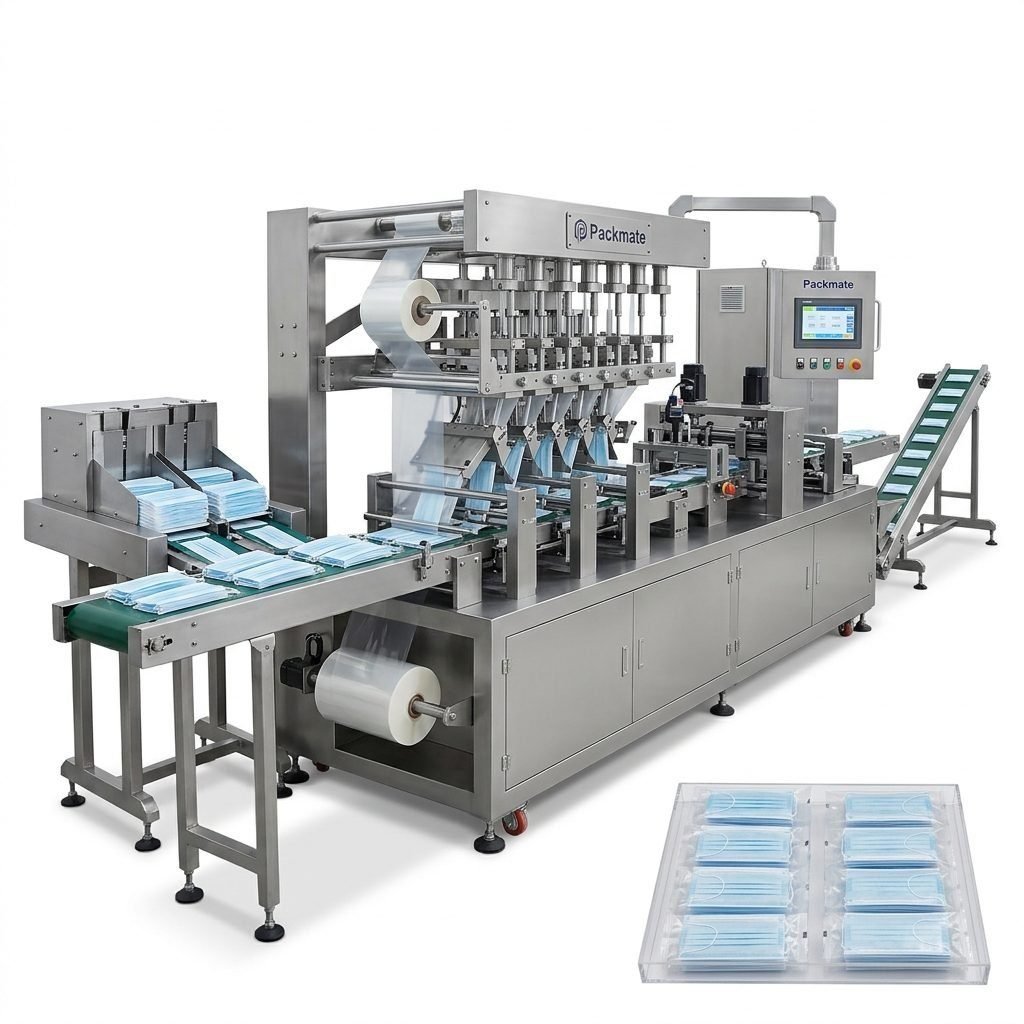
To create multi-packs for retail sale, shrink wrapping machines group several individually wrapped bars together and apply a transparent film. The bundle then passes through a heat tunnel, causing the film to shrink tightly around the products. This is a cost-effective method for creating secure promotional packs.
Key Factors to Consider Before Buying
Selecting a machine goes beyond just the type. You must evaluate your specific operational needs and future goals.
Production Speed & Output Requirements
Calculate your current and projected daily/weekly output. Machine speeds are measured in packs per minute (PPM). A small startup might manage with a 60-100 PPM machine, while a large-scale manufacturer may require equipment exceeding 300 PPM. Always plan for growth; a machine operating at 80% of its max capacity is more sustainable than one constantly running at 100%.
Packaging Materials & Film Compatibility
The machine must be compatible with your chosen packaging material, whether it’s polypropylene (PP), polyethylene (PE), metallized film, or biodegradable/compostable alternatives. Consider the seal integrity required for your product’s shelf life. Discuss material specifications with your supplier to ensure the machine’s sealing jaws, temperature controls, and film feeding systems are appropriately configured.
Machine Flexibility and Changeover Time
If you produce multiple bar sizes, flavors, or packaging formats, quick changeover capability is essential. Look for machines with tool-less or quick-change parts for format adjustments. Minimizing changeover time directly increases your overall equipment effectiveness (OEE) and profitability.
Integration with Upstream & Downstream Equipment
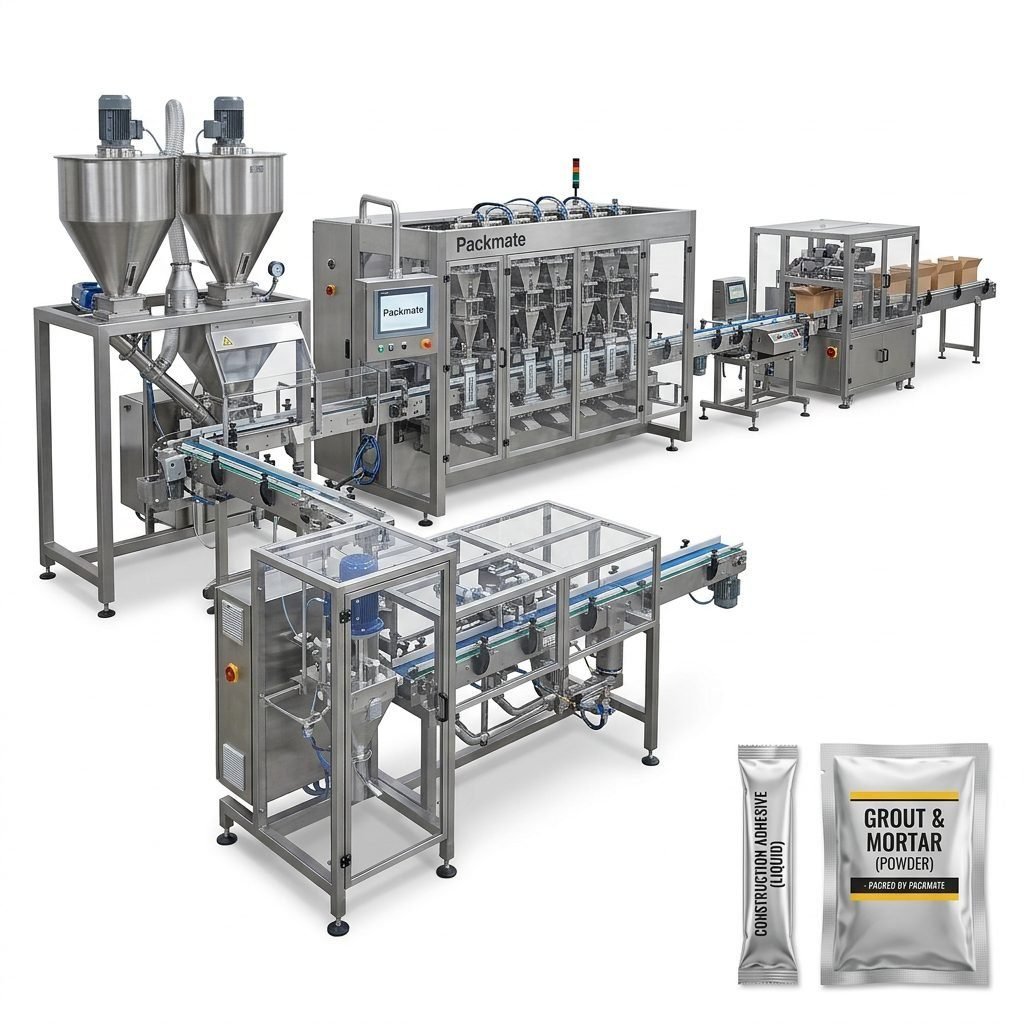
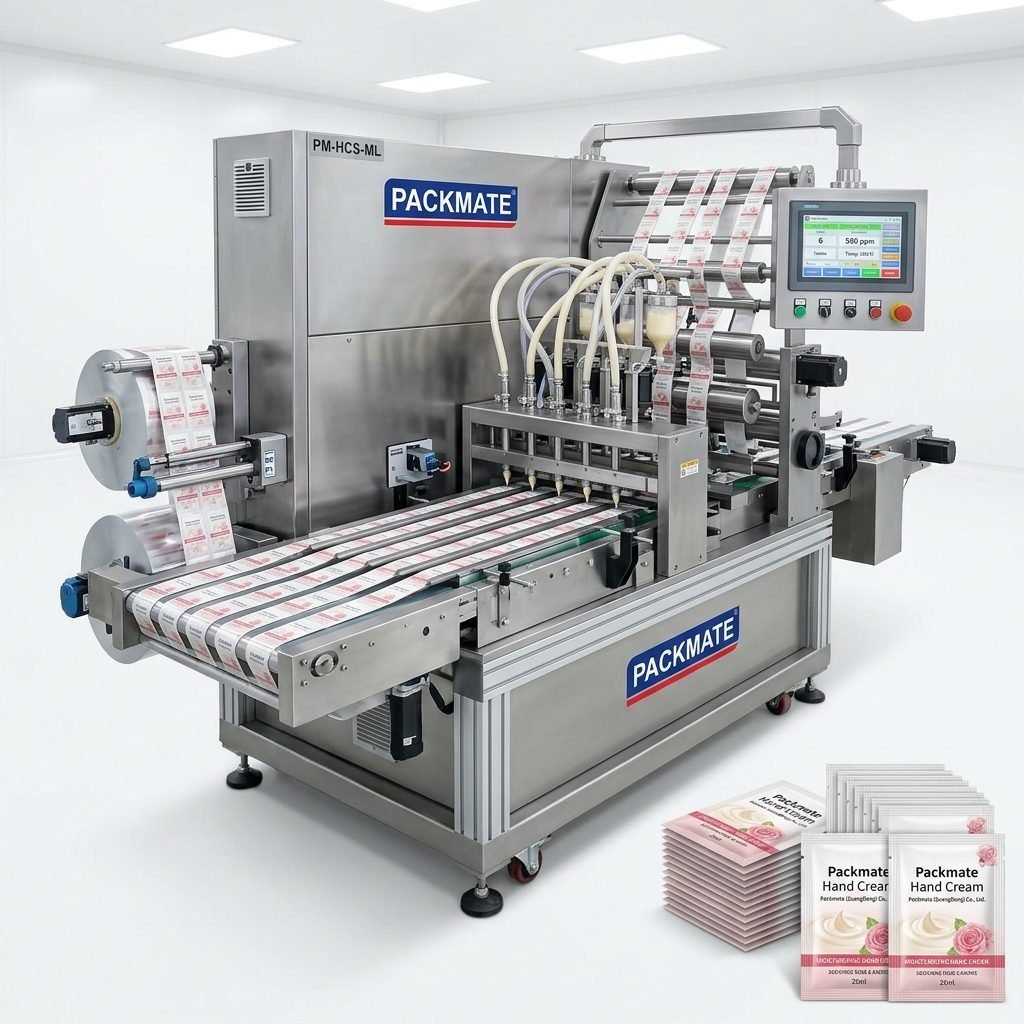
Your packaging machine is often one node in a larger line. Consider how it will integrate with existing or planned equipment like bar extruders/cutters, checkweighers, metal detectors, and case packers. A complete filling and packaging line from a single supplier like Packmate ensures compatibility, streamlined communication, and single-point service support.
Essential Buying Tips for a Smart Investment
Navigating the purchase process requires diligence. Follow these tips to protect your investment.
Prioritize Build Quality and Reliability: Inspect the machine’s construction—stainless steel frames and food-grade components are industry standards. Reliability, measured by mean time between failures (MTBF), is more important than a marginally higher speed. A robust machine from an established manufacturer minimizes costly downtime.
Evaluate the Supplier’s Expertise and Support: Choose a supplier with proven experience in the food and snack sector. Review their case studies and client testimonials. Post-sale support is critical: ensure they offer comprehensive training, readily available spare parts, and responsive technical service. A company with a long history, such as Packmate with over 22 years of development, often provides greater stability and support.
Request a Live or Recorded Product Test: Never buy based on specifications alone. Send your actual energy bars and packaging materials to the supplier for a performance test. This reveals how the machine handles your specific product’s stickiness, size variation, and fragility, as well as the seal quality achieved with your film.
Analyze Total Cost of Ownership (TCO): Look beyond the initial purchase price. Factor in installation costs, energy consumption, required operator skill level, maintenance schedules, and the cost of consumables like sealing jaws and spare parts. A slightly higher upfront cost for a more efficient and reliable machine usually results in a lower TCO.
Consider Future-Proofing and Scalability: Can the machine be upgraded or integrated with automation (like robotics) later? Does the manufacturer offer a range of models you can grow into? Planning for future automation and scalability protects your investment in the long term.
Why Partner with an Experienced Manufacturer?
Partnering with a specialized manufacturer brings immense value. Companies like Packmate Machinery don’t just sell machines; they provide solutions. With deep application knowledge, they can advise on the optimal machine type, material selection, and line layout. Their 30+ years of expertise in packaging granules and solids translates into reliable, purpose-built equipment for energy bars. Furthermore, their ability to deliver turnkey solutions—from single machines to complete automated lines—simplifies your project management and ensures all components work harmoniously.
Frequently Asked Questions (FAQ)
1. What is the typical production speed range for an energy bar flow wrapper?
Speeds vary widely based on machine sophistication. Entry-level models may run at 80-150 packs per minute, while high-end, multi-lane machines from manufacturers like Packmate can achieve speeds of 300-600 packs per minute or more for simple formats.
2. Can one machine handle both solid bars and softer, chewy granola bars?
Yes, but it requires careful configuration. The main differences lie in the feeding system (to avoid deformation) and potentially the sealing parameters. A versatile machine with adjustable settings and gentle handling features is key. Discuss your specific product textures with the machine supplier during testing.
3. How important is servo-motor technology in these machines?
Extremely important. Servo-driven machines offer superior control over motion, leading to higher precision in product placement and sealing, reduced film waste, faster and simpler changeovers, and generally quieter, more energy-efficient operation compared to traditional mechanical machines.
4. What kind of maintenance schedule should I expect?
Daily cleaning and basic inspection are essential. Professional preventive maintenance, including lubrication, belt tension checks, and seal jaw inspection, is typically recommended every 3-6 months, depending on usage. Your supplier should provide a detailed maintenance schedule and checklist.
5. Are there packaging machines suitable for sustainable/compostable films?
Yes, but you must select a machine compatible with these materials. Compostable films often have different melting points and tensile strengths. Machines may require adjustments to sealing temperature, pressure, and dwell time. Work with a supplier experienced in sustainable packaging to ensure success.