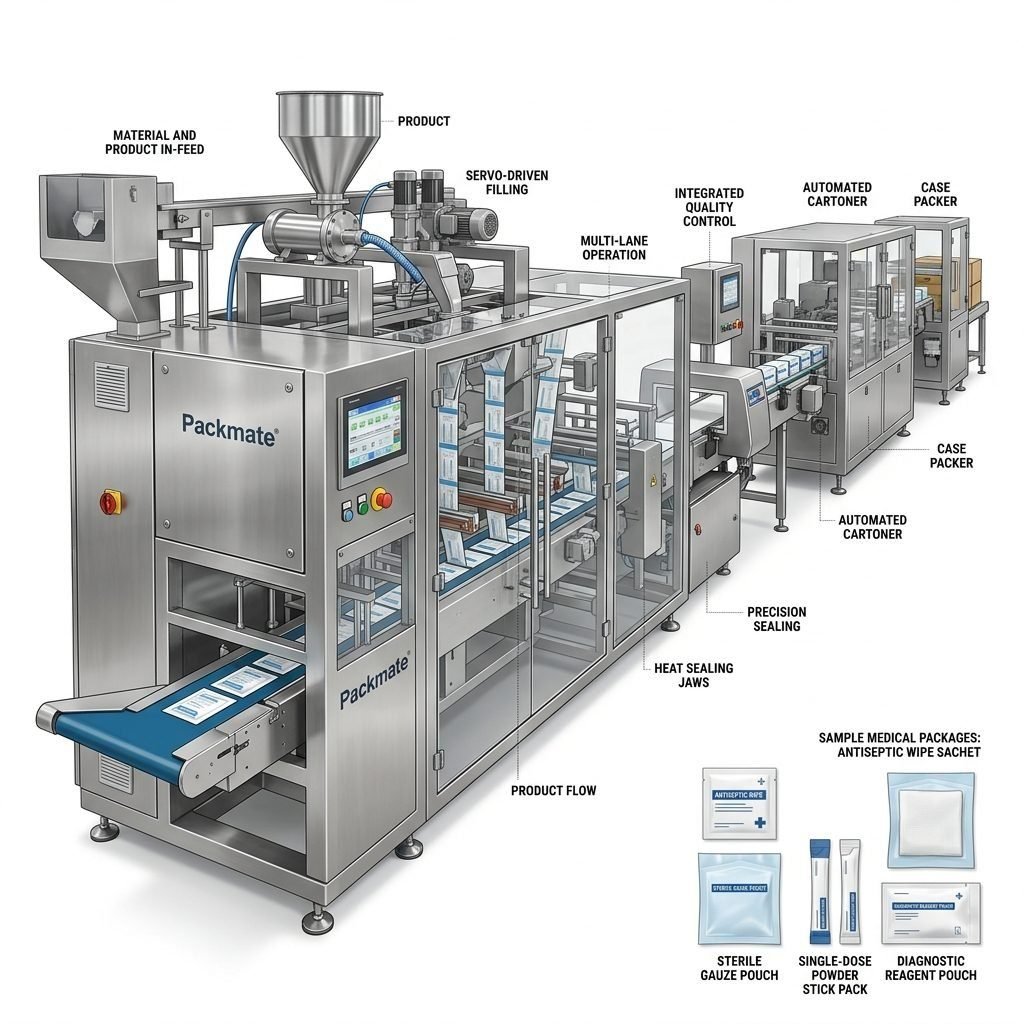
In today’s fast-paced production environments, efficiency is not just a goal—it’s a necessity. Selecting the best packaging machines for efficient product wrapping is a critical decision that impacts your bottom line, product quality, and brand reputation. The right equipment can transform your packaging line, reducing waste, increasing speed, and ensuring consistent, professional results for every single item that leaves your facility.
Understanding Your Packaging Needs
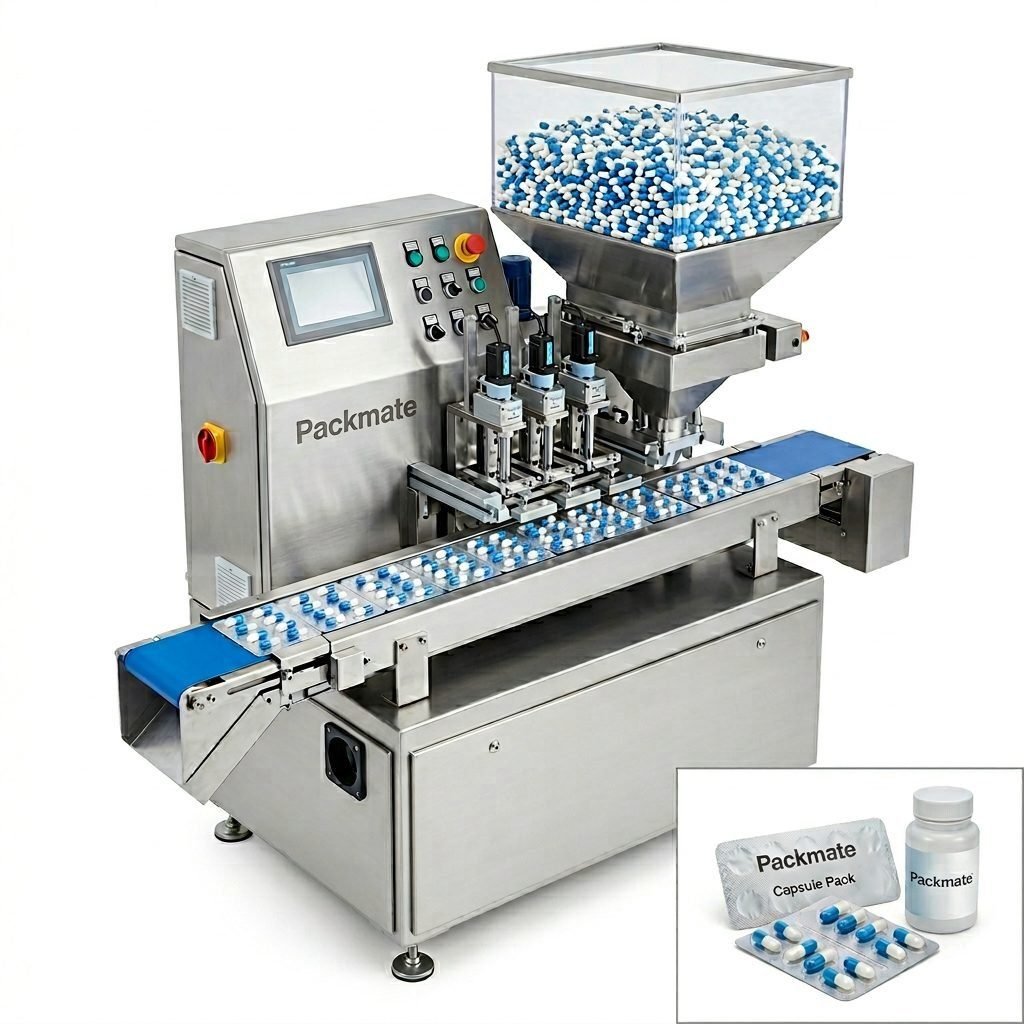
Before diving into specific machine types, it’s essential to assess your unique requirements. Consider the nature of your product—is it a powder, granule, liquid, or solid? What are your required output speeds? What packaging materials do you plan to use? Answering these questions is the first step toward identifying the machinery that will deliver optimal efficiency for your operation. For a broad overview of available solutions, you can explore our comprehensive range of packing machines.
Key Takeaway: Efficiency in packaging is a multi-faceted concept. It encompasses speed, material savings, changeover time, and reliability. The most efficient machine is the one that best aligns with your specific product, volume, and flexibility needs.
The Power of Automation: Multi-Lane Stick Pack & Sachet Machines
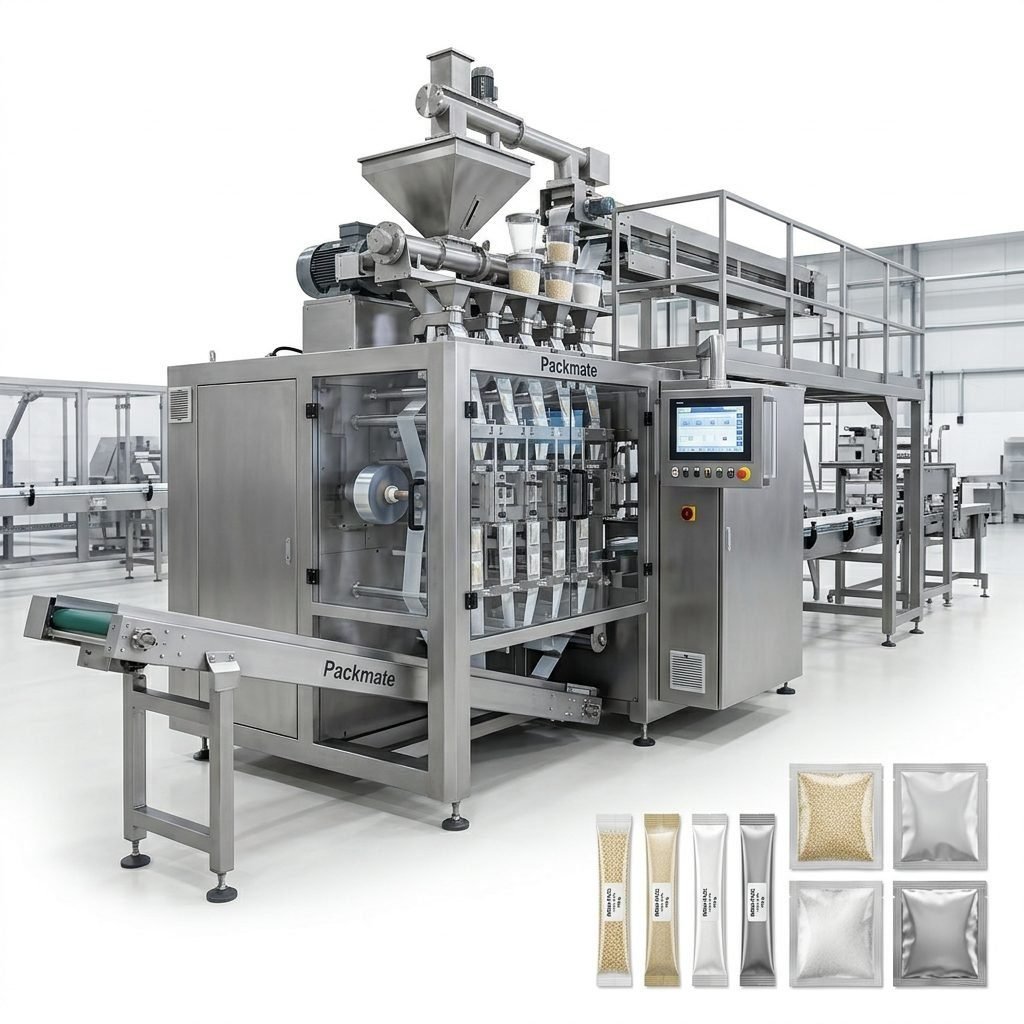
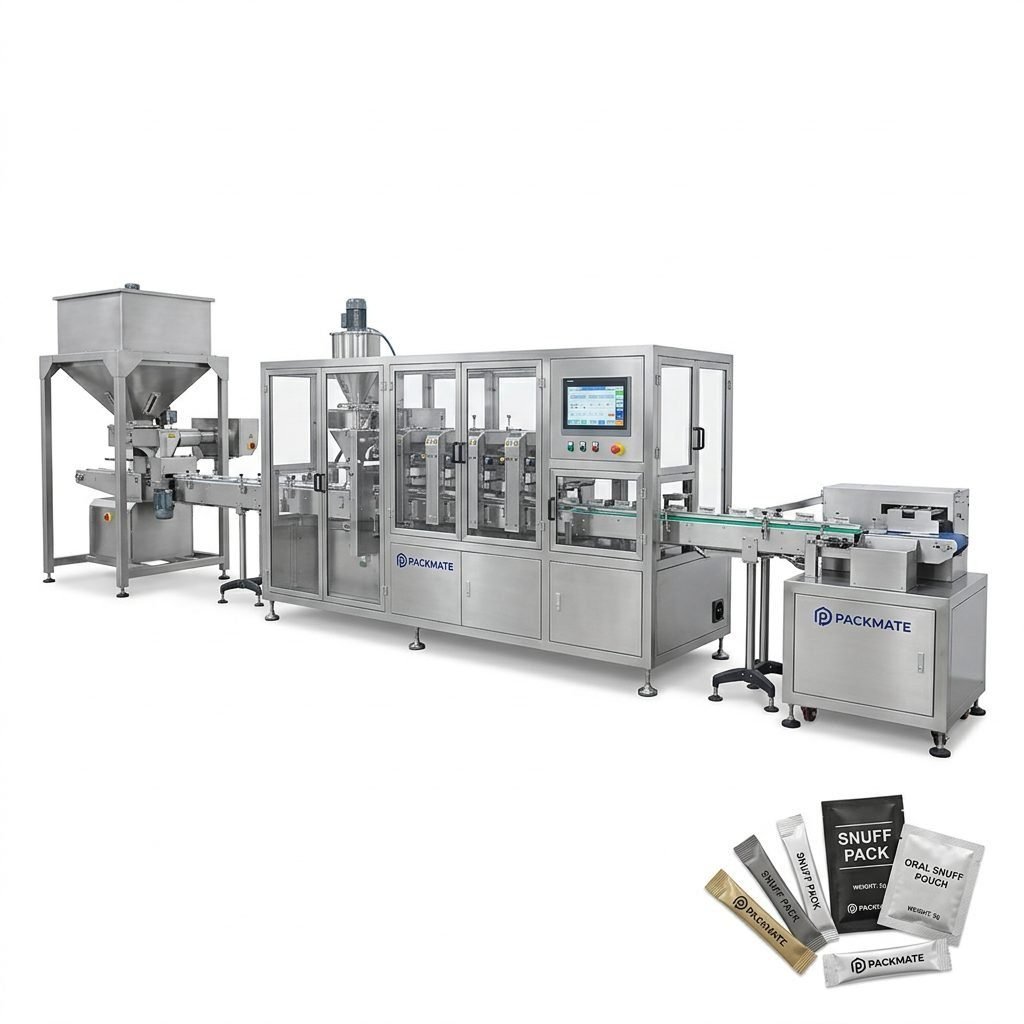
For businesses packaging smaller portions of products like condiments, supplements, or pharmaceuticals, multi-lane machines represent the pinnacle of wrapping efficiency. These systems can run multiple packaging lanes simultaneously from a single product feed, dramatically increasing output without a proportional increase in floor space or operator attention. The precision of these machines ensures minimal product giveaway and perfect seal integrity every time. Discover our specialized technology in Sachet & Stick Pack Machines.
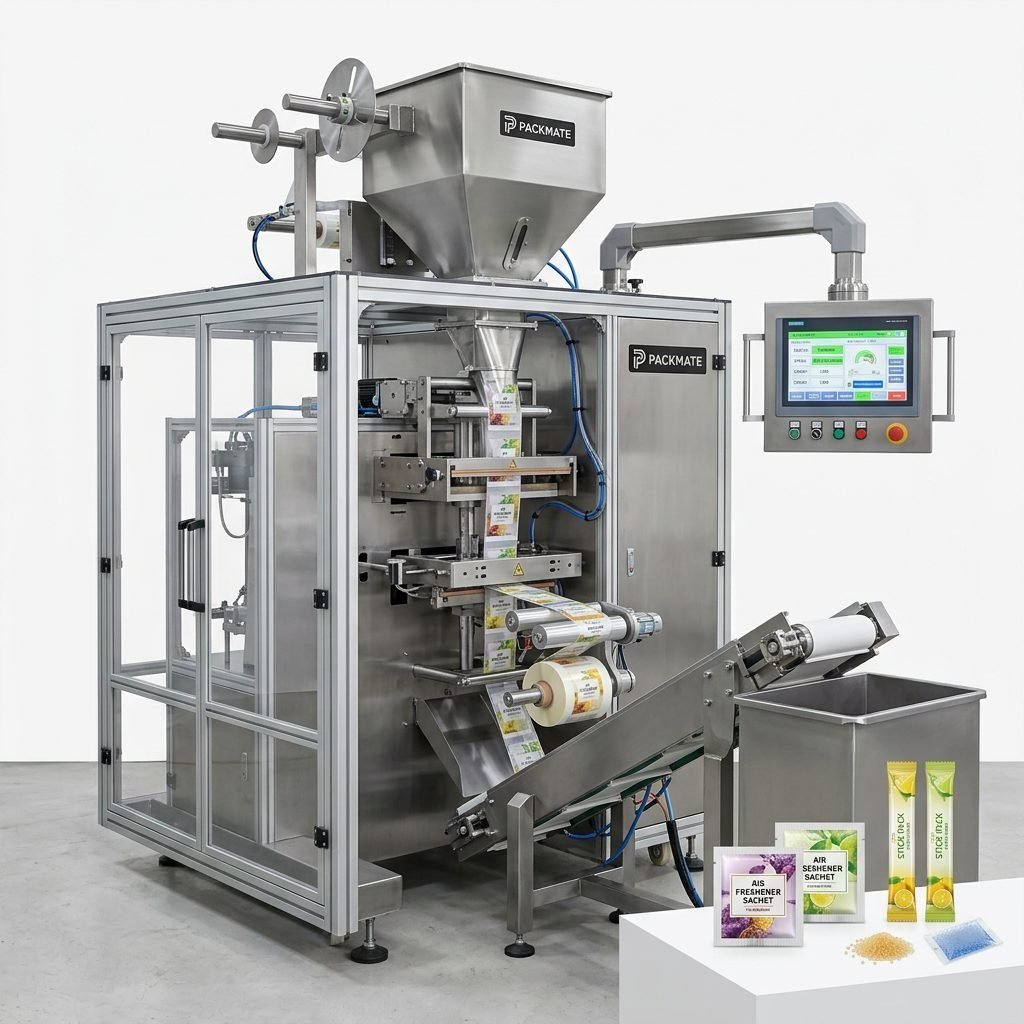
Modern sachet and stick pack machines often feature touch-screen PLC controls, automatic film tracking, and quick-change tooling. This reduces downtime during product changeovers, allowing you to respond swiftly to market demands. The efficiency gains here are twofold: higher production speeds and greater operational flexibility.
Versatile Workhorses: Bag & Pouch Packaging Machines
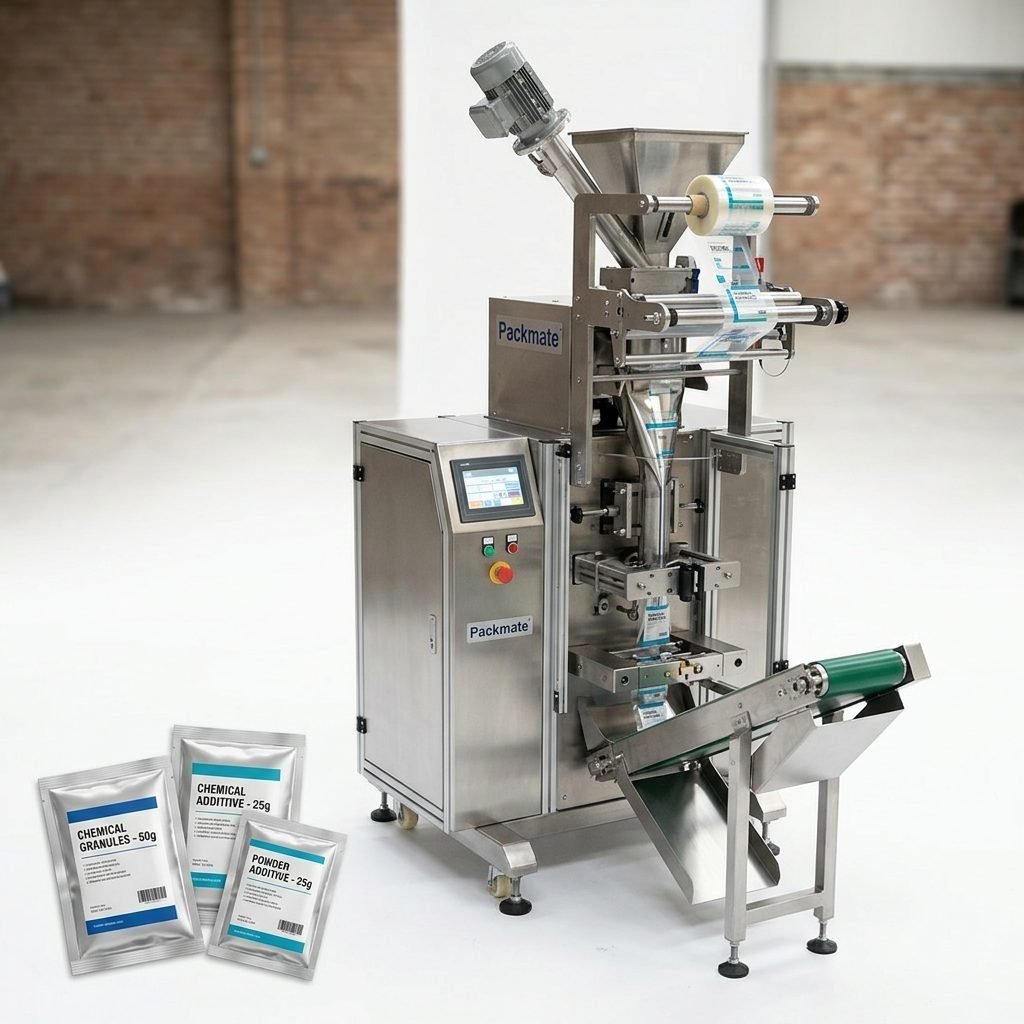
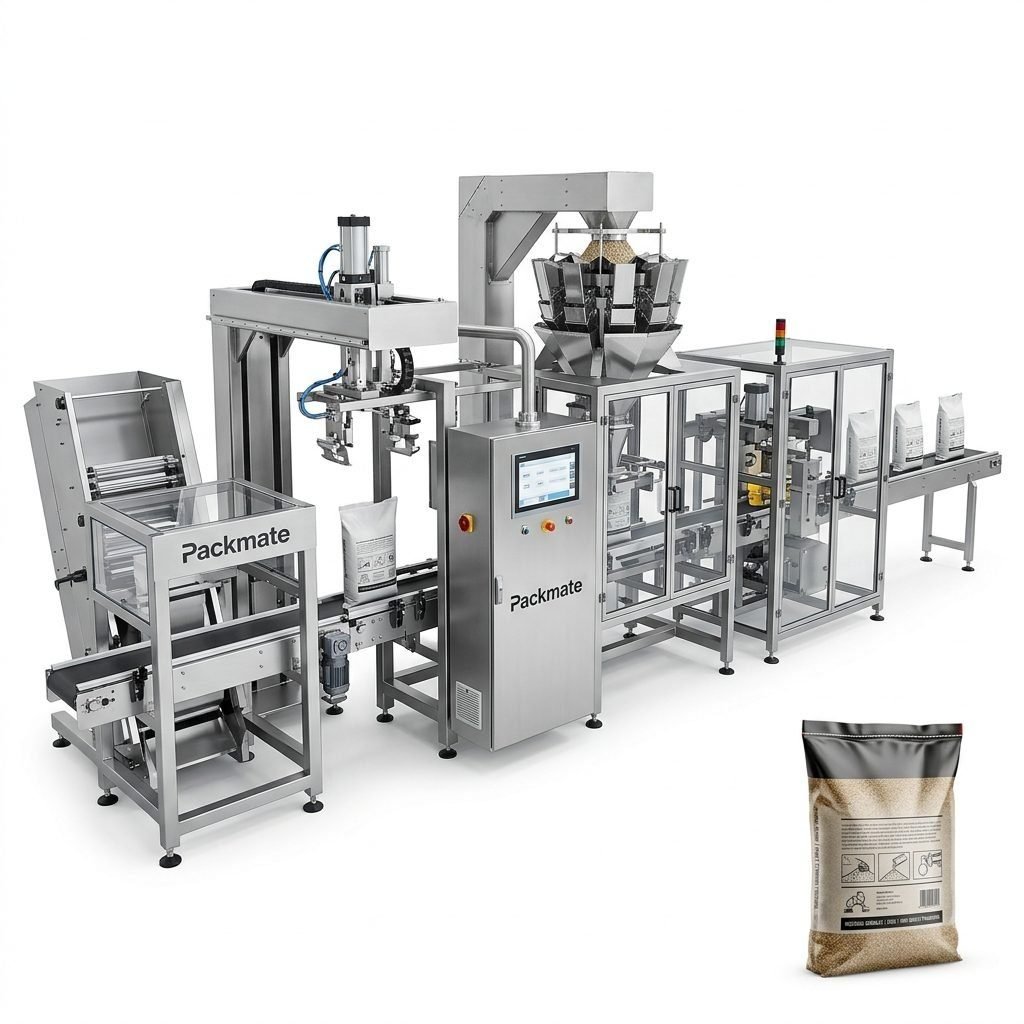
When it comes to packaging a wider variety of products in larger quantities, vertical form-fill-seal (VFFS) bagging machines are industry stalwarts for efficiency. They form the bag from a roll of film, fill it with a precise amount of product, and seal it—all in one continuous, automated cycle. This process eliminates the need for pre-made bags, saving on material costs and storage space.
The latest generation of these machines integrates sophisticated weighing systems for unparalleled accuracy. This is crucial for compliance and cost control, as even a slight overfill per bag can lead to significant product loss over thousands of units. For robust solutions in this category, consider our Bag & Pouch Packaging Machines.
Features That Drive Efficiency
- Servo-Driven Technology: Provides smoother motion, higher precision, and significant energy savings compared to traditional mechanical drives.
- User-Friendly HMI (Human-Machine Interface): Simplifies operation, recipe storage, and troubleshooting, reducing training time and operator error.
- Quick-Change Parts: Allow the machine to switch between different bag sizes or styles in minutes, maximizing uptime.
- Integrated Checkweighers: Provide real-time feedback, automatically rejecting under or overweight packs to ensure 100% quality compliance.
Complete Line Integration: The Ultimate Efficiency Boost
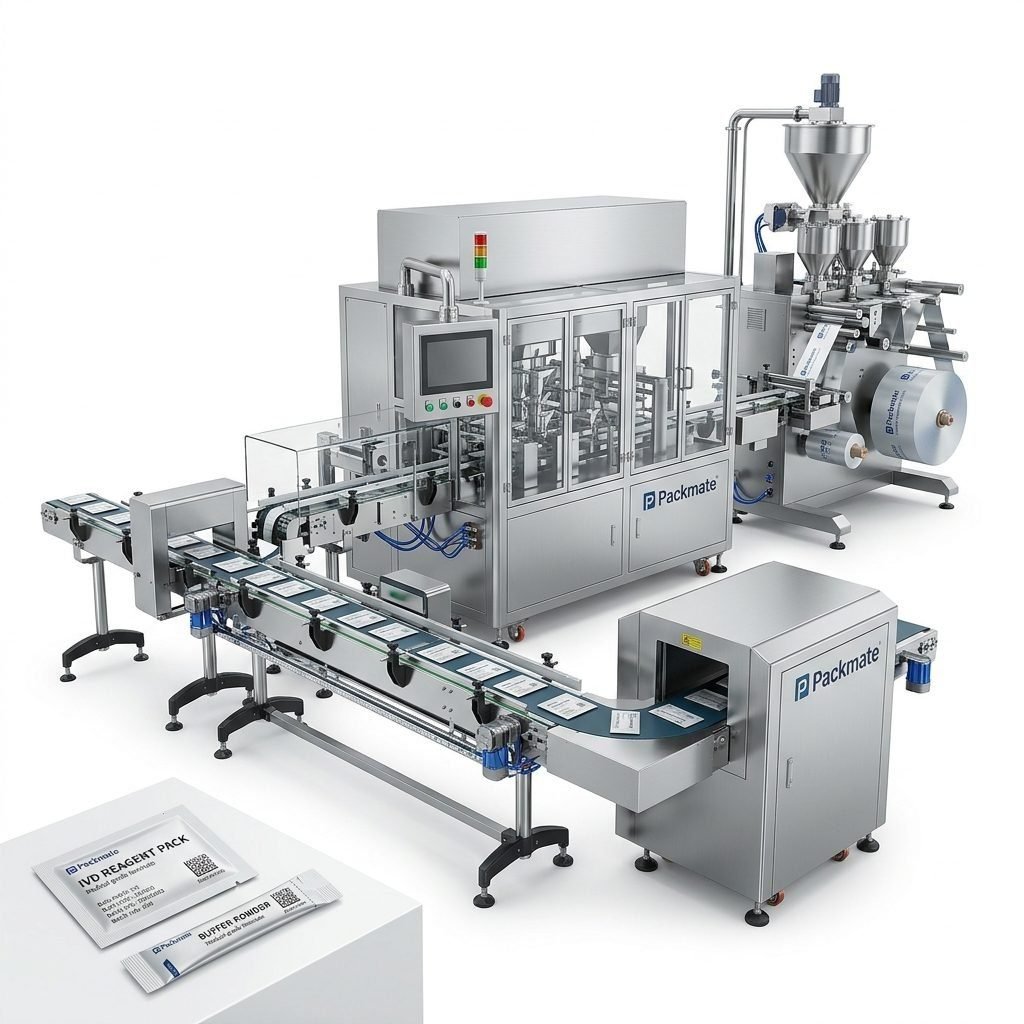
While individual machines are powerful, the highest level of wrapping efficiency is achieved through a fully integrated, turnkey packaging line. This involves seamlessly connecting various equipment—such as feeders, fillers, sealers, coders, and cartoners—into a synchronized system. A well-designed line minimizes manual handling, reduces labor costs, and creates a smooth, continuous flow from raw product to ready-to-ship case.
Companies like Packmate Machinery, with over 22 years of development, specialize in designing these complete solutions. Their expertise ensures each component communicates perfectly with the next, eliminating bottlenecks. This holistic approach to efficiency is detailed in their capabilities for Filling & Packaging Lines.
The foundation of this capability is a 20,000㎡ modern manufacturing facility and a deep commitment to innovation, tracing back to the founder’s passion in 1993. This history of solving technical challenges translates into reliable, efficient machines that perform day in and day out on your factory floor.
Investing in Long-Term Operational Efficiency
Choosing the best packaging machine goes beyond the initial purchase price. Consider the total cost of ownership, which includes energy consumption, maintenance needs, and part longevity. Machines built with high-quality components and robust engineering, like those from established manufacturers, may have a higher upfront cost but lead to far lower downtime and repair expenses over a decade of service.
Furthermore, efficient wrapping isn’t just about speed; it’s about consistency and reducing waste. A machine that produces perfect seals 99.9% of the time prevents costly product loss, customer returns, and brand damage. This reliability is a direct result of the over 30 years of expertise that dedicated engineering teams bring to the design table.
Making the Right Choice for Your Business
To select the most efficient wrapping machine for your needs:
- Audit Your Current Process: Identify your biggest bottlenecks—is it speed, changeover time, or material waste?
- Request Live Demonstrations: Always see the machine run with a product similar to yours. Pay attention to ease of operation and changeover.
- Evaluate Support and Training: Ensure the manufacturer offers comprehensive installation, training, and after-sales service to keep your line running efficiently.
- Plan for the Future: Choose a machine and a supplier with the scalability and expertise to grow with your business, much like Packmate’s evolution from small sachet machines to full turnkey solutions for global clients.
Frequently Asked Questions (FAQ)
What is the most important factor when choosing a machine for efficient wrapping?
The most critical factor is matching the machine’s capabilities to your specific product and production volume. A machine that is too large or complex for your needs is inefficient in cost, while one that is too small becomes a bottleneck. A detailed analysis of your product characteristics and output goals is essential.
How can I improve the efficiency of my existing packaging line?
Start by conducting a line audit to identify slowdowns or waste points. Often, adding automated auxiliary equipment like auto bag placers, case erectors, or robotic palletizers can dramatically boost overall line efficiency without replacing your core packaging machine. Upgrading to servo motors or newer controls on existing machines can also yield significant speed and accuracy improvements.
Are more expensive machines always more efficient?
Not necessarily in all aspects. While premium machines often offer higher top speeds, better precision, and greater durability, their efficiency must be evaluated against your actual needs. For a lower-volume operation, a moderately priced, highly reliable machine with excellent uptime may be the most “efficient” choice in terms of total cost and return on investment.
What role does packaging material play in wrapping efficiency?
A huge role. The quality and consistency of the film or laminate directly affect the machine’s ability to run smoothly. Poor-quality film can cause frequent jams, sealing issues, and downtime. Working with your machine supplier to identify the optimal material specifications for your product and machine is a key step in achieving peak operational efficiency.
How do I ensure my new machine remains efficient over time?
Proactive maintenance is key. Follow the manufacturer’s recommended maintenance schedule strictly, use genuine spare parts, and ensure your operators are thoroughly trained. Partnering with a supplier that offers strong technical support and readily available parts, like those with a global service network, is crucial for minimizing downtime and maintaining long-term efficiency.