In the competitive food and beverage industry, packaging is far more than just a container—it’s a critical component of product integrity, brand identity, and consumer experience. Selecting the right packaging machinery is a pivotal decision that impacts efficiency, cost, and market success. This guide delves into the world of food and beverage packaging machines, exploring the various types, key considerations for selection, and the innovative solutions that leading manufacturers like Packmate Machinery bring to the table.
Understanding Packaging Machine Categories
The landscape of packaging equipment is diverse, each type designed for specific formats, materials, and production speeds. Knowing which machine fits your product is the first step toward optimization.
Primary Packaging Machines
These machines handle the direct contact packaging that consumers interact with. They are engineered for precision and hygiene.
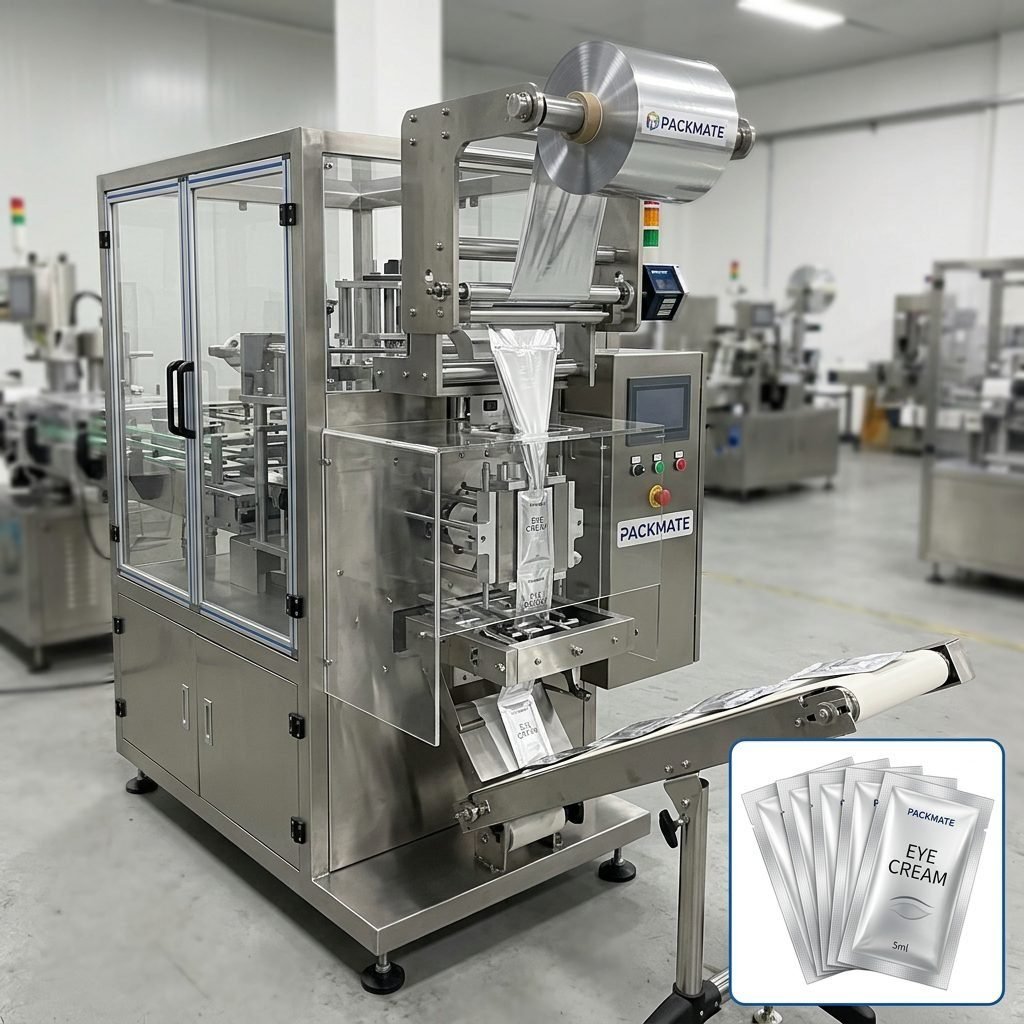
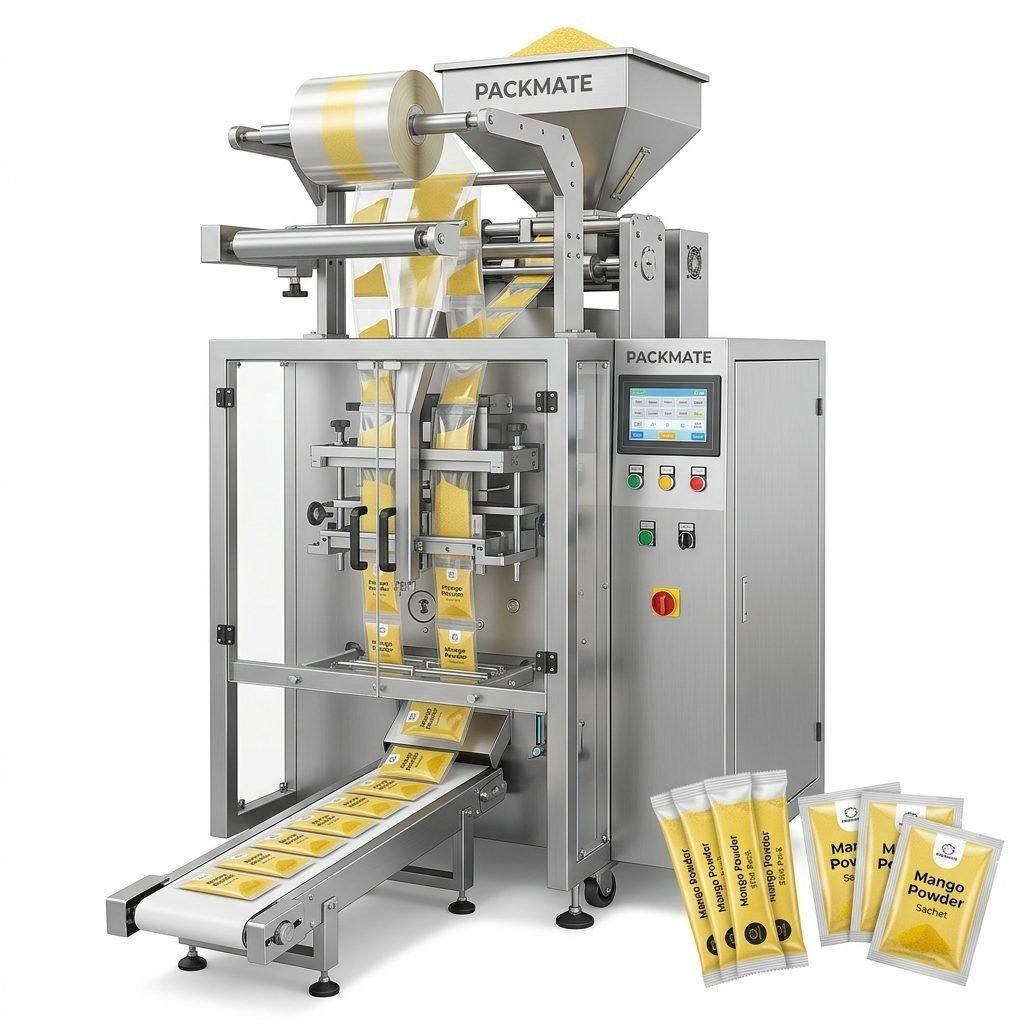
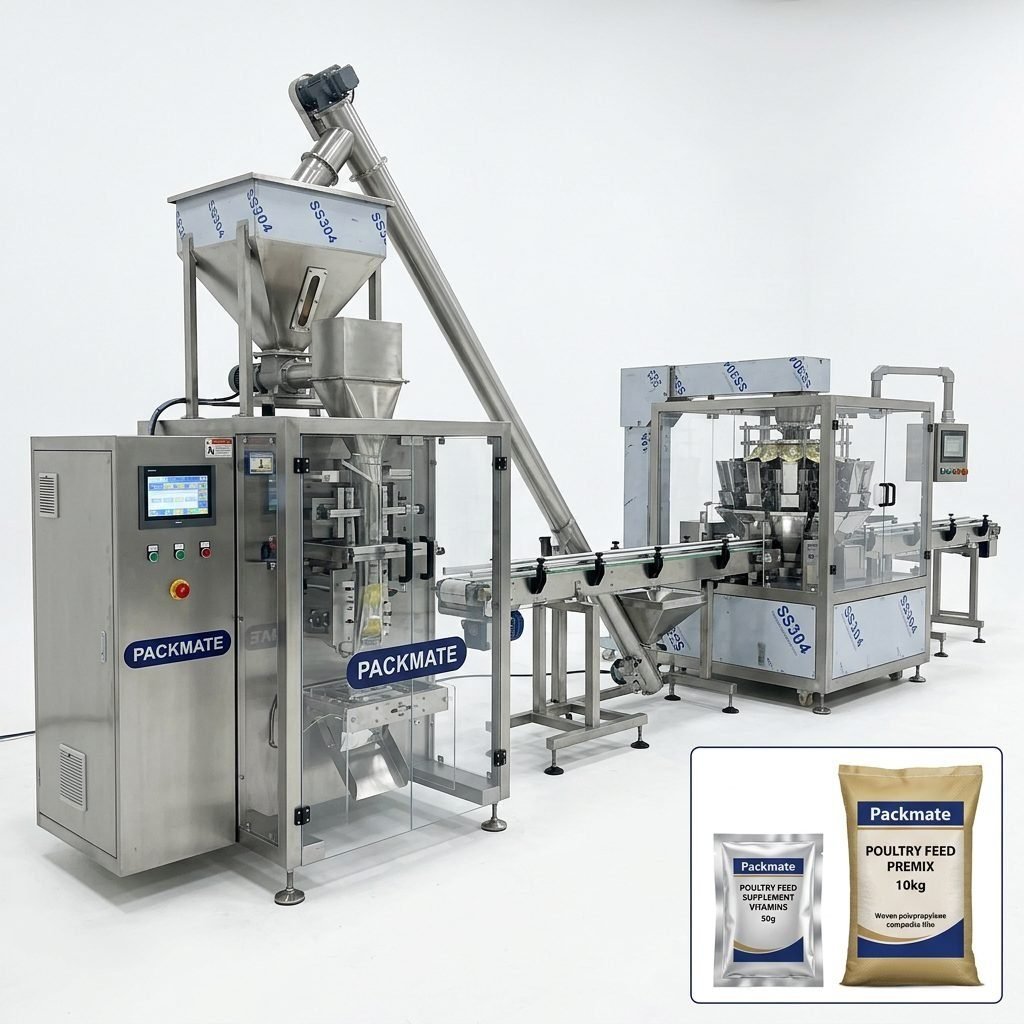
Vertical Form Fill Seal (VFFS) Machines: The workhorses of the industry. They form bags from a roll of film, fill them with product, and seal them in one continuous operation. Ideal for snacks, coffee, and frozen foods.
Horizontal Form Fill Seal (HFFS) Machines: Perfect for placing products like cookies or candy bars into pre-formed pouches or trays before sealing. Excellent for delicate items.
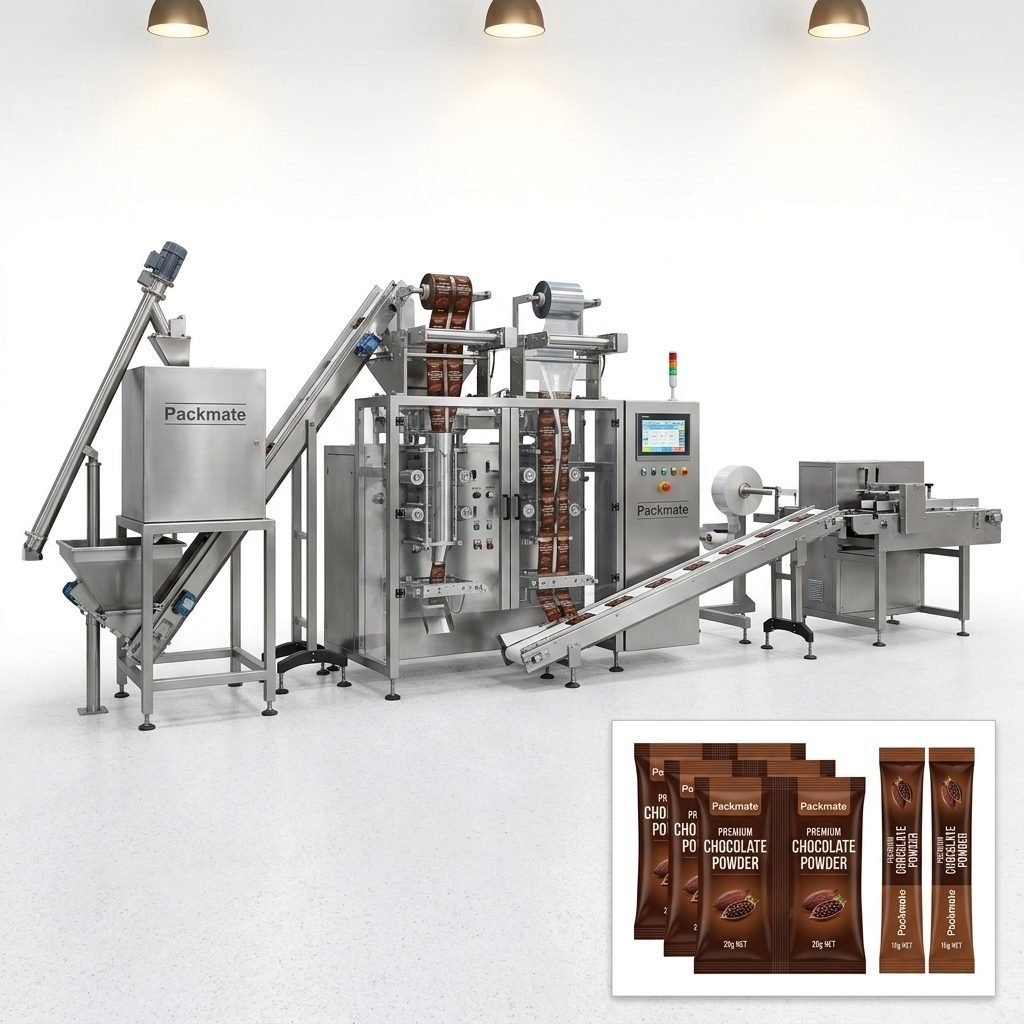
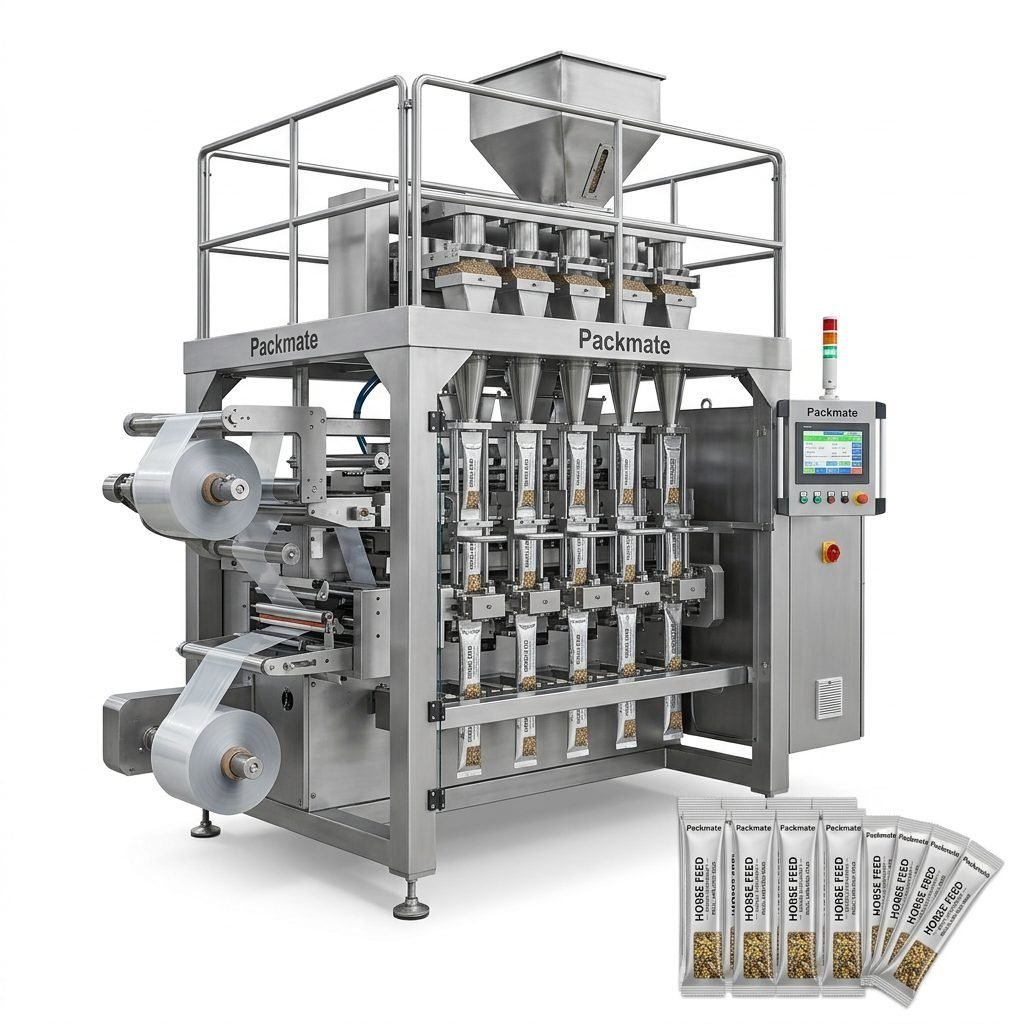
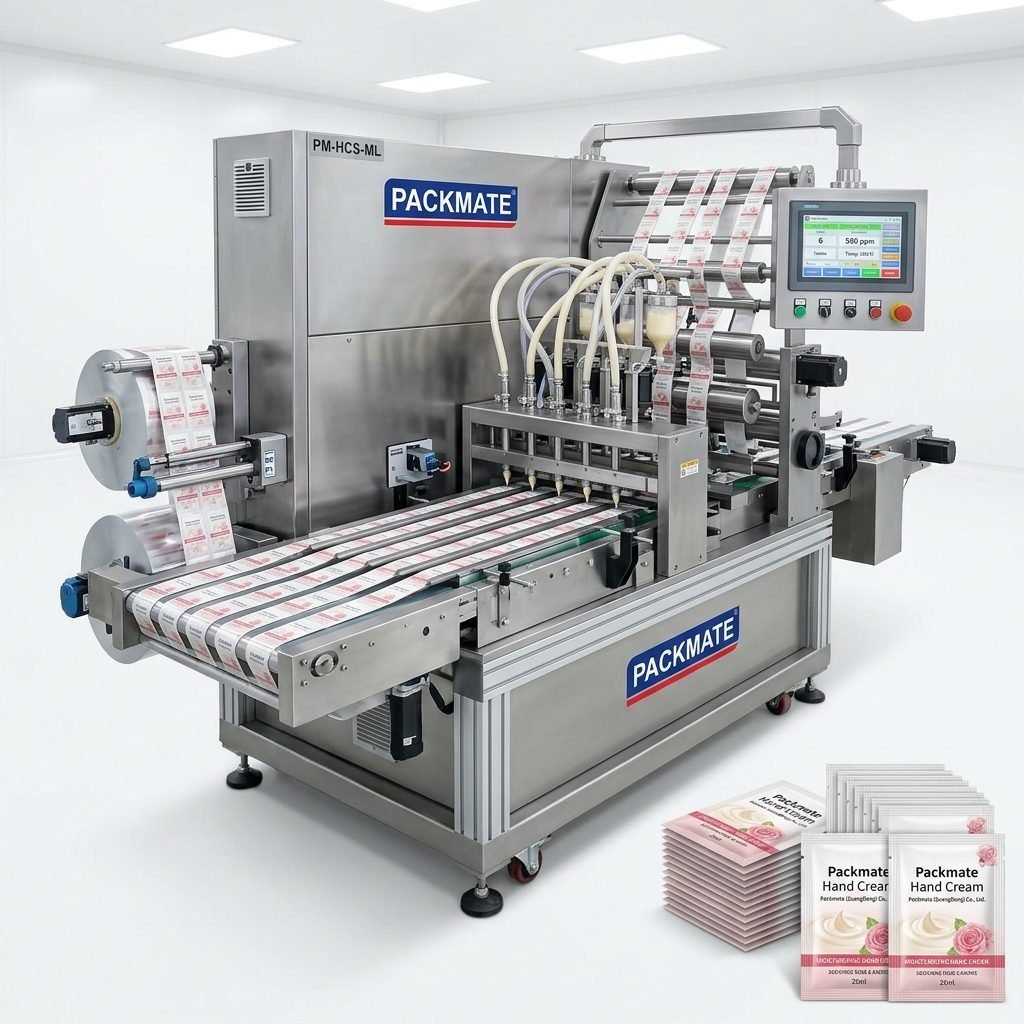
Sachet & Stick Pack Machines: Essential for single-serve portions of sauces, condiments, powders, or supplements. Modern multi-lane stick pack machines offer incredibly high output for products like instant coffee or drink mixes.
Filling and Capping Machines
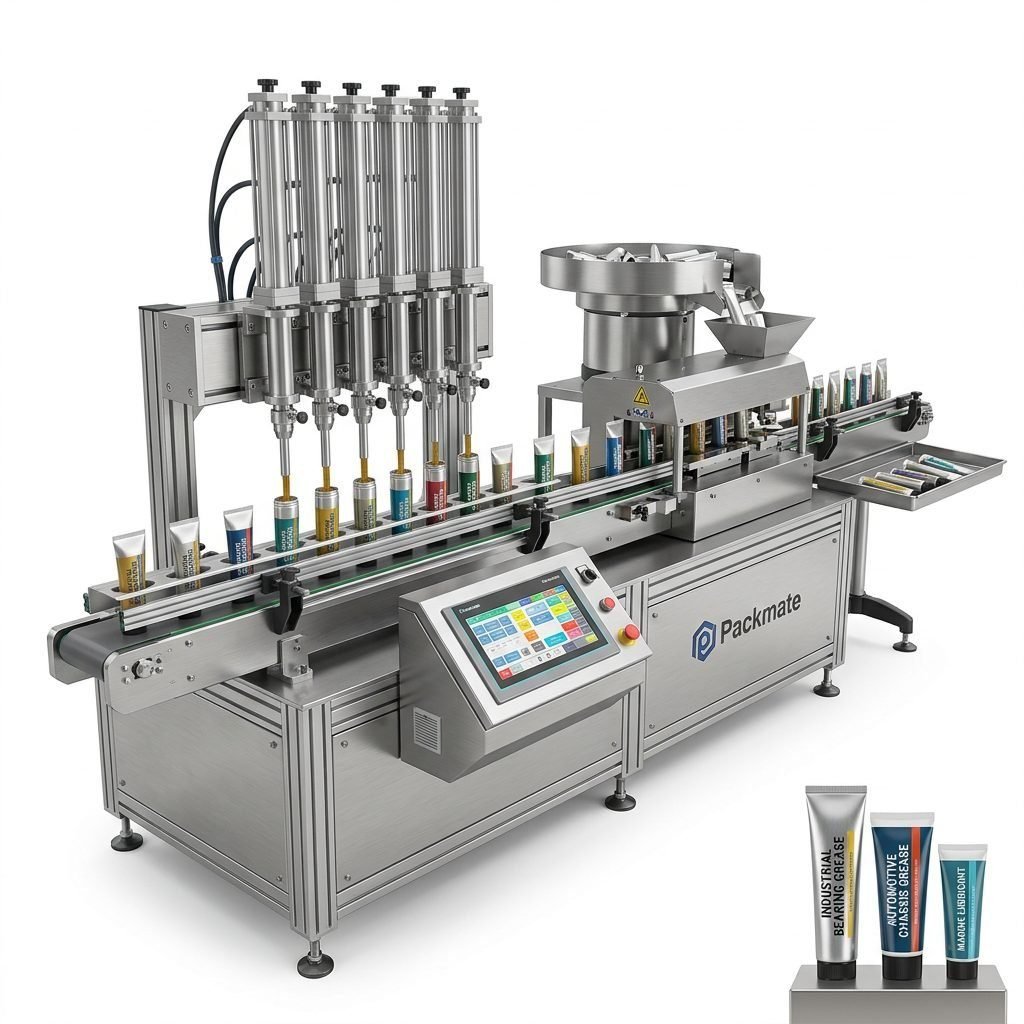
For liquids, pastes, and semi-solids, filling accuracy is non-negotiable. These systems ensure every bottle, jar, or pouch contains the exact promised amount.
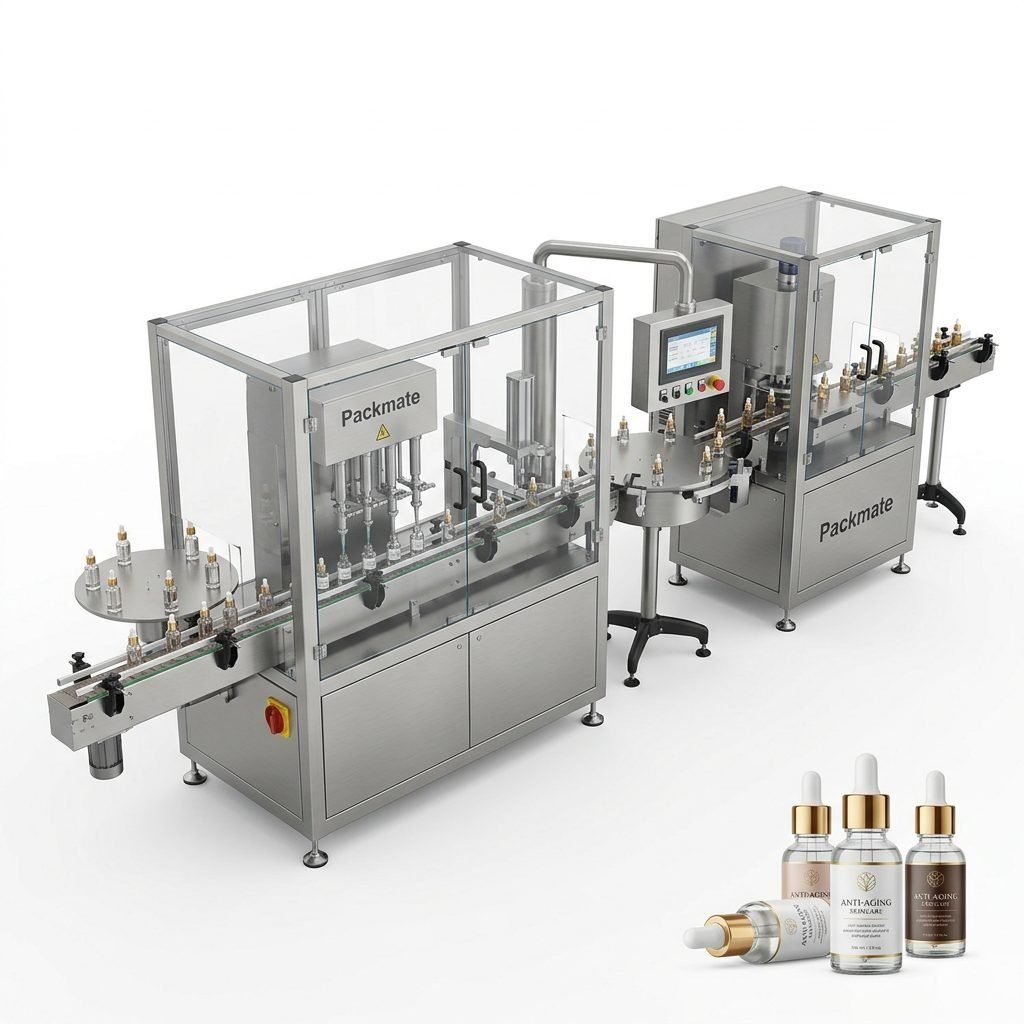
Liquid fillers use technologies like piston, gravity, or vacuum to achieve precision. They are often integrated with capping, lidding, or sealing stations to create a complete packaging line. For viscous products like yogurts or sauces, piston fillers are typically the most accurate choice.
Weighing and Dosing Systems
Profitability hinges on giving the customer the exact weight they pay for, without giving away product. Advanced multi-head weighers and volumetric dosers are the answer.
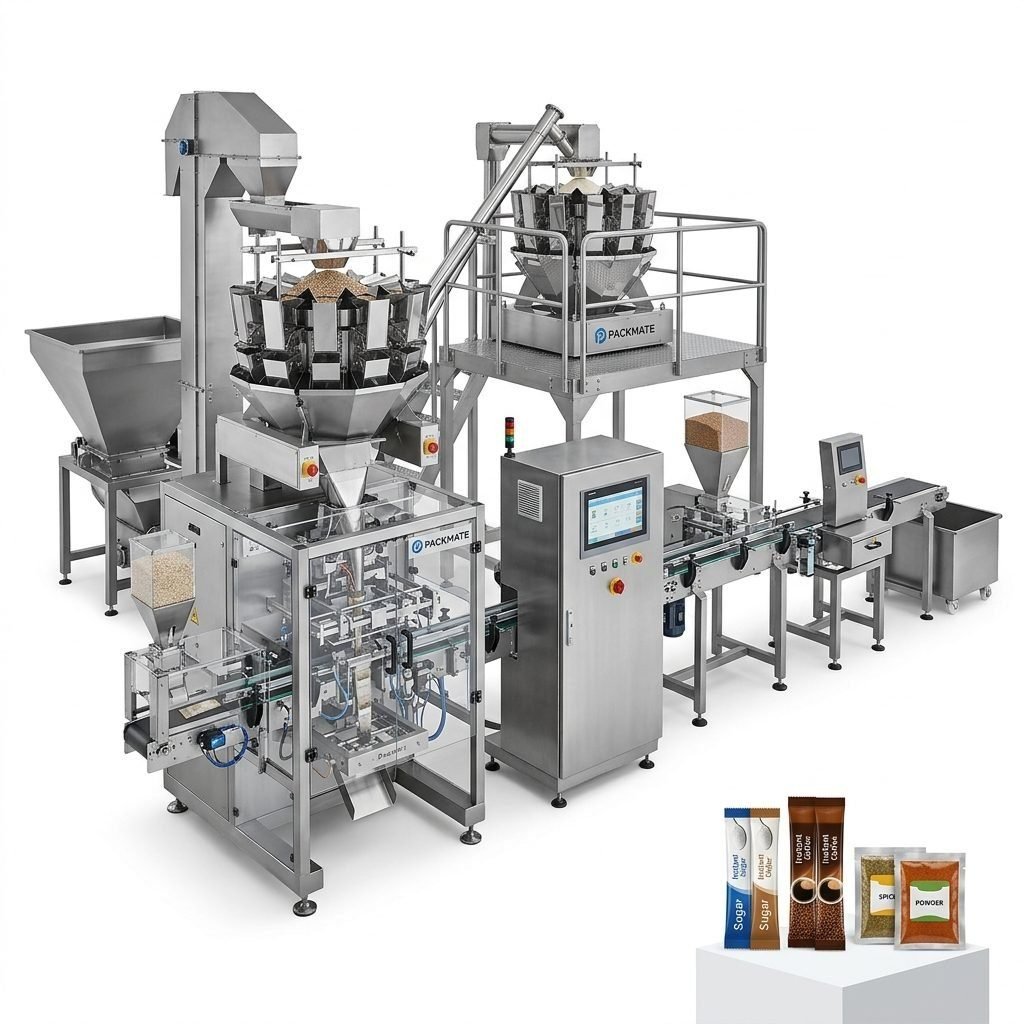
Combination weighers use multiple buckets to achieve a target weight through computer-optimized combinations, minimizing giveaway. For powders and granules, auger filler systems provide excellent speed and accuracy. Integrating a robust weighing and packaging system is crucial for cost control and compliance.
Key Factors in Choosing Your Packaging Machinery
Investing in packaging equipment is a significant commitment. Beyond the machine type, several critical factors must guide your decision to ensure a return on investment and long-term operational success.
1. Product Characteristics
The nature of your product dictates the machine. Is it a free-flowing powder, a sticky liquid, a fragile solid, or a granular material? Each requires different handling mechanisms, contact materials (like food-grade stainless steel), and sealing methods (heat seal, ultrasonic, etc.).
2. Production Speed and Output Requirements
You must match the machine’s capacity (packages per minute/hour) to your current and projected future demand. Underestimating can create bottlenecks; overestimating leads to unnecessary capital expenditure and higher per-unit costs. Consider machines with scalability or modular designs.
3. Flexibility and Changeover Time
Modern markets demand agility. If you run multiple SKUs with different package sizes or shapes, the machine’s changeover time is vital. Look for features like tool-less change parts, servo-driven adjustments, and recipe memory storage to minimize downtime between production runs.
4. Hygiene and Sanitation Standards
Food safety is paramount. Machines must be designed for easy and thorough cleaning (CIP/SIP capabilities), with smooth surfaces, minimal crevices, and compatibility with cleaning agents. Compliance with regional standards like FDA, EHEDG, or 3-A is often mandatory.
5. Integration and After-Sales Support
Your packaging machine is part of an ecosystem. Consider how well it integrates with upstream (mixers, cookers) and downstream (cartoning, case packing) equipment. Most importantly, evaluate the manufacturer’s reputation for reliability, technical support, spare parts availability, and training. A machine is only as good as the service behind it.
The Role of Innovation and Expertise
The packaging machinery sector is driven by continuous innovation aimed at increasing efficiency, reducing waste, and enhancing connectivity. Industry leaders distinguish themselves through deep engineering expertise and a commitment to solving real-world production challenges.
Take Packmate Machinery, for example. With a foundation built over 30 years, starting from a passionate vision in a small workshop, the company has grown into a provider of intelligent packaging solutions. Their journey from simple sachet machines to complex, multi-lane stick pack lines and complete turnkey systems mirrors the industry’s evolution. This depth of experience translates into machines that are not just built, but engineered for reliability and precision in demanding environments.
Modern facilities, like Packmate’s 20,000㎡ factory with advanced production and testing lines, are essential for maintaining quality control and pushing technological boundaries. The development of over 50 machine models demonstrates a capacity to cater to niche applications, from standard bag and pouch packaging to specialized needs, ensuring clients find a tailored solution rather than a one-size-fits-all compromise.
Conclusion: Investing in Your Packaging Future
Choosing the best food and beverage packaging machine is a strategic decision that balances technical specifications with operational goals and partner reliability. By thoroughly understanding your product needs, output targets, and hygiene requirements, you can select equipment that becomes a cornerstone of your production efficiency. Partnering with an experienced manufacturer that offers robust technology, flexible solutions, and unwavering support is the key to unlocking long-term packaging success and staying ahead in a dynamic market.
Frequently Asked Questions (FAQs)
What is the most important factor when choosing a packaging machine?
While all factors are interconnected, matching the machine precisely to your specific product characteristics is the most critical. A machine designed for powders will fail with a viscous liquid, and vice-versa. Product compatibility dictates the core technology of the filler, sealer, and material handling system.
How can I reduce packaging material waste with my machinery?
Modern servo-driven machines offer superior film control and registration, minimizing trim waste. Additionally, precision weighing and filling systems drastically reduce product giveaway. Choosing a machine with high accuracy and repeatability, coupled with optimized packaging design, is the most effective way to cut material costs and waste.
What does a “turnkey packaging solution” mean?
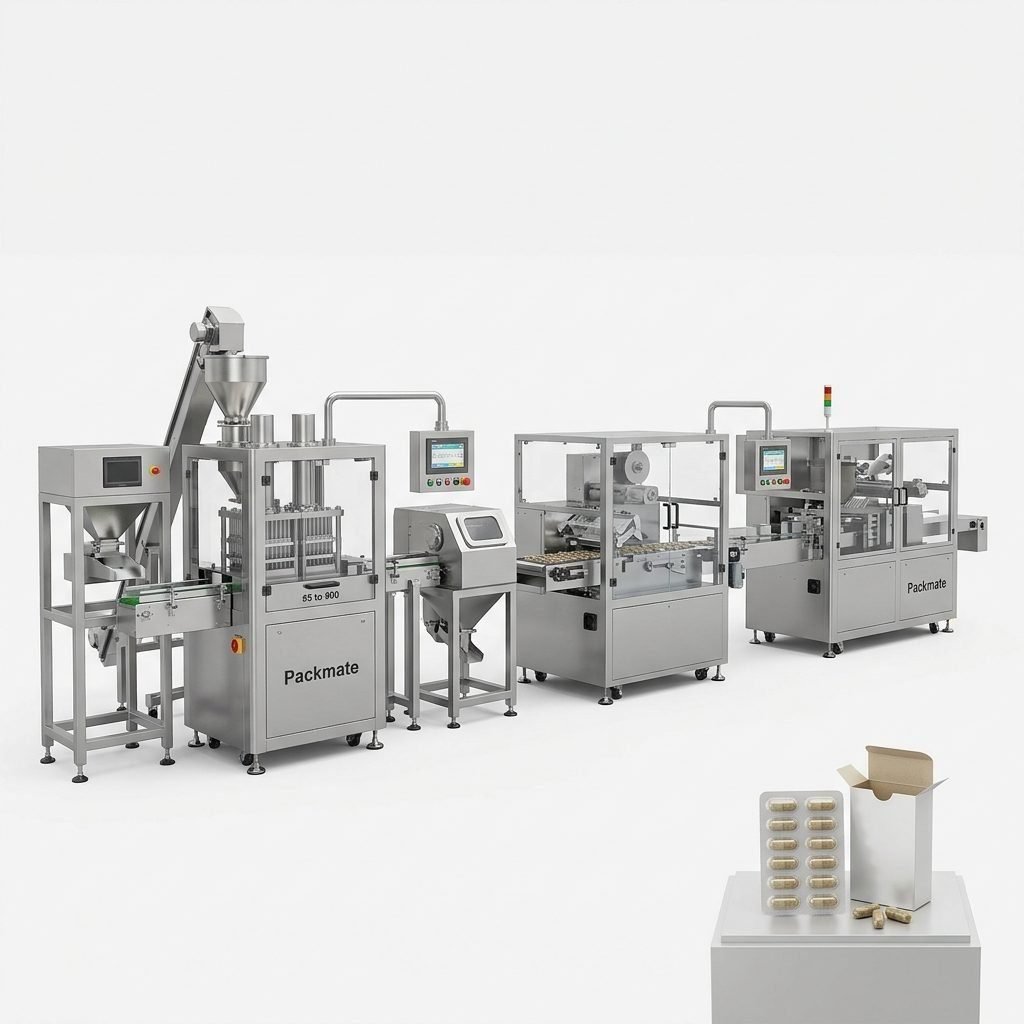
A turnkey solution means the supplier provides a complete, ready-to-operate packaging line. This includes not just the primary packaging machine, but all necessary auxiliary equipment (like conveyors, checkweighers, coders), integration, installation, commissioning, and operator training. It transfers the complexity from the buyer to the expert supplier, ensuring a smooth start-up.
How do I ensure my packaging line is hygienic and easy to clean?
Select machines designed with hygienic principles: stainless steel construction, rounded corners, minimal ledges, and quick-release parts. Look for designs that facilitate dry cleaning and/or have Clean-in-Place (CIP) capabilities. Always verify that the machine design and materials comply with the food safety regulations relevant to your region and product type.
Can one machine handle multiple different package sizes or products?
Yes, many machines are built for flexibility. The key metric is “changeover time.” Look for machines with servo motors for digital adjustment and tool-less change parts. The faster and simpler it is to switch between package sizes or products, the more agile and cost-effective your production becomes for running multiple SKUs.