In the fast-paced world of industrial production, packaging machinery is the backbone of efficiency and product integrity. These complex systems are composed of numerous critical parts, each playing a vital role in the seamless operation of the packaging line. Understanding these components—their types, functions, and maintenance needs—is essential for minimizing downtime, ensuring product quality, and maximizing the return on your equipment investment. This guide delves into the core parts of industrial packaging machines, providing operators and maintenance teams with the knowledge needed for optimal performance.
Core Components of Packaging Machinery
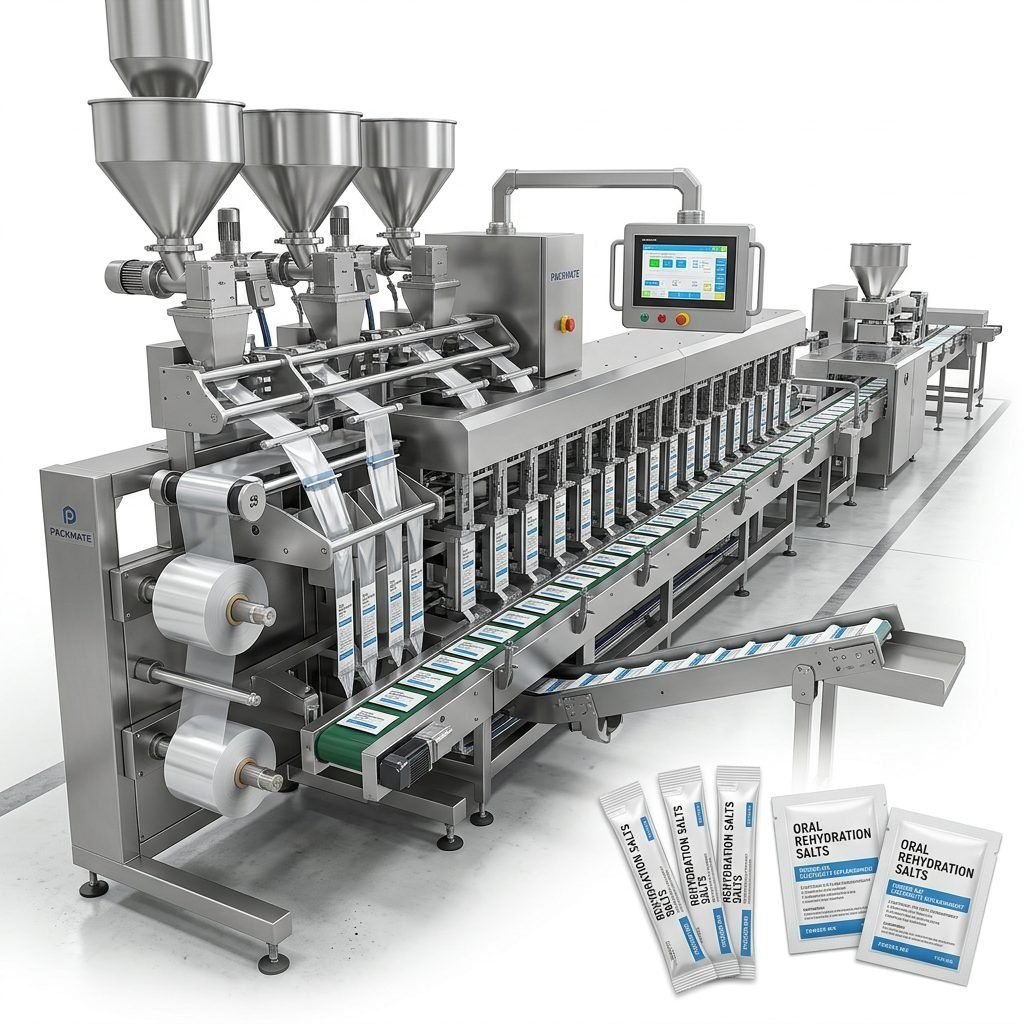
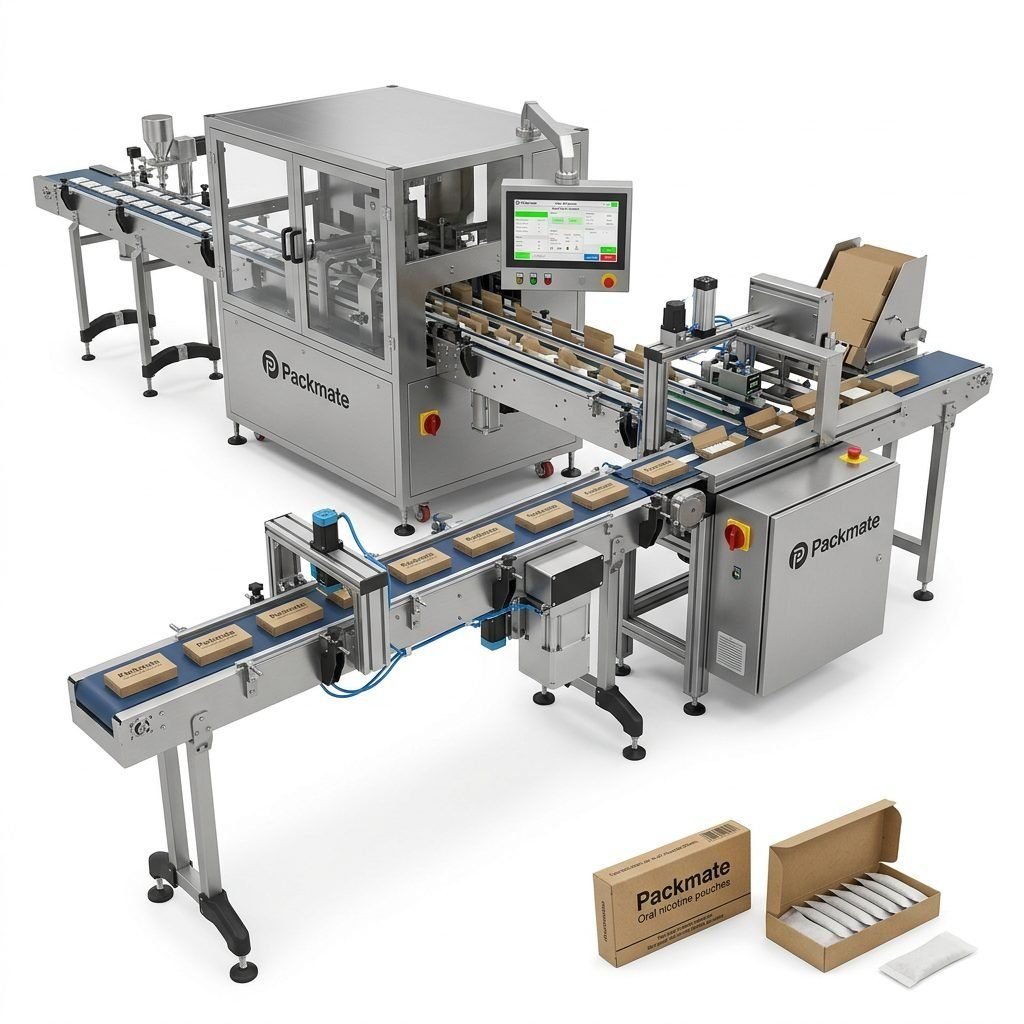
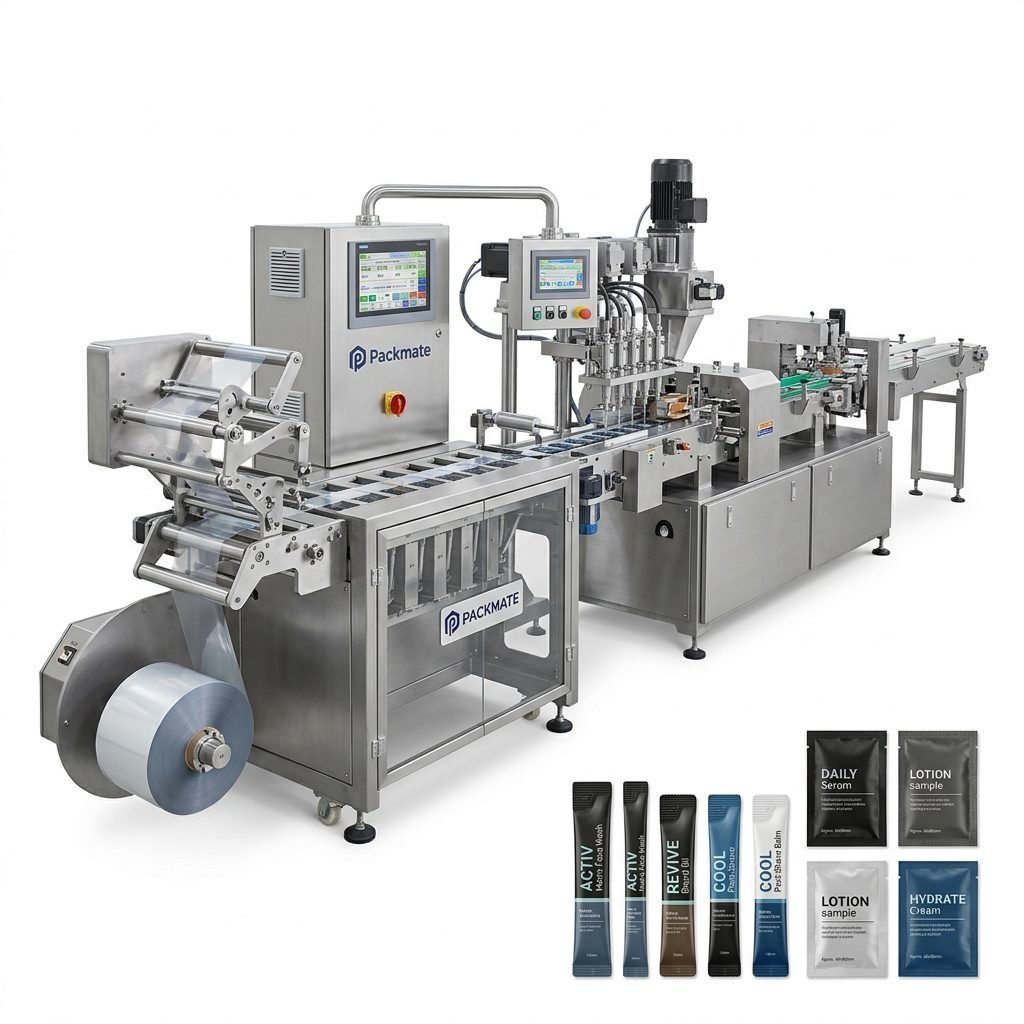
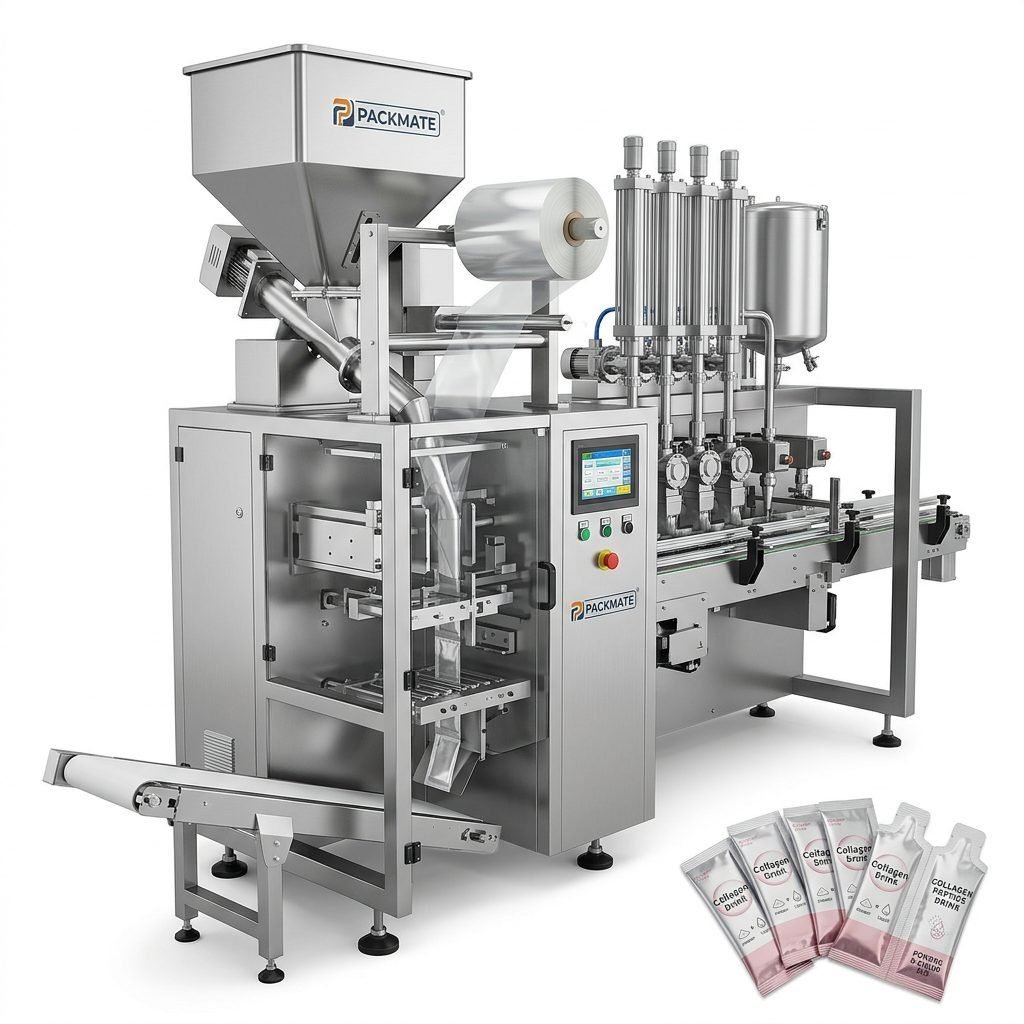
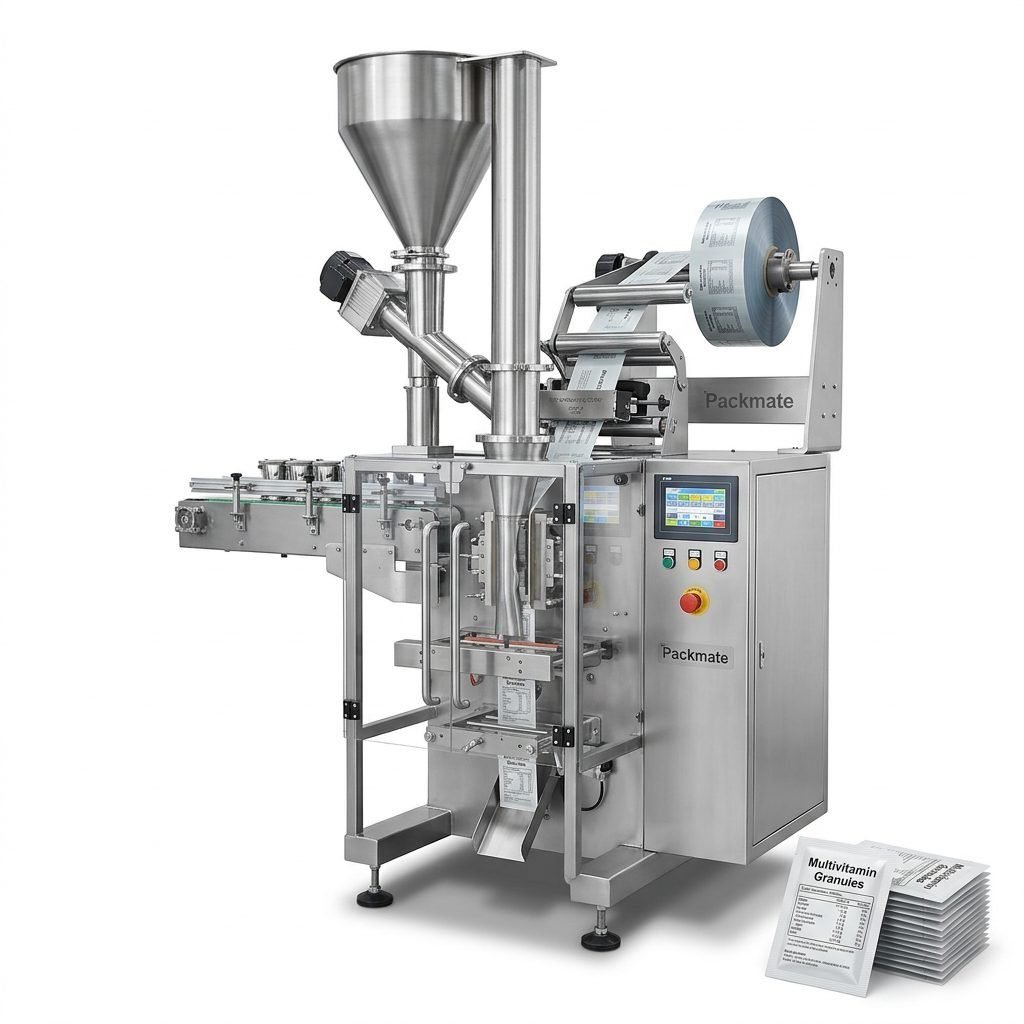
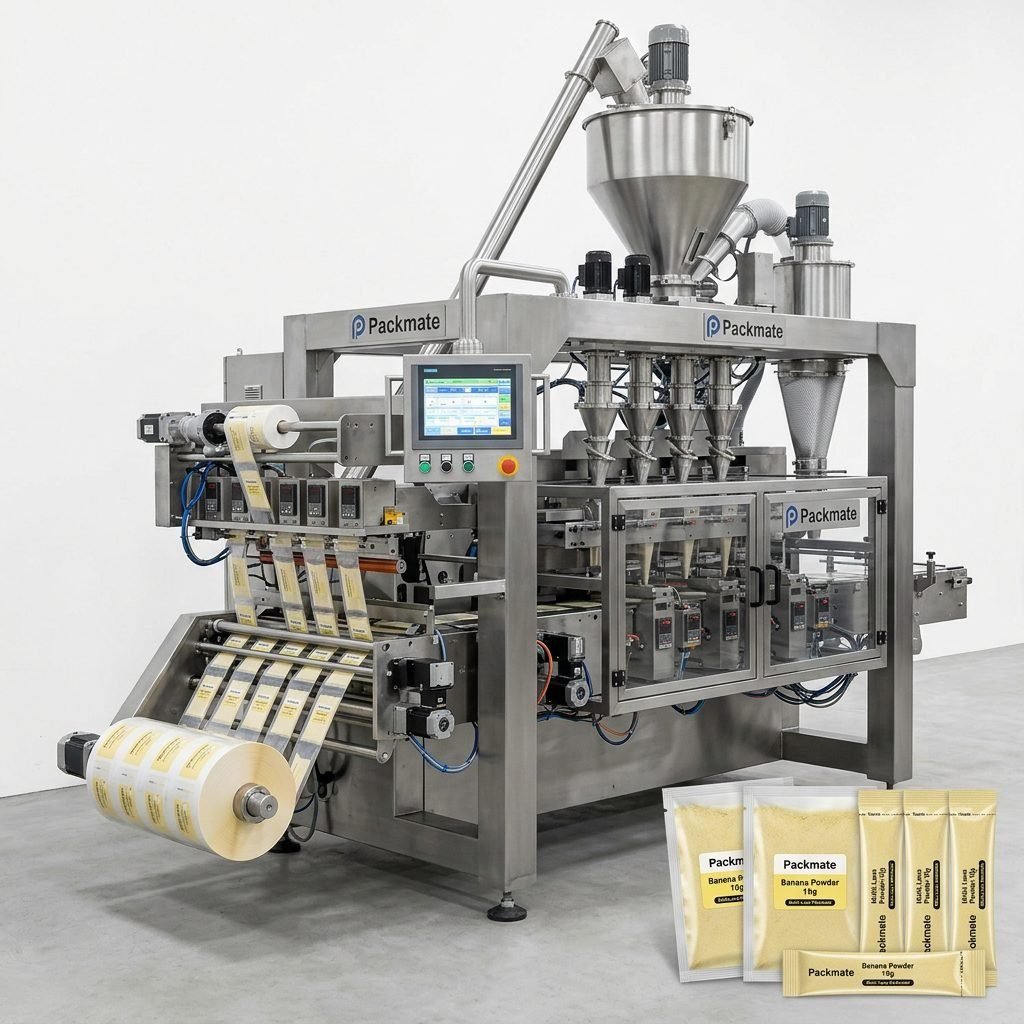
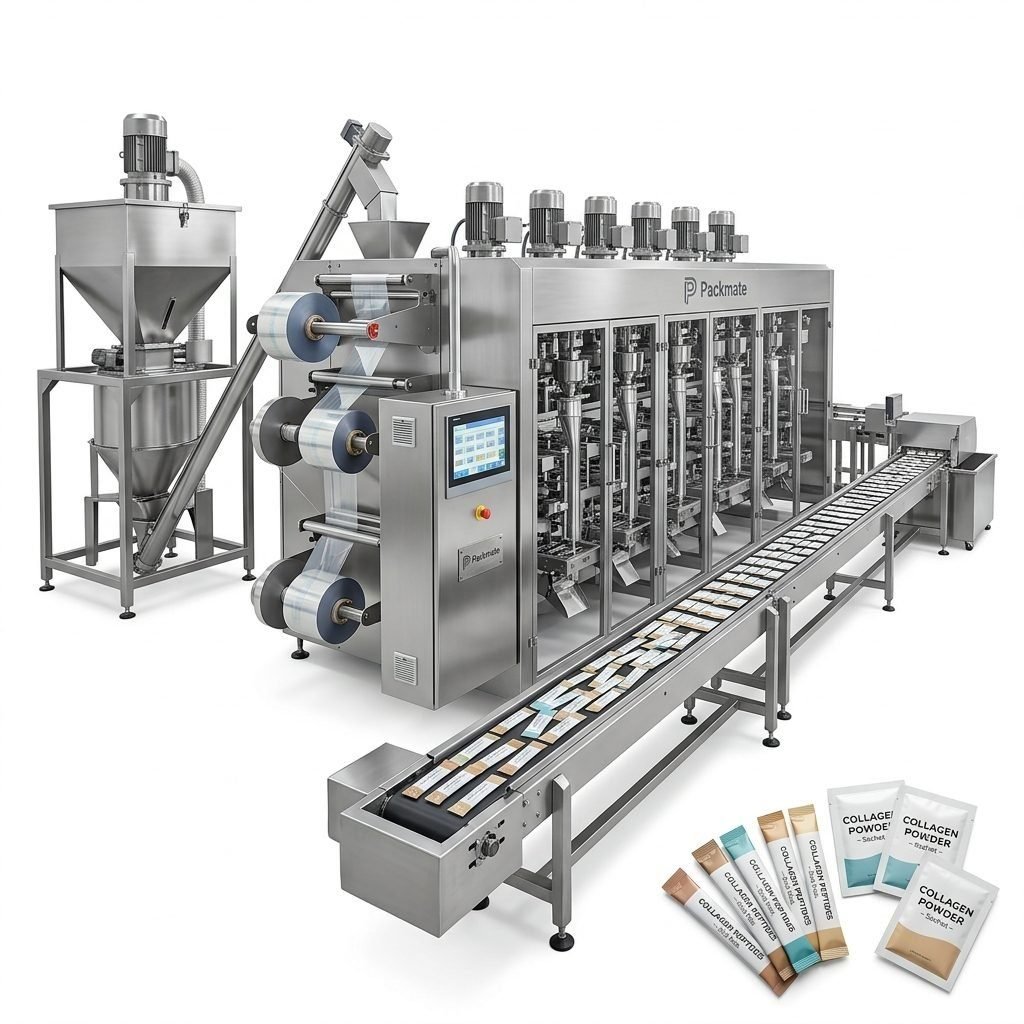
Industrial packaging machines, from sachet and stick pack machines to larger bagging systems, share a common anatomy. The frame and base structure form the machine’s skeleton, providing stability and alignment for all other components. The drive system, typically comprising motors, gearboxes, and drive belts or chains, is the heart that powers the entire operation. A sophisticated control system, featuring PLCs (Programmable Logic Controllers), HMIs (Human-Machine Interfaces), and sensors, acts as the brain, orchestrating every movement and function with precision.
Key Takeaway: Regular inspection of the drive and control systems is the first line of defense against unexpected breakdowns. Listen for unusual noises from motors and check for wear on drive elements.
Material Handling & Feeding Parts
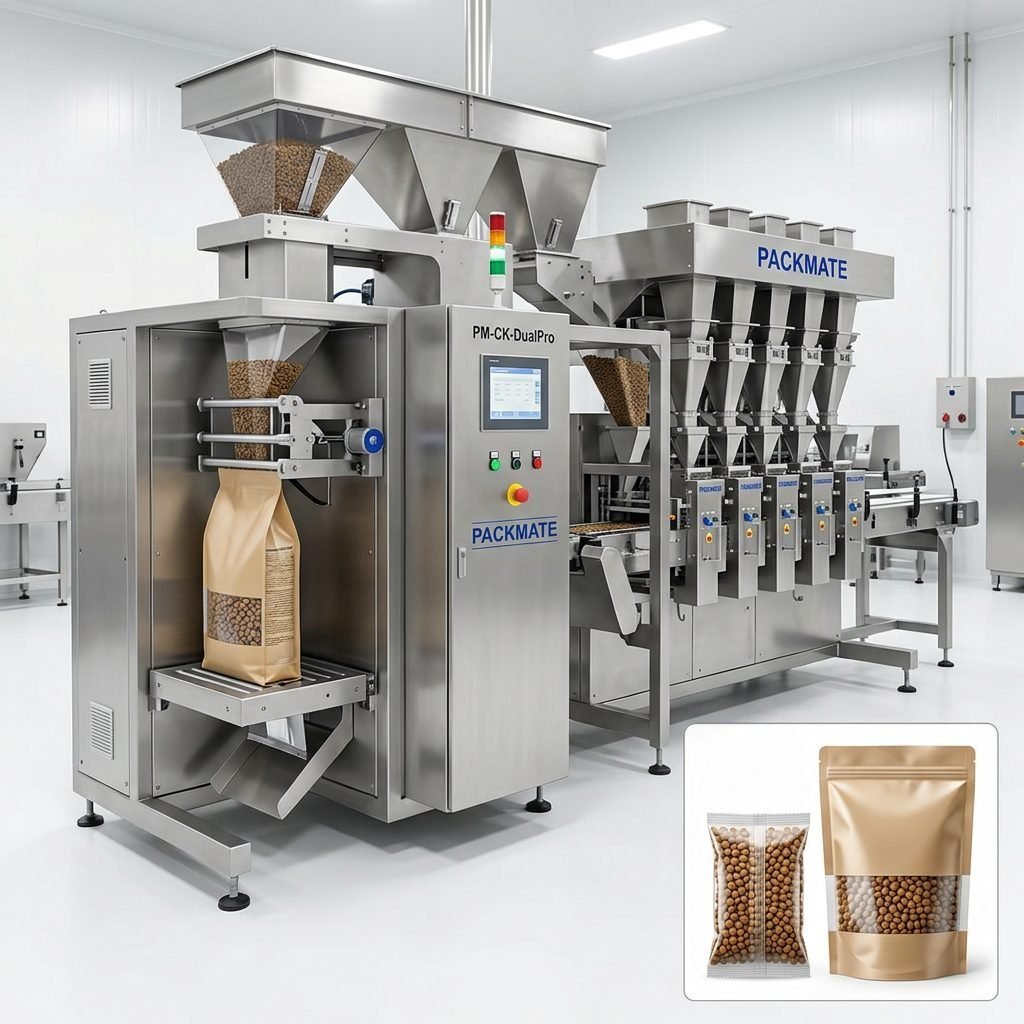
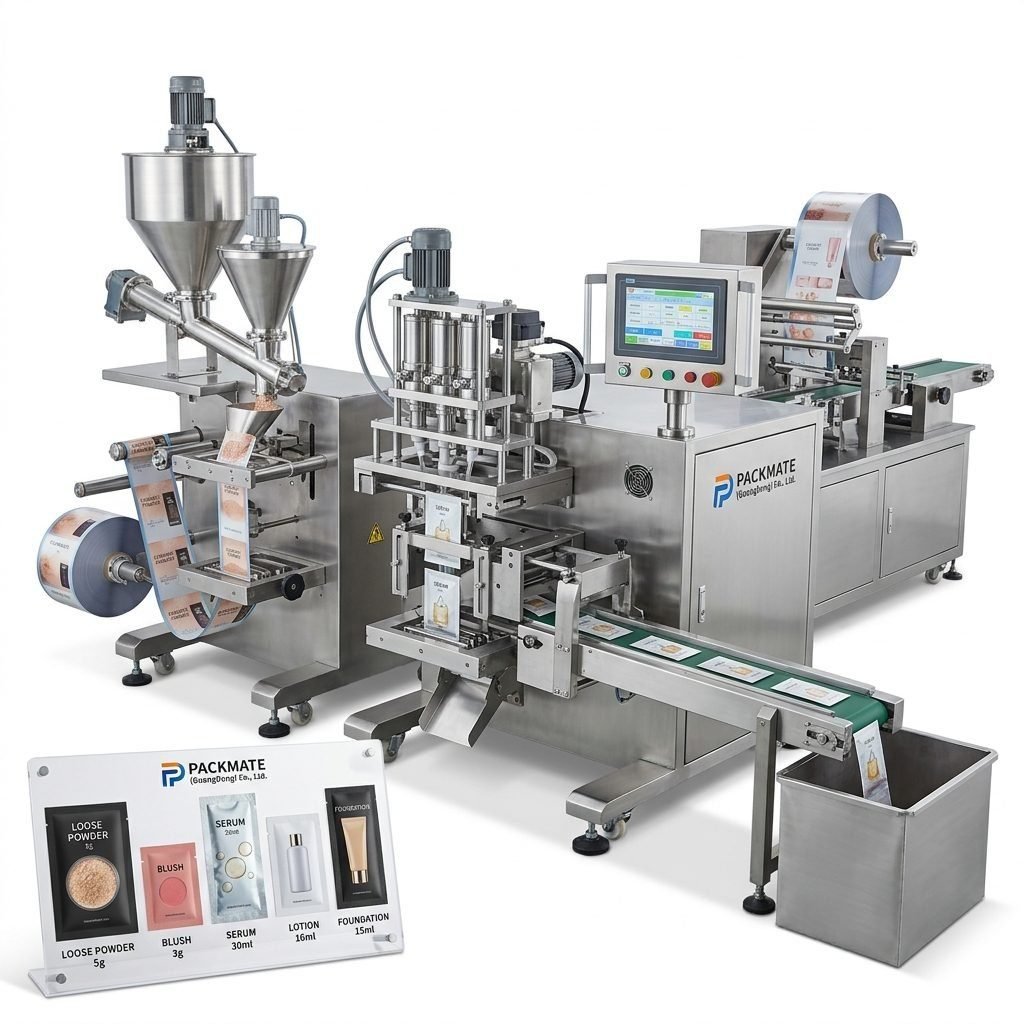
The journey of a product into its package begins here. Hoppers and funnels guide bulk product, while augers, vibratory feeders, or cup fillers meter precise amounts. For powders and granules, weighing systems with load cells ensure accurate dosing. Film or web handling systems, including unwind stations, tension controllers, and guide rollers, are critical for machines that form packages from roll stock. Proper alignment and tension in these systems prevent film breaks and registration errors.
Forming, Sealing & Cutting Mechanisms
This is where the package takes shape. Forming tubes and collars mold flat film into pouches or sticks. Heating elements (often ceramic or metal bands) and sealing jaws apply heat and pressure to create hermetic seals. The quality of the seal is paramount for product shelf life. Cutting mechanisms, such as rotary knives or hot wire cutters, then separate individual packages. The sharpness and alignment of cutting tools directly impact the cleanliness of the cut and package appearance.
Critical Sealing Components
- Sealing Jaws: Must be kept clean and at the correct temperature. Residue buildup is a common cause of weak seals.
- Heating Elements: Temperature should be monitored and calibrated regularly to ensure consistent performance.
- Teflon Coating: Protects the sealing surface and prevents film sticking; inspect for scratches or wear.
Essential Maintenance Practices
Proactive maintenance is far more cost-effective than reactive repairs. A comprehensive strategy should include daily, weekly, and monthly tasks.
Daily & Weekly Routines
Cleaning: This cannot be overstated. Remove all product dust, debris, and grease from moving parts, hoppers, and sealing areas. Use approved cleaning agents to avoid corrosion.
Lubrication: Follow the manufacturer’s manual to lubricate bearings, guide rails, and chains with the correct type and amount of grease or oil. Over-lubrication can attract dirt.
Visual Inspection: Check for loose bolts, worn belts, frayed cables, and any signs of damage on critical parts like cutting blades and forming tubes.
Scheduled & Preventive Maintenance
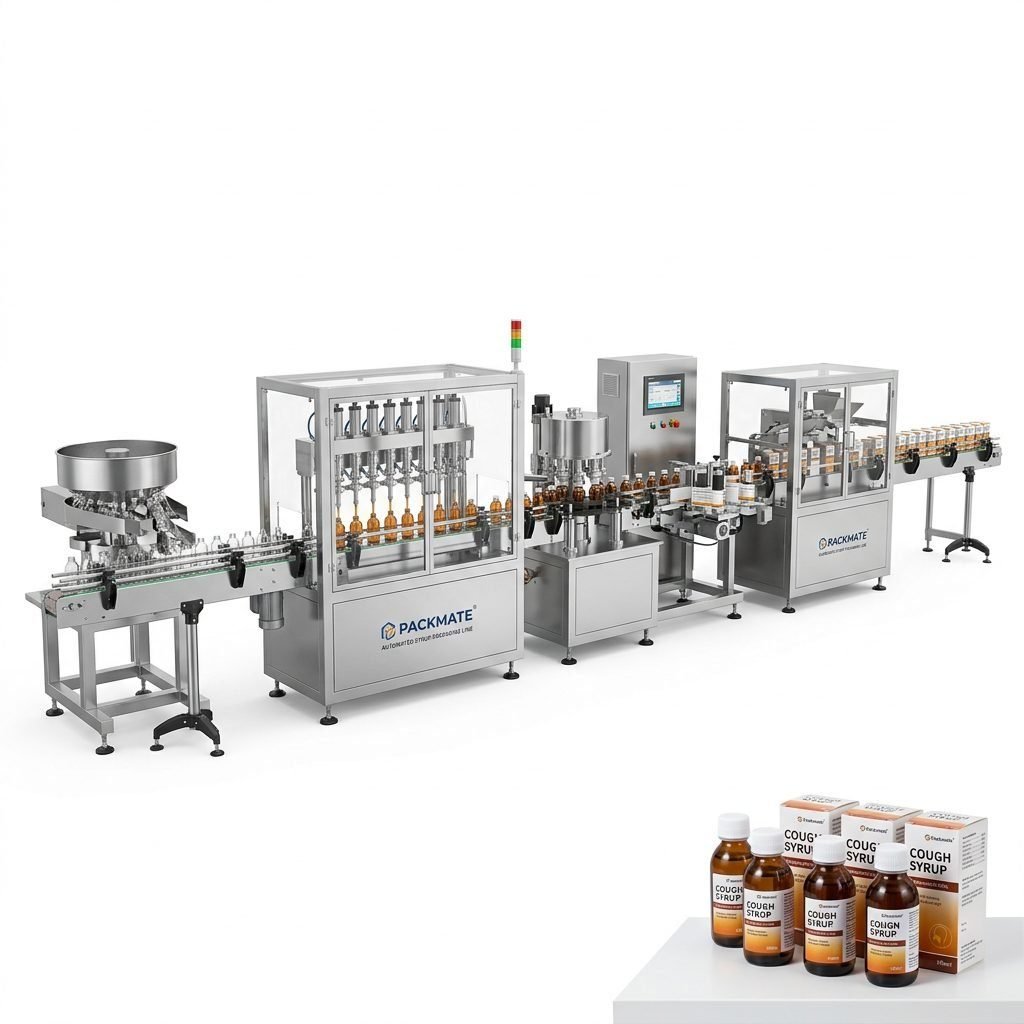
Beyond daily checks, establish a schedule for deeper maintenance. This includes calibrating weighing systems and temperature controllers, checking the alignment of all moving assemblies, and inspecting electrical connections for tightness. Replacing wear parts like gaskets, O-rings, and filter elements before they fail is a cornerstone of preventive maintenance. For complex systems like complete filling and packaging lines, having a maintenance log is invaluable.
Maintenance Checklist Snapshot
Daily: Clean machine surfaces, check air pressure, listen for unusual sounds.
Weekly: Lubricate designated points, inspect seals and cutting blades, tighten loose hardware.
Monthly: Calibrate scales and sensors, inspect drive belts/chains for wear, check electrical panel for dust.
Troubleshooting Common Issues
Even with excellent maintenance, issues can arise. A systematic approach to troubleshooting saves time.
Poor Seal Quality: Often caused by incorrect temperature, pressure, or dwell time on the sealing jaws. Contaminated sealing surfaces or worn Teflon are also common culprits. First, clean the jaws thoroughly and check the temperature setting against the film manufacturer’s specifications.
Inaccurate Filling: For volumetric fillers, check for worn augers or cups. For weigh fillers, ensure the load cell is clean and free from vibration interference. Recalibration may be necessary. Also, verify that the product characteristics (e.g., density, flowability) haven’t changed.
Film Web Breaks or Misalignment: Inspect the unwind brake tension, all guide rollers for free movement, and the registration sensor. A damaged or dirty photocell can cause continuous misalignment.
Conclusion & Next Steps
Mastering the parts and maintenance of your industrial packaging machinery is a continuous process that pays dividends in operational reliability and product quality. By implementing a disciplined routine of cleaning, inspection, and preventive part replacement, you can dramatically extend the life of your equipment. For specialized support, replacement parts, or to explore upgrading your packaging line with more advanced technology, partnering with an experienced manufacturer is key. Companies with deep expertise, like Packmate Machinery, which has over two decades of experience in designing and building intelligent packaging solutions, can provide invaluable guidance and reliable components to keep your production running smoothly.
Frequently Asked Questions (FAQs)
Q1: How often should I replace the sealing jaws on my pouch machine?
A: There’s no fixed timeline; it depends on usage and material. Inspect them weekly for scratches, pitting, or residue that cannot be cleaned. Replace them when seal consistency declines or visual defects appear, not just when they fail completely.
Q2: What is the most common cause of sudden machine stoppages?
A: Often, it’s a simple sensor issue. Photoelectric sensors can get dirty or misaligned, and proximity sensors may fail. Check the machine’s HMI for error codes, which usually point to the specific zone or sensor causing the fault, before investigating mechanical parts.
Q3: Can I use any lubricant on my packaging machine?
A> No. Always use the lubricant specified in the machine’s manual. Using the wrong type (e.g., food-grade vs. industrial) can cause damage to components, attract contaminants, or even contaminate your product in food and pharmaceutical applications.
Q4: Why is my machine producing packages with inconsistent lengths?
A: This is typically a drive or registration problem. Check the tension on the film web, the condition of the pull belts or grippers, and ensure the registration mark sensor is clean and properly calibrated. Worn drive components can also cause slippage.
Q5: Where can I find reliable replacement parts and technical support?
A> The best source is always the original equipment manufacturer (OEM) or their authorized distributors. They can guarantee part compatibility, quality, and provide accurate technical data. For machines from providers like Packmate Machinery, you can explore their service and support channels for genuine parts and expert assistance.