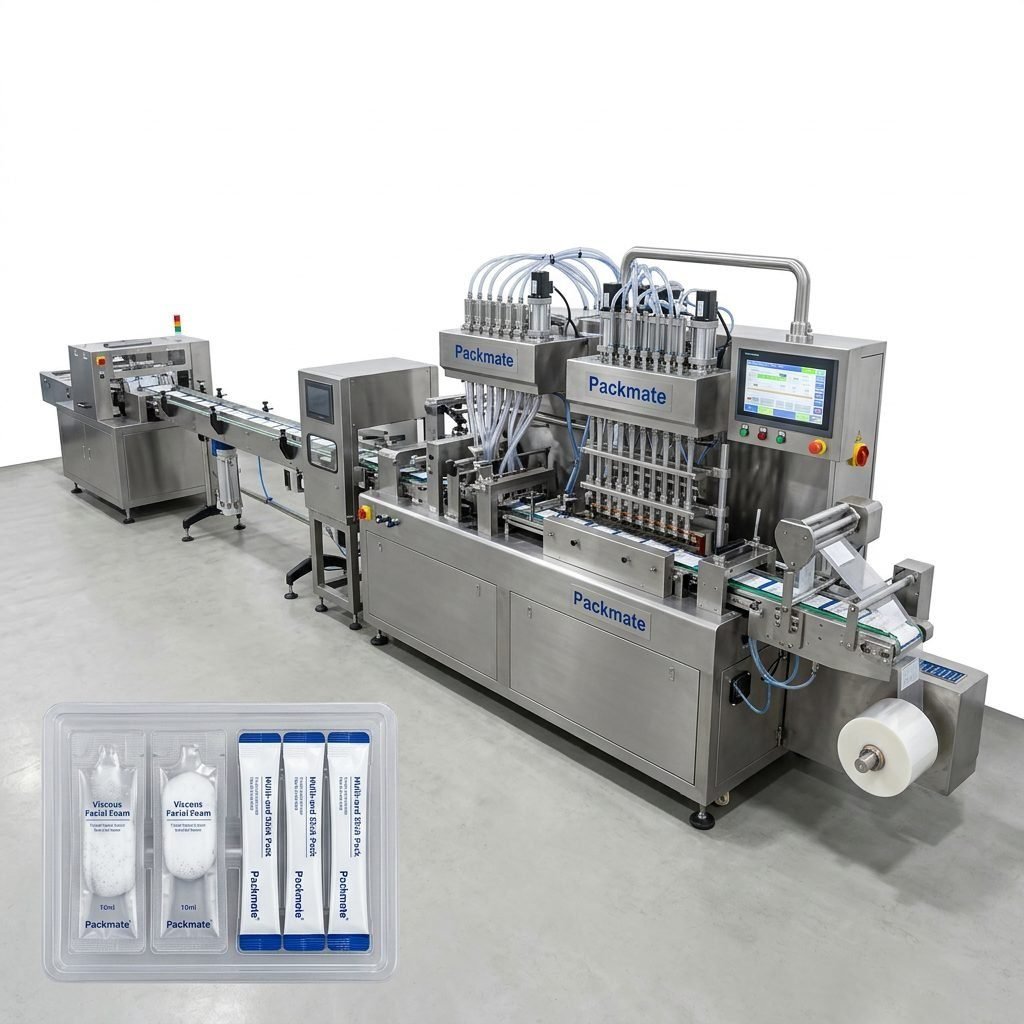
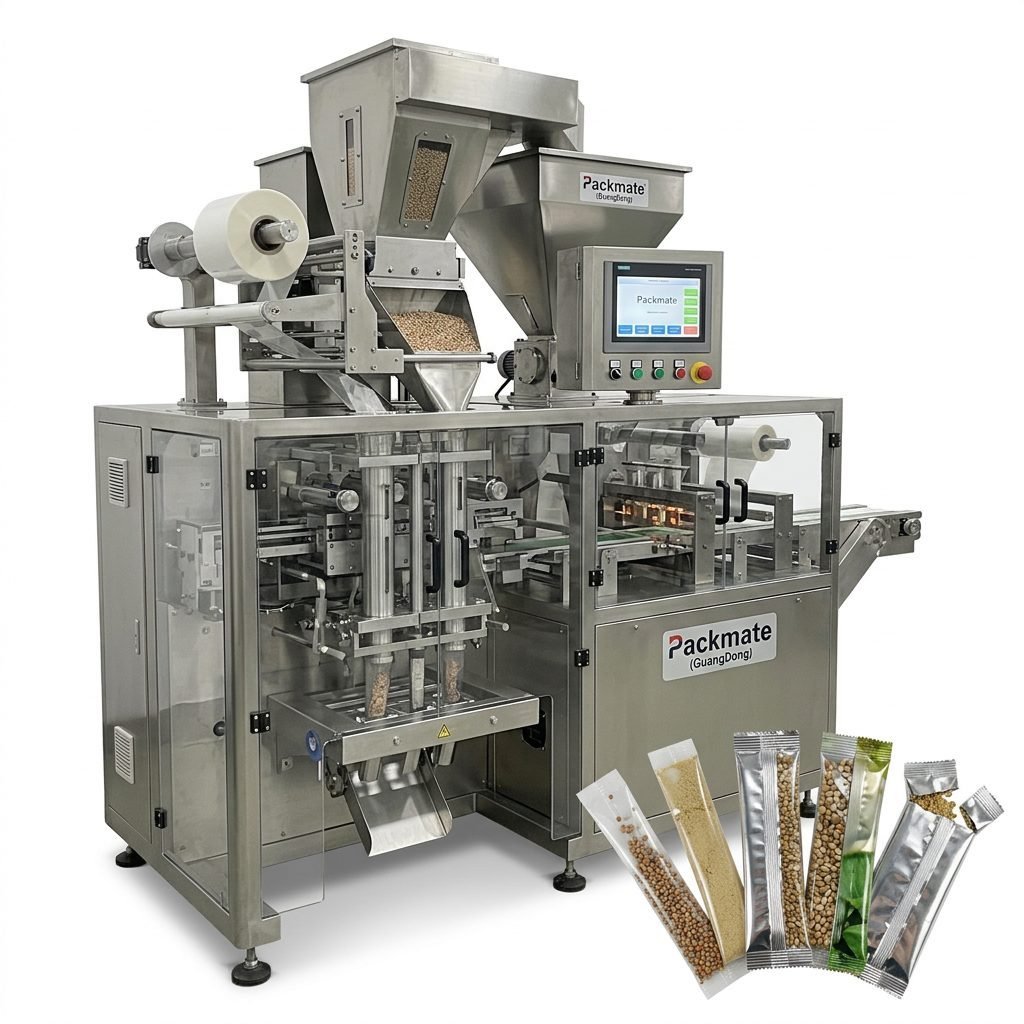
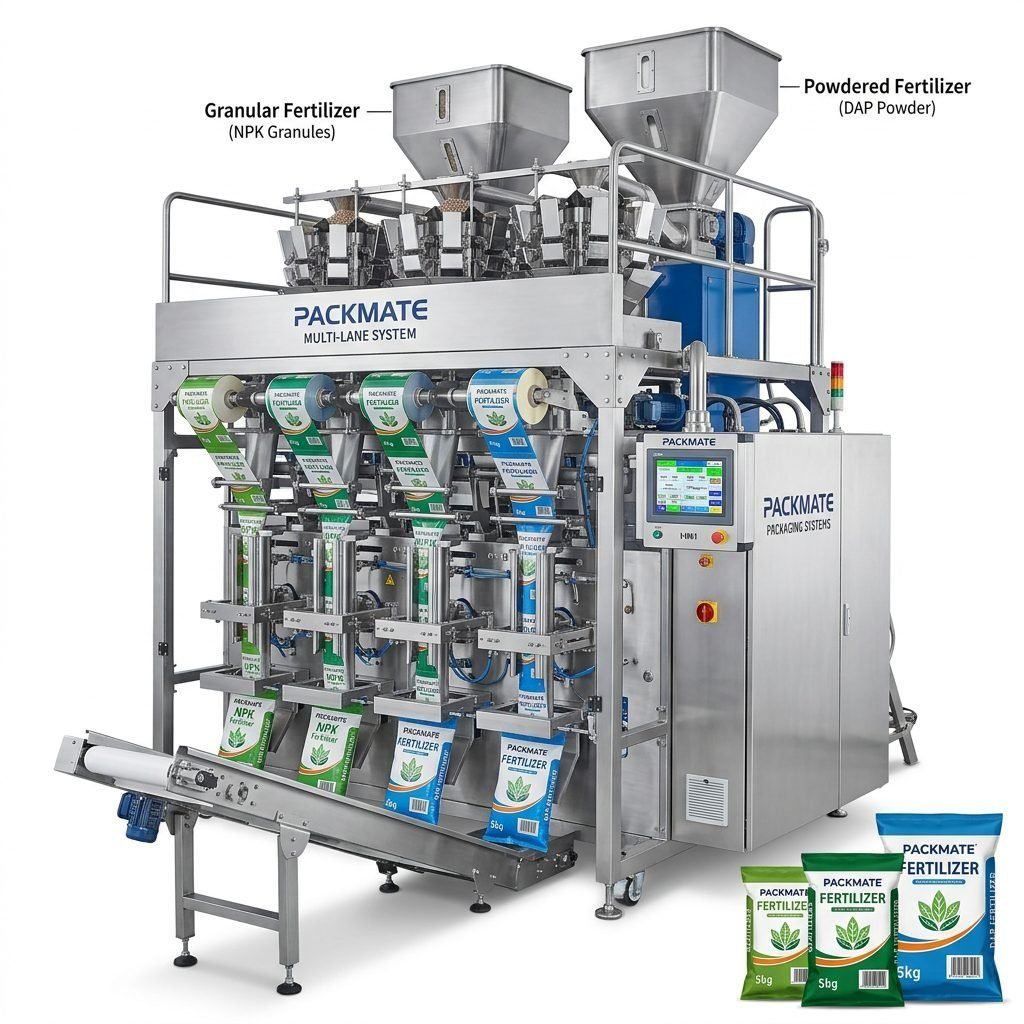
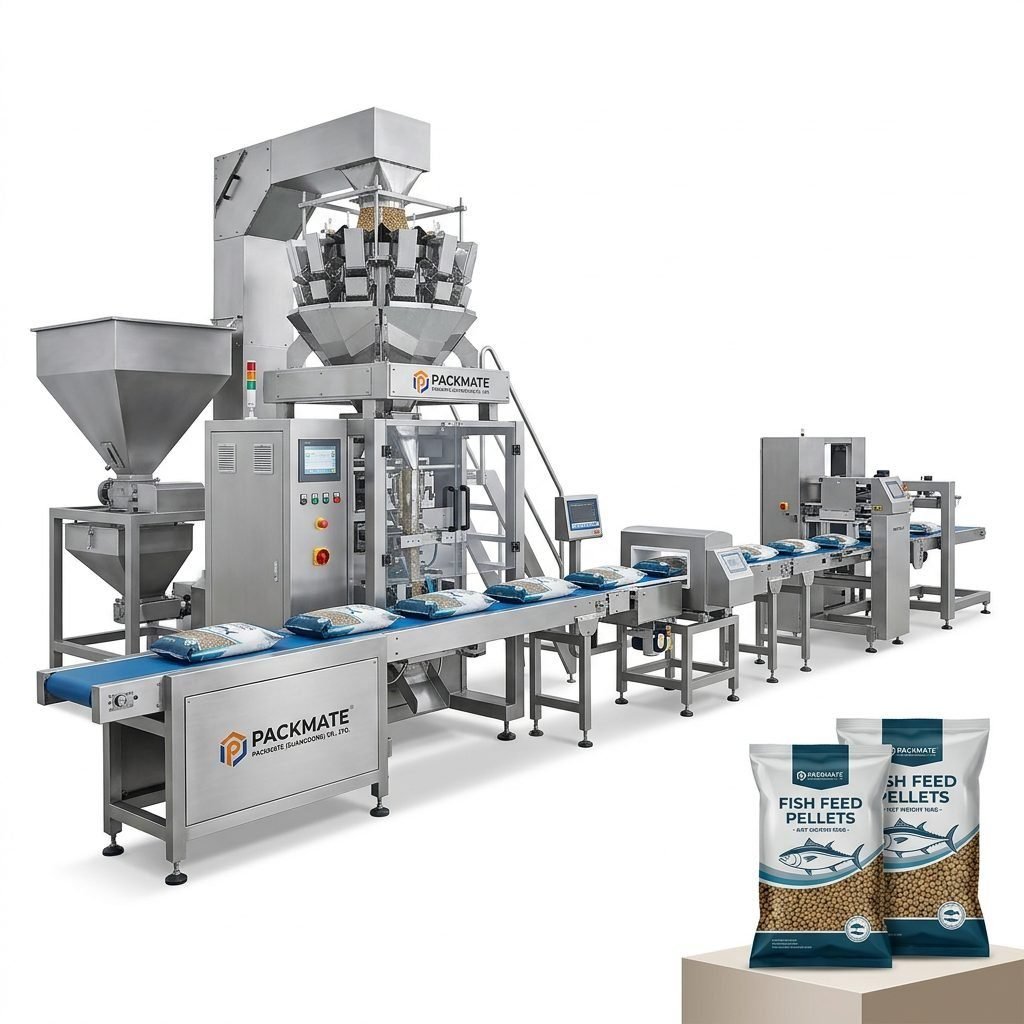
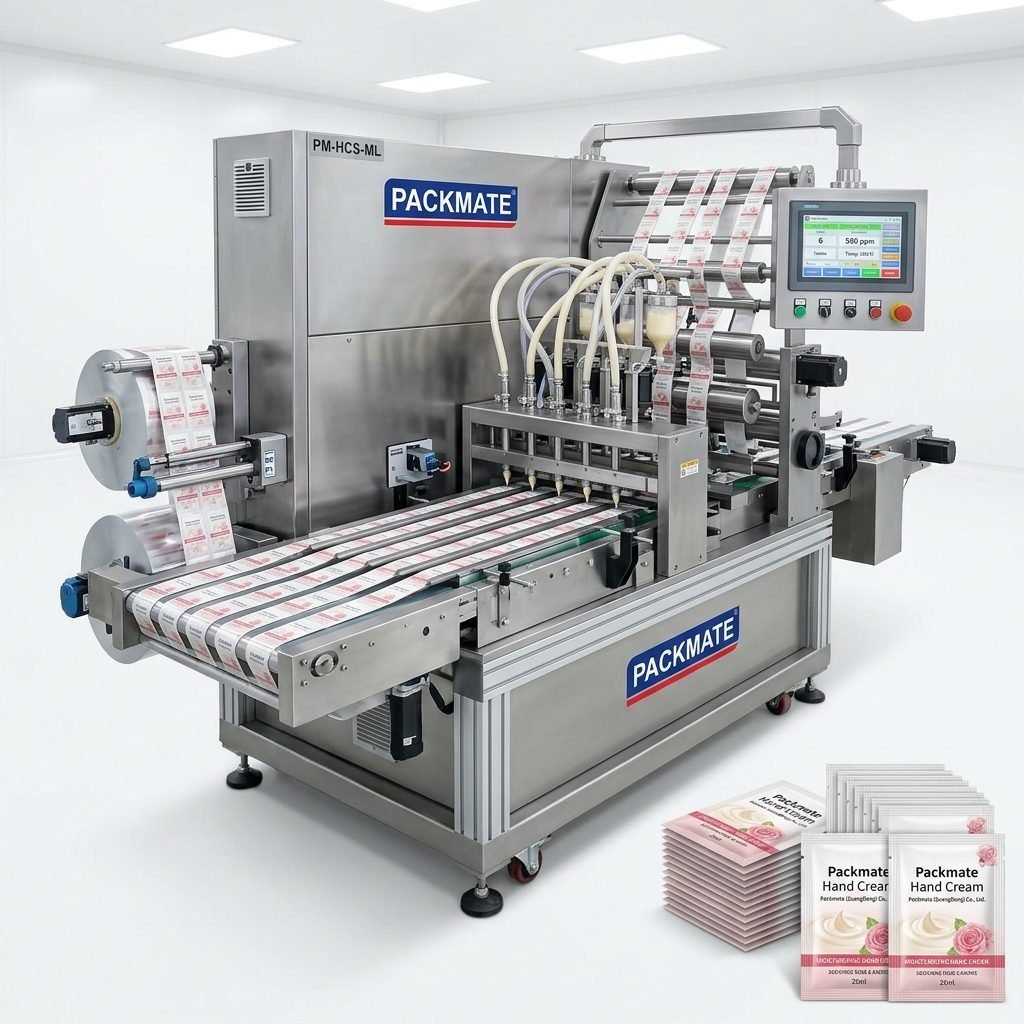
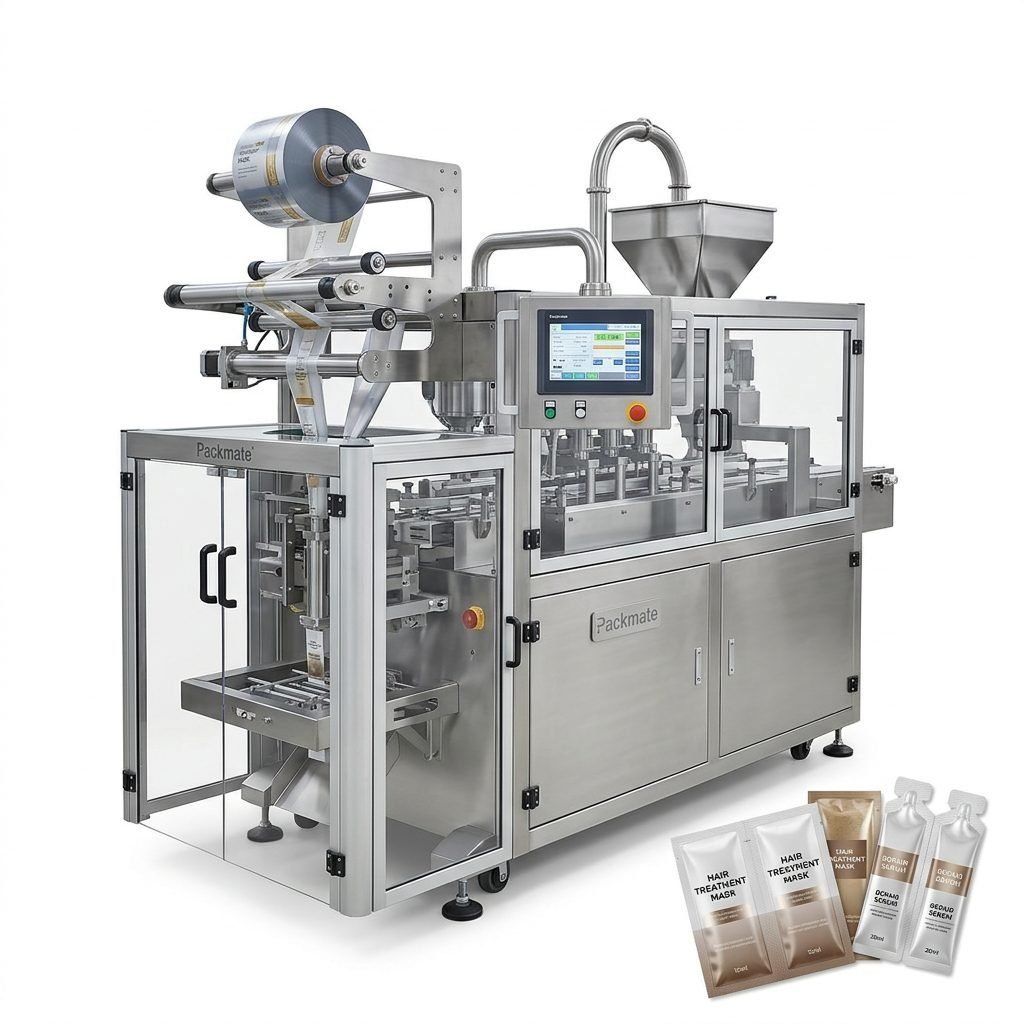
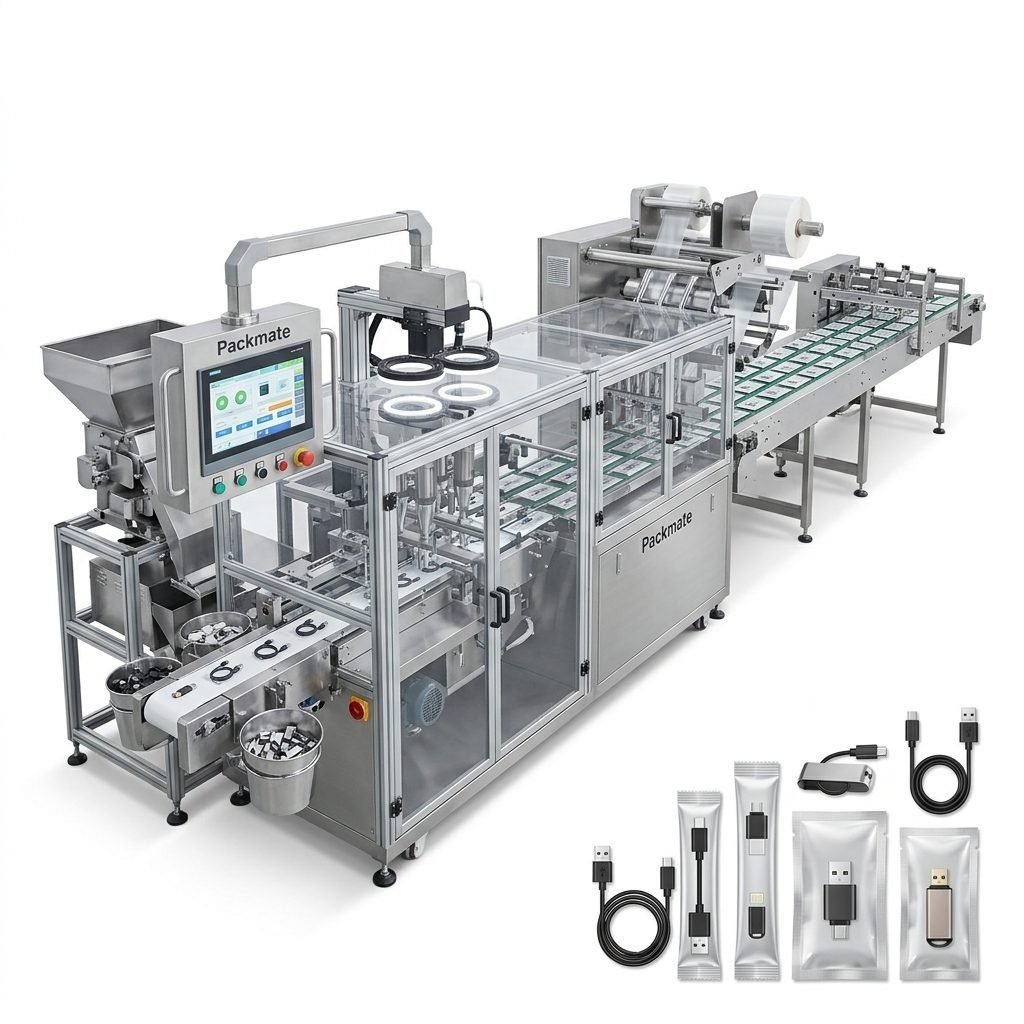
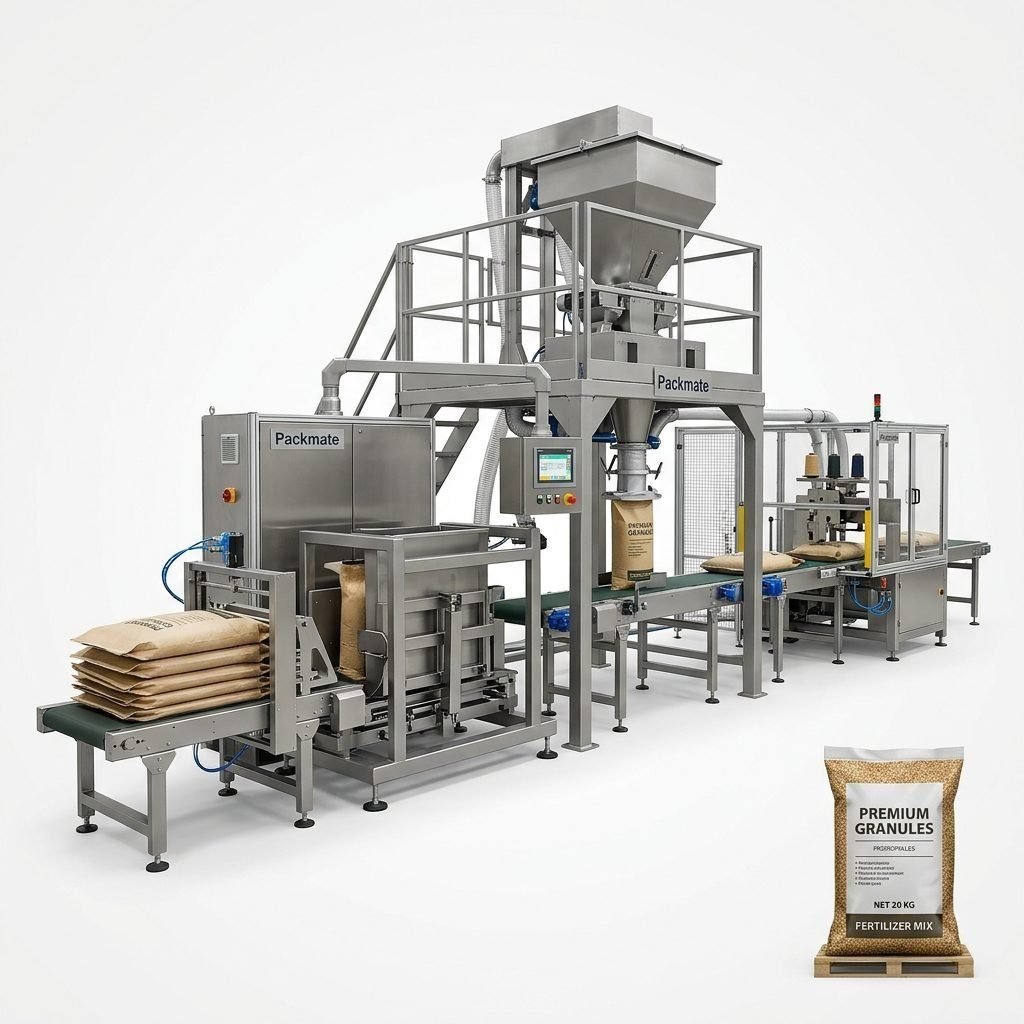
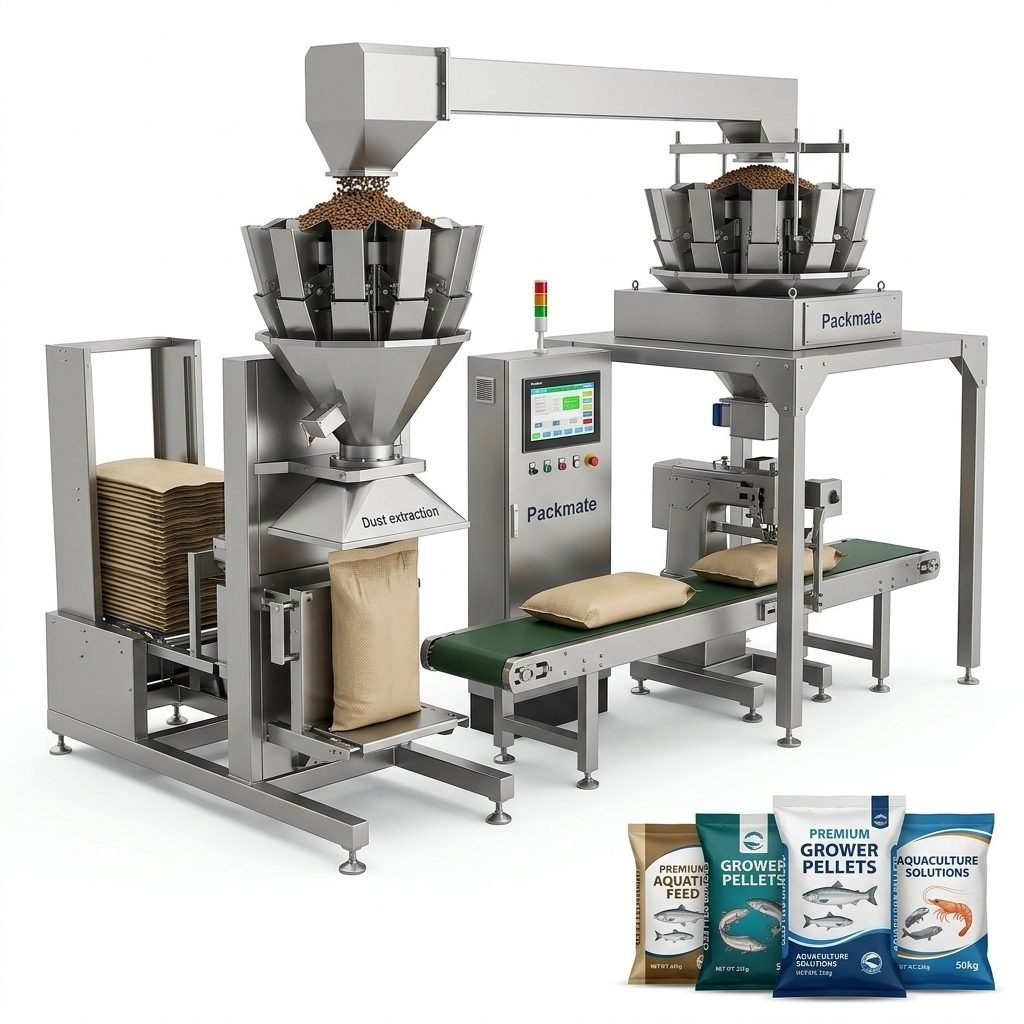
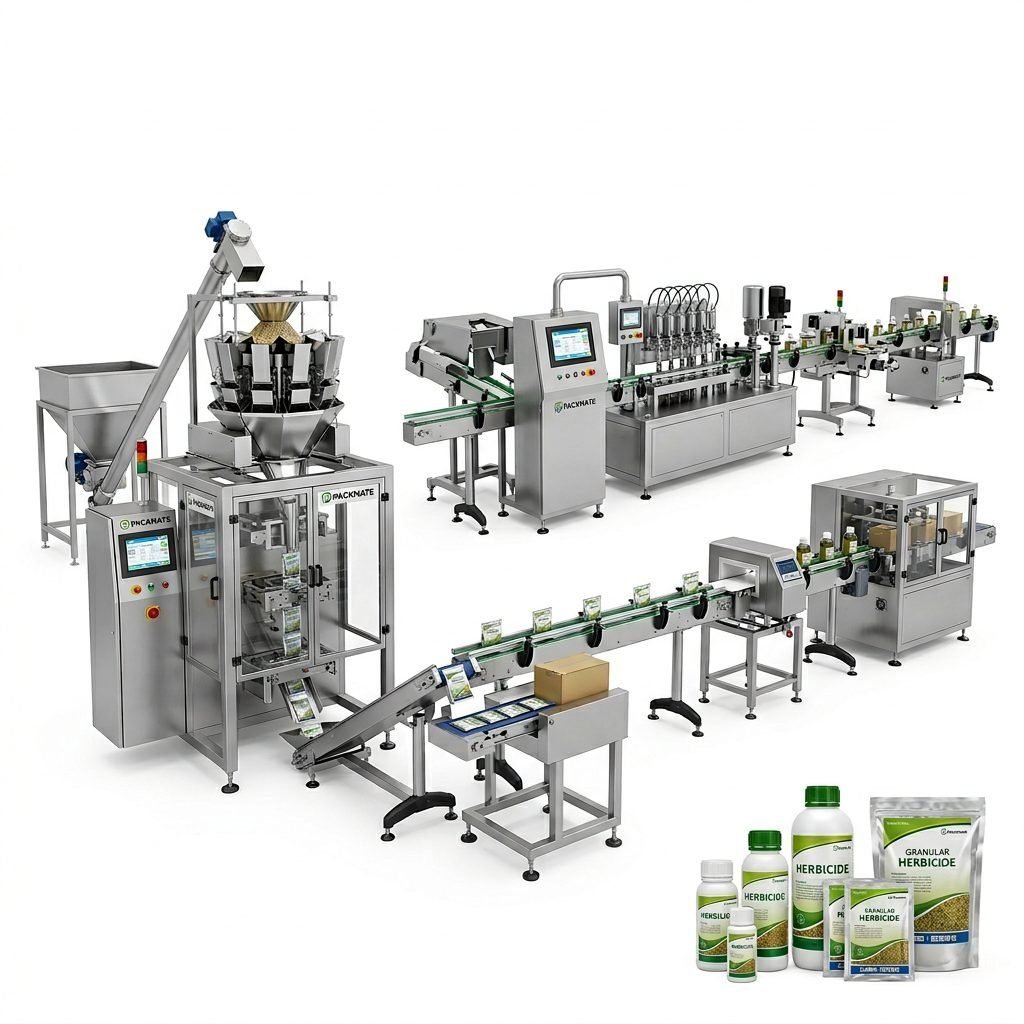
In today’s fast-paced manufacturing world, efficiency is not just a goal; it’s a necessity. High-speed packaging equipment stands at the core of modern production lines, transforming how businesses handle products ranging from food and pharmaceuticals to health supplements. This ultimate guide delves into the comprehensive solutions offered by advanced packaging machinery, exploring the technology, benefits, and strategic considerations for integrating these systems into your operations.
The Evolution of Packaging Automation
The journey from manual packaging to fully automated, high-speed lines represents a significant leap in industrial technology. Initially, packaging was labor-intensive, slow, and prone to inconsistencies. The advent of automation introduced machines that could perform repetitive tasks with unwavering precision. Today, we stand at the pinnacle of this evolution with intelligent systems that not only operate at breathtaking speeds but also incorporate sophisticated sensors, real-time data analytics, and self-diagnostic capabilities. This progression has been driven by the relentless pursuit of higher productivity, reduced waste, and impeccable product presentation.
Core Technologies Powering High-Speed Machines
Modern high-speed packaging equipment is a symphony of advanced engineering. At its heart lies servo motor technology, which provides precise control over movement, enabling faster accelerations and decelerations with minimal vibration. This is complemented by vision inspection systems that perform quality checks at line speed, rejecting any package that fails to meet strict criteria for seal integrity, label placement, or fill weight. Furthermore, integrated PLC (Programmable Logic Controller) systems offer unparalleled flexibility, allowing operators to change package sizes, materials, or product types with a few simple commands on a touchscreen HMI (Human-Machine Interface). The seamless integration of these technologies ensures that speed never comes at the expense of accuracy or reliability.
Key Benefits for Your Production Line
Investing in high-speed packaging solutions yields a multitude of tangible benefits. The most immediate impact is a dramatic increase in output, allowing you to meet growing market demands and larger order volumes. This is closely followed by significant labor cost savings, as automated systems can often replace multiple manual stations. Consistency is another critical advantage; machines eliminate human error, ensuring every single package has the same perfect seal, fill level, and appearance. This not only enhances brand reputation but also reduces costly product giveaways and customer complaints. Additionally, modern equipment is designed for quick changeovers, minimizing downtime when switching between different products or package formats, thus maximizing overall equipment effectiveness (OEE).
Selecting the Right Equipment: A Strategic Approach
Choosing the ideal high-speed packaging system requires a careful analysis of your specific needs. Start by clearly defining your primary product characteristics—whether it’s a free-flowing granule, a fine powder, or a viscous liquid. This will determine the type of filling technology required. Next, consider your packaging materials, such as laminated films for stick packs or pre-made pouches, as the machine must be compatible. Your target production speed (packages per minute) and the required footprint of the machine on your factory floor are also decisive factors. It is highly advisable to partner with an experienced manufacturer who can provide a comprehensive range of machines and offer tailored consultation.
Integration with Upstream and Downstream Processes
A high-speed packager does not operate in isolation. Its true potential is unlocked when it is seamlessly integrated into a complete production line. Upstream, it must synchronize perfectly with product feeding systems like vibratory feeders, auger fillers, or liquid pumps. Downstream, it needs to interface with cartoners, case packers, and palletizers. This level of integration demands equipment that supports standard industrial communication protocols. Leading suppliers, such as Packmate Machinery, specialize in delivering these turnkey packaging solutions, ensuring every component from the infeed to the pallet works in perfect harmony, thereby creating a smooth, continuous, and highly efficient workflow.
Focus on Key Industries: Food, Pharma, and Health
The demand for high-speed packaging is particularly acute in sectors with stringent hygiene and compliance standards.
- Food Industry: Equipment must handle diverse products, from spices and instant coffee to sauces and snacks, often requiring features like gas flushing for extended shelf life. Machines for sachet and stick pack formats are immensely popular here for single-serve convenience.
- Pharmaceutical Industry: Precision and contamination control are paramount. Machines must be constructed with easy-to-clean, sanitary designs, often compliant with cGMP standards, to handle powders, tablets, and medical devices.
- Health & Nutraceutical Industry: This fast-growing sector packages powders (protein, vitamins), liquids (supplements), and granules. Speed and accuracy in filling are critical to maintain competitive advantage in a booming market.
The Role of Innovation and Future Trends
The future of high-speed packaging is intelligent and connected. The integration of Industrial Internet of Things (IIoT) technology allows for predictive maintenance, where the machine itself can alert operators to potential component failures before they cause unplanned downtime. Sustainability is also a major driver, leading to innovations in machinery that can handle new, eco-friendly, and often more challenging recyclable or compostable packaging materials. Furthermore, the demand for greater flexibility will see the rise of more modular and reconfigurable machines that can adapt to rapidly changing consumer preferences and product portfolios.
Ensuring Long-Term Success: Service and Support
The purchase of a high-speed packaging line is a long-term investment. Its performance over a decade or more heavily depends on the quality of after-sales support. This includes comprehensive operator and maintenance technician training, readily available spare parts, and responsive technical support. A manufacturer with a proven track record and a global service network, like Packmate with its dedicated service division, provides invaluable peace of mind. Their deep expertise, stemming from over 30 years in the industry, ensures that your equipment continues to operate at peak efficiency, safeguarding your productivity and return on investment.
Frequently Asked Questions (FAQs)
What is the typical ROI (Return on Investment) period for high-speed packaging equipment?
The payback period can vary widely based on the machine’s cost, the labor savings, and the increase in production output. For many businesses, a well-integrated system can show a full return on investment within 12 to 24 months, primarily through reduced labor costs, higher throughput, and decreased material waste.
How do I ensure the machine is compatible with my existing production line?
This requires detailed planning. Reputable manufacturers will conduct a thorough site audit and review your current process flow. They will provide detailed machine specifications, including dimensions, power requirements, and communication interfaces. Discussing your integration needs with their engineering team during the consultation phase is crucial for a seamless fit.
What are the most common maintenance requirements for these machines?
Regular preventive maintenance is key. Daily tasks include cleaning and visual inspection. Weekly or monthly schedules involve lubricating moving parts, checking belt tensions, and calibrating sensors. The manufacturer will provide a detailed maintenance checklist. Modern machines with IIoT capabilities can significantly simplify this by providing automated maintenance alerts.
Can one machine handle multiple different package sizes and products?
Yes, most modern high-speed machines are designed for quick changeover. They use tool-less adjustments or pre-configured change parts to switch between different package formats (e.g., from a 10g sachet to a 25g stick pack) often in under 15-20 minutes, minimizing production downtime.
What training is provided for our operators and maintenance staff?
Professional suppliers typically offer comprehensive training programs. This includes on-site training during installation and commissioning, where their engineers instruct your team on operation, routine maintenance, and basic troubleshooting. Many also provide detailed operation manuals, instructional videos, and access to remote support for ongoing learning.