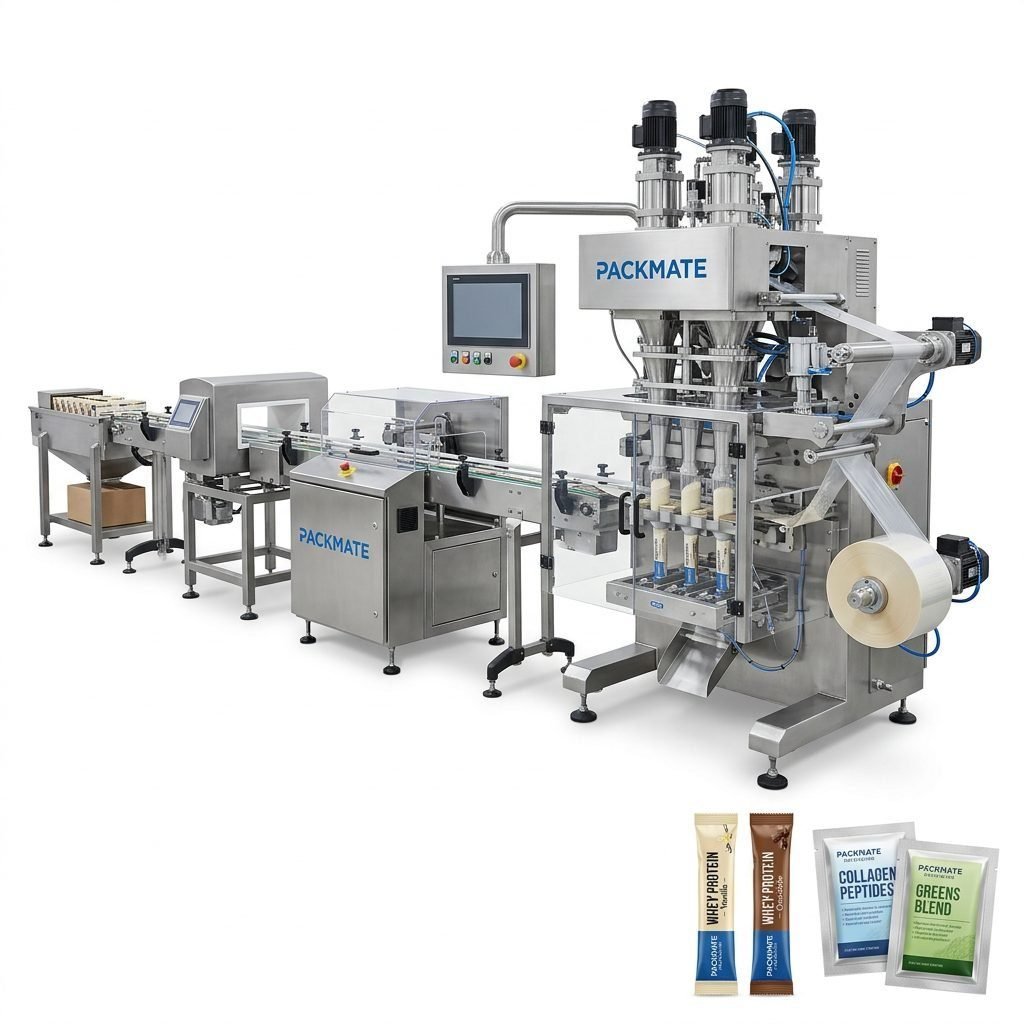
Industrial packaging equipment forms the backbone of modern manufacturing and distribution, ensuring products are protected, preserved, and presented efficiently from production lines to end-users. This guide delves into the various types of equipment, their specific applications, and provides a comprehensive framework for selecting the right machinery for your operational needs.
Primary Categories of Industrial Packaging Equipment
The landscape of industrial packaging is diverse, with machinery designed for specific functions and product types. Understanding these categories is the first step in the selection process.
Filling and Sealing Machines
These machines are central to primary packaging, handling the task of accurately dispensing product into containers and securely sealing them. They are further subdivided based on the product form.
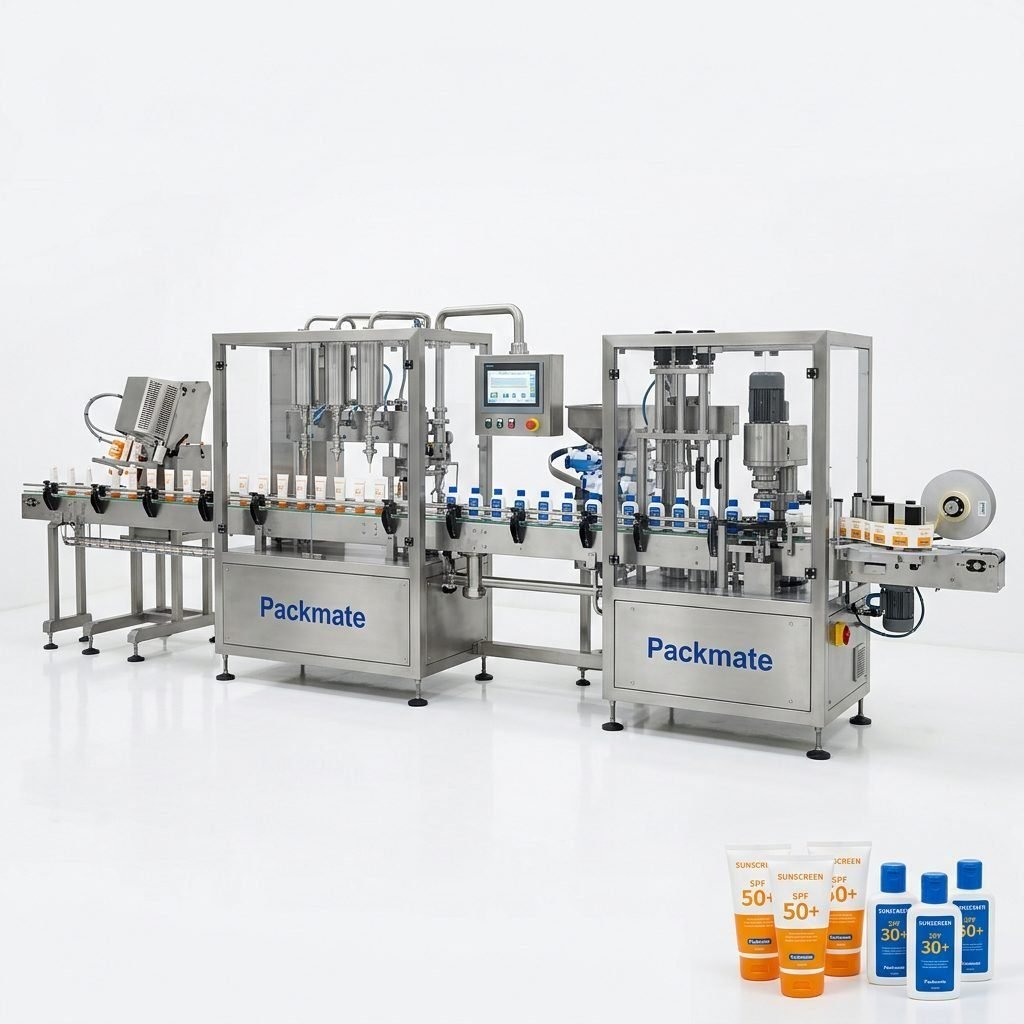
For granules and powders, such as coffee, spices, or pharmaceuticals, auger fillers and weigh fillers offer high precision. For liquids and pastes like sauces, oils, or creams, piston fillers and gravity fillers are the standard. Sealing can be achieved through heat sealing, induction sealing, or capping, depending on the container material.
Form-Fill-Seal (FFS) Machines
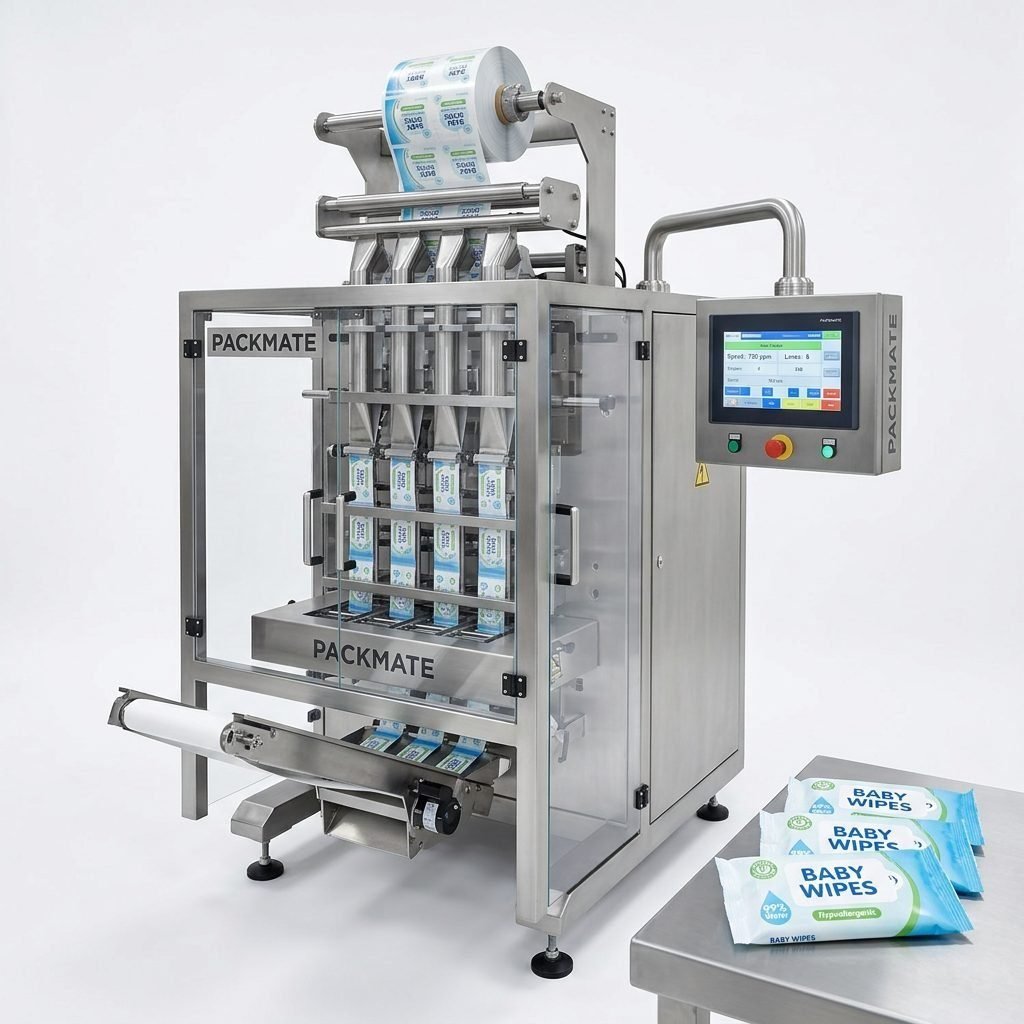
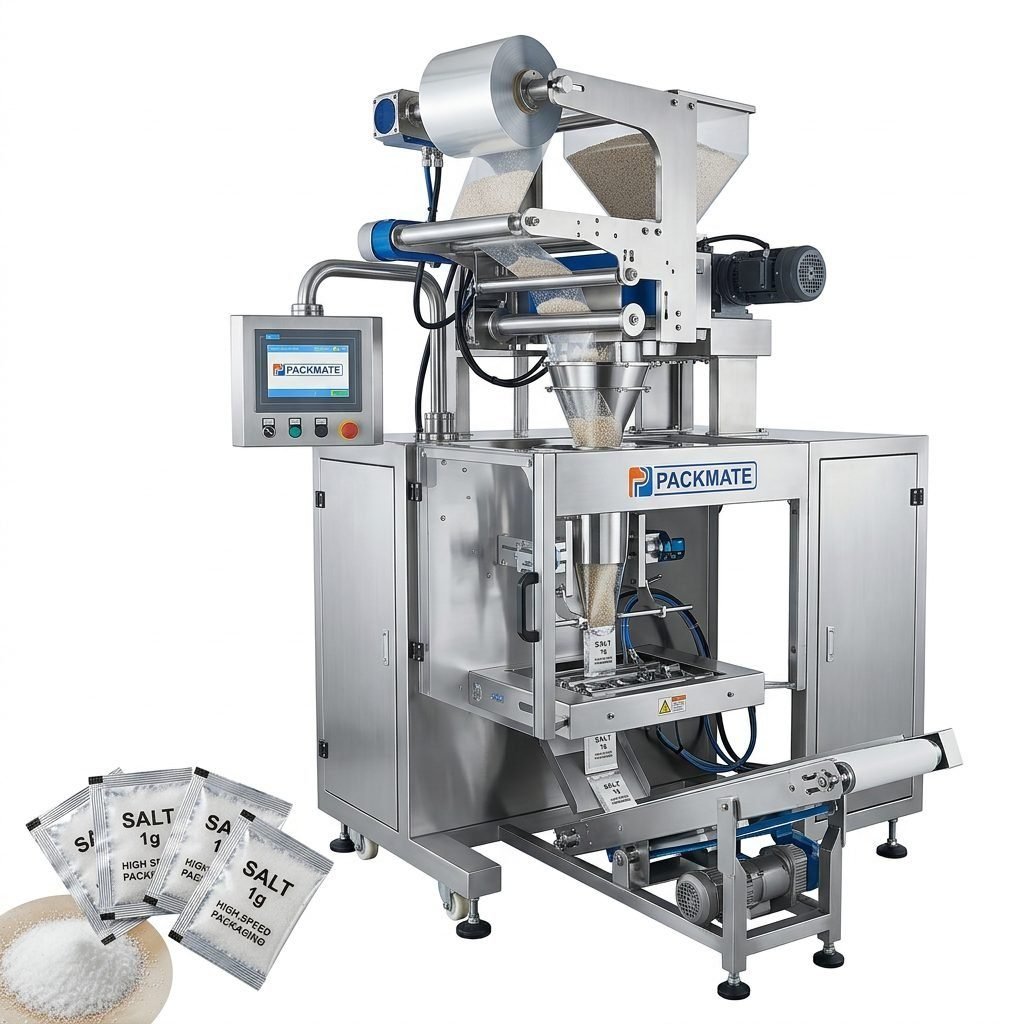
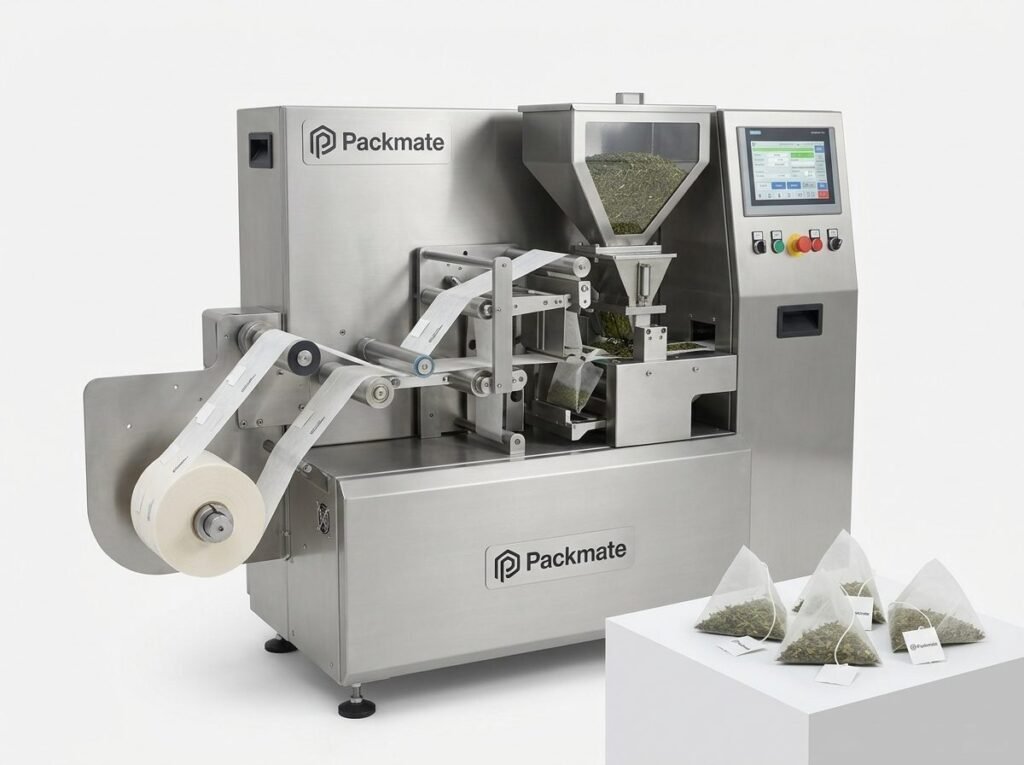
FFS machines represent a high level of automation by creating the package from a roll of film, filling it with product, and sealing it—all in one continuous process. This method is highly efficient and reduces material waste.
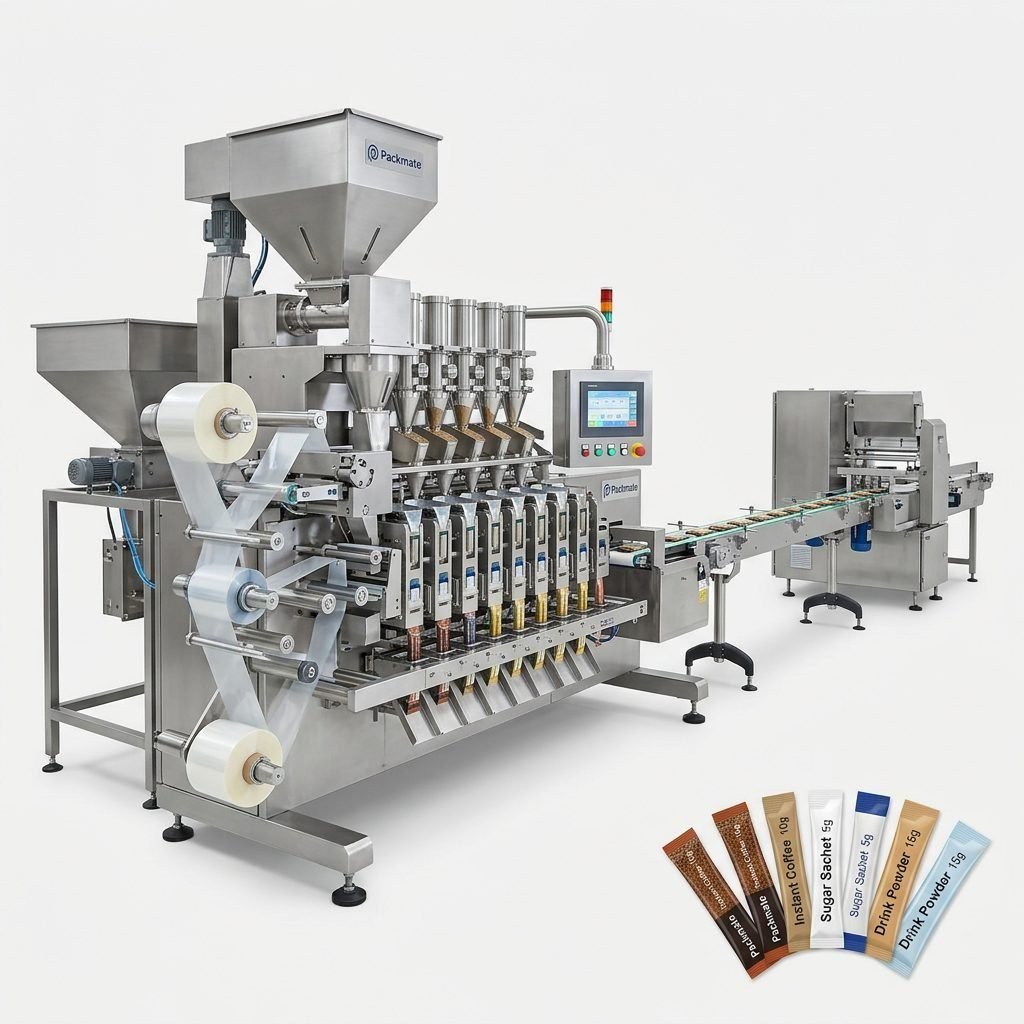
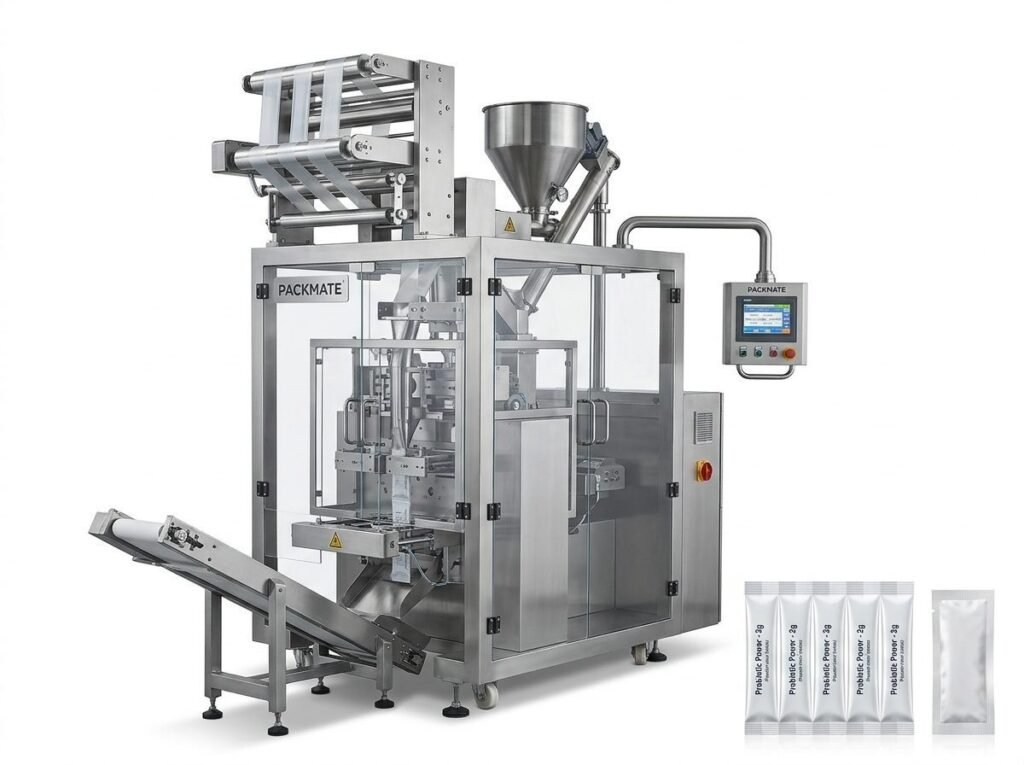
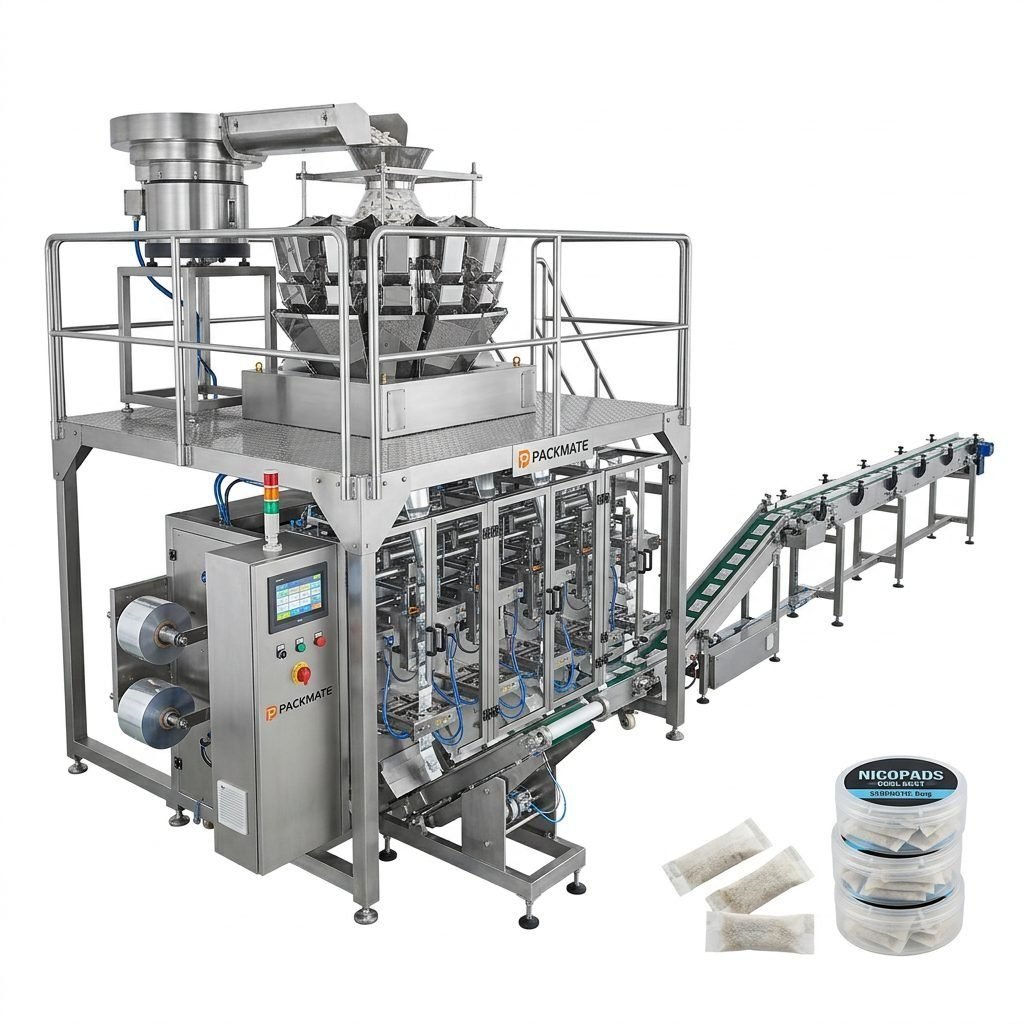
The most common types are vertical form-fill-seal (VFFS) machines, ideal for packaging snacks, frozen foods, and hardware items into bags or pouches, and horizontal form-fill-seal (HFFS) machines, often used for bar-shaped items or creating sachets for condiments or powders. Companies like Packmate Machinery specialize in advanced multi-lane stick pack and sachet packaging lines that exemplify this technology.
Labeling and Coding Equipment
Post-filling, products require identification. Labeling machines apply pre-printed labels with product information, branding, and barcodes. Coding equipment, such as inkjet or laser coders, prints variable data like batch numbers, expiry dates, and lot codes directly onto the package or label. This traceability is crucial for inventory management and regulatory compliance.
Key Applications Across Major Industries
The choice of packaging equipment is heavily influenced by the industry it serves, each with unique requirements for hygiene, precision, and speed.
Food and Beverage Industry
This sector demands equipment that ensures product freshness, prevents contamination, and meets stringent food safety standards (e.g., FDA, USDA). Machinery must be easy to clean, often requiring stainless steel construction and CIP (Clean-in-Place) systems. Applications range from packaging fresh produce in modified atmosphere packaging to filling beverages into bottles or aseptic cartons.
Pharmaceutical and Healthcare Industry
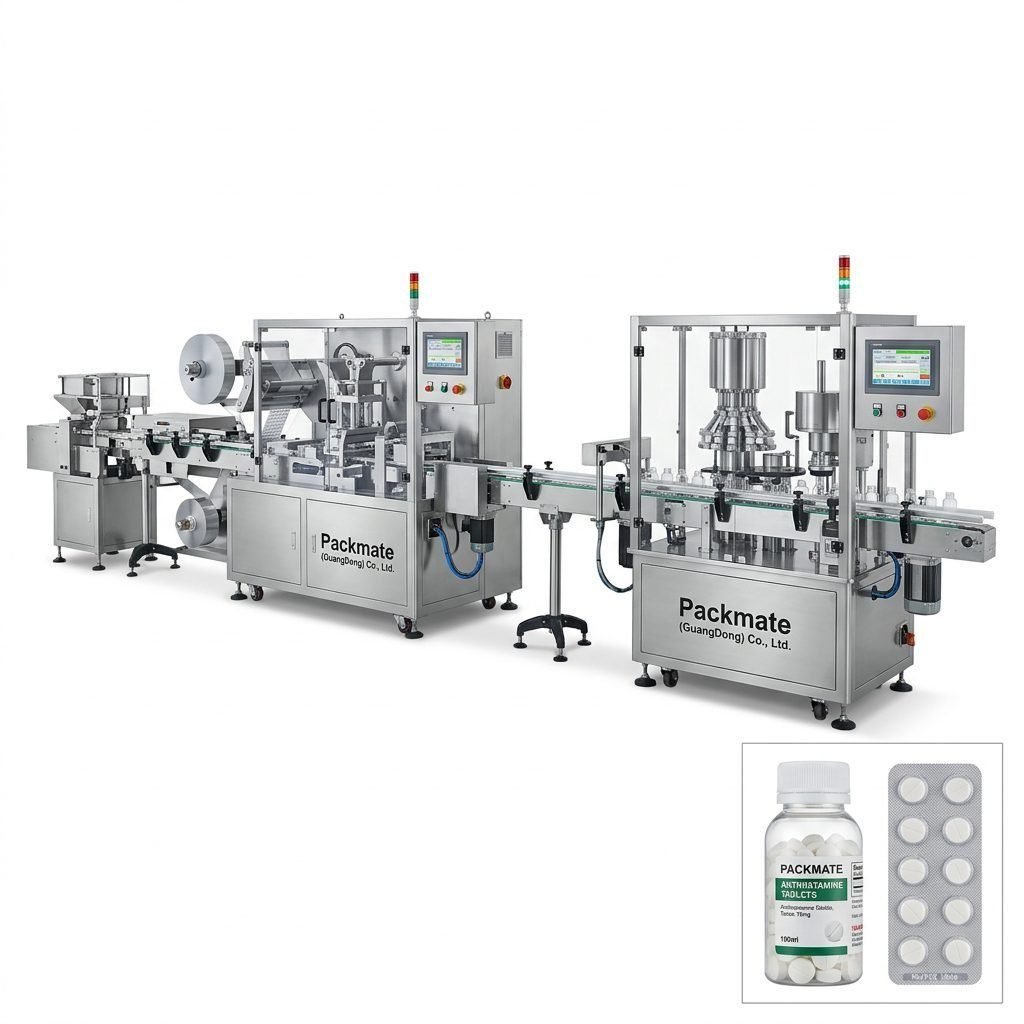
Precision and sterility are non-negotiable here. Equipment must comply with cGMP (current Good Manufacturing Practice) guidelines. Applications include blister packaging for tablets, filling sterile liquids into vials or ampoules, and packaging medical devices. The machinery often operates in controlled environments and requires validated cleaning protocols.
Chemical and Industrial Goods
Packaging for chemicals, fertilizers, or hardware focuses on durability, containment, and safety. Equipment is built to handle abrasive or corrosive materials and often deals with larger, heavier formats like bags, drums, or pails. Robust weighing and packaging systems are critical for accuracy in these sectors.
A Strategic Guide to Selecting Your Equipment
Choosing the right packaging machinery is a significant capital investment. A systematic evaluation based on your specific parameters will lead to a successful outcome.
1. Define Your Core Requirements
Start with a clear analysis of your product and operational goals.
Product Characteristics: What is the physical form (solid, liquid, powder)? Is it abrasive, corrosive, or fragile? What are its shelf-life and sensitivity requirements?
Production Output: Determine your required speed in packages per minute (PPM) or units per hour (UPH). Consider both current needs and projected growth.
Package Type and Material: What is your final package format (pouch, bottle, stick pack, box)? What material (film, glass, plastic) will you use? The machine must be compatible.
2. Evaluate Machine Features and Technology
Beyond basic function, assess the technological sophistication and reliability.
Look for features like user-friendly HMI (Human-Machine Interface) controls, quick-changeover capabilities to reduce downtime between production runs, and integrated quality check systems (e.g., checkweighers, metal detectors). The construction quality, especially of critical components, directly impacts longevity and maintenance costs.
3. Consider the Total Cost of Ownership (TCO)
The purchase price is just one part of the financial picture. A comprehensive TCO analysis includes:
- Initial Investment: Machine cost, installation, and training.
- Operational Costs: Energy consumption, required consumables (film, labels, codes), and labor.
- Maintenance & Downtime: Cost and availability of spare parts, ease of service, and expected machine uptime. A reliable partner like Packmate Machinery, with over 30 years of expertise, can minimize lifecycle costs through durable design and strong support.
4. Assess Supplier Credibility and Support
The manufacturer or integrator is as important as the machine itself. Key factors include:
Industry Experience & Reputation: How long have they been in business? What is their track record in your specific sector? Review their case studies and client testimonials.
Technical Support & Service: What is their warranty policy? Do they offer 24/7 support, on-site service, and training programs? Ensure they have a responsive service team.
Customization Ability: Can they tailor the machine or provide a complete turnkey packaging solution to fit your unique production line layout and product needs?
Conclusion
Investing in the right industrial packaging equipment is a strategic decision that impacts productivity, product quality, and bottom-line profitability. By thoroughly understanding the different equipment types, aligning them with your industry-specific applications, and following a disciplined selection process that weighs technical features, total cost, and supplier partnership, you can implement a packaging solution that drives efficiency and growth for years to come.
Frequently Asked Questions (FAQs)
What is the main difference between vertical (VFFS) and horizontal (HFFS) form-fill-seal machines?
Vertical Form-Fill-Seal (VFFS) machines create bags that are sealed on three or four sides from a single roll of film, with the product dropped vertically into the forming tube. They are ideal for free-flowing products like snacks, granules, and powders. Horizontal Form-Fill-Seal (HFFS) machines form pouches in a horizontal plane, often sealing on all four sides, and are typically used for liquids, pastes, or solid items that need to be placed horizontally, such as candy bars or single-serve condiment sachets.
How important is machine customization for a packaging line?
Customization is often critical for optimal performance. Off-the-shelf machines may not handle unique product characteristics, unusual package sizes, or specific production line integrations. A supplier capable of customization can modify feed systems, sealing jaws, controls, or material handling to ensure higher efficiency, less waste, and a perfect fit for your operation, ultimately providing a better return on investment.
What are the key maintenance requirements for packaging equipment?
Regular preventive maintenance is essential. Key tasks include daily cleaning to prevent product buildup (especially in food/pharma), lubrication of moving parts as per the manufacturer’s schedule, inspection and replacement of wear parts like sealing jaws, gaskets, and cutter blades, and regular calibration of weighing and filling systems. Adhering to the supplier’s maintenance protocol maximizes uptime and extends machine life.
Can one machine handle multiple different products or package sizes?
Yes, many modern machines are designed for quick changeover. This involves interchangeable parts like forming tubes, filling nozzles, and sealing dies, along with programmable recipes in the control system that store settings for different products. The speed and ease of changeover vary by machine design and is a key feature to evaluate if you have a diverse product portfolio.
What should I look for in a packaging equipment supplier’s after-sales service?
Prioritize suppliers who offer comprehensive after-sales support. This includes detailed installation and operator training, clear documentation (manuals, parts lists), availability of genuine spare parts, responsive technical support (phone, email, remote diagnostics), and the capability for on-site service visits. A strong service agreement is a safeguard for your production continuity.