Secondary packaging plays a crucial role in the modern supply chain, serving as the protective and logistical layer that groups primary packaged products for storage, transport, and retail display. Selecting the right secondary packaging equipment is not merely an operational decision; it’s a strategic investment that impacts efficiency, product safety, brand presentation, and overall cost-effectiveness. This guide delves into the top solutions available and provides a comprehensive framework for making an informed purchasing decision.
Understanding Secondary Packaging and Its Core Functions
Before exploring equipment, it’s essential to define secondary packaging. It refers to the outer layer that contains one or more primary packages (like bottles, sachets, or cans). Its primary functions are:
Protection & Stability: It safeguards primary packages from damage, dust, moisture, and compression during handling and shipping.
Logistical Efficiency: It consolidates products into standardized, manageable units (cases, trays, bundles) for palletizing and warehouse optimization.
Brand Communication & Retail Readiness: The outer carton or wrap is a key branding surface, displaying logos, product information, and barcodes for inventory and checkout.
Investing in automated secondary packaging systems directly addresses these functions, replacing slow, inconsistent, and labor-intensive manual processes.
Key Categories of Secondary Packaging Equipment
The market offers a diverse range of machinery, each designed for specific packaging formats and production volumes. Here are the primary categories:
Case and Carton Packaging Systems
This is the most common form of secondary packaging. Equipment in this category includes:
- Case Erectors: Automatically form flat corrugated cases into ready-to-use boxes.
- Case/Tray Packers: Precisely load primary packages into cases, trays, or display-ready boxes. Options include top-load, side-load, and wrap-around packers.
- Case Sealers: Apply tape or hot melt glue to securely close filled cases. They can be automatic or semi-automatic.
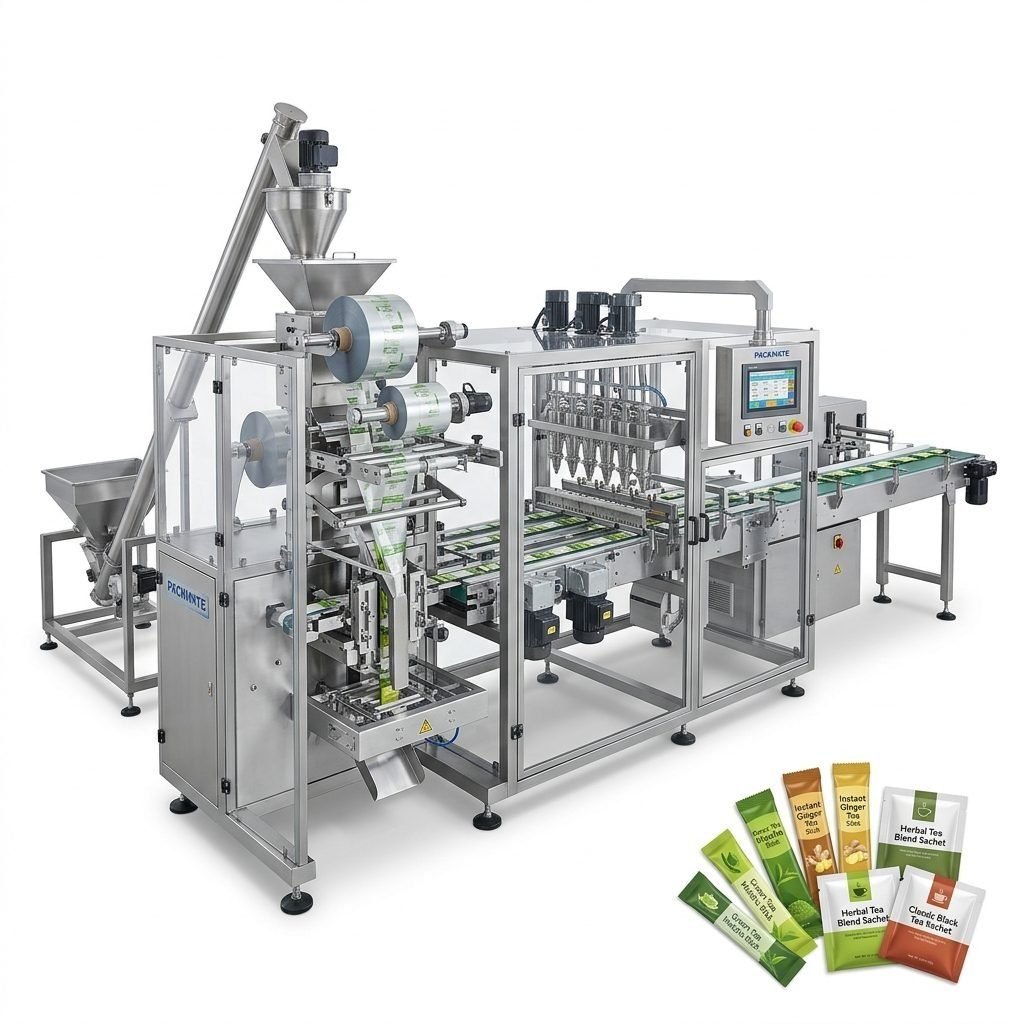
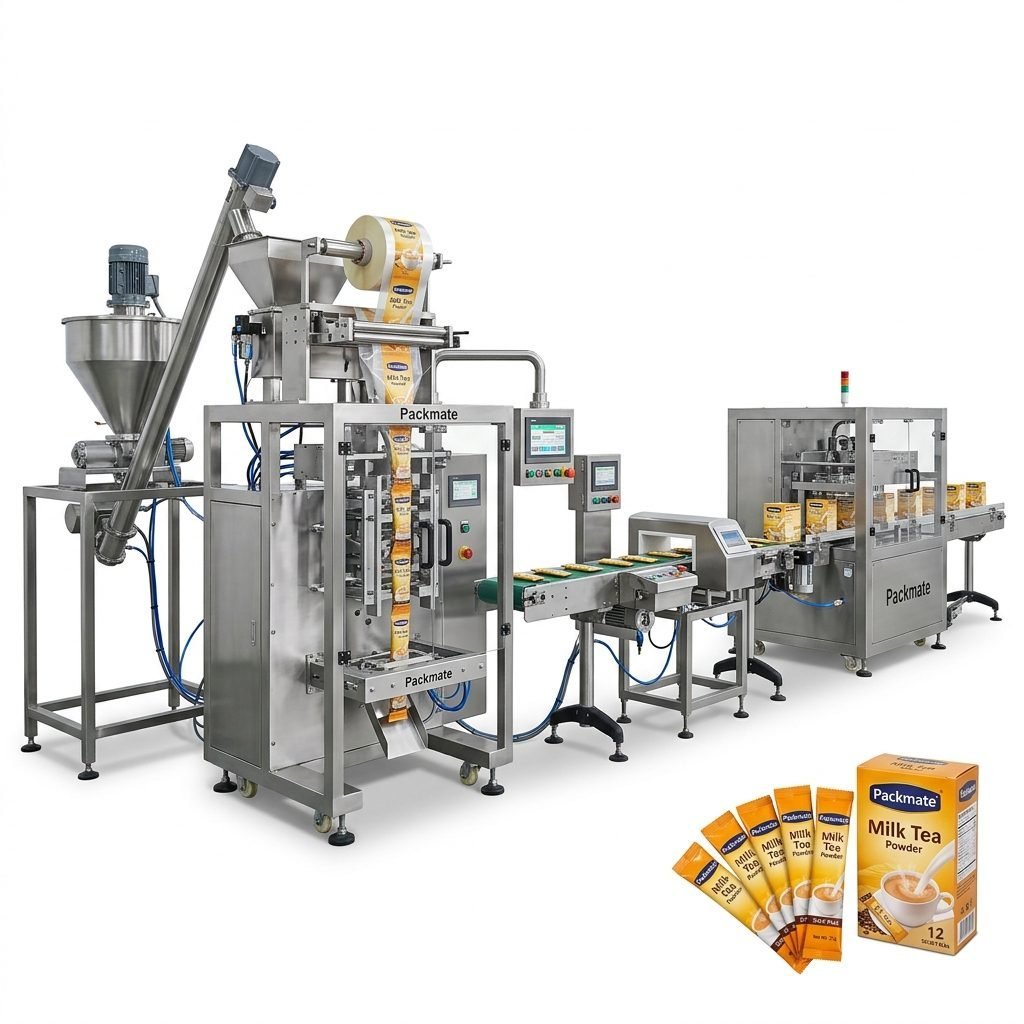
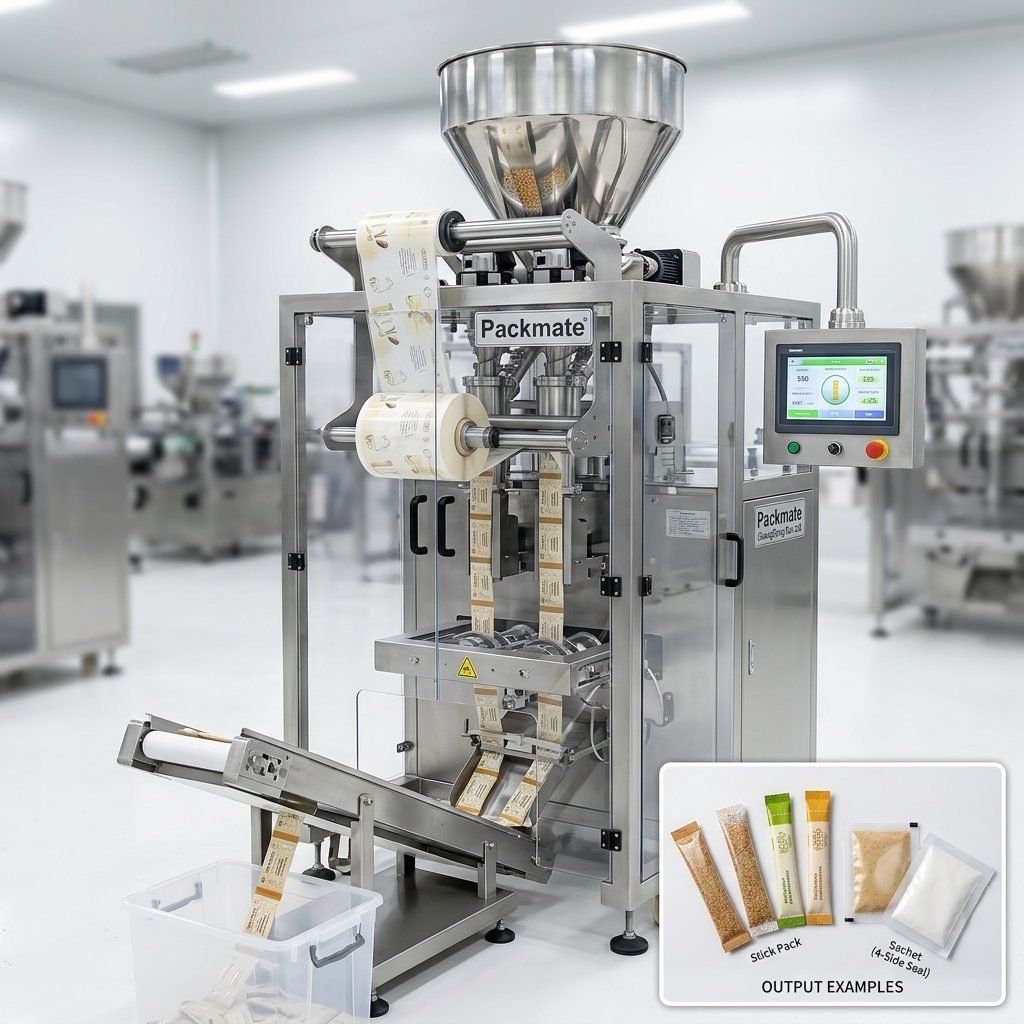
For businesses looking to streamline their cartoning operations, exploring advanced bag and pouch packaging machines that feed into these systems can create a seamless primary-to-secondary line.
Bundling and Shrink Wrapping Equipment
Ideal for grouping products without a rigid carton, these systems offer visibility and cost savings:
- Shrink Wrappers: Use a loose plastic film to bundle products, which then passes through a heat tunnel to shrink the film tightly around the bundle.
- Stretch Wrappers: Apply stretch film to stabilize pallet loads for shipping. They are critical for unitizing and protecting palletized goods.
- Bundlers: Often use paperboard or film to group cans, bottles, or other containers into multi-packs.
Palletizing and End-of-Line Solutions
This is the final step in the secondary packaging process, preparing units for warehouse storage or shipment:
- Robotic Palletizers: Offer extreme flexibility, gently and precisely placing cases, trays, or bags onto pallets in pre-programmed, stable patterns.
- Conventional Palletizers: (Gantry or column) are high-speed solutions for consistent, uniform products, often found in large beverage or food plants.
- Pallet Wrappers & Stabilizers: Secure the loaded pallet with stretch film, netting, or corner boards to prevent shifting during transit.
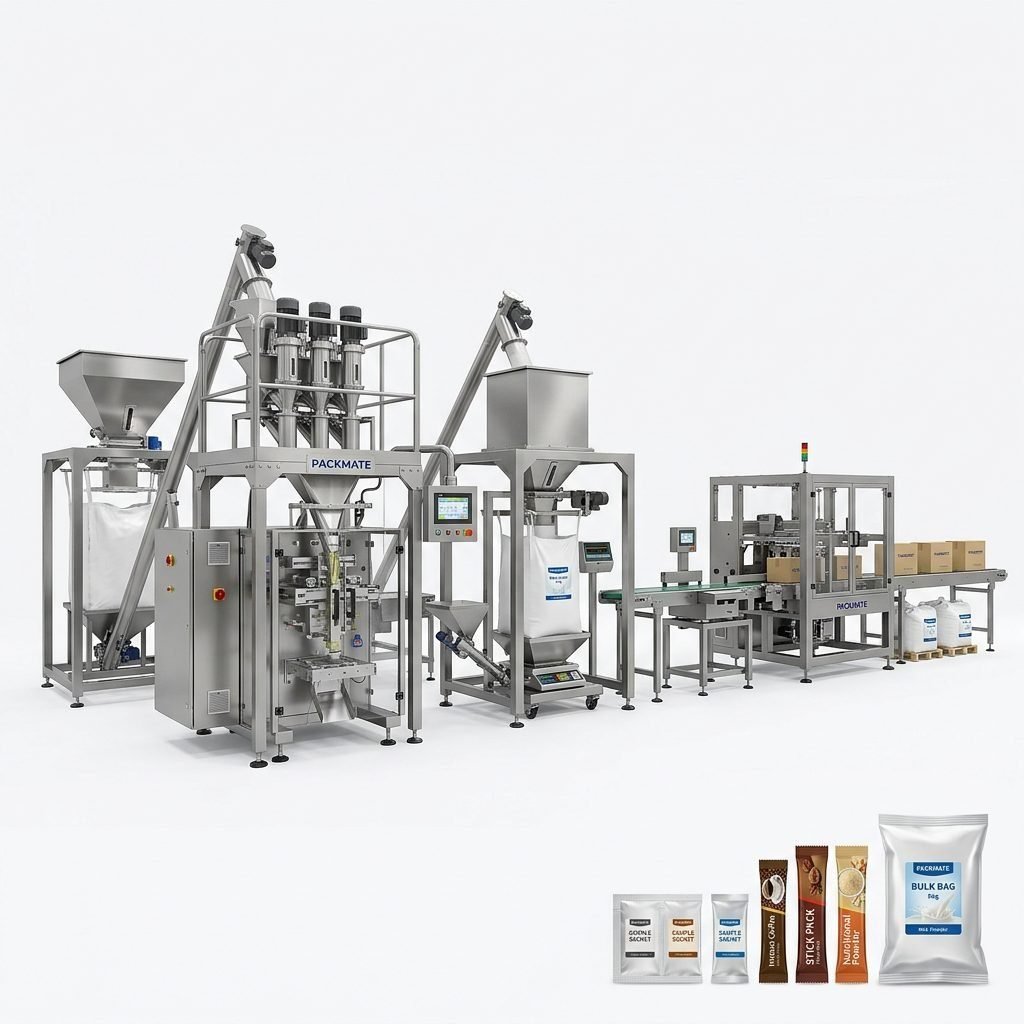
Integrating these with upstream filling and packaging lines ensures a cohesive and automated production flow from product creation to shipment.
The Essential Buying Guide: How to Choose the Right Equipment
Navigating the vast array of secondary packaging machinery requires a structured approach. Consider these critical factors:
1. Assess Your Product and Packaging Specifications
Product Characteristics: Size, weight, shape, and fragility of your primary packages. Are they rigid (bottles) or flexible (pouches)?
Secondary Pack Format: Determine your required output: RSC (Regular Slotted Container) cases, trays, shrink bundles, or multi-packs.
Changeover Frequency: How often will you switch between different products or pack patterns? This dictates the need for quick-change tooling and programmable controls.
2. Define Your Production Requirements
Capacity is king. You must align the machine’s capability with your business goals.
- Speed (Units/Minute or Cases/Hour): Match the machine’s output to your primary packaging line speed and overall production targets.
- Footprint & Layout: Measure your available floor space. Consider the machine’s dimensions and the necessary clearance for operation and maintenance.
- Integration Level: Will it be a standalone unit, or does it need to integrate seamlessly with existing upstream and downstream equipment (conveyors, palletizers)?
3. Evaluate Technology and Supplier Credentials
The machine’s build quality and the manufacturer’s support are paramount for long-term reliability.
Construction & Durability: Look for robust frames, high-quality actuators, and wear-resistant components from brands known for longevity.
Controls & Software: User-friendly HMI (Human-Machine Interface), diagnostic capabilities, and connectivity for data collection (Industry 4.0 readiness) are increasingly important.
Supplier Reputation & Support: Choose an established manufacturer with a proven track record. Evaluate their technical support, availability of spare parts, and service network. A company with deep expertise, like Packmate Machinery, which brings over 30 years of engineering experience to the table, can provide invaluable guidance and reliable after-sales service.
4. Analyze Total Cost of Ownership (TCO)
Look beyond the initial purchase price. The TCO includes:
- Installation and commissioning costs.
- Consumables (glue, tape, film) and their efficiency rates.
- Energy consumption (electrical and compressed air).
- Ongoing maintenance, parts replacement, and potential downtime costs.
- Operator training requirements.
A slightly higher initial investment in a more efficient, reliable machine often results in a lower TCO over its lifespan.
Future Trends in Secondary Packaging Automation
The industry is moving towards greater flexibility, sustainability, and intelligence. Expect to see more:
- Adaptive Robotics: Robots with advanced vision systems that can handle mixed-SKU palletizing and random product orientation.
- Sustainable Material Handling: Equipment designed to work efficiently with recycled content corrugate, reduced-plastic films, and reusable packaging.
- IoT & Predictive Maintenance: Machines that self-monitor performance, predict component failures, and schedule maintenance to prevent unplanned downtime.
- Compact, Modular Designs: Space-saving equipment that offers easier reconfiguration for changing market demands.
Frequently Asked Questions (FAQs)
What is the main difference between primary, secondary, and tertiary packaging?
Primary packaging is in direct contact with the product (e.g., a juice bottle). Secondary packaging groups these primary packages (e.g., a 12-bottle carton). Tertiary packaging is used for bulk handling and shipping, like pallets and stretch wrap that group many secondary packages together.
How do I know if I need a semi-automatic or fully automatic machine?
This depends on your volume and labor strategy. Semi-automatic machines require some manual intervention (e.g., placing cases) and are suitable for lower volumes or frequent changeovers. Fully automatic systems handle the entire process from case erection to sealing with minimal human oversight, ideal for high-volume, consistent production lines.
Can one machine handle multiple different box sizes or product types?
Yes, many modern machines are designed with quick-changeover capabilities. This involves programmable settings and interchangeable tooling (like flight bars or pushers) that allow operators to switch between different packaging formats in minutes rather than hours, maximizing line flexibility.
What are the most common challenges when implementing new secondary packaging equipment?
Key challenges include ensuring proper line integration (synchronization with upstream equipment), managing product variability (if products are not uniformly presented), providing adequate operator training, and securing reliable technical support from the supplier for installation and troubleshooting.
How important is after-sales service and support when selecting a supplier?
It is critically important. Even the best equipment may require maintenance, parts, or troubleshooting. A supplier with a responsive, knowledgeable service team and a readily available inventory of genuine spare parts minimizes costly downtime and ensures your investment continues to perform optimally for years to come.