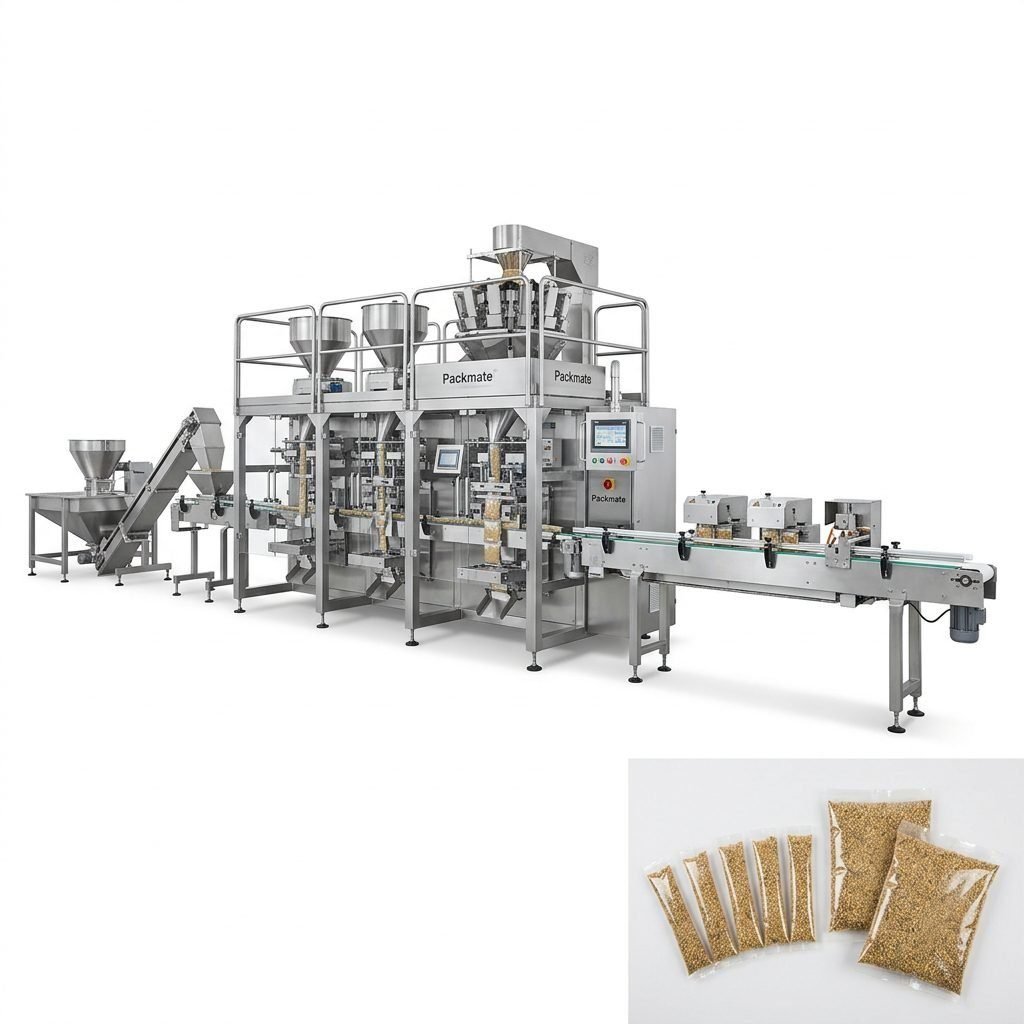
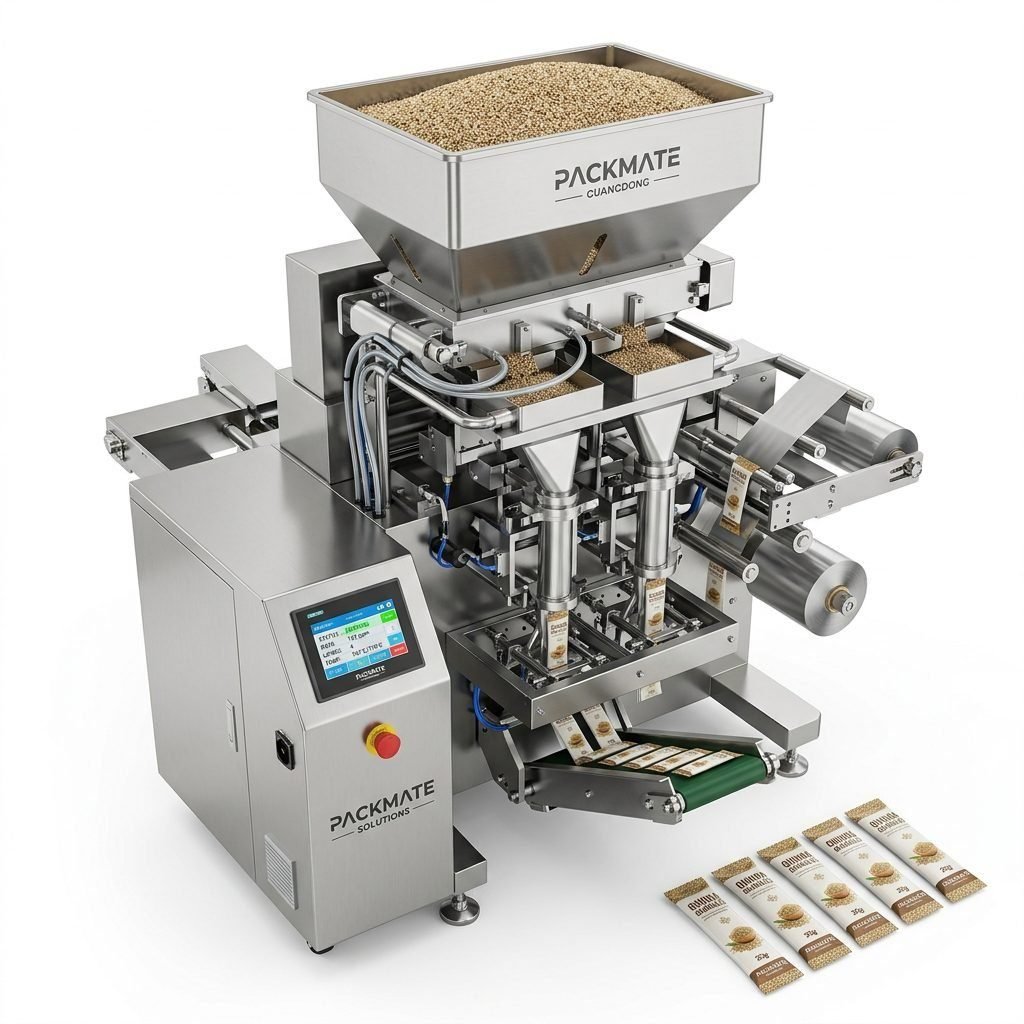
In today’s fast-paced manufacturing landscape, efficiency, accuracy, and hygiene are paramount. The automated strip packaging machine stands as a cornerstone technology in meeting these demands, particularly within the food, pharmaceutical, and health supplement industries. This sophisticated equipment streamlines the process of creating uniform, sealed packets—commonly known as stick packs or sachets—on a massive scale. By automating what was once a manual or semi-automatic task, these machines unlock significant operational advantages, from slashing labor costs to ensuring impeccable product consistency. For businesses looking to scale production while maintaining stringent quality standards, understanding how these systems function and the benefits they offer is the first critical step toward modernization.
The Core Mechanism: How an Automated Strip Packaging Machine Operates
The operation of an automated strip packaging machine is a marvel of synchronized engineering, transforming bulk product into neatly packaged units. The process can be broken down into several key stages, each crucial to the final output’s integrity.
Stage 1: Film Unwinding and Forming
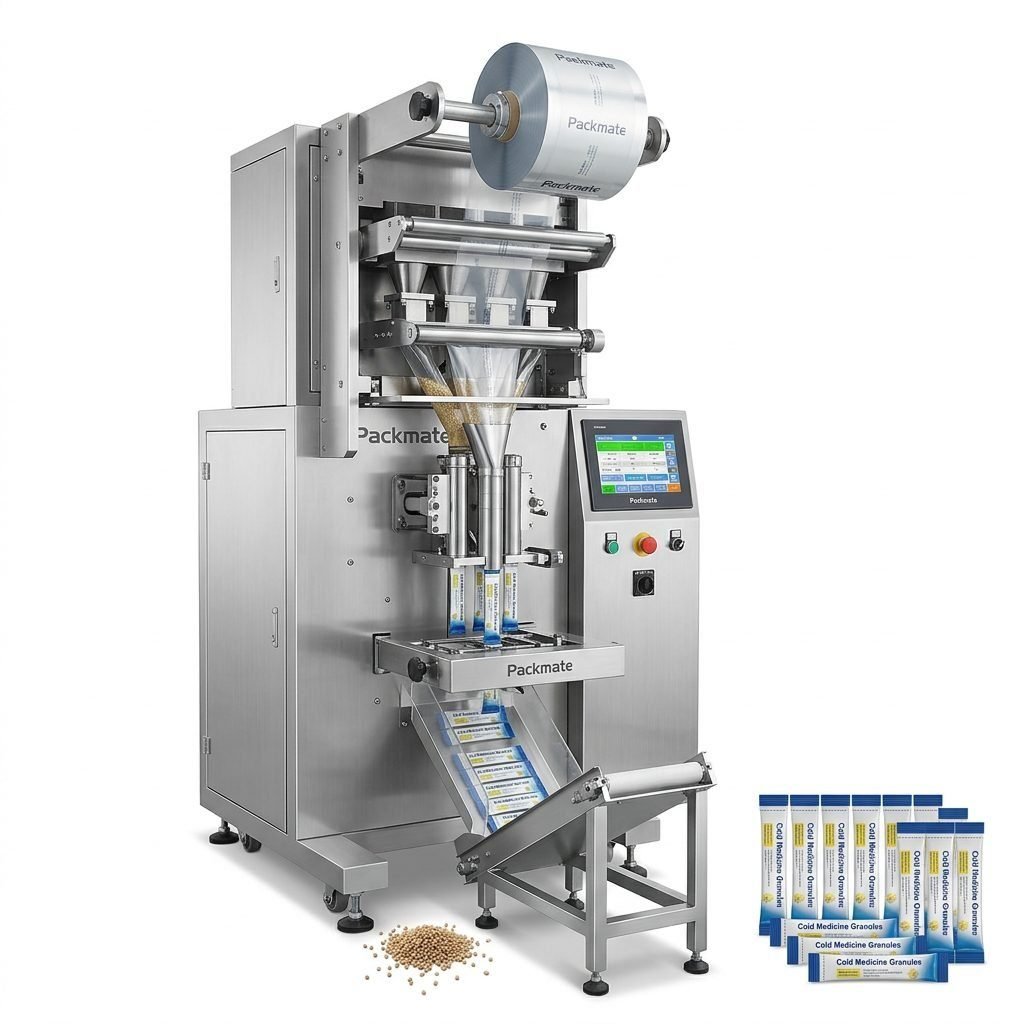
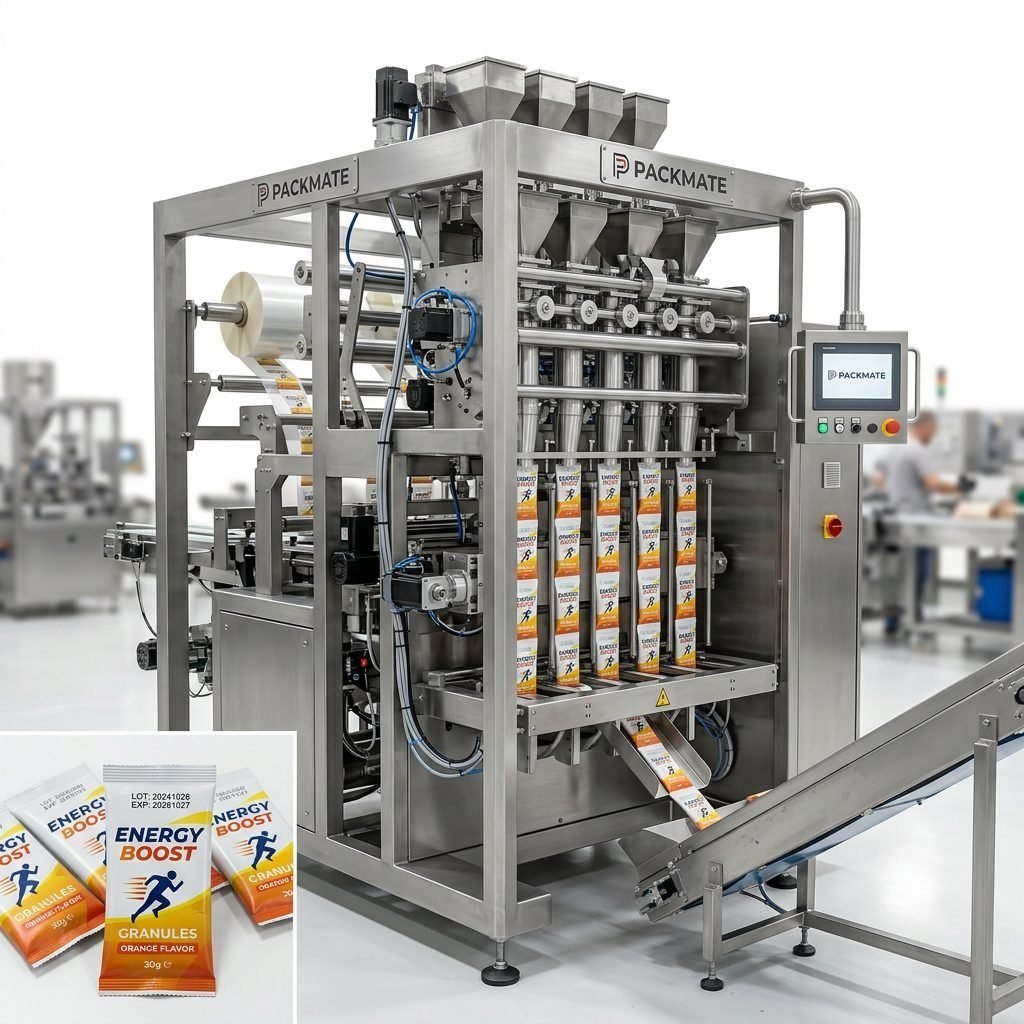
The process begins with a roll of packaging film, typically a multi-layered laminate material chosen for its barrier properties, strength, and sealability. This film is fed into the machine and guided through a forming collar. Here, the flat film is precisely shaped into a continuous tube. The longitudinal seam is sealed using a constant heat sealer, creating a sturdy backbone for the future packets.
Stage 2: Product Metering and Filling
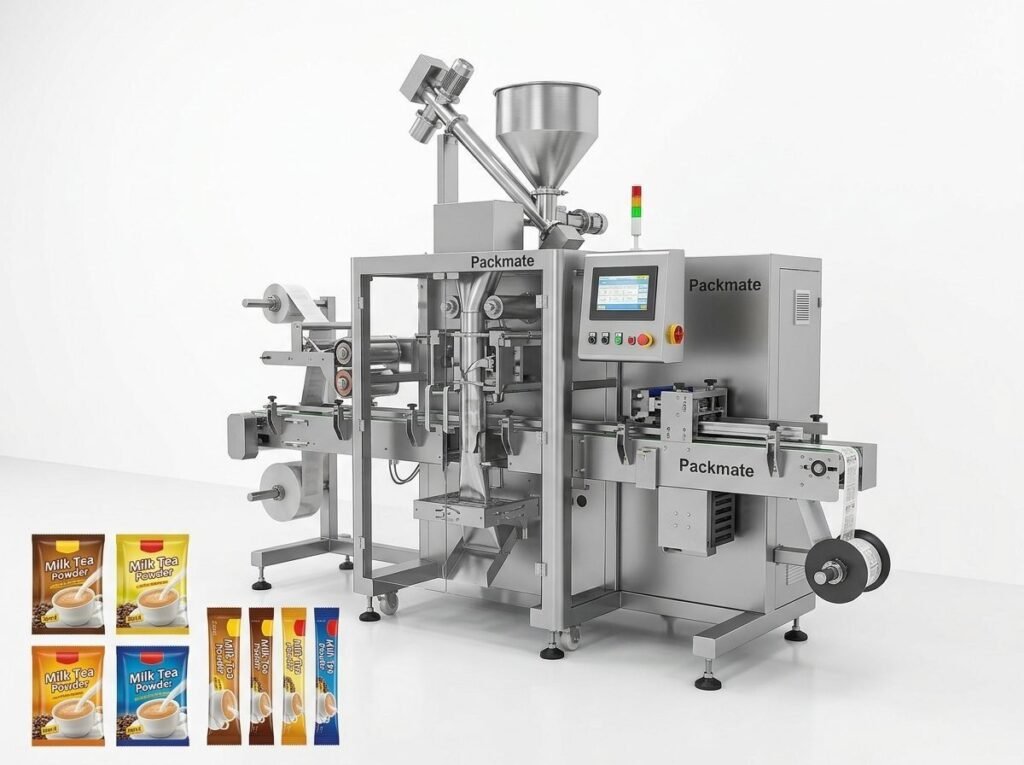
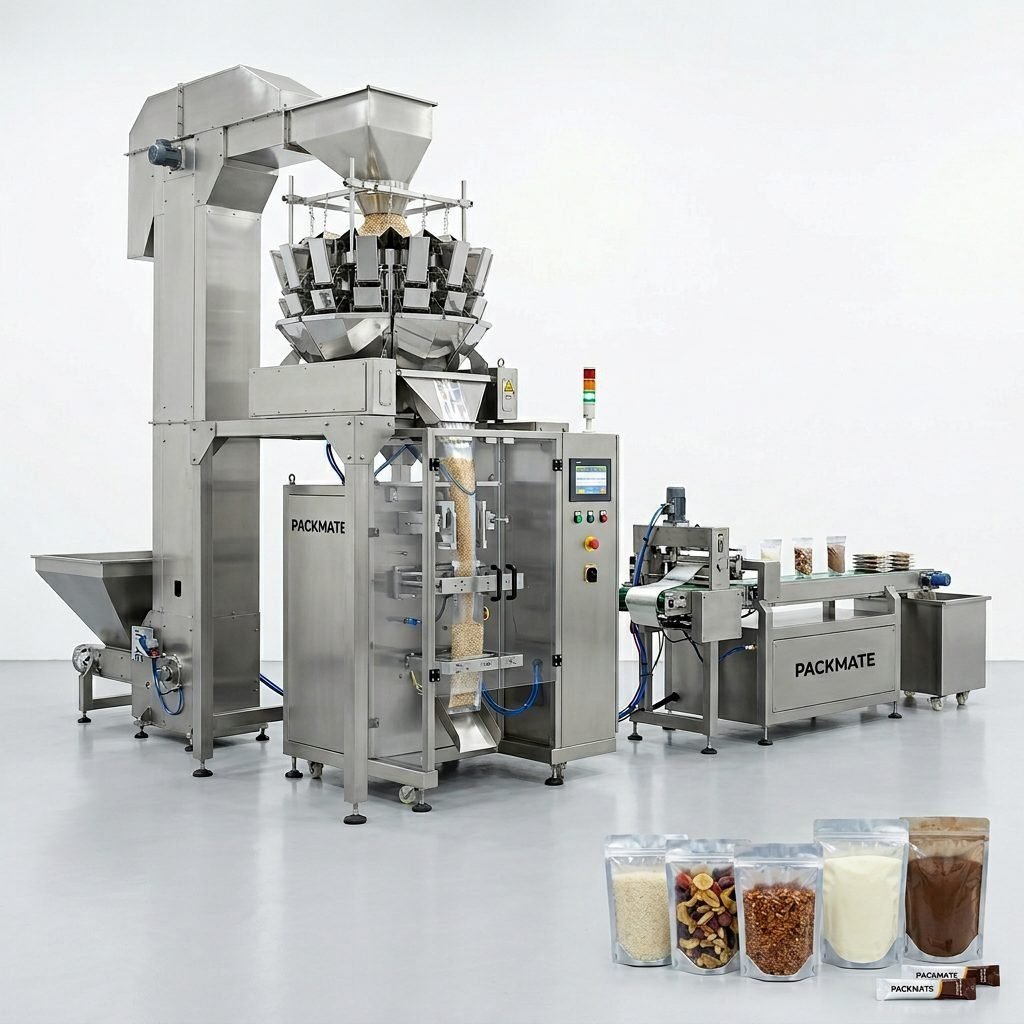
This is where precision is non-negotiable. The product—be it powder, granules, or liquid—is fed from a hopper into a highly accurate filling system. For powders and granules, auger fillers or weigh-cell systems are common, ensuring each dose is measured to exact specifications. Liquids may use piston pumps or volumetric fillers. The measured product is then injected downward into the vertically moving film tube. Advanced machines from leaders like Packmate Machinery integrate multi-lane technology, allowing several tubes to be filled simultaneously, exponentially increasing output.
Key Precision Point: The synchronization between the film pull-down and the filling cycle is controlled by a programmable logic controller (PLC). This ensures the film stops moving precisely when the product is being dispensed, preventing spillage and guaranteeing that the seal occurs on clean, product-free film.
Stage 3: Cross Sealing and Cutting
Immediately below the filling point, a pair of heated sealing jaws close horizontally across the film tube. These jaws perform two vital functions simultaneously. First, they create the top seal for the packet below and the bottom seal for the packet above. Second, a cutting blade integrated into the jaws severs the film between these two seals, separating the finished packet from the continuous tube. The speed and temperature of these jaws are meticulously calibrated to create strong, hermetic seals without burning the film.
Stage 4: Discharge and Collection
The freshly cut and sealed packets are then conveyed out of the machine. They may be collected in a bulk container, directed to a secondary packaging equipment like a cartoner, or arranged into strips or rolls as required by the end application, such as for soluble coffee or pharmaceutical dosettes.
Unlocking Efficiency: The Key Benefits of Automation
Investing in an automated strip packaging line transcends mere speed; it delivers a comprehensive suite of benefits that bolster competitiveness, quality, and profitability.
1. Dramatically Increased Production Speed and Output
Manual packaging simply cannot compete with the velocity of automation. A modern multi-lane stick pack machine can produce hundreds of packets per minute. This high throughput is essential for meeting large-volume orders and just-in-time delivery schedules, allowing businesses to scale operations without proportional increases in floor space or labor.
2. Unmatched Consistency and Product Quality
Human operators, despite best efforts, are subject to fatigue and variation. Automated systems eliminate this inconsistency. Every packet receives an identical fill weight, and every seal is formed under the same precise temperature and pressure. This uniformity is critical for regulatory compliance in pharmaceuticals, for customer satisfaction in food products, and for accurate dosing in health supplements.
3. Significant Reduction in Labor Costs and Human Error
Automation consolidates the roles of multiple operators into a single machine overseen by one or two technicians. This leads to substantial long-term savings on labor expenses. Furthermore, it drastically reduces errors associated with manual handling, such as underfilling, overfilling, or improper sealing, which directly translates to less product waste and fewer customer complaints.
Hygiene and Contamination Control
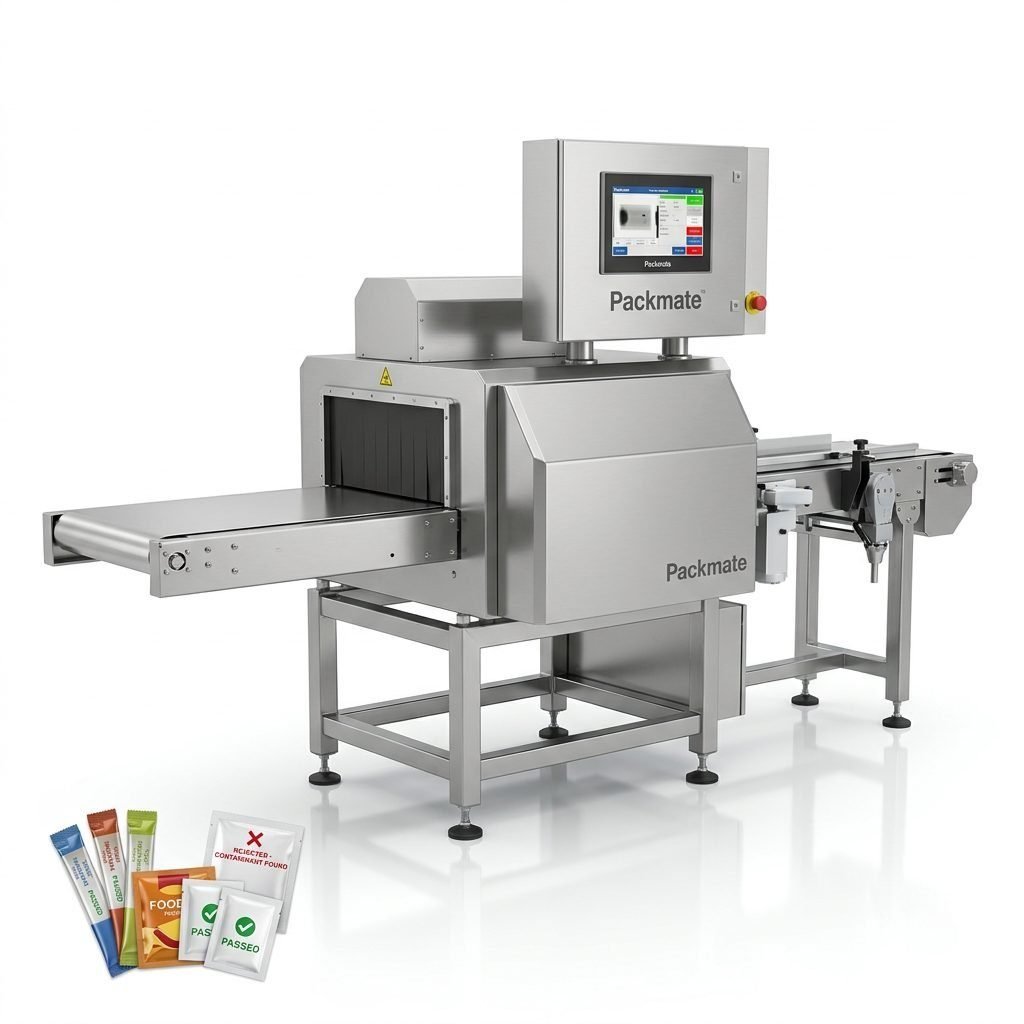
In industries like pharmaceuticals and food, contamination is a paramount concern. Automated packaging creates a closed system from the product hopper to the sealed packet. This minimizes the product’s exposure to the factory environment and human contact, adhering to strict Good Manufacturing Practice (GMP) and food safety standards. The use of stainless steel construction and easy-clean designs in machines, such as those in Packmate’s sachet and stick pack line, further enhances sanitary operation.
4. Enhanced Operational Flexibility
Modern machines are not monolithic. They are designed for quick changeovers. With simple adjustments and change parts, the same machine can often handle different packet sizes, shapes, and a variety of products. This allows manufacturers to run shorter, more customized production batches efficiently, responding agilely to market trends and diverse client needs.
5. Improved Material Usage and Sustainability
Precision engineering leads to less waste. Accurate dosing means no giveaway of expensive product. Precise sealing and cutting minimize film scrap. Some advanced systems can even optimize film layout to reduce overall material consumption. This efficiency not only cuts costs but also aligns with growing corporate sustainability goals by reducing the environmental footprint of the packaging process.
Choosing the Right Partner for Your Packaging Needs
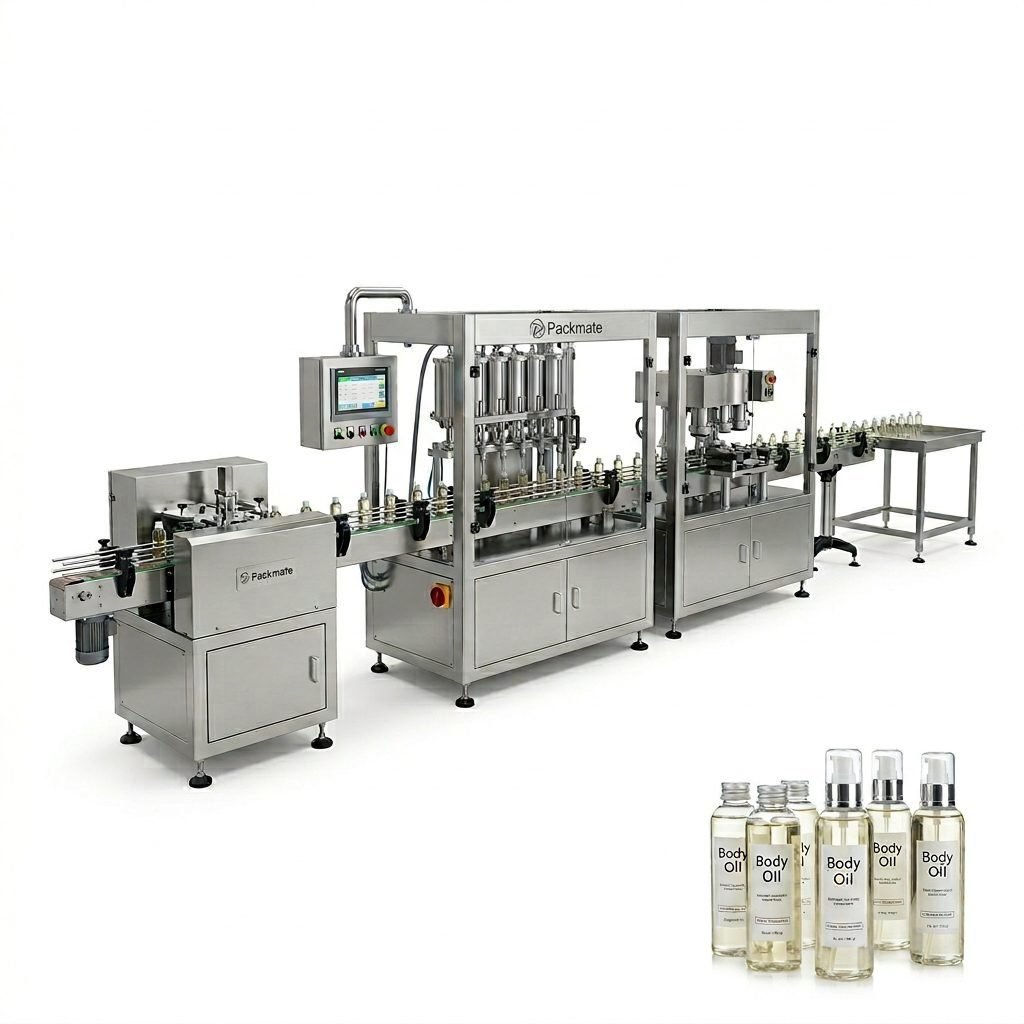
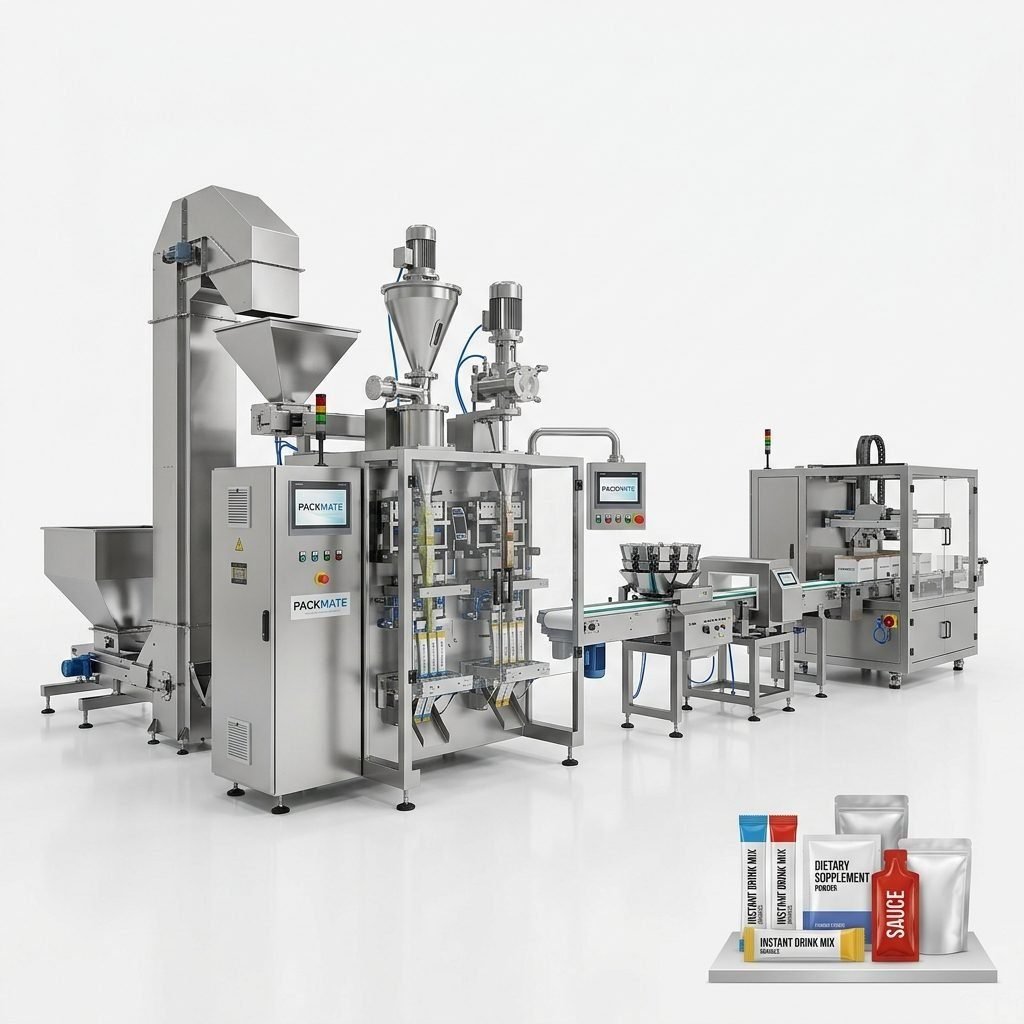
The effectiveness of an automated strip packaging system is heavily dependent on the quality and reliability of the machine itself. This is where the manufacturer’s expertise becomes critical. A partner with deep industry knowledge can provide more than just hardware; they offer a complete turnkey solution. For instance, Packmate (GuangDong) Co., Ltd., with over 30 years of specialization, exemplifies this approach. From the initial consultation where they assess your specific product characteristics—whether it’s the flowability of a fine powder or the viscosity of a syrup—to designing a complete line that may include feeding, filling, packaging, and secondary cartoning, their role is integral. Their 20,000㎡ facility and history of developing over 50 machine models demonstrate a capacity to deliver reliable, innovative solutions tailored to global market demands.
Implementing an automated strip packaging line is a strategic decision that pays dividends across the entire operation. It is an investment in speed, quality, safety, and ultimately, the growth and resilience of your business in a competitive global marketplace.
Frequently Asked Questions (FAQs)
What types of products are best suited for strip packaging machines?
These machines are exceptionally versatile. They are ideal for unit-dose or single-serve packaging of dry products like instant coffee, sugar, spices, protein powders, and pharmaceutical granules. They also efficiently handle liquids such as sauces, condiments, oil supplements, and liquid pharmaceuticals. The key is matching the machine’s filling system (auger, pump, volumetric) to your product’s physical properties.
How difficult is it to change over the machine for a different packet size or product?
Changeover complexity varies by machine design. Modern, high-end models are built for flexibility. They often feature tool-less changeovers or require only a few change parts (like forming tubes and filling nozzles). The PLC can store recipes for different products, allowing operators to recall settings for sealing temperature, fill weight, and packet length with a few button presses, minimizing downtime between production runs.
What is the typical maintenance required for these machines?
Regular maintenance is crucial for longevity and consistent performance. Daily tasks include cleaning contact surfaces and checking for debris. Weekly or monthly maintenance might involve lubricating moving parts, inspecting sealing jaws for wear, and calibrating the weighing system. Reputable manufacturers provide detailed maintenance schedules and offer comprehensive service and support packages to ensure optimal uptime.
Can these machines integrate with other packaging line equipment?
Absolutely. A standalone strip pack machine is often just one component of a full packaging line. They are commonly connected upstream with product feeders and downstream with cartoners, case packers, or robotic palletizers. Integration is managed via the machine’s PLC, ensuring synchronized material flow for a completely automated, end-to-end packaging solution.
How do I determine the right production speed and number of lanes for my business?
This is a strategic calculation based on your current and projected output needs, available floor space, and budget. A single-lane machine might suffice for lower volumes or niche products. For high-volume production, multi-lane machines (4, 6, 8, or more lanes running in parallel) are necessary. A trusted machinery supplier will analyze your annual production goals, shift patterns, and growth plans to recommend a configuration that provides the optimal balance of capacity, efficiency, and return on investment.