The world of beverage consumption is dynamic and ever-evolving, driven by consumer preferences, sustainability concerns, and the relentless pursuit of efficiency. At the heart of bringing these beverages to market lies a critical, often unseen component: beverage packaging machinery. This equipment is not merely about containment; it is the linchpin of product integrity, brand presentation, and operational scalability. Modern solutions in this field represent a sophisticated fusion of precision engineering, smart automation, and hygienic design, transforming liquid products from production lines into the hands of consumers globally.
The Evolution of Beverage Packaging Technology
Gone are the days of purely mechanical, single-function machines. The journey from simple filling stations to today’s integrated, intelligent lines mirrors the broader industrial revolution. Initial automation focused on speed, but contemporary beverage packaging machinery prioritizes flexibility, data intelligence, and gentle product handling. This evolution is crucial for manufacturers facing diverse SKUs, from still water and juices to viscous dairy products and sensitive functional drinks. The ability to quickly switch between formats—bottles, cans, pouches, or stick packs—with minimal downtime is now a standard expectation, powered by servo-driven technology and programmable logic controllers.
Key Driver: A primary catalyst for this technological leap is the demand for sustainability. Modern machinery is engineered to minimize material waste through precise dosing and cutting, support the use of lighter-weight or recycled plastics, and efficiently handle alternative packaging formats like paper-based cartons or compostable pouches. This aligns packaging operations with both environmental goals and cost-saving measures.
Core Components of a Modern Packaging Line
A complete beverage packaging solution is a symphony of coordinated systems. Understanding each component’s role is essential for selecting the right equipment.
1. Unscrambling & Cleaning: This initial stage prepares containers for filling. Advanced unscramblers gently handle PET bottles, glass, or cans at high speeds, orienting them correctly. Inline air-jet or rinsing systems ensure impeccable hygiene, a non-negotiable standard in beverage production.
2. Precision Filling Technology: The heart of the line. Different beverage types demand specific fillers:
- Gravity Fillers: Ideal for still, non-carbonated beverages like water or juice. Simple and cost-effective.
- Pressure Fillers: Essential for carbonated soft drinks and beers, preventing loss of carbonation during the fill.
- Volumetric & Piston Fillers: Used for high-viscosity products such as yogurt drinks, syrups, or dairy-based beverages, ensuring accurate volume control.
Modern fillers feature touch-screen controls for recipe management and self-diagnostic capabilities to maintain consistent fill levels, crucial for compliance and customer satisfaction.
3. Sealing & Capping: Immediately following filling, sealing preserves product safety and shelf-life. Technologies range from induction sealing for foil liners to ultrasonic sealing for spouted pouches. Capping heads apply screw caps, sports caps, or press-on lids with precise torque control to prevent leaks or over-tightening.
The Role of Automation and Industry 4.0
Automation is the defining feature of modern beverage packaging machinery. It extends beyond high-speed operation to encompass total line control. Robotic palletizers, automated case packers, and vision inspection systems work in concert. These systems can detect fill levels, label placement, and cap presence, automatically rejecting non-conforming products. The integration of IoT (Internet of Things) sensors allows for real-time monitoring of machine performance, predictive maintenance alerts, and data collection for OEE (Overall Equipment Effectiveness) analysis. This connectivity enables remote troubleshooting and data-driven decision-making to optimize production flow and minimize unplanned stops.
Choosing the Right Machinery Partner
Selecting equipment is a strategic investment. Key considerations include:
- Product Compatibility: Ensure the machine is designed for your beverage’s specific characteristics (acidity, viscosity, particulate content).
- Output Requirements: Match the machine’s speed and capacity to your current and forecasted production volumes.
- Flexibility & Changeover: Evaluate how quickly and easily the line can switch between container sizes or types.
- Hygienic Design: Look for stainless-steel construction, CIP (Clean-in-Place) capabilities, and designs that prevent bacterial harborage.
- Supplier Expertise & Support: Partner with a manufacturer with proven industry experience and a robust global service network.
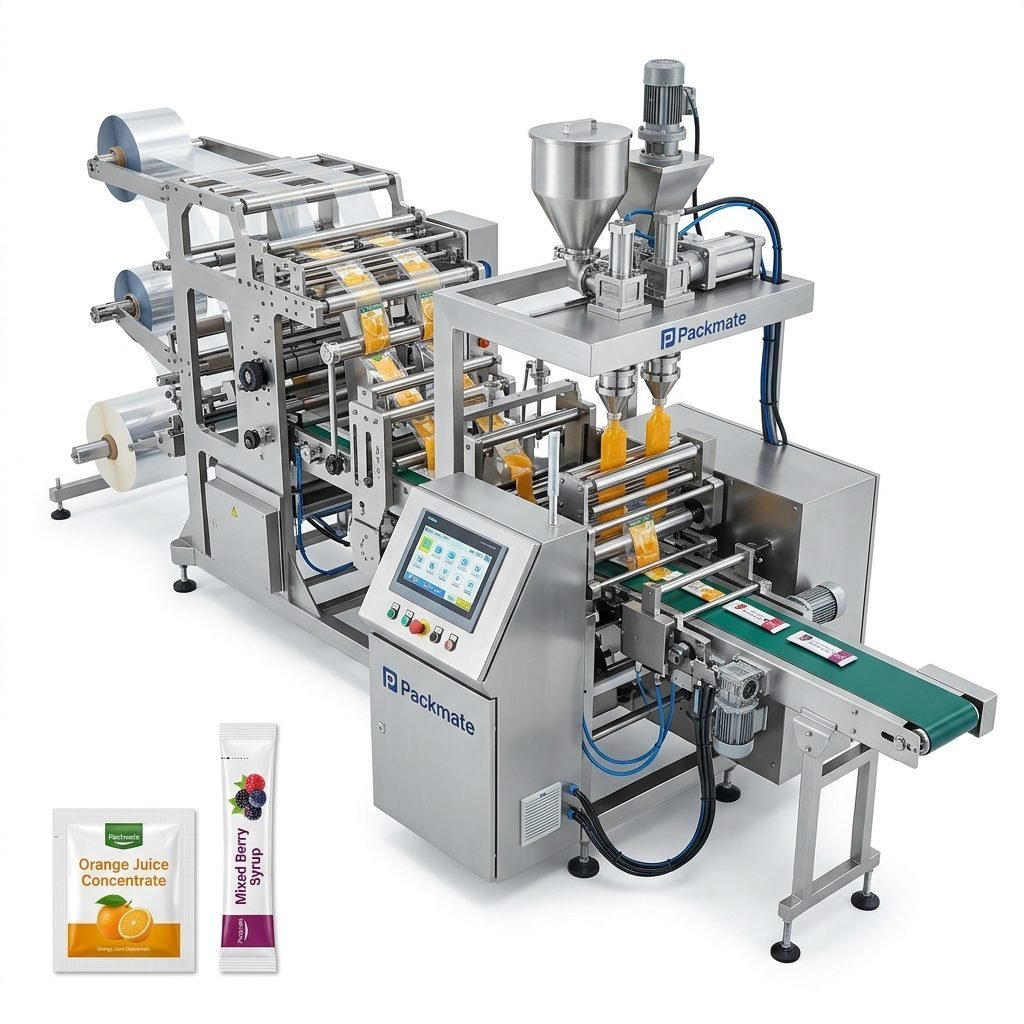
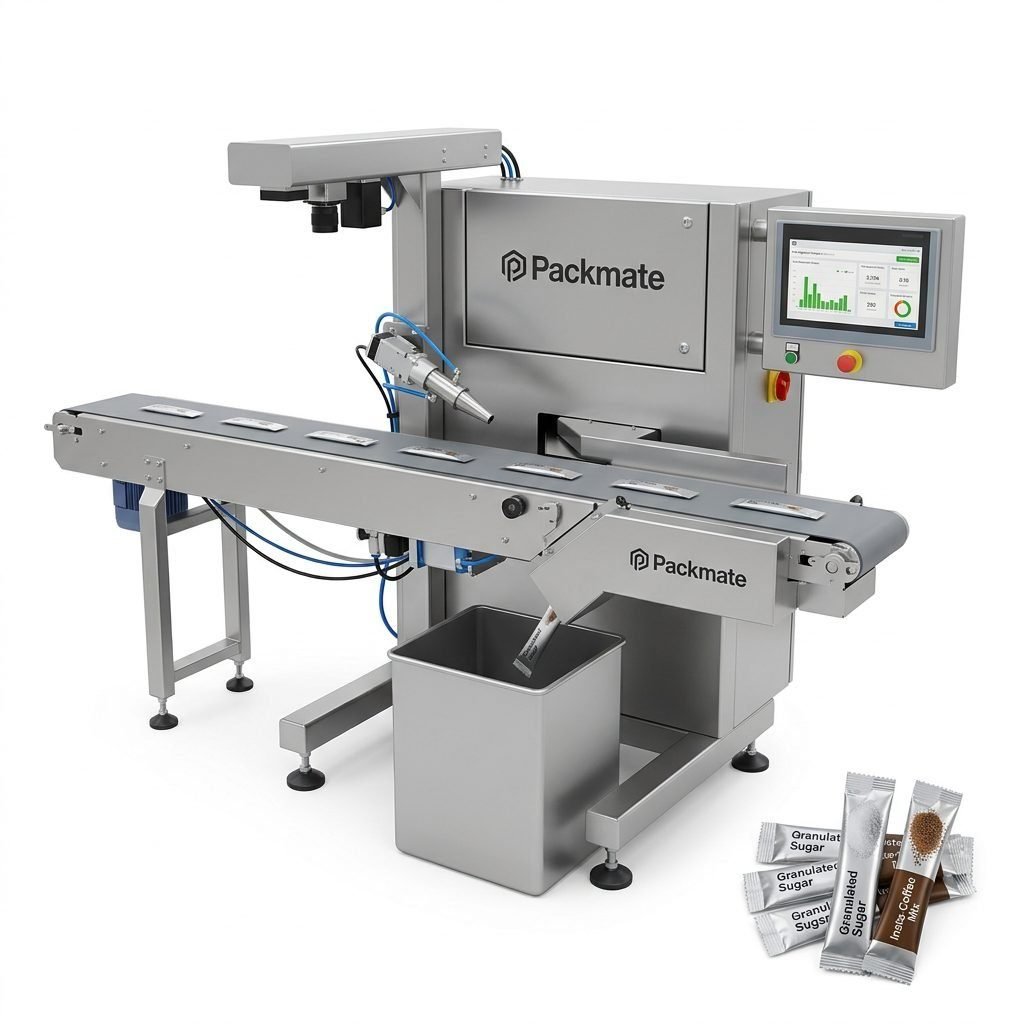
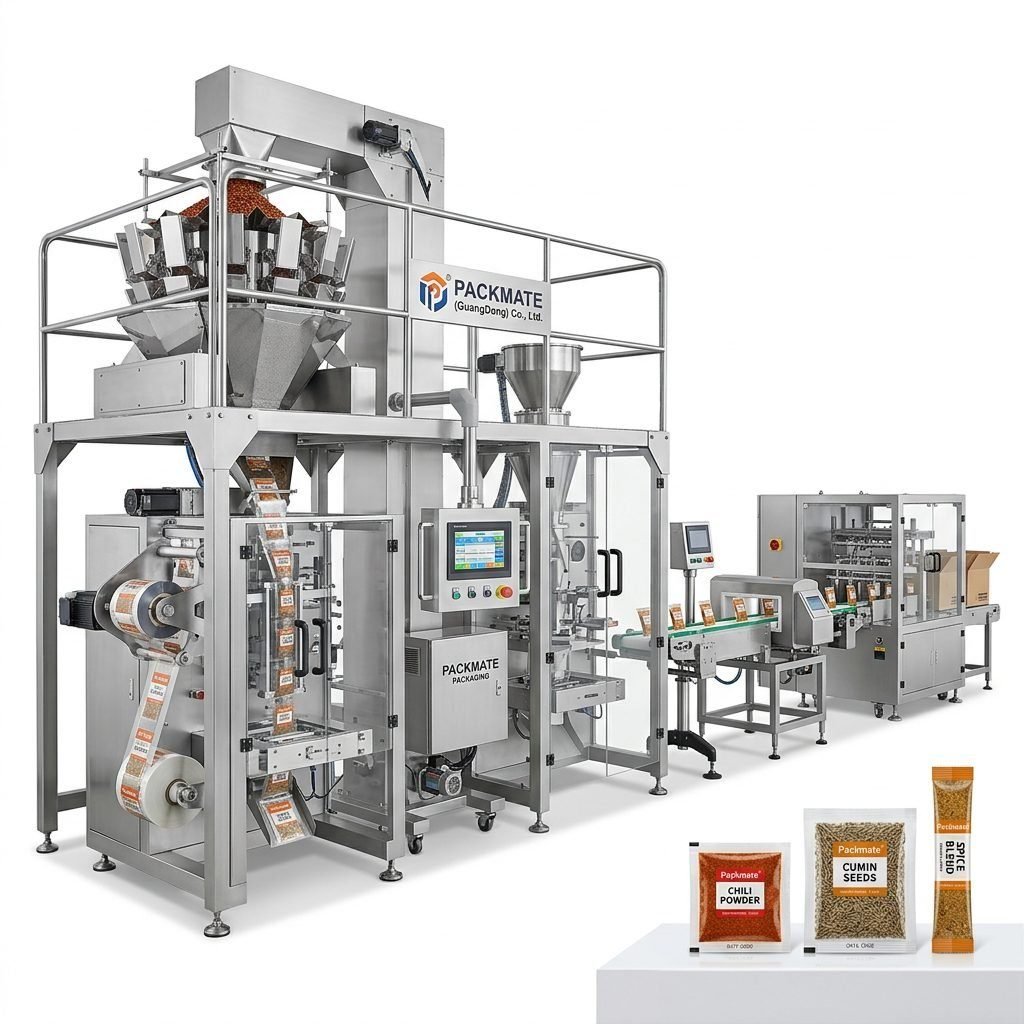
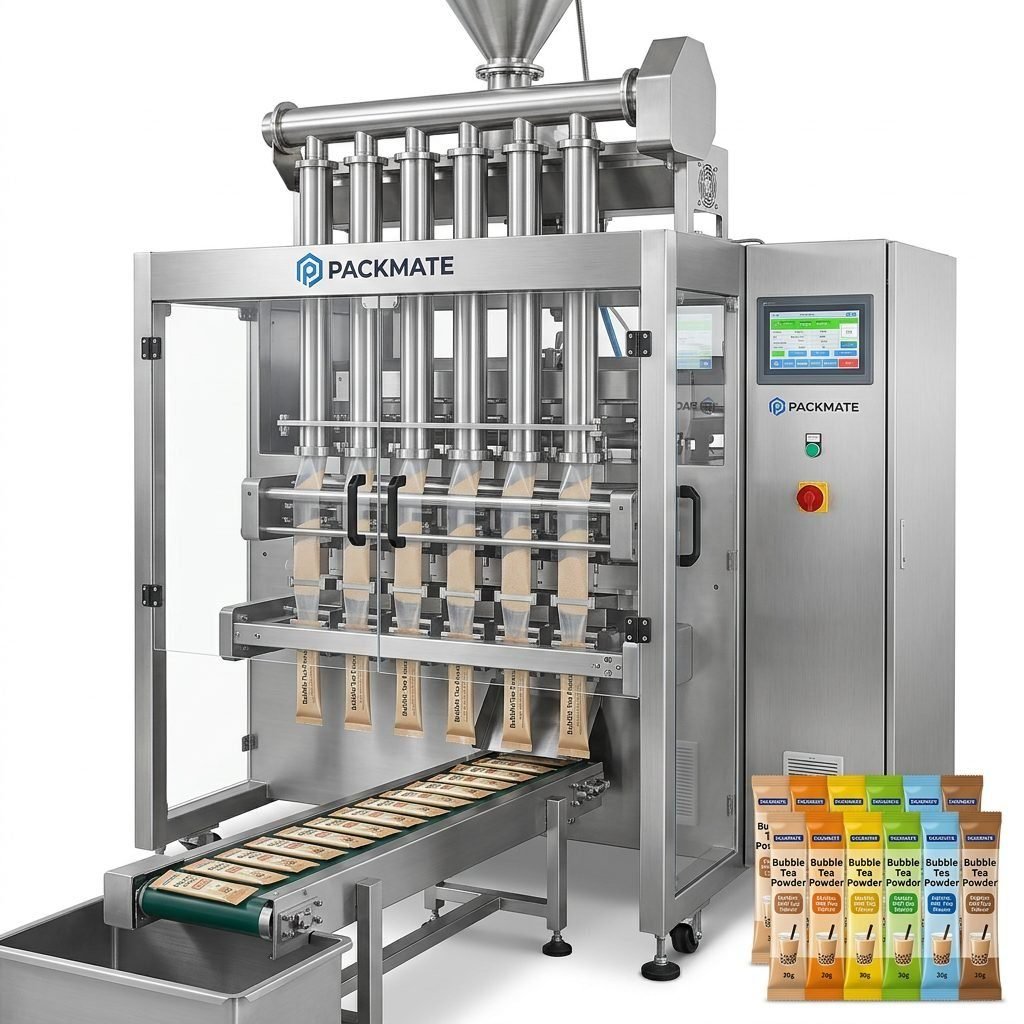
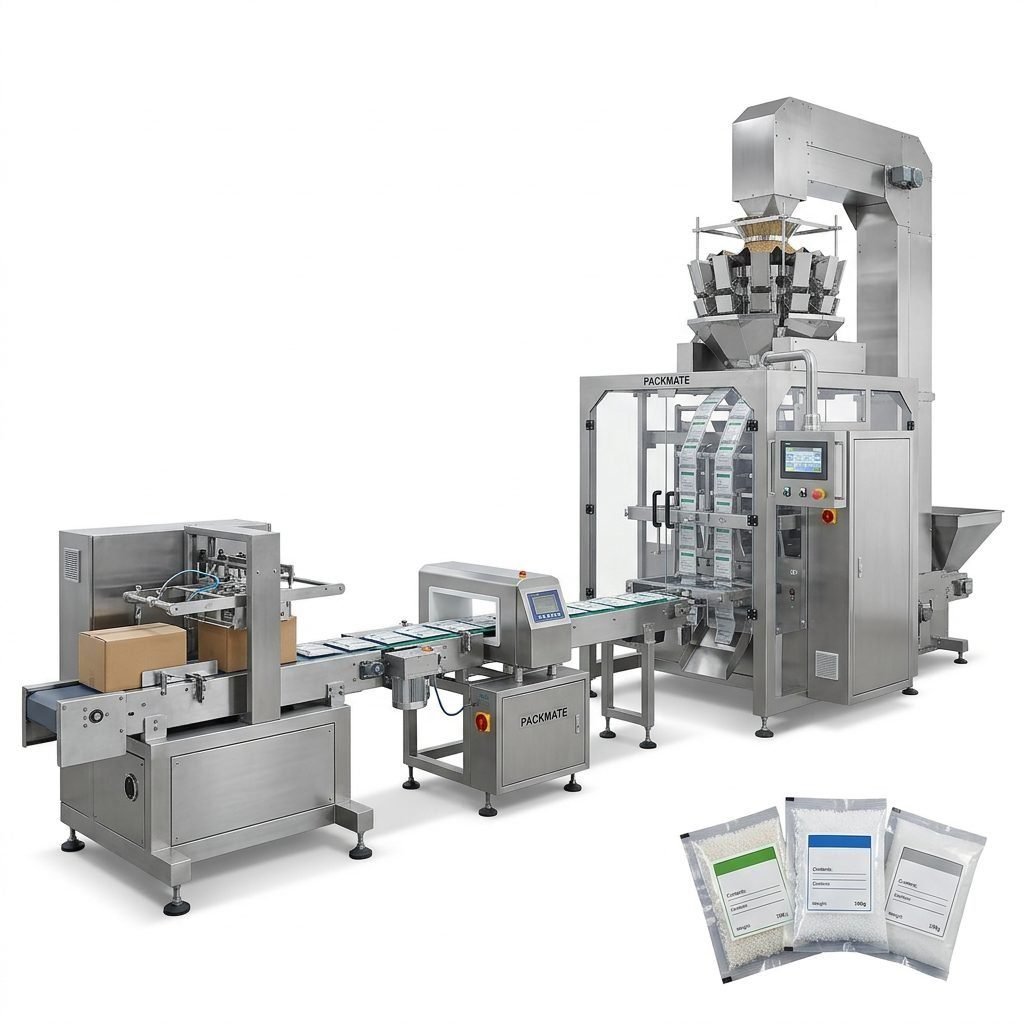
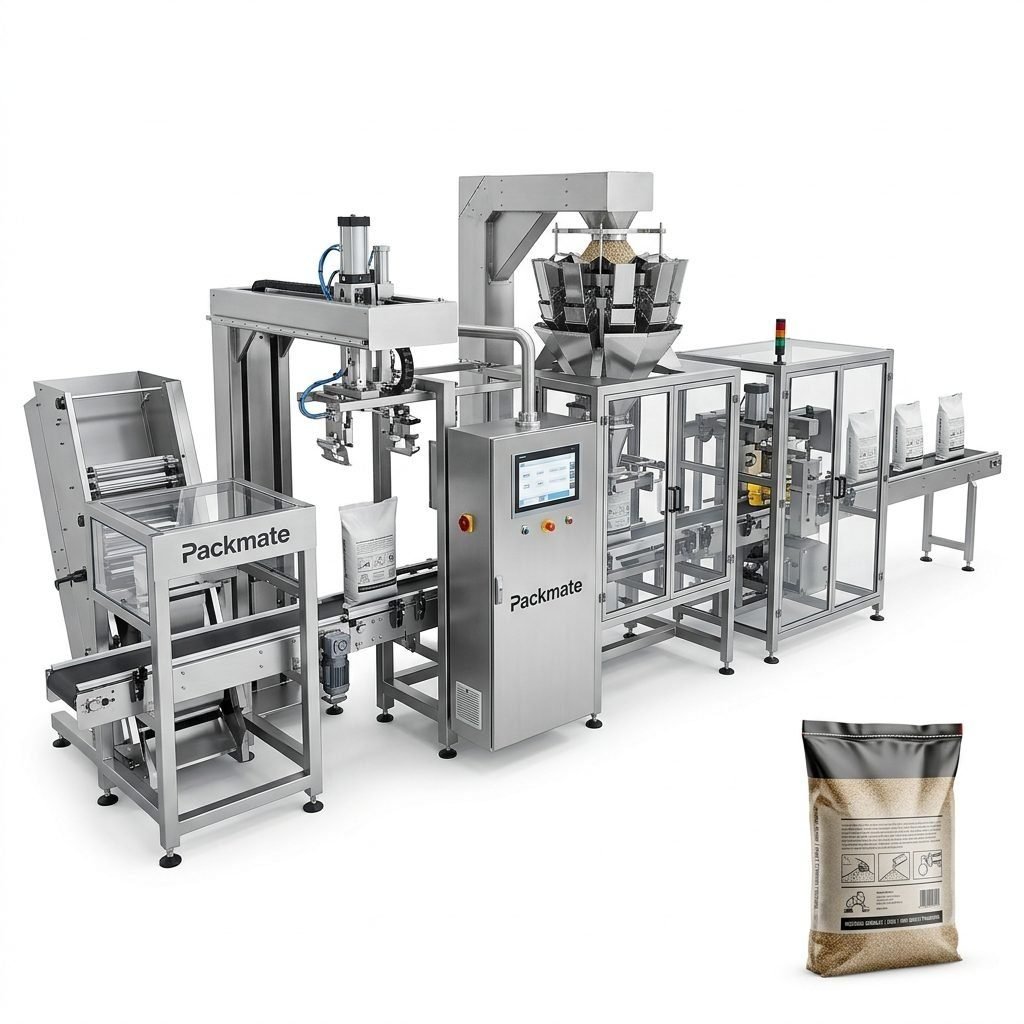
Companies like Packmate Machinery, with decades of specialization in packaging solutions, exemplify how deep technical knowledge translates into reliable, turnkey systems for liquids, powders, and granules. Their range of filling and packaging lines demonstrates the application of these modern principles.
Future Trends Shaping the Industry
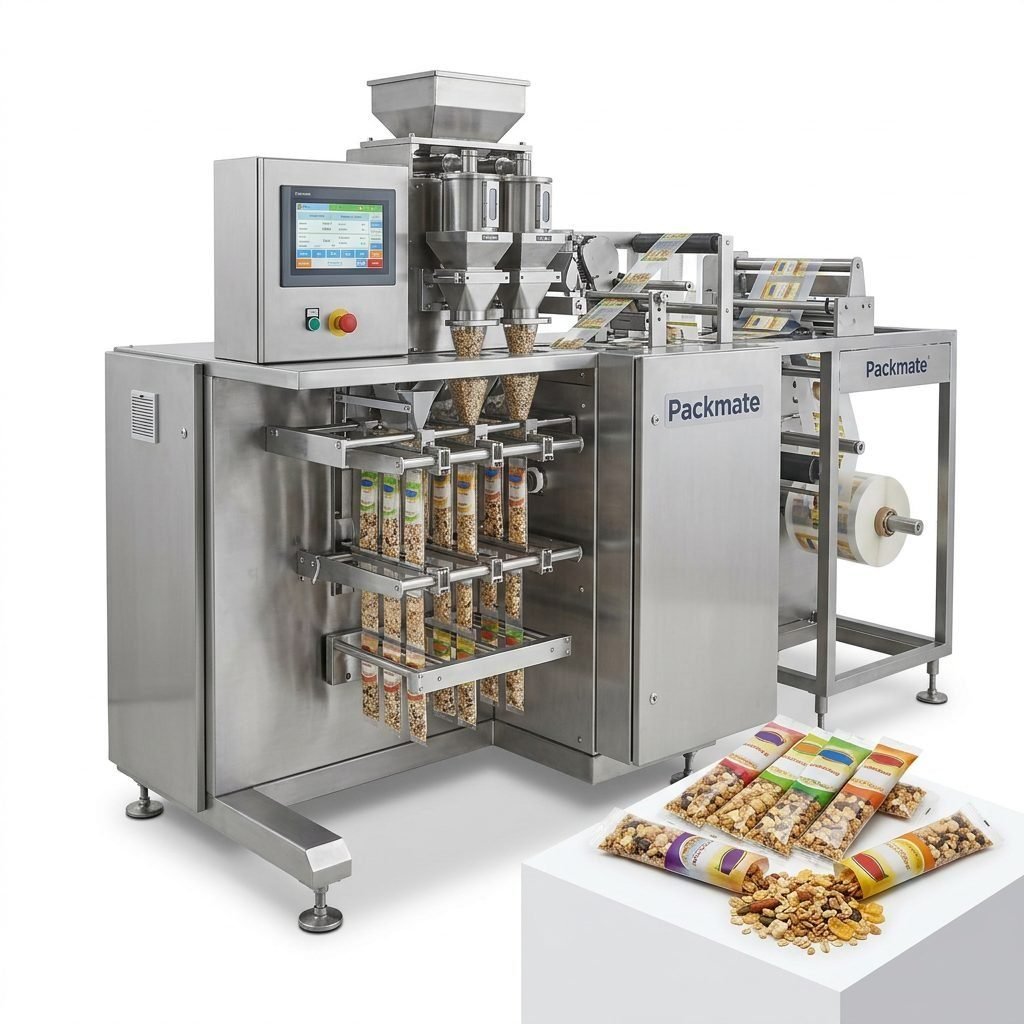
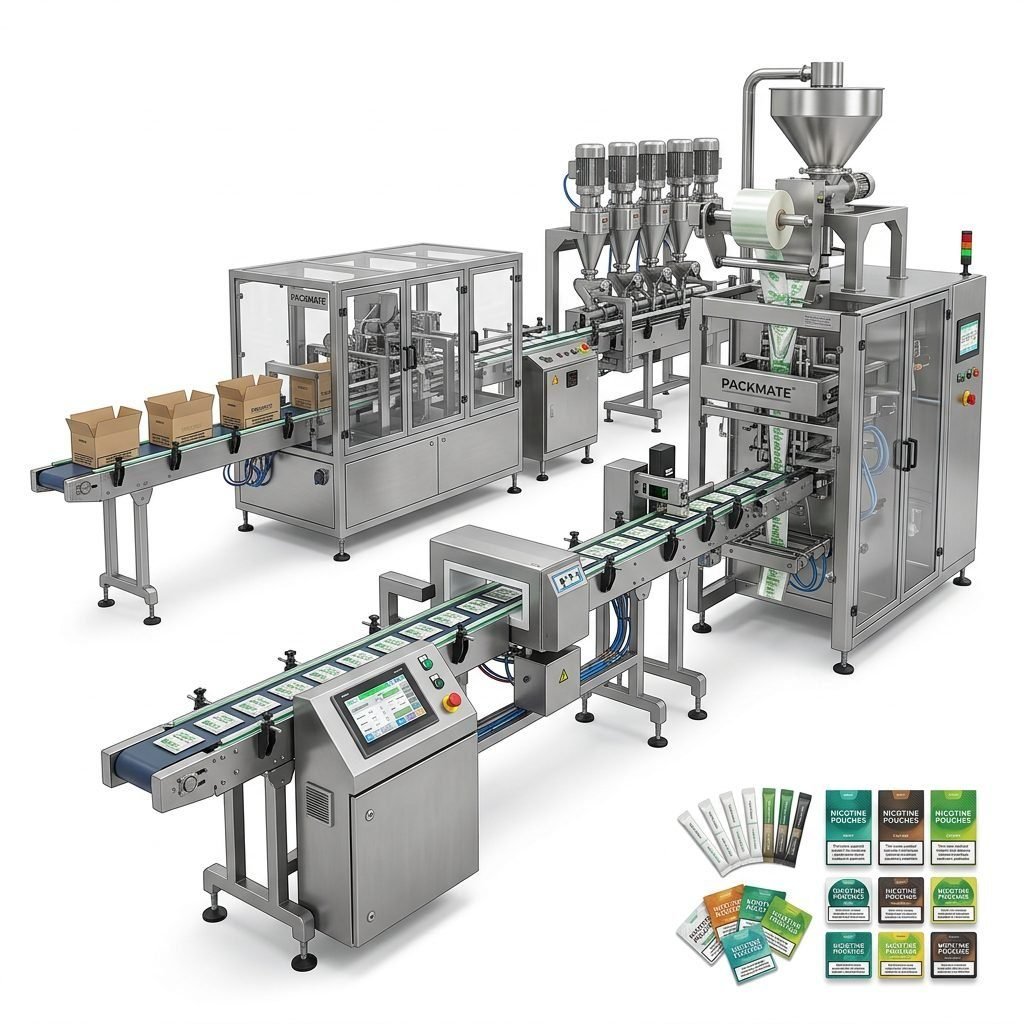
The frontier of beverage packaging machinery is being pushed by several converging trends. Smart Packaging integration will require lines capable of applying or activating QR codes, NFC tags, or freshness indicators. There is a growing emphasis on compact footprint designs that deliver high output in smaller factory spaces, reducing the overall capital and energy footprint. Furthermore, machinery adaptable to circular economy models—easily processing refillable containers or mono-material packaging for better recyclability—will become increasingly vital. Exploring specialized formats, such as those enabled by advanced sachet and stick pack machines, also opens new avenues for single-serve and on-the-go beverage products.
Conclusion
Modern beverage packaging machinery is a far cry from its predecessors. It is an intelligent, adaptable, and efficient ecosystem designed to meet the rigorous demands of quality, safety, speed, and sustainability. Investing in the right technology is not just an operational decision but a strategic one that impacts brand reputation, market responsiveness, and environmental stewardship. By understanding the core technologies, embracing automation, and partnering with experienced suppliers, beverage producers can build packaging operations that are robust, future-ready, and capable of turning every bottle, can, or pouch into a promise of quality delivered.
Frequently Asked Questions (FAQs)
1. What are the main types of filling machines for beverages?
The primary types are gravity fillers (for non-carbonated drinks), pressure fillers (for carbonated drinks like soda and beer), and volumetric/piston fillers (for viscous liquids like yogurt or syrup). The choice depends entirely on the product’s physical properties.
2. How important is hygienic design in beverage packaging equipment?
It is paramount. Equipment must be constructed with food-grade stainless steel, feature smooth surfaces without crevices, and ideally offer Clean-in-Place (CIP) or Sterilize-in-Place (SIP) systems to prevent microbial contamination and ensure product safety.
3. Can one packaging line handle different bottle sizes or shapes?
Yes, with modern, flexible machinery. Many lines are designed with quick-change parts (like changeover kits for fillers, cappers, and labelers) and servo motors that allow for rapid size adjustments through pre-set recipes on the HMI (Human-Machine Interface).
4. What does “turnkey packaging solution” mean?
A turnkey solution means the supplier provides a complete, ready-to-operate line—from design and manufacturing of all components to installation, commissioning, and staff training. The client essentially “turns the key” to start production. Providers like Packmate Machinery specialize in such comprehensive projects.
5. How is Industry 4.0 impacting beverage packaging lines?
Industry 4.0 brings connectivity and data intelligence. Machines are equipped with sensors for real-time monitoring of performance, predictive maintenance, energy consumption, and OEE. This data allows for remote diagnostics, minimizes downtime, and enables continuous optimization of the packaging process.