In the dynamic landscape of modern manufacturing, packaging machine technology stands as a critical pillar, driving efficiency, sustainability, and product quality across industries. From food and pharmaceuticals to health products, the innovations in this field are reshaping how goods are prepared for the global market. This article delves into the core advancements and the tangible benefits they deliver to businesses worldwide.
The Evolution of Packaging Automation
The journey from manual packing to fully automated lines represents a significant technological leap. Early packaging was labor-intensive, slow, and prone to inconsistencies. Today, intelligent packaging systems integrate precision mechanics, sophisticated software, and advanced sensors to create seamless, high-speed operations. This evolution is not merely about replacing human hands but about enhancing capabilities—achieving accuracy, hygiene, and speed unattainable through manual processes.
A key driver of this evolution is the demand for flexibility. Modern consumers seek variety, leading to shorter production runs and more frequent product changes. Contemporary packaging machines are designed with quick-changeover features, allowing producers to switch between different package sizes, shapes, and materials with minimal downtime, thus supporting agile manufacturing strategies.
Core Technological Innovations
The current wave of innovation in packaging machinery is multifaceted, focusing on intelligence, integration, and sustainability.
1. Smart Control Systems & IoT Integration
Modern machines are equipped with programmable logic controllers (PLCs) and human-machine interfaces (HMIs) that offer unprecedented control. Operators can monitor production speed, fill weight, temperature, and error rates in real-time from a central dashboard. The integration of the Internet of Things (IoT) takes this further, enabling predictive maintenance. Sensors collect data on component wear and tear, alerting technicians to potential issues before they cause a breakdown, drastically reducing unplanned downtime.
2. Advanced Precision Filling & Weighing
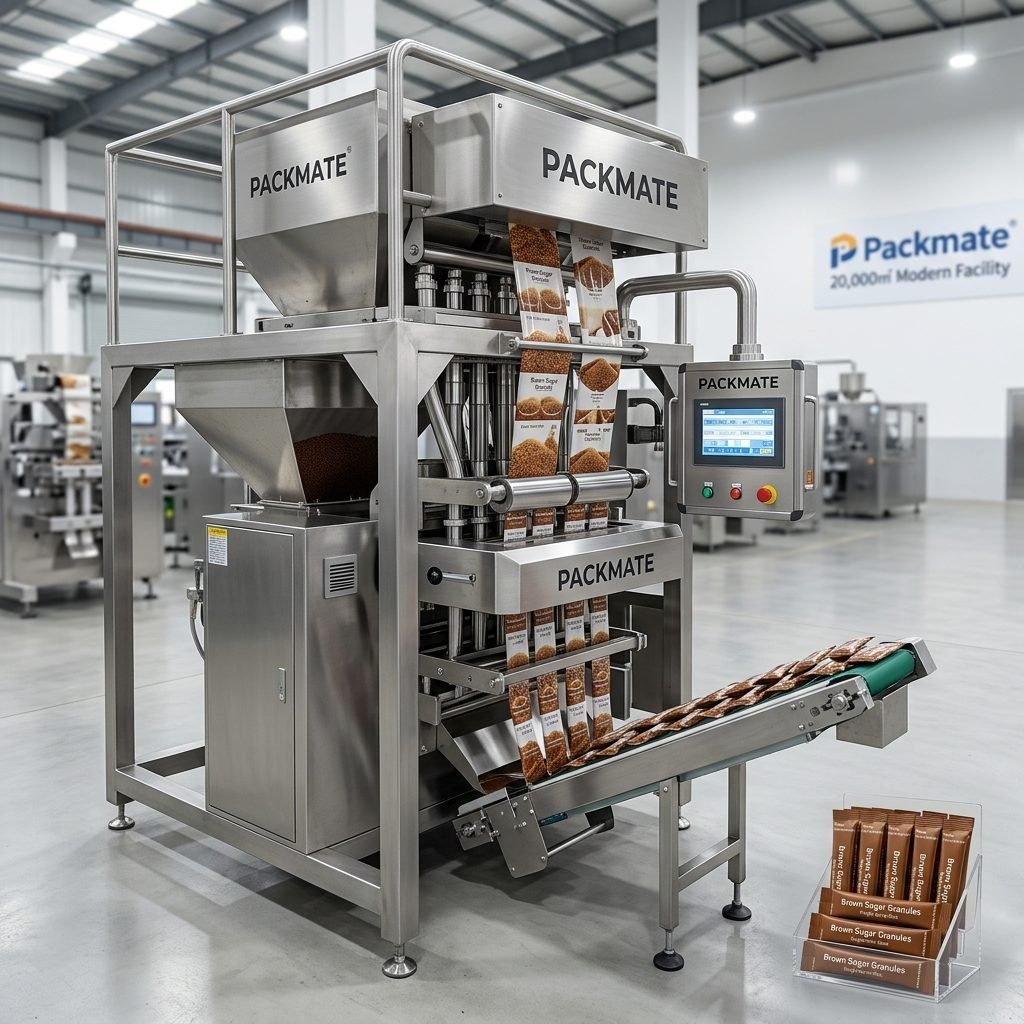
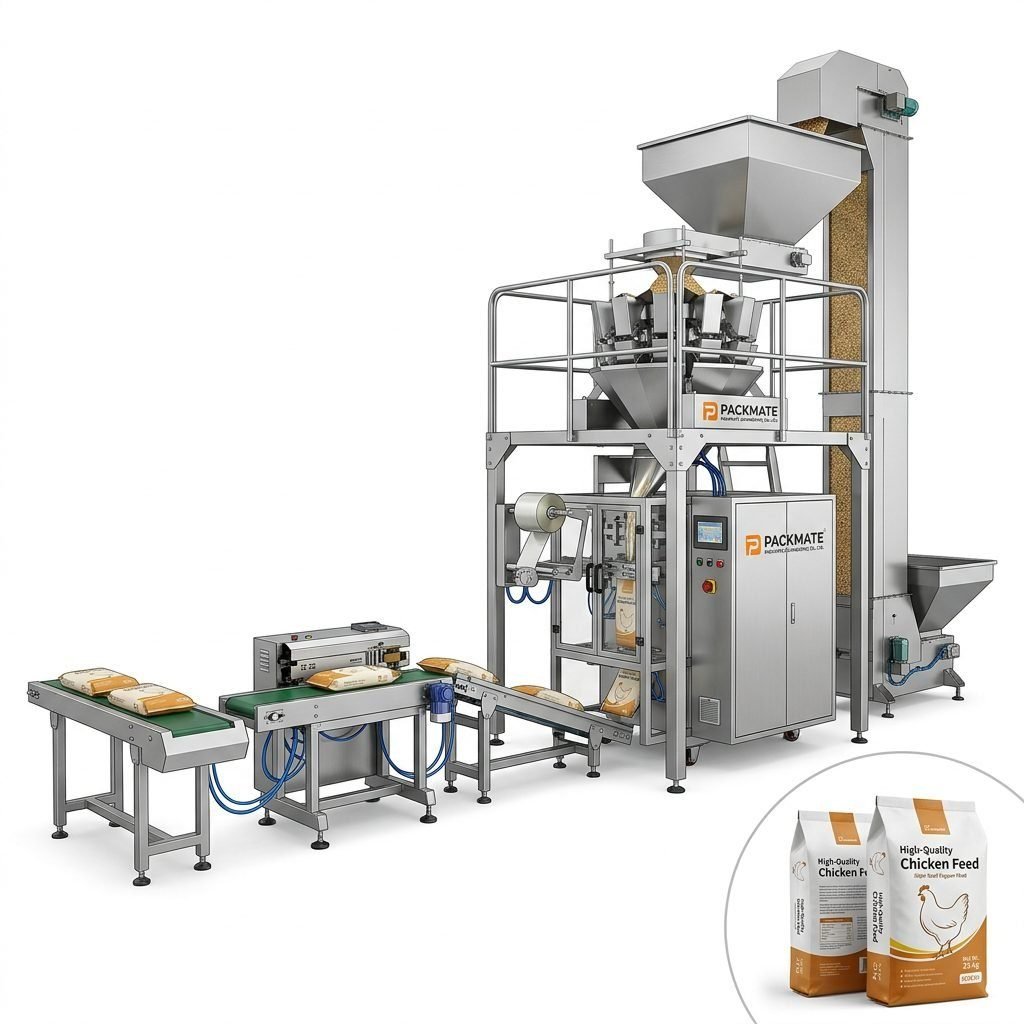
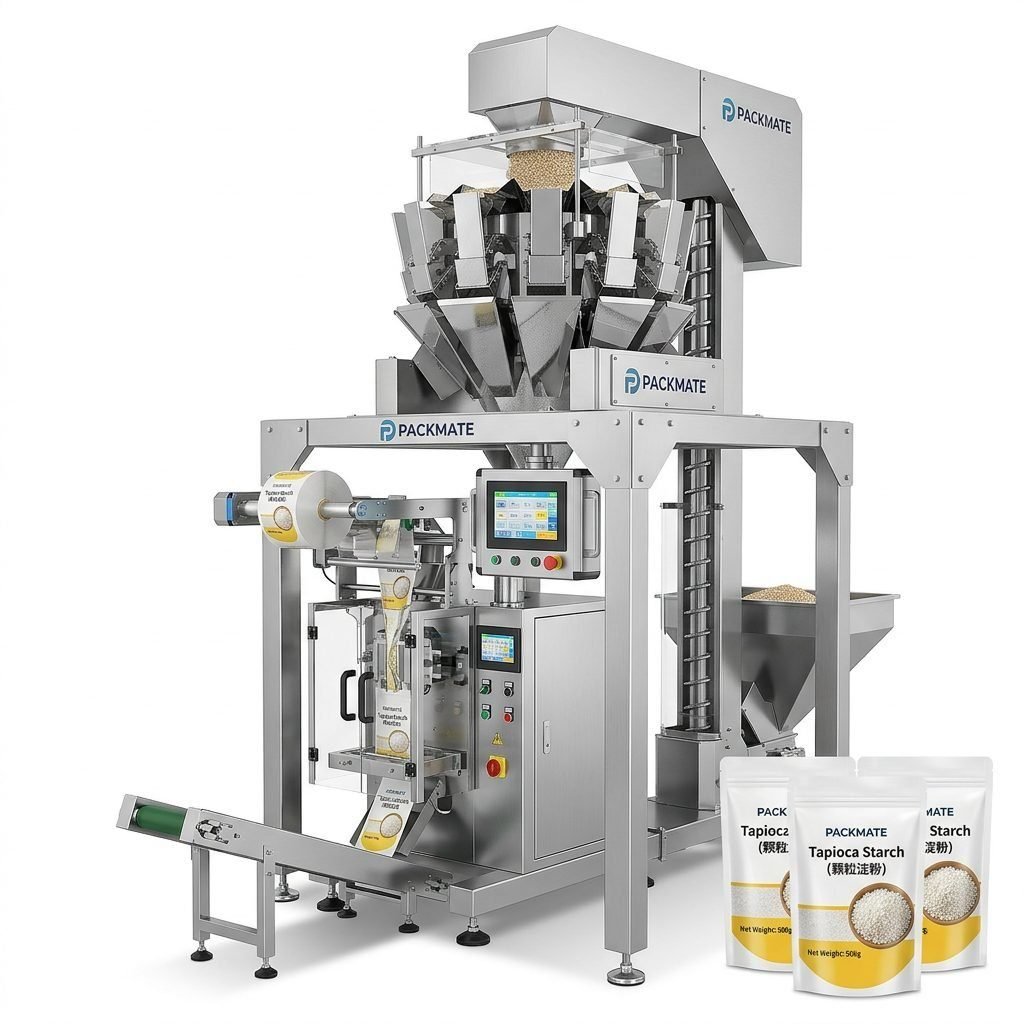
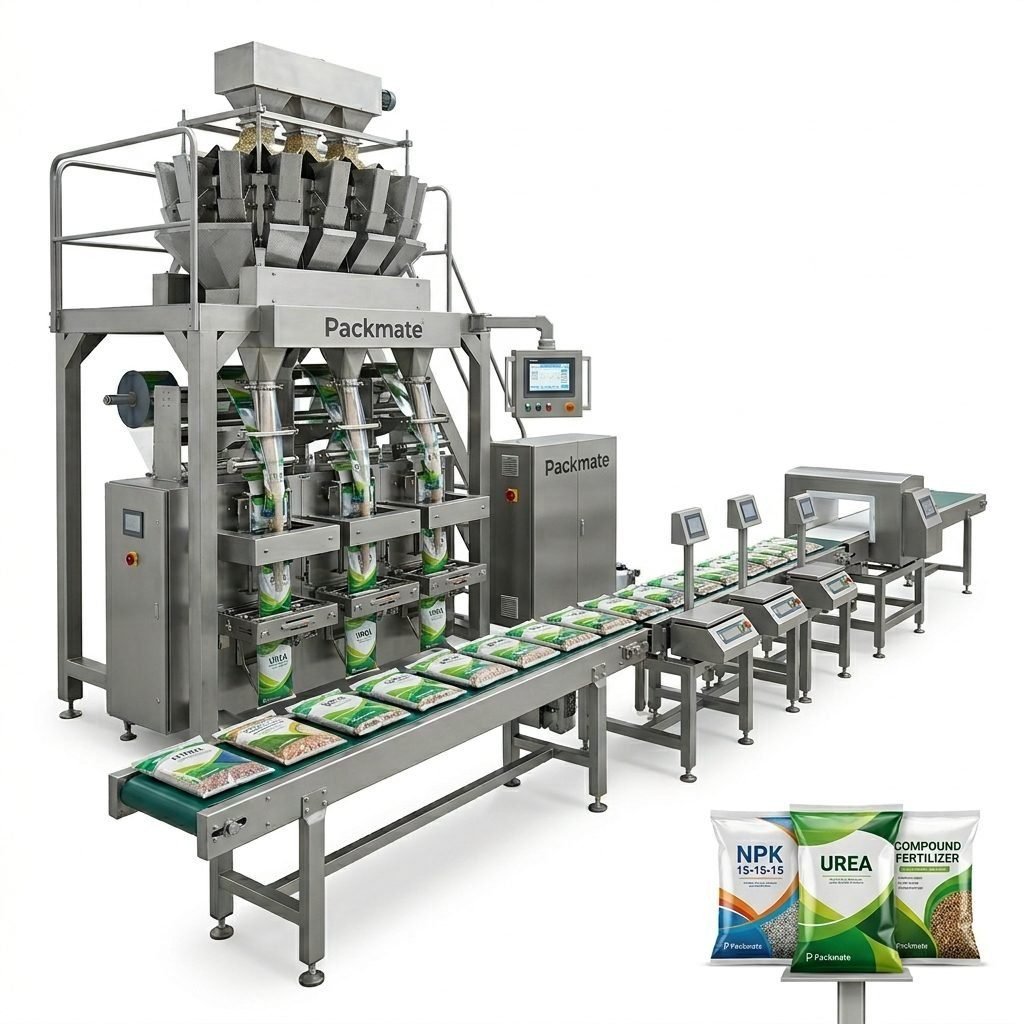
Accuracy in filling is paramount, especially for high-value products like pharmaceuticals or premium food items. Innovations in multi-head weighers and auger filler systems have dramatically improved precision. These systems use advanced load cells and feedback mechanisms to ensure each package contains the exact specified weight, minimizing product giveaway and ensuring compliance with strict regulatory standards. For comprehensive solutions, integrated weighing and packaging systems streamline the entire process from measurement to sealing.
3. Sustainable Material Handling & Design
Sustainability is no longer an option but a necessity. Packaging machine technology has responded with innovations that support the use of recyclable, biodegradable, or thinner mono-material films. Machines are now engineered to handle these more delicate materials reliably without tearing or jamming. Furthermore, energy-efficient drives and motors reduce the overall carbon footprint of the packaging line, aligning production with environmental goals.
4. Robotics and Collaborative Automation
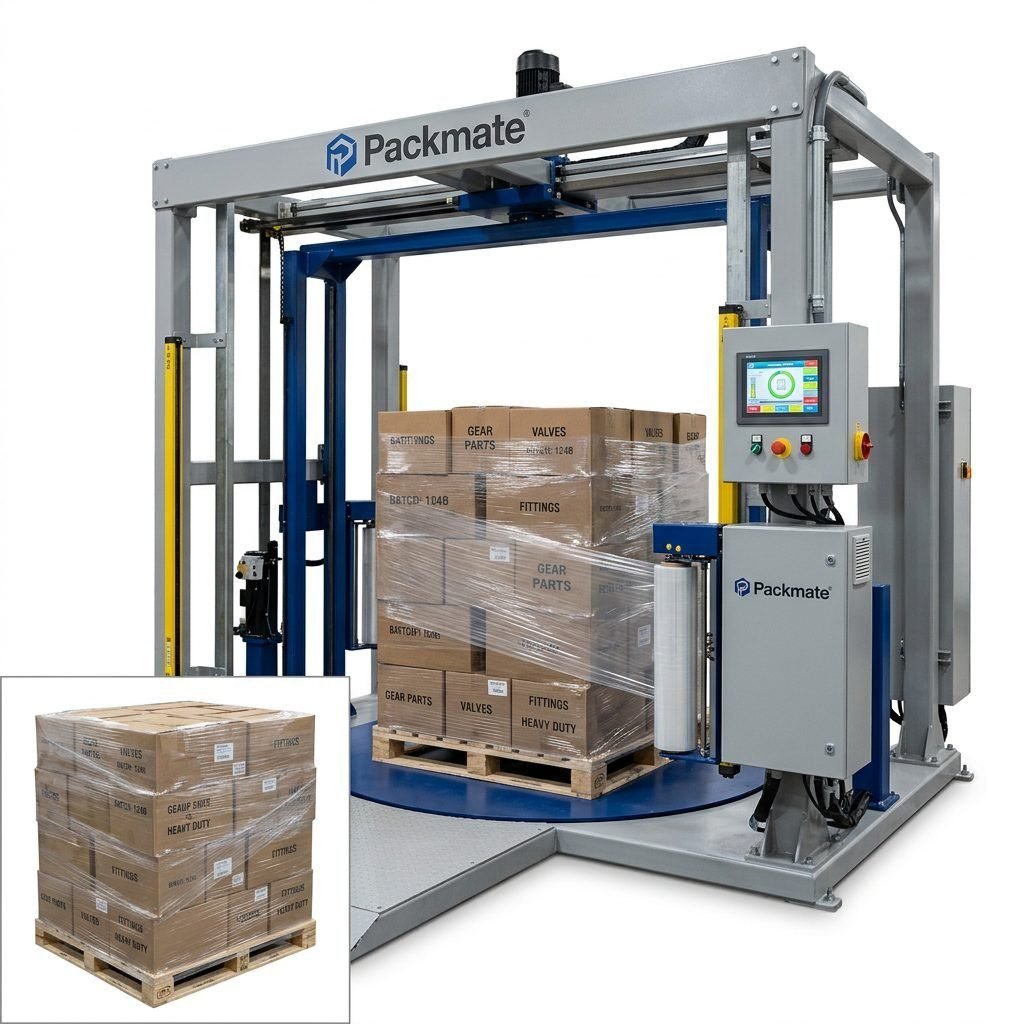
The adoption of robotics for tasks like case packing, palletizing, and final inspection is accelerating. Collaborative robots (cobots) work safely alongside human operators, taking over repetitive, strenuous tasks. This not only boosts productivity but also improves workplace ergonomics and safety, allowing human workers to focus on more complex quality control and supervision roles.
Tangible Benefits for Modern Businesses
Investing in advanced packaging technology translates into direct, measurable advantages that strengthen a company’s bottom line and market position.
Enhanced Productivity and Throughput: Automated packaging lines operate continuously at high speeds, significantly increasing output compared to semi-automatic or manual lines. This allows businesses to scale production to meet market demand efficiently.
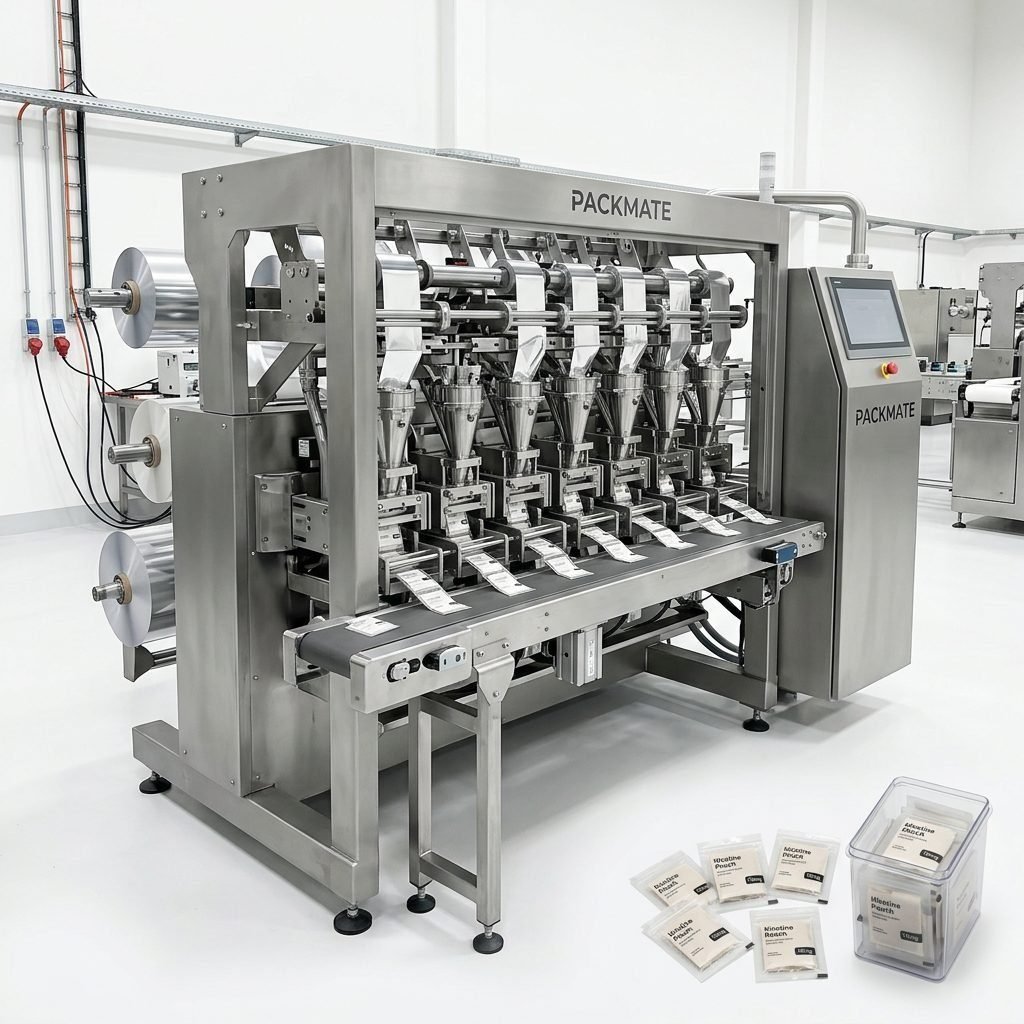
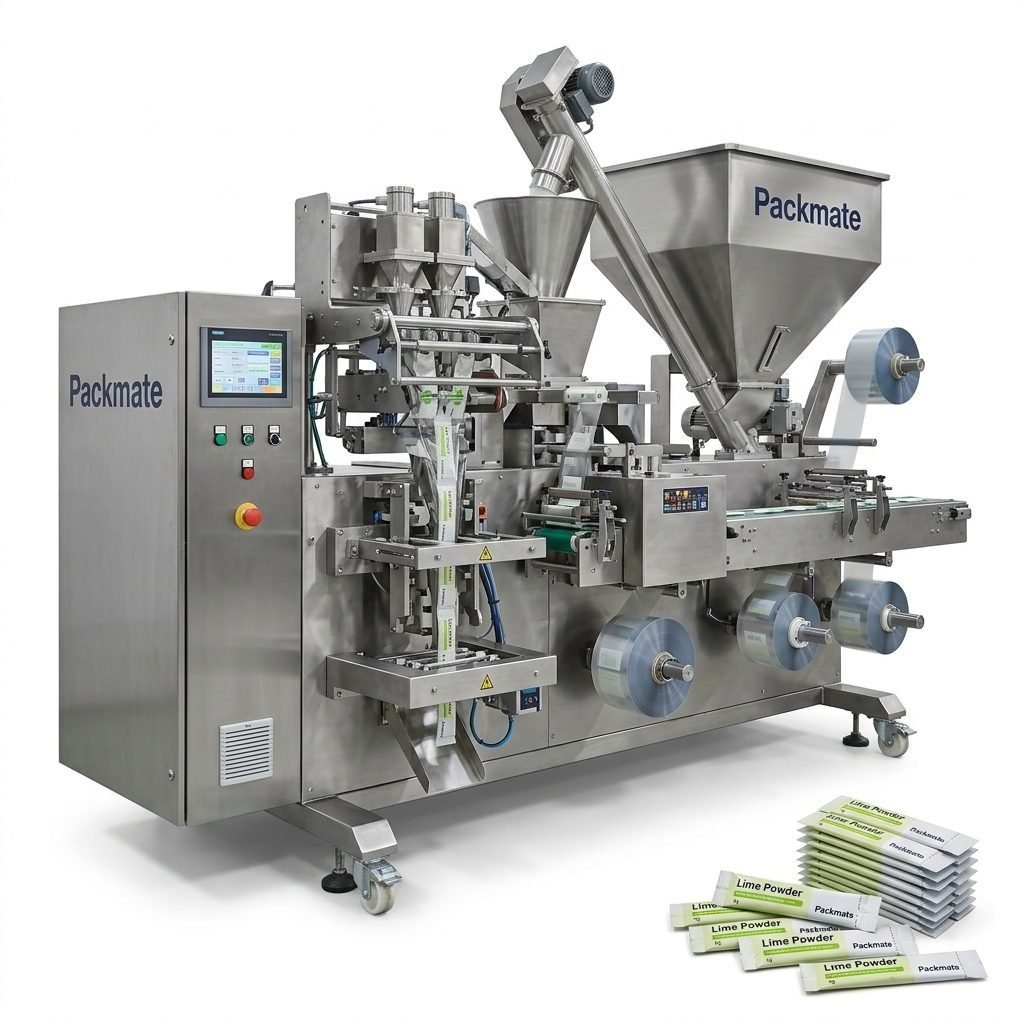
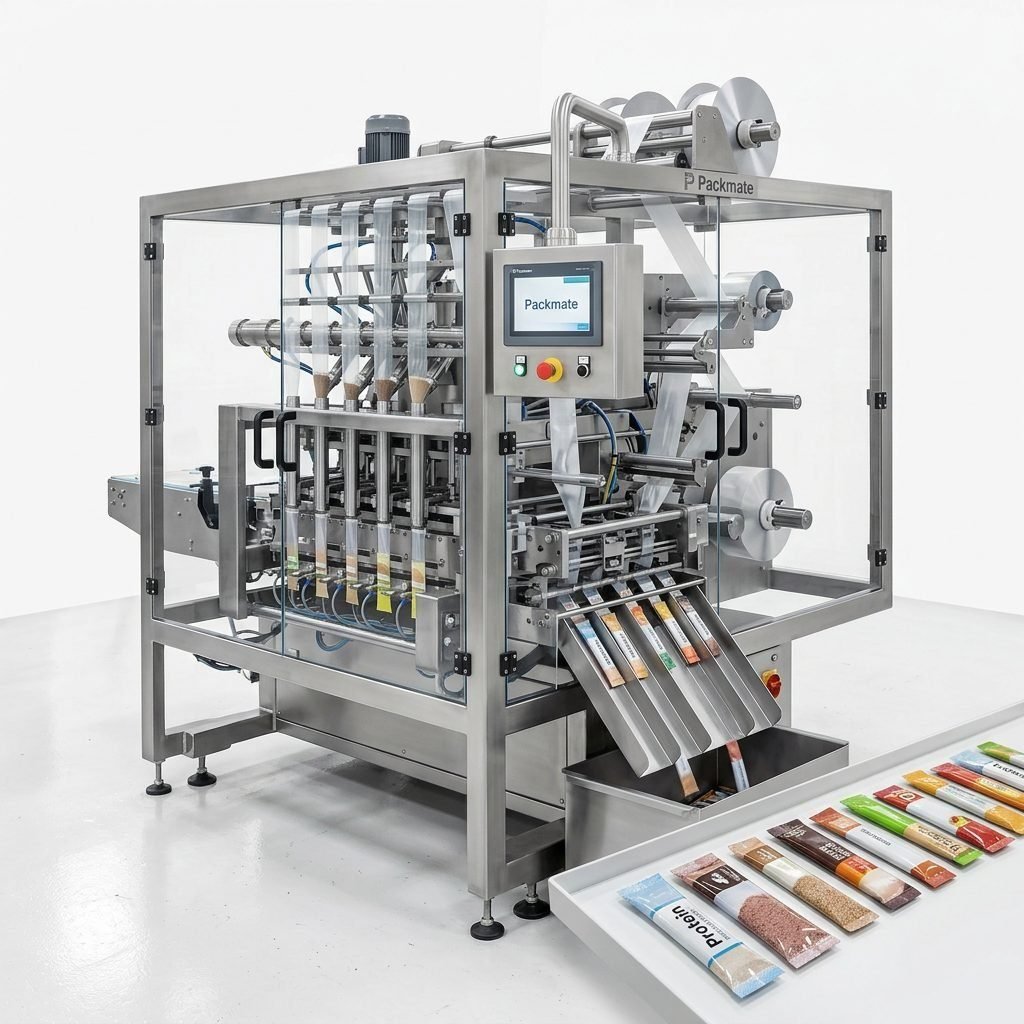
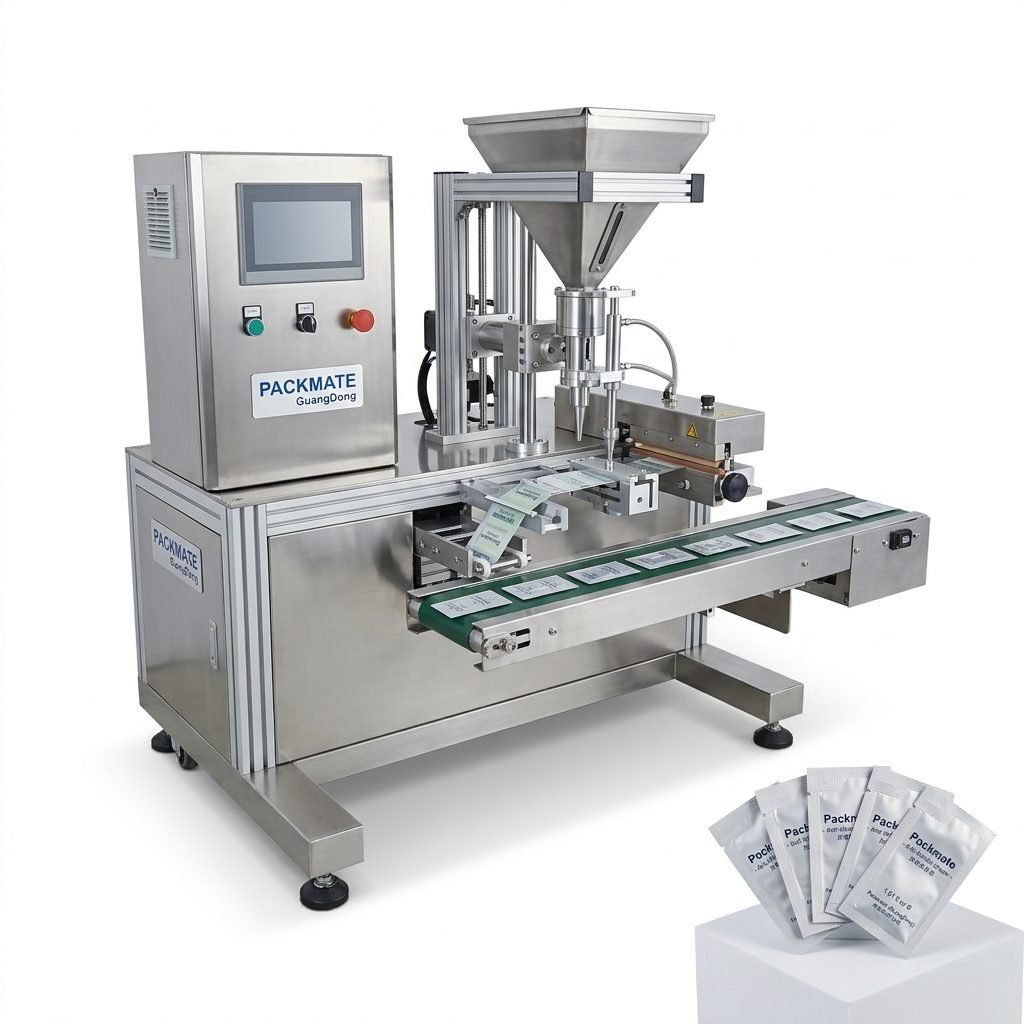
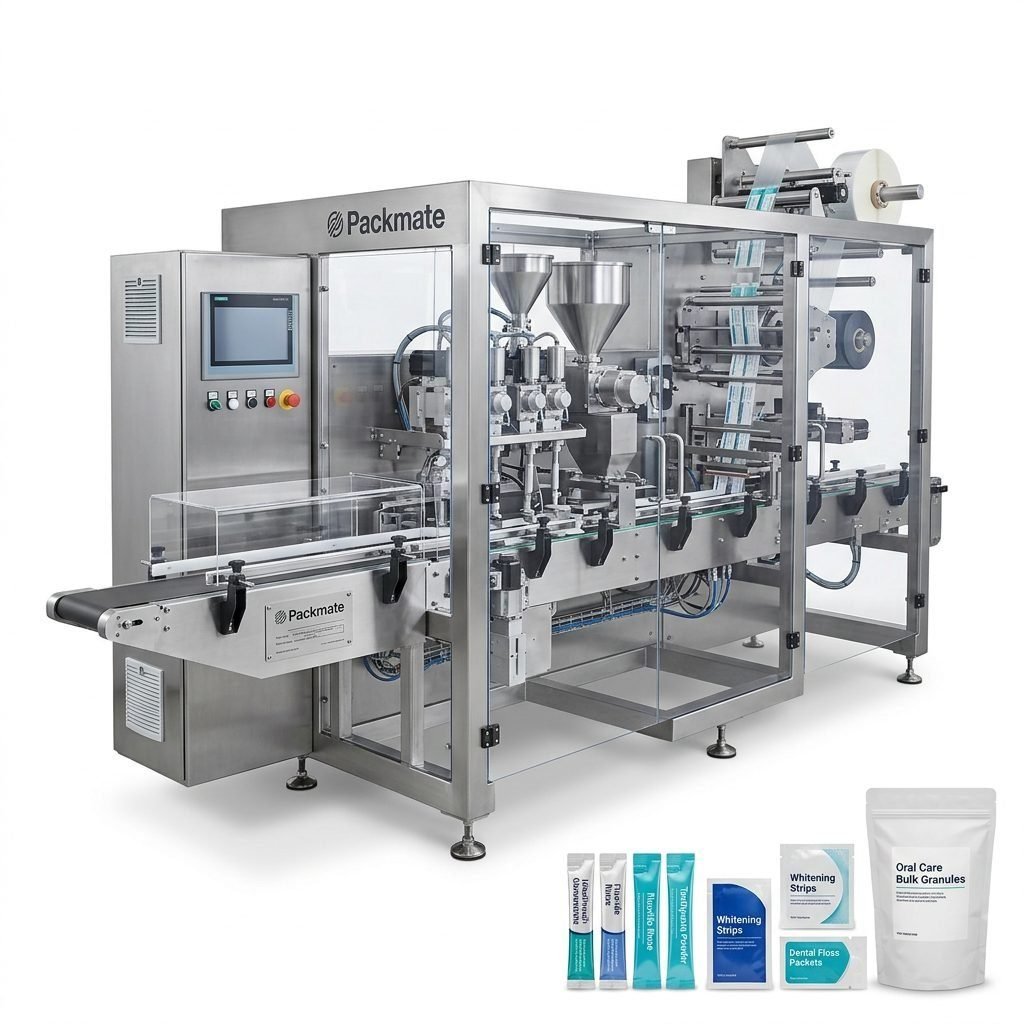
Superior Product Quality and Consistency: Machines eliminate human error in filling, sealing, and labeling. Every package is uniform, which is crucial for brand reputation, consumer trust, and meeting the stringent quality controls of industries like pharmaceuticals. For specialized needs, such as creating small, precise pouches, sachet and stick pack machines offer exceptional consistency.
Significant Reduction in Operational Costs: While the initial investment can be substantial, the long-term savings are clear. Automation reduces labor costs, minimizes material waste through precise filling, and lowers energy consumption. The reduction in product giveaway and line downtime directly improves profitability.
Improved Safety and Hygiene: Automated systems limit direct human contact with the product, which is essential in food and pharmaceutical packaging to prevent contamination. They also handle hazardous materials or sharp objects, creating a safer work environment.
Data-Driven Decision Making: The wealth of data generated by smart machines provides invaluable insights. Production managers can analyze efficiency trends, identify bottlenecks, and optimize workflows for continuous improvement, fostering a culture of operational excellence.
Implementing the Right Technology: A Strategic Approach
Choosing the appropriate packaging machinery requires a careful analysis of specific needs. Factors such as the product’s physical form (granule, powder, liquid), required output speed, available factory space, and budget must be considered. Partnering with an experienced manufacturer who can provide a complete filling and packaging line solution ensures all components work in harmony. Furthermore, considering future needs and opting for modular, scalable systems can protect the investment as the business grows.
Frequently Asked Questions (FAQs)
1. What are the main types of packaging machines available today?
Primary categories include form-fill-seal (FFS) machines (for creating bags from roll film), filling machines (auger, piston, liquid), capping and sealing machines, labeling machines, and cartoning/case packing machines. Specialized types exist for unique products like stick packs or large pouches.
2. How do I determine the right packaging speed for my business?
Calculate your current and projected daily/weekly output. The machine’s speed (packages per minute, PPM) should comfortably meet your peak demand with some capacity to spare. It’s crucial to balance speed with the required precision for your product.
3. Can new packaging machines handle sustainable or biodegradable materials?
Yes, many modern machines are specifically designed or can be adjusted to run eco-friendly films. However, it is essential to discuss your specific material choices with the machine supplier during the selection process to ensure compatibility and reliable performance.
4. What is involved in the maintenance of automated packaging lines?
Routine maintenance includes cleaning, lubrication, inspection of wear parts (like seals and cutting blades), and calibration of weighing systems. Smart machines with IoT capabilities simplify this by providing maintenance alerts and diagnostics.
5. Where can I learn more about specific packaging solutions for my industry?
Reputable manufacturers provide detailed resources. You can explore specific product categories, such as bag and pouch packaging machines, or contact them directly to discuss your application and request a consultation or machine demonstration.