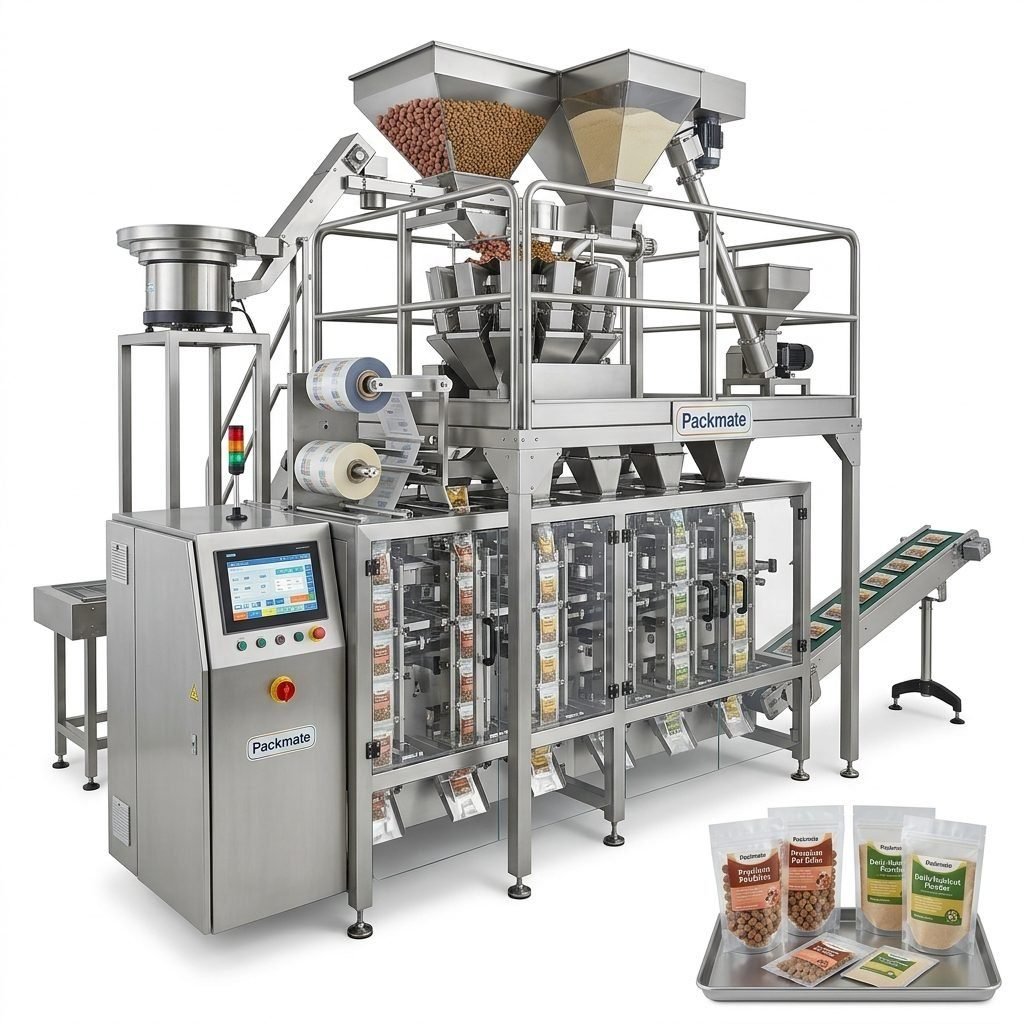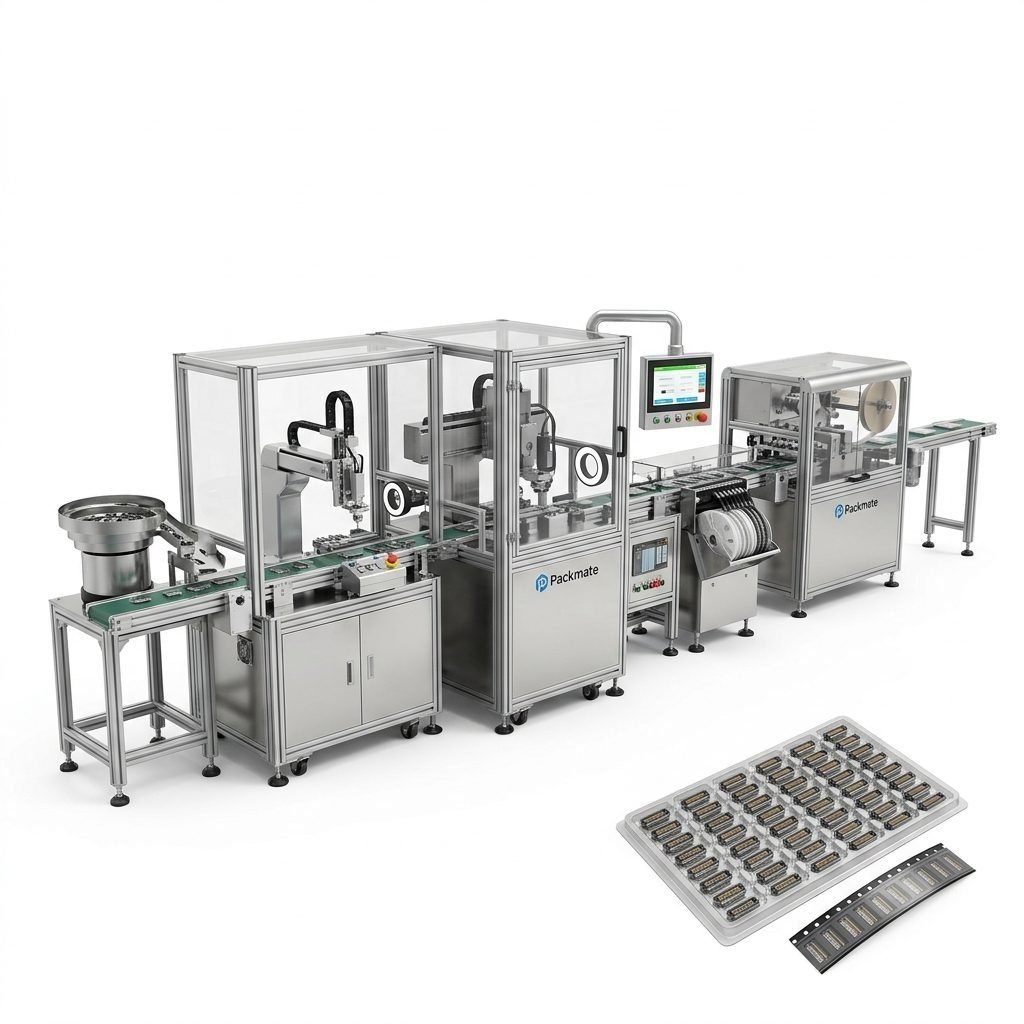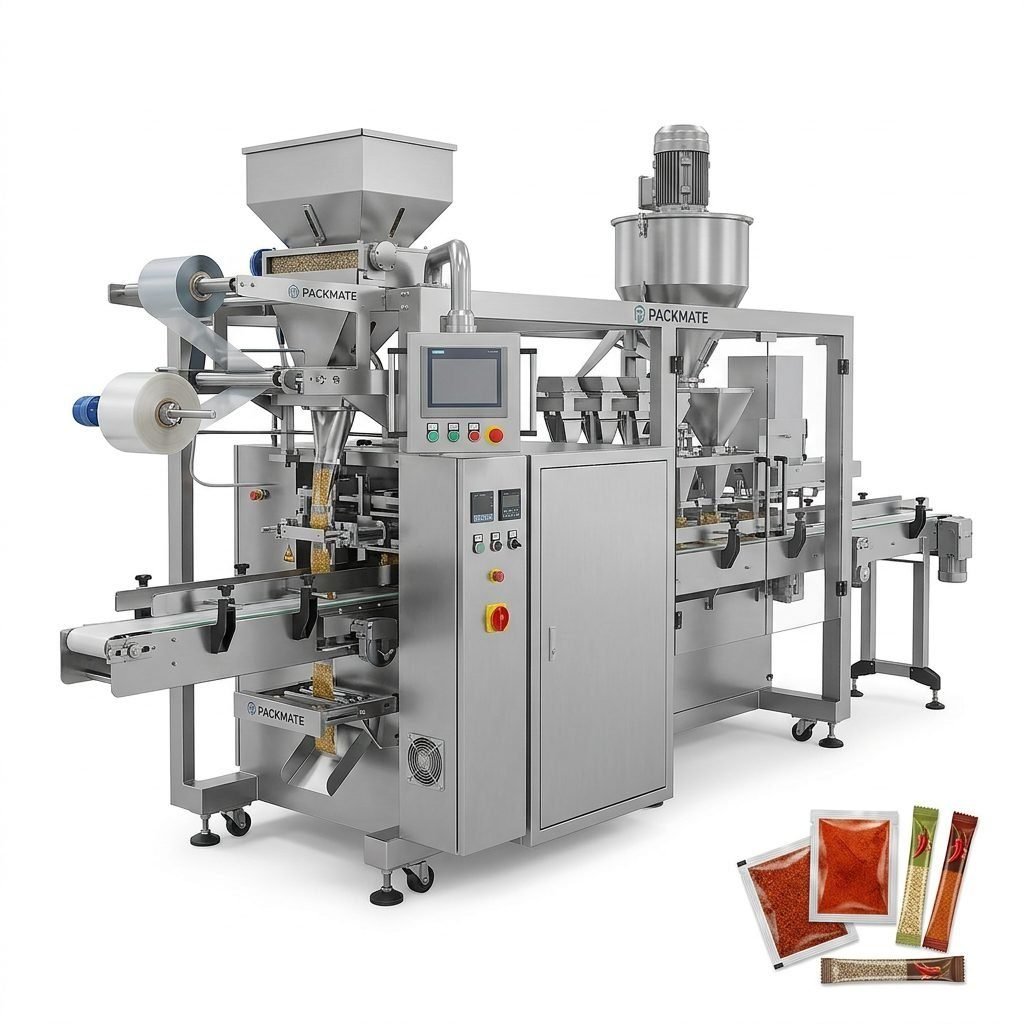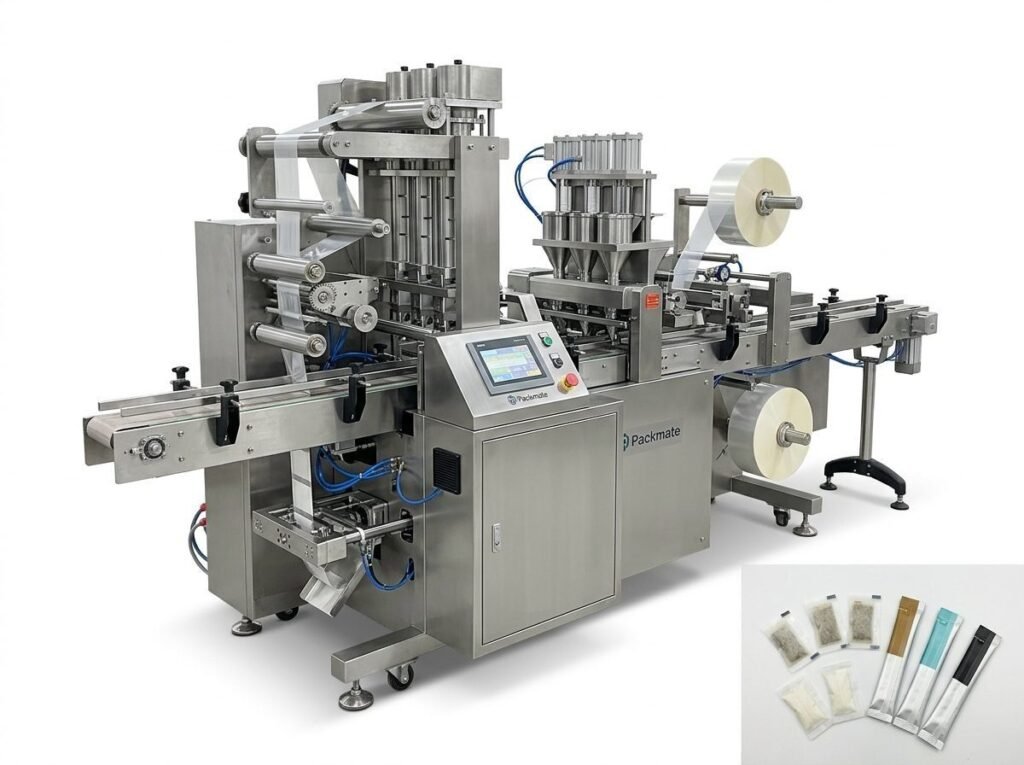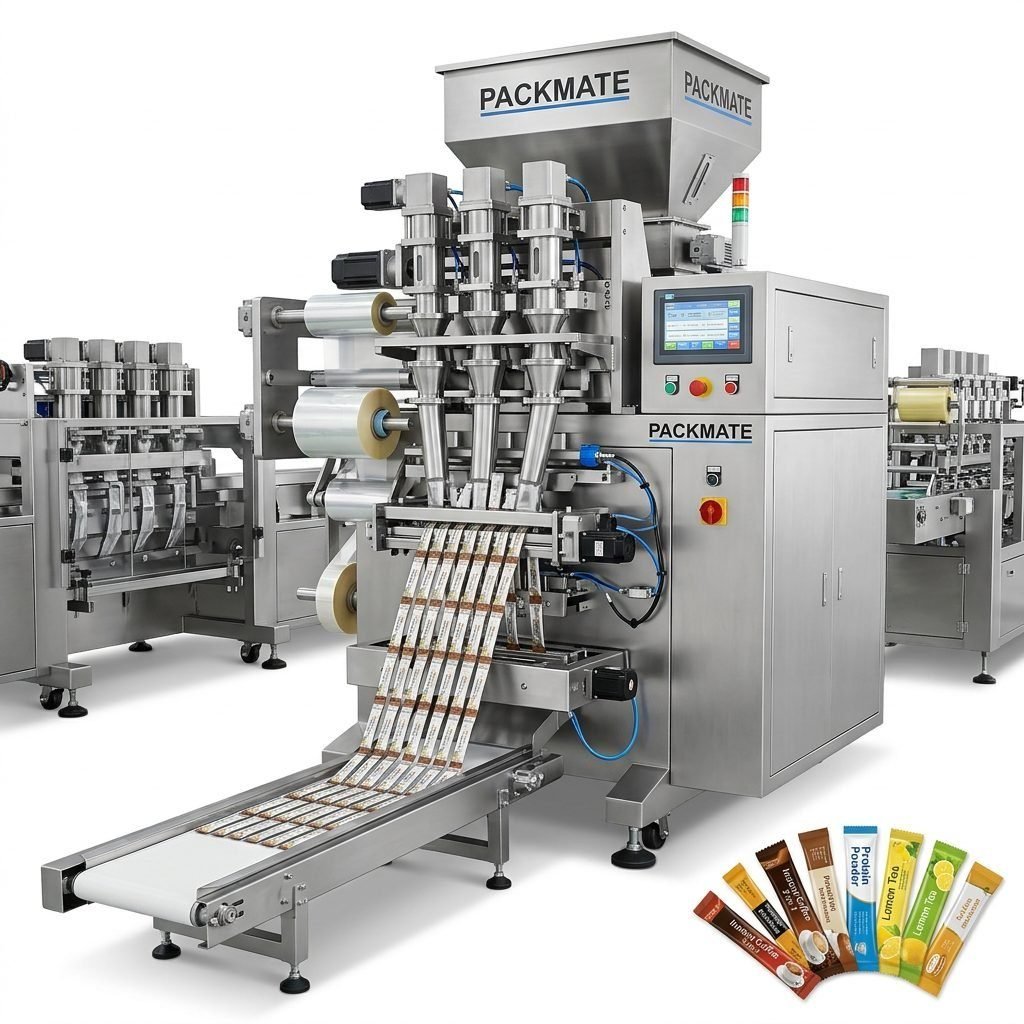
In the fast-paced world of product manufacturing, efficiency and precision in the final packaging stage are paramount. Flow pack packaging machines, also known as horizontal form-fill-seal (HFFS) machines, have become a cornerstone technology for countless industries. This comprehensive guide delves into the types, uses, and essential buying tips for these versatile machines, empowering you to make an informed decision for your production line.
What is a Flow Pack Packaging Machine?
A flow pack machine automates the process of forming a pouch from a roll of flexible film, filling it with a product, and sealing it—all in one continuous, horizontal motion. This method is renowned for its high speed, efficiency, and ability to create neat, secure, and attractive packages suitable for a vast array of products, from food items to hardware components.
Core Advantage: The primary benefit of flow pack technology is its seamless integration into production lines. It allows for the continuous, high-volume packaging of products with minimal manual intervention, significantly boosting output and consistency while reducing labor costs and material waste.
Primary Types of Flow Pack Machines
Understanding the different configurations is key to selecting the right machine. The main variations are defined by the sealing mechanism and the product handling method.
1. End-Fold (Fin-Seal) Flow Pack Machines
This is the most common type. The film wraps around the product, and the longitudinal seal is formed by overlapping the film edges and sealing them together (fin seal). The ends are then folded and sealed, creating a neat, pillow-style package. It’s ideal for a wide range of solid products like biscuits, chocolate bars, soap, and medical devices.
2. Crimp-Seal Flow Pack Machines
Instead of folding the ends, this type uses heated jaws to crimp and seal the package ends directly. This creates a robust seal and is often used for products that are more granular or powdery, or where a tighter seal is required. It’s commonly seen in packaging for snack foods, pasta, and hardware items like screws or nails.
3. Four-Side Seal (Pouch) Flow Pack Machines
This advanced variant creates a package sealed on all four sides, resembling a premade pouch but formed in-line. It offers superior presentation and is often used for high-value products or those requiring excellent barrier properties, such as certain coffee, premium snacks, or pharmaceutical samples. For businesses looking into specialized pouch solutions, exploring dedicated bag & pouch packaging machines can provide additional options.
Key Industries and Applications
The adaptability of flow pack technology makes it indispensable across multiple sectors. Its ability to handle different product forms and materials is a major driver of its widespread adoption.
Food & Beverage: This is the largest application area. Machines package baked goods, candy, frozen foods, cheese slices, fresh pasta, and single-serve condiments. The seal integrity is crucial for maintaining freshness and hygiene.
Pharmaceutical & Healthcare: Sterility and precision are non-negotiable. Flow pack machines are used for blister pack overwrapping, packaging of sterile gauze, swabs, and single-dose powders or tablets, often in controlled environments.
Cosmetics & Personal Care: From soap bars and bath bombs to makeup wipes and shampoo sachets, flow packing offers a cost-effective and attractive packaging solution that protects the product and enhances shelf appeal.
Industrial & Hardware: These machines efficiently package small parts, electrical components, seals, and gaskets, protecting them from dust, moisture, and corrosion during storage and transit.
The Packmate Advantage in Flow Pack Solutions
With over 22 years of industry experience, Packmate Machinery has evolved from a specialized workshop into a leading manufacturer of intelligent packaging equipment. Our journey, beginning with a focus on precision and reliability in a small Zhongshan workshop, has led to the development of a robust portfolio that includes advanced flow pack technologies. Operating from a modern 20,000㎡ facility in Guangdong, our team of over 125 professionals is dedicated to engineering machines that meet the rigorous demands of global clients in food, pharmaceutical, and health industries. Our commitment to innovation ensures our flow pack solutions integrate seamlessly into broader filling & packaging lines for complete turnkey operations.
Critical Buying Tips for Your Investment
Choosing the right flow pack machine requires careful consideration of your specific needs. Here are the essential factors to evaluate.
1. Product Characteristics
This is the starting point. Analyze your product’s size, shape, weight, and physical state (solid, granular, powder). Fragile items may require gentle handling systems, while powders need specialized auger fillers. The product dictates the film type, sealing method, and machine configuration.
2. Production Speed & Output Requirements
Determine your required output in packages per minute (PPM). Flow pack machines can range from modest speeds for artisanal production to ultra-high-speed lines exceeding 400 PPM for large-scale manufacturing. Ensure the machine’s capacity aligns with your current and projected future volumes.
3. Film Material and Packaging Specifications
What are your barrier requirements (moisture, oxygen, light)? Common films include polyethylene (PE), polypropylene (PP), and laminates. The machine must be compatible with your chosen material and able to produce the desired package size and seal quality consistently. Consider if you need printing registration capabilities.
4. Automation Level and Integration
Decide on the degree of automation. Will the machine be fed manually, semi-automatically via conveyor, or fully integrated with upstream equipment like weighing & packaging systems? Integration capability is crucial for line efficiency and reducing labor.
5. Supplier Reputation and After-Sales Support
This cannot be overstated. Choose a manufacturer with a proven track record of quality and reliability, like Packmate, which has developed over 50 machine models. Evaluate their technical support, availability of spare parts, warranty terms, and training offerings. A reliable partner ensures minimal downtime and long-term machine productivity. Reviewing a supplier’s case studies and certifications can provide valuable insight into their capabilities.
Operational Considerations and Maintenance
Once installed, proper operation and maintenance are key to longevity and performance. Regular cleaning, especially of sealing jaws and film paths, is essential to prevent contamination and ensure seal integrity. Scheduled lubrication and inspection of mechanical parts, drives, and sensors will prevent unexpected breakdowns. Always use the film materials recommended by the manufacturer and ensure operators are thoroughly trained on safety protocols and basic troubleshooting.
Frequently Asked Questions (FAQs)
1. What is the main difference between a flow pack machine and a vertical form-fill-seal (VFFS) machine?
The primary difference is the orientation of the package formation. Flow pack (HFFS) machines form the pouch horizontally around the product, which is typically already positioned. VFFS machines form the pouch vertically, dropping the product into a pre-formed tube from above. HFFS is often preferred for more rigid or delicate items that cannot be dropped, while VFFS is extremely common for free-flowing granules, powders, and liquids.
2. Can one flow pack machine handle different product sizes?
Yes, most modern flow pack machines are designed with changeover capabilities. However, the ease and time required for a size change vary. Look for machines with quick-change features for film guides, forming boxes, and sealing jaws if you have frequent product changeovers, as this minimizes downtime.
3. How important is the film material selection?
It is critically important. The film must have the correct sealing properties to work with your machine’s temperature and pressure settings. More importantly, it must provide the necessary barrier properties to protect your product (e.g., from moisture, oxygen, or aroma loss) and have the mechanical strength to withstand the packaging and distribution process.
4. What are the most common maintenance issues with flow pack machines?
Common issues include inconsistent or weak seals (often due to dirty or worn sealing jaws, incorrect temperature/pressure, or poor film quality), film tracking problems (misalignment), and product feeding jams. A consistent, preventative maintenance schedule as outlined in the machine manual is the best defense against these issues.
5. Is a flow pack machine a good investment for a small business?
It can be, depending on volume. While the initial investment is significant, the gains in productivity, packaging consistency, and professional presentation can justify the cost for businesses with growing or stable output. Many manufacturers offer smaller, semi-automatic models that are more accessible for small to medium enterprises and provide a clear path to automation.