In the fast-paced world of manufacturing, packaging machine technology stands as a critical pillar, ensuring products from food and pharmaceuticals to health supplements are delivered safely, efficiently, and attractively to consumers. The evolution of this technology has been remarkable, driven by demands for higher speed, greater precision, and smarter automation. For businesses, understanding the key features of modern packaging machinery and implementing effective maintenance strategies is not just an operational concern—it’s a competitive necessity that directly impacts productivity, cost, and brand reputation.
Core Technological Features of Modern Packaging Machines
The landscape of packaging machinery has transformed from simple mechanical systems to sophisticated, intelligent production lines. At the heart of this transformation are several pivotal technological advancements.
Advanced Automation and Control Systems
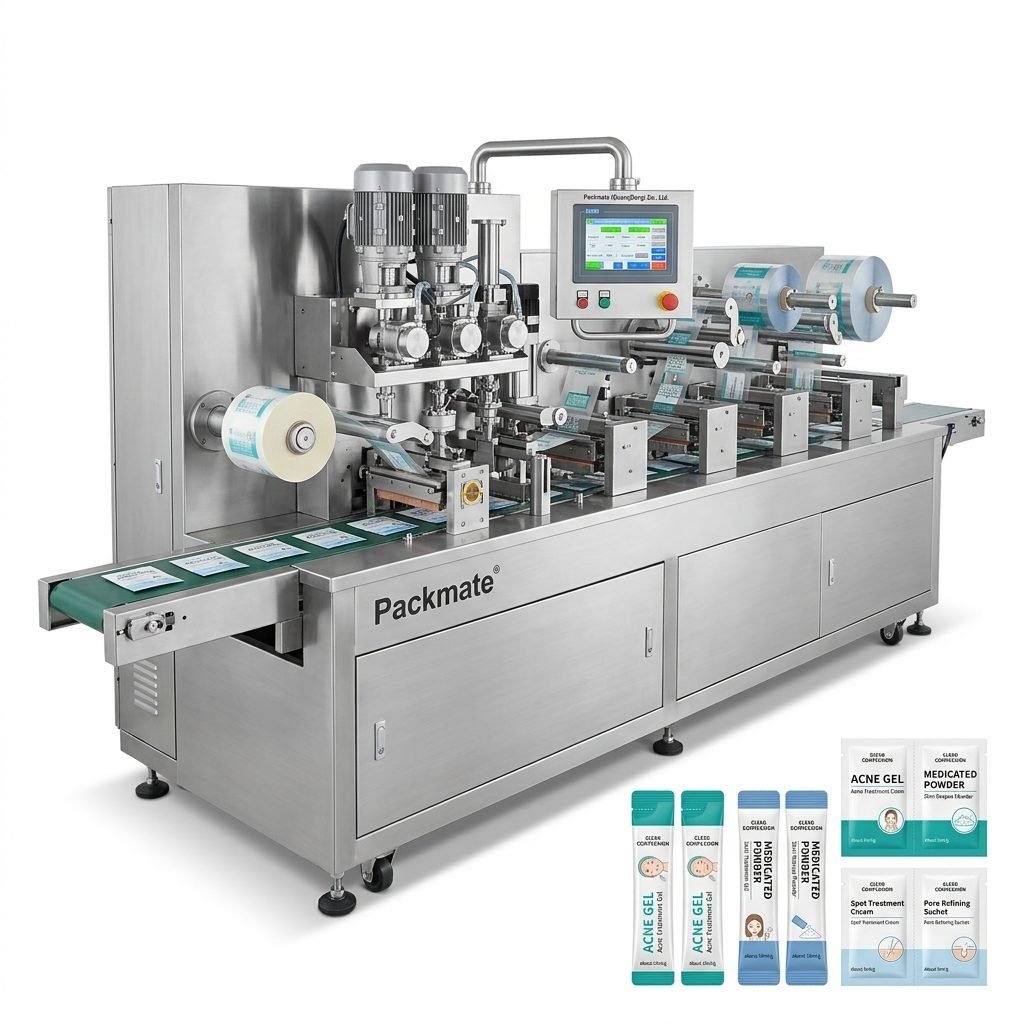
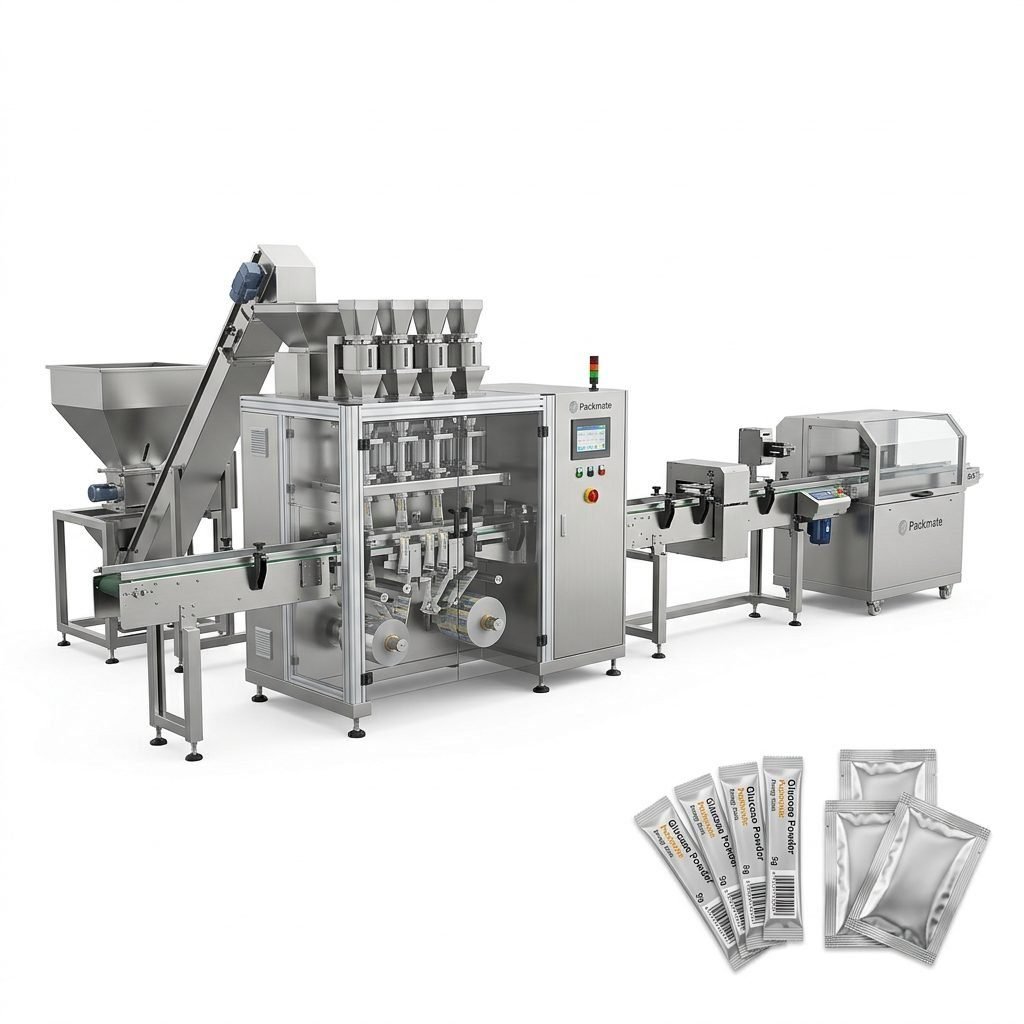
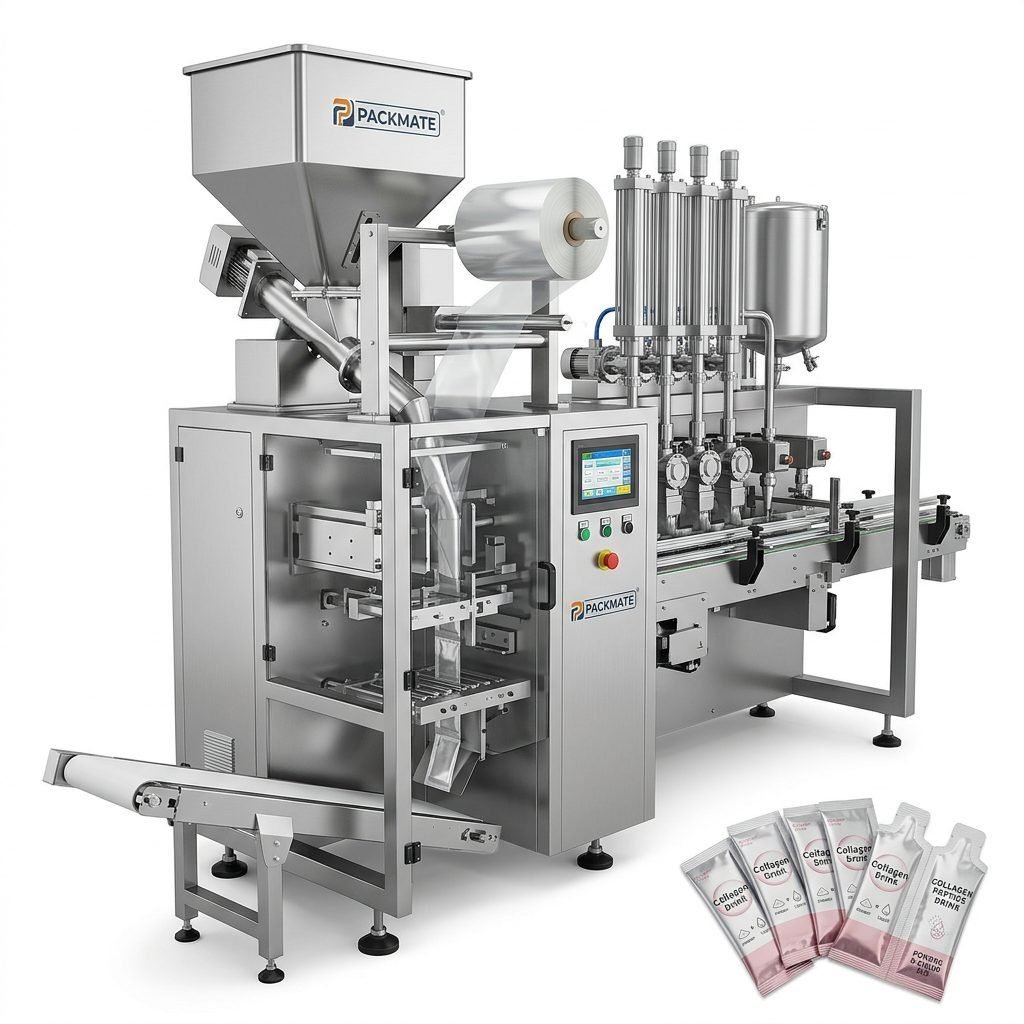
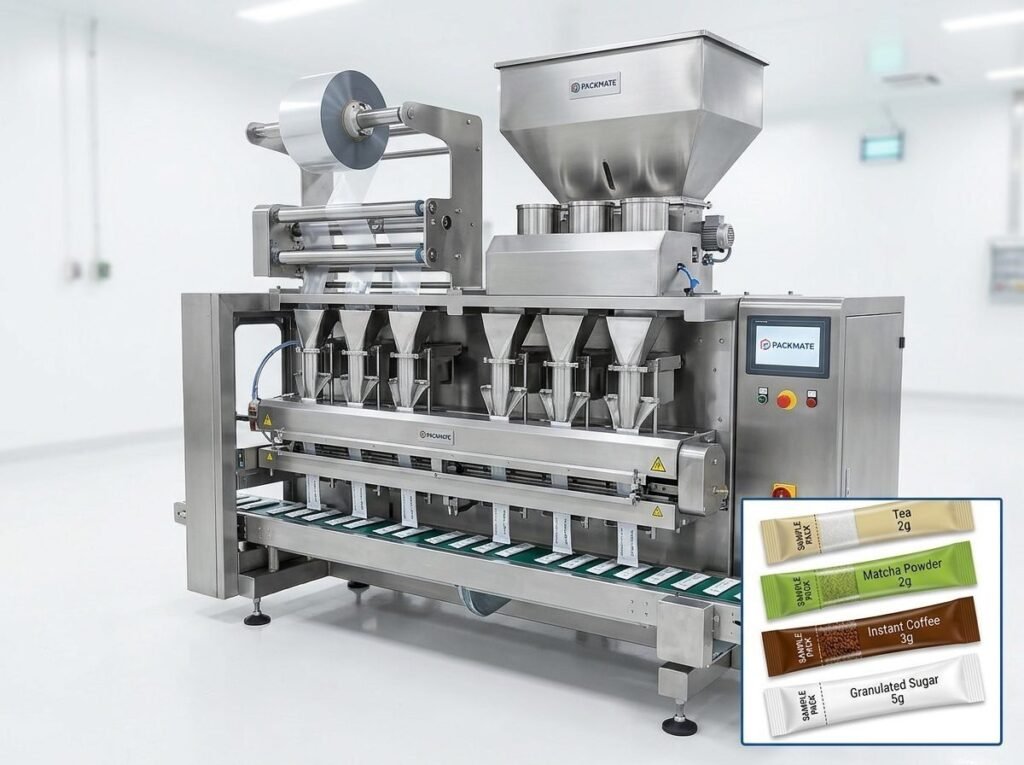
Today’s top-tier packaging machines are defined by their high level of automation. Integrated Programmable Logic Controllers (PLCs) and Human-Machine Interfaces (HMIs) allow for precise control over every parameter—from film feed and sealing temperatures to filling weights and production speed. This automation minimizes human error, ensures consistent output quality, and allows for quick changeovers between different product runs. For instance, a single multi-lane stick pack machine can be programmed to handle various portion sizes and materials with just a few screen touches, maximizing operational flexibility.
Key Takeaway: Automation is no longer a luxury but a standard. It directly translates to reduced labor costs, enhanced precision, and superior batch-to-batch consistency, which are non-negotiable in industries like pharmaceuticals where compliance is paramount.
Precision Weighing and Filling Mechanisms
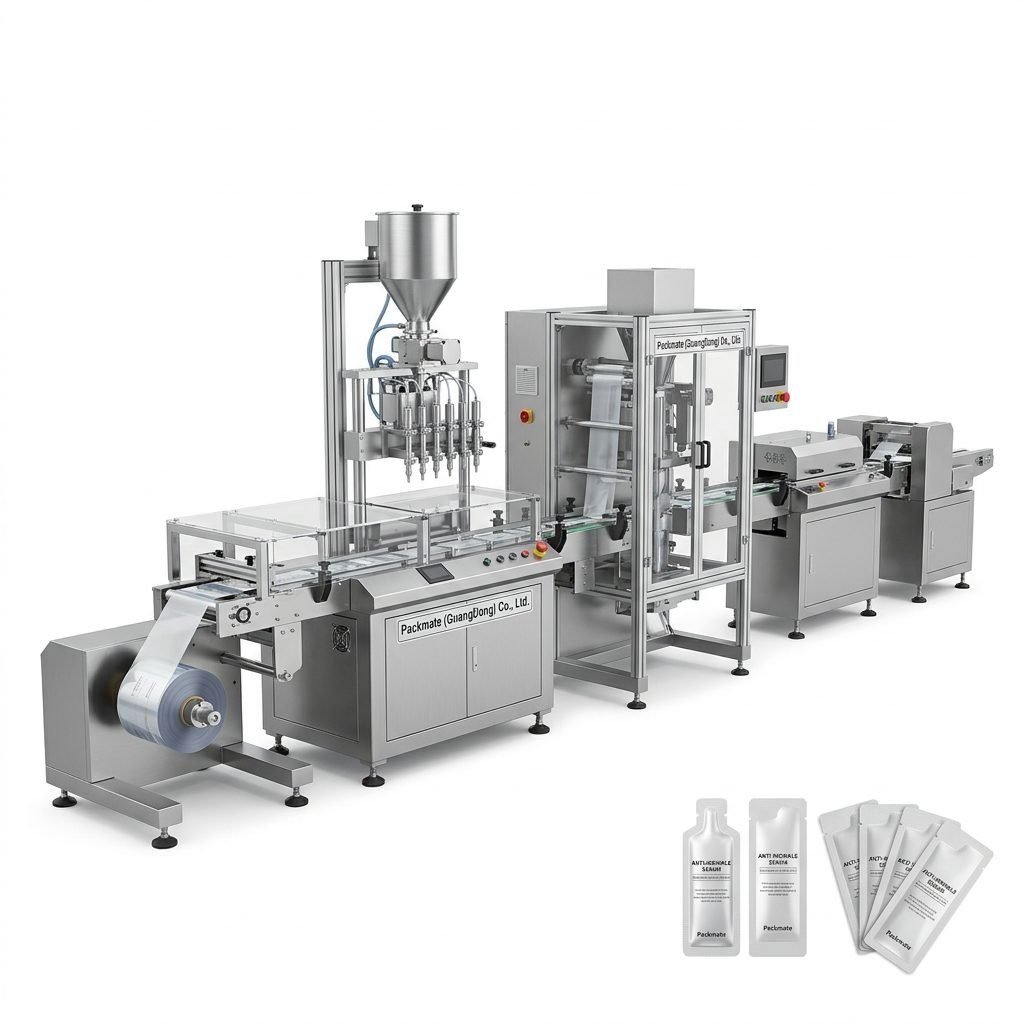
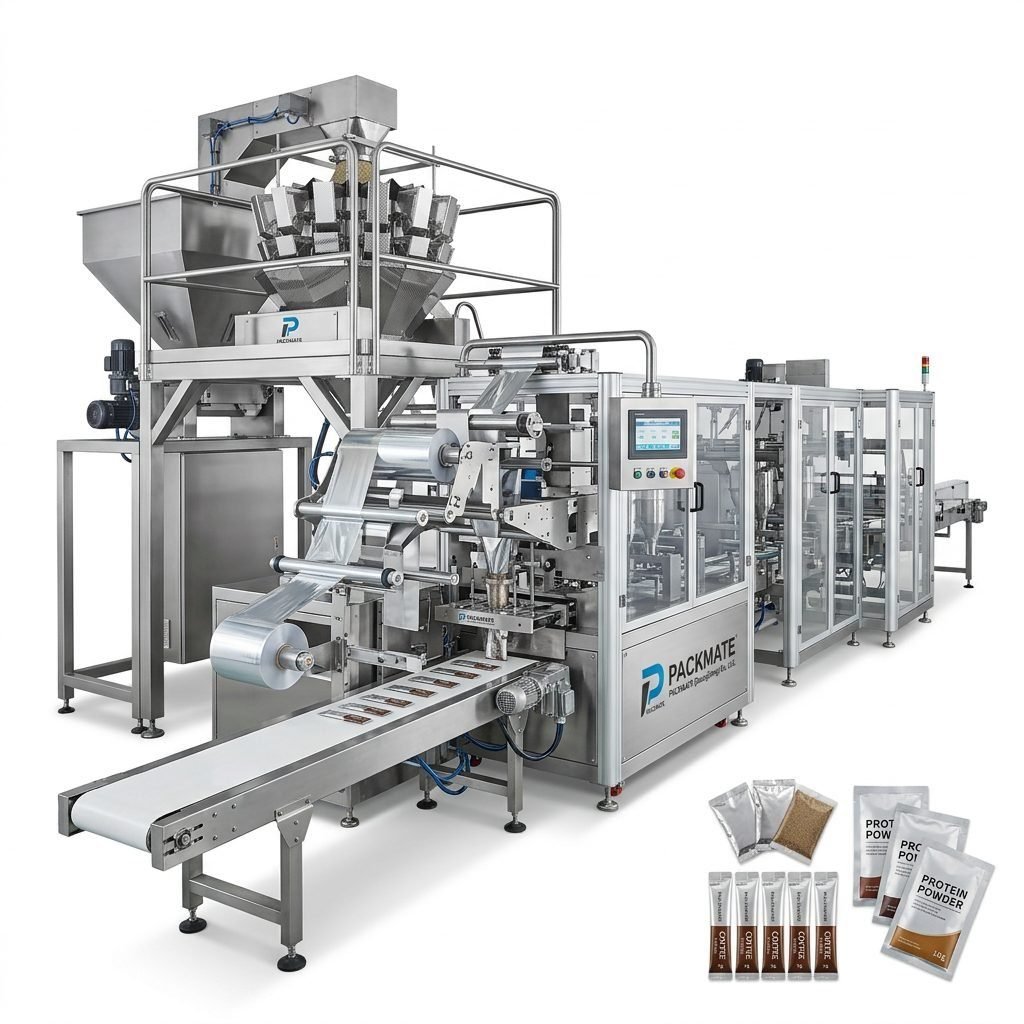
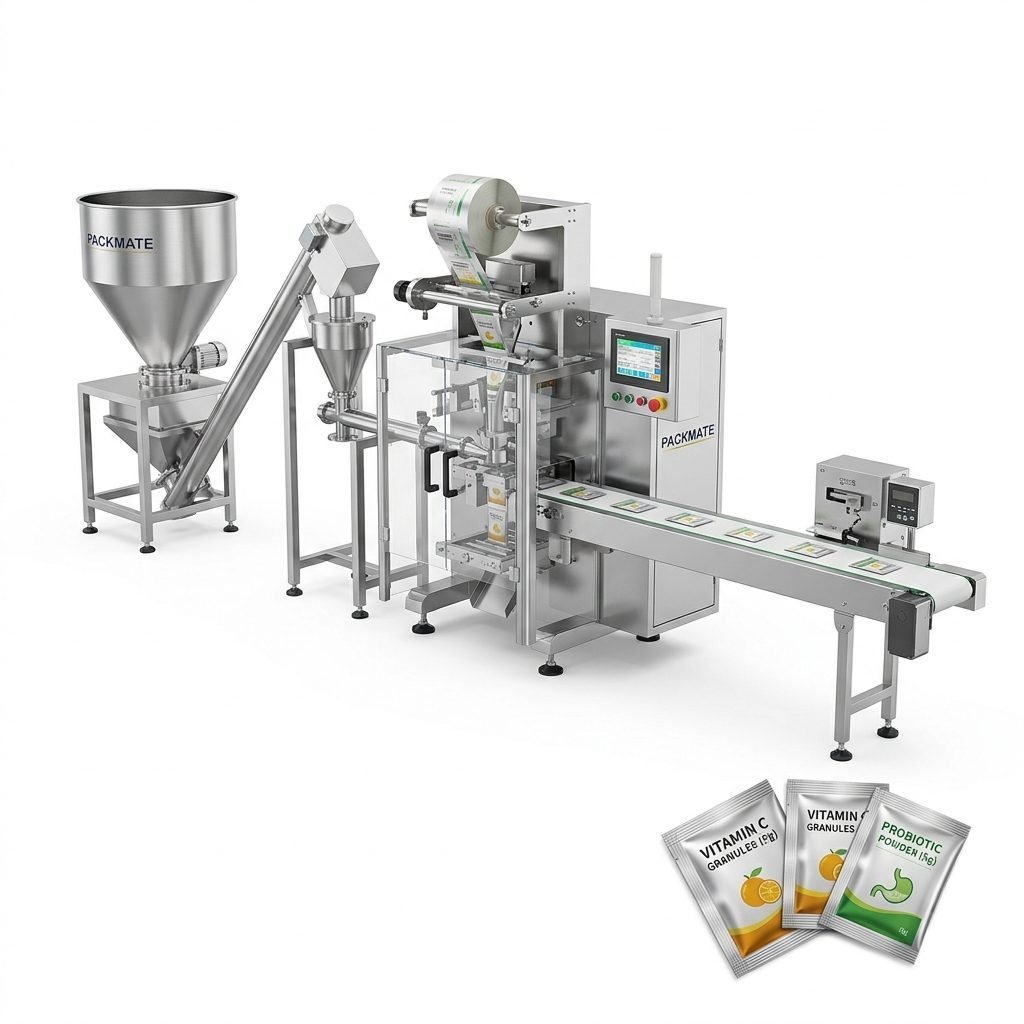
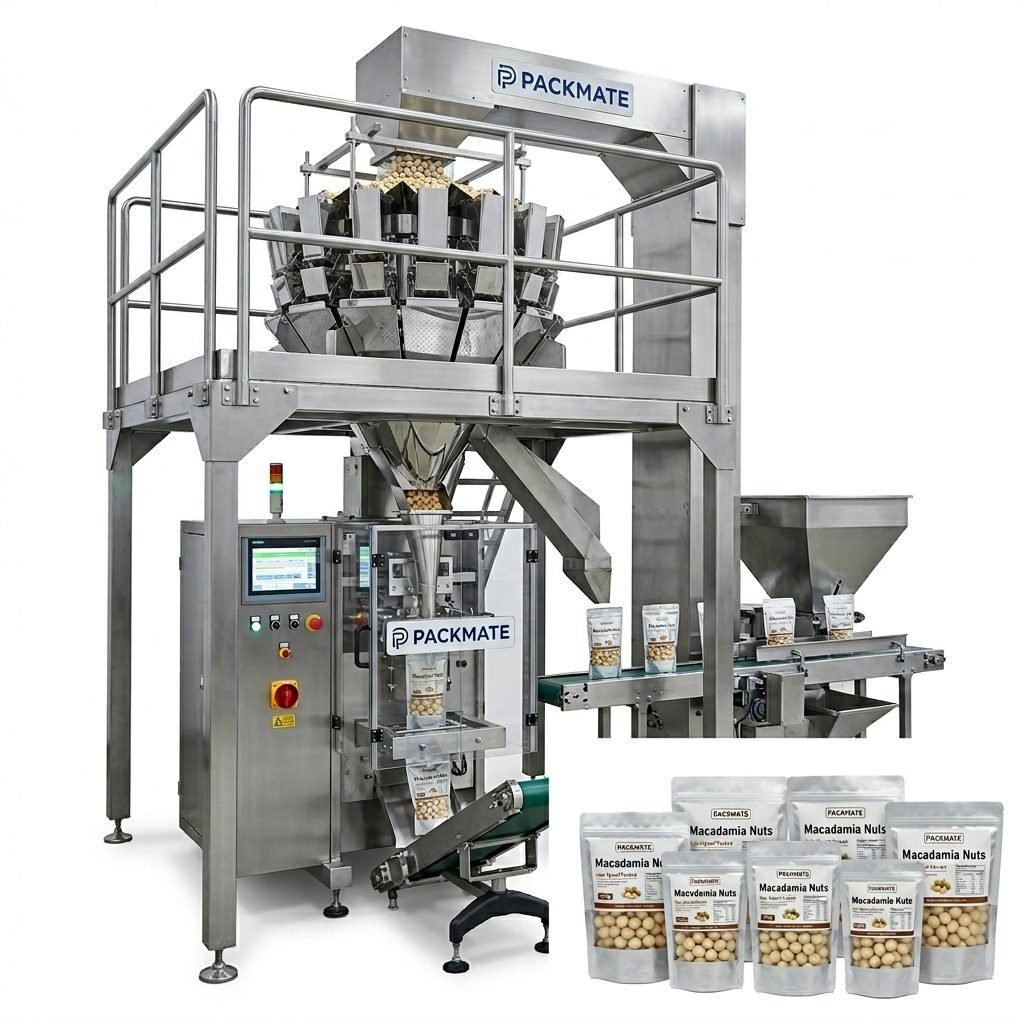
Accuracy in dispensing product is paramount, especially for high-value goods. Modern machines employ multi-head weighers, auger fillers, and liquid piston pumps that offer remarkable precision. Technologies like loss-in-weight feeding systems provide real-time feedback and adjustment, ensuring each pouch, sachet, or stick pack contains the exact specified amount. This precision prevents costly product giveaways and protects against underfilling, which can lead to regulatory and customer satisfaction issues. Companies like Packmate integrate these high-accuracy weighing and packaging systems into their complete lines to guarantee weight integrity.
Versatile Material Handling and Sealing Technologies
The ability to work with a diverse range of packaging materials—from traditional laminates to modern biodegradable films—is a key feature. Advanced machines feature adjustable sealing jaws with precise temperature and pressure control, capable of creating strong, hermetic seals on various materials. This versatility is crucial for brands looking to innovate with their packaging or meet specific sustainability goals without overhauling their entire production line.
Integrated Vision Inspection Systems
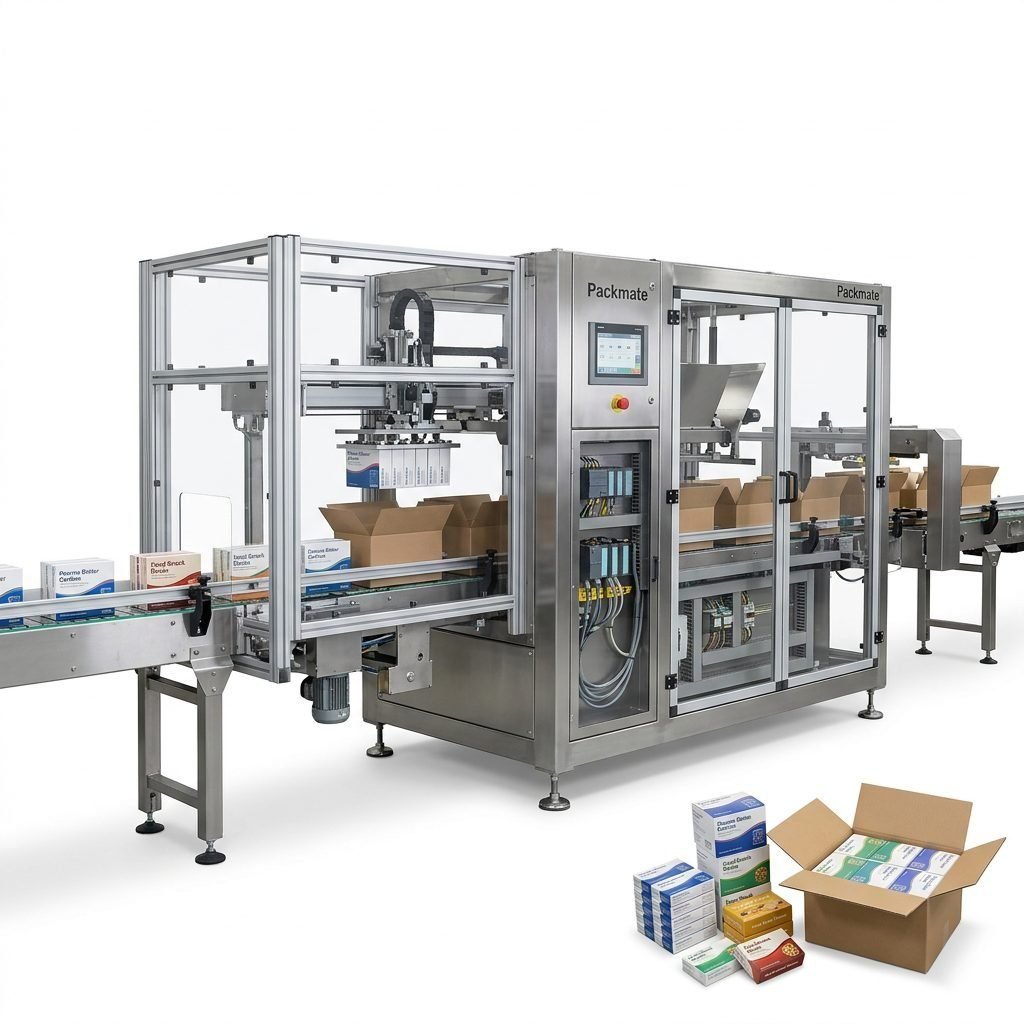
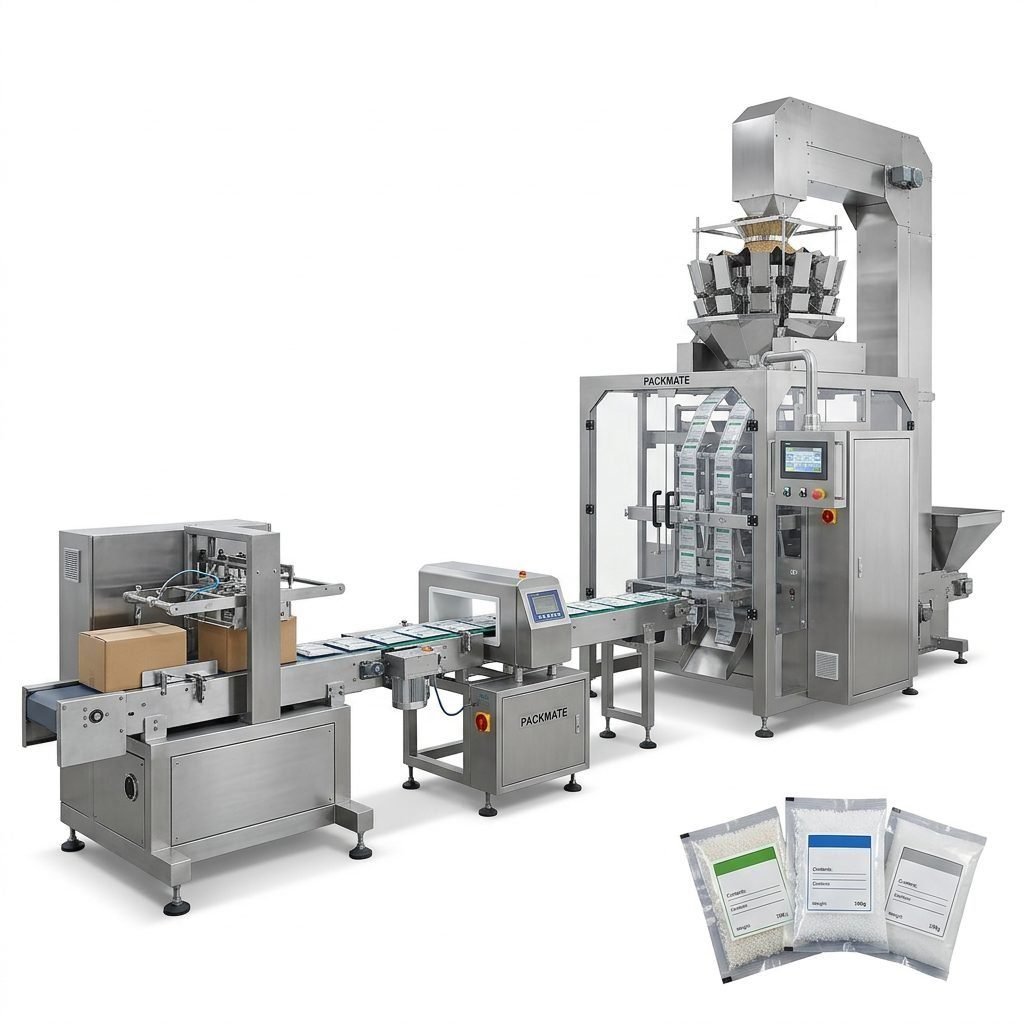
Quality assurance is built directly into the production process. In-line vision systems use cameras and sensors to perform 100% inspection for defects such as misprints, poor seals, incorrect fill levels, or foreign objects. Any faulty package is automatically rejected, ensuring that only perfect products proceed to boxing and shipping. This feature drastically reduces waste, prevents recalls, and safeguards brand quality.
Essential Maintenance Tips for Peak Performance
Even the most advanced machinery is susceptible to wear and tear. A proactive and disciplined maintenance regimen is the single most effective way to ensure longevity, prevent catastrophic downtime, and maintain optimal efficiency.
Daily and Weekly Maintenance Checklist
- Cleaning: Remove all product dust, debris, and residual film from the machine at the end of every shift. Pay special attention to sealing jaws, product channels, and moving parts.
- Lubrication: Apply manufacturer-recommended lubricants to designated bearings, guides, and chains as per the schedule. Avoid over-lubrication, which can attract dust.
- Visual Inspection: Check for loose bolts, worn belts, frayed cables, and any signs of abnormal wear or damage on critical components.
- Function Test: Run a short cycle to listen for unusual noises and verify that all sensors and safety interlocks are functioning correctly.
Scheduled Preventive Maintenance (PM)
Beyond daily checks, a formal Preventive Maintenance plan is essential. This involves scheduled downtime for more thorough tasks:
Monthly/Quarterly: Calibrate weighing and filling systems to ensure accuracy. Inspect and, if necessary, replace critical wear parts like sealing jaw Teflon coatings, cutter blades, and gaskets. Tighten all electrical connections.
Annually/Bi-Annually: Conduct a comprehensive machine audit. This may involve deep cleaning of internal mechanisms, checking motor and drive alignments, and updating software/firmware. It is highly advisable to have this performed by certified technicians, such as those provided through a manufacturer’s comprehensive service program.
Training and Documentation
Effective maintenance starts with people. Ensure all operators and maintenance staff are thoroughly trained on the specific machine model. Maintain a detailed log for every maintenance action, repair, and part replacement. This logbook becomes an invaluable tool for diagnosing recurring issues and planning future part inventories.
Pro Tip: Always use genuine OEM replacement parts. While third-party parts may seem cheaper, they often lack the precise engineering tolerances and material quality, leading to premature failure, reduced performance, and potentially voiding your machine’s warranty.
Choosing the Right Technology Partner
Investing in packaging technology is a significant decision. Partnering with a reputable manufacturer with a proven track record is crucial. Look for a partner that offers not just machines, but complete turnkey solutions, including installation, training, and reliable after-sales support. A company’s history, like Packmate’s journey from a small workshop in 1993 to a modern manufacturer with a 20,000㎡ facility, speaks volumes about its commitment to innovation and reliability. Exploring their company profile and range of packing machines can provide deep insight into their capabilities.
Ultimately, mastering packaging machine technology is a continuous process of leveraging advanced features and adhering to rigorous maintenance. By focusing on automation, precision, and proactive care, manufacturers can build a packaging operation that is resilient, efficient, and ready to meet the demands of tomorrow’s market.
Frequently Asked Questions (FAQs)
What is the typical lifespan of a modern packaging machine?
With proper maintenance and care, a high-quality packaging machine from a reputable manufacturer can have a productive lifespan of 10 to 15 years or more. The key factors are adherence to the maintenance schedule, using genuine parts, and operating the machine within its designed parameters.
How often should sealing jaws be replaced?
There’s no fixed timeline, as it depends on production volume and materials. However, they should be inspected weekly for wear, scoring, or coating damage. For continuous high-speed operations, replacement might be needed every 6-12 months. Dull or damaged jaws are a primary cause of leaky seals.
Can one machine handle different packaging formats (e.g., sachets and stick packs)?
Some machines are designed as format-flexible, allowing for changeovers with specific tooling kits (like different forming tubes and sealing jaws). However, dedicated sachet and stick pack machines are often optimized for higher efficiency in their specific format. The choice depends on your product variety and required changeover speed.
What are the most common causes of unplanned downtime?
The most frequent culprits are lack of routine cleaning (causing jams), using incorrect or low-quality packaging film, failure to replace wear parts proactively, and operator error due to insufficient training.
Is remote technical support available for troubleshooting?
Yes, most leading manufacturers now offer remote support. Technicians can often connect to the machine’s control system via a secure internet connection to diagnose errors, adjust parameters, and guide on-site personnel through repairs, significantly reducing resolution time.