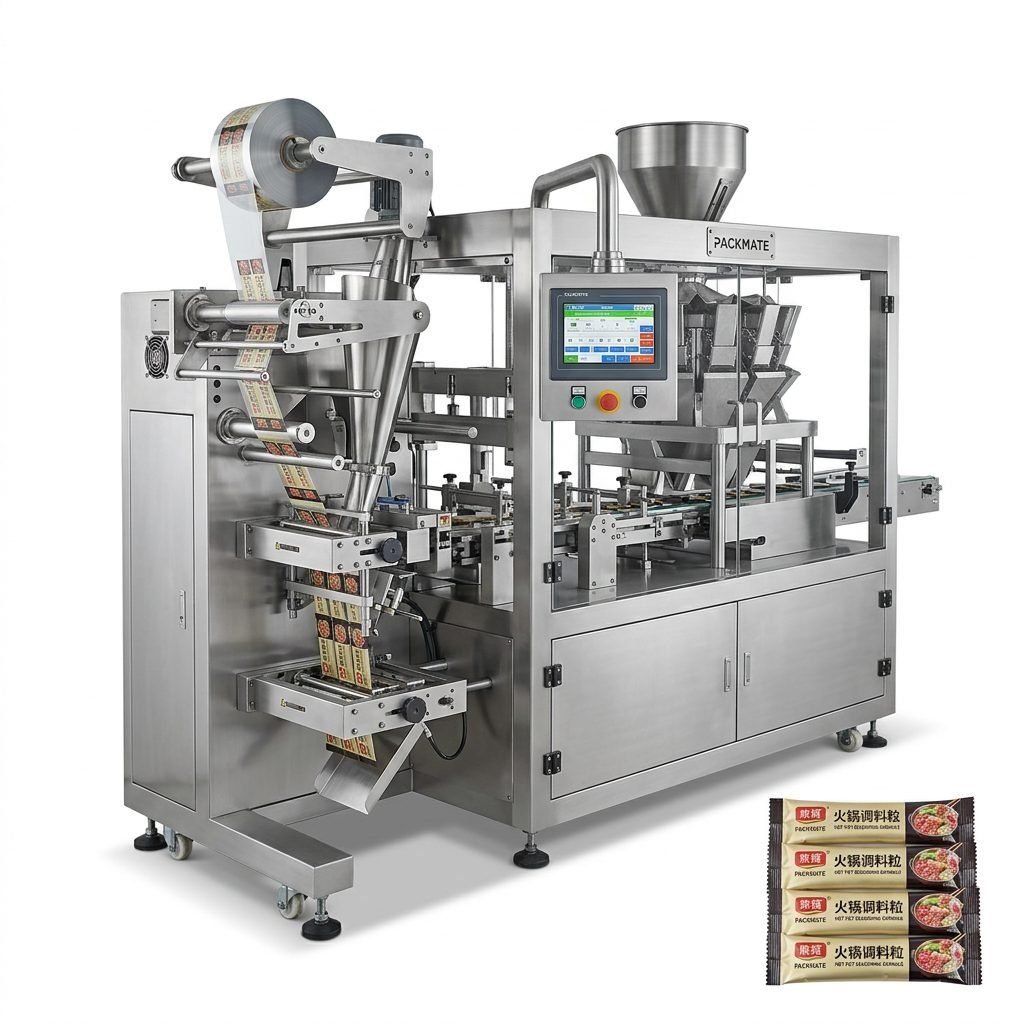
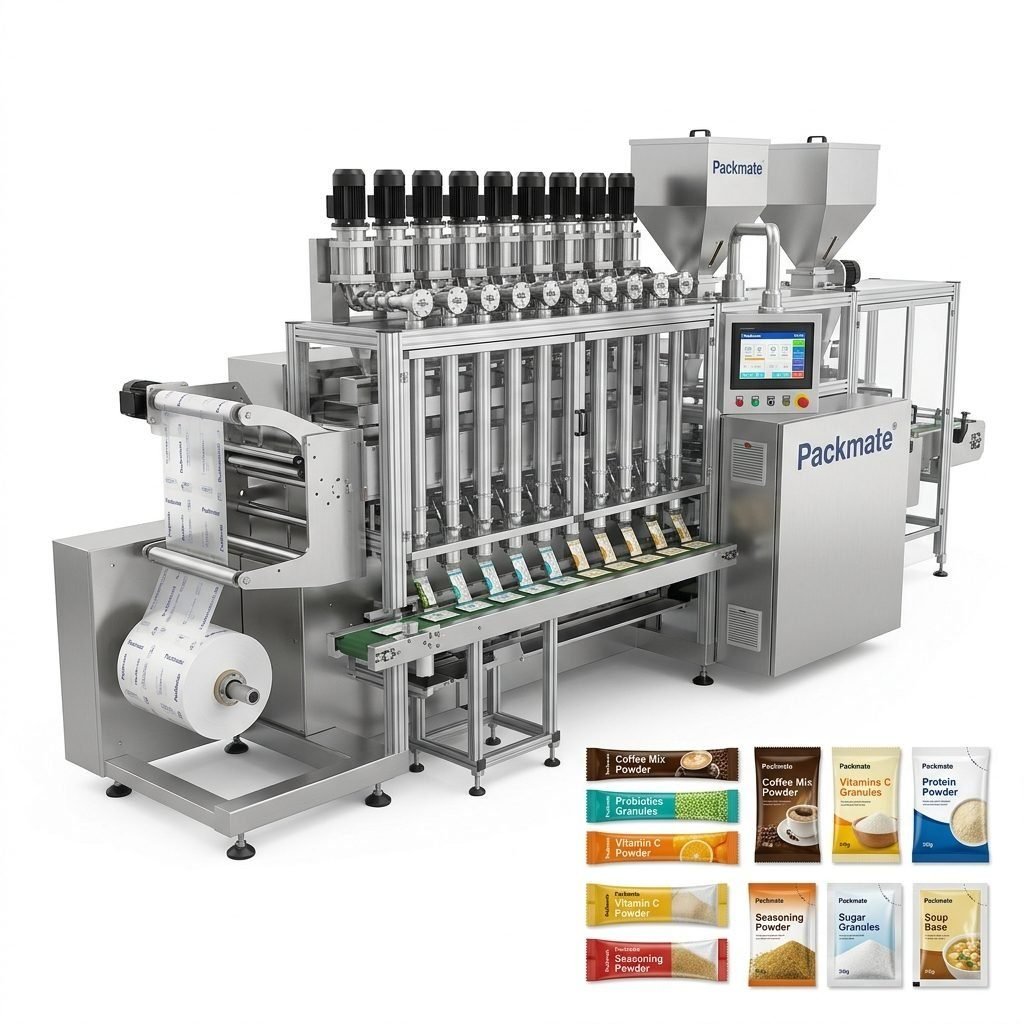
In the fast-paced world of manufacturing and distribution, operational efficiency is paramount. For businesses handling a wide range of products—from food and pharmaceuticals to health supplements—the packaging process is a critical juncture. Selecting the best bag packaging equipment is not merely a purchase; it’s a strategic investment that directly impacts throughput, product integrity, and your bottom line. The right solutions streamline workflows, minimize waste, and ensure consistent, high-quality output that meets both market demands and regulatory standards.
Core Components of a High-Efficiency Packaging Line
A truly efficient packaging operation is built on a synchronized system, not just a single machine. Understanding the role of each component is key to optimizing your entire line.
1. Precision Weighing and Filling Systems
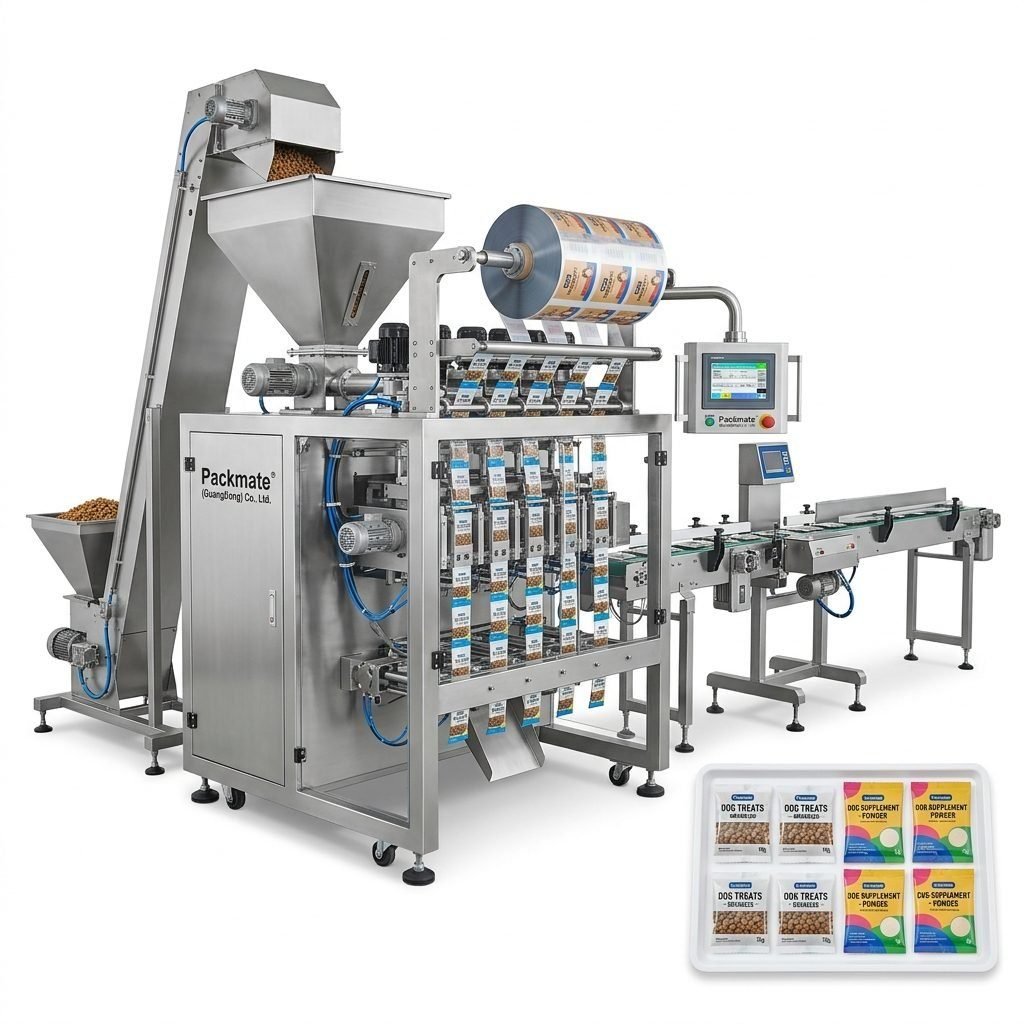
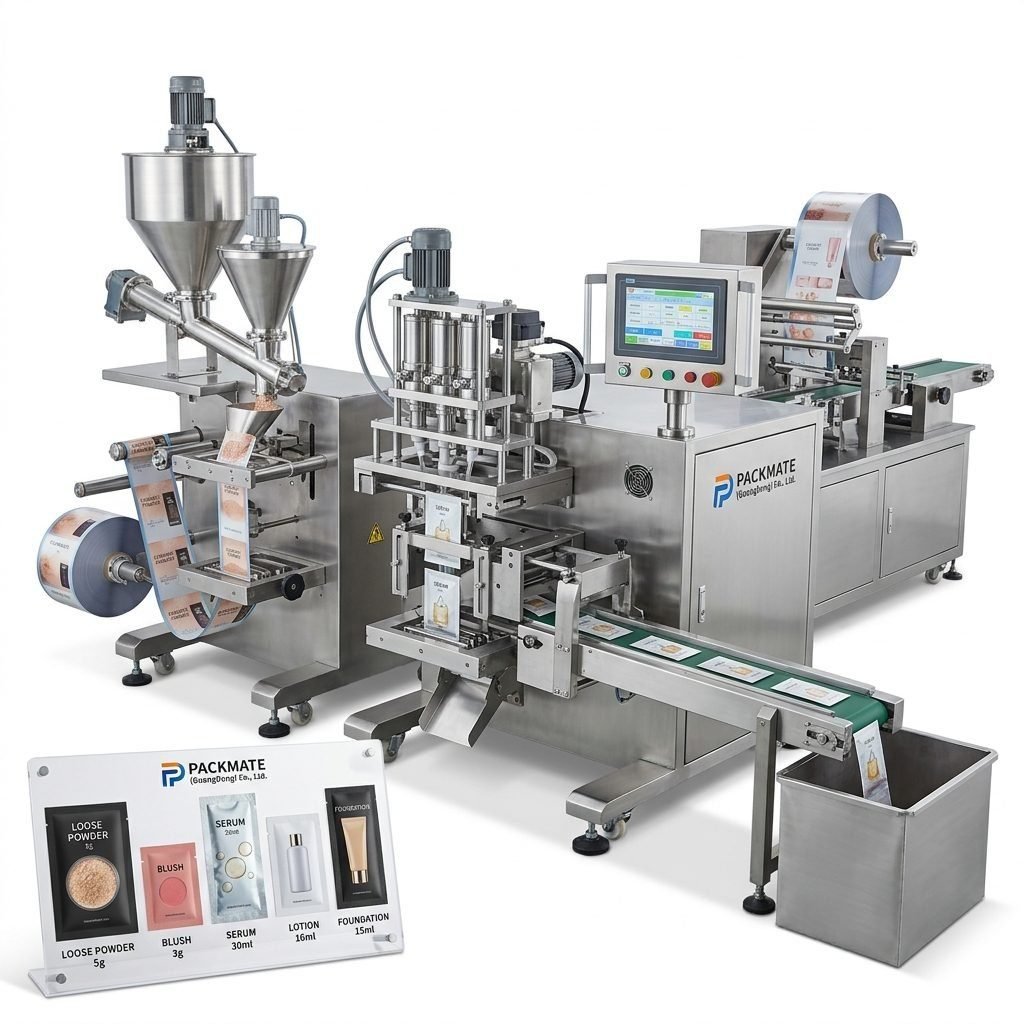
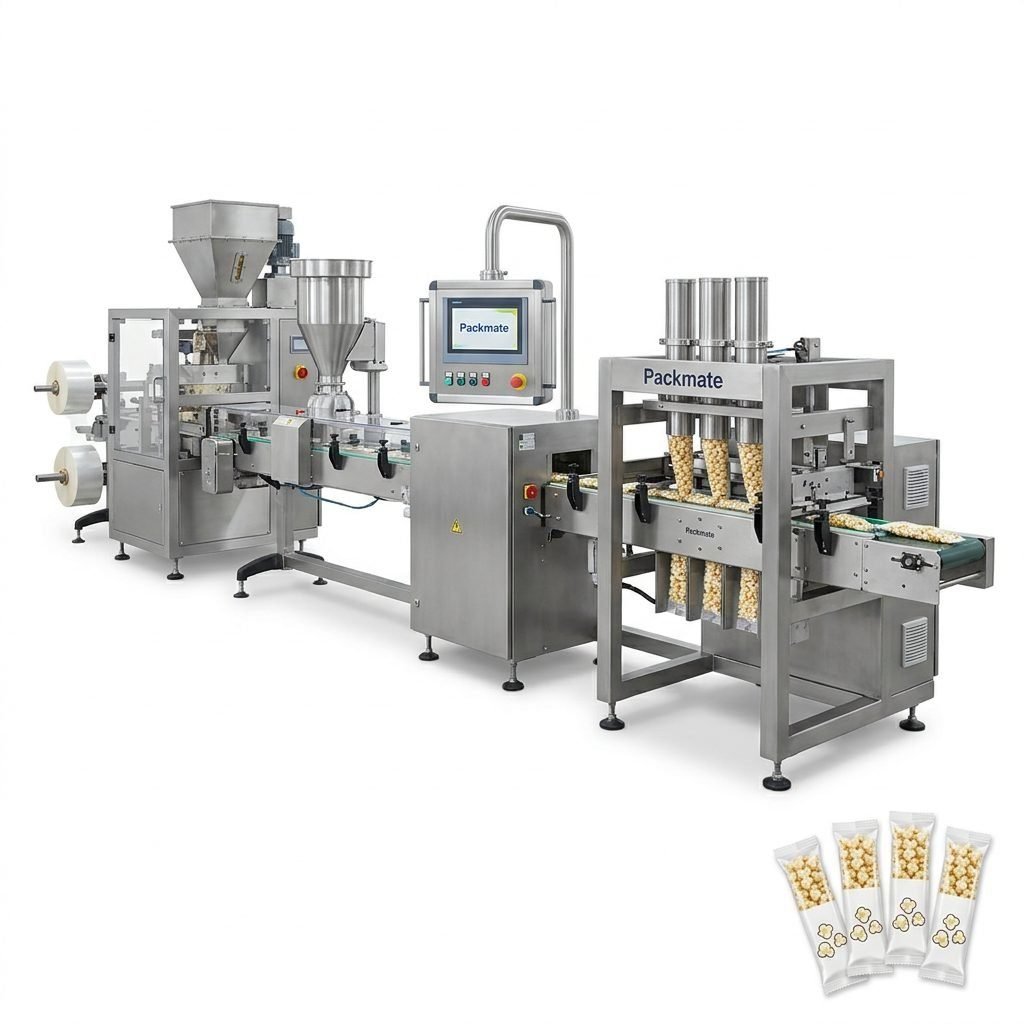
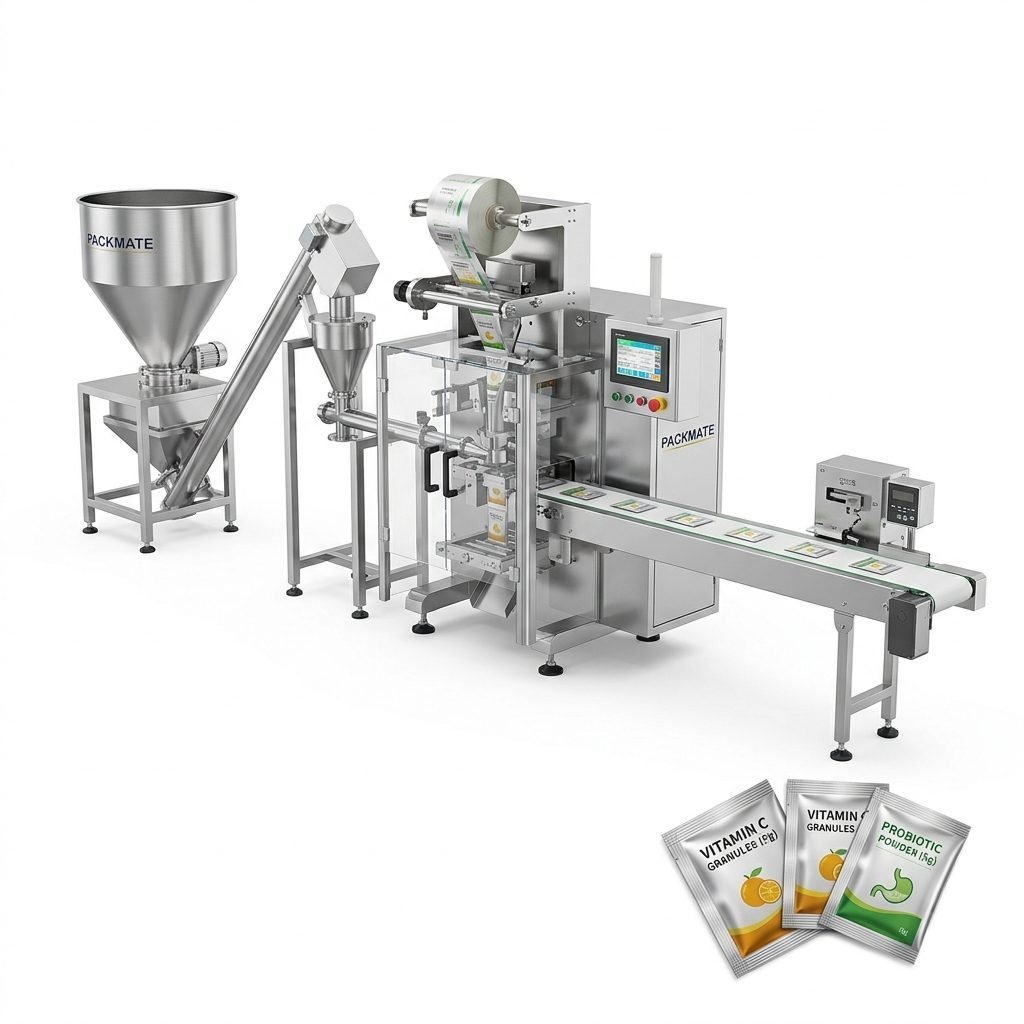
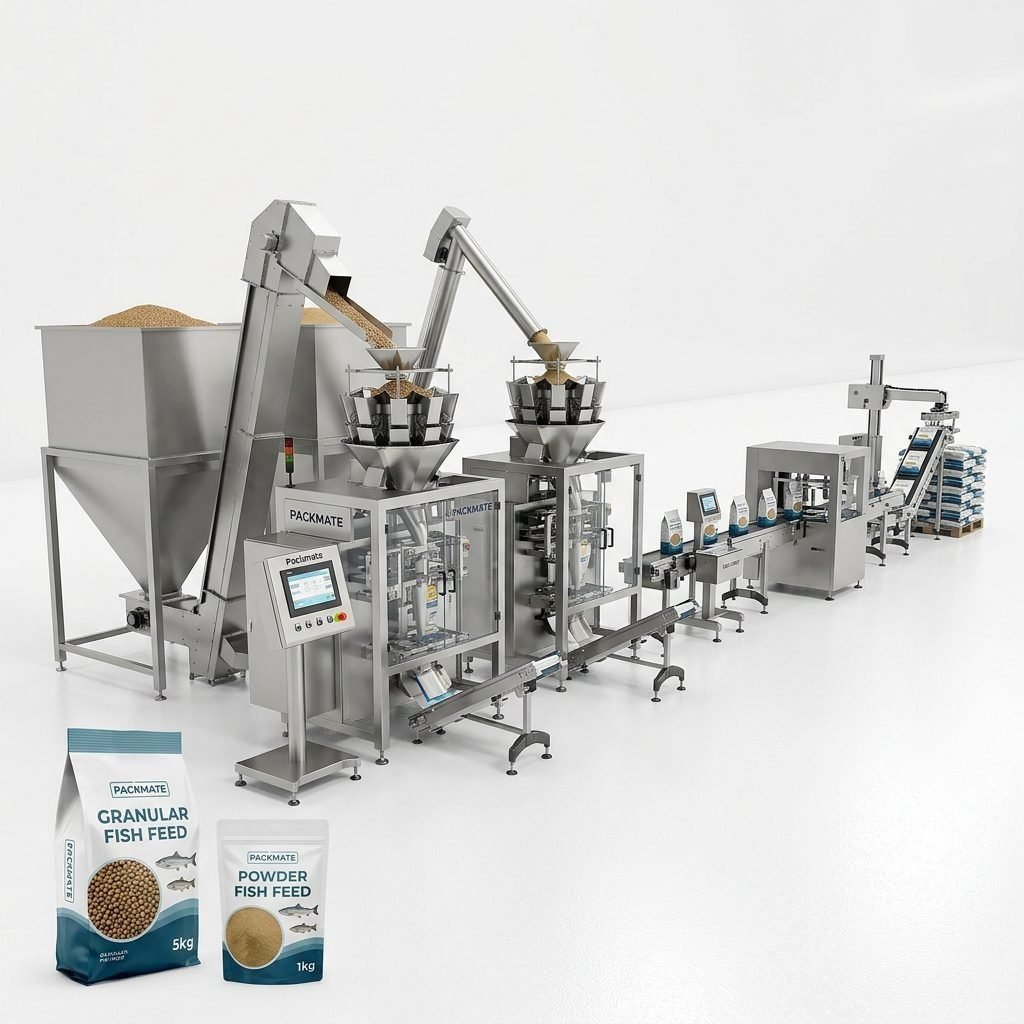
Accuracy is the foundation of efficiency and cost control. Modern weighing and packaging systems utilize advanced load cell technology and multi-head weighers to deliver pinpoint accuracy for granules, powders, and other dry products. This eliminates giveaway (overfilling) and protects against underfilling, which can damage brand reputation. For liquids and viscous products, piston or pump fillers provide consistent volumetric dosing. Integrating these systems seamlessly with the bag former and sealer is crucial for maintaining a smooth, uninterrupted flow.
2. Versatile Bag Forming and Sealing Machines
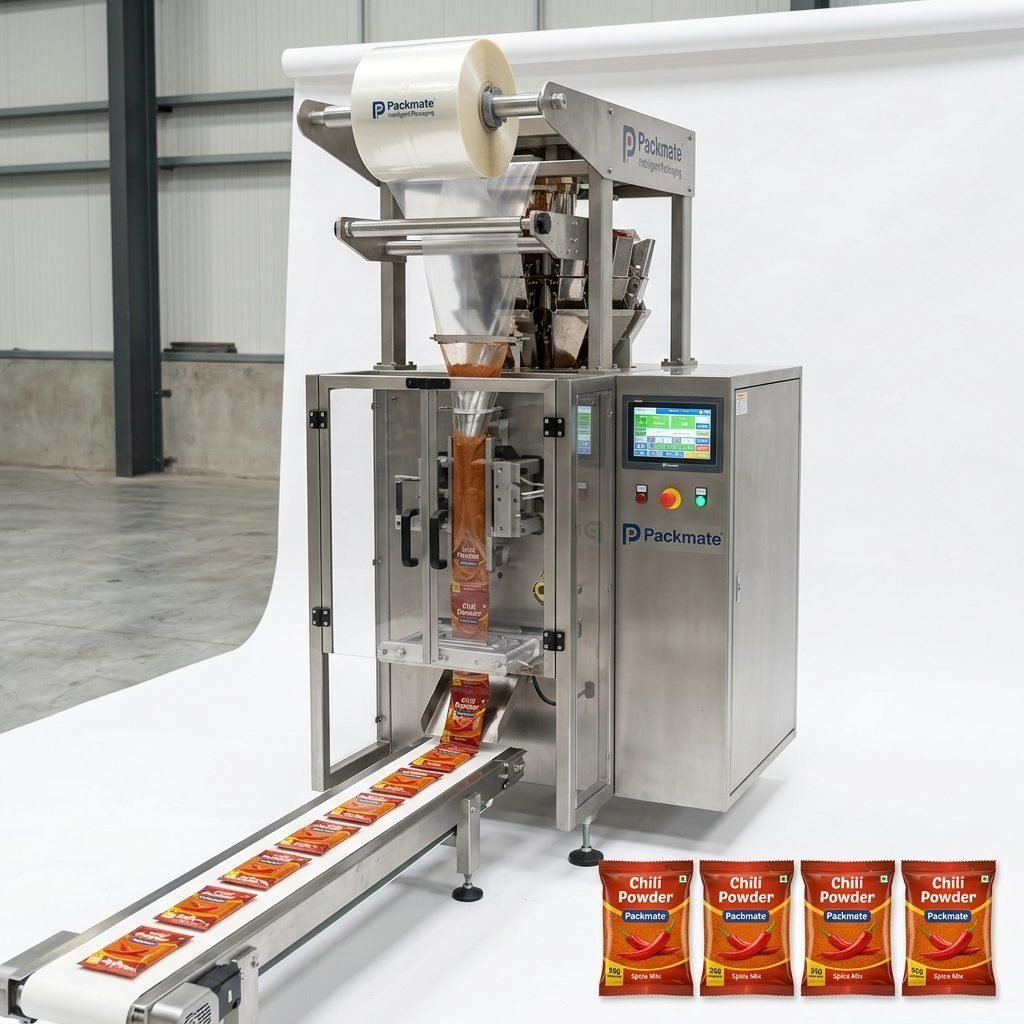
This is the heart of the bag packaging process. The equipment must be adaptable, reliable, and fast. Look for machines capable of handling various bag styles—such as pillow bags, gusseted bags, or stand-up pouches—from different film materials. Key features include robust sealing jaws that ensure strong, hermetic seals even at high speeds, and quick-changeover mechanisms to reduce downtime when switching bag sizes or products. For maximum flexibility, bag & pouch packaging machines that integrate forming, filling, and sealing (FFS) into one compact unit are often the best choice for efficient operations.
3. High-Speed Sachet and Stick Pack Solutions
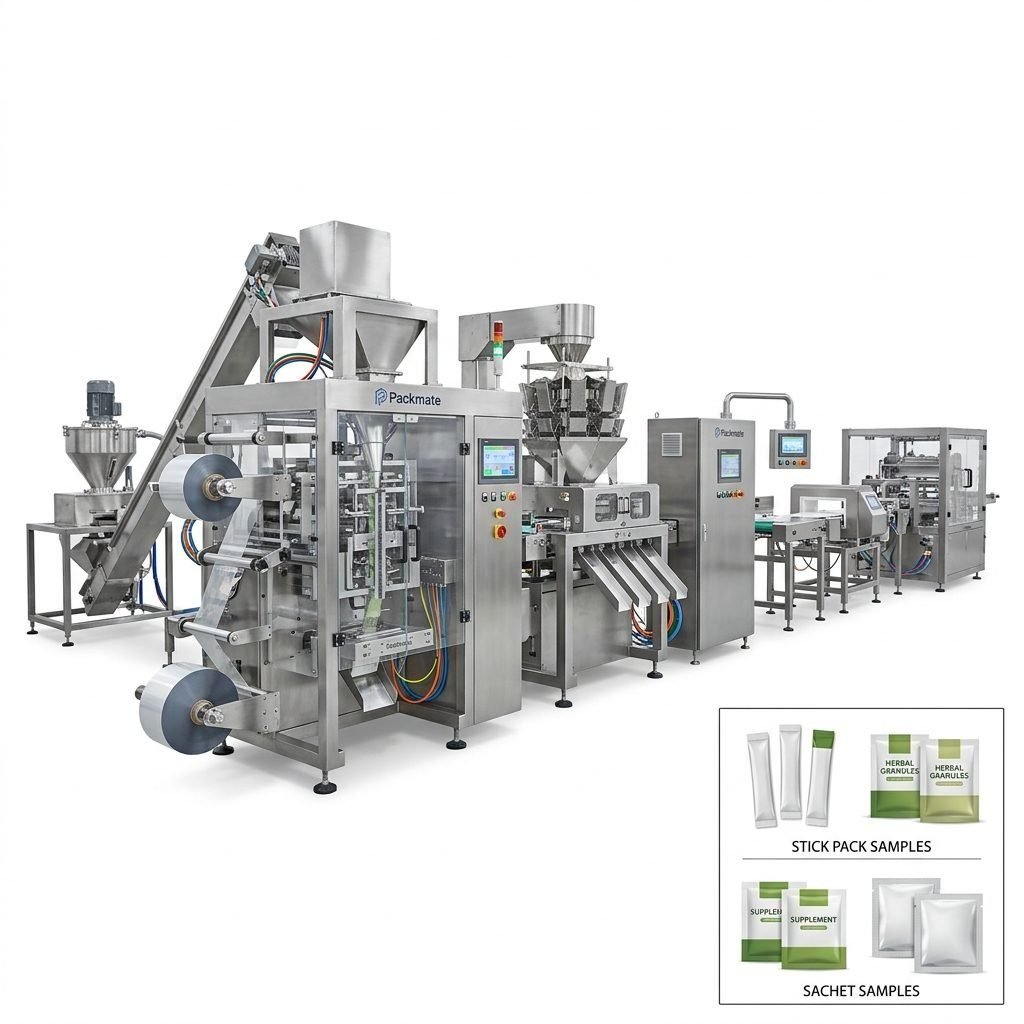
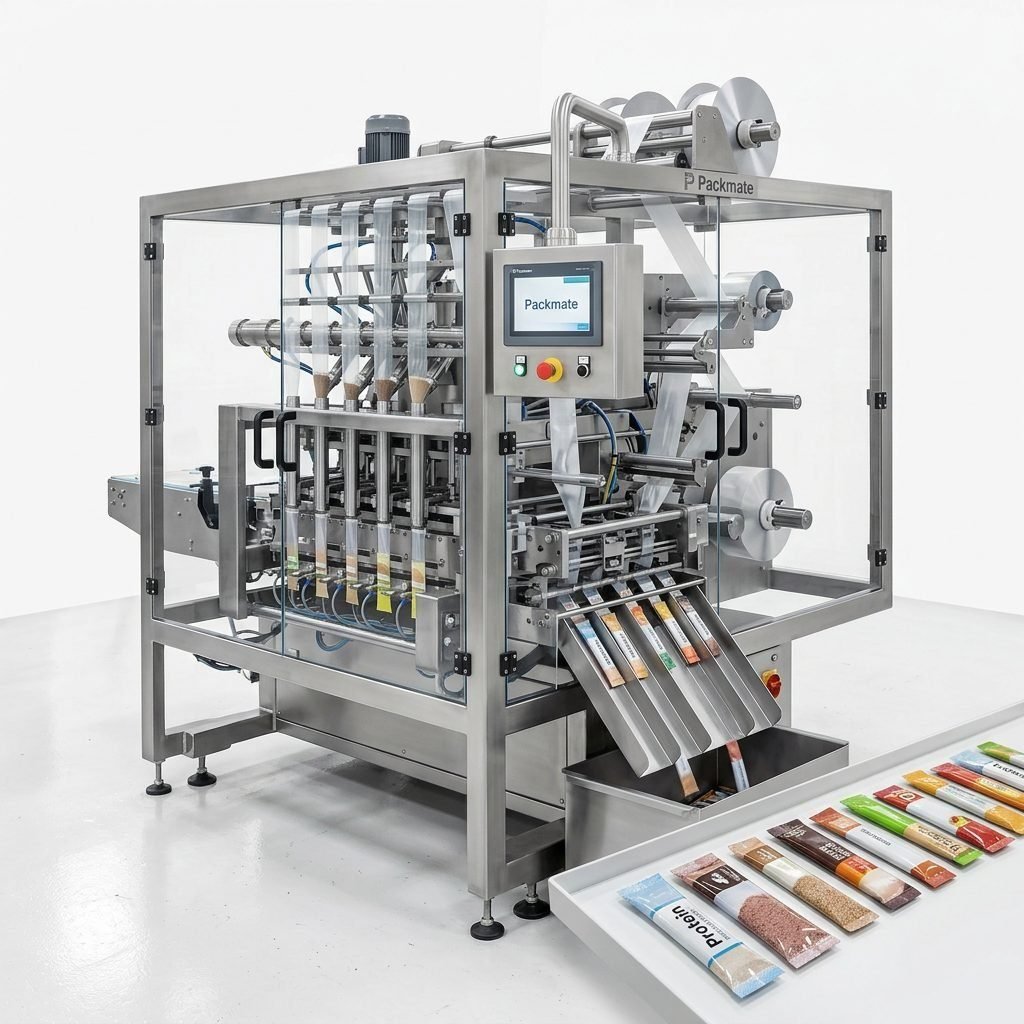
For single-serve portions, powders, or liquid shots, sachet and stick pack machines offer unparalleled efficiency and consumer convenience. Modern multi-lane machines can produce hundreds of packs per minute with exceptional precision. When selecting this equipment, consider factors like the number of lanes, the type of sealing (ultrasonic or thermal), and compatibility with your product’s characteristics. A well-designed sachet & stick pack machine not only boosts output but also enhances product presentation and shelf appeal.
4. Intelligent Control and Monitoring Systems
Efficiency in the modern era is driven by data. The best packaging equipment comes equipped with programmable logic controllers (PLCs) and touch-screen HMIs (Human-Machine Interfaces). These systems allow for precise control over all parameters—speed, temperature, fill weight—and provide real-time monitoring of production counts, efficiency rates, and fault diagnostics. This intelligence enables predictive maintenance, reduces unplanned stoppages, and gives operators the tools to fine-tune the process for peak performance.
The Packmate Advantage: Engineering Efficiency from Experience
Choosing a partner with deep industry knowledge is as important as choosing the right machine. Packmate Machinery embodies this principle. With a foundation built over 30 years ago in a small workshop by founder Mr. Jiang Sha, the company’s journey is a testament to a relentless focus on automation and productivity. This passion evolved into a formal enterprise in 2003 and has since grown into Packmate (GuangDong) Co., Ltd., a leader in intelligent packaging solutions.
Housed in a modern 20,000㎡ facility in the heart of China’s Greater Bay Area manufacturing hub, Packmate leverages over 22 years of company development and a team of more than 125 professional members to engineer reliability. Their portfolio spans more than 50 machine models, designed to handle everything from delicate health supplements to robust food granules. What sets them apart is their commitment to complete turnkey packaging solutions. They don’t just sell machines; they provide integrated filling & packaging lines that are tested and optimized for efficient operations right from the start.
Key Considerations for Selecting Your Equipment
Investing in bag packaging equipment requires a strategic assessment of your current and future needs.
Product Characteristics: The physical properties of your product (size, flowability, abrasiveness, hygroscopic nature) are the primary drivers of machine selection. A machine perfect for rice may struggle with fine powder or sticky paste.
Required Output Speed: Match the machine’s maximum speed to your production targets with a buffer for growth. Consider not just cycles per minute, but the overall line efficiency including changeover times.
Flexibility and Changeover: If you run multiple products or bag sizes, look for equipment with tool-less or quick-change features. Minimizing downtime during transitions is a major component of operational efficiency.
Hygiene and Compliance: For food, pharmaceutical, or nutraceutical applications, the equipment must be designed for easy cleaning and meet relevant sanitary standards (e.g., cGMP, FDA guidelines for materials in contact with product).
Total Cost of Ownership (TCO): Look beyond the initial purchase price. Factor in energy consumption, required maintenance, spare part availability, and the potential cost of downtime. A reliable, service-supported machine from a reputable manufacturer like Packmate often offers a lower TCO.
Implementing for Success
Once the right equipment is selected, proper implementation is critical. This includes adequate operator training, developing standard operating procedures (SOPs), and establishing a preventive maintenance schedule. Leveraging the supplier’s expertise during installation and commissioning can help you avoid common pitfalls and accelerate the path to peak efficiency.
Conclusion: Efficiency as a Continuous Journey
Finding the best bag packaging equipment solutions is the first step toward building a lean, competitive, and profitable operation. It involves a careful blend of selecting the right technological components—from precision weighers and versatile baggers to intelligent controls—and partnering with an experienced provider who understands the intricacies of your industry. By focusing on integrated solutions, reliability, and future-proof flexibility, businesses can achieve the efficient operations necessary to thrive in today’s market.
Frequently Asked Questions (FAQs)
1. What type of bag packaging equipment is best for small to medium-sized businesses (SMBs)?
For SMBs, versatility and ease of use are often priorities. A vertical form-fill-seal (VFFS) machine is a highly recommended starting point. It’s compact, can handle a wide range of bag styles and sizes, and modern models offer relatively quick changeovers. Many suppliers, including Packmate, offer models scalable to growing production needs.
2. How can I improve the efficiency of my existing packaging line?
Start with a line audit to identify bottlenecks. Common improvements include adding automated feeding systems to the weigher, upgrading to a faster or more reliable bagger, or implementing an automated checkweigher for quality control. Often, integrating standalone machines into a synchronized line with better controls yields significant gains.
3. What maintenance is required for bag packaging equipment?
Daily cleaning and visual inspections are essential. Regularly scheduled maintenance includes lubricating moving parts, checking seal jaw temperatures and alignment, inspecting and replacing worn components like belts or filters, and calibrating weighing systems. Always follow the manufacturer’s maintenance schedule outlined in the manual.
4. Can one machine handle both powders and granular products?
Many machines are designed with this flexibility in mind. The key differences often lie in the type of feeding system (auger for powders, cup or funnel for granules) and the filter system on the air discharge. It’s crucial to discuss your specific product range with the equipment supplier to ensure the machine can be properly configured for both.
5. Where can I see examples of successful packaging line installations?
Reputable manufacturers typically showcase their work. You can explore real-world applications and case studies on the Packmate case studies page, which details how their solutions have been implemented across different industries for efficient operations.