In today’s fast-paced manufacturing landscape, efficiency and precision are paramount. The integration of robotic packaging equipment solutions has revolutionized production lines, offering unparalleled automation capabilities. These advanced systems are designed to handle a wide variety of products, from food and pharmaceuticals to health supplements, ensuring consistent quality and significantly boosting throughput.
The Core Advantages of Robotic Packaging Automation
Implementing robotic solutions in packaging transcends simple mechanization. It represents a strategic shift towards intelligent, flexible, and highly reliable production. The primary benefits include a dramatic reduction in labor costs and human error, while simultaneously increasing output speed and operational safety. Machines can operate continuously in environments unsuitable for human workers, handling repetitive tasks with unwavering accuracy.
Key Performance Metrics: Facilities utilizing advanced robotic packaging systems often report productivity increases of 200% to 300%, with packaging accuracy reaching 99.9% and substantial decreases in material waste. This level of precision is critical in industries like pharmaceuticals, where dosage consistency is non-negotiable.
Tailored Solutions for Diverse Industries
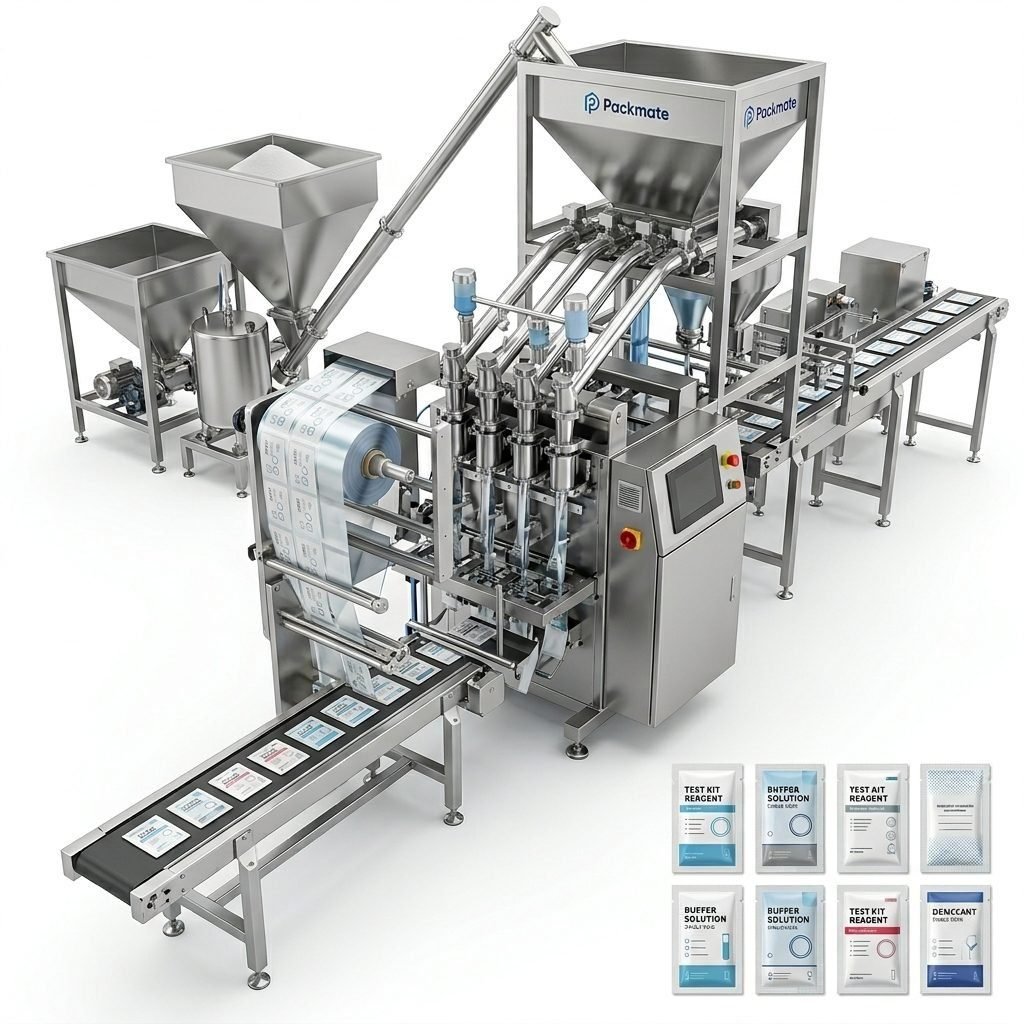
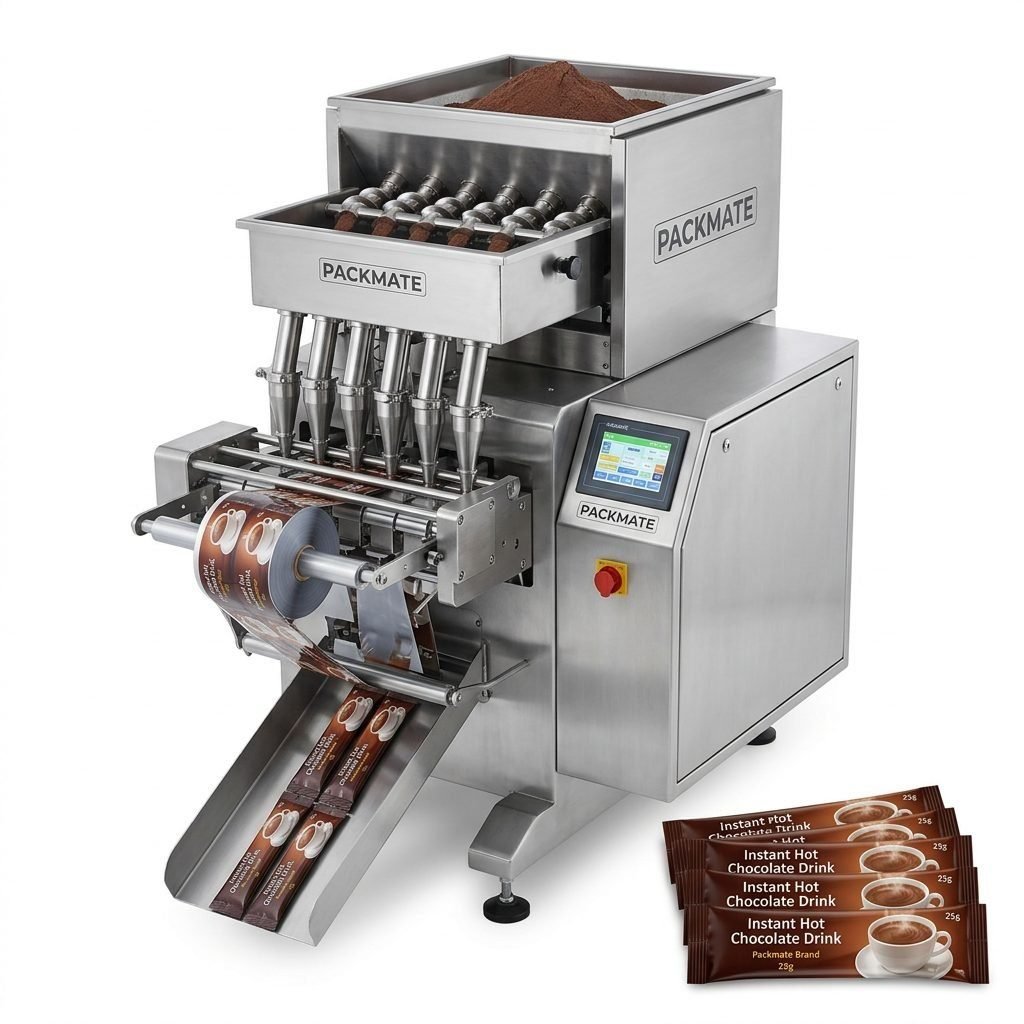
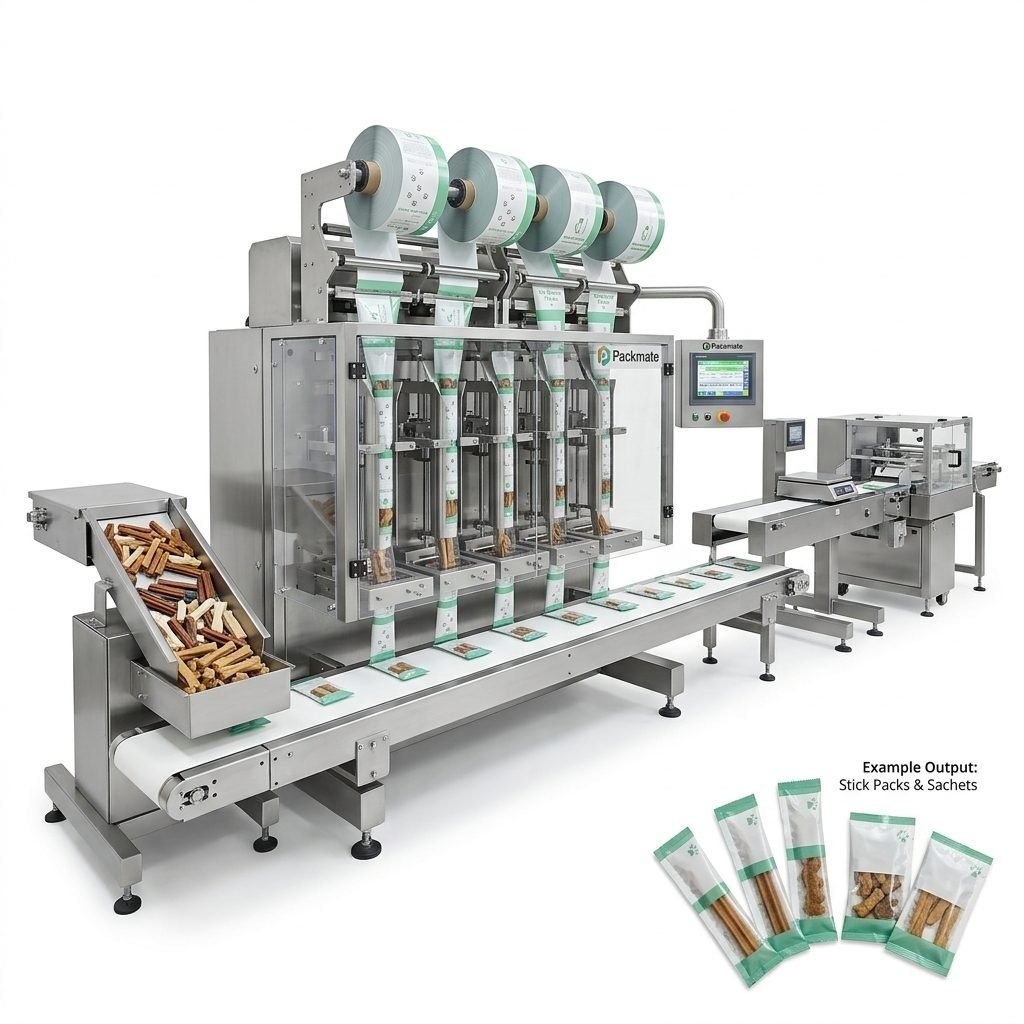
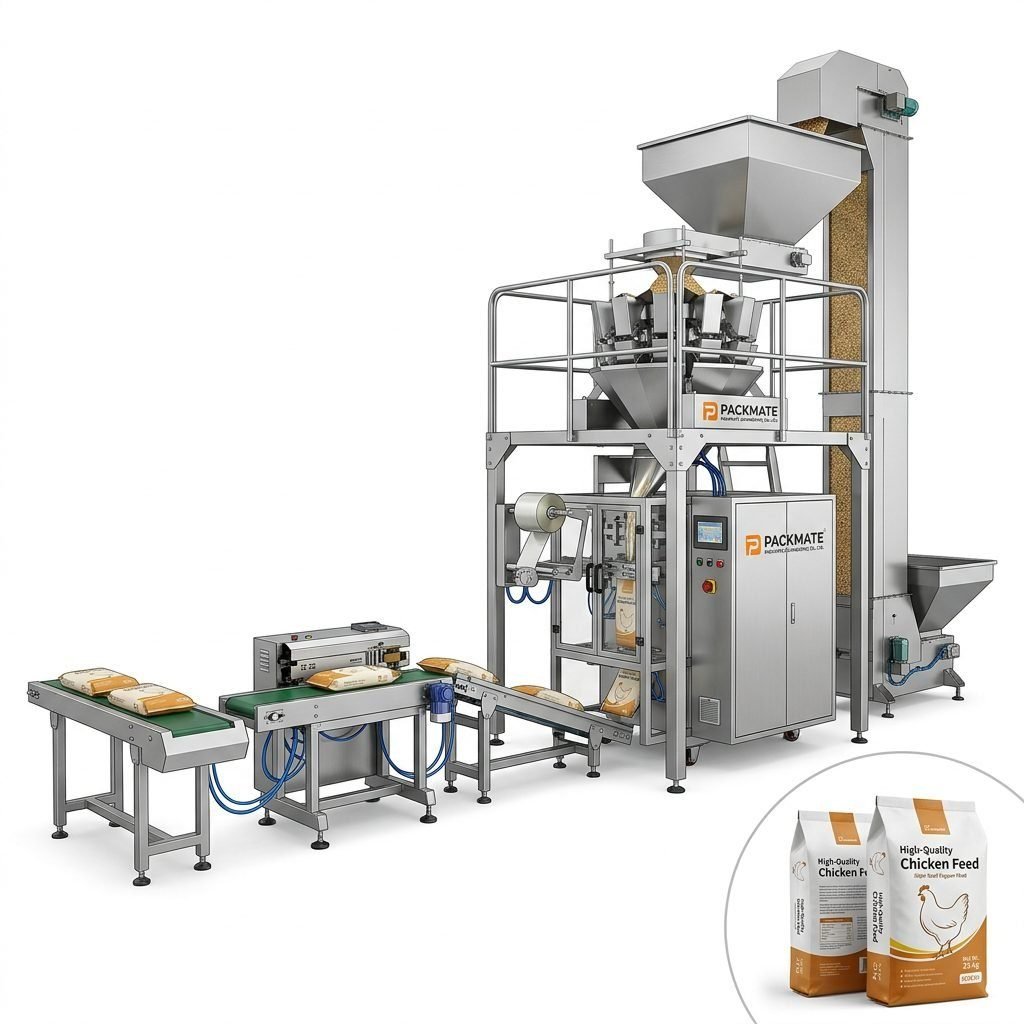
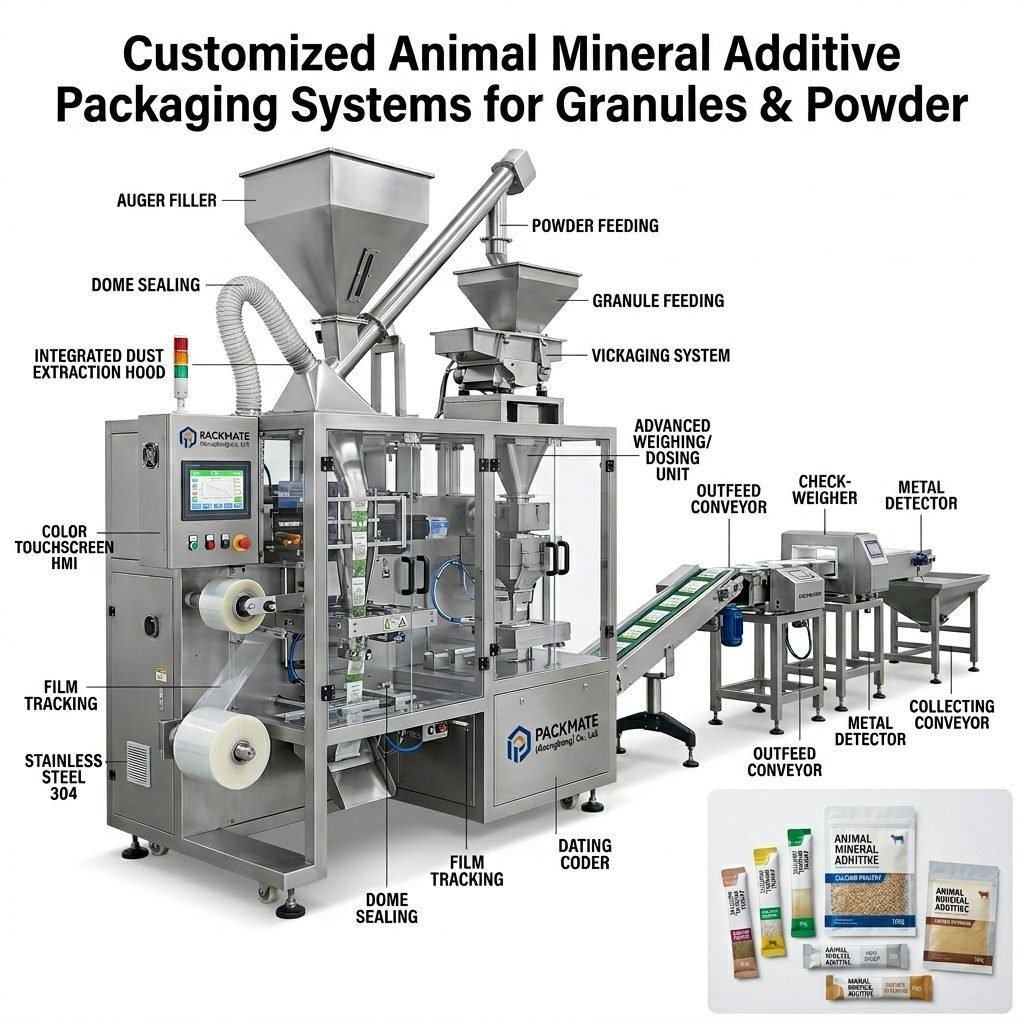
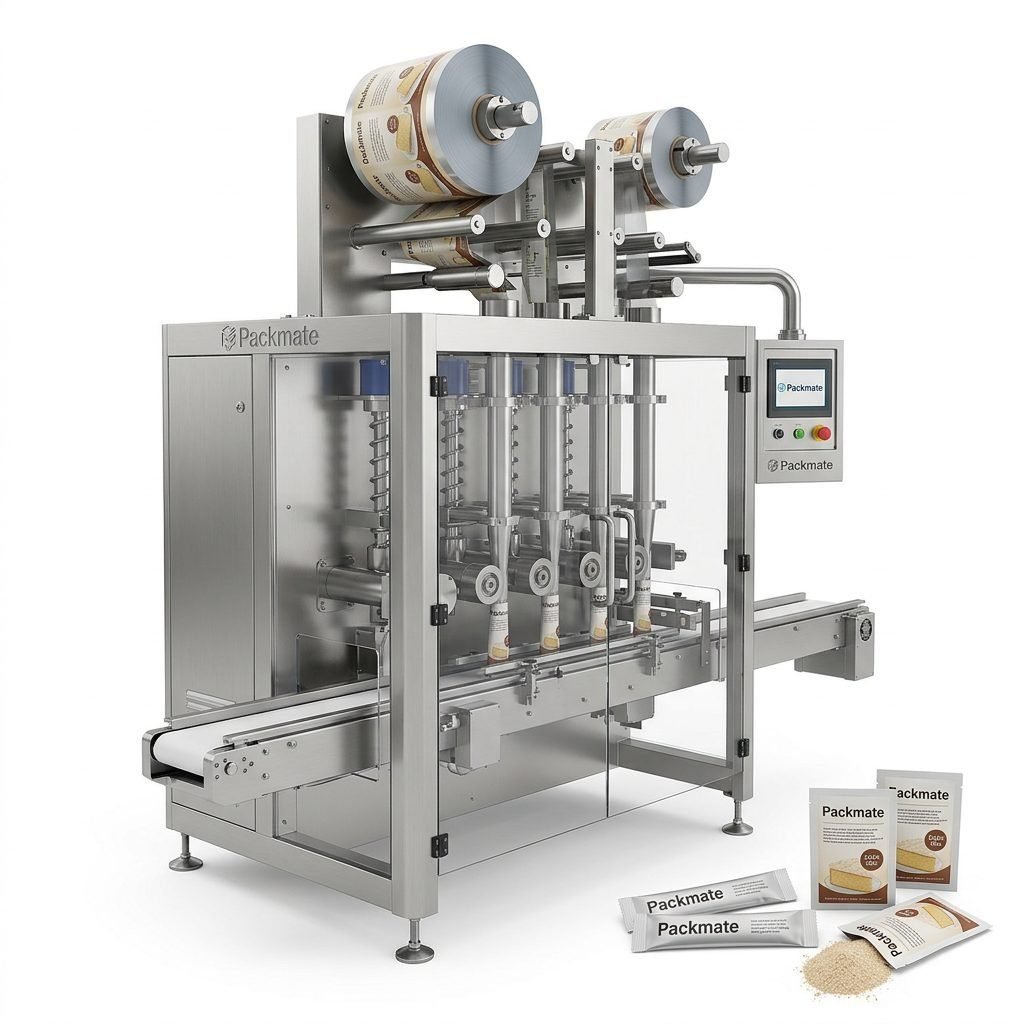
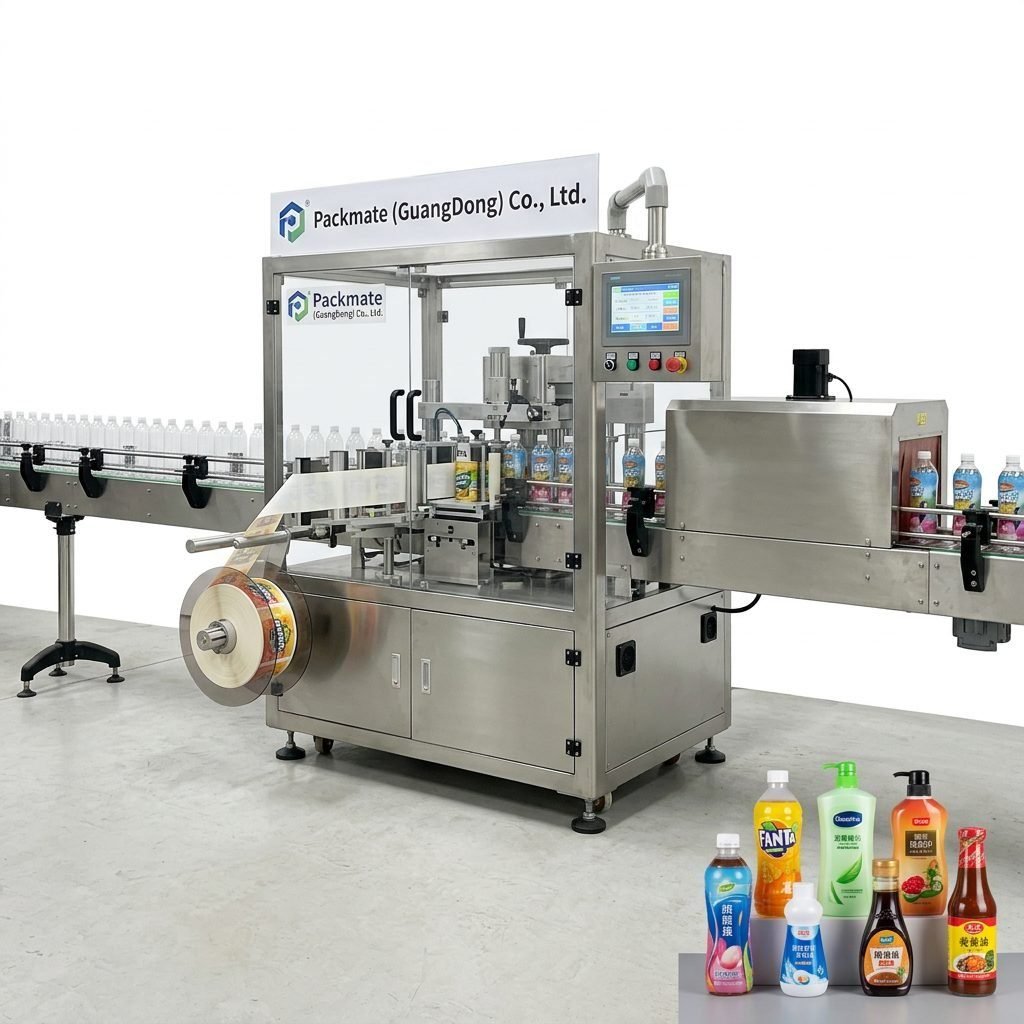
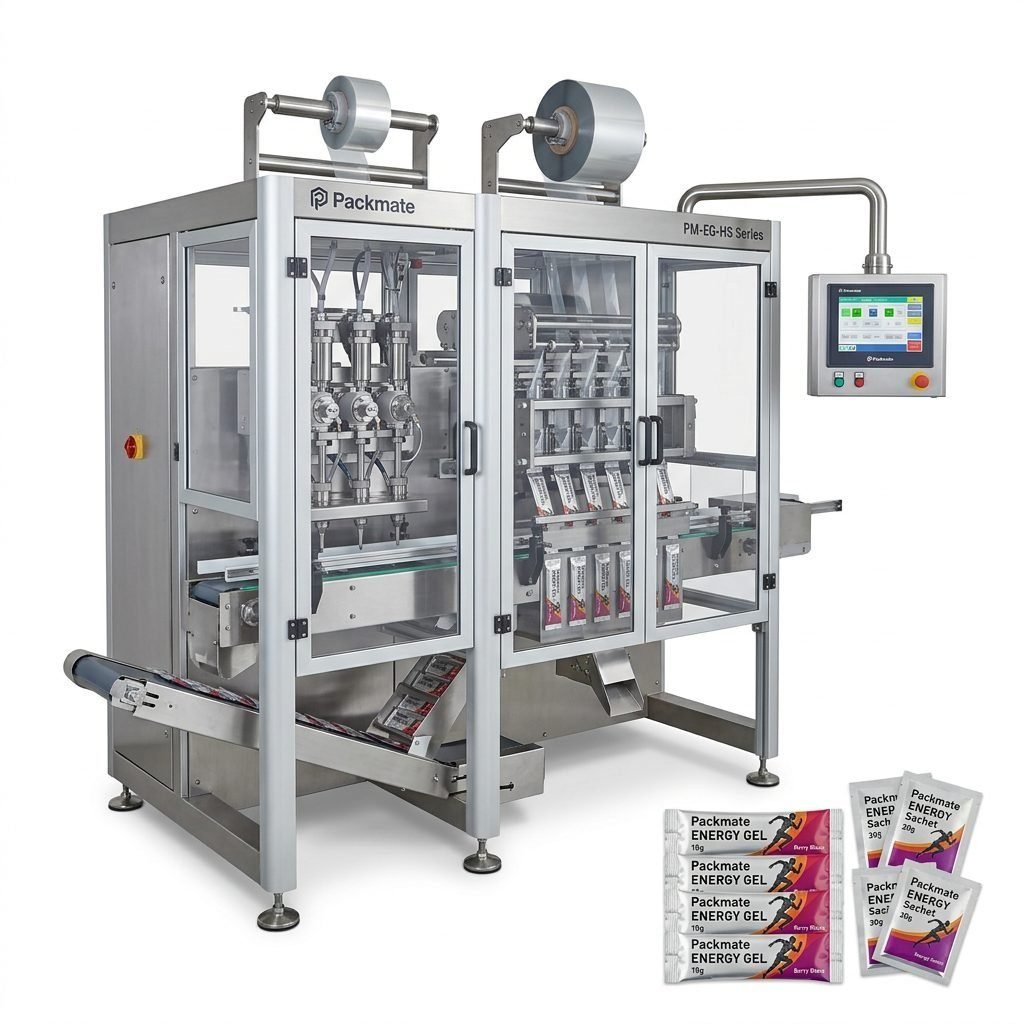
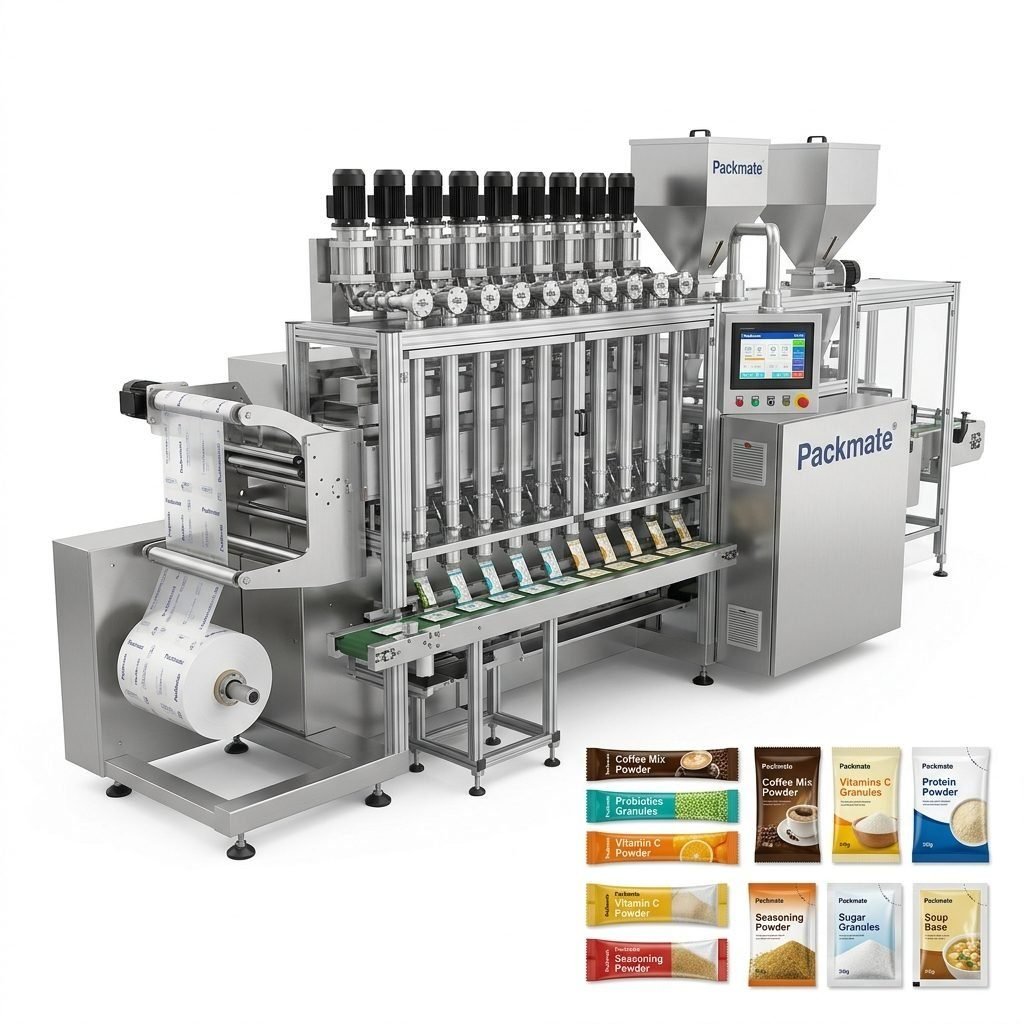
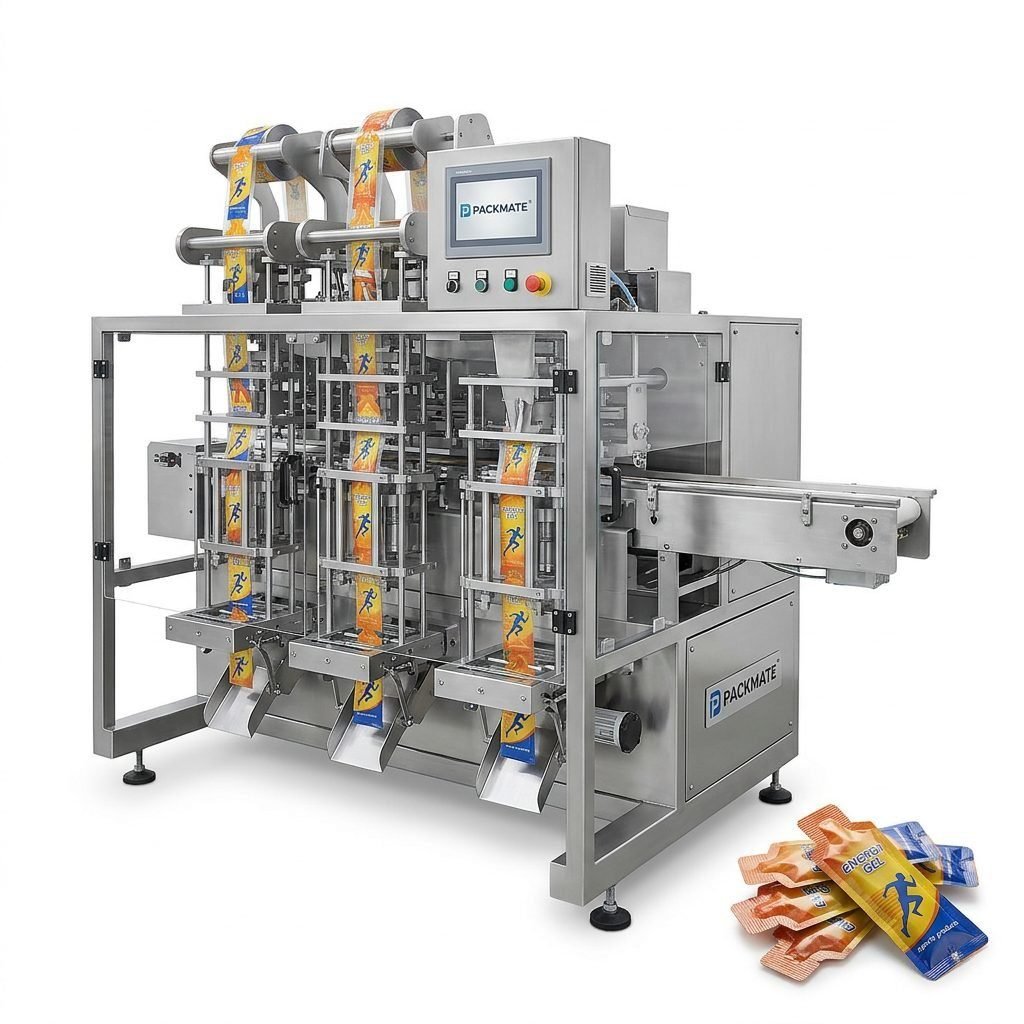
Robotic packaging is not a one-size-fits-all technology. Leading manufacturers, such as Packmate Machinery, develop specialized equipment for different product forms. For granules and powders, systems feature precise weigh-fill-seal technology. For liquids, hygienic, drip-free filling nozzles integrated with robotic arms ensure clean and efficient packaging. This specialization ensures optimal performance whether you are packaging coffee sticks, protein powder sachets, or liquid supplements.
Exploring specific machine types is essential for finding the right fit. For instance, high-speed sachet and stick pack machines are ideal for single-serve portions, while robust bag and pouch packaging machines handle larger volumes for retail. For complete line integration, sophisticated filling and packaging lines combine multiple robotic processes into a seamless, turnkey solution.
The Technology Behind the Efficiency
Modern robotic packaging equipment leverages several core technologies. Vision-guided robotics use cameras and sensors to identify product position and orientation, allowing for precise pick-and-place operations. Advanced servo motors provide smooth, high-speed motion control, enabling complex packaging patterns and gentle product handling. Integrated PLC (Programmable Logic Controller) systems offer user-friendly interfaces for quick changeovers between different product sizes or packaging formats, maximizing line flexibility.
Implementation Consideration:
Successful integration requires careful planning. Factors such as factory layout, existing conveyor systems, product characteristics, and desired output speed must all be analyzed. Partnering with an experienced provider who offers comprehensive support—from initial consultation and factory layout design to installation, training, and after-sales service—is crucial for a smooth transition and long-term ROI.
Driving Sustainable Operations
Beyond efficiency, robotic packaging contributes significantly to sustainability goals. Precise material application reduces film and substrate waste. Consistent sealing minimizes product spoilage. Furthermore, the energy efficiency of modern servo-driven systems often outperforms older pneumatic machinery, lowering the overall carbon footprint of the packaging operation. This alignment with environmental, social, and governance (ESG) principles is increasingly important for global brands.
The Future of Packaging Automation
The evolution continues toward even greater intelligence. The integration of Internet of Things (IoT) connectivity allows for real-time monitoring of machine performance, predictive maintenance alerts, and data analytics to optimize overall equipment effectiveness (OEE). The future points to fully lights-out factories where robotic packaging lines operate with minimal human intervention, driven by data and artificial intelligence to self-optimize for peak performance.
Frequently Asked Questions (FAQs)
1. What types of products are best suited for robotic packaging equipment?
Robotic packaging is highly versatile. It is exceptionally well-suited for food items (snacks, powders, liquids), pharmaceuticals (pills, powders, sachets), health and wellness products (supplements, teas), and fast-moving consumer goods (FMCG). Any product that requires high-volume, consistent, and hygienic packaging can benefit from automation.
2. How does robotic packaging improve accuracy and reduce waste?
Robotic systems use precision servo motors and vision systems to handle and place products with sub-millimeter accuracy. This precision ensures exact filling volumes, perfect seal placement, and proper package formation, drastically reducing giveaway (overfilling) and eliminating defective seals that lead to product waste.
3. What is the typical ROI period for investing in such equipment?
The Return on Investment period varies based on scale, labor costs, and previous efficiency levels. Typically, businesses see an ROI within 1 to 3 years through savings on labor, increased output, reduced waste, and lower costs associated with product recalls or quality issues.
4. Can robotic packaging lines handle quick changeovers for different products?
Yes, modern lines are designed for flexibility. With digital recipes stored in the PLC, changeovers for different package sizes or products can often be executed in minutes rather than hours. This is essential for manufacturers running multiple SKUs on the same production line.
5. How important is after-sales service and support when choosing a supplier?
Extremely important. Reliable technical support, readily available spare parts, and comprehensive operator training are critical for maintaining uptime and protecting your investment. Choosing a supplier with a strong global service network, like Packmate’s dedicated service team, ensures long-term operational success and peace of mind.