In today’s fast-paced manufacturing world, efficiency and consistency are paramount. For businesses handling powders, granules, liquids, or small solid items, an automatic film packaging machine is no longer a luxury but a critical component for scaling production, ensuring product integrity, and maintaining a competitive edge. This complete guide will walk you through everything you need to know about these machines, from how they work and their key benefits to essential buying tips that will help you make a smart investment for your operation.
What is an Automatic Film Packaging Machine?
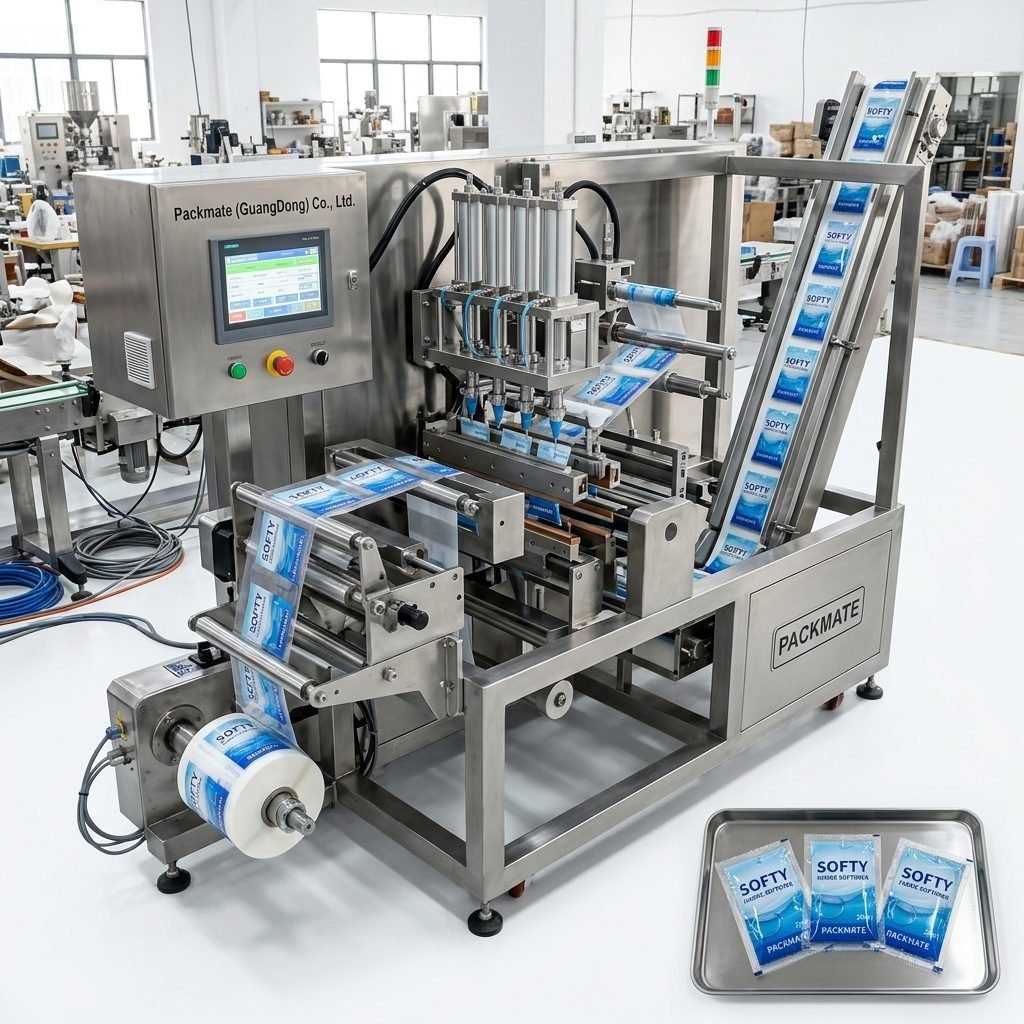
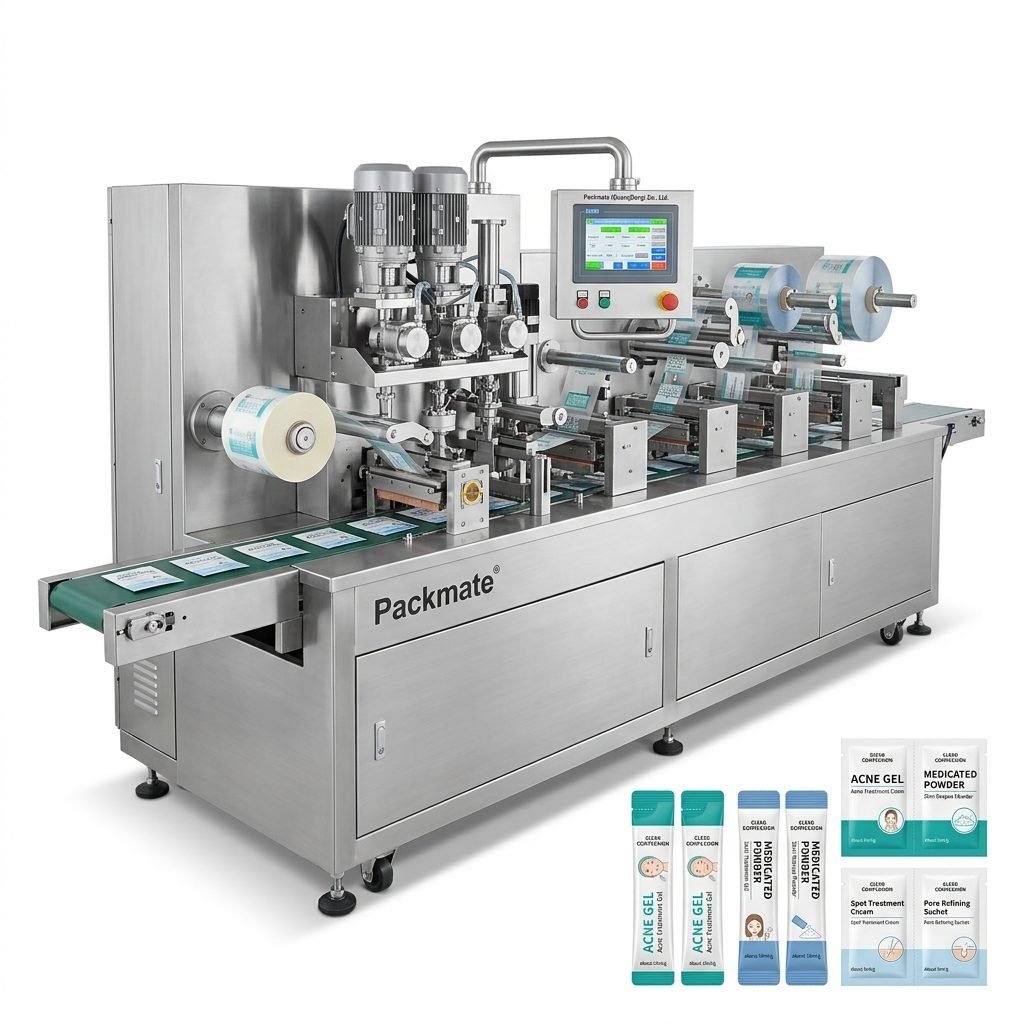
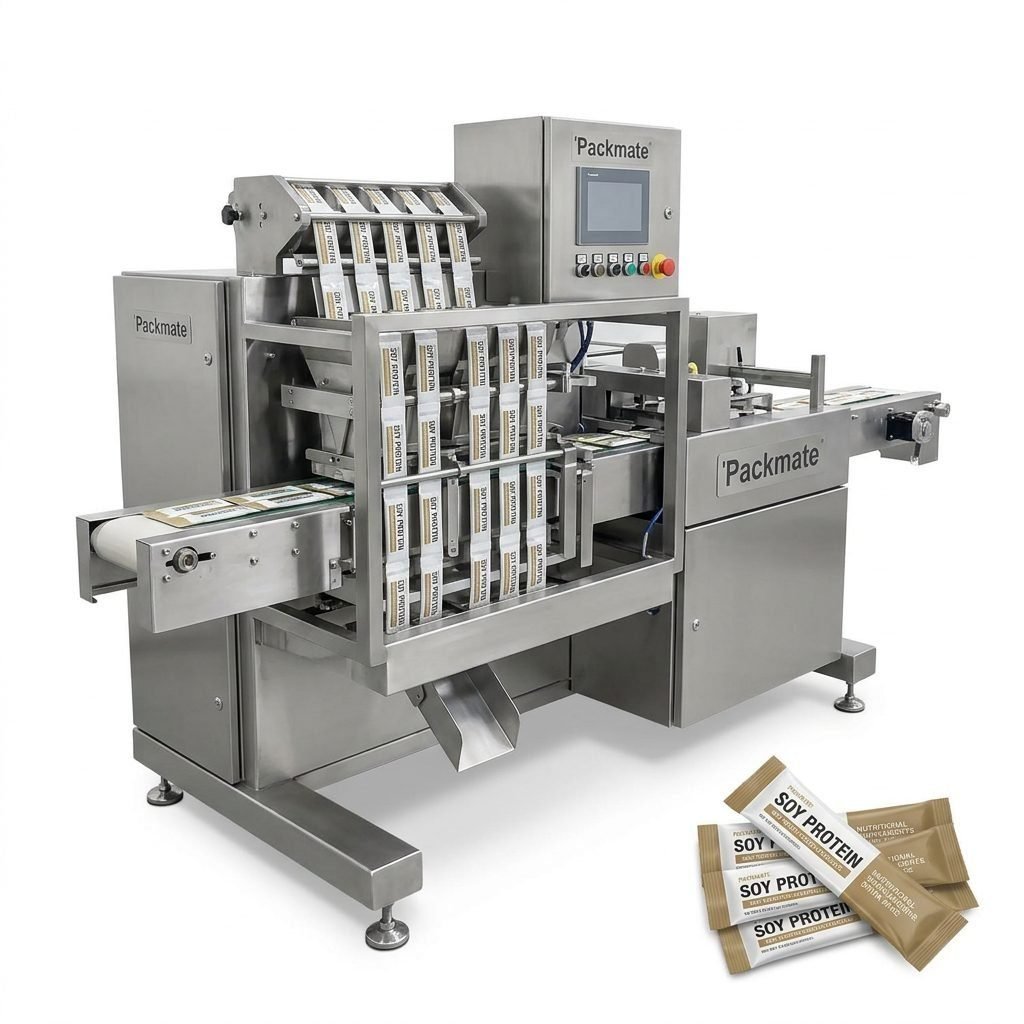
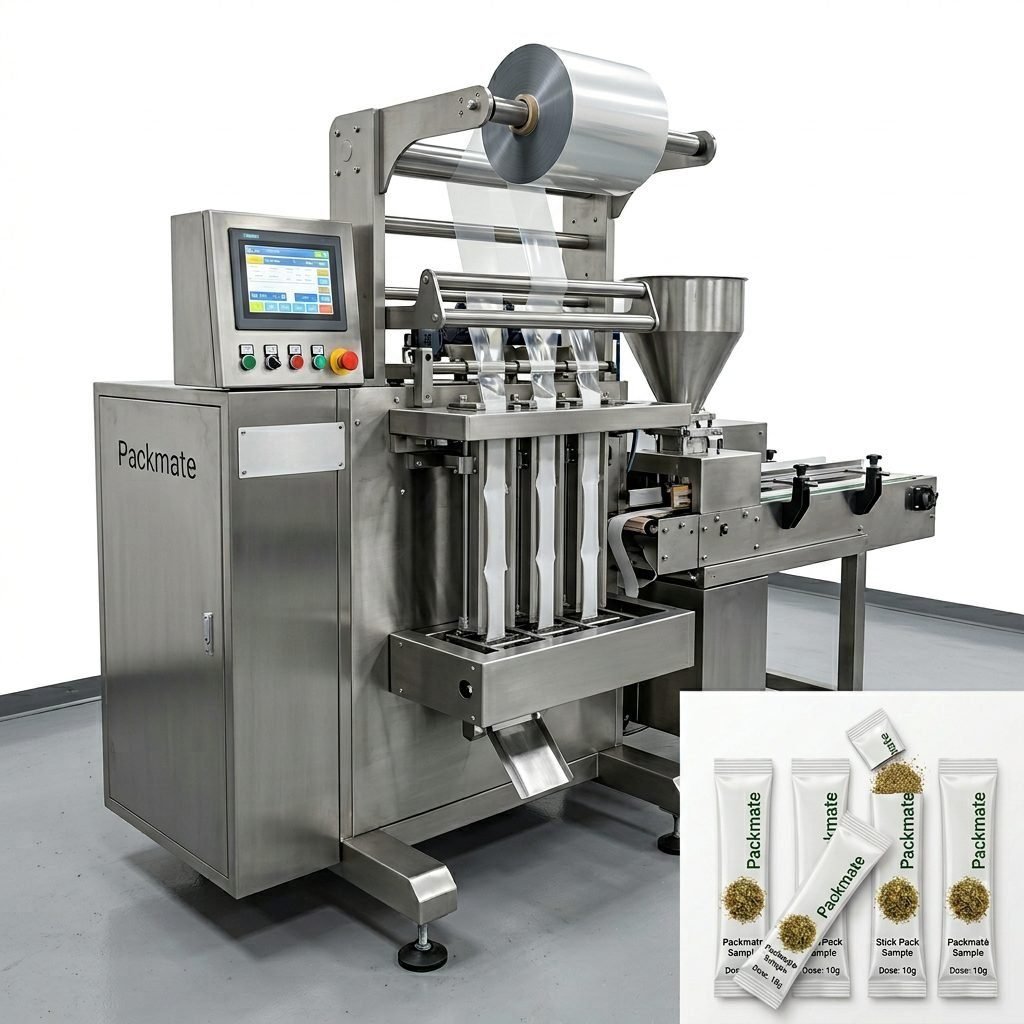
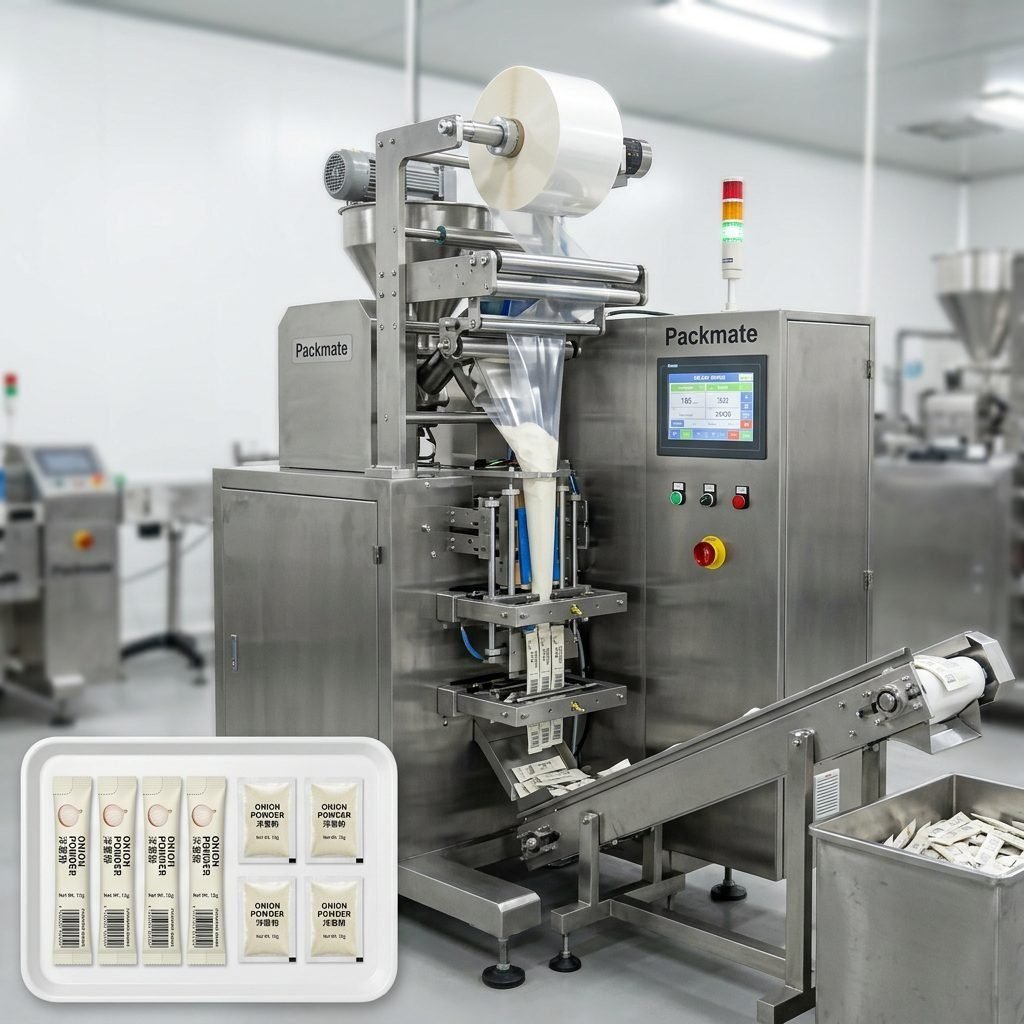
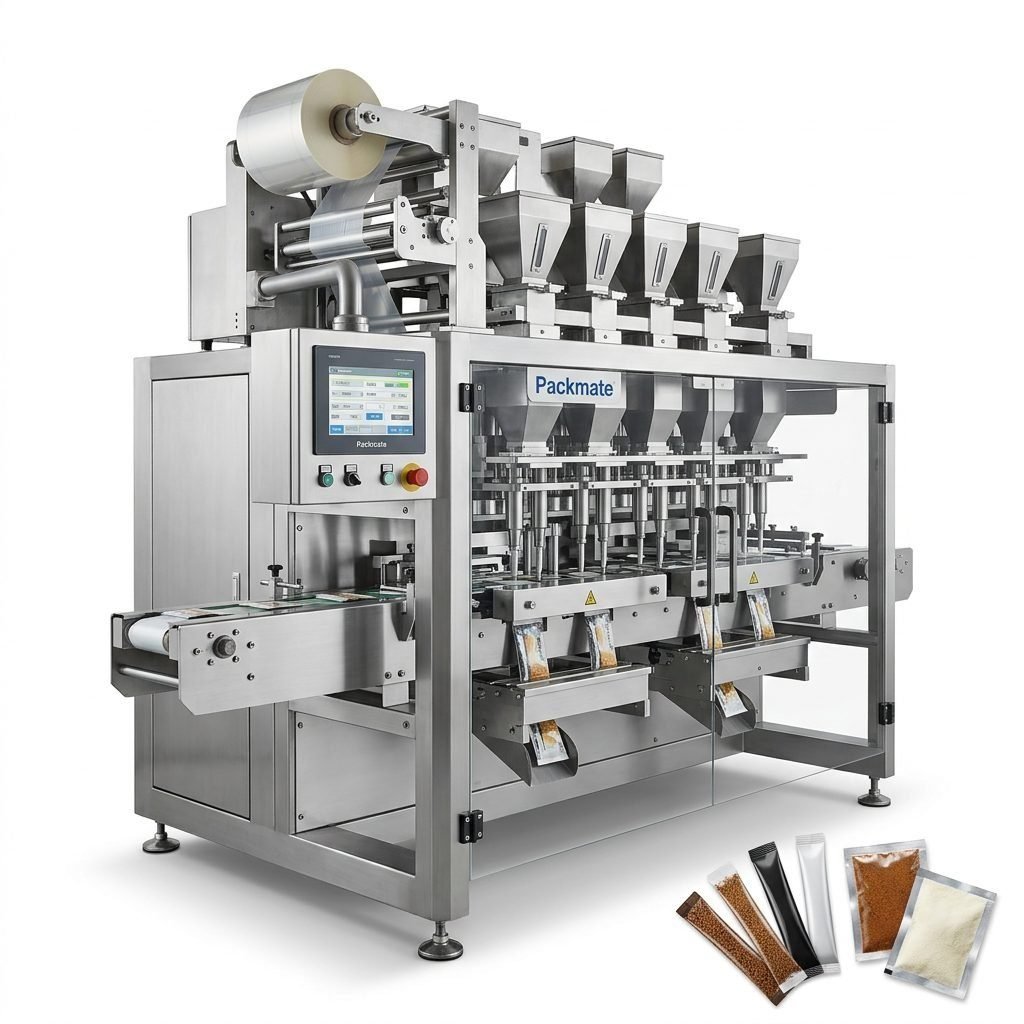
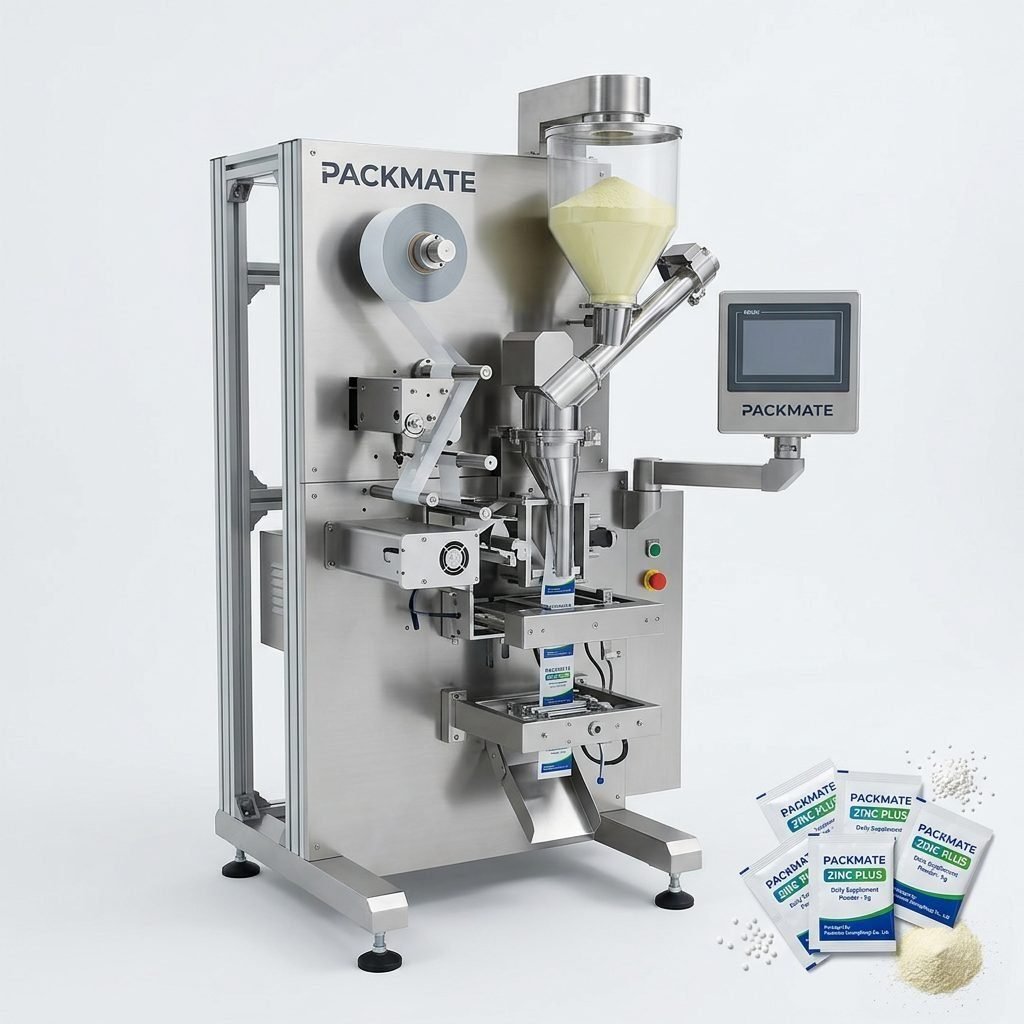
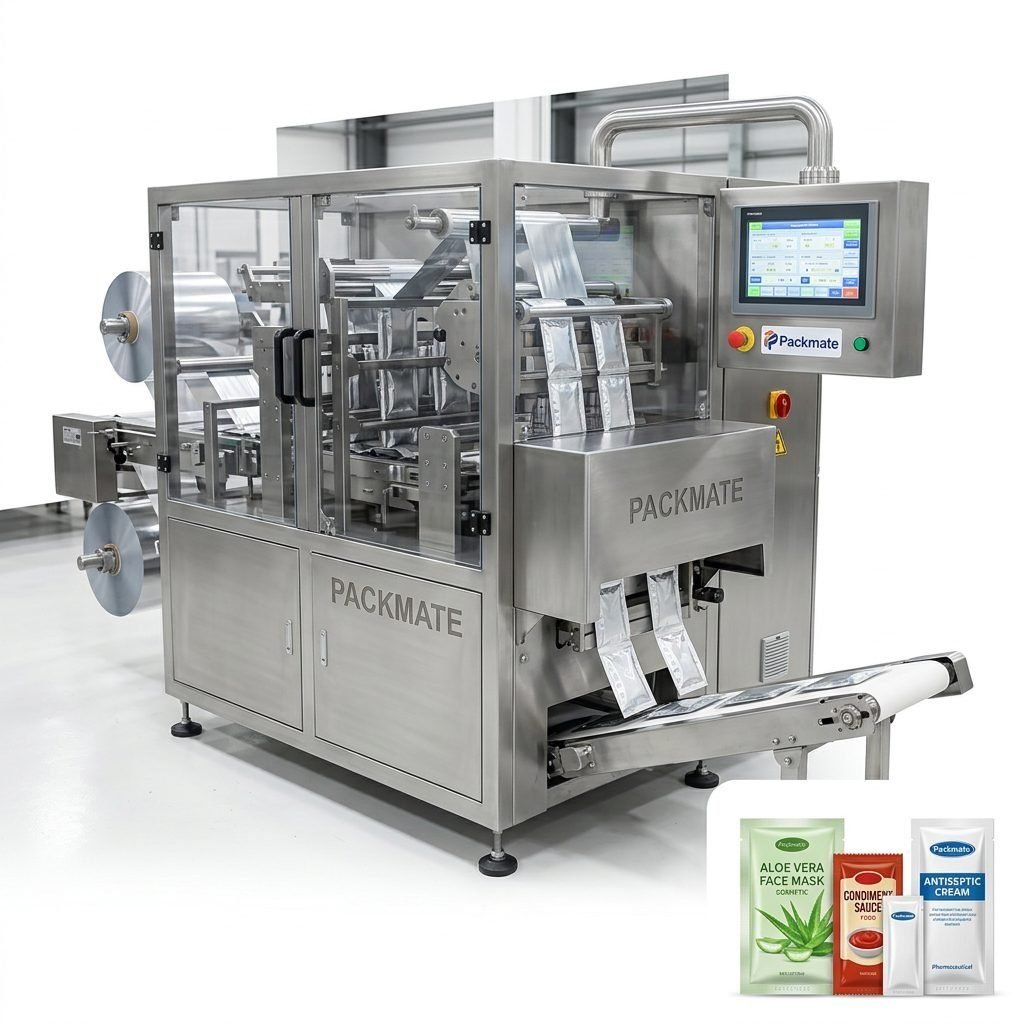
An automatic film packaging machine is a sophisticated piece of industrial equipment designed to form, fill, and seal packages from a roll of flexible film material. Unlike semi-automatic machines that require manual intervention, these systems automate the entire process—from feeding the film and measuring the product to creating the final sealed pouch or sachet. They are the workhorses behind countless everyday products, including coffee sticks, seasoning sachets, pharmaceutical powders, detergent portions, and snack foods. The core principle involves a continuous motion where the film is drawn into the machine, formed into a tube, filled with a precise amount of product, and then sealed and cut into individual packs.
Core Components and Workflow
Understanding the basic components demystifies the process. A typical machine includes a film unwind stand to hold the roll, a forming collar that shapes the flat film into a tube, a vertical sealing mechanism to create the back seam, a product feeding system (like auger fillers for powders or volumetric cups for granules), and a set of horizontal sealing jaws that create the top and bottom seals while cutting the individual packs. The entire sequence is controlled by a Programmable Logic Controller (PLC), ensuring precise timing and repeatability for every single package produced.
Key Advantages of Automating Your Packaging Line
Investing in automation delivers tangible returns across your business. The most immediate benefit is a massive increase in output speed. Machines can produce hundreds, even thousands, of packs per minute, far surpassing manual capabilities. This directly translates to lower labor costs and allows skilled workers to be redeployed to more value-added tasks. Furthermore, automation ensures unmatched consistency and accuracy in both fill weight and seal quality, drastically reducing product giveaway and minimizing the risk of leaks or spoilage. This level of precision is crucial for compliance in regulated industries like pharmaceuticals or food. Finally, modern machines offer incredible flexibility, often allowing for quick changeovers between different pack sizes or film types, enabling producers to respond swiftly to market demands. For a deeper look at specific machine types that offer these advantages, explore our range of Sachet & Stick Pack Machines.
Operational Benefits at a Glance:
- High Speed & Output: Achieve production rates impossible with manual labor.
- Cost Reduction: Save on long-term labor costs and reduce material waste.
- Perfect Consistency: Every pack has identical weight, appearance, and seal integrity.
- Enhanced Hygiene: Closed, automated systems minimize human contact, ideal for food and pharma.
- Data Tracking: Many machines offer production counting and basic OEE (Overall Equipment Effectiveness) data.
Critical Buying Tips for Your Investment
Choosing the right machine is a significant decision. Rushing into a purchase without proper analysis can lead to costly downtime and unmet production goals. Here is a structured approach to guide your selection process.
1. Pre-Purchase Checklist: Know Your Needs
Before you even look at models, clearly define your requirements. Start with your product characteristics: Is it a free-flowing powder, an abrasive granule, a viscous liquid, or a small solid? This determines the filling system. Next, specify your packaging specifications: desired pack size (width and length), film material (PET/PE, AL foil, laminate), and required seal type (such as a 4-side seal pouch or a 3-side seal sachet). Then, calculate your production targets in packs-per-minute (PPM) and consider future growth. Finally, assess your factory conditions, including available floor space, power supply, and any necessary cleanroom or humidity controls.
2. Evaluating Machine Specifications and Features
With your checklist in hand, you can effectively compare machines. Scrutinize the construction quality and materials. Stainless steel contact parts are essential for food and pharmaceutical-grade production. Examine the filling system’s accuracy—auger fillers with servo drives offer the highest precision for powders. Check the sealing technology: do the jaws provide consistent temperature and pressure? Also, consider ease of use and changeover. A user-friendly HMI (Human-Machine Interface) and tool-less adjustments for pack size can save hours of downtime. For complex production lines involving multiple stages, investigate integrated Filling & Packaging Lines.
3. The Importance of Supplier Reliability and Support
The machine is only as good as the company behind it. Prioritize suppliers with a proven track record and strong reputation. Look for a manufacturer with extensive industry experience and a portfolio of successful installations. Comprehensive after-sales support is non-negotiable; this includes installation supervision, thorough operator training, readily available spare parts, and responsive technical service. A reliable partner will offer a clear warranty and be willing to conduct product tests with your materials before purchase. At Packmate Machinery, our 30+ years of expertise in building intelligent packaging solutions ensure we stand by our machines and our clients every step of the way.
Red Flags to Avoid When Selecting a Supplier:
- Vague or non-existent documentation (manuals, technical drawings).
- Unwillingness to provide references or a factory tour.
- No clear protocol for installation, training, or after-sales service.
- Extremely low price that seems too good to be true—often indicative of poor component quality.
- Inability or refusal to run a test with your specific product and film.
Future-Proofing Your Packaging Operation
The packaging industry is evolving rapidly. When investing in capital equipment, it’s wise to consider future needs. Look for machines that offer modularity and scalability. Can you easily add a date coder, checkweigher, or metal detector later? Consider the potential for integration with Industry 4.0 systems—machines with connectivity options for data export (like production counts, downtime reasons) can provide valuable insights for optimizing your entire line. Furthermore, staying informed about sustainable packaging trends, such as using recyclable or compostable mono-material films, will ensure your operation remains compliant and market-relevant. The right Weighing & Packaging System can be a central part of this efficient, data-driven future.
Selecting and implementing an automatic film packaging machine is a strategic move that boosts productivity, quality, and profitability. By thoroughly understanding your own product and production needs, carefully evaluating machine capabilities and build quality, and partnering with a reputable and supportive supplier like Packmate Machinery, you can secure a solution that will drive your business forward for years to come. The initial investment is substantial, but the long-term gains in efficiency, consistency, and cost savings make it a cornerstone of modern, competitive manufacturing.
Frequently Asked Questions (FAQs)
What is the typical lifespan of an automatic film packaging machine?
With proper maintenance and operation, a well-built automatic film packaging machine from a reputable manufacturer can have a lifespan of 10 to 15 years or more. Key factors include the quality of components (like seals and bearings), adherence to preventive maintenance schedules, and the operating environment (avoiding excessive dust, moisture, or corrosion).
Can one machine handle different types of products and pack sizes?
Yes, most modern machines are designed with flexibility in mind. They can often be configured with different filling systems (e.g., interchangeable augers or pumps) and allow for tool-less or quick-change adjustments to the forming tube and sealing jaw widths to accommodate various pack sizes. However, significant product changes (e.g., from powder to liquid) may require more extensive reconfiguration or different machine modules.
How important is it to test my product on the machine before buying?
It is highly recommended and often critical. A production test run allows you to verify filling accuracy, sealing integrity with your specific film material, and the overall machine speed with your product. It de-risks the purchase and ensures the machine is perfectly suited to your application. Reputable suppliers like Packmate actively encourage and facilitate these tests.
What kind of maintenance do these machines require?
Maintenance is essential for longevity and uptime. It includes daily cleaning to remove product dust/residue, regular lubrication of moving parts as per the manual, periodic inspection and replacement of wear parts (like sealing jaw Teflon covers, gaskets, and cutter blades), and calibration of the weighing system. A good supplier will provide a detailed maintenance checklist and schedule.
Where can I find technical support and spare parts after purchase?
This is a key part of choosing your supplier. Ensure your manufacturer or their authorized local agent provides accessible technical support (via phone, email, or remote access) and stocks common spare parts. At Packmate, we offer comprehensive global service support and maintain a robust inventory of spare parts to minimize any potential downtime for our clients. You can learn more about our commitment through our Service page.