In the fast-paced world of manufacturing and logistics, the right industrial packaging machine is not just a tool—it’s a strategic asset. These machines form the backbone of countless industries, ensuring products are protected, presented, and delivered efficiently. From food and pharmaceuticals to chemicals and consumer goods, the automation of packaging processes is critical for maintaining consistency, meeting high-volume demands, and adhering to stringent safety standards. This guide delves into the various types of industrial packaging machines, outlines their key benefits, and provides a comprehensive framework for making an informed purchase decision.
Core Types of Industrial Packaging Machines
The landscape of industrial packaging equipment is vast, with machines designed for specific functions, materials, and production speeds. Understanding the primary categories is the first step in identifying the right solution for your operation.
Filling and Sealing Machines
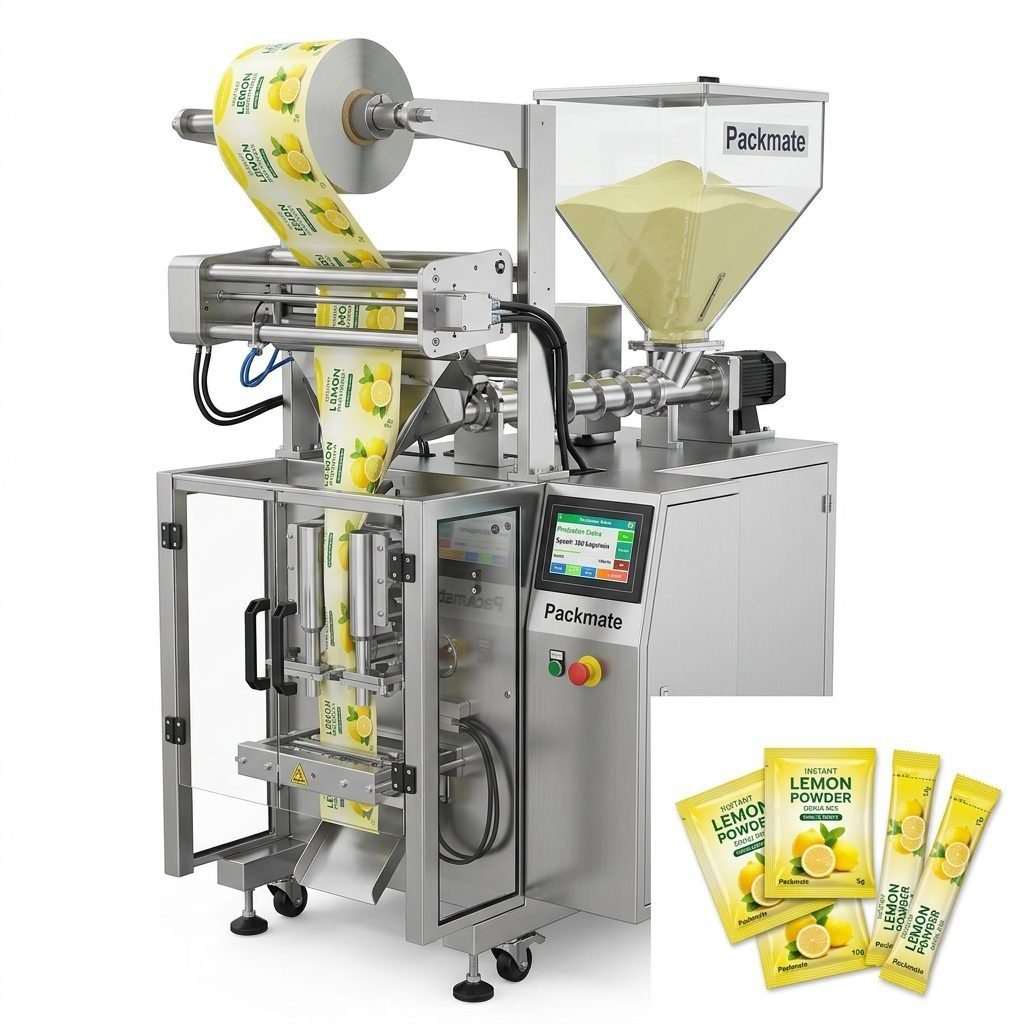
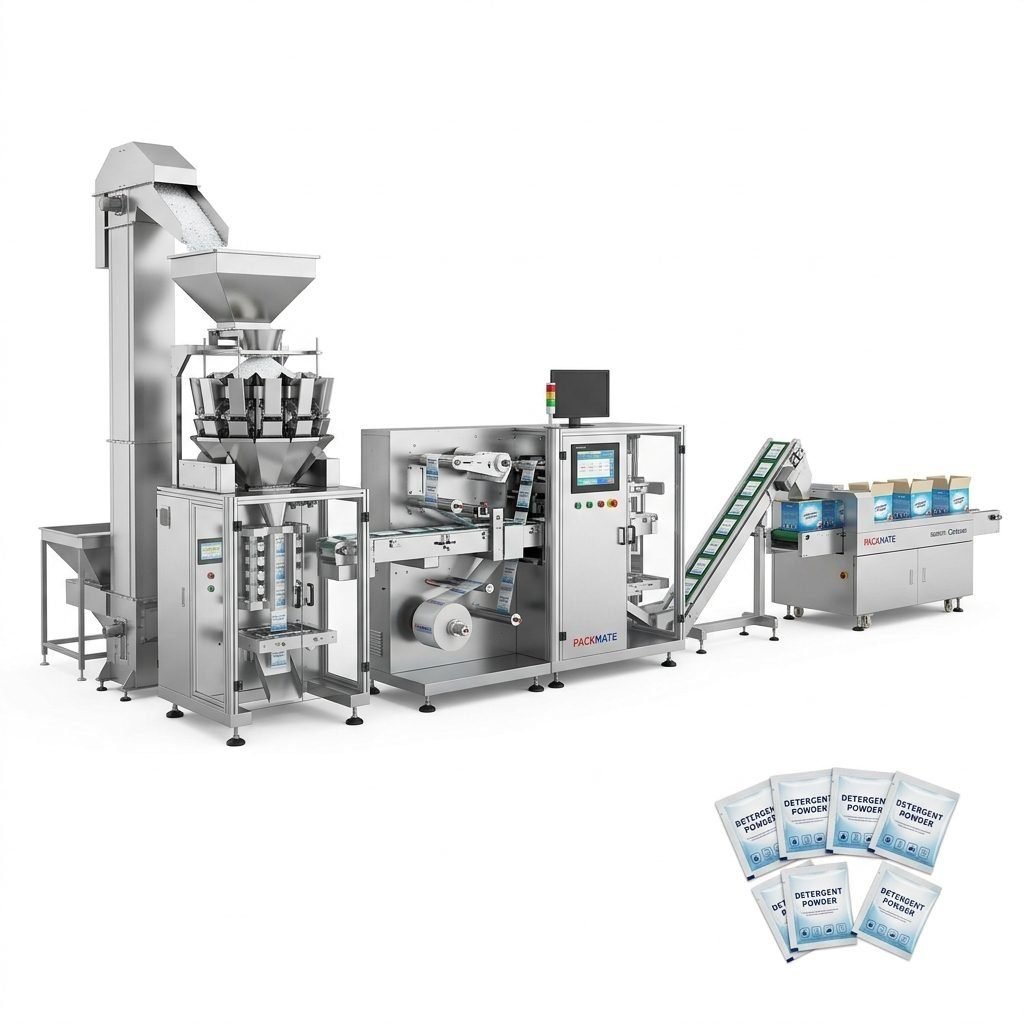
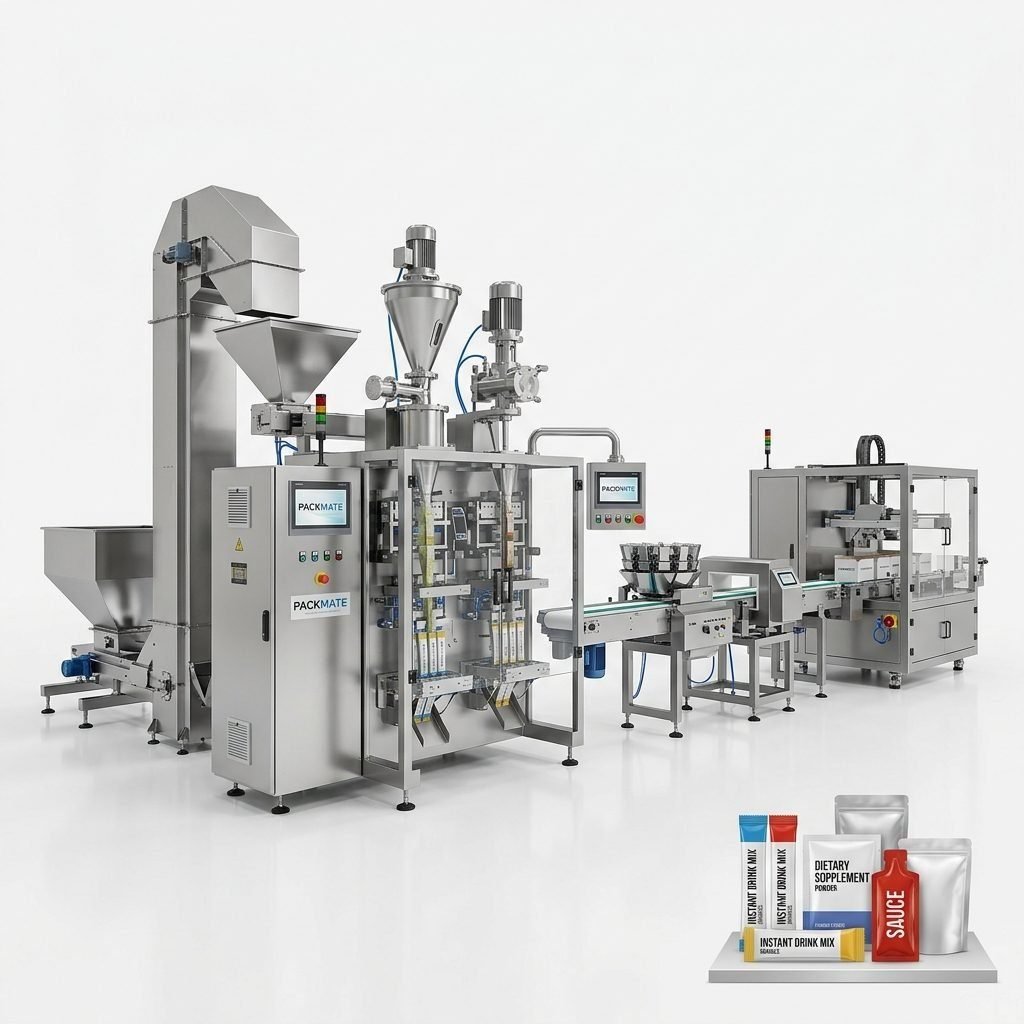
These are among the most common packaging machines, designed to accurately measure a product and deposit it into a container—be it a pouch, bottle, or can—before hermetically sealing it. They are essential for maintaining product freshness and preventing contamination. For granular products like coffee or powders like protein supplements, auger fillers offer precision, while liquid fillers handle everything from sauces to pharmaceuticals. A key player in this category is the complete filling and packaging line, which integrates multiple processes into one seamless system.
Key Consideration: The choice between volumetric, weigh-based, or level-sensing filling technology depends entirely on your product’s characteristics and the required accuracy. High-value products often necessitate more precise weighing systems.
Form-Fill-Seal (FFS) Machines
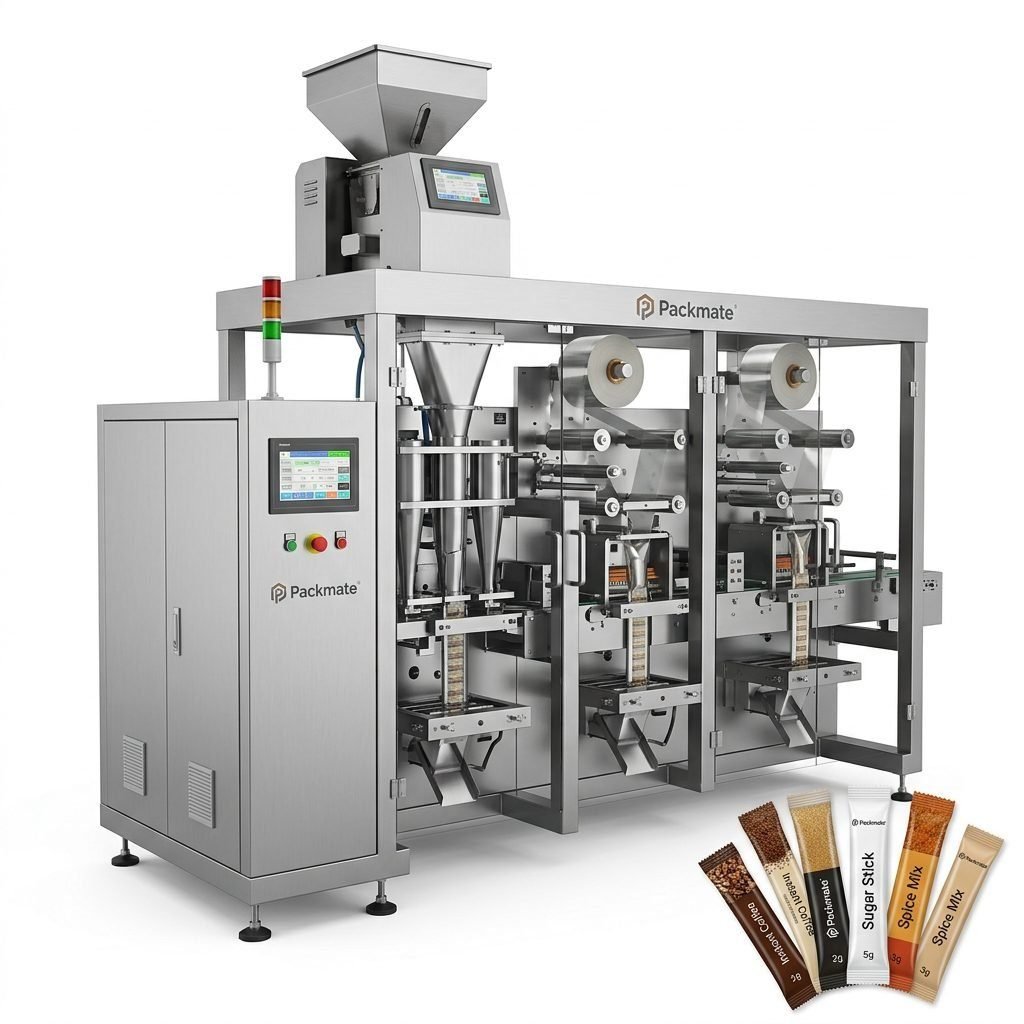
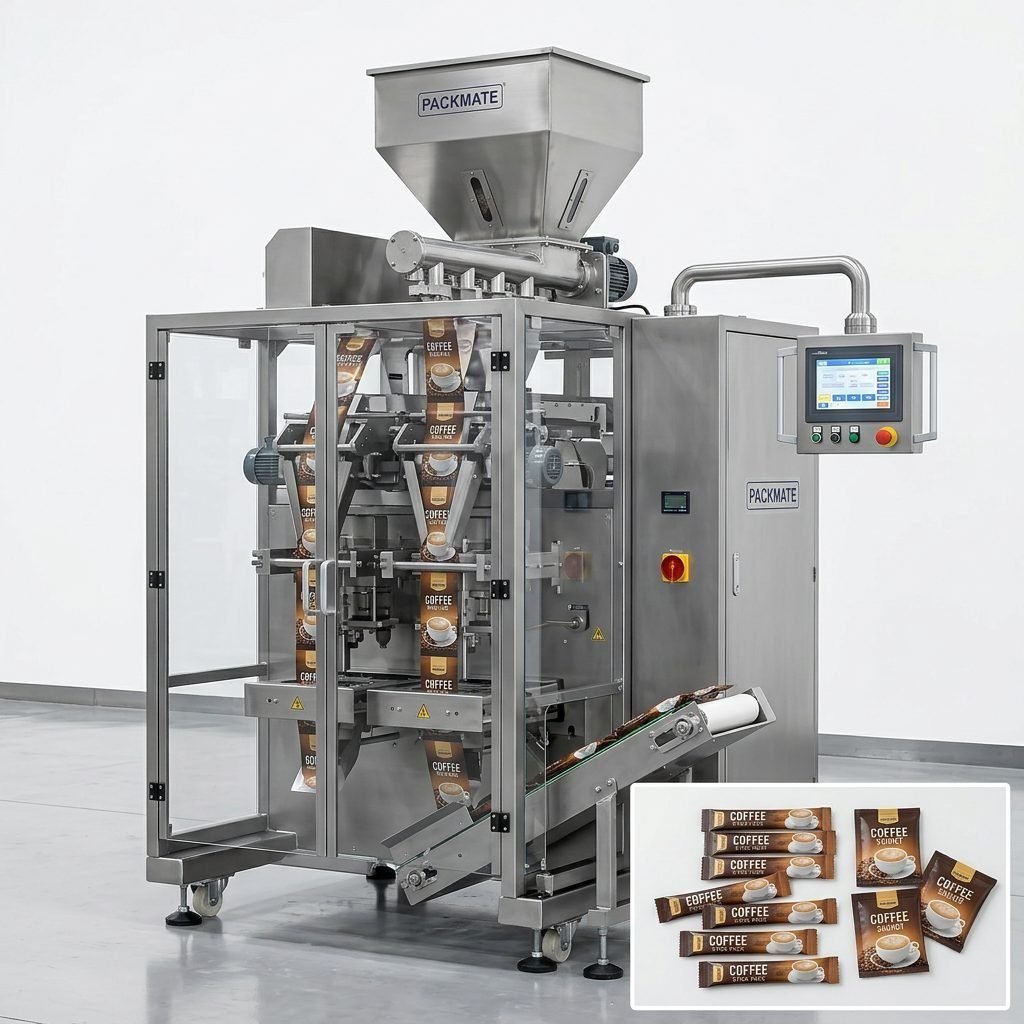
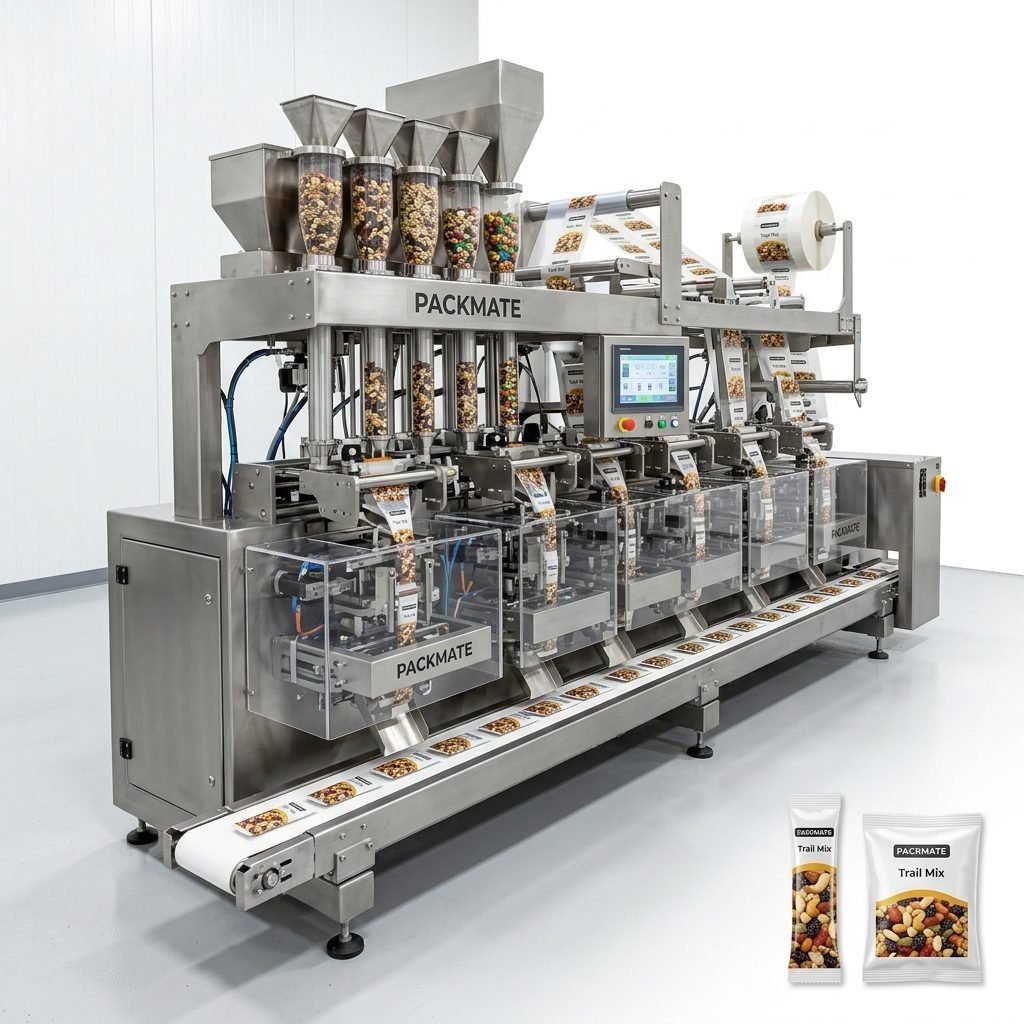
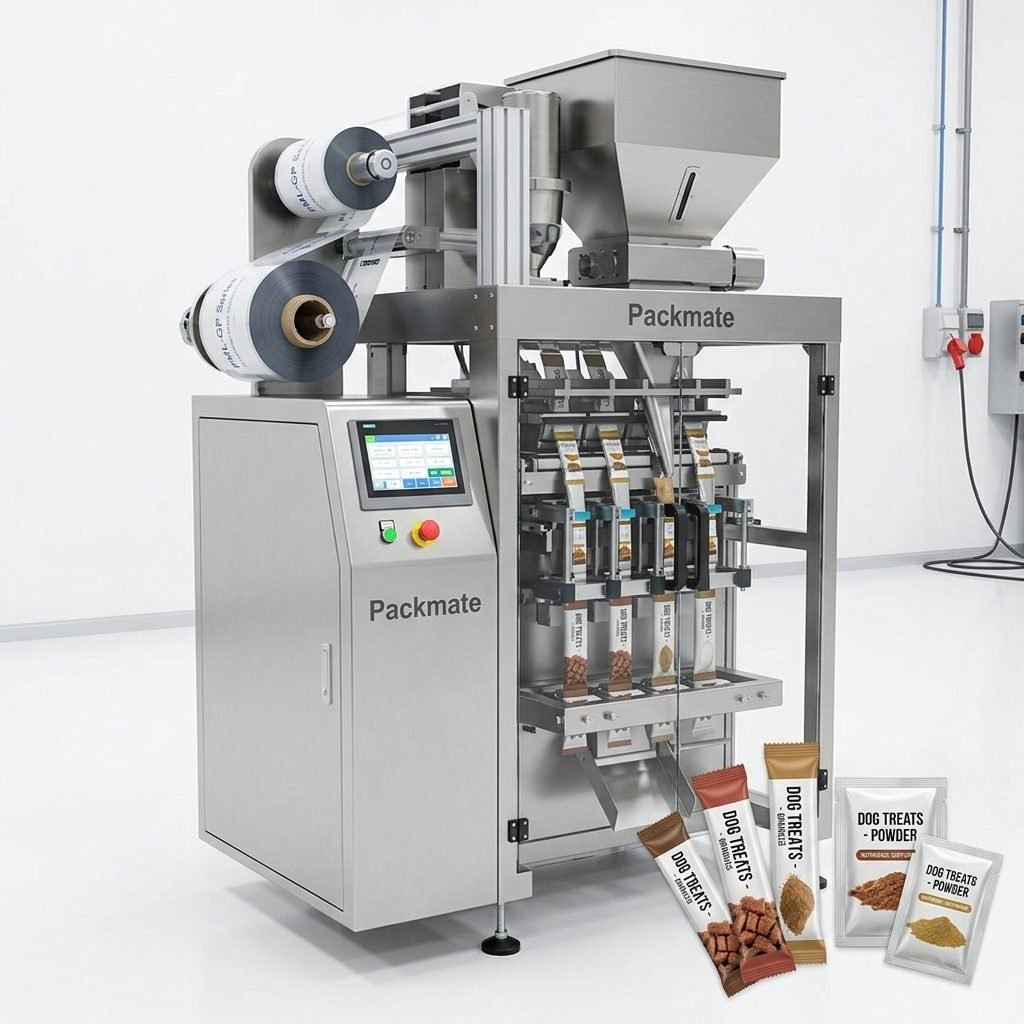
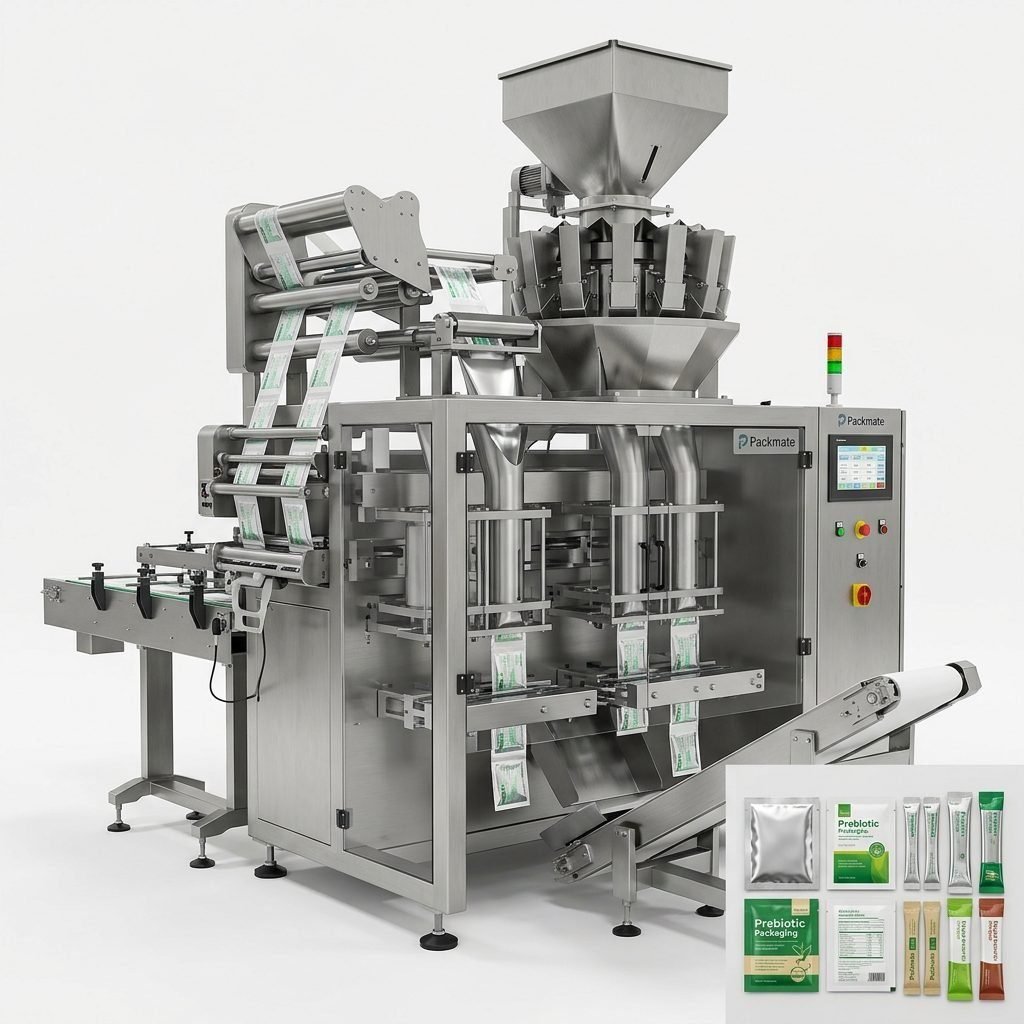
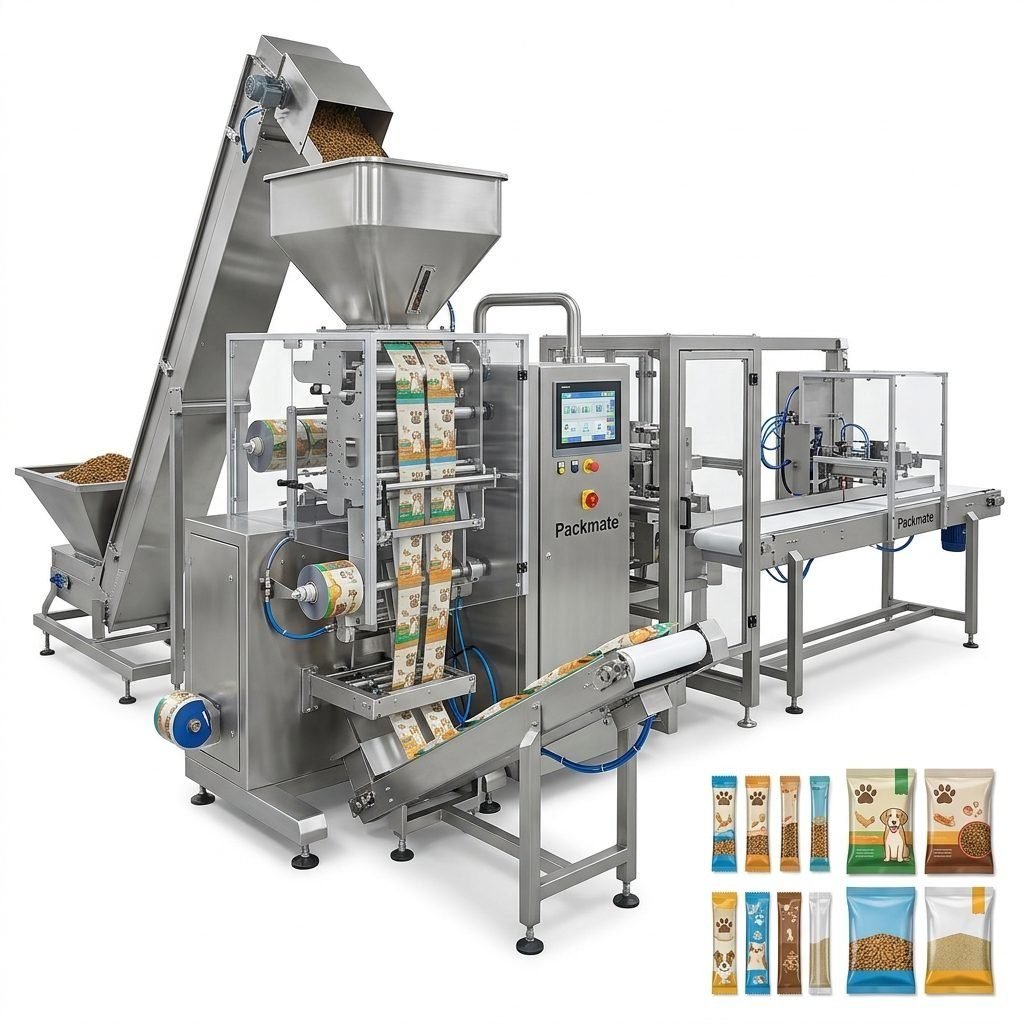
FFS machines represent a high level of automation by performing three functions: forming a bag from a roll of film, filling it with the product, and sealing it. This method is highly efficient and reduces material waste. They are ideal for creating sachets and stick packs for single-serve portions of ketchup, shampoo, or instant drinks, as well as larger bags for snacks or hardware items. Vertical FFS (VFFS) machines are common for loose products, while horizontal FFS (HFFS) is often used for arranging and wrapping multiple items.
Cartoning and Case Packing Machines
Once products are in their primary packaging, they often need to be grouped and placed into secondary packaging like cartons or cases. Cartoning machines erect, load, and close folded cartons, while case packers automatically place multiple primary packages into shipping cases or trays. These machines are crucial for achieving the high throughput needed in distribution centers and for ensuring products arrive at retail locations in pristine condition.
Labeling, Coding, and Marking Machines
This category includes equipment that applies labels, prints batch codes, expiration dates, barcodes, or other vital information directly onto the packaging. Compliance with regional and industry regulations makes these machines indispensable. They ensure traceability and provide essential information to consumers and retailers.
Tangible Benefits of Automating Your Packaging Line
Investing in industrial packaging machinery goes beyond simply replacing manual labor. The advantages permeate every aspect of production, from the factory floor to the bottom line.
Dramatically Increased Efficiency and Output: Machines operate at constant, high speeds without fatigue. What might take a team of workers hours to pack can be accomplished by a single machine in minutes, enabling businesses to scale production to meet market demands.
Unmatched Consistency and Quality Control: Human error in filling weights, seal integrity, or label placement is virtually eliminated. Every package is identical, which enhances brand reputation, reduces waste from rejects, and ensures compliance with strict industry standards, especially in sectors like pharmaceuticals and food.
Significant Reduction in Material and Labor Costs: While the initial investment is substantial, the long-term savings are clear. Automated systems optimize material usage (like film in FFS machines) and reduce the long-term costs and management challenges associated with a large manual packaging workforce.
Enhanced Workplace Safety: Packaging machines take over repetitive, strenuous, or potentially hazardous tasks, such as handling sharp materials, heavy lifting, or exposure to dust and chemicals. This leads to a safer work environment and fewer occupational injuries.
The Scalability Advantage
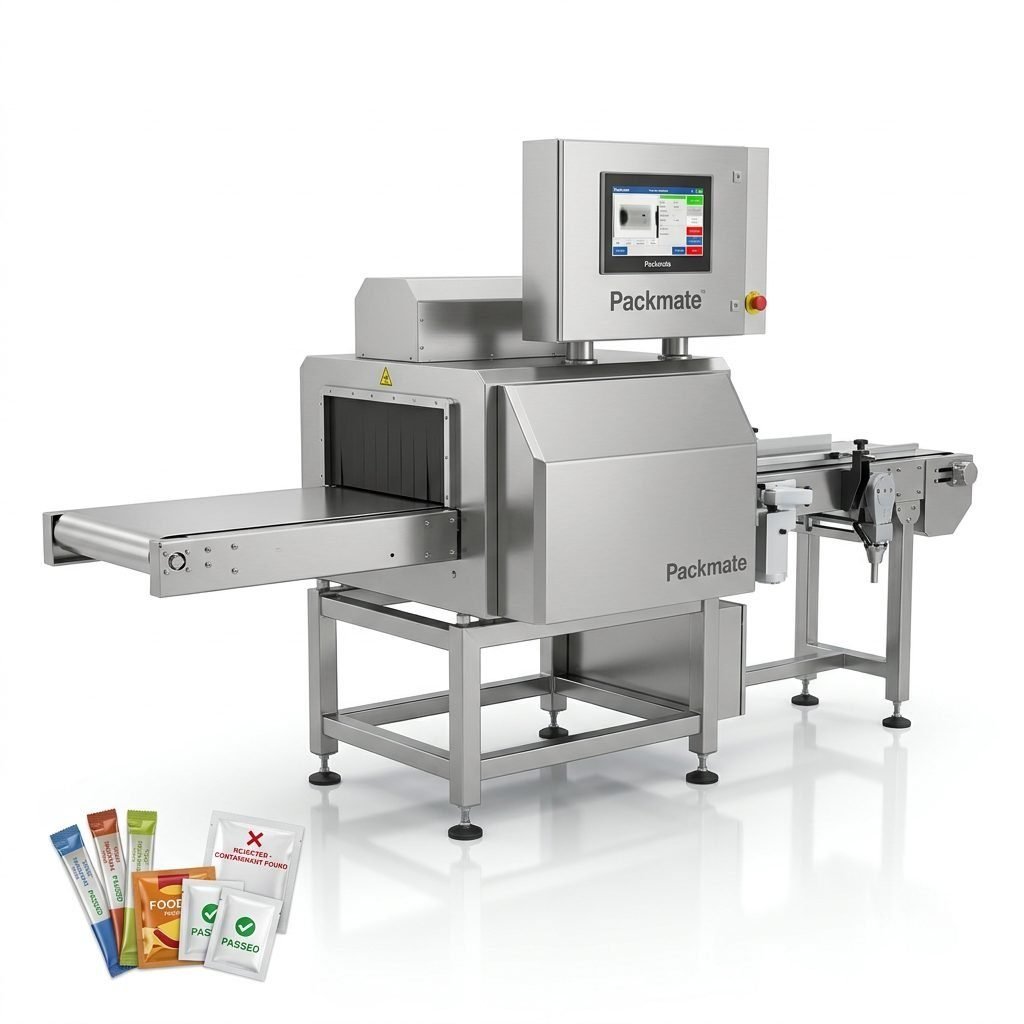
Modern packaging machinery is designed with flexibility in mind. Modular systems, like many of the auxiliary equipment solutions available, allow you to start with a core machine and add capabilities (e.g., checkweighers, metal detectors, labeling arms) as your business grows. This protects your initial investment and future-proofs your packaging line.
Your Strategic Buying Guide: Key Factors to Consider
Selecting the right packaging machine is a complex decision. Rushing this process can lead to costly mismatches. Follow this structured approach to ensure a successful investment.
1. Conduct a Thorough Needs Analysis
Begin by meticulously defining your requirements. What is your primary product (e.g., liquid, powder, granular, solid)? What are its characteristics (abrasive, hygroscopic, fragile)? What packaging materials do you plan to use (film type, carton grade)? What are your required output speed (packages per minute) and operational hours per day? Clearly documenting these parameters is non-negotiable.
2. Research Reputable Manufacturers and Suppliers
Look for established companies with a proven track record in your specific industry. A manufacturer with deep expertise, like Packmate Machinery, which has over 30 years in food and pharmaceutical packaging, brings invaluable application knowledge. Evaluate their portfolio, client testimonials, and after-sales service structure. The availability of spare parts and technical support is as important as the machine itself.
3. Evaluate Technology, Flexibility, and Ease of Use
Assess the machine’s control system—is it user-friendly with a clear HMI (Human-Machine Interface)? How quickly can changeovers be performed for different package sizes or products? Flexibility is key for businesses with a diverse product range. Inquire about the machine’s construction, the quality of key components (like servos and PLCs), and its energy consumption.
4. Understand the Total Cost of Ownership (TCO)
Look beyond the initial purchase price. The TCO includes installation, commissioning, training for your operators, preventive maintenance, energy use, and the cost of consumables (like sealing jaws or coding ink). A slightly more expensive but robust and efficient machine from a reliable supplier often has a lower TCO than a cheaper, less reliable alternative.
5. Insist on Testing and Validation
Never buy a packaging machine untested with your actual product and materials. Reputable manufacturers offer factory acceptance tests (FAT) where you can witness the machine running under conditions that simulate your production line. This is the only way to verify speed, accuracy, and compatibility before the machine is shipped.
Frequently Asked Questions (FAQs)
What is the typical lead time for a new packaging machine?
Lead times can vary widely from 12 to 30 weeks or more, depending on the machine’s complexity, customization level, and the manufacturer’s current order book. Standard models may be available sooner, while fully custom, integrated lines require extensive design and build time.
How do I ensure the machine will comply with my industry’s regulations (e.g., FDA, CE)?
This is a critical question for food, pharmaceutical, and medical device packaging. Specify your regulatory requirements upfront. Reputable manufacturers design machines to meet specific standards, using compliant materials (e.g., food-grade lubricants, easy-clean surfaces) and can provide necessary documentation and certificates for validation.
What kind of training and technical support should I expect?
Comprehensive training for your maintenance and operational staff should be part of the purchase agreement. This often occurs during installation and commissioning. Also, clarify the terms of technical support: Is it 24/7? What are the response times? Is remote diagnostics available? A strong support plan is essential for minimizing downtime.
Can my existing packaging line be upgraded or retrofitted with new machines?
In many cases, yes. A qualified packaging machinery supplier can audit your current line and recommend upgrades or retrofits to improve speed, add functionality (like a vision inspection system), or integrate a new machine. This can be a cost-effective alternative to a complete line replacement.
What are the most common causes of downtime, and how can they be prevented?
Common issues include misaligned sensors, worn sealing components, material jams, and minor programming errors. The most effective prevention is a robust preventive maintenance (PM) program as outlined by the manufacturer, coupled with proper operator training. Keeping a stock of critical spare parts can also drastically reduce repair time.