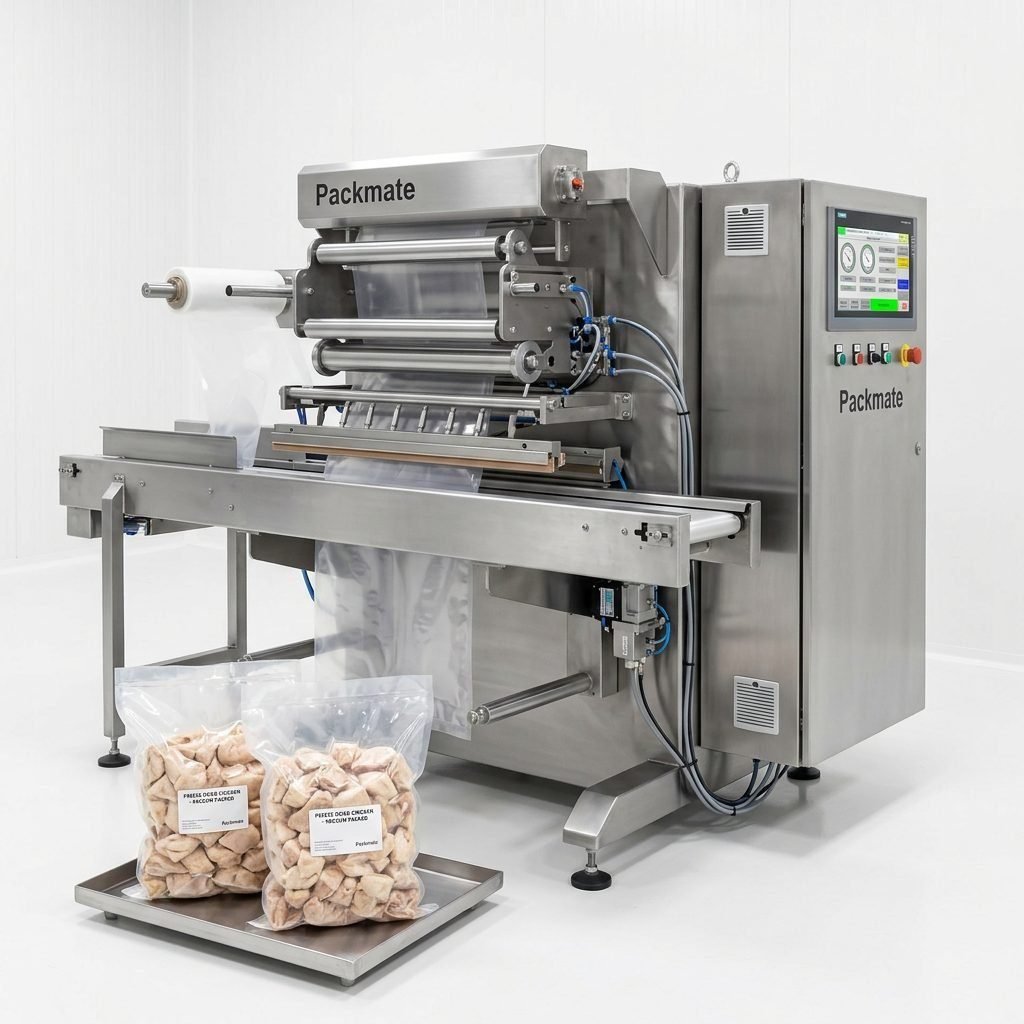
In today’s fast-paced food industry, efficiency, hygiene, and product presentation are paramount. Commercial food packaging machines are the backbone of this process, transforming bulk ingredients into market-ready products. These automated systems handle everything from weighing and filling to sealing and coding, ensuring consistency, reducing waste, and extending shelf life. For businesses looking to scale, investing in the right packaging machinery is not just an operational upgrade—it’s a strategic necessity for growth and competitiveness.
Primary Types of Commercial Food Packaging Machines
The landscape of food packaging equipment is diverse, designed to meet specific product formats and production volumes. Understanding the main categories is the first step in selecting the right machinery for your operation.
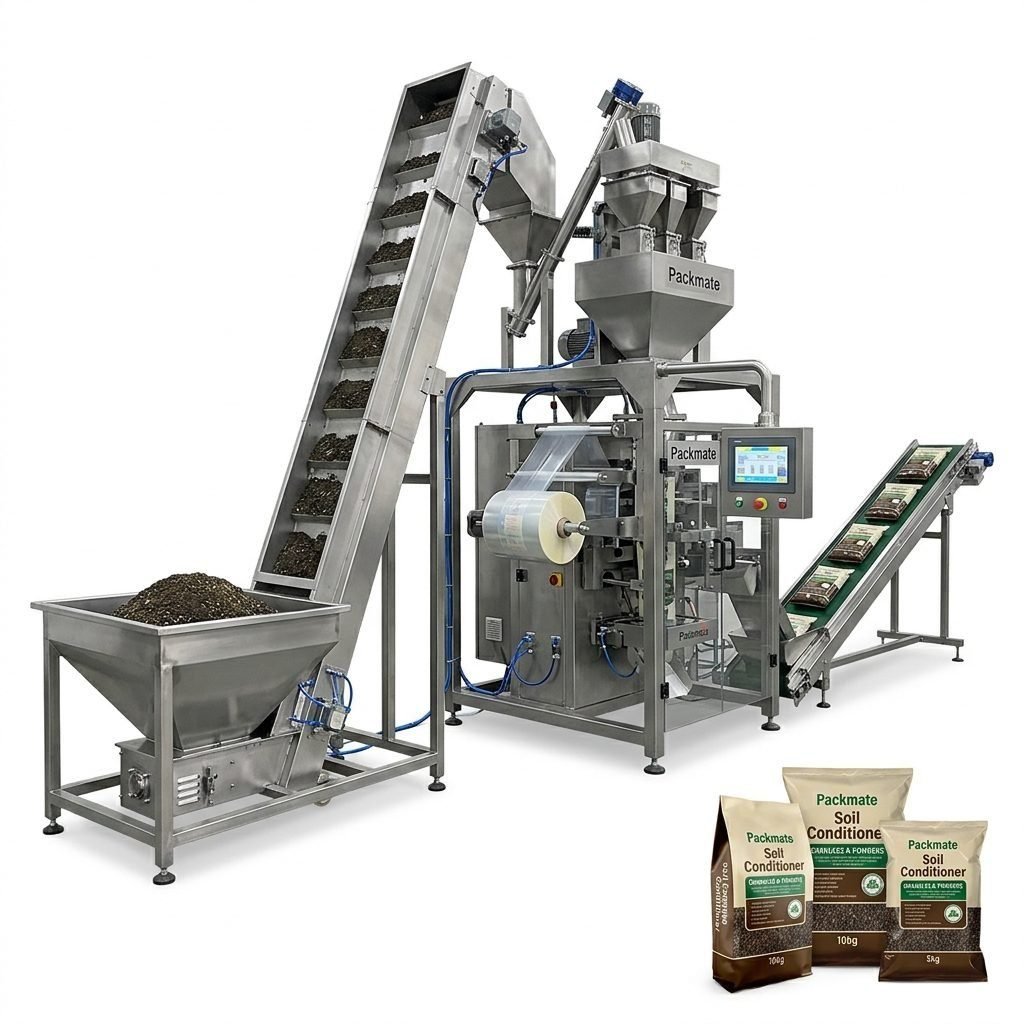
Vertical Form-Fill-Seal (VFFS) Machines
These are among the most common and versatile machines. They form a bag from a roll of film, fill it with product (like snacks, granules, or powders), and then seal it—all in a continuous vertical motion. They are ideal for bag and pouch packaging and are known for their high speed and efficiency.
Horizontal Form-Fill-Seal (HFFS) Machines
HFFS machines are typically used for more rigid structures or when a specific pillow-pack shape is desired. They form the package horizontally and are excellent for bundling multiple items, such as candy bars or biscuits, into a single pack.
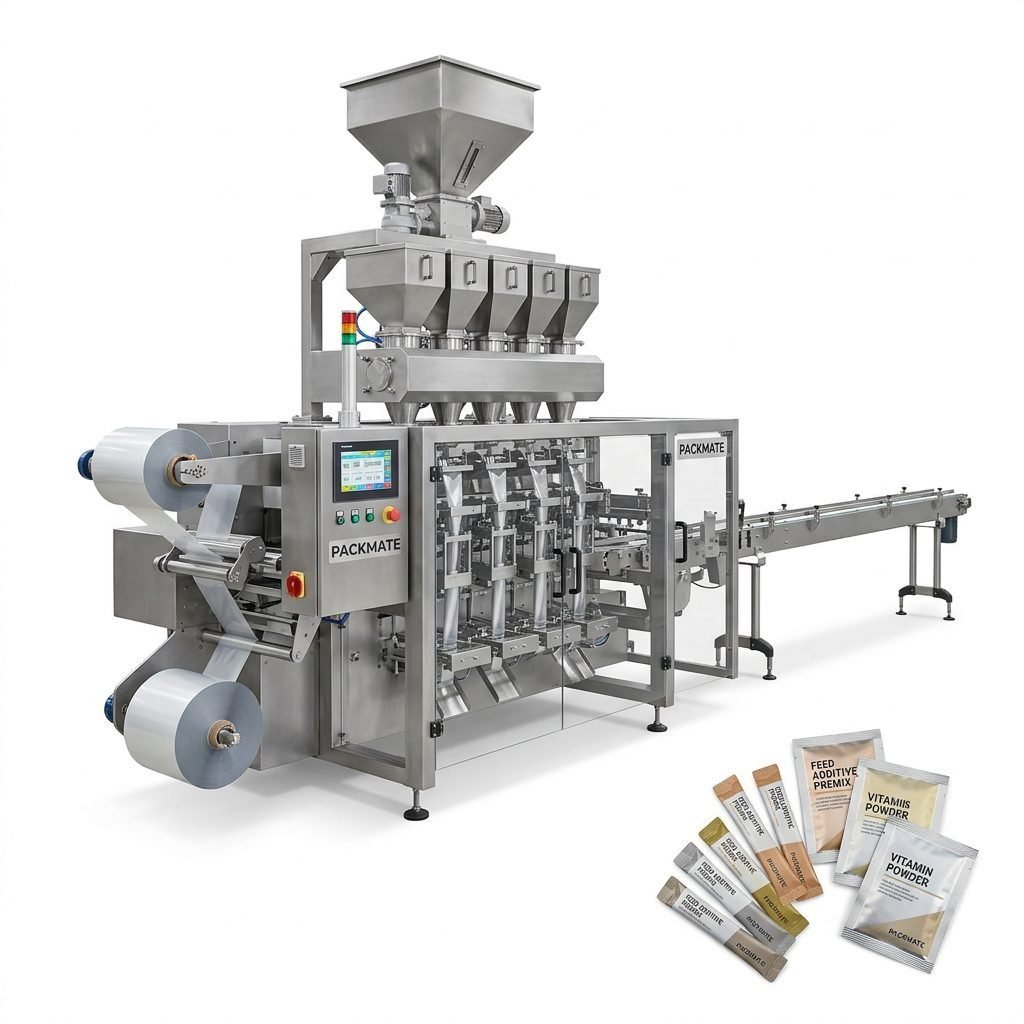
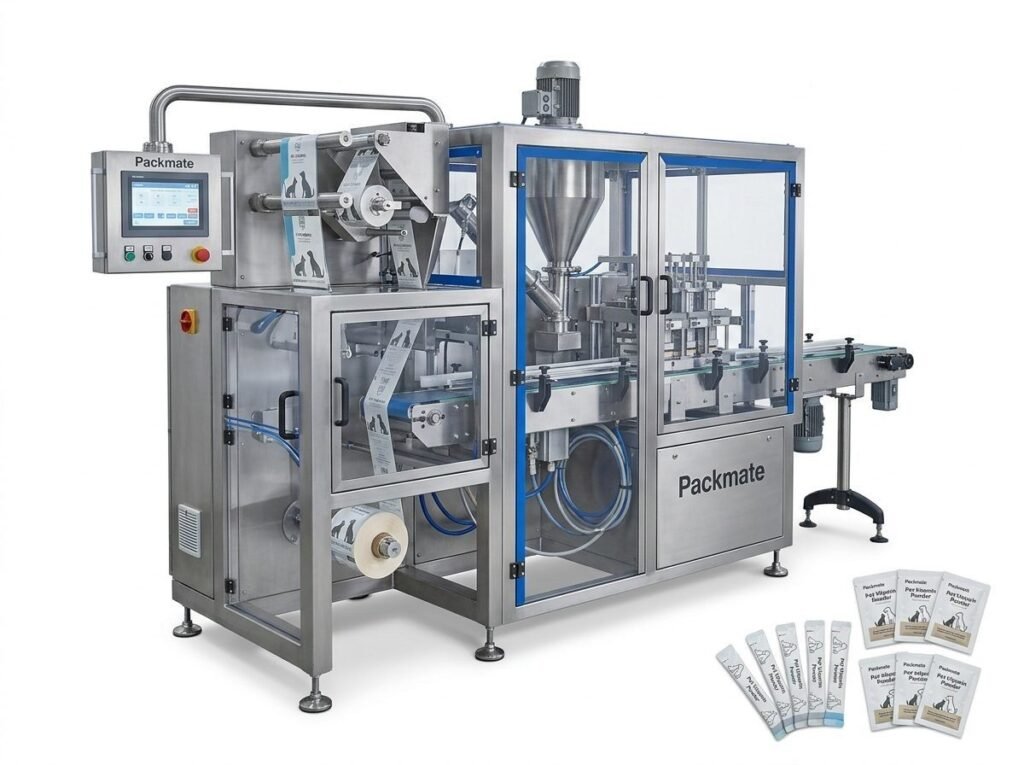
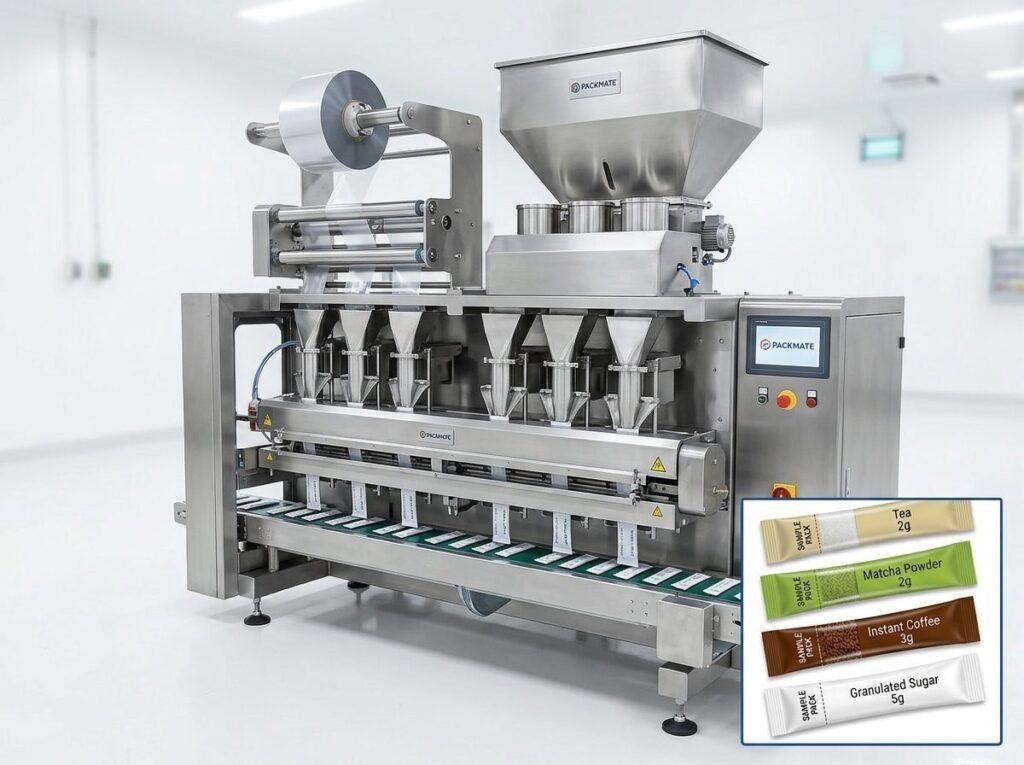
Sachet and Stick Pack Machines
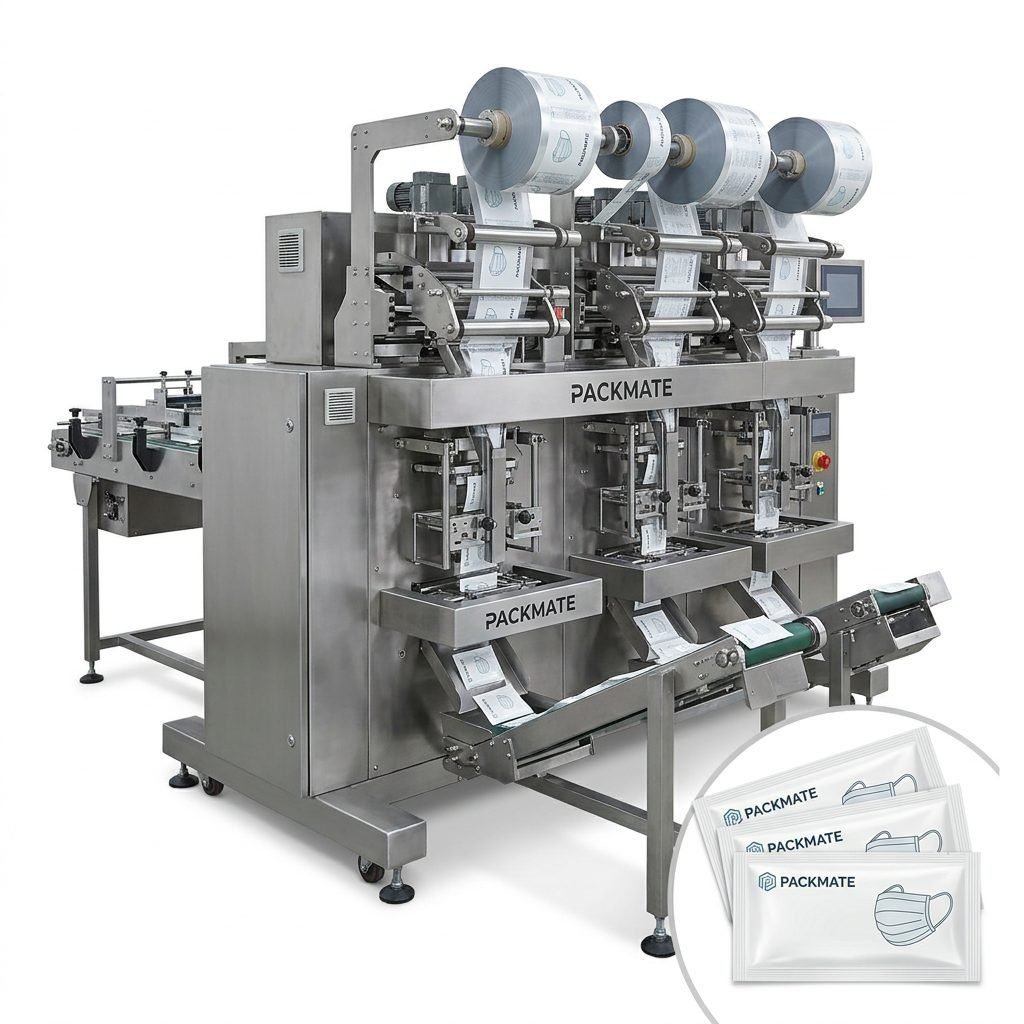
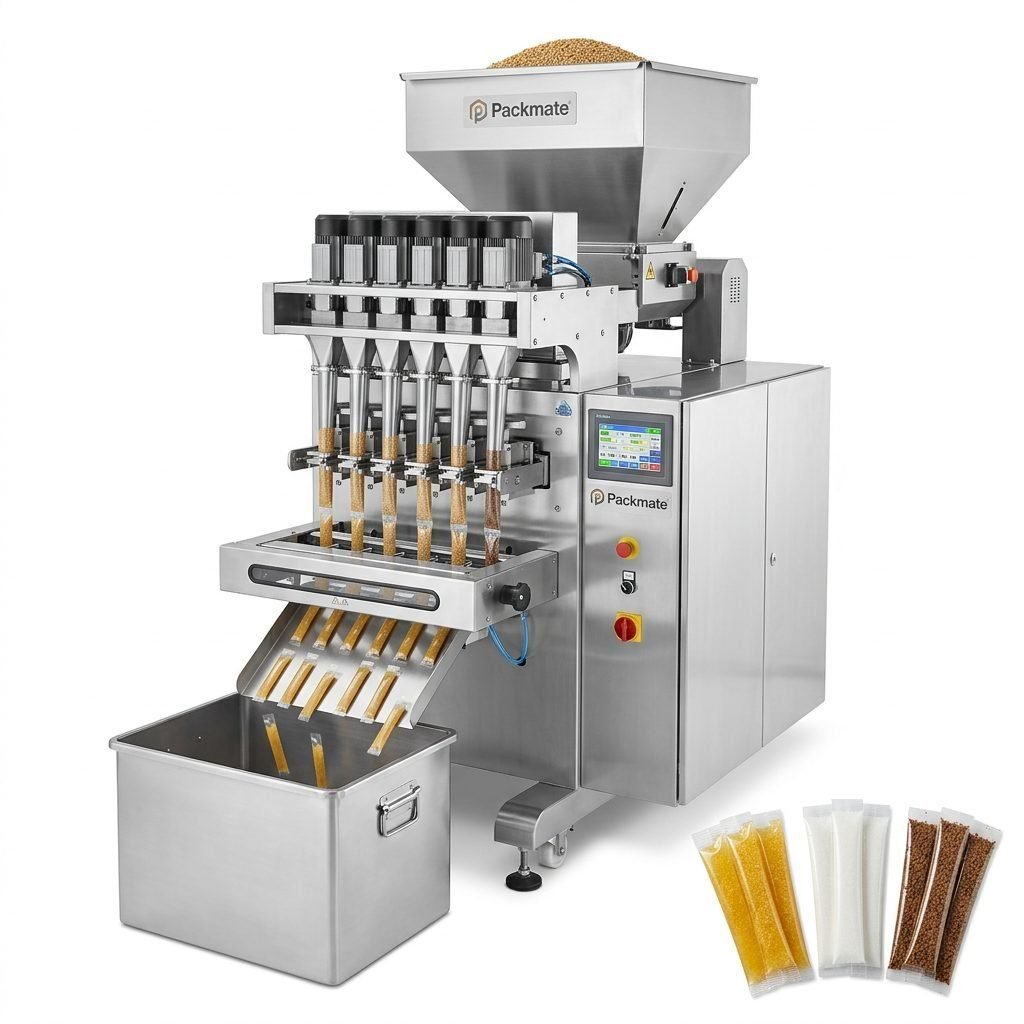
Perfect for single-serve portions of liquids, powders, or granules (like ketchup, sugar, or instant coffee). These machines create small, sealed packets from roll stock. Multi-lane versions can produce dozens of sachets simultaneously, offering incredible output for high-volume needs. Companies like Packmate Machinery specialize in advanced, multi-lane solutions for this segment.
Filling and Capping Machines
Designed for liquid and semi-liquid products destined for bottles, jars, or tubes. This category includes piston fillers, gravity fillers, and volumetric fillers, often integrated with capping, lidding, or labeling systems to create a complete filling and packaging line.
Weighing and Dosing Systems
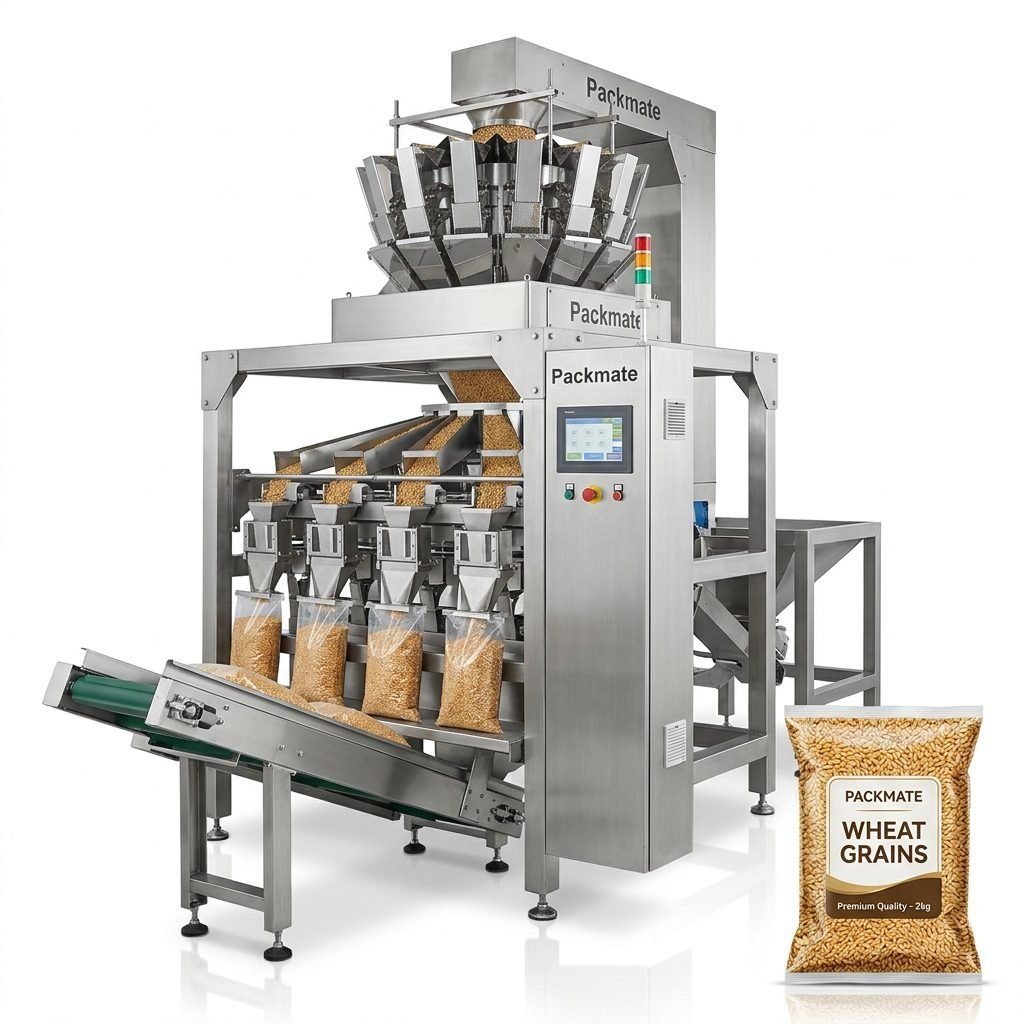
Accuracy is critical in food packaging. Multi-head weighers and auger filler systems precisely measure product by weight or volume before it enters the packaging bag or container. This ensures compliance with net content regulations and minimizes giveaway.
Key Benefits of Automating Your Food Packaging
Transitioning from manual or semi-automatic processes to commercial-grade automation delivers a compelling return on investment across multiple fronts.
Enhanced Productivity and Speed
Automated machines operate at significantly higher speeds than human labor, often running 24/7 with minimal downtime. This dramatically increases your output and allows you to meet large order demands efficiently.
Unmatched Consistency and Quality
Machines eliminate human error in weighing, filling, and sealing. Every package has identical dimensions, seal integrity, and product weight, enhancing brand reputation and reducing customer complaints.
Superior Hygiene and Safety: Automated systems minimize direct human contact with food products, reducing the risk of contamination. They are often constructed with food-grade stainless steel and are designed for easy cleaning and sanitation.
Significant Cost Reduction: While the initial investment is notable, automation reduces long-term labor costs, lowers material waste from overfilling or spillage, and decreases losses from packaging failures.
Improved Shelf Life and Product Protection: Advanced machines can integrate gas flushing (modified atmosphere packaging) or vacuum sealing, which actively removes oxygen to preserve freshness, color, and taste for much longer periods.
Essential Buying Guide: How to Choose the Right Machine
Selecting a commercial packaging machine is a major decision. Asking the right questions will guide you to the optimal solution for your business.
1. Define Your Product and Packaging Requirements
This is the foundation. Consider:
– Product Type: Is it a solid, powder, granule, liquid, or paste? Each requires different handling mechanisms (auger, pump, weigher).
– Packaging Material: What film (laminate, polyethylene), pouch style (stand-up, flat), or container are you using?
– Production Speed: Calculate your required output in packs per minute/hour/shift.
2. Evaluate Machine Capabilities and Flexibility
Can the machine handle your current product and potential future variants? Look for features like quick-change parts for different bag sizes or easy adjustment of filling parameters. A versatile machine protects your investment against market changes.
3. Assess Build Quality and Supplier Reputation
Inspect the construction materials—stainless steel frames and food-grade components are essential for durability and compliance. Research the manufacturer’s history, certifications, and client testimonials. A supplier with decades of experience, like Packmate with over 30 years in the industry, often provides more reliable and innovative technology.
4. Consider Integration and After-Sales Support
Will the machine integrate with your existing conveyors or upstream/downstream equipment? Comprehensive service and support—including installation, training, maintenance, and readily available spare parts—is crucial for minimizing operational disruptions.
5. Analyze Total Cost of Ownership (TCO)
Look beyond the purchase price. Factor in energy consumption, required operator skill level, maintenance costs, and the potential cost of downtime. A slightly more expensive, robust machine from a reputable supplier often has a lower TCO than a cheaper, less reliable alternative.
Partnering with an Expert Manufacturer
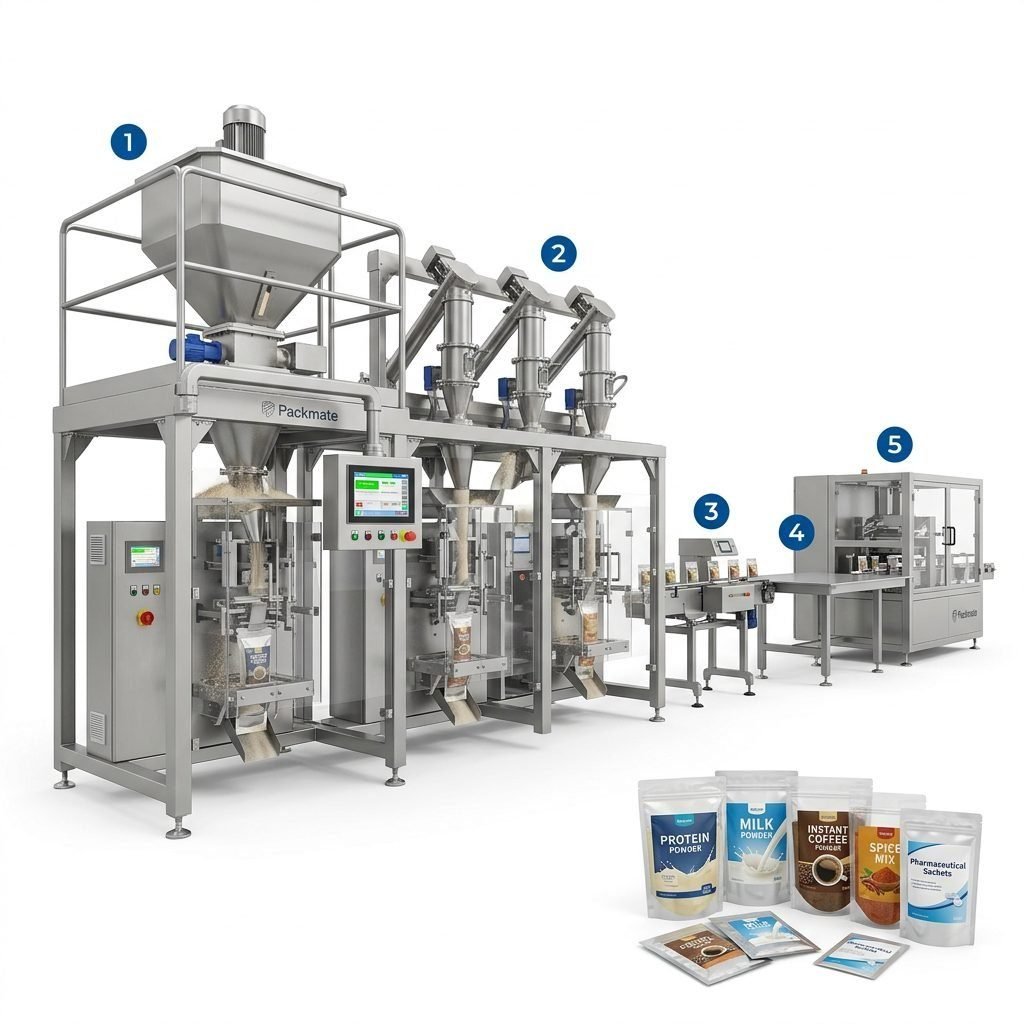
For businesses seeking a comprehensive solution, partnering with a full-line manufacturer offers distinct advantages. A company capable of providing not just a single machine but a complete turnkey packaging line ensures seamless compatibility between all components. This single-source responsibility simplifies project management, training, and technical support. Manufacturers with a strong R&D focus can also offer customizations to meet unique packaging challenges, turning a standard machine into a perfect fit for your specific application.
Frequently Asked Questions (FAQs)
What is the typical lead time for a commercial food packaging machine?
Lead times vary significantly based on machine complexity, customization, and manufacturer backlog. For standard models, it can range from 8 to 16 weeks. Custom or fully integrated line solutions may require 20 weeks or more. Always confirm timelines with your supplier during the quotation process.
How much space do I need to install a packaging line?
Space requirements depend entirely on the machine type and the level of automation. A simple vertical form-fill-seal machine might need a footprint of 2m x 2m, while a complete line with conveyors, checkweighers, and case packers could require a sizable area of your production floor. Always request a detailed layout plan from the supplier.
What are the most important maintenance routines?
Daily cleaning and inspection of seals, cutting blades, and film paths are critical. Regular lubrication of moving parts (as per the manual), calibration of weighing systems, and periodic inspection of electrical components are essential for preventing unplanned downtime and ensuring consistent package quality.
Can one machine package different types of food products?
Many machines offer a degree of flexibility. However, switching between vastly different products (e.g., from fine powder to oily nuts) usually requires thorough cleaning and may involve changing parts like the filling funnel, auger, or film forming collar. Discuss your product range with the supplier to determine the changeover process and time.
What training is provided for machine operators?
Reputable suppliers typically provide on-site training during installation and commissioning. This covers machine operation, basic troubleshooting, routine maintenance, and safety procedures. Ensure this training is documented and that you receive comprehensive operation and maintenance manuals.