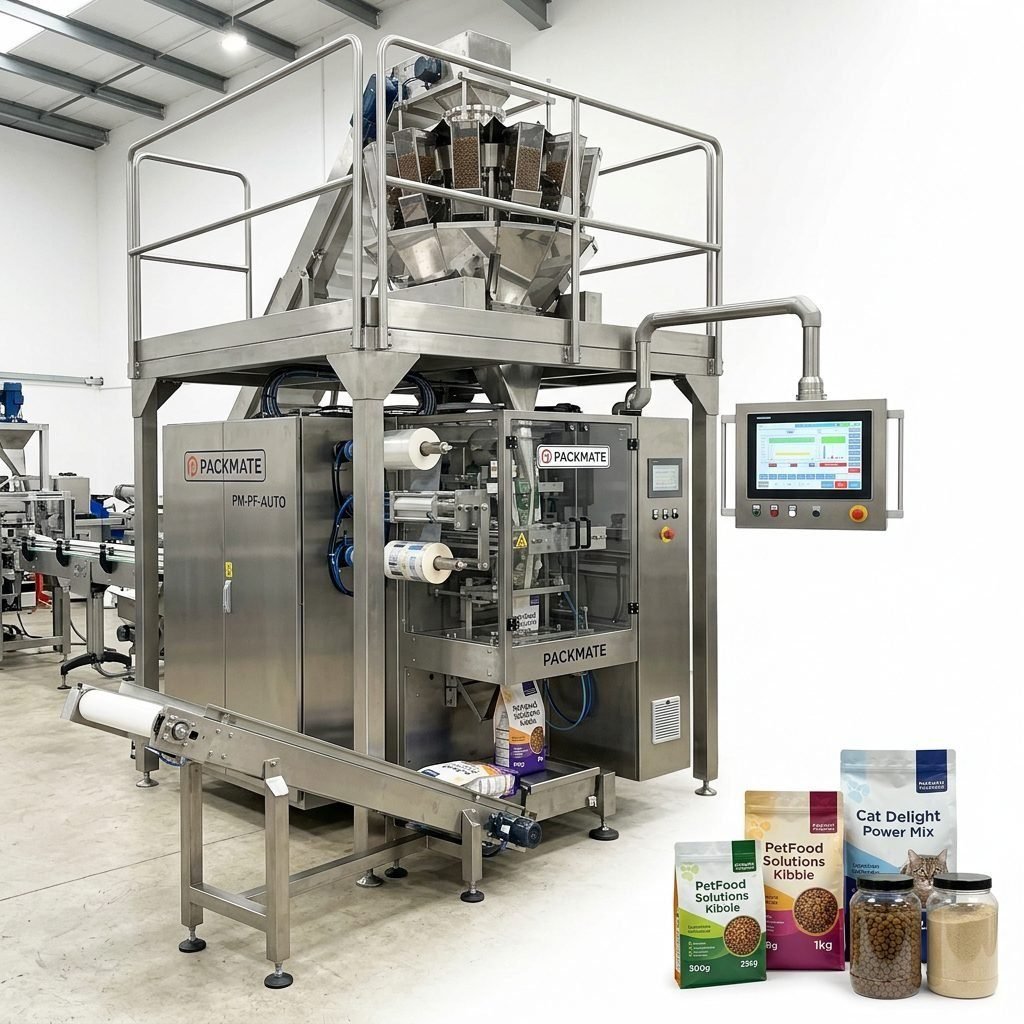
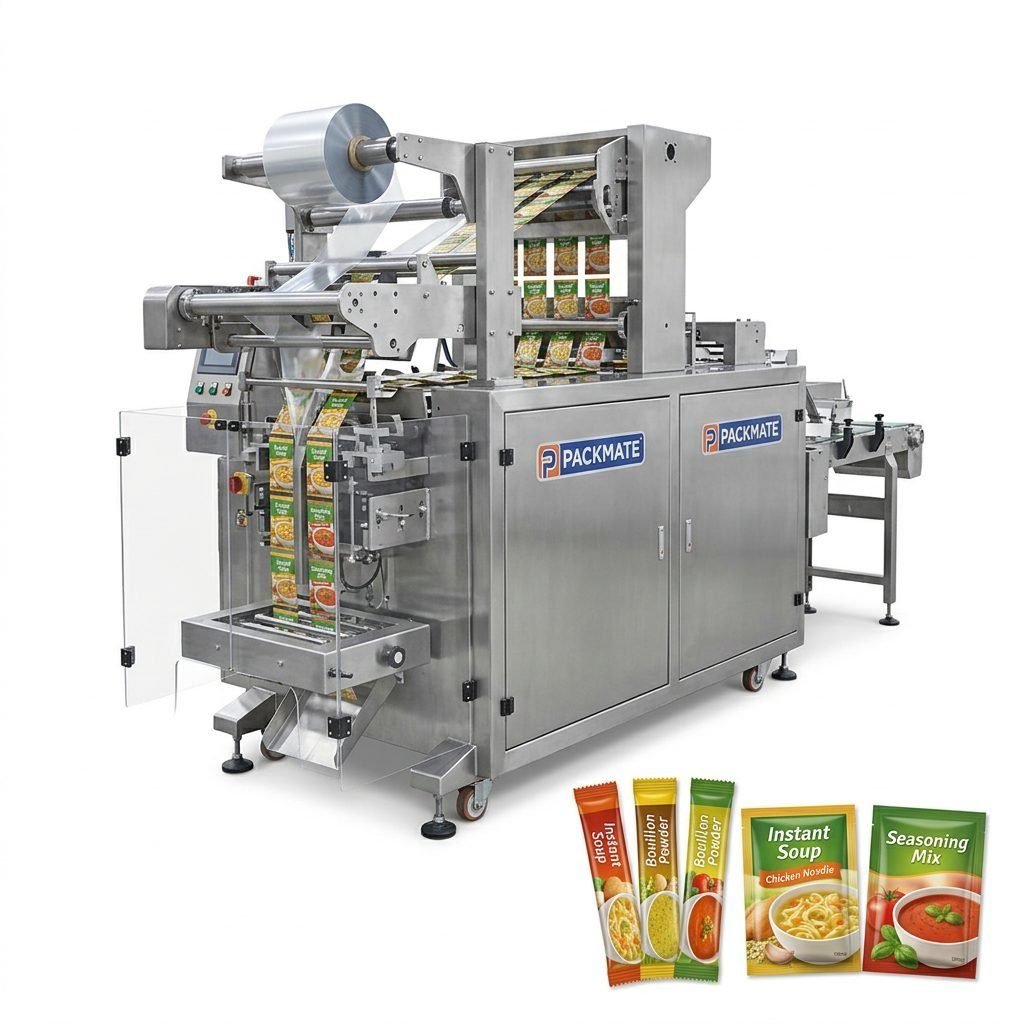
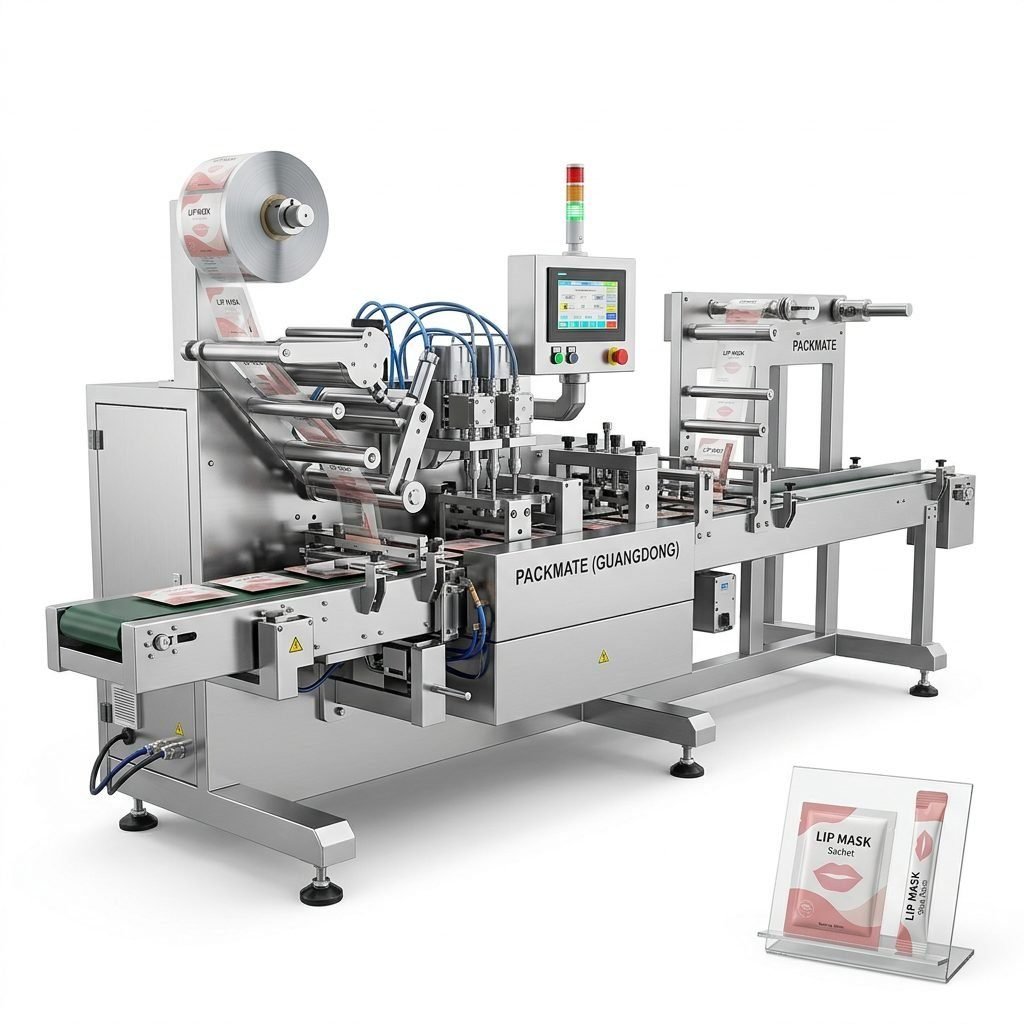
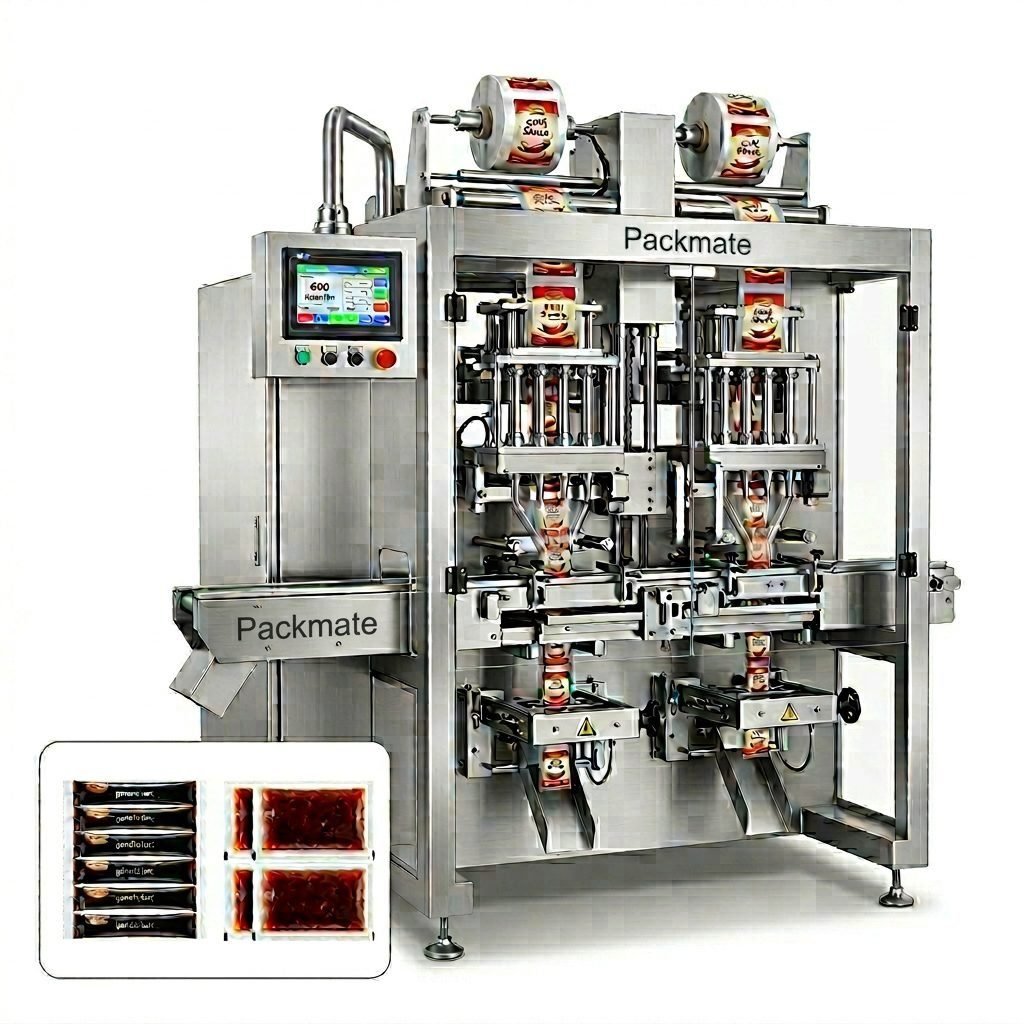
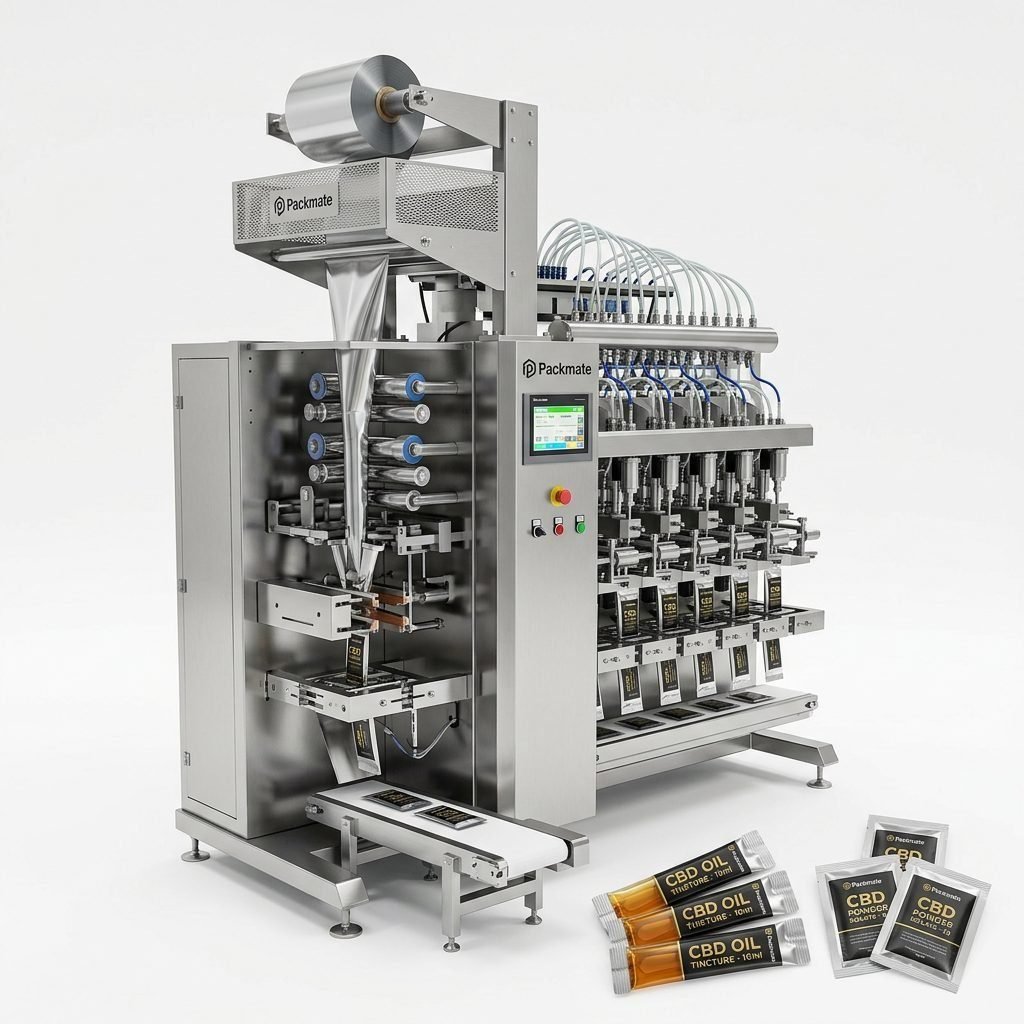
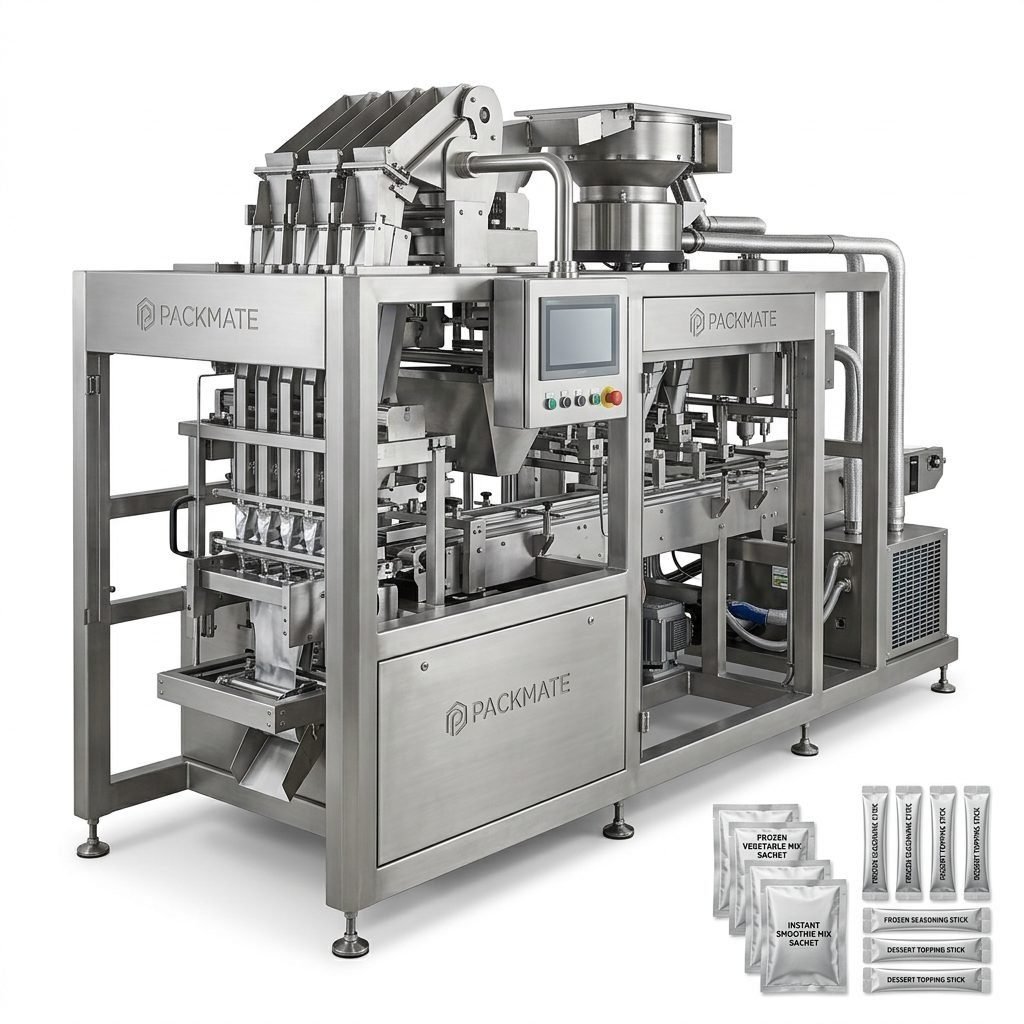
Selecting the right packaging machine is a critical decision for any business handling granular, powdered, or liquid products. An easy snap packaging machine, often referred to as a stick pack machine, offers a sleek, portable, and user-friendly packaging solution. This guide will walk you through the essential factors for choosing the most efficient machine for your needs and provide best practices for its operation.
Understanding Easy Snap Packaging Machines
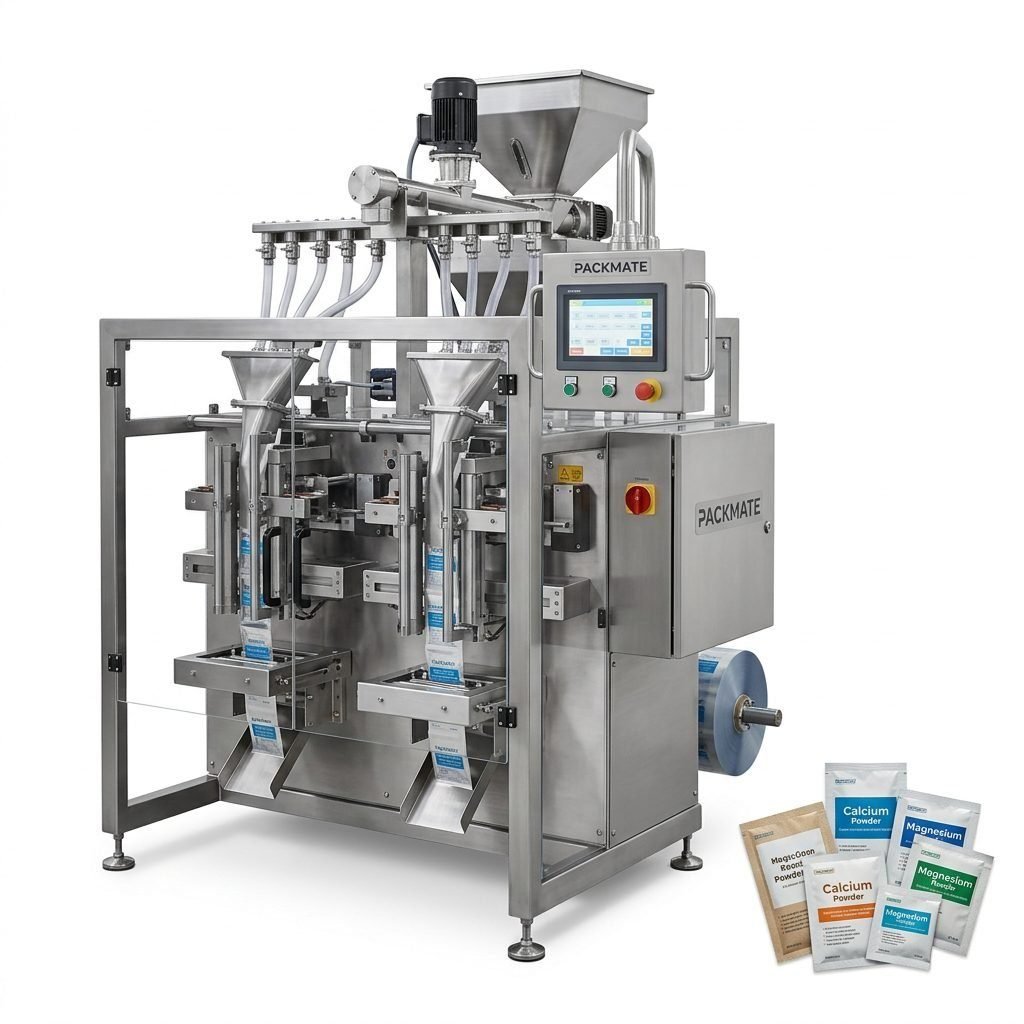
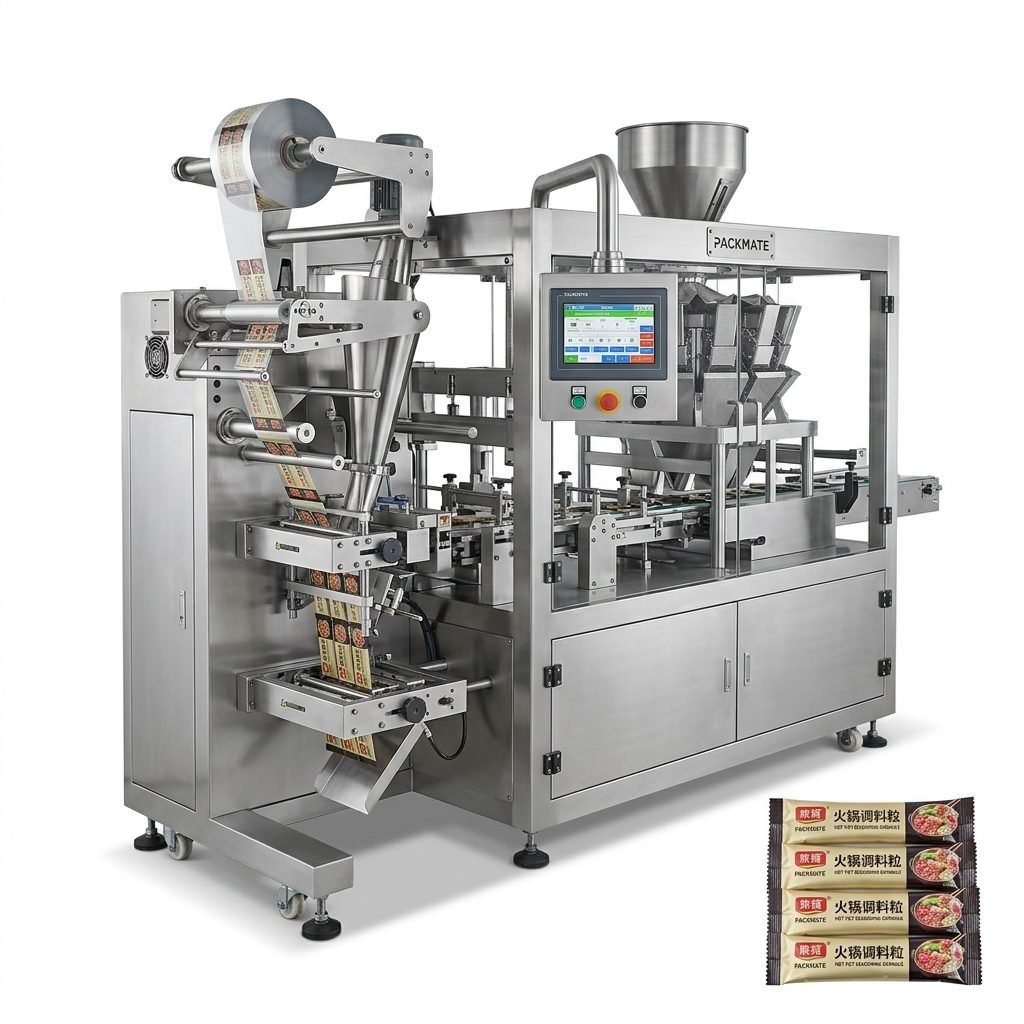
An easy snap packaging machine is designed to create long, narrow packets—commonly known as stick packs—that are easy to tear or snap open. These machines are ideal for single-serve portions of products like instant coffee, sugar, supplements, or pharmaceuticals. The primary appeal lies in their compact design, high-speed production capabilities, and the convenient format they create for end-users.
The efficiency of these machines stems from their multi-lane design. Modern units can simultaneously fill and seal multiple stick packs in one cycle, dramatically increasing output. For businesses looking to scale, investing in a multi-lane stick pack machine is often the key to meeting high-volume demands without compromising on packaging quality.
Key Factors for Choosing Your Machine
Making an informed choice requires evaluating several technical and operational aspects. A misstep here can lead to downtime, product waste, and increased costs.
1. Assess Your Product Characteristics
The nature of your product is the foremost consideration. Is it a free-flowing granule, a fine powder prone to dusting, or a viscous liquid? Each type requires specific filling mechanisms. For powders, an auger filler with anti-bridging technology is crucial. For liquids, a precise piston pump filler is necessary. Ensure the machine you select is compatible with your product’s properties to ensure accuracy and minimize spillage.
2. Determine Required Production Speed
Your output requirements directly dictate the machine’s configuration. Speeds are typically measured in packs per minute (PPM). A single-lane machine might suffice for a small startup, but for medium to large-scale production, you’ll need a machine with 4, 8, or even 16 lanes. Calculate your current and projected future needs to choose a machine that won’t become a bottleneck as your business grows.
3. Evaluate Machine Flexibility and Changeover
If you plan to package multiple products or different pack sizes, machine flexibility is non-negotiable. Look for features like tool-less changeover, where forming tubes and sealing jaws can be swapped quickly without specialized tools. This reduces downtime during product switches from hours to minutes, maximizing your production efficiency. A versatile machine can adapt to various bag and pouch formats, offering long-term value.
4. Prioritize Build Quality and Support
This is where the manufacturer’s reputation becomes paramount. A machine built with high-grade stainless steel and robust components will have a longer lifespan and require less maintenance. Consider the supplier’s after-sales service, availability of spare parts, and technical support. A company with a strong track record, like Packmate Machinery, which has over 30 years of expertise, provides assurance of reliability and continuous support, ensuring your packaging line runs smoothly for years.
How to Use Your Machine Efficiently
Proper operation and maintenance are just as important as the initial selection. Following best practices ensures peak performance, product integrity, and operator safety.
Initial Setup and Calibration
Begin with a thorough read of the manufacturer’s manual. Correct installation is critical. Calibrate the weighing or volumetric filling system using your actual product to achieve the target fill weight. Even a minor calibration error can lead to significant giveaways or underfills over thousands of cycles. Adjust the temperature and pressure of the sealing jaws according to the packaging film specifications to ensure a strong, hermetic seal.
Pro Tip: Always run a batch of test packs with scrap material before starting full production. This allows you to fine-tune settings for fill accuracy, seal integrity, and package appearance without wasting your actual product or packaging film.
Routine Operational Best Practices
Consistency is key to efficiency. Implement a standard operating procedure (SOP) for starting up, running, and shutting down the machine. Operators should perform visual checks on seals and fill levels at regular intervals. Keep the work area clean, especially from product dust or spills, which can interfere with the machine’s sensors and moving parts. Using high-quality, consistent packaging film from a reliable supplier will also prevent many common jamming and sealing issues.
Preventive Maintenance Schedule
Do not wait for a breakdown to perform maintenance. Establish a daily, weekly, and monthly checklist. Daily tasks include cleaning product contact parts and lubricating specific points as instructed. Weekly inspections should focus on wear parts like sealing jaws, cutting blades, and gaskets. A monthly deep clean and inspection of mechanical drives and electrical connections can prevent catastrophic failures. Adhering to a structured maintenance plan extends machine life and ensures consistent output quality.
Integrating into a Complete Packaging Line
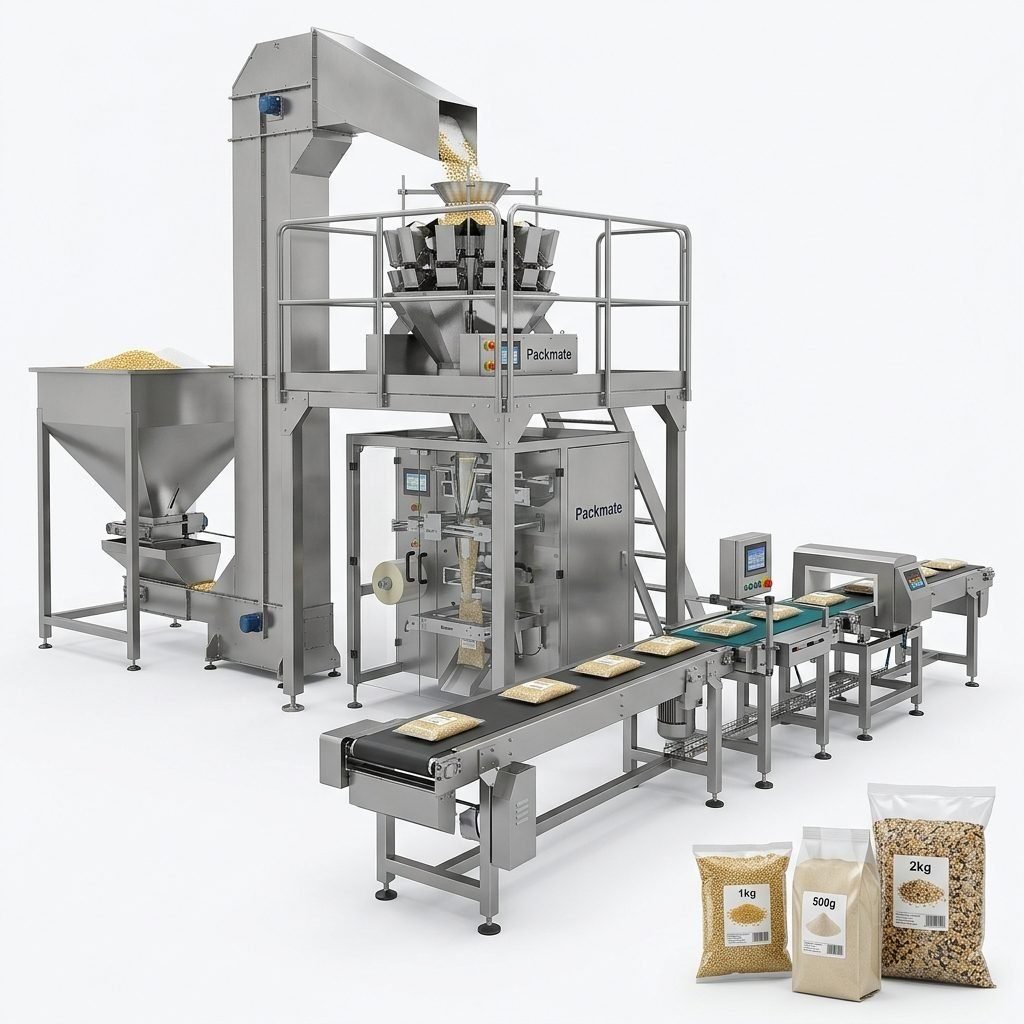
For maximum efficiency, your easy snap machine should not operate in isolation. Integrating it into a full turnkey packaging line streamlines the entire process from product handling to final cartoning.
Upstream, a bulk product feeder and a precision checkweigher can ensure consistent fill. Downstream, equipment like a collator to group individual stick packs and a cartoning machine to box them can automate the final steps. Companies like Packmate Machinery specialize in designing these complete filling and packaging lines, ensuring all components work in harmony to optimize speed, reduce labor, and minimize handling.
Frequently Asked Questions (FAQs)
What is the typical speed range for an easy snap packaging machine?
Speeds vary widely based on the number of lanes and product type. A basic single-lane machine may run at 60-80 packs per minute (PPM), while advanced multi-lane machines from leading manufacturers can achieve speeds of 400-800 PPM or even higher for simple products.
Can one machine handle both powders and liquids?
Some machines are designed with modular filling systems that can be swapped out. However, it is often more efficient and hygienic to use a machine dedicated to a specific product type, especially when switching between dry and wet products requires extensive cleaning to prevent cross-contamination.
How important is the packaging film quality?
Extremely important. The film must have consistent thickness, good sealant layer properties, and precise print registration. Poor-quality film is the leading cause of sealing problems, jams, and machine stoppages, which drastically reduce overall equipment effectiveness (OEE).
What kind of training do operators need?
Comprehensive training should cover safe operation, basic troubleshooting, routine cleaning, and minor adjustments like changing film reels or adjusting fill volumes. Reputable suppliers typically provide on-site training during installation. You can find more operational guidance on the manufacturer’s FAQ page.
What is the average payback period for such an investment?
The payback period depends on labor savings, material waste reduction, and increased production capacity. For businesses replacing manual packing or outdated equipment, a modern automatic easy snap machine often shows a return on investment within 12 to 24 months through significant gains in efficiency and output.