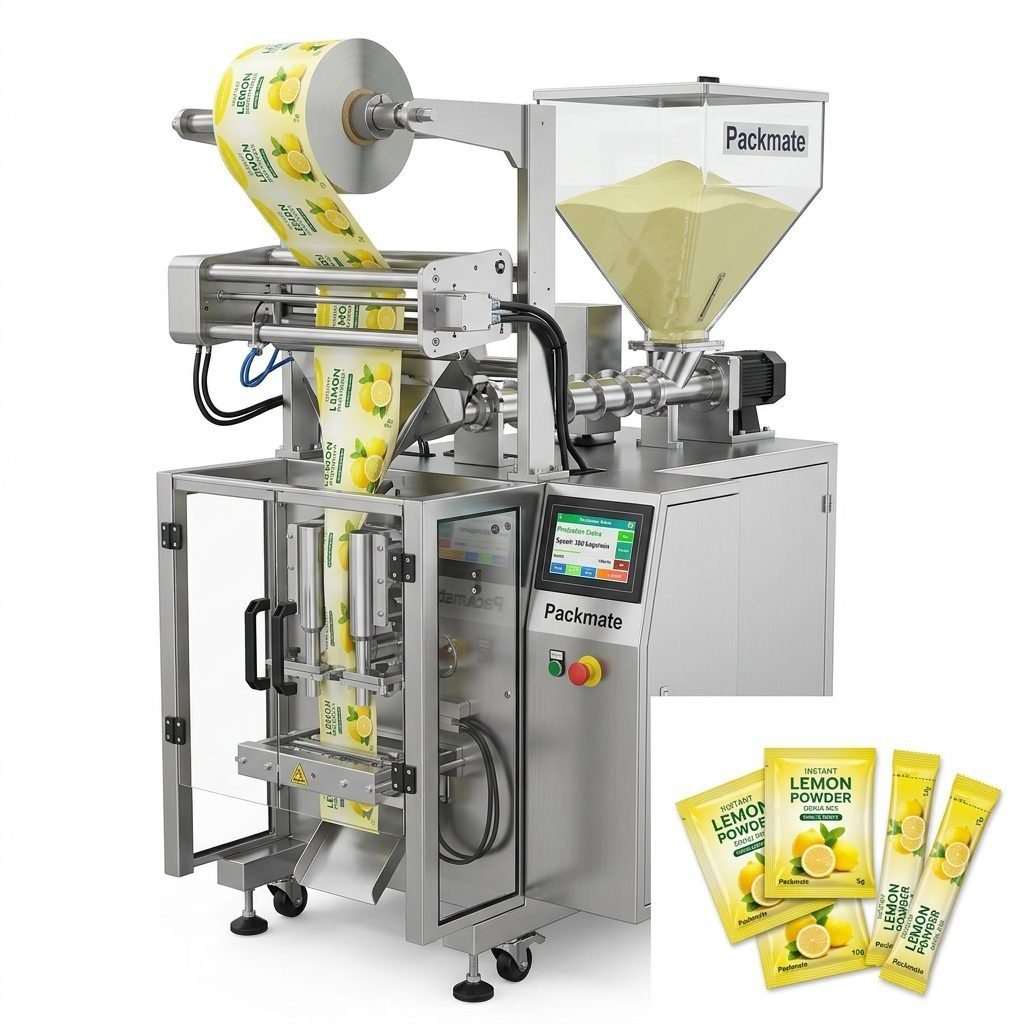
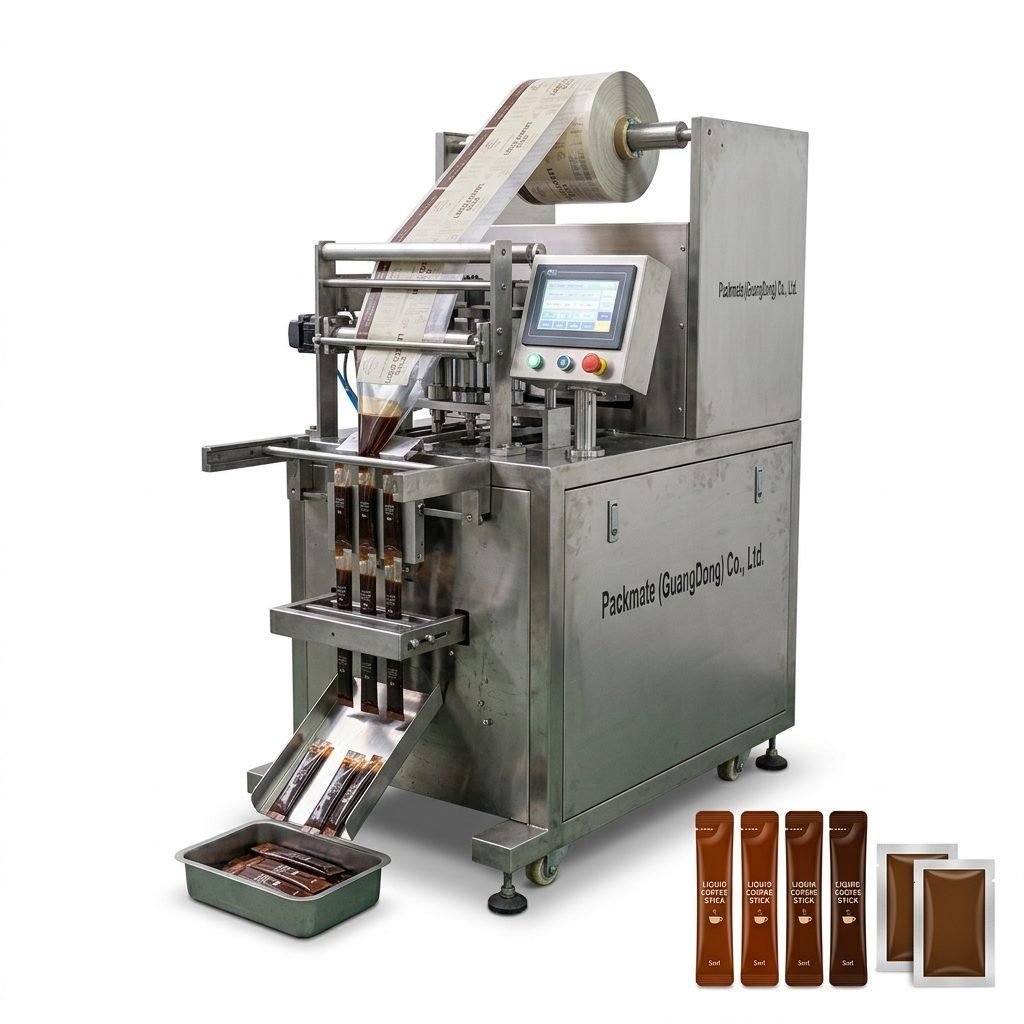
In today’s fast-paced world, the demand for fresh, convenient, and well-preserved home food products is higher than ever. Whether you’re a home-based entrepreneur starting a small-batch hot sauce business, a hobbyist preserving seasonal garden harvests, or simply someone looking to extend the shelf life of homemade meals, the right packaging machine is a game-changer. It bridges the gap between your culinary creations and the consumer, ensuring that flavor, texture, and nutritional value are locked in from your kitchen to theirs. The quest for the best home food packaging machines revolves around two core principles: maximizing freshness and enhancing convenience.
Why Packaging is Critical for Home Food Preservation
Before diving into machine types, it’s essential to understand the enemy of freshness: air, moisture, light, and microorganisms. Effective packaging creates a barrier against these elements. For home food producers, this isn’t just about aesthetics; it’s about safety, reducing waste, and building a trustworthy brand. A properly sealed package prevents spoilage, retains volatile aromas and flavors, and can even be used with modified atmosphere techniques (like vacuum sealing) to significantly extend shelf life. This is where professional-grade packing machines designed for smaller-scale operations become invaluable assets.
Key Benefit Highlight: Using a dedicated packaging machine offers consistency that manual methods cannot match. Every package has the same secure seal, the same professional appearance, and the same reliable level of protection. This consistency is crucial for customer satisfaction and regulatory compliance if you are selling your products.
Types of Home Food Packaging Machines for Optimal Freshness
The “best” machine depends entirely on your product format. Here’s a breakdown of the most relevant types for home-based food businesses and enthusiasts.
1. Vacuum Sealing Machines
The undisputed champion for freshness, vacuum sealers remove air from a package before sealing it. This inhibits the growth of aerobic bacteria and fungi, dramatically slowing down oxidation and spoilage. They are perfect for dry goods, marinated meats, cheese, chopped vegetables, and bulk ingredients. For home use, chamber vacuum sealers offer a more powerful vacuum and the ability to handle liquids, making them ideal for sous-vide cooking and wetter food items.
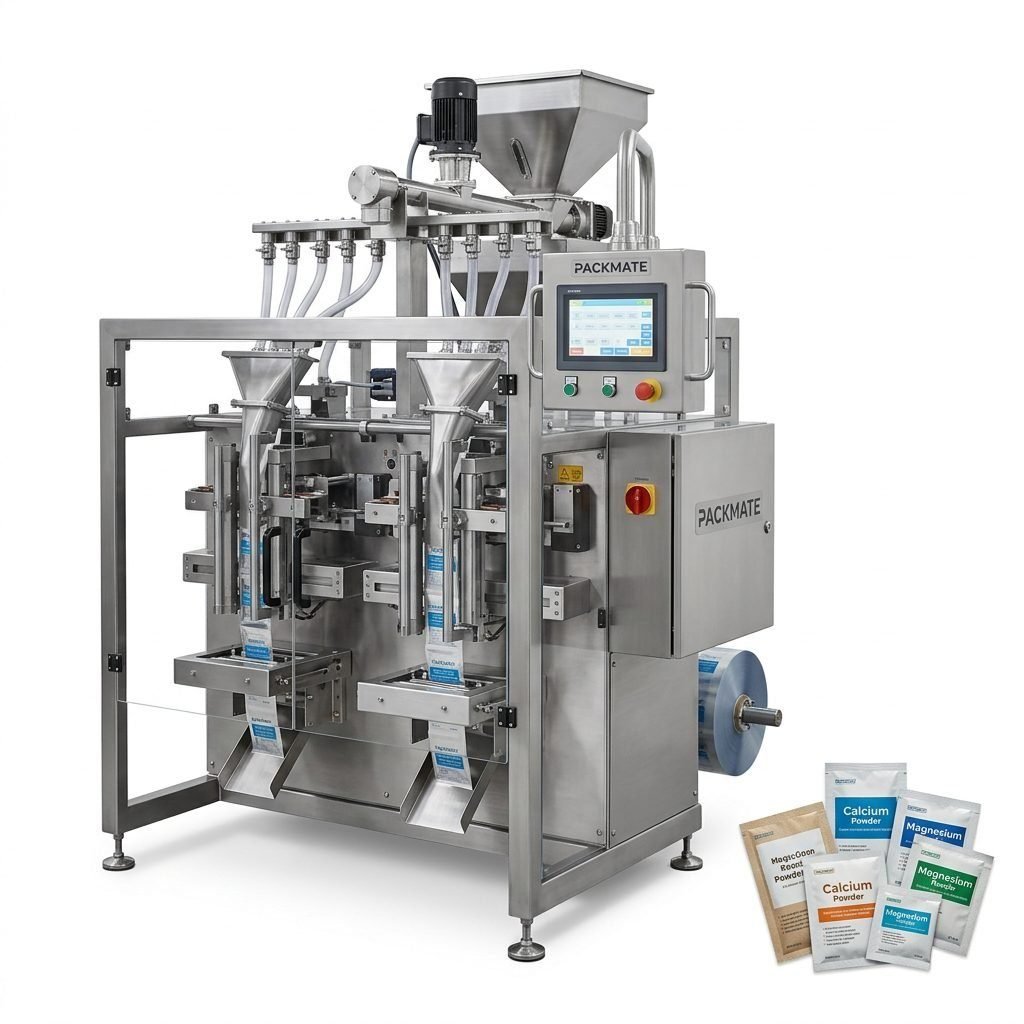
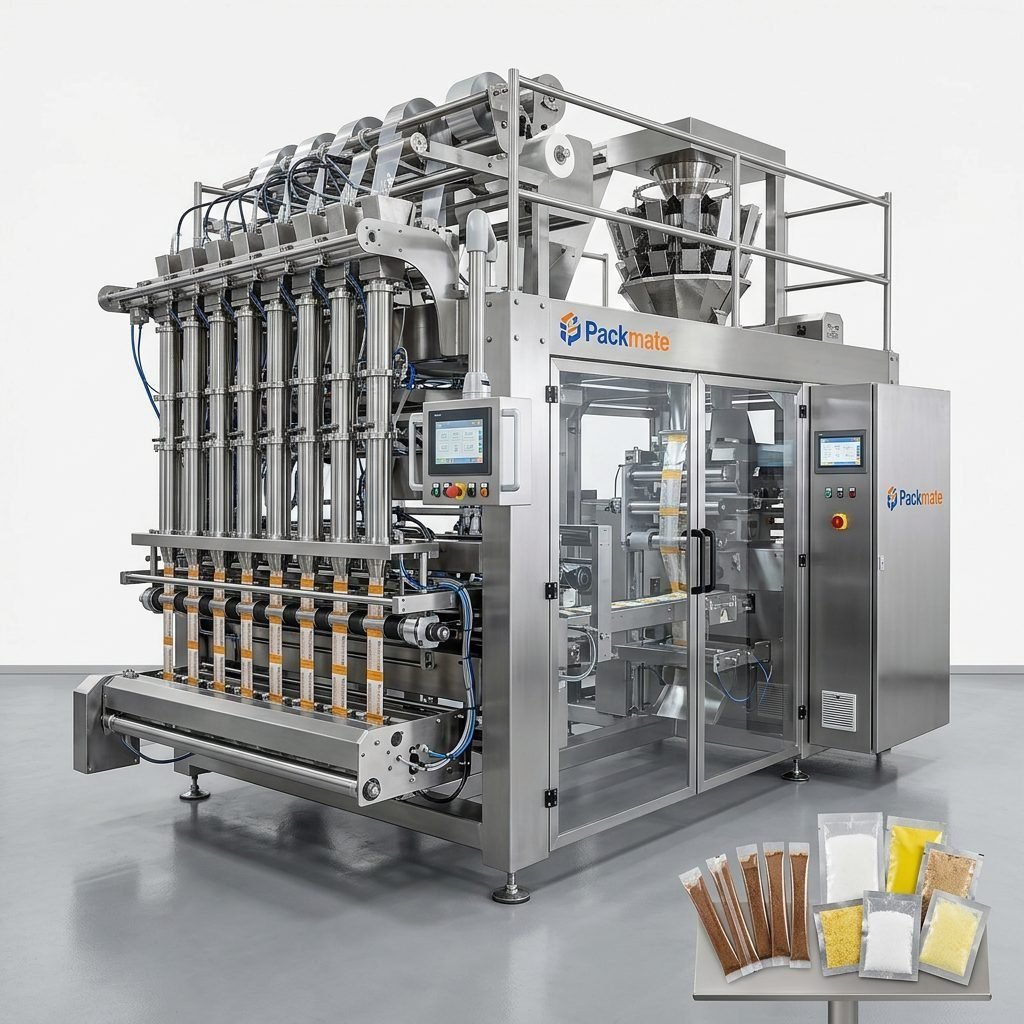
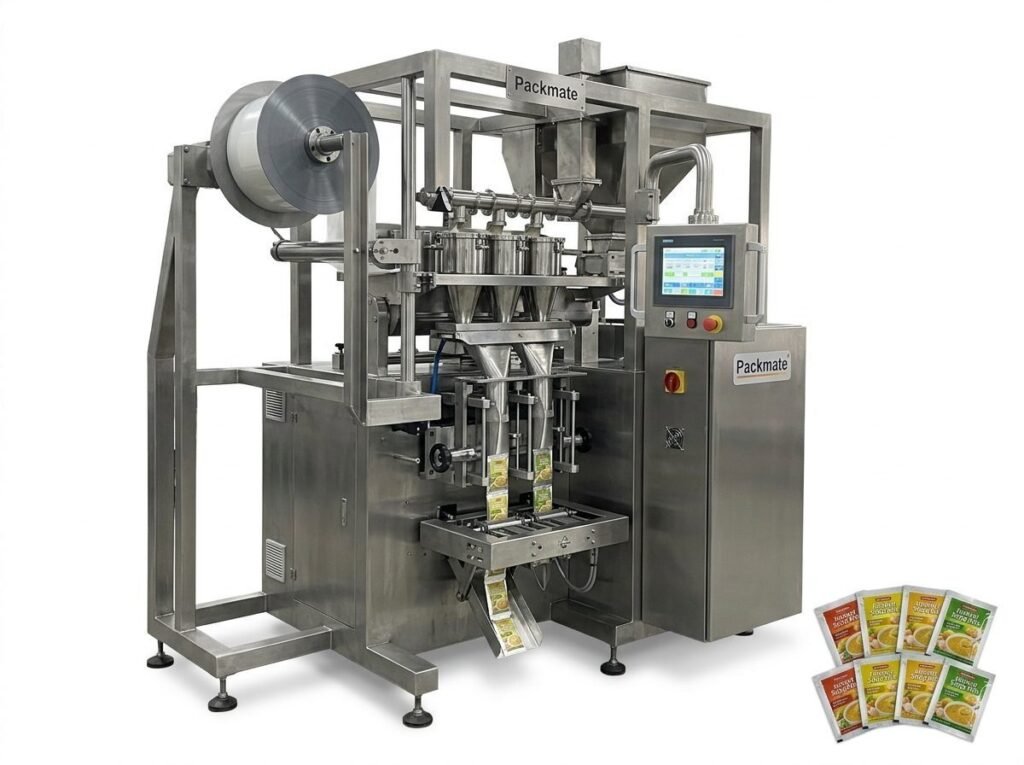
2. Sachet & Stick Pack Machines
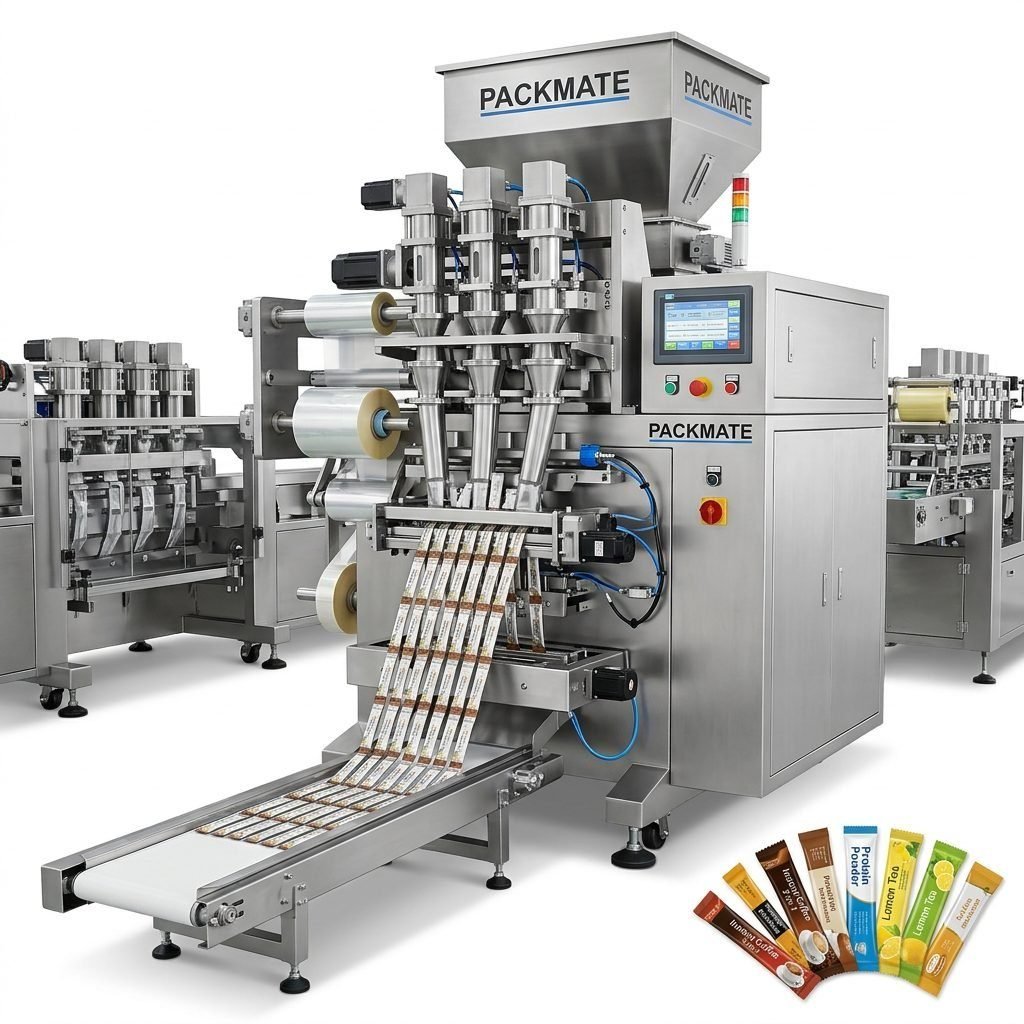
For powdered drinks, spices, condiments, sugar, coffee, or single-serving supplements, sachet and stick pack machines are ideal. These machines create small, sealed packets from a roll of film. They offer excellent barrier properties against moisture and light, keeping contents dry and potent. Their convenience factor is extremely high for end-users, providing pre-measured, portable, and hygienic portions. Modern tabletop models are surprisingly compact and efficient for small-scale production.
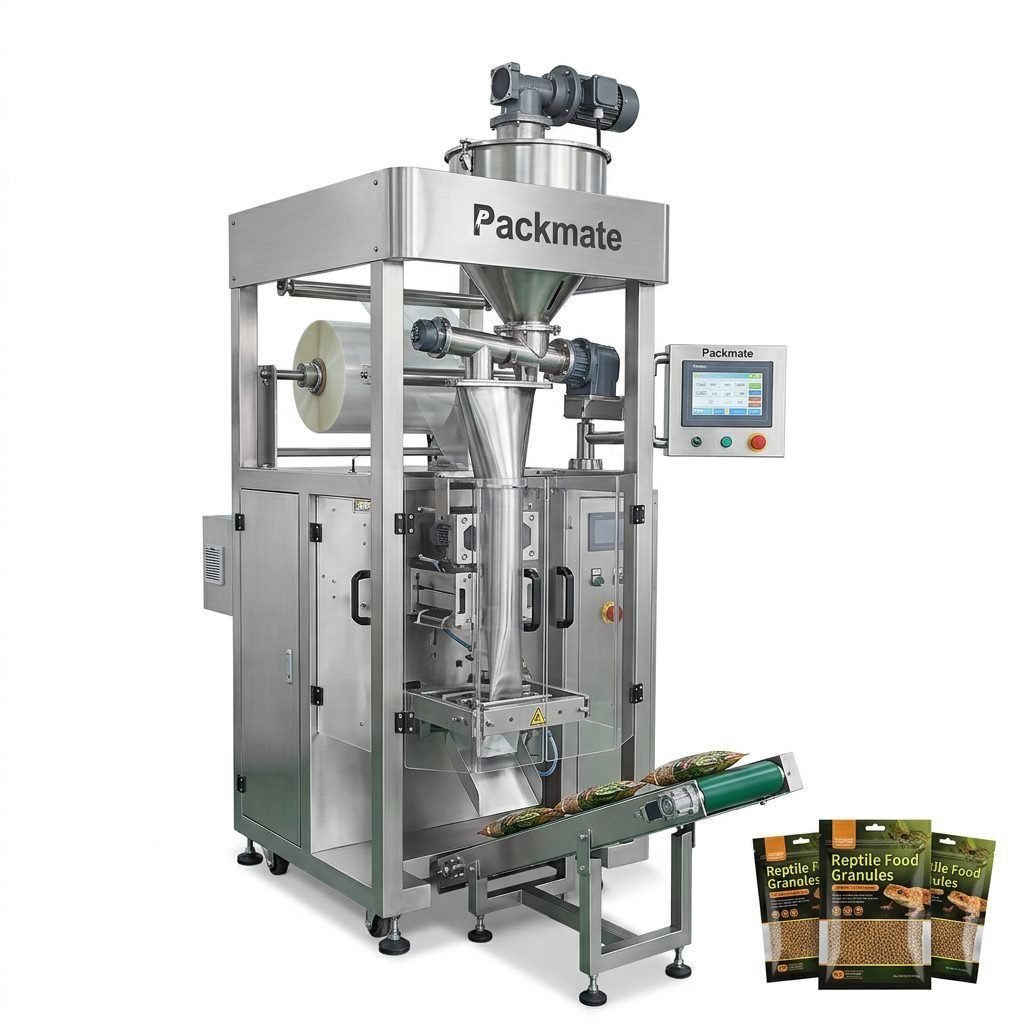
3. Pouch & Bag Packaging Machines
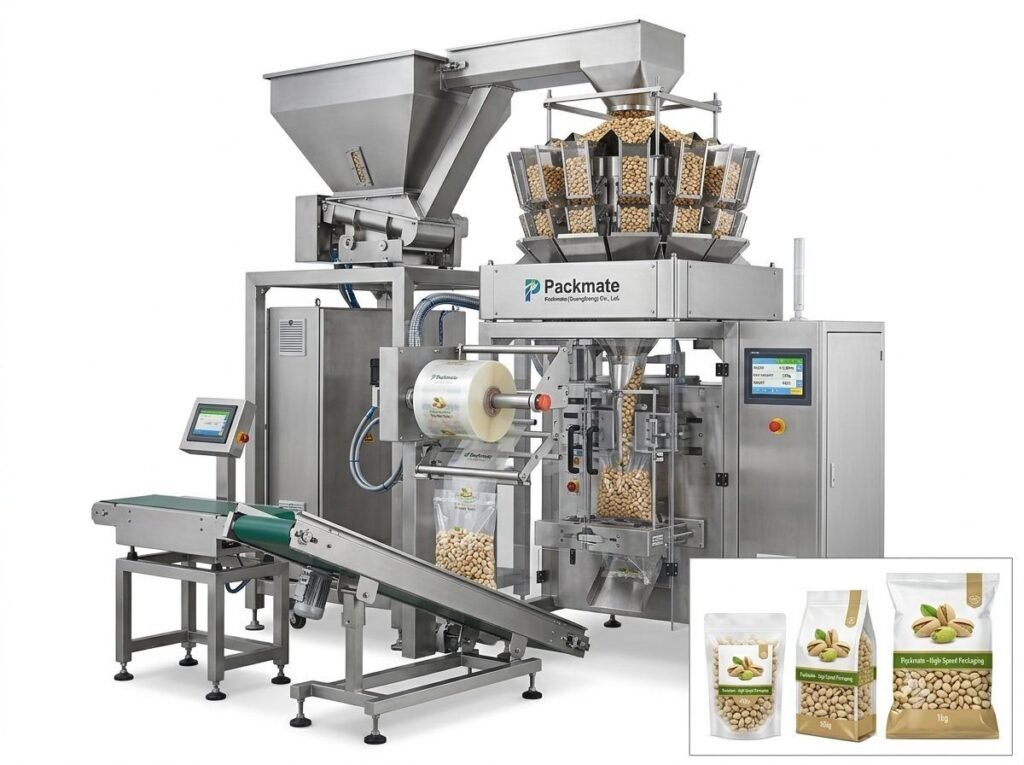
When your product requires a larger format—like granola, pasta, snacks, or frozen fruits—a vertical or horizontal form-fill-seal machine that creates bags and pouches is the answer. These machines form a bag from a roll of film, fill it with a precise amount of product (often integrated with a scale), and then seal it. They can produce stand-up pouches, flat pouches, or gusseted bags with resealable zippers, combining freshness preservation with great shelf presence and user-friendly features.
Choosing the Right Machine: A Quick Checklist
- Product Type: Is it liquid, powder, granular, or solid?
- Package Size: Single-serve sachet, 1lb bag, or a large pouch?
- Production Volume: How many packages do you need per hour/day?
- Barrier Needs: Does it require high protection from moisture, oxygen, or light?
- Budget & Space: Consider both the machine cost and its footprint in your workspace.
The Role of Automation in Home Food Convenience
Convenience isn’t just for your customer; it’s for you, the producer. Modern home-scale packaging machines bring a level of automation that saves immense time and labor. Semi-automatic machines might require you to place the product, but they handle the sealing cycle consistently. Fully automatic models, often used in slightly larger home businesses, can integrate weighing, filling, and sealing into one smooth operation. This automation reduces human error, increases output, and allows you to focus on recipe development and business growth. Companies like Packmate Machinery, with decades of experience in scaling packaging solutions, understand that reliability is the cornerstone of convenience for any producer.
Material Matters: Selecting the Right Film for Your Machine
Your machine is only as good as the packaging material it uses. The film roll must be compatible with your machine’s sealing mechanism (heat seal, ultrasonic seal, etc.). For food, you typically need multi-layer laminates that might include:
- Polyethylene (PE): For good sealability and moisture barrier.
- Polypropylene (PP): For clarity, stiffness, and moisture barrier.
- Polyester (PET): For strength, clarity, and gas barrier.
- Aluminum Foil Layer: For an excellent barrier against light, oxygen, and moisture (used for coffee, pharmaceuticals, etc.).
Consulting with your machine supplier or a film converter is crucial. They can recommend the optimal material structure (e.g., MET-PET/PE) to protect your specific food product, whether it’s oily, acidic, or hygroscopic.
Beyond Freshness: Packaging as a Branding Tool
Your package is your product’s first impression. Today’s machines allow for high-quality printed films or the application of attractive labels. Clean, professional packaging with your logo and design builds brand recognition and conveys quality. It tells a story about your commitment to the product inside. Investing in a machine that can handle pre-printed film or integrate a labeling system adds tremendous value to your home business.
Conclusion: Investing in Your Food’s Future
Selecting the best home food packaging machine is an investment in the quality, safety, and marketability of your creations. By prioritizing machines that excel in preserving freshness—like vacuum sealers, sachet packers, and pouch machines—and those that streamline your process for convenience, you lay a solid foundation for growth. Remember to factor in the packaging materials and the potential for branding. Starting with a clear understanding of your needs will lead you to the equipment that becomes a reliable partner in your culinary journey.
Frequently Asked Questions (FAQs)
1. What is the most versatile packaging machine for a beginner starting a home food business?
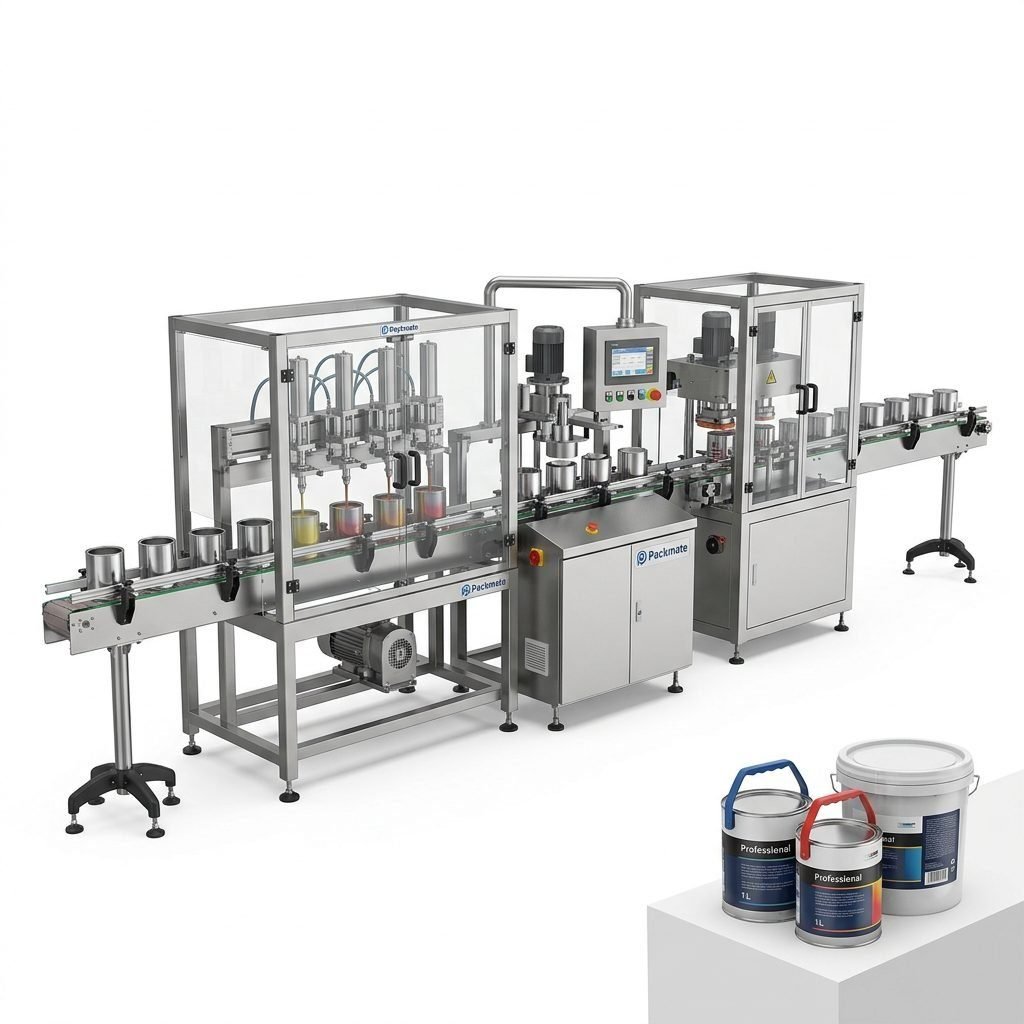
For a beginner handling a variety of dry to semi-moist products (spices, snacks, granola), a tabletop vertical form-fill-seal machine that makes pouches is often the most versatile. It’s relatively easy to learn, can handle different bag sizes, and provides a professional look. For primarily liquid or wet products, a liquid filling machine combined with a capper for bottles might be the starting point.
2. Can I use my home food packaging machine for non-food items?
Absolutely. Many machines are perfectly suited for packaging small hardware items, crafts, cosmetics, or pharmaceutical samples. However, you must ensure the machine is thoroughly cleaned to prevent cross-contamination, and you should use appropriate packaging film for the product (e.g., different barrier properties might be needed).
3. How do I ensure my packaged food remains safe and meets regulations?
Food safety starts with proper hygiene during the filling process. The packaging itself must use food-grade films that are approved for direct contact with your specific product type (acidic, fatty, etc.). For businesses, it’s critical to understand your local food labeling and safety regulations. The machine’s role is to provide a consistent, hermetic seal that supports your safety protocols.
4. Is it cost-effective to buy a machine for a small home operation?
It depends on your volume and labor costs. If you are spending hours hand-sealing packages with inconsistent results, a machine can pay for itself quickly through increased efficiency, reduced material waste from failed seals, and a more professional product that can command a better price. Calculate your current time cost per package versus the machine’s output speed.
5. Where can I get support and learn to operate my packaging machine?
Reputable suppliers like Packmate Machinery provide operational training, manuals, and technical support. It’s essential to choose a supplier that offers good after-sales service, including access to spare parts and troubleshooting assistance. Many also provide installation and commissioning services to ensure you start off correctly.