In the fast-paced world of packaging, efficiency and product integrity are paramount. For businesses handling food, pharmaceuticals, or health products, finding the right sealing solution is a critical step. This is where tray sealer packaging machines come into play. These sophisticated systems automate the process of sealing pre-formed trays or containers with a protective lidding film, creating a secure, tamper-evident, and often modified atmosphere package that extends shelf life.
What is a Tray Sealer Packaging Machine?
A tray sealer is an automated machine designed to hermetically seal a lidding material—typically a flexible film—onto a rigid or semi-rigid tray. The process involves placing the filled tray under a sealing head, which applies heat and pressure to bond the film to the tray’s flange. Advanced models often integrate gas flushing systems to displace oxygen inside the package with a protective gas mixture (like nitrogen or carbon dioxide), a technique known as Modified Atmosphere Packaging (MAP). This significantly slows down oxidation and microbial growth, preserving the product’s freshness, color, and taste.
The core advantage of a tray sealer lies in its ability to provide a consistent, reliable, and high-strength seal at high production speeds, something manual or semi-automatic methods cannot match. This consistency is vital for maintaining quality standards and ensuring consumer safety.
Primary Types of Tray Sealer Machines
The market offers various tray sealer configurations to suit different production scales, tray types, and budgetary needs. Understanding these types is the first step in making an informed purchase.
1. Manual & Semi-Automatic Tray Sealers
Ideal for low to medium-volume production, startups, or pilot runs. Operators manually load and unload trays. The sealing cycle is initiated by a foot pedal or button. These machines are cost-effective, space-saving, and easy to operate, making them a popular choice for businesses scaling up from hand-sealing.
2. Automatic Inline Tray Sealers
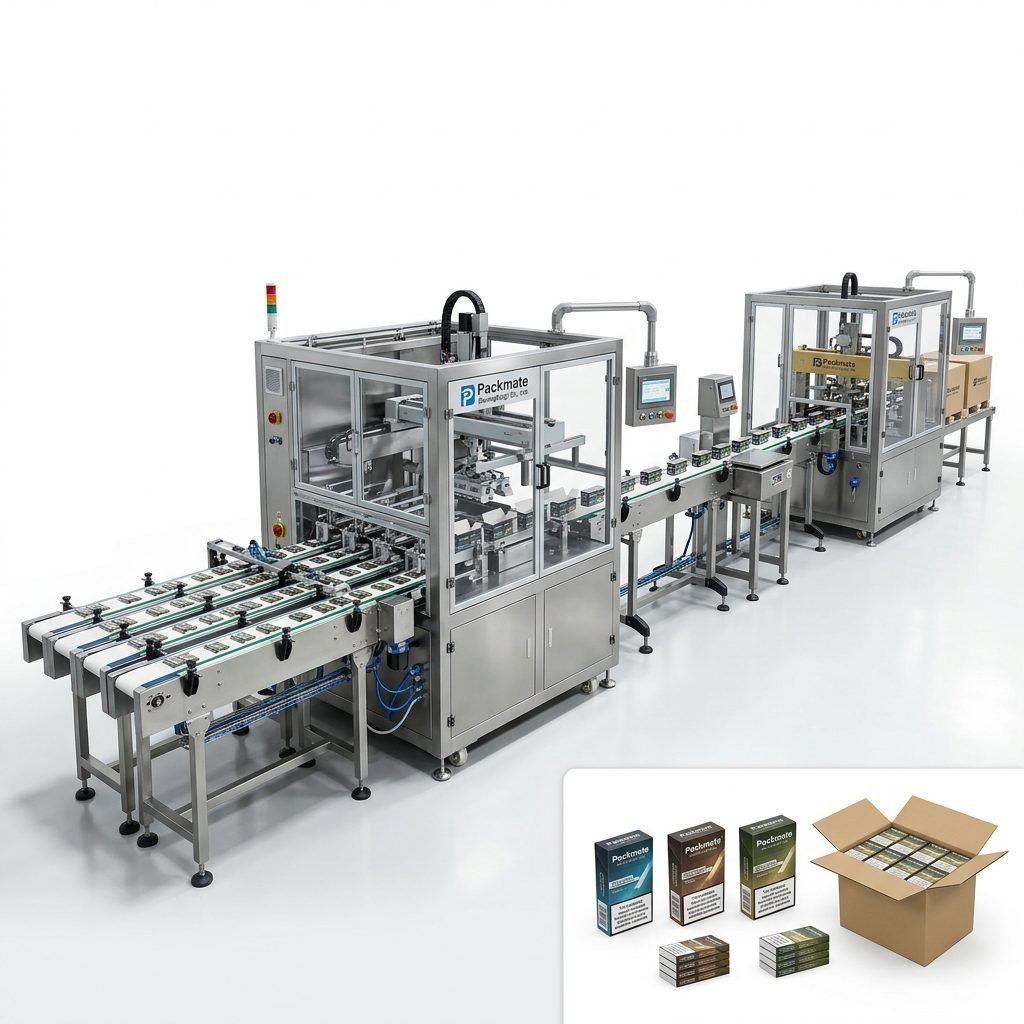
These are the workhorses of high-volume production lines. They are integrated with upstream fillers and downstream handling systems. Trays are automatically conveyed into the sealing station, sealed, and discharged without manual intervention. They offer maximum throughput, labor savings, and seamless line integration. Many automatic sealers from leading manufacturers like Packmate Machinery come with sophisticated programmable logic controllers (PLCs) for precise control over every parameter.
3. Rotary Tray Sealers
Featuring a rotating carousel with multiple sealing stations, these machines provide continuous motion sealing. While one tray is being sealed, others are being loaded or unloaded. This design is excellent for achieving very high speeds and is often used for sealing uniform products like dairy desserts, ready meals, or fresh produce.
4. Thermoforming Packaging Machines
Although a broader category, it’s important to distinguish them. A thermoformer forms the tray from a roll of plastic sheet, fills it, and then seals it with a lidding film—all in one continuous process. A standalone tray sealer requires pre-formed trays. Thermoformers offer great material flexibility but have a higher initial cost and are suited for extremely high-volume, dedicated product lines.
Key Applications and Industry Uses
Tray sealers are versatile and serve a wide array of industries where product protection and presentation are key.
Food Industry: This is the largest application area. Tray sealers are used for fresh and processed meats, poultry, fish, cheeses, ready-to-eat meals, fruits, vegetables, baked goods, and snacks. MAP capabilities are crucial here for extending the shelf life of perishables.
Pharmaceutical & Medical: Sterility and tamper evidence are non-negotiable. Tray sealers package medical devices, surgical kits, blister packs for tablets, and diagnostic kits. They often operate in controlled environments and use specialized films that meet stringent regulatory standards.
Electronics & Components: Sensitive electronic parts, circuit boards, and hardware can be protected from moisture, dust, and electrostatic discharge (ESD) using anti-static films in a tray sealer.
Cosmetics & Personal Care: Single-use samples, premium creams, or makeup palettes are often sealed in trays for a luxurious, hygienic, and secure presentation.
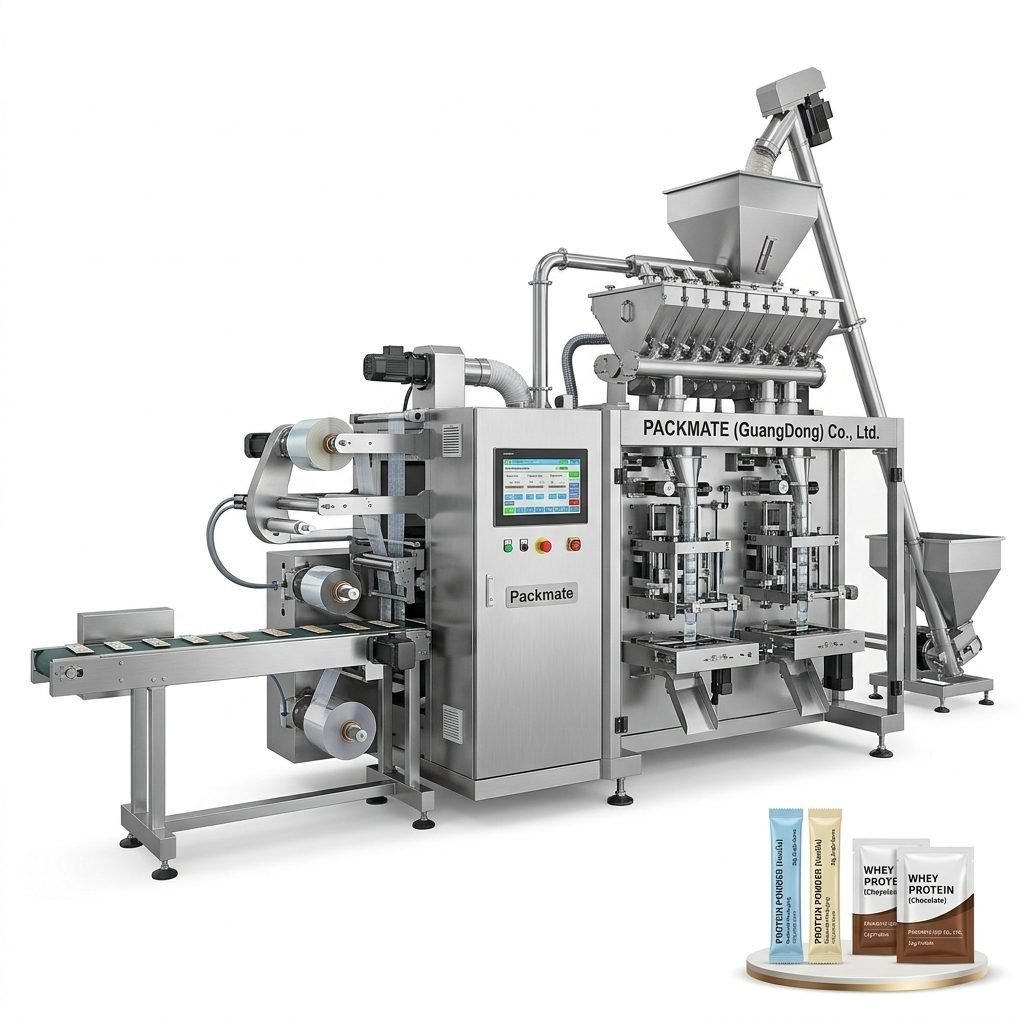
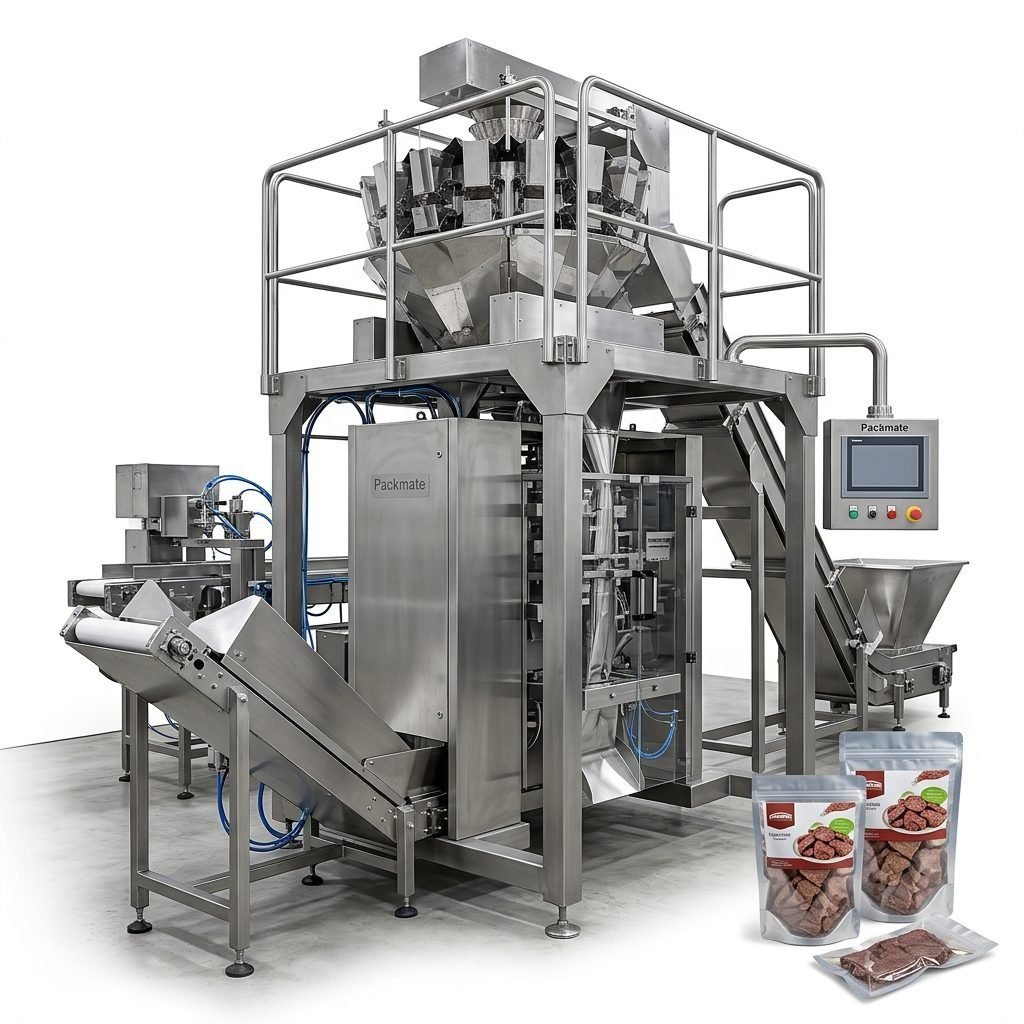
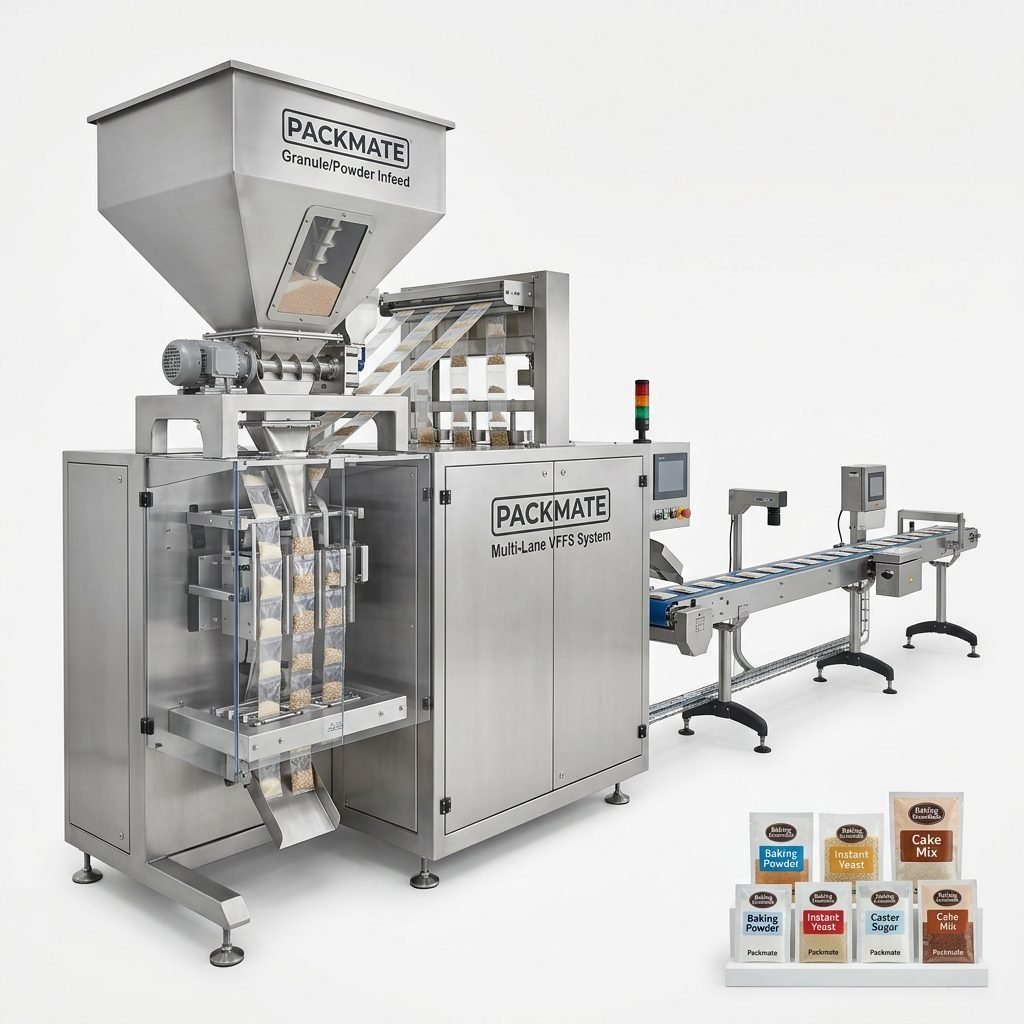
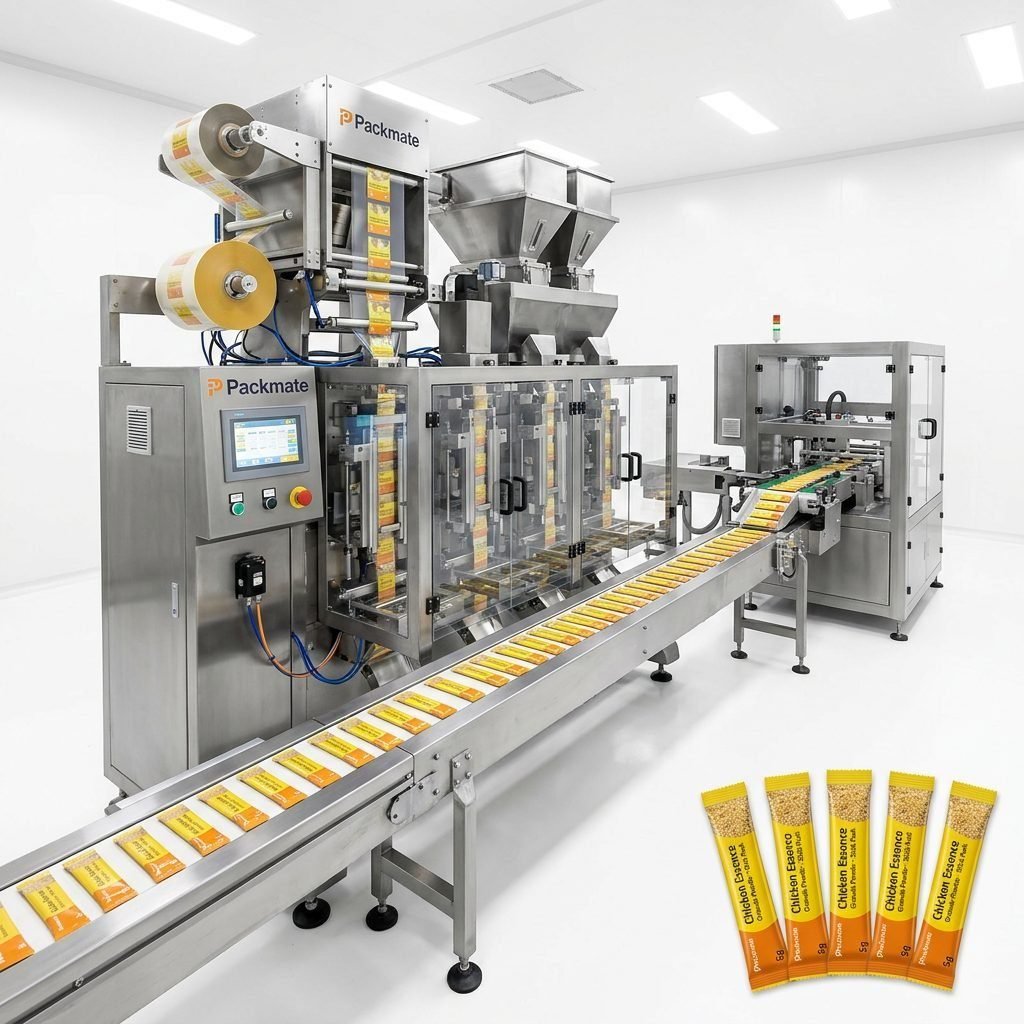
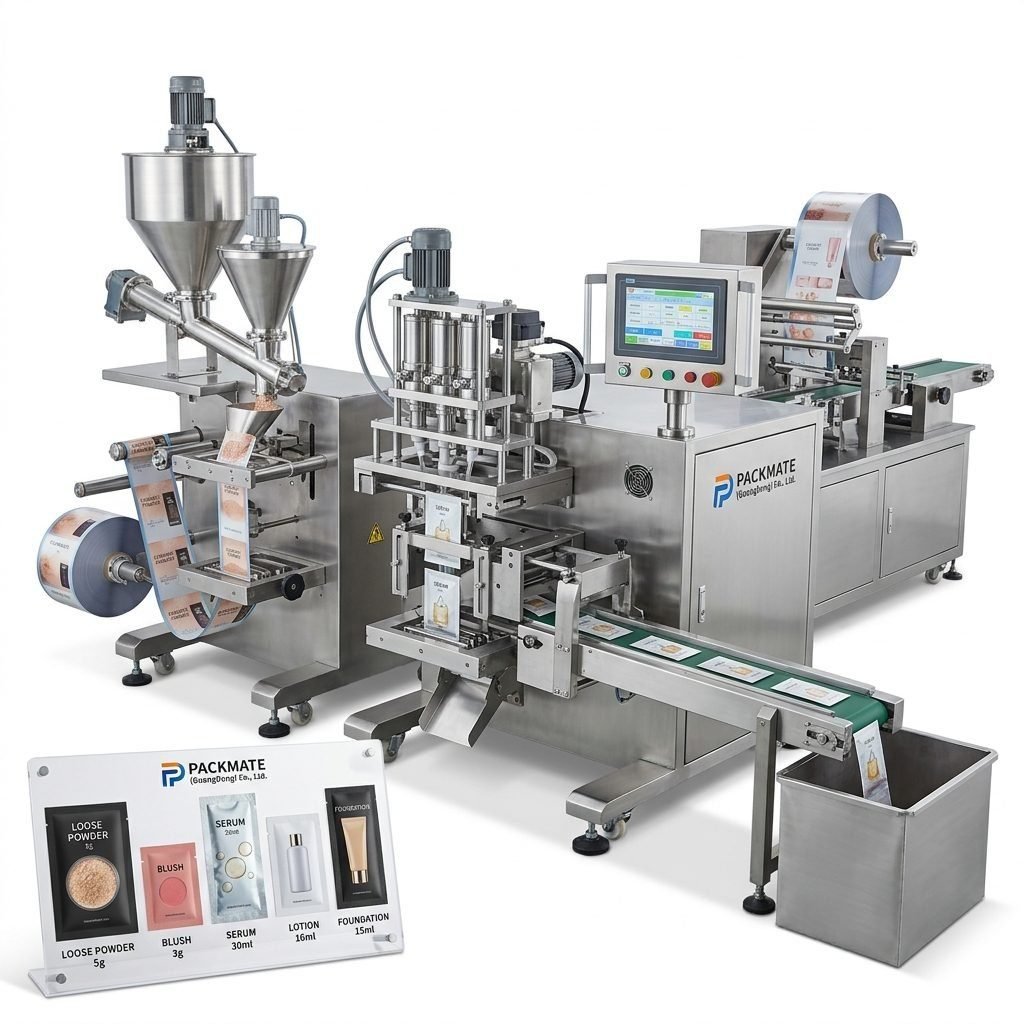
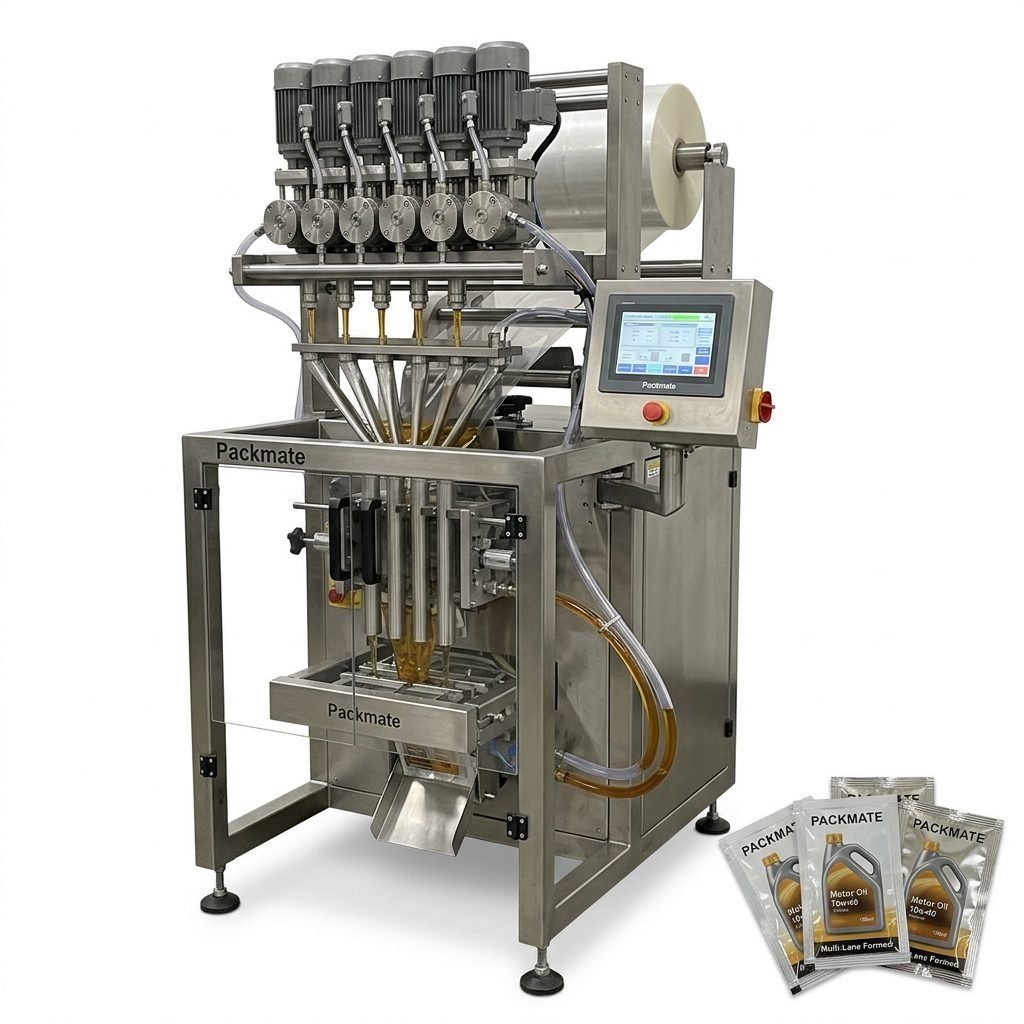
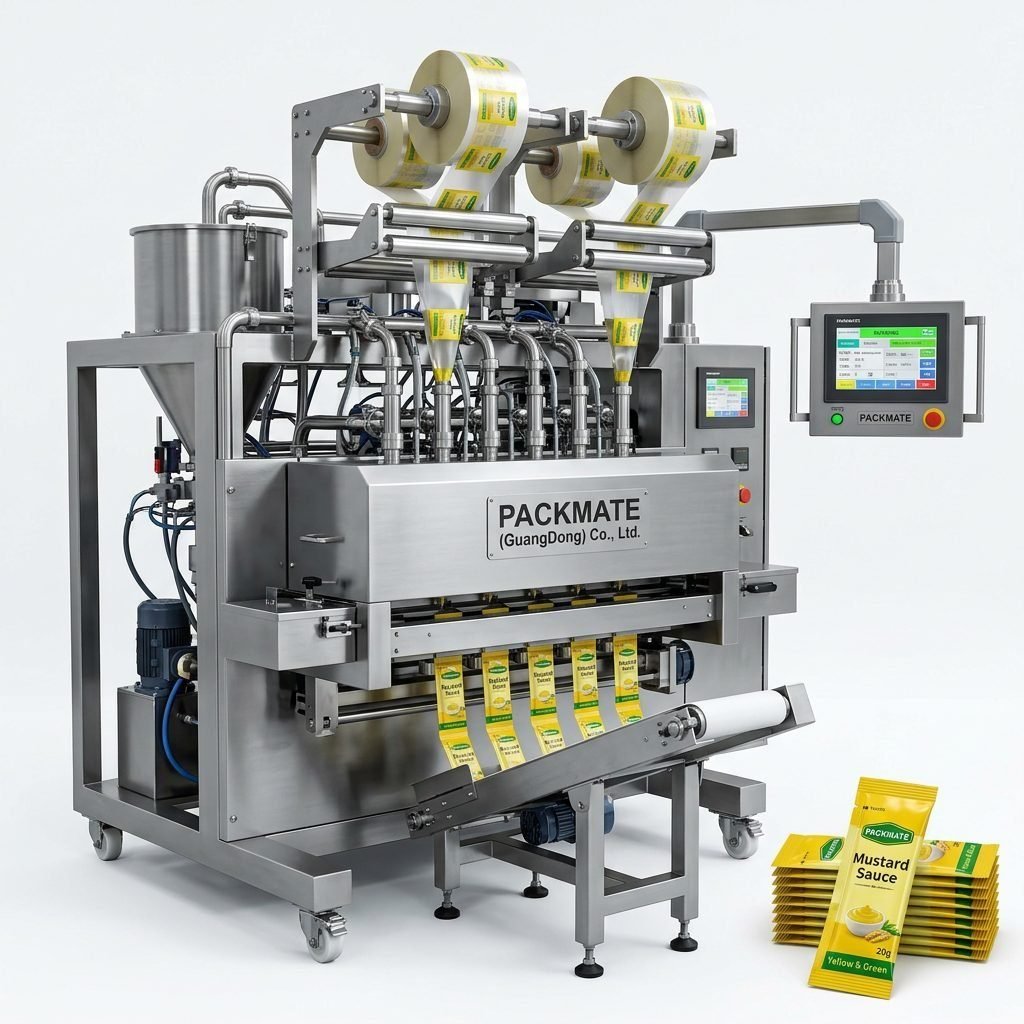
When selecting a machine, it’s essential to consider your specific product’s needs. For example, a company packaging granular tea or powdered supplements might look at integrated solutions that include a weighing and packaging system upstream of the sealer. Conversely, a business focusing on liquid condiments in sachets might prioritize a different line configuration, such as those used in sachet and stick pack machines.
Essential Buying Tips and Considerations
Investing in a tray sealer is a significant decision. Here are critical factors to guide your selection process.
1. Assess Your Production Requirements
Start with the basics: Output Speed (packages per minute), Tray Size and Depth, and Production Volume. A manual sealer may suffice for a few thousand packs a day, while an automatic inline system is necessary for tens of thousands. Consider future growth to avoid outgrowing your machine too quickly.
2. Define Your Product and Packaging Materials
The product dictates the packaging material. What type of tray are you using? (APET, CPET, PP, PVC, aluminum?). What lidding film is required? (top web with barrier properties, easy-peel sealant layer?). The machine must be compatible with these materials and capable of achieving a strong seal without burning or weakening the film. Test runs with your actual materials are highly recommended.
3. Evaluate Machine Features and Technology
- Sealing Mechanism: Look for even heat distribution and precise temperature control.
- MAP/Gas Flushing: If shelf-life extension is needed, a machine with an accurate gas flushing system is essential.
- Control System: A user-friendly PLC touchscreen interface allows for easy recipe storage, changeover, and diagnostics.
- Changeover Time: How quickly can you switch from one tray size to another? Quick-change tooling is a valuable feature for flexible production.
- Hygienic Design: For food or pharma, look for stainless steel construction, easy-clean surfaces, and protection against contamination.
4. Consider the Supplier’s Expertise and Support
The machine is only as good as the company behind it. Choose a supplier with a proven track record and deep industry knowledge. A manufacturer like Packmate Machinery, with over two decades of experience in intelligent packaging solutions, can provide not just a machine but valuable application advice. Review their warranty, availability of spare parts, technical support, and training services. Can they provide a complete turnkey solution, integrating the sealer with fillers, conveyors, and labelers?
5. Total Cost of Ownership (TCO)
Look beyond the initial purchase price. Factor in energy consumption, maintenance costs, required operator skill level, and potential downtime. A slightly more expensive, robust machine from a reputable supplier often has a lower TCO than a cheaper, less reliable alternative that frequently breaks down.
Frequently Asked Questions (FAQs)
1. What is the main difference between a tray sealer and a vacuum sealer?
While both remove air, a vacuum sealer typically uses a flexible bag and removes almost all air, which can crush delicate products. A tray sealer uses a rigid tray to protect the product’s shape and often replaces the air with a protective gas mix (MAP), which is better for preserving the texture and appearance of fresh foods like salads or berries.
2. How do I know if I need a Modified Atmosphere Packaging (MAP) function?
If you are packaging highly perishable fresh foods (meat, fish, prepared salads, fresh pasta) where extending shelf life by days or weeks is a key commercial goal, then MAP is crucial. It slows spoilage by inhibiting the growth of aerobic bacteria and fungi. For dry goods or non-perishable items, standard sealing without gas flushing is usually sufficient.
3. How difficult is it to change over the machine for a different tray size?
It varies by machine. Basic models may require manual adjustment and change of parts, taking 30 minutes or more. Advanced automatic sealers often feature tool-less changeover or quick-change nest systems, allowing a size change in under 5-10 minutes, which minimizes downtime in multi-product facilities.
4. What kind of maintenance does a tray sealer require?
Regular daily cleaning of the sealing head and conveyor is essential. Periodic maintenance includes checking and calibrating temperature sensors, inspecting and possibly replacing the sealing film (non-stick coating), and lubricating moving parts as per the manufacturer’s schedule. A good supplier will provide a detailed maintenance checklist.
5. Can a tray sealer handle irregularly shaped or tall trays?
Yes, but it requires a machine with sufficient sealing depth adjustment and a sealing head designed to conform to the tray’s profile. For very deep or complex shapes, a “plug assist” or forming station might be needed to push the lidding film down into the tray cavity before sealing to avoid wrinkles or trapped air.