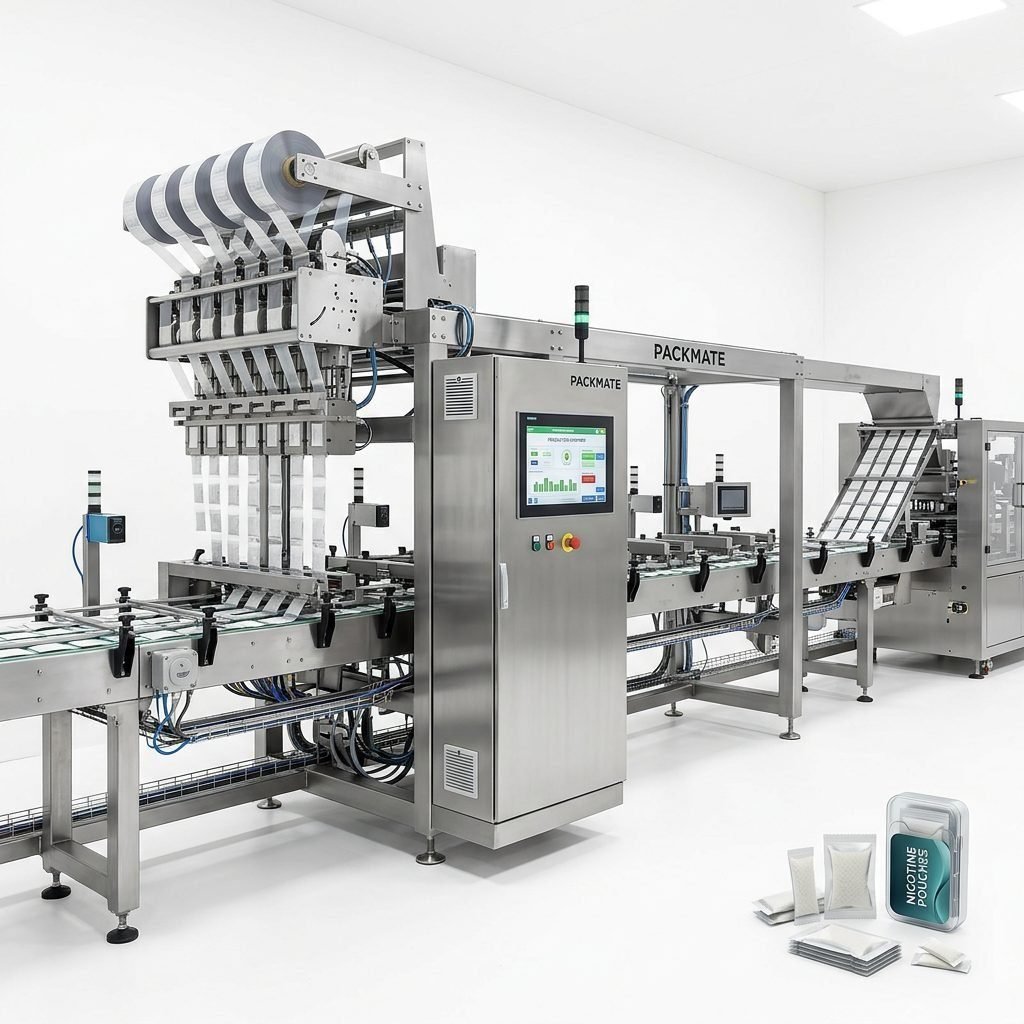
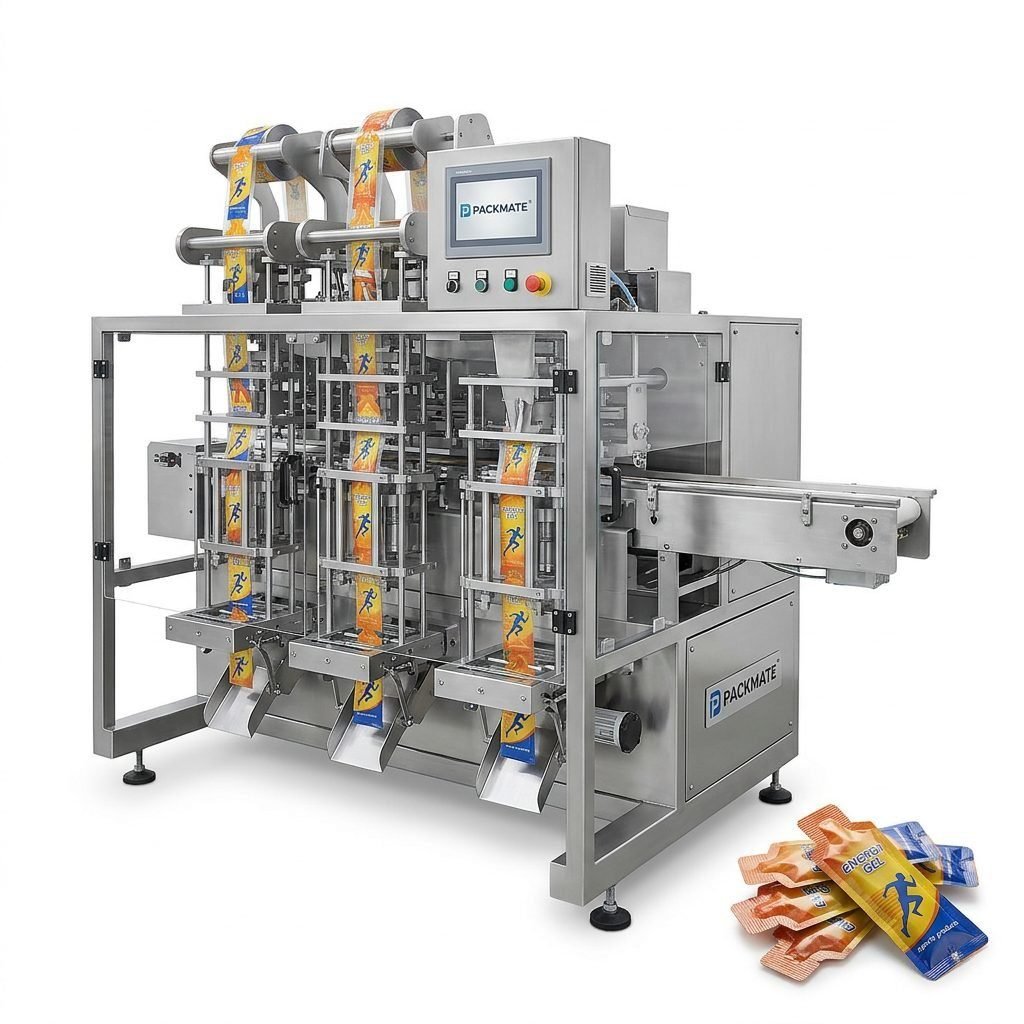
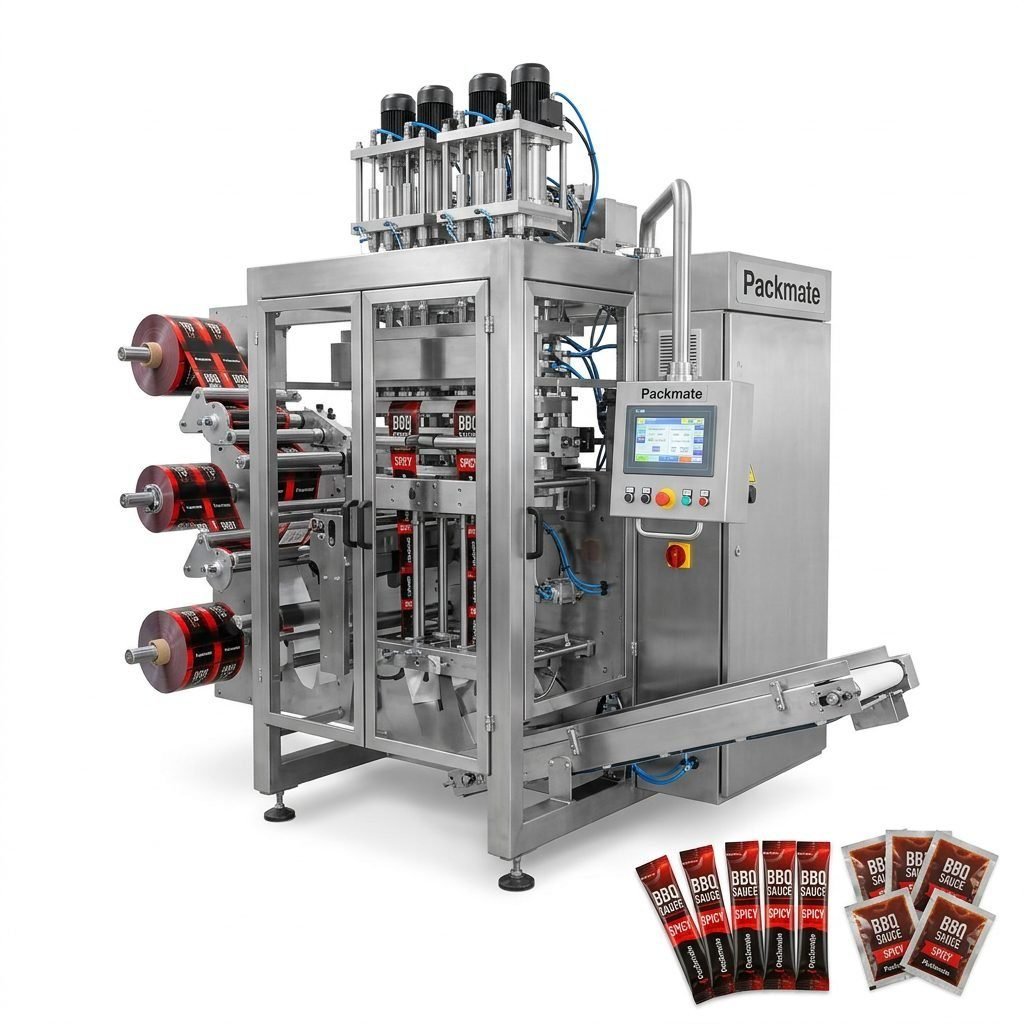
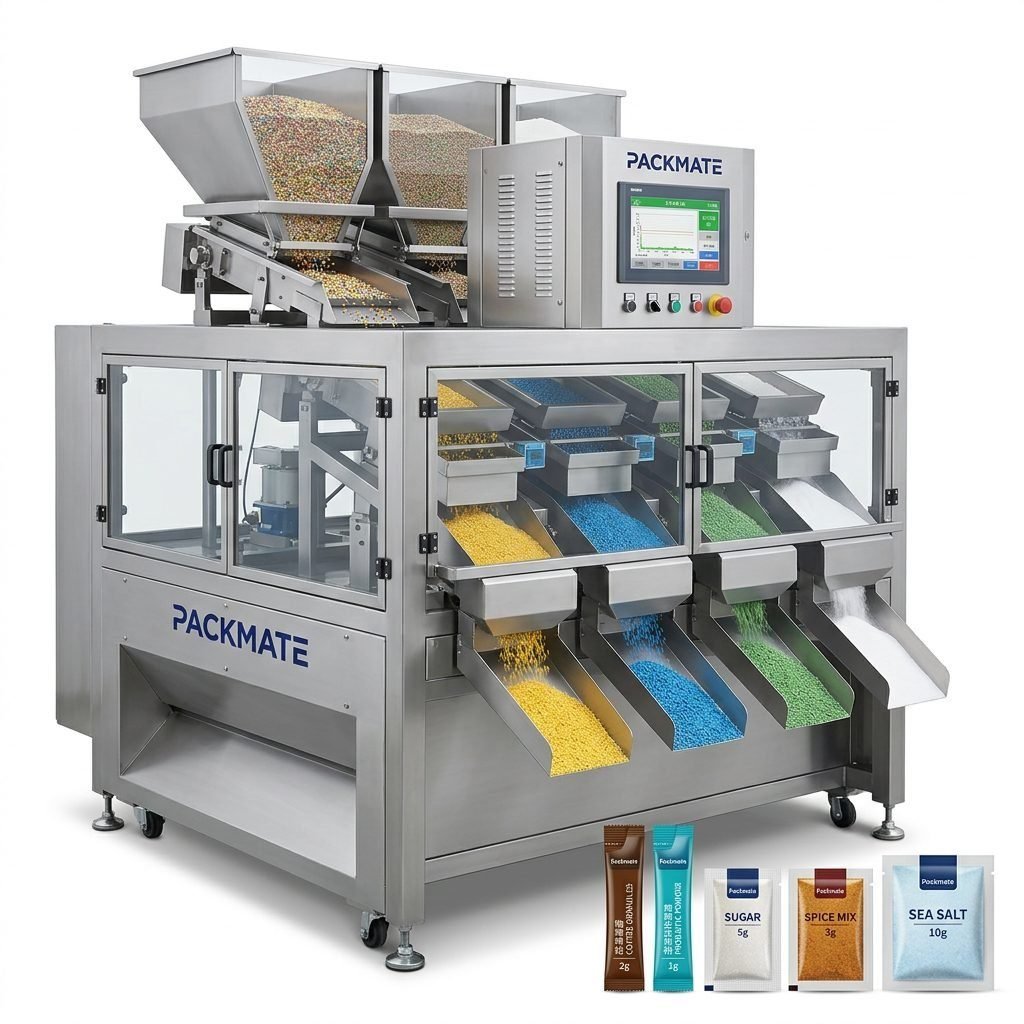
In the competitive world of fertilizer production, efficiency isn’t just a goal—it’s a necessity. The final step of packaging is where product integrity, brand presentation, and operational speed converge. Choosing the right fertilizer packaging machine is a critical investment that directly impacts your bottom line, production capacity, and market reputation. This guide explores the top machines designed to streamline your packaging line, ensuring your products are sealed, protected, and ready for distribution with maximum efficiency.
Why Efficient Packaging is Paramount for Fertilizer Producers
The fertilizer industry deals with a diverse range of products—from fine powders and granules to coarse blends and prills. Each type presents unique packaging challenges, including dust control, accurate weighing, and maintaining consistent bag seals. An inefficient packaging line can lead to product loss, inconsistent bag weights (which can have regulatory implications), and frustrating bottlenecks that slow down your entire production process. Modern packaging machinery addresses these issues head-on, transforming packaging from a necessary chore into a competitive advantage.
Key Benefits of Advanced Packaging Machines:
Precision Weighing: High-accuracy scales ensure every bag meets the declared weight, minimizing give-away and avoiding underweight penalties.
High-Speed Operation: Automated systems can fill and seal hundreds of bags per hour, far surpassing manual or semi-automatic methods.
Reduced Product Waste: Closed systems and precise controls drastically cut down on spillage and dust emission.
Improved Worker Safety: Automation limits direct employee exposure to dust and repetitive strain injuries.
Enhanced Brand Consistency: Machines produce neat, uniform packages that strengthen brand perception on the retail shelf.
Top Types of Fertilizer Packaging Machines for Your Line
Selecting the ideal machine depends on your product format, required output, and bag type. Here’s a breakdown of the most effective systems available.
1. Vertical Form-Fill-Seal (VFFS) Machines
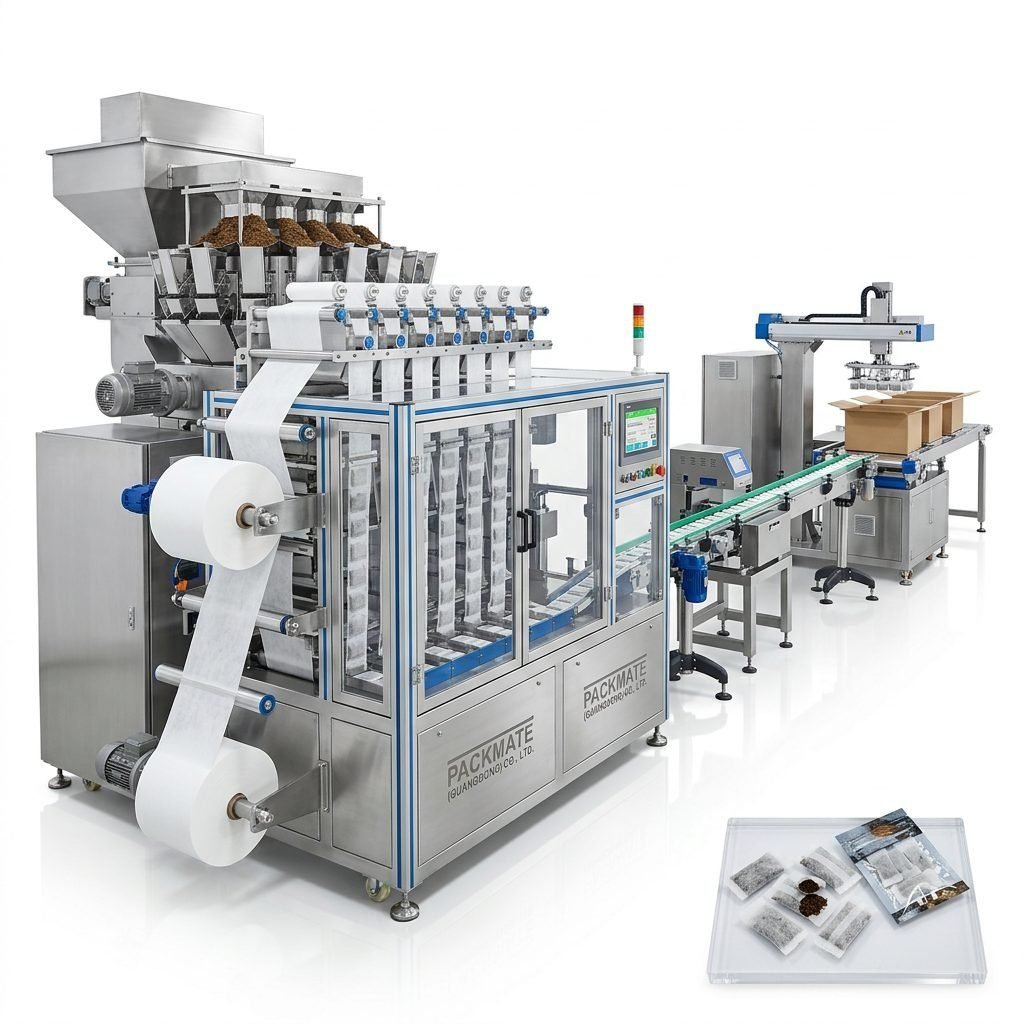
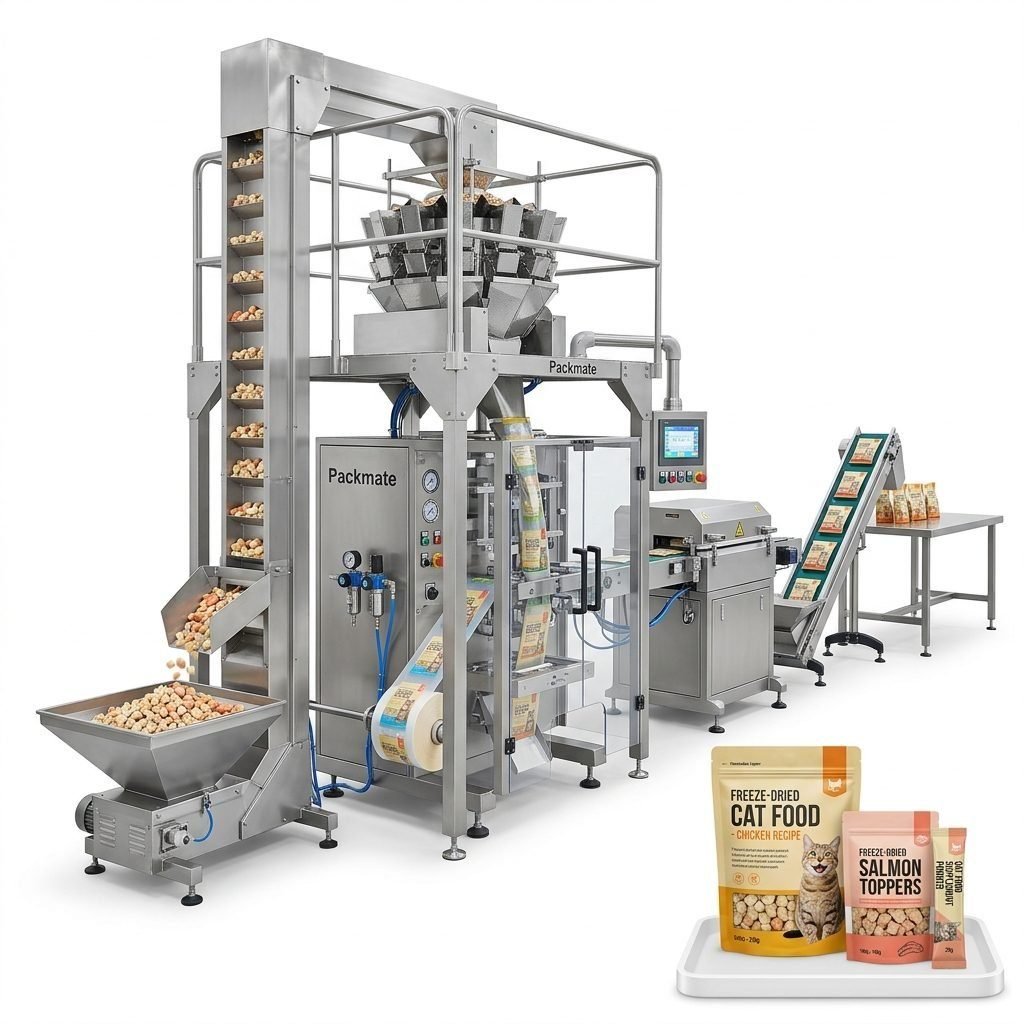
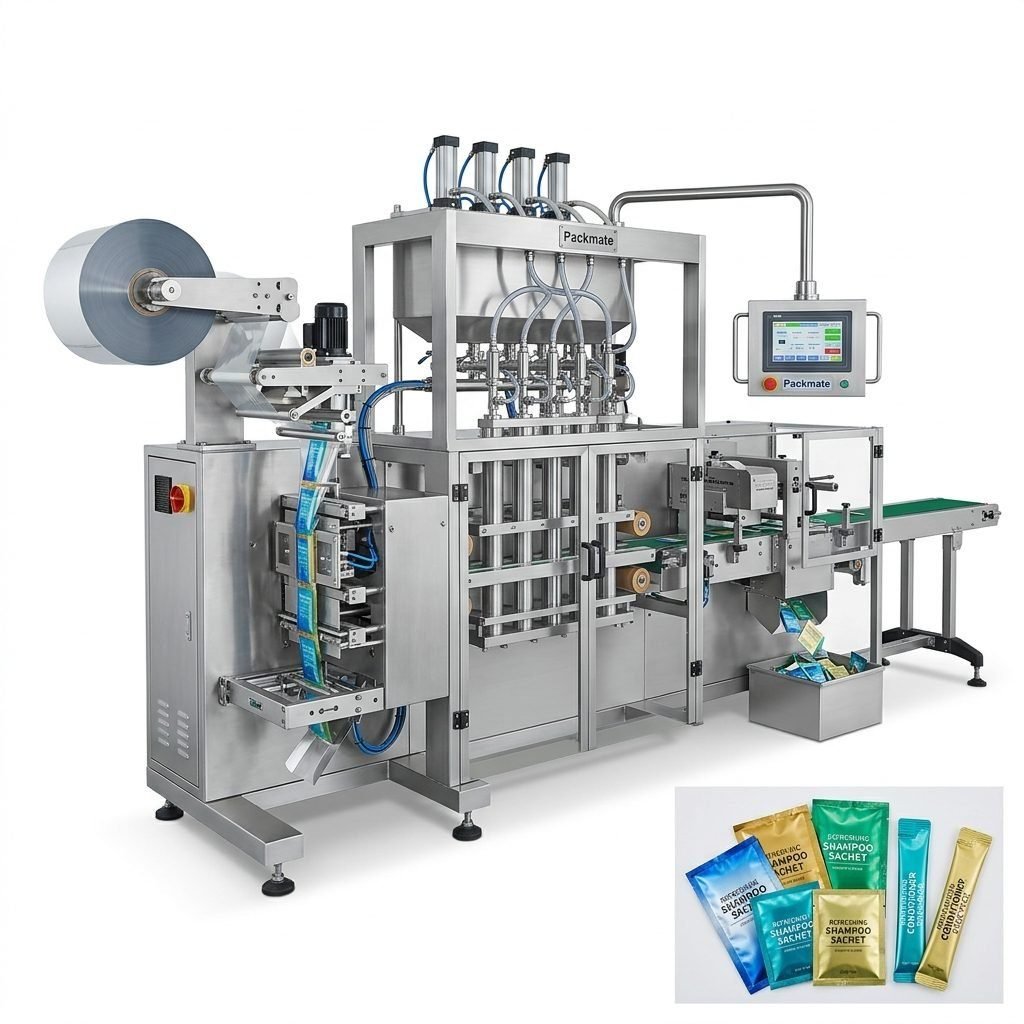
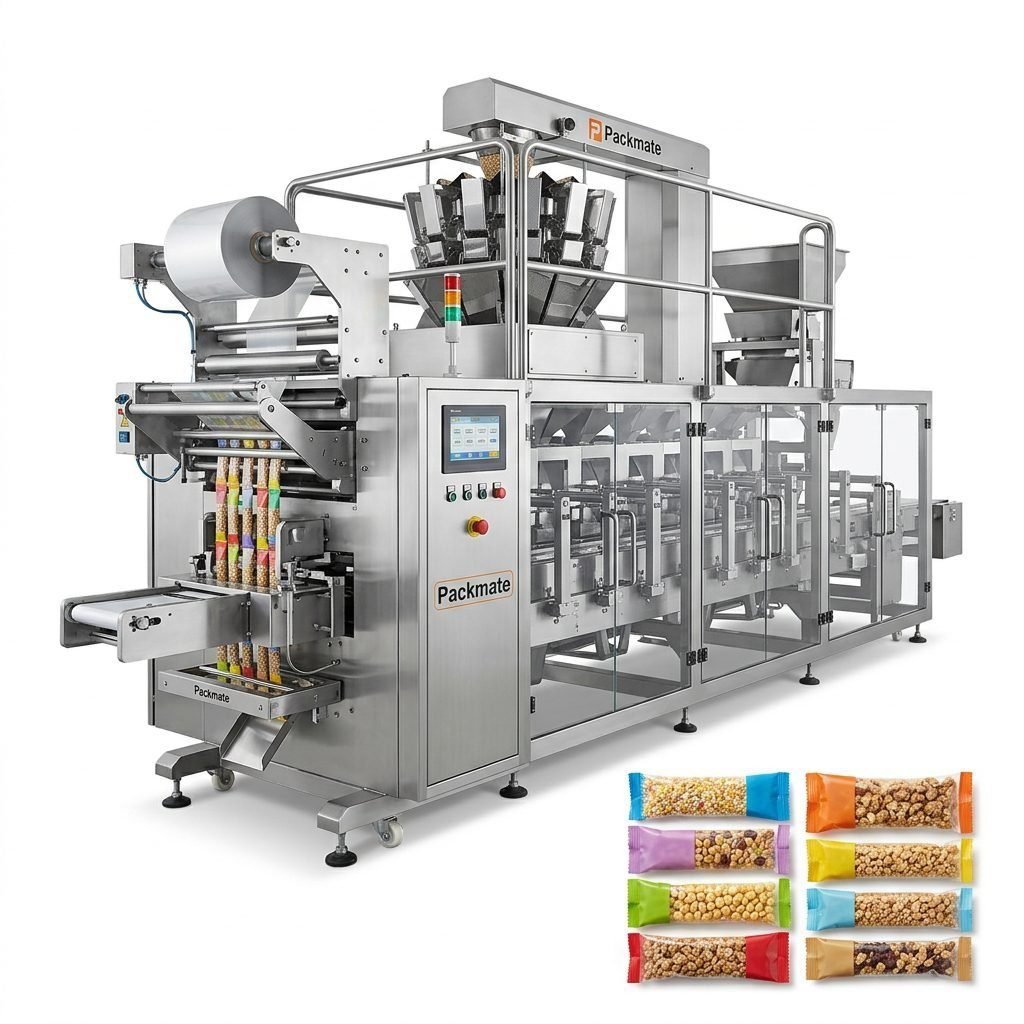
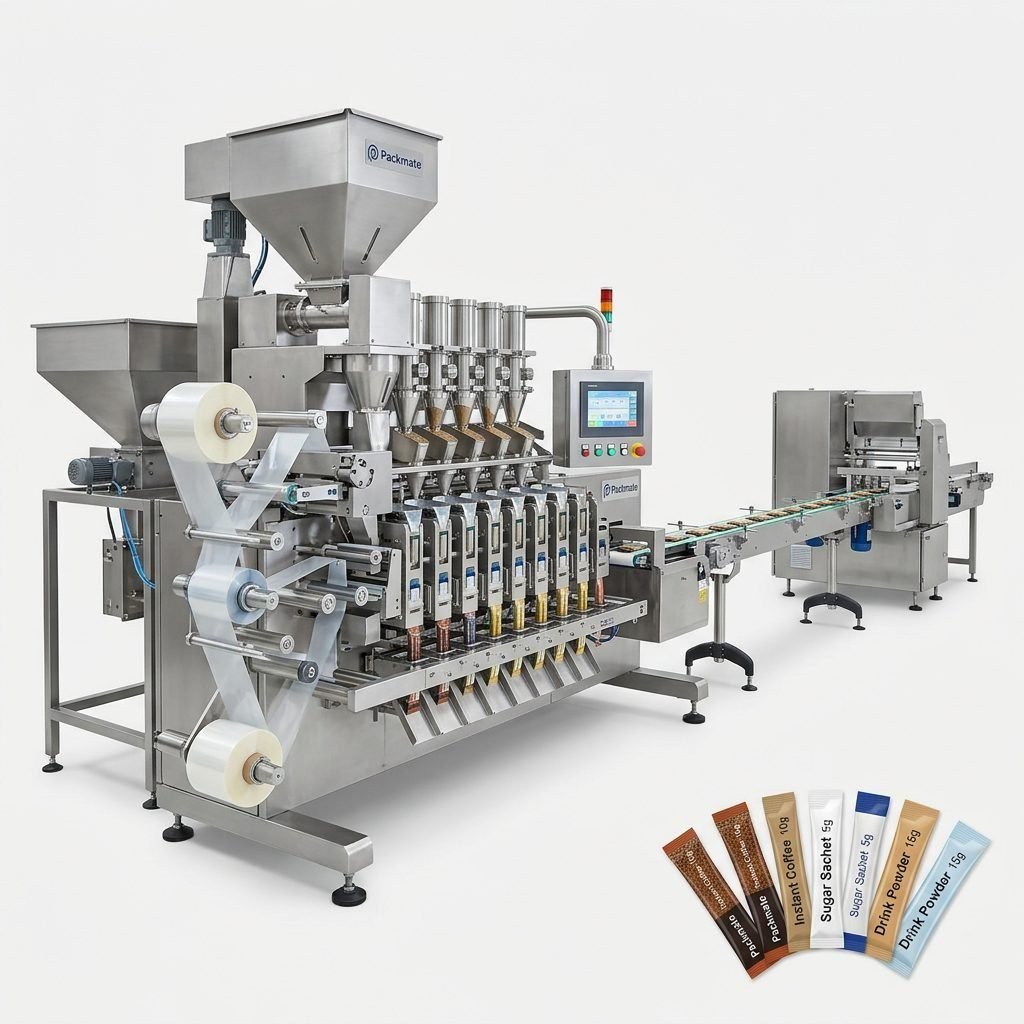
These are the workhorses of the fertilizer industry for pre-made bags. A VFFS machine forms a bag from a roll of film, fills it with a pre-weighed amount of product, and then seals it—all in one continuous, vertical operation. They are incredibly versatile and can handle various bag styles, such as pillow bags, gusseted bags, or bags with zippers. For medium to high-volume production of granular or prilled fertilizers, a robust VFFS system is often the first choice. Companies like Packmate Machinery offer advanced VFFS solutions integrated with precision weighers for optimal performance.
2. Open-Mouth Bagging Systems
For packing fertilizers into woven polypropylene (PP) bags, valve bags, or other open-mouth containers, this system is essential. It typically involves a bag placer, a high-speed weighing and filling head (like a impeller or auger filler), and a conveyor for bag closing. These systems are known for their rugged durability and ability to handle coarse, abrasive materials at very high speeds. They are the backbone of large-scale, bulk fertilizer packaging.
3. Weighing and Filling Systems: The Heart of Accuracy
At the core of any packaging line is the weighing system. For fertilizers, multi-head weighers and linear weighers provide the speed, while gross/net weighers and auger fillers offer the precision for powders. The choice between them depends on particle size and flow characteristics. Integrating the right weigher with your bagger is crucial. Explore specialized weighing and packaging systems designed to handle the specific demands of agricultural products.
Pro Tip: Consider a Complete Line
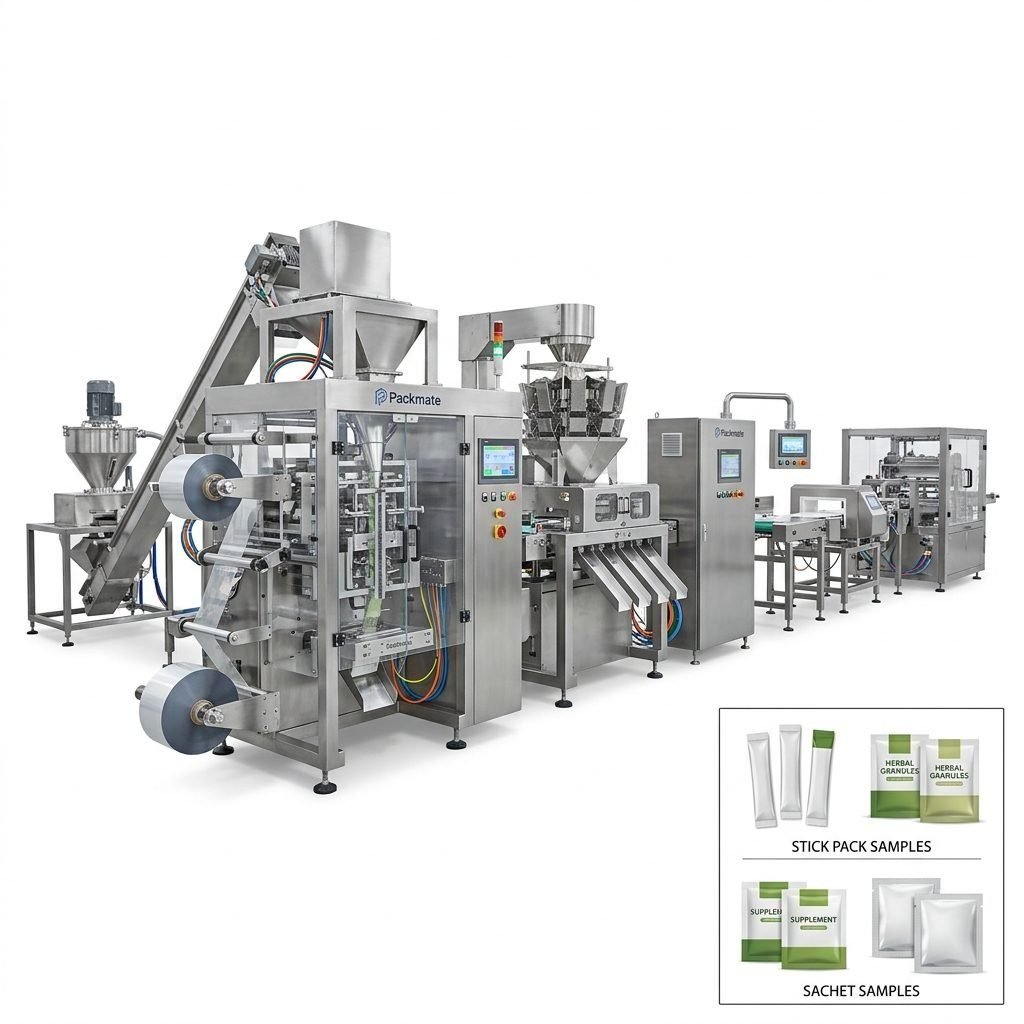
For peak efficiency, consider investing in a synchronized filling and packaging line. This goes beyond a single machine to include conveyors, bag flatteners, checkweighers, and palletizers. A turnkey line from a single supplier, such as Packmate, ensures all components communicate seamlessly, reducing integration headaches and maximizing throughput from filling to palletizing.
4. Automated Palletizers and Robotic Arms
Once bags are filled and sealed, they need to be organized for shipping. Automated palletizers neatly stack bags onto pallets according to a programmed pattern. For more flexible or mixed-SKU operations, robotic palletizing arms offer incredible versatility. This final automation step completes the hands-off production flow, significantly reducing labor costs and physical strain on workers.
Critical Features to Look for in a Fertilizer Packager
Beyond the machine type, specific features are non-negotiable for handling fertilizer effectively.
Corrosion-Resistant Construction: Fertilizers can be highly corrosive. Look for machines with stainless steel contact parts, powder-coated frames, and other protective measures to ensure a long service life.
Dust Containment and Extraction: Effective dust hoods, seals, and vacuum connections are vital for maintaining a clean plant environment and protecting the machine’s internal components.
Easy-Clean Design: Sanitation and product changeover are easier with machines that feature smooth surfaces, quick-release panels, and accessible interiors.
User-Friendly HMI: A clear, intuitive touchscreen interface allows operators to change settings, monitor production data, and troubleshoot issues quickly.
Reliable Seal Integrity: The sealing system must create strong, consistent seals even in dusty conditions to prevent leaks during handling and transport.
Partnering with an Experienced Manufacturer
The manufacturer you choose is as important as the machine itself. A partner with deep industry experience understands the unique challenges of fertilizer packaging. Packmate (GuangDong) Co., Ltd., with over two decades of development, exemplifies this expertise. Starting from a focused vision in 2003, the company has grown into a provider of over 50 machine models, serving global clients from a modern 20,000㎡ facility. This kind of proven track record in delivering reliable, intelligent packaging solutions for granules and powders is invaluable. Their commitment to quality, innovation, and complete turnkey solutions ensures you get a system built for the long haul, not just a piece of equipment.
Conclusion: Investing in Your Production Future
Upgrading to a top-tier fertilizer packaging machine is a strategic move that pays dividends in increased output, reduced waste, lower labor costs, and a more professional end product. By carefully evaluating your needs against the types of machines and critical features outlined above, and by partnering with a reputable manufacturer, you can build a packaging line that becomes a pillar of your efficient production process. In an industry where margins and reliability are key, the right packaging technology is not an expense—it’s a powerful engine for growth.
Frequently Asked Questions (FAQs)
What is the typical output speed of a fertilizer packaging machine?
Speeds vary widely based on the machine type and bag size. Vertical form-fill-seal machines can range from 20 to 60+ bags per minute for smaller bags. Open-mouth baggers for 25kg-50kg bags can achieve 6 to 15 bags per minute per spout. A multi-spout system can dramatically increase total line output.
Can one machine handle both powder and granular fertilizer?
Some versatile machines can be configured for both, but the optimal setup often differs. Powders require auger fillers for precision and excellent dust control, while granules work well with impeller or cup fillers. It’s crucial to discuss your specific product range with the manufacturer to ensure the chosen machine can handle both effectively or if separate dedicated systems are recommended.
How important is after-sales service and parts availability?
Extremely important. Packaging machines are long-term investments. Choose a manufacturer known for reliable technical support, readily available spare parts, and comprehensive training. Downtime is costly, so a responsive service network is a critical part of your purchasing decision.
What are the key maintenance requirements for these machines?
Regular maintenance includes cleaning to remove dust and residue, checking and calibrating scales, inspecting and replacing wear parts like sealing jaws and auger flights, and lubricating moving parts as specified by the manufacturer. A good supplier will provide a clear maintenance schedule.
Are automated packaging lines suitable for small to medium-sized fertilizer businesses?
Absolutely. Automation is scalable. There are semi-automatic and compact fully automatic systems designed for lower to medium volumes that offer a fantastic return on investment by improving accuracy and freeing up labor for other tasks. The goal is to find the right level of automation for your current and projected output.