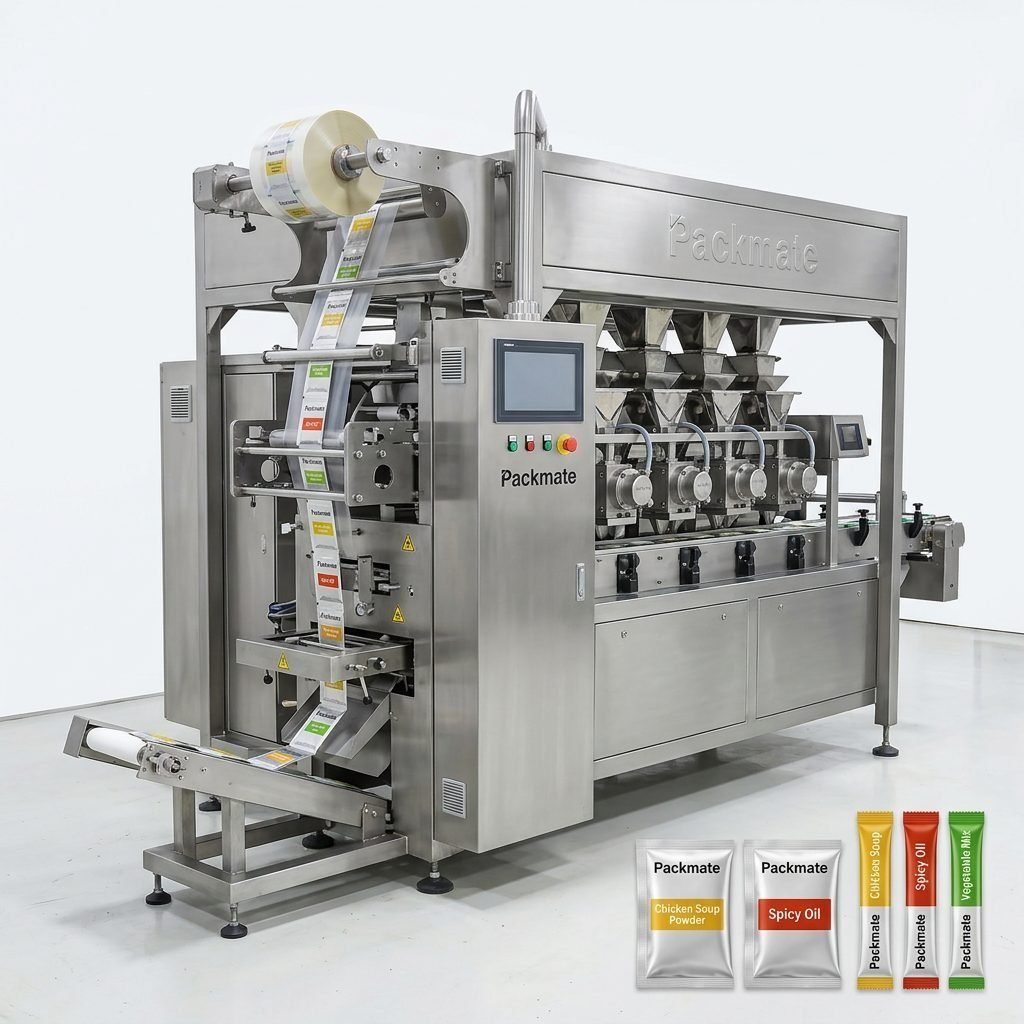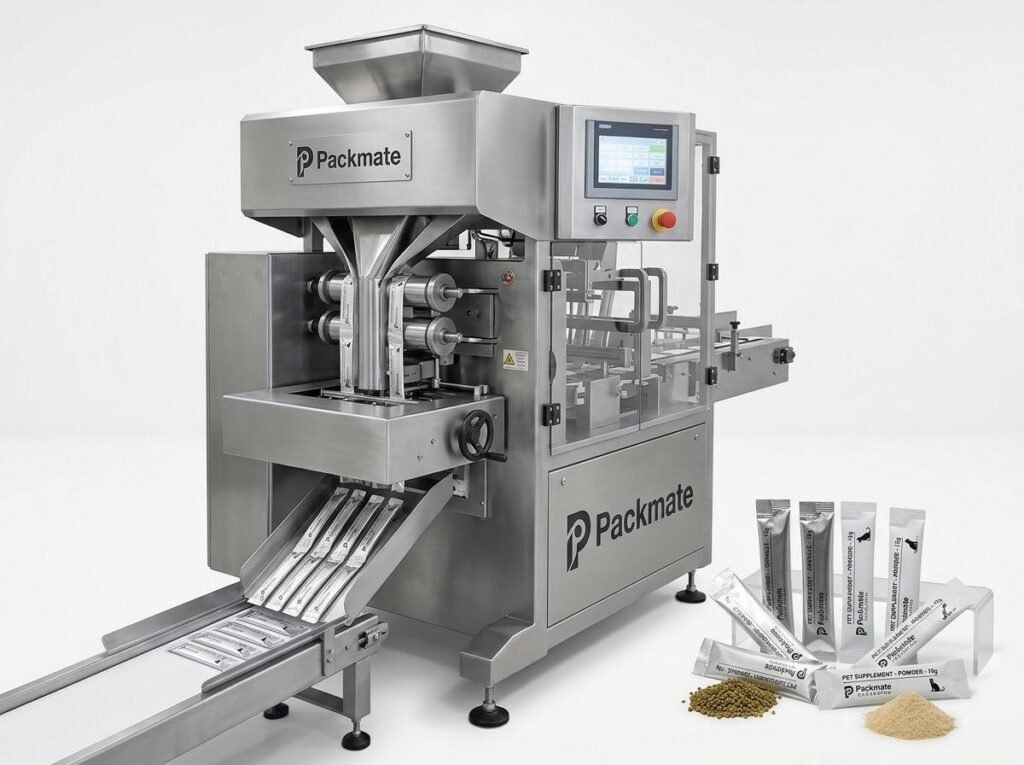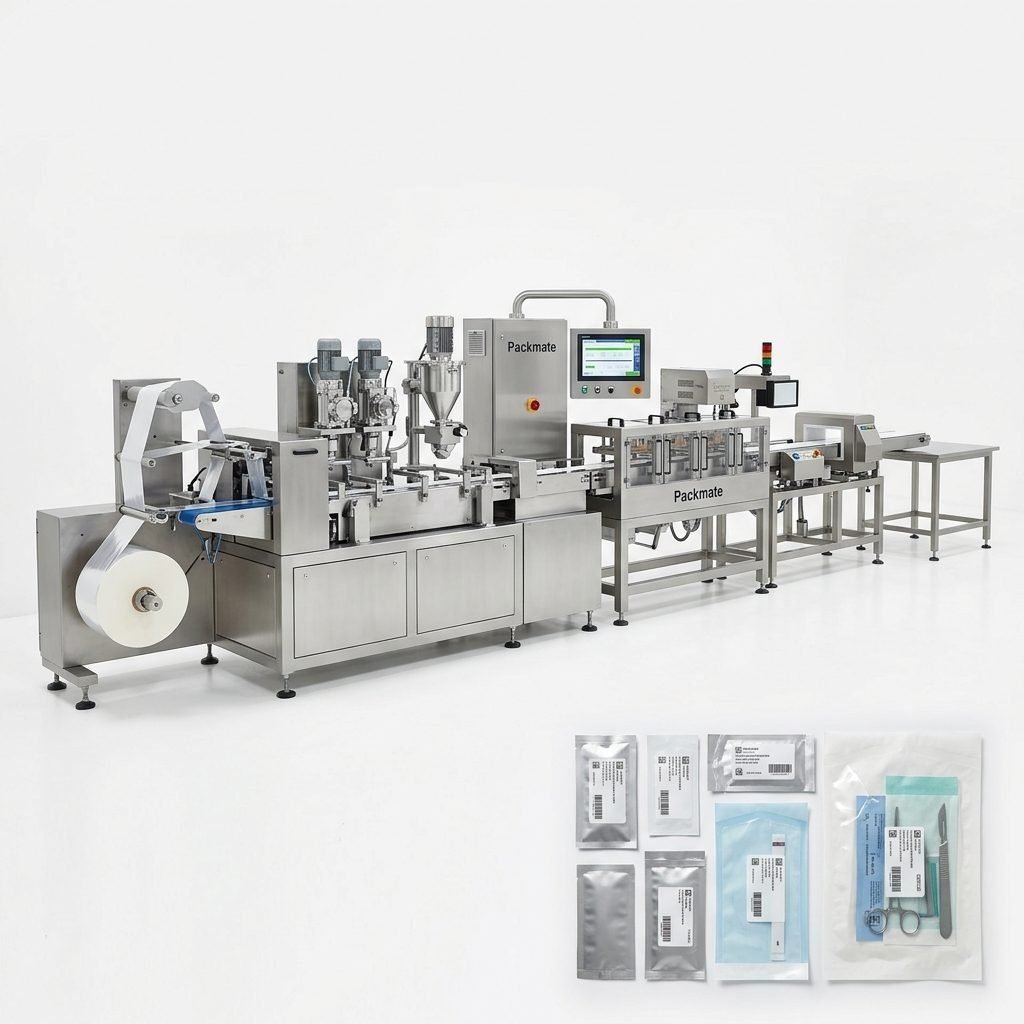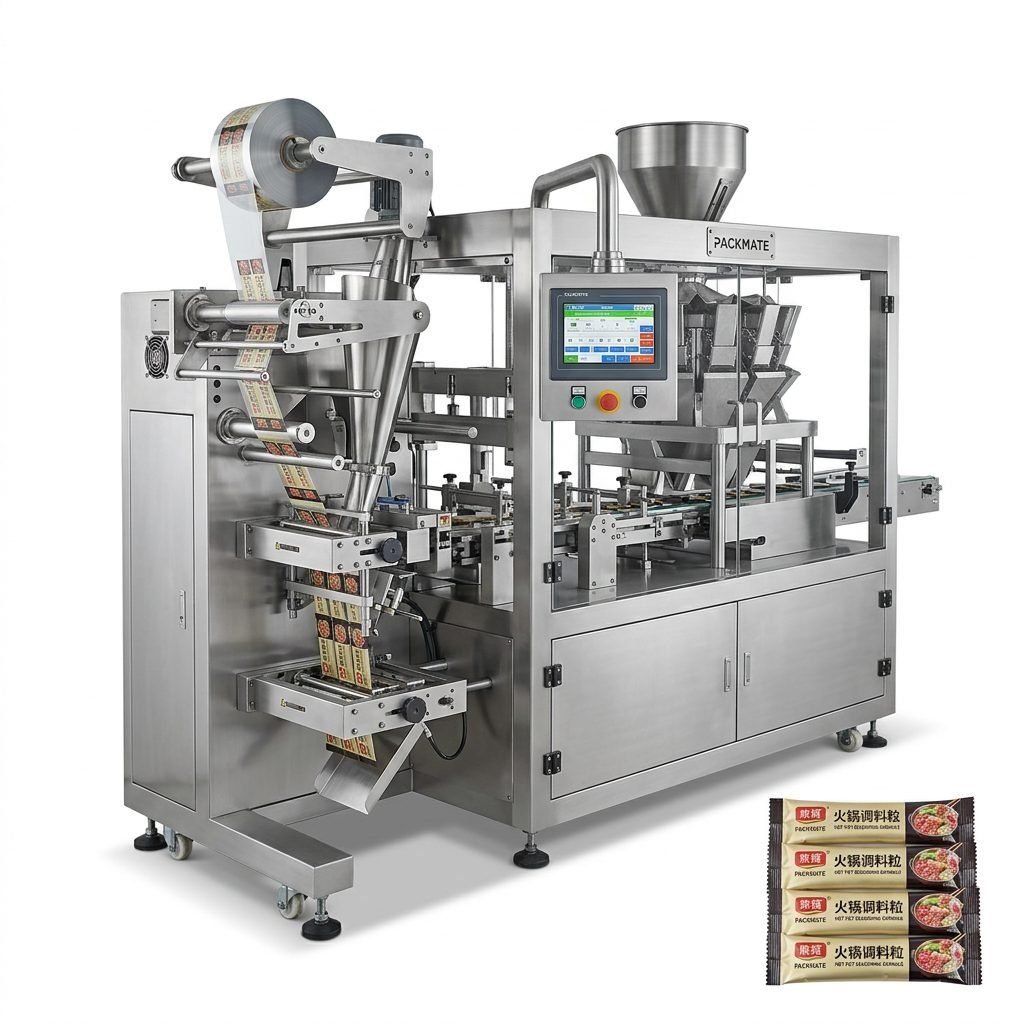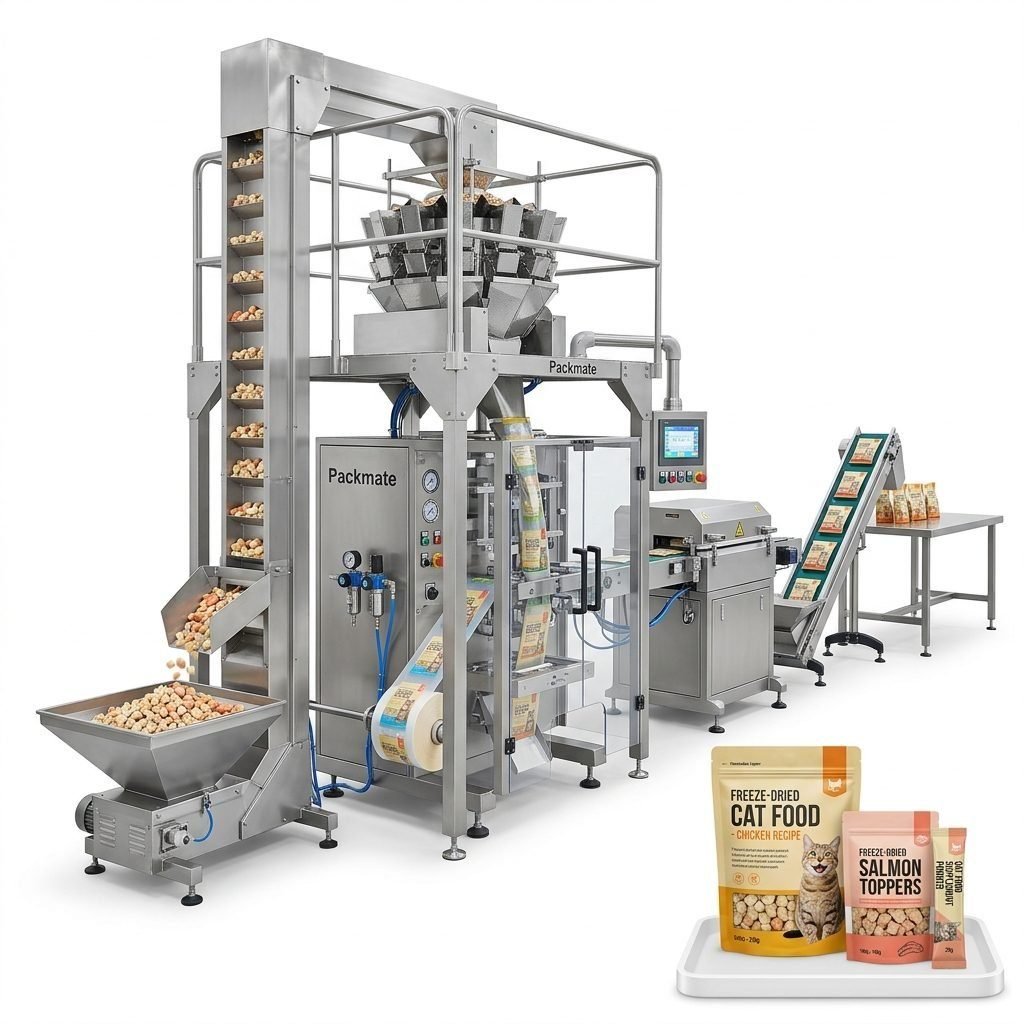
The Japanese packaging machinery market is a sophisticated landscape shaped by unique cultural values, technological precision, and evolving consumer demands. For global manufacturers seeking entry or expansion, understanding the interplay between these trends and local customs is paramount to success. Japan’s market is not just about advanced technology; it’s deeply influenced by aesthetics, respect, and a relentless pursuit of perfection.
The Cultural Foundation: Precision, Aesthetics, and Omotenashi
Any analysis of Japan’s industrial trends must begin with its cultural bedrock. The concepts of monozukuri (the art of making things) and kodawari (fastidious attention to detail) directly translate to packaging. Machinery must deliver flawless, consistent results to meet these expectations. Furthermore, the Japanese principle of Omotenashi (selfless hospitality) extends to product presentation. Packaging is the first “service” a product provides to the consumer, making its appearance, functionality, and unboxing experience critically important. This drives demand for machinery capable of producing elegant, intricate, and high-quality packaging formats.
Dominant Trend 1: Automation and Robotics Integration
Facing a significant labor shortage and an aging workforce, Japanese manufacturers are at the forefront of automation. The trend is moving beyond basic automated lines towards fully integrated, smart factories. Collaborative robots (cobots) are increasingly deployed alongside filling and packaging lines for tasks like final packing and palletizing. This shift requires packaging machinery with open communication protocols (like OPC UA) and the ability to seamlessly integrate with robotic systems for end-to-end, lights-out production.
Key Insight: The demand is for modular and connectable machinery. Stand-alone machines are less desirable than systems that can be easily slotted into a larger, automated ecosystem. This aligns with the Japanese preference for harmonious, efficient systems.
Dominant Trend 2: Sustainability and Material Innovation
Driven by both government initiatives like the Plastic Resource Circulation Act and heightened consumer eco-consciousness, sustainable packaging is non-negotiable. The trend isn’t just about using recycled materials; it’s about source reduction—creating smaller, lighter packages with less material. This places new demands on machinery, which must handle thinner, more challenging bio-based or mono-material films with high precision and maintain seal integrity. Machinery that can efficiently run paper-based packaging or reduce film waste through advanced servo controls is gaining immense traction.
Dominant Trend 3: Smart Packaging and Industry 4.0
The integration of IoT sensors and data analytics into packaging lines is accelerating. Japanese manufacturers value predictive maintenance and real-time quality monitoring. Modern packaging machines are expected to provide continuous data on OEE (Overall Equipment Effectiveness), downtime causes, and product count. This data-driven approach minimizes waste (muda), a core tenet of lean manufacturing deeply ingrained in Japanese industry. Access to this data allows for continuous, incremental improvement (kaizen) of the packaging process.
Growth in Specific Sectors: Pharmaceuticals & Convenience Foods
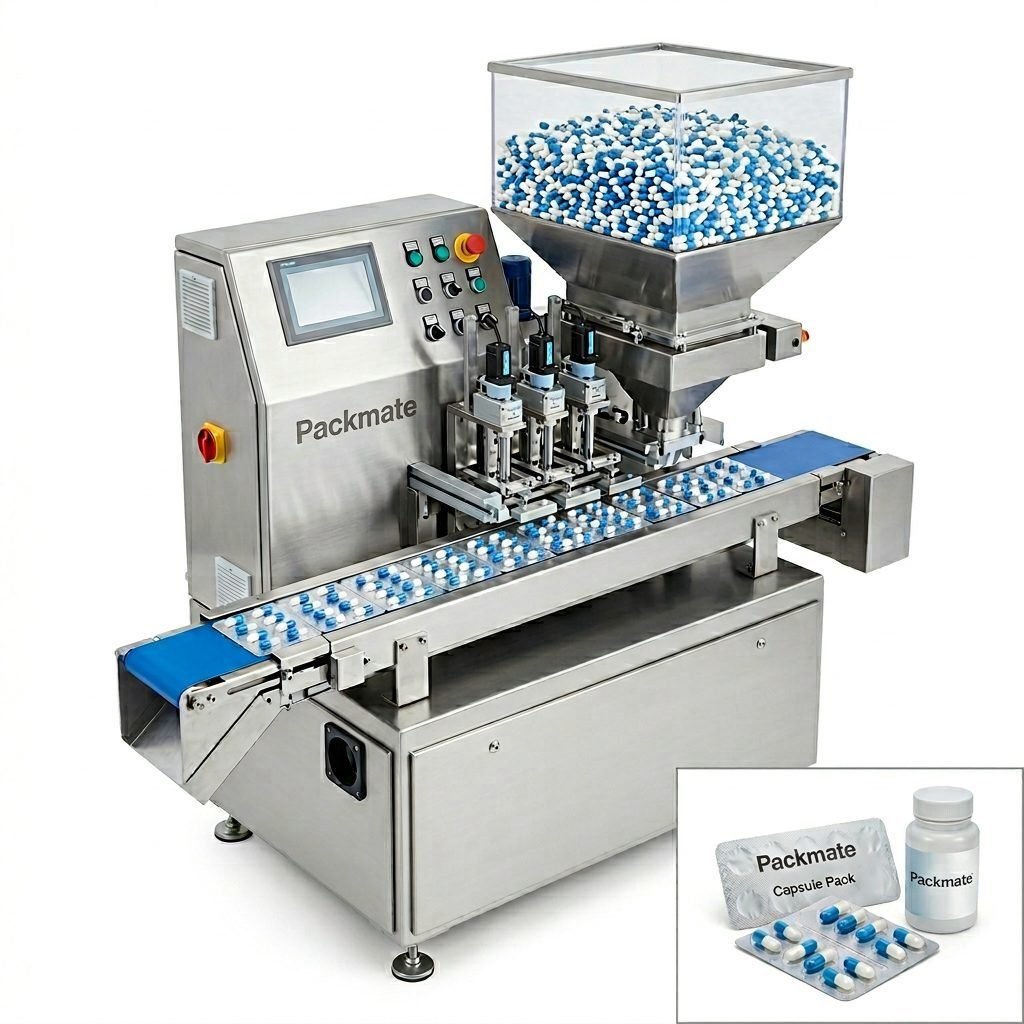
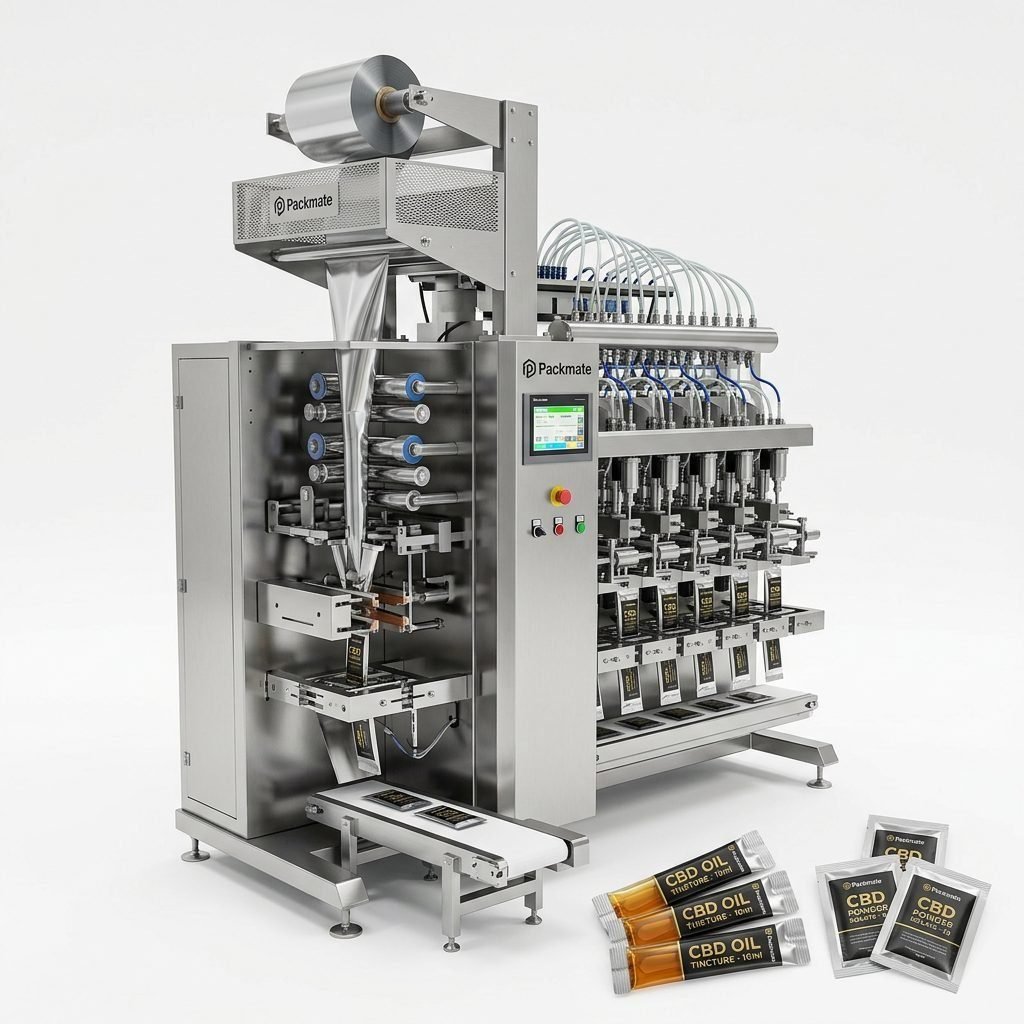
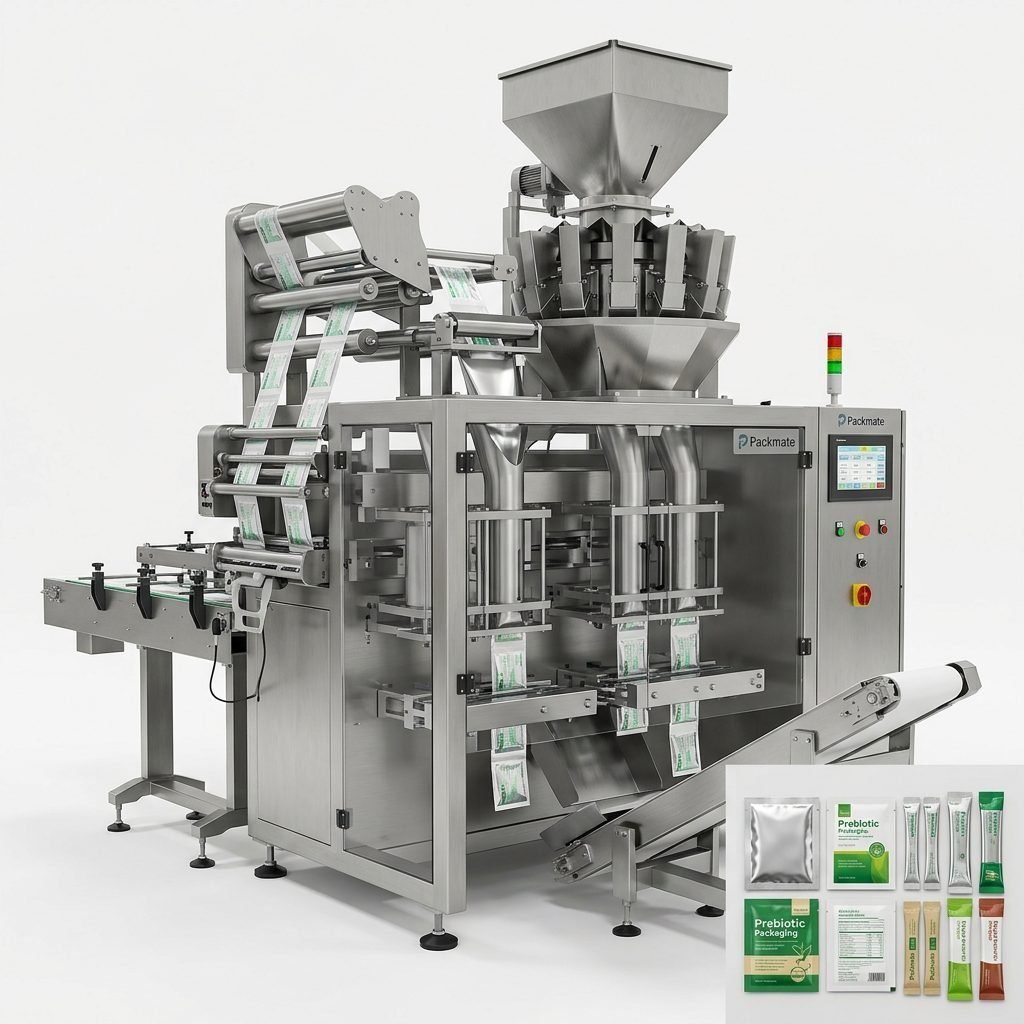
The aging population fuels growth in pharmaceutical packaging, requiring high-precision, compliant machinery for blister packs, sachets, and stick packs for powders and supplements. Simultaneously, Japan’s fast-paced urban life sustains demand for ready-to-eat meals and on-the-go snacks. This drives innovation in bag and pouch packaging machines that can handle varied portion sizes, ensure long shelf life, and provide easy-open features.
The “Small Lot, High-Mix” Challenge
A unique market challenge is the need for machinery that accommodates small production runs of highly diverse products. This is especially true for regional confectioneries (omiyage) and limited-edition products. Flexibility and quick changeover (SMED) are therefore more critical than sheer raw speed. Machines that allow for rapid format changes with minimal tooling adjustment are highly valued.
The Importance of Local Partnerships and Service
Success in Japan hinges on more than just superior machine specs. The business culture places extreme value on long-term relationships, trust (shinrai), and after-sales support. A reliable local partner or a manufacturer with a strong service network is essential. This ensures prompt technical support, availability of spare parts, and the ability to understand and meet the nuanced, specific needs of Japanese clients. Companies with a proven global track record and a commitment to partnership, like Packmate Machinery, are well-positioned to build these crucial relationships.
In conclusion, the Japanese packaging machinery market is evolving through a blend of technological necessity and cultural specificity. The winning formula combines advanced automation, sustainable design, data intelligence, and unparalleled flexibility, all delivered with the reliability and respectful partnership that the market demands. Manufacturers who appreciate this holistic view will find significant growth opportunities in this demanding yet rewarding landscape.
Frequently Asked Questions (FAQs)
Q1: What is the most important feature for packaging machinery selling into Japan?
A: Beyond technical specifications, uncompromising reliability and precision are paramount. Japanese manufacturers have low tolerance for downtime or quality variance. Machines must perform consistently to the highest standards, reflecting the cultural value of kodawari.
Q2: How does sustainability regulation in Japan affect machinery choice?
A: Regulations promote recycled content and reduce plastic waste. This means machinery must be capable of handling new, often more challenging, sustainable materials (like thinner bio-plastics or paper composites) without compromising on speed or seal quality. Energy efficiency of the machine itself is also a growing factor.
Q3: Is automation a requirement for the Japanese market?
A: For medium to large-scale production, yes. Integration with factory-wide MES/ERP systems and collaborative robotics is increasingly the baseline expectation to counter labor shortages and achieve the desired levels of efficiency and data traceability.
Q4: Why is flexibility so important for packaging lines in Japan?
A: Due to frequent product launches, seasonal variations, and the “small lot, high-mix” production model, machinery must allow for quick changeovers between different package sizes and formats. Minimizing changeover time is often more valuable than maximizing pure cycle speed.
Q5: What role does a supplier’s company history play in the Japanese market?
A: A significant role. A long, stable company history demonstrating consistent quality, innovation, and specialization builds trust. It signals commitment to the industry and the expertise to understand and solve complex packaging challenges over the long term.