In the competitive world of food production, efficiency, hygiene, and product presentation are paramount. Selecting the right food packaging equipment is not merely an operational decision; it’s a strategic investment that directly impacts your bottom line, brand reputation, and ability to scale. The ideal machinery streamlines your process, ensures consistent quality, and adapts to the diverse needs of modern consumers, from single-serve sachets to family-sized pouches.
Why Investing in Advanced Packaging Equipment is Crucial
The landscape of food packaging has evolved dramatically. Today’s consumers demand convenience, freshness, and sustainability. Modern packaging solutions address these demands by offering superior barrier properties to extend shelf life, precision filling to reduce product giveaway, and flexible formats that cater to on-the-go lifestyles. Outdated equipment can lead to increased waste, higher operational costs, and inconsistent seals that compromise food safety. Upgrading to advanced systems is an essential step toward future-proofing your business.
Key Considerations When Choosing Your Equipment
Navigating the market for packaging machinery requires a clear understanding of your specific needs. Here are the core factors to evaluate:
Product Type: The physical characteristics of your product—whether it’s a granule, powder, liquid, paste, or solid—dictate the filling technology. For instance, viscous products like sauces require piston fillers, while free-flowing grains are best handled by auger or volumetric cup fillers.
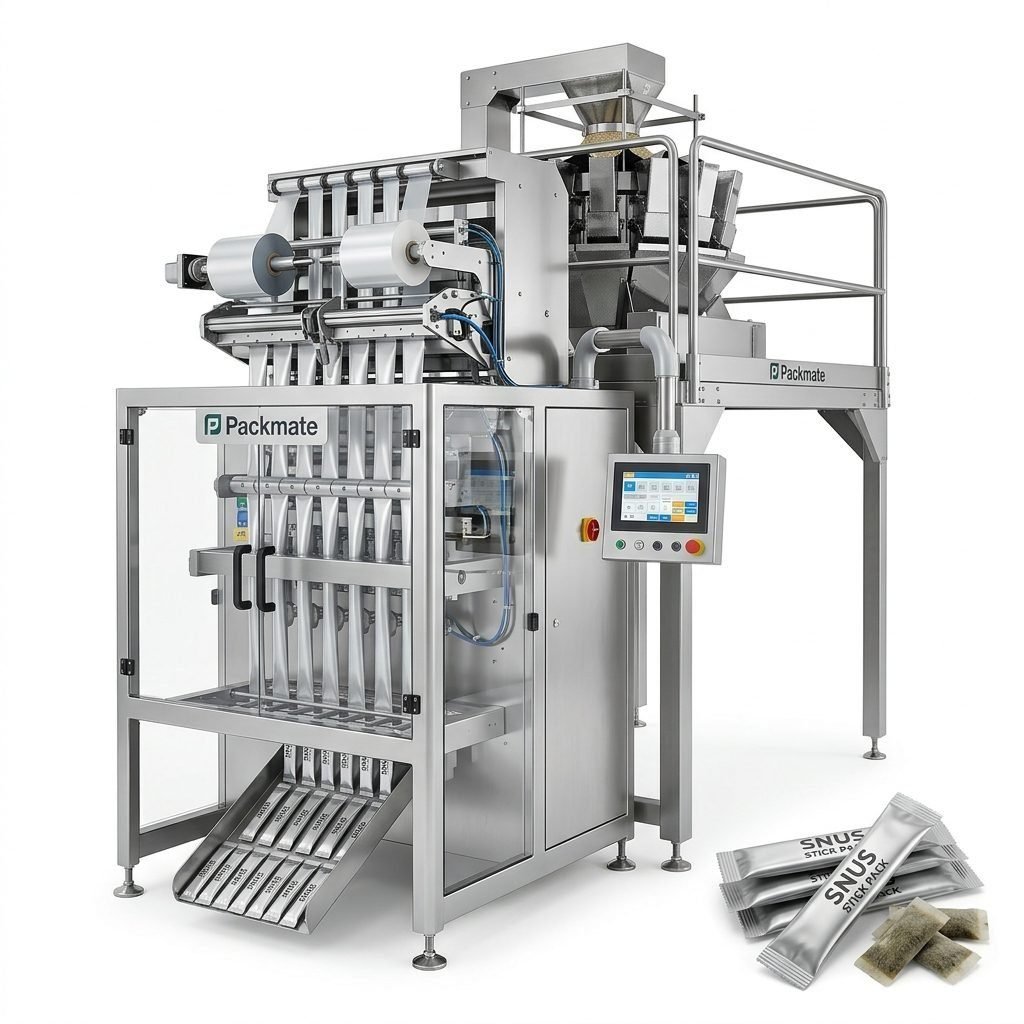
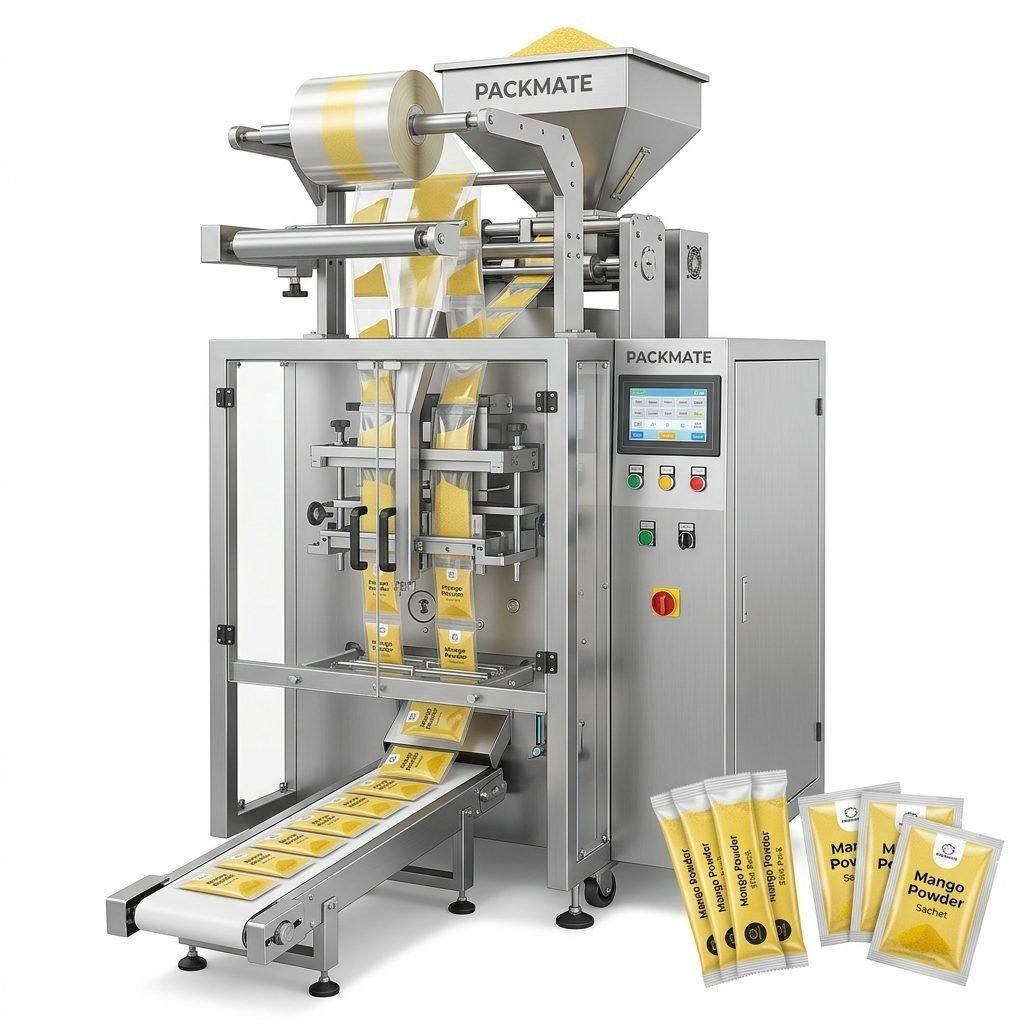
Production Speed & Output: Calculate your required output in packs per minute (PPM). A multi-lane stick pack machine can dramatically increase throughput compared to a single-lane system, making it ideal for high-volume items like instant coffee or sugar.
Packaging Material & Format: Determine if you need equipment for premade pouches or form-fill-seal (FFS) machines that create bags from roll stock. The choice between sachets, stick packs, stand-up pouches, or vacuum bags will influence the machine type.
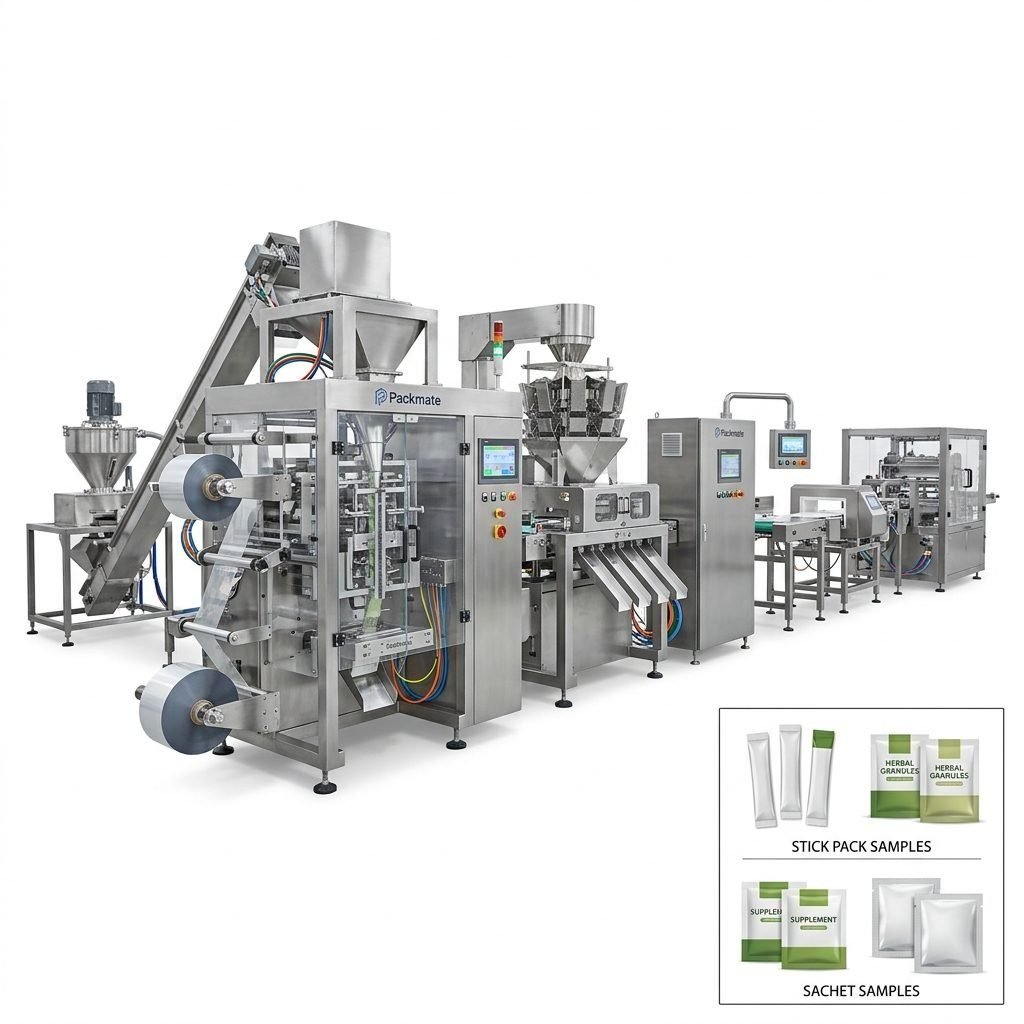
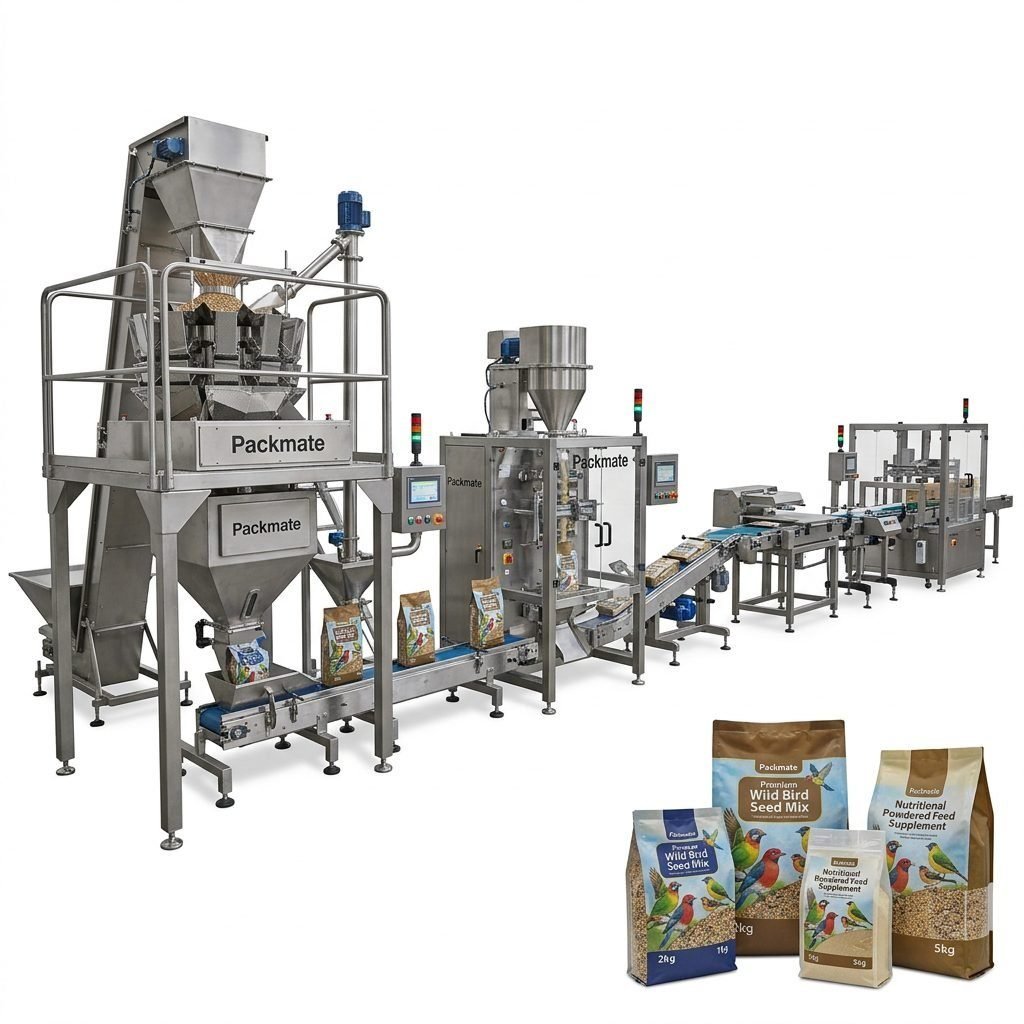
Automation Level: Consider the integration of downstream equipment like checkweighers, labelers, and cartoners for a fully automated packaging line. Automation reduces labor costs and minimizes human error.
Top Food Packaging Equipment Solutions
The right machine forms the heart of your packaging operation. Here’s a breakdown of essential equipment categories that drive efficiency and quality.
Vertical Form-Fill-Seal (VFFS) Machines
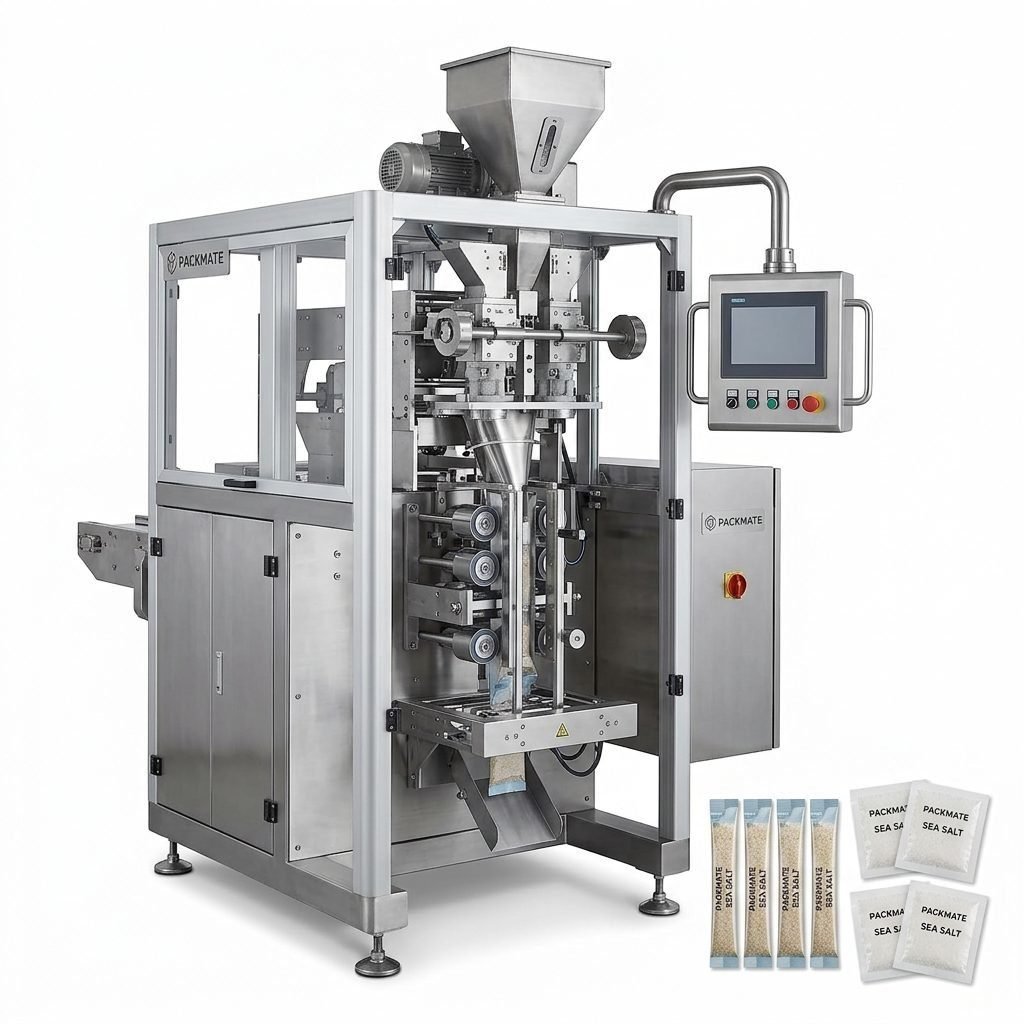
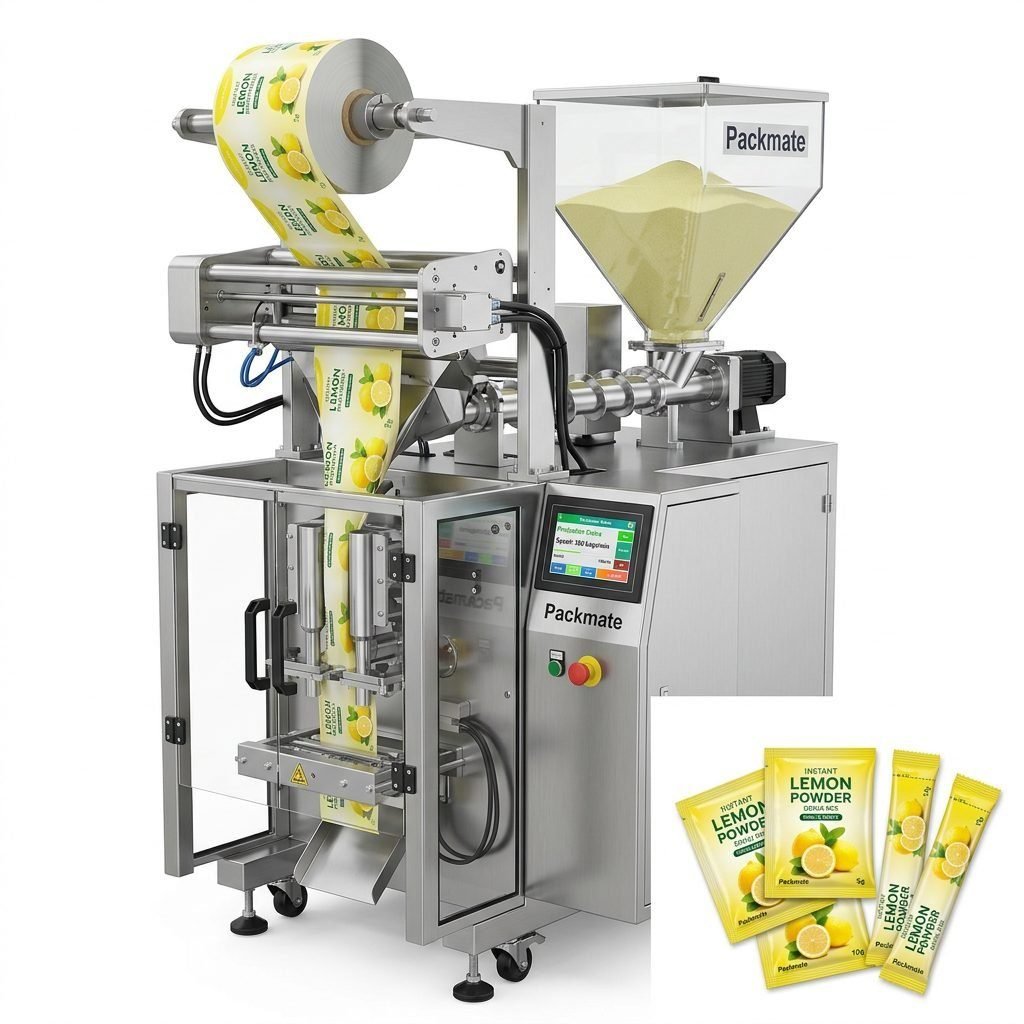
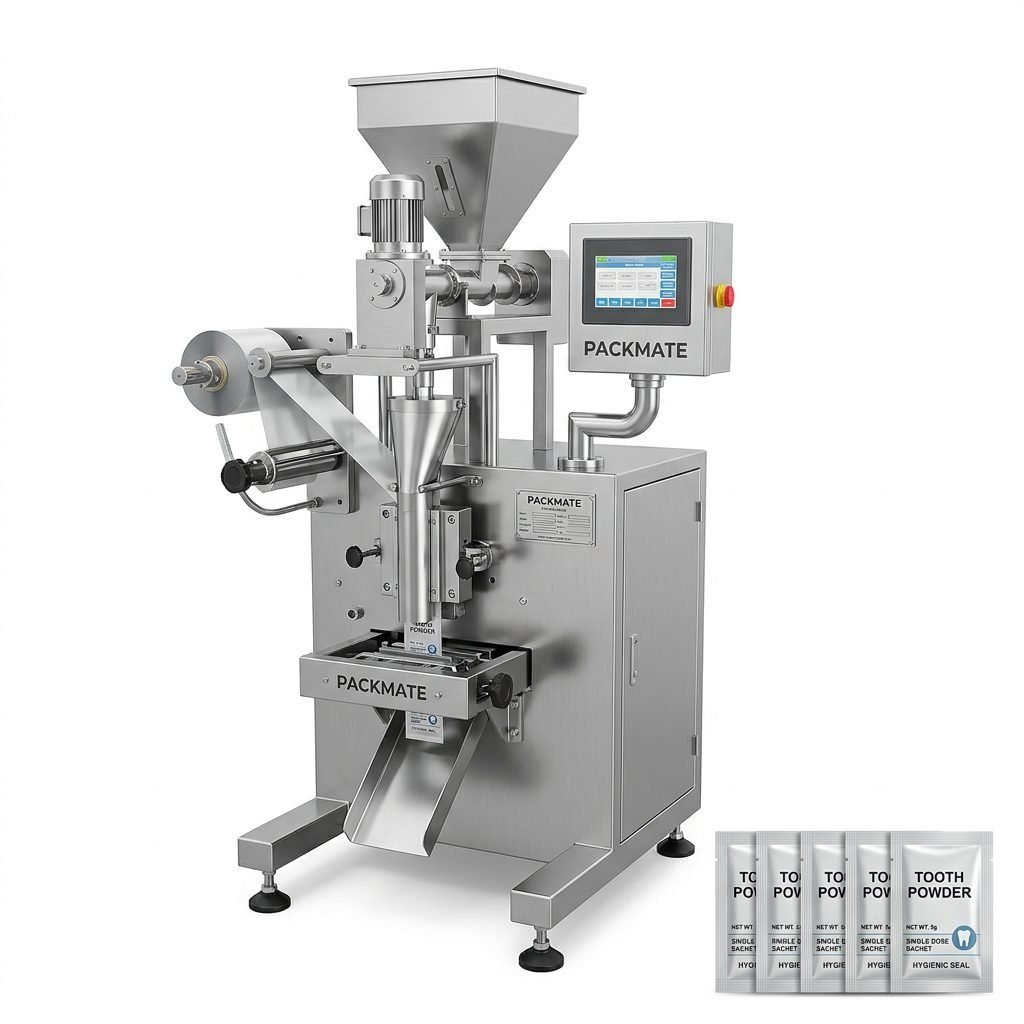
These are the workhorses of the industry, creating bags from a single roll of film, filling them with product, and sealing them in one continuous operation. They are incredibly versatile and cost-effective for packaging a wide range of dry foods, snacks, and frozen products. Modern VFFS machines offer touchscreen PLC controls, quick-changeover features, and advanced sealing systems for impeccable bag integrity.
Horizontal Form-Fill-Seal (HFFS) Machines
Ideal for producing pillow packs, flow wraps, and sachets, HFFS machines are perfect for bundling multiple items or creating individual servings. They excel at packaging biscuits, candy bars, and sliced meats. Their strength lies in high-speed operation and excellent presentation, making products shelf-ready.
Liquid & Paste Filling Machines
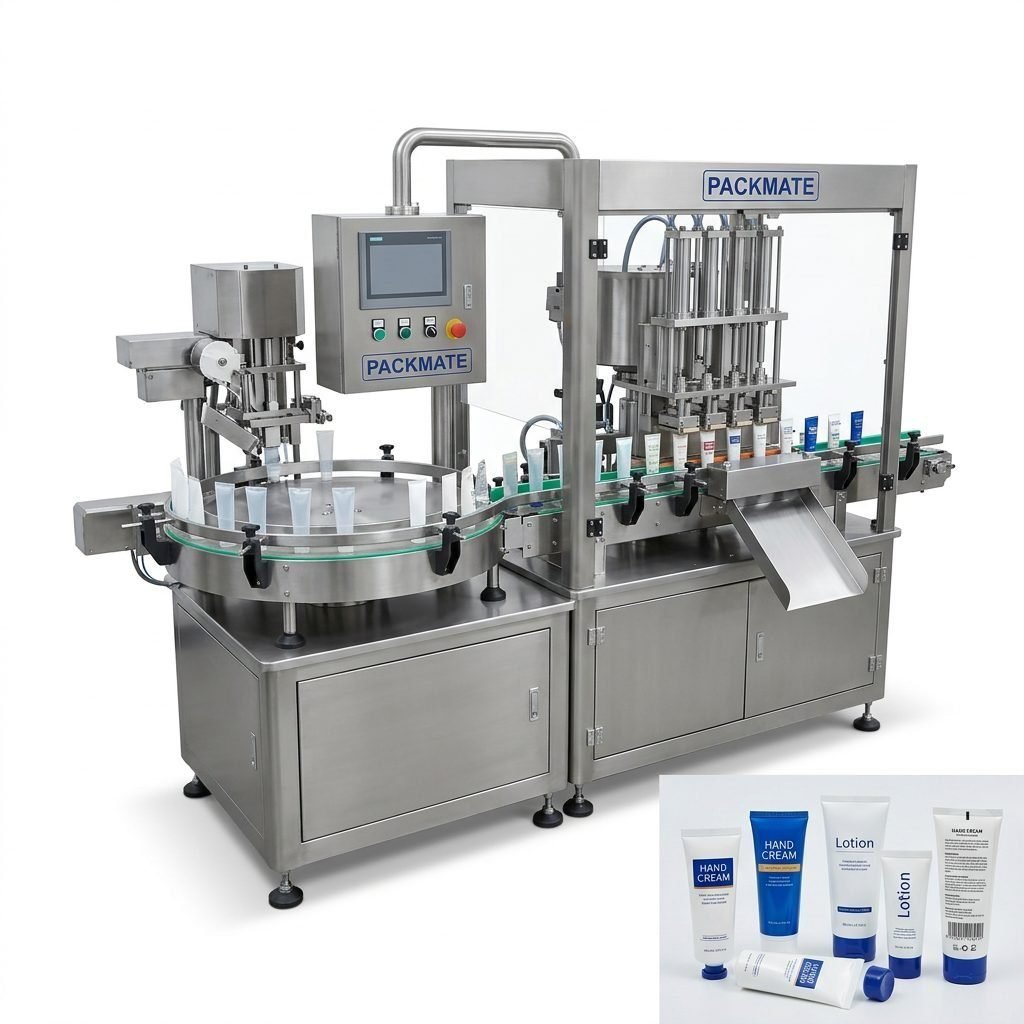
Accuracy is non-negotiable when filling liquids, oils, sauces, or pastes. Piston fillers, gravity fillers, and pump fillers provide precise volumetric control, ensuring every bottle, pouch, or jar contains the exact amount. Sanitary design with easy-clean features is critical in this category to maintain the highest hygiene standards.
Weighing & Dosing Systems
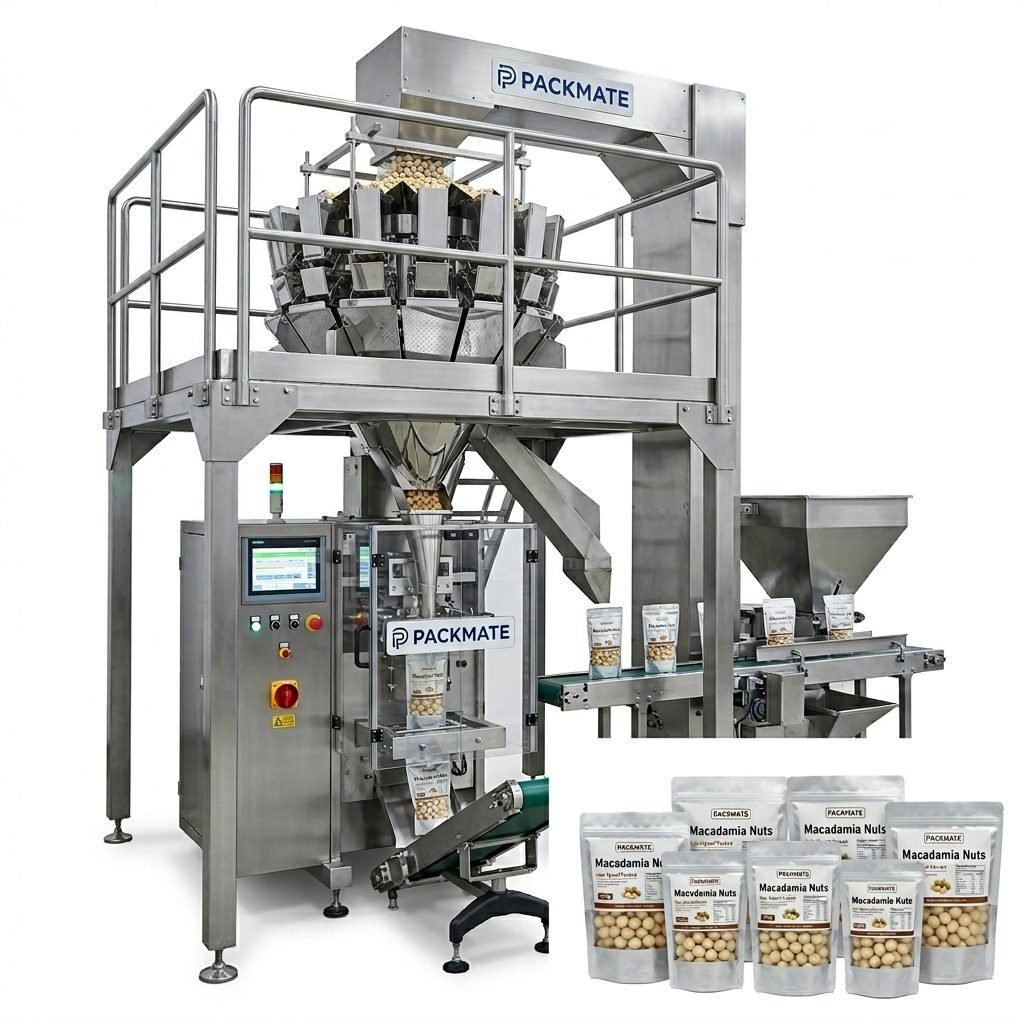
For products sold by weight, precision is paramount. Multi-head weighers and auger dosing systems deliver remarkable speed and accuracy for snacks, nuts, grains, and powders. Integrating a reliable weighing system minimizes product giveaway—a significant cost-saving over time—and ensures regulatory compliance.
Stick Pack & Sachet Packaging Machines
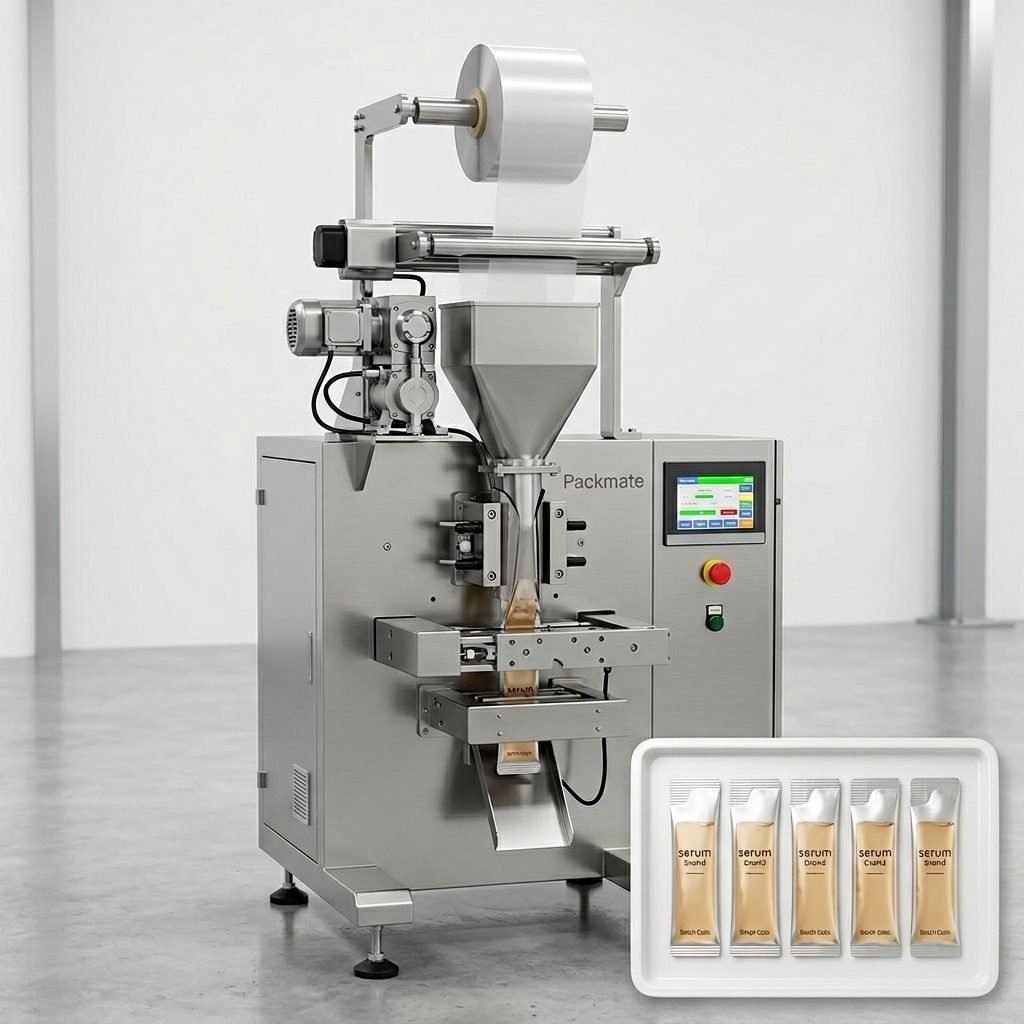
The demand for single-serve and portion-controlled packaging is booming. Stick pack and sachet machines are designed for high-speed production of small, sealed packets for products like condiments, instant beverages, and supplements. They are compact, efficient, and perfect for creating sample-sized products or daily dose packages.
Maximizing ROI with a Trusted Partner
Purchasing equipment is just the beginning. The true value comes from partnering with a manufacturer that provides comprehensive support. A partner like Packmate Machinery brings over 30 years of expertise to the table. With a modern 20,000㎡ facility and a portfolio of over 50 machine models, they specialize in creating complete turnkey solutions. From the initial concept and factory layout to machine installation, operator training, and ongoing technical support, the right partner ensures your investment delivers maximum productivity and a swift return.
Their journey, beginning in a small workshop in 1993 and formalizing in 2003, is built on a foundation of solving practical challenges in automation. This deep-rooted experience means they understand the real-world pressures of food production and design equipment that is not only innovative but also robust, reliable, and easy to maintain.
Future-Proofing Your Packaging Line
Technology in packaging is advancing rapidly. Look for equipment that offers scalability and connectivity. Features like IoT-enabled monitoring, which allows for remote diagnostics and predictive maintenance, are becoming standard. Furthermore, modular designs let you add capabilities—like gas flushing for modified atmosphere packaging (MAP) or vision inspection systems—as your business grows. Investing in adaptable technology from the start protects your business from premature obsolescence.
Common Questions (FAQ)
What is the typical lead time for a new packaging machine?
Lead times vary based on machine complexity and customization. For standard models from established manufacturers, it can range from 8 to 16 weeks. It’s always best to discuss your timeline early in the planning process.
How do I ensure the machine is suitable for my specific food product?
Reputable manufacturers offer product testing services. You can send samples of your product and packaging material to their facility for a live trial run. This is the most reliable way to verify performance, speed, and seal quality before purchase.
What kind of training and after-sales support is provided?
A comprehensive service package should include on-site installation, detailed operator and maintenance training, a parts manual, and access to technical support. Ensure your supplier has a clear protocol for spare parts supply and remote troubleshooting.
Can the machine handle different packaging sizes or materials?
Most modern machines are designed for quick changeover. The key is to check the machine’s changeover time and the complexity of adjustments needed for different bag sizes or film types. This flexibility is crucial for running multiple SKUs.
How important are certifications for food packaging equipment?
Extremely important. Look for machines built with food-grade materials (like 304 or 316 stainless steel) and designs that facilitate cleaning. Certifications or compliance with standards like CE (for Europe) or NSF/3-A (for hygiene) are strong indicators of a machine’s suitability for food contact applications.