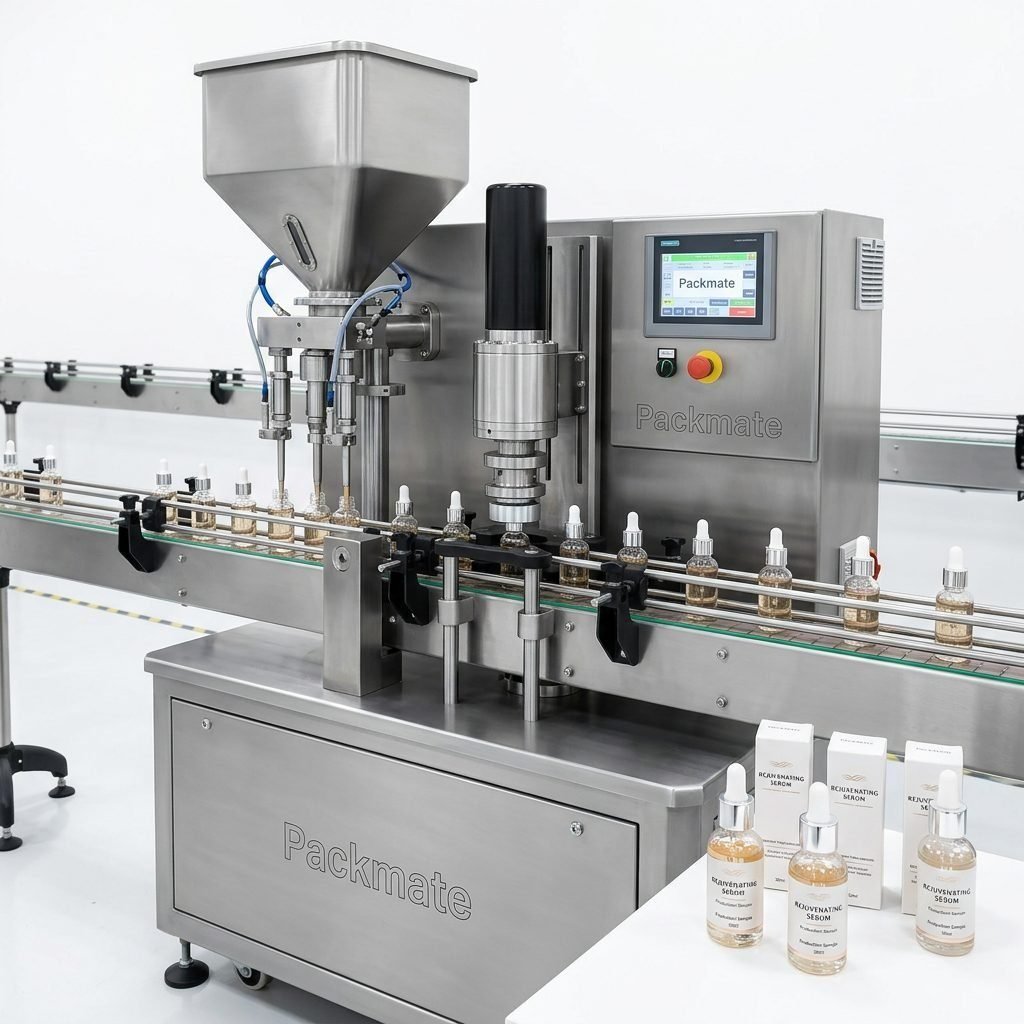
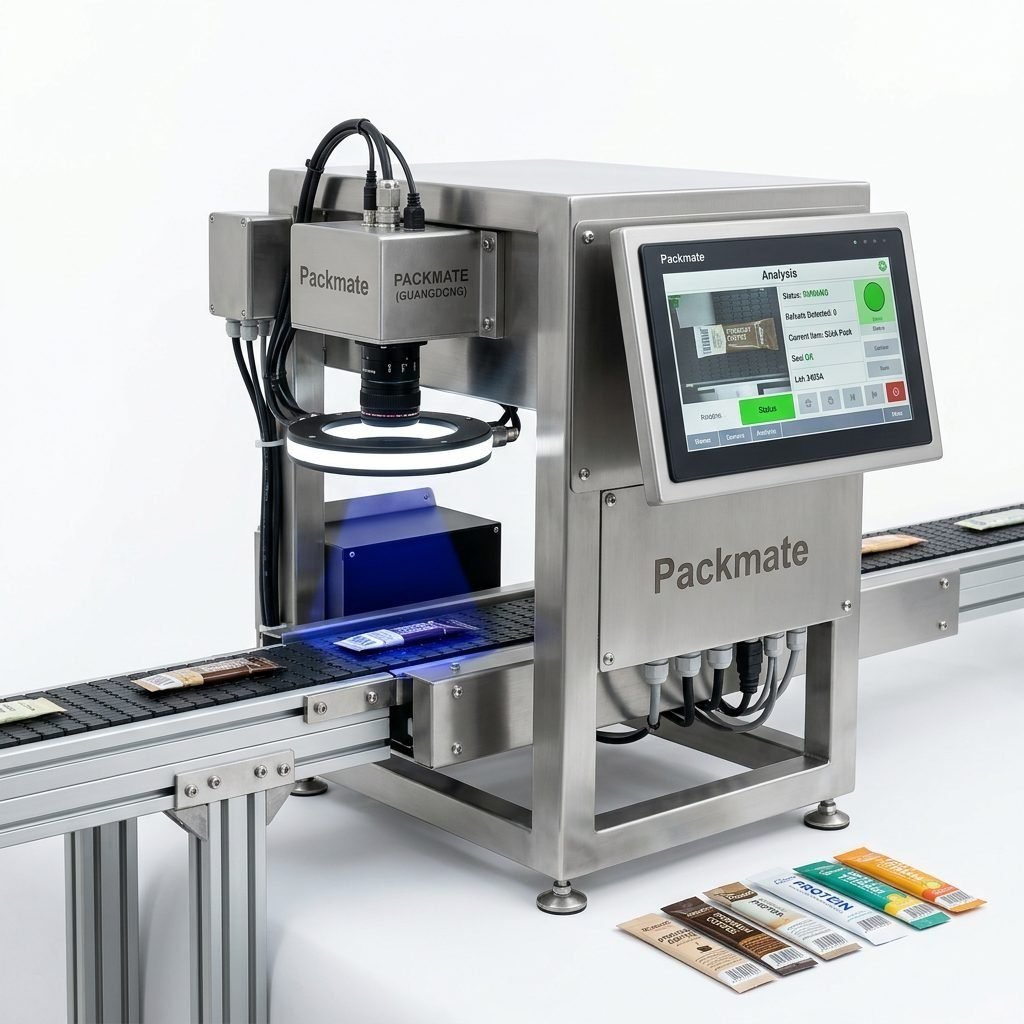
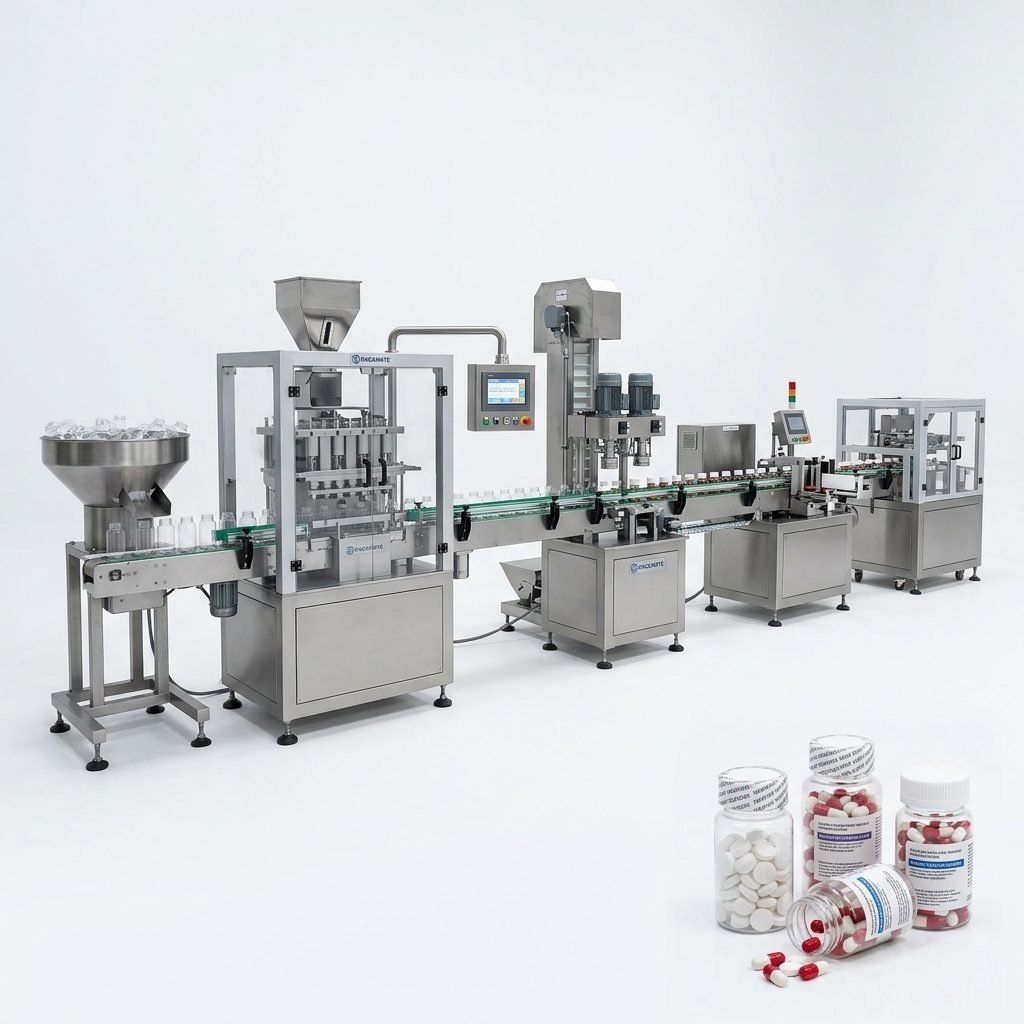
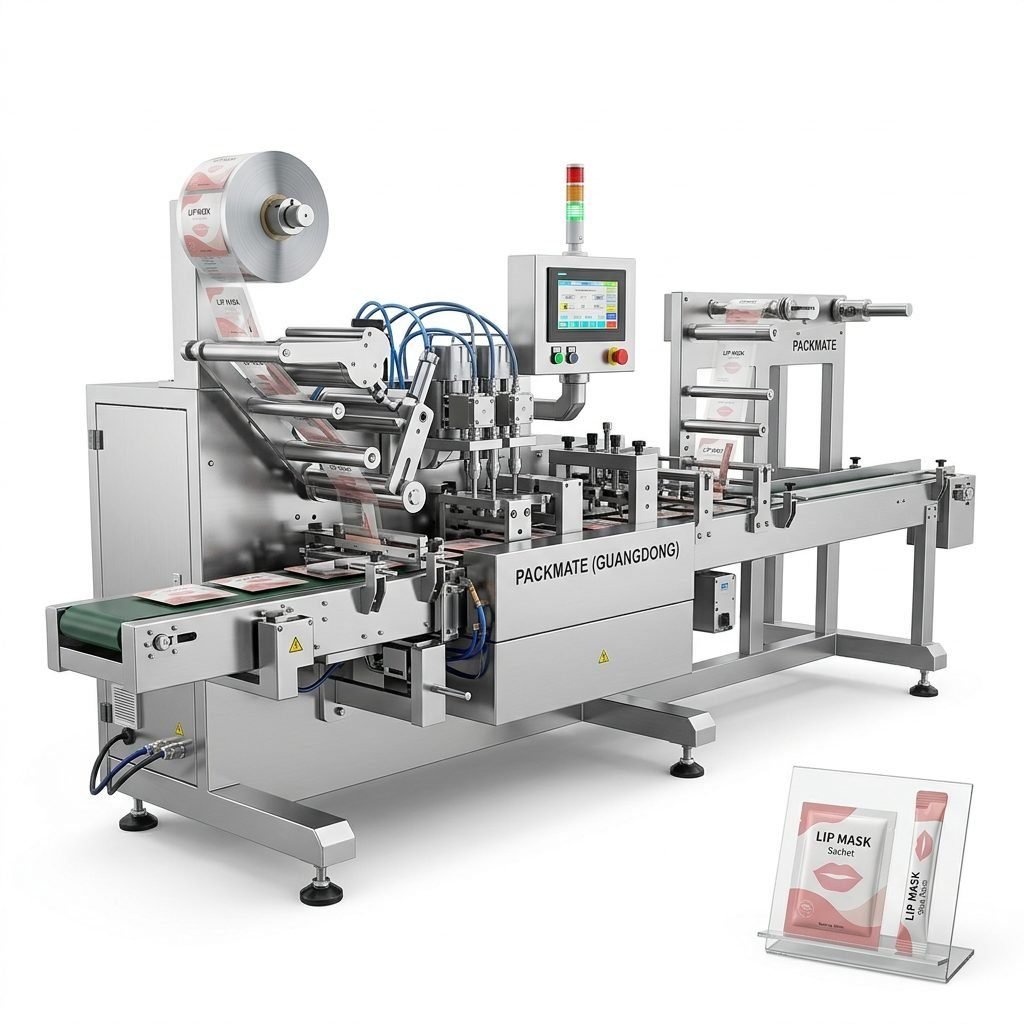
Investing in the right biscuit packaging machine is a critical decision for any bakery or food manufacturing business. The packaging process not only protects your product but also serves as a key marketing tool on the shelf. With various technologies and price points available, selecting the optimal machine requires careful consideration of your production needs, budget, and long-term goals. This comprehensive guide will walk you through the different types of biscuit packaging machines, factors affecting their prices, and a step-by-step framework to help you make an informed choice that boosts your efficiency and profitability.
Understanding the Different Types of Biscuit Packaging Machines
The first step in your selection journey is understanding the technological landscape. Biscuit packaging machines are categorized primarily by their automation level and the type of package they form.
Vertical Form-Fill-Seal (VFFS) Machines
These are the workhorses of the industry for loose biscuits. A VFFS machine forms a bag from a roll of film, fills it with a pre-weighed amount of product, and then seals it. They are incredibly versatile and can handle various bag styles, such as pillow bags or gusseted bags. Their speed and efficiency make them ideal for medium to high-volume production lines. For businesses looking to package biscuits in flexible pouches, exploring dedicated bag & pouch packaging machines can provide specialized solutions.
Key Advantage: High speed, cost-effective per bag, and flexible for different bag sizes and films.
Horizontal Flow Wrappers
This type is perfect for wrapping individual biscuits or small stacks (like sandwich cookies). The biscuit is placed on a sheet of wrapping film, which is then folded around it and sealed along the back and ends. This creates the classic, neat “bar” look seen on many supermarket shelves. It’s excellent for product presentation and often includes features for adding twist ends.
Cartoning Machines
For premium or fragile biscuits that require rigid protection, cartoning is the answer. These machines erect pre-glued cartons, insert the biscuits (often already in an inner bag or tray), and then close and seal the box. They can be integrated with VFFS or flow wrap machines to create a complete filling & packaging line.
Stick Pack and Sachet Machines
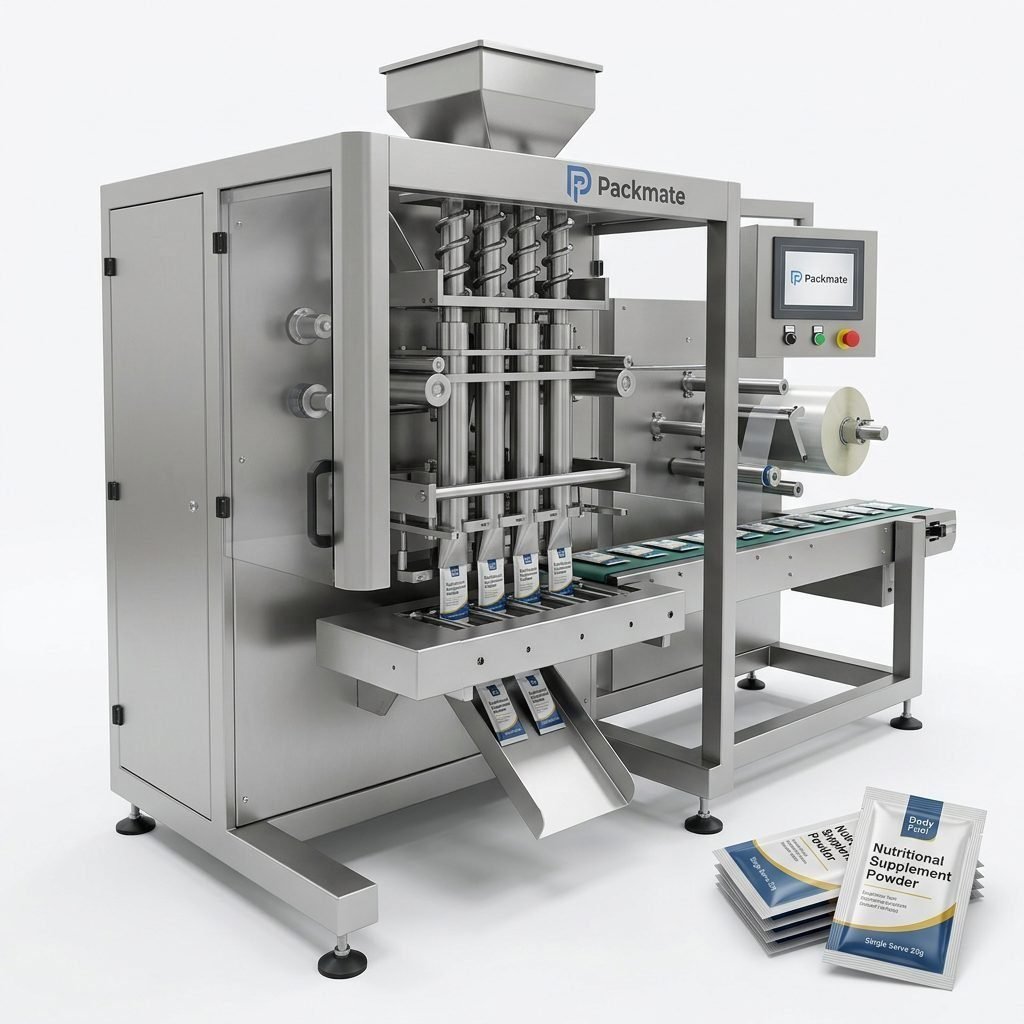
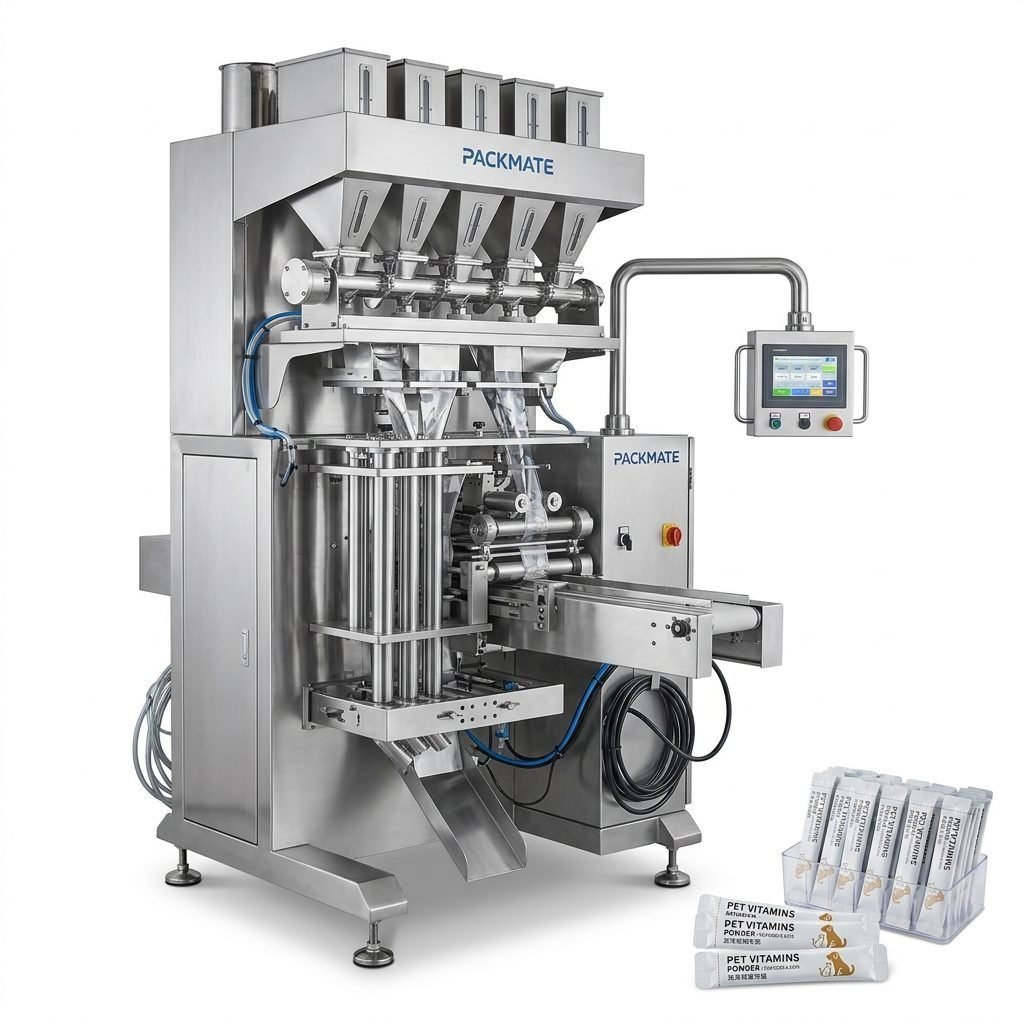
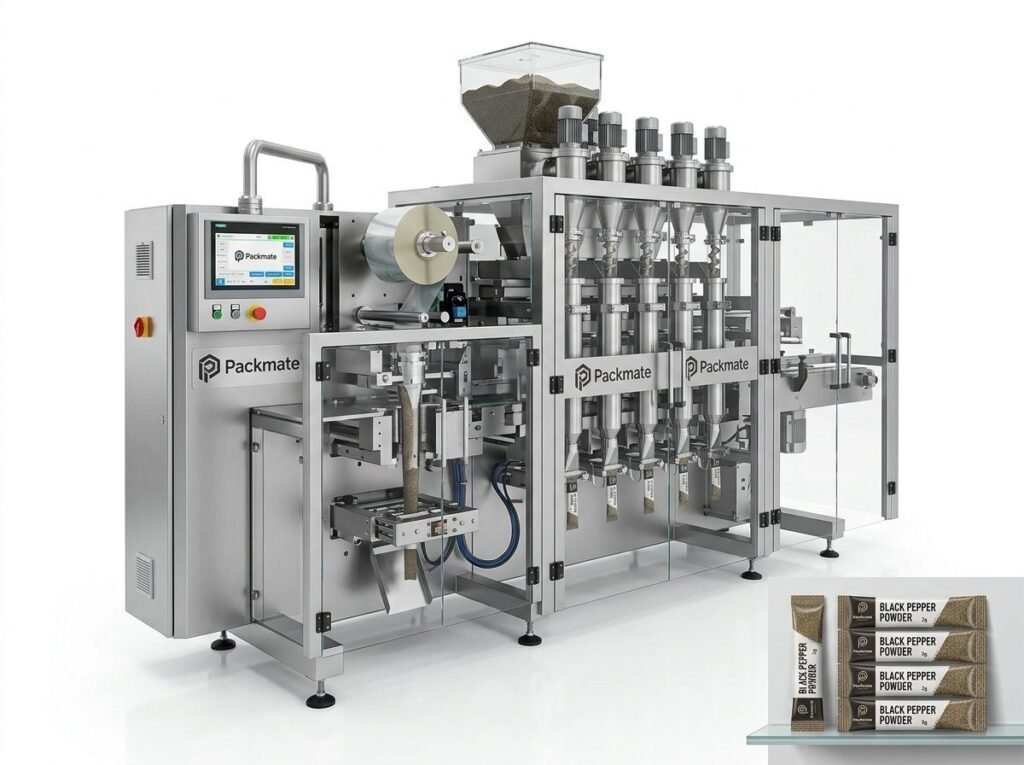
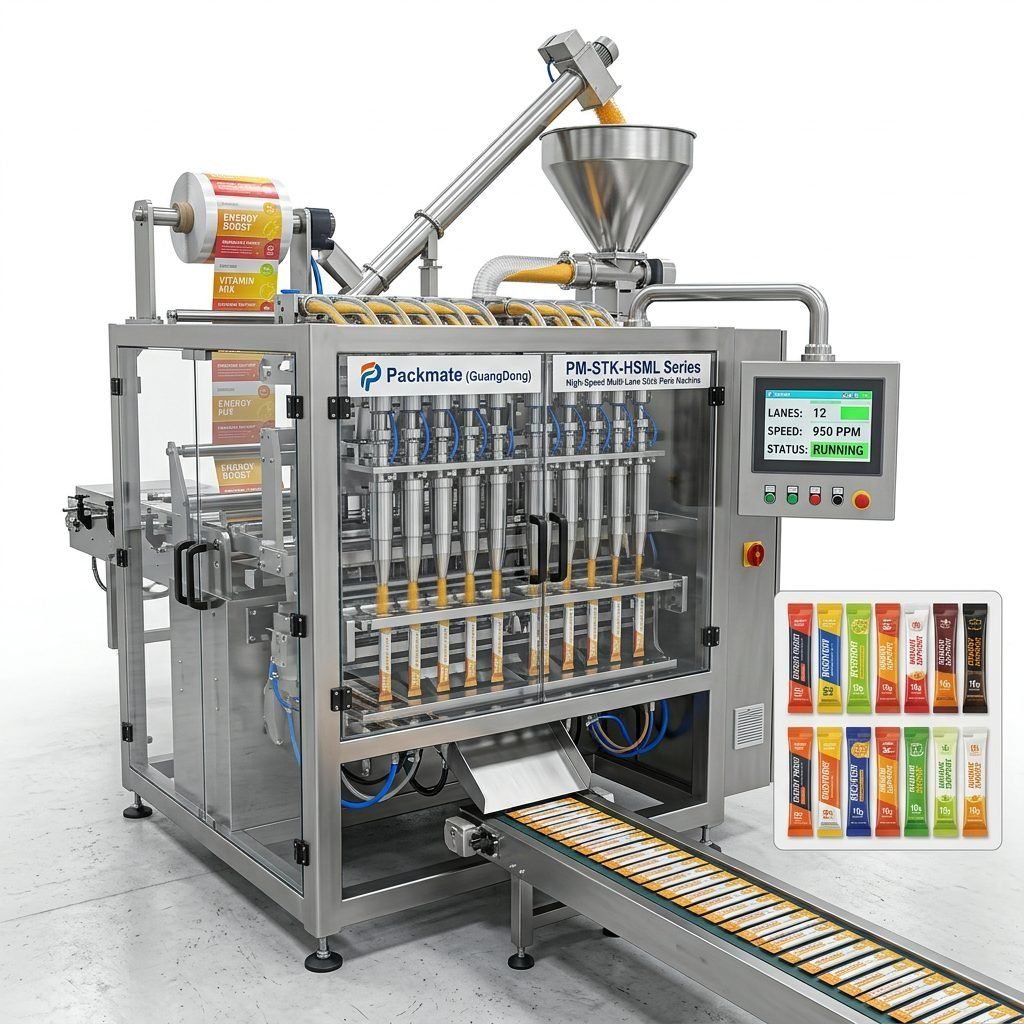
While more common for powders or granules, stick pack technology is emerging for smaller, portion-controlled biscuit snacks or crumb toppings. If your product line includes such items, understanding sachet & stick pack machines could open new market opportunities.
Analyzing the Cost: What Influences Biscuit Packaging Machine Prices?
The price range for biscuit packaging equipment is vast, from tens of thousands to several hundred thousand dollars. Several core factors determine the final investment.
Level of Automation
Fully automatic lines with robotic pick-and-place, integrated checkweighers, and vision inspection systems command the highest prices but offer the lowest labor cost and highest throughput. Semi-automatic machines, where operators manually load product, are a more affordable entry point for smaller operations.
Production Speed and Capacity
Speed, measured in packs per minute (PPM), directly impacts price. A machine rated for 200 PPM will be significantly more expensive than one rated for 60 PPM. Consider your current and projected future demand to avoid under or over-investing.
Critical Consideration: Don’t just look at the machine’s maximum speed. Assess its sustainable operational speed, which accounts for maintenance, changeover time, and real-world running conditions.
Machine Versatility and Changeover
A machine that can handle multiple biscuit sizes, shapes, and packaging materials with quick, tool-less changeovers will cost more but provides immense flexibility for product diversification. Fixed-size machines are cheaper but limit your adaptability.
Brand Reputation and Support
Established manufacturers with a proven track record, like Packmate Machinery, often price their machines higher due to superior engineering, reliability, and comprehensive after-sales support. This investment in quality can lead to lower total cost of ownership through reduced downtime and longer machine life. You can learn more about such reputable providers on their About Us page.
Additional Features and Integration
Add-ons like nitrogen flushing for extended shelf life, advanced sealing systems for difficult films, or connectivity for Industry 4.0 data monitoring will increase the price but add significant value.
A Step-by-Step Guide to Choosing Your Ideal Machine
Armed with knowledge about types and costs, follow this structured approach to narrow down your options.
Step 1: Conduct a Thorough Needs Analysis
Define your core requirements: product dimensions and fragility, required packaging material (e.g., polypropylene, metallized film), desired package type (bag, flow wrap, box), and your current & target production volume per shift.
Step 2: Evaluate Your Production Environment
Assess your factory’s available space, power supply, and air pressure availability. Some high-speed machines require specific floor conditions and substantial utilities.
Step 3: Prioritize Key Performance Metrics
Beyond speed, focus on metrics like packaging yield (minimizing film waste), seal integrity rate, and mean time between failures (MTBF). A reliable machine from a trusted packaging machinery supplier is more valuable than a slightly faster but less dependable one.
Step 4: Scrutinize the Total Cost of Ownership (TCO)
Look beyond the purchase price. Calculate estimated costs for maintenance, spare parts, energy consumption, and operator training over a 5-10 year period.
Step 5: Request Demos and Check References
Always insist on a live or recorded demonstration using your actual biscuits and packaging material. Speak to existing customers of the manufacturer to get unbiased feedback on machine performance and service support.
Step 6: Plan for the Future
Choose a machine and a supplier that can scale with you. Can the machine be upgraded later? Does the manufacturer offer a broader range of packing machines for future expansion? A partner invested in your growth is crucial.
Conclusion: Packaging as a Strategic Investment
Selecting a biscuit packaging machine is not merely a procurement task; it’s a strategic investment in your brand’s quality, efficiency, and market presence. By systematically evaluating the machine types against your specific needs, understanding the true drivers of cost, and following a disciplined selection process, you can secure a solution that delivers a strong return on investment. Partnering with an experienced manufacturer ensures you gain not just a machine, but the expertise and support necessary for long-term success in a competitive marketplace.
Frequently Asked Questions (FAQs)
What is the typical price range for a semi-automatic biscuit packaging machine?
A basic semi-automatic vertical or horizontal wrapper can start from approximately $15,000 to $40,000, depending on features and brand. Prices vary widely based on configuration and capabilities.
How do I maintain my biscuit packaging machine to ensure longevity?
Regular daily cleaning to remove crumbs and grease, weekly inspection of seals and cutting blades, and adherence to the manufacturer’s lubrication schedule are essential. Always use recommended spare parts for replacements.
Can one machine handle different sizes and shapes of biscuits?
Yes, many machines are designed for quick changeover. Look for models with adjustable forming tubes, servo-driven film pull systems, and easy-to-switch change parts. The ease and speed of changeover will impact the machine’s price.
What packaging materials work best for biscuits to maintain freshness?
Metallized polypropylene (MPP) and biaxially oriented polypropylene (BOPP) films are popular choices as they provide an excellent moisture barrier and good clarity. For premium products, laminates with aluminum foil layers offer the highest barrier protection.
Is it better to buy a standalone machine or a complete integrated line?
For new or small-scale operations, a standalone machine is a sensible start. For established businesses with high-volume output, an integrated line (e.g., feeder -> scale -> VFFS -> cartoner) maximizes efficiency, reduces labor, and minimizes handling, though it requires a larger upfront investment.