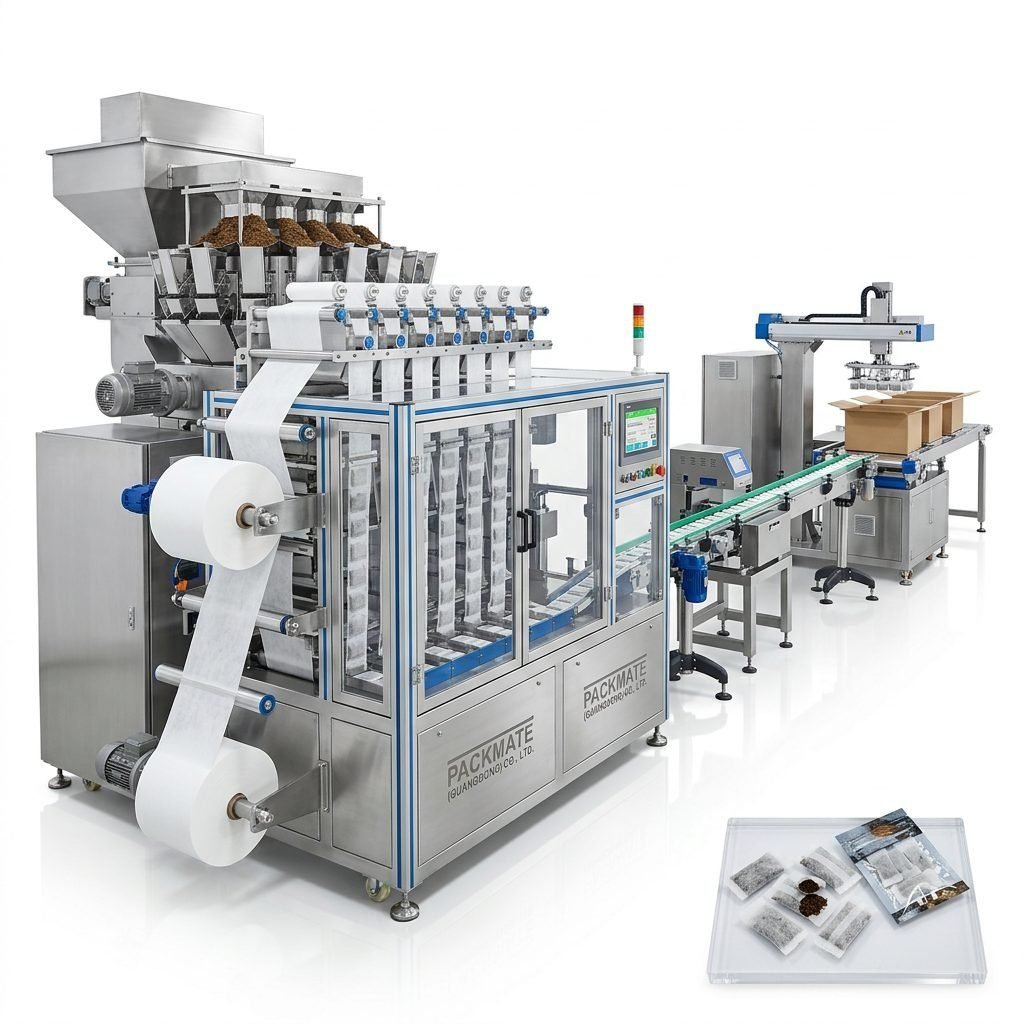
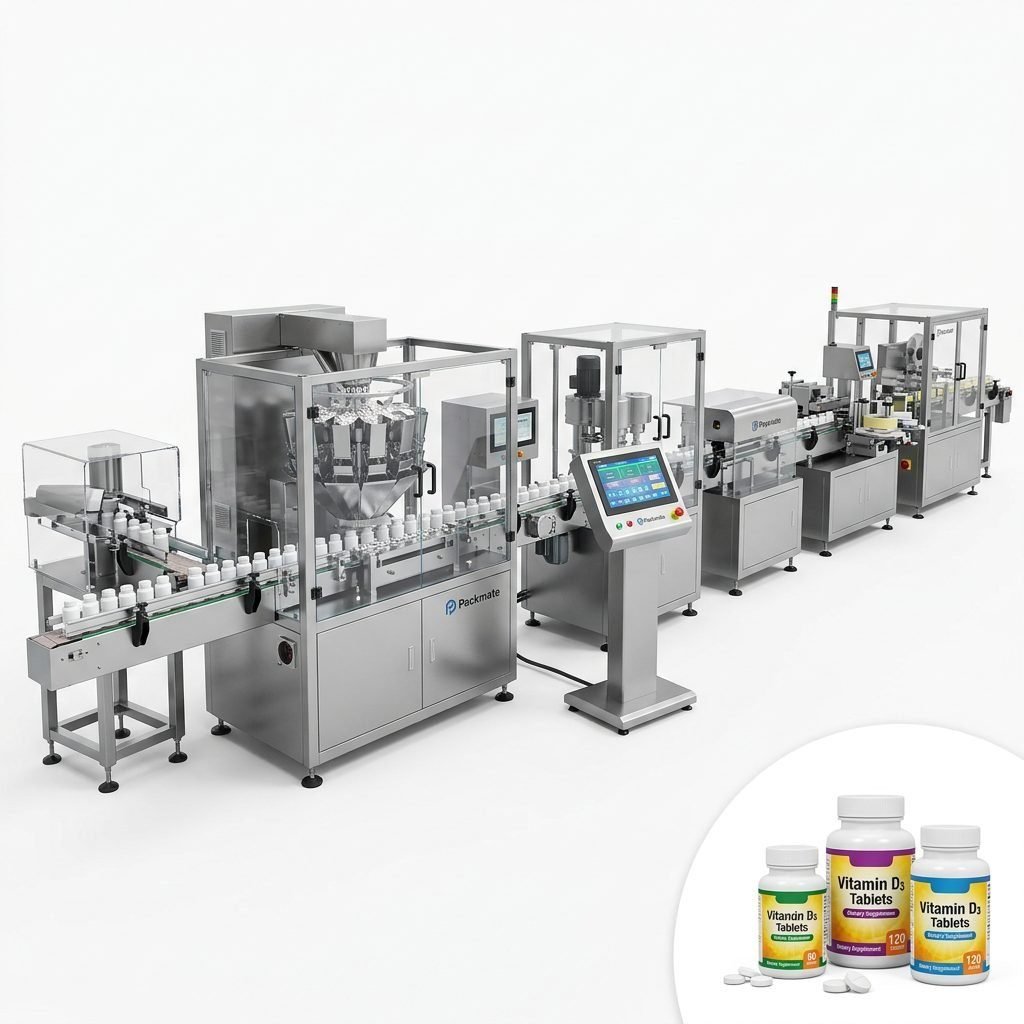
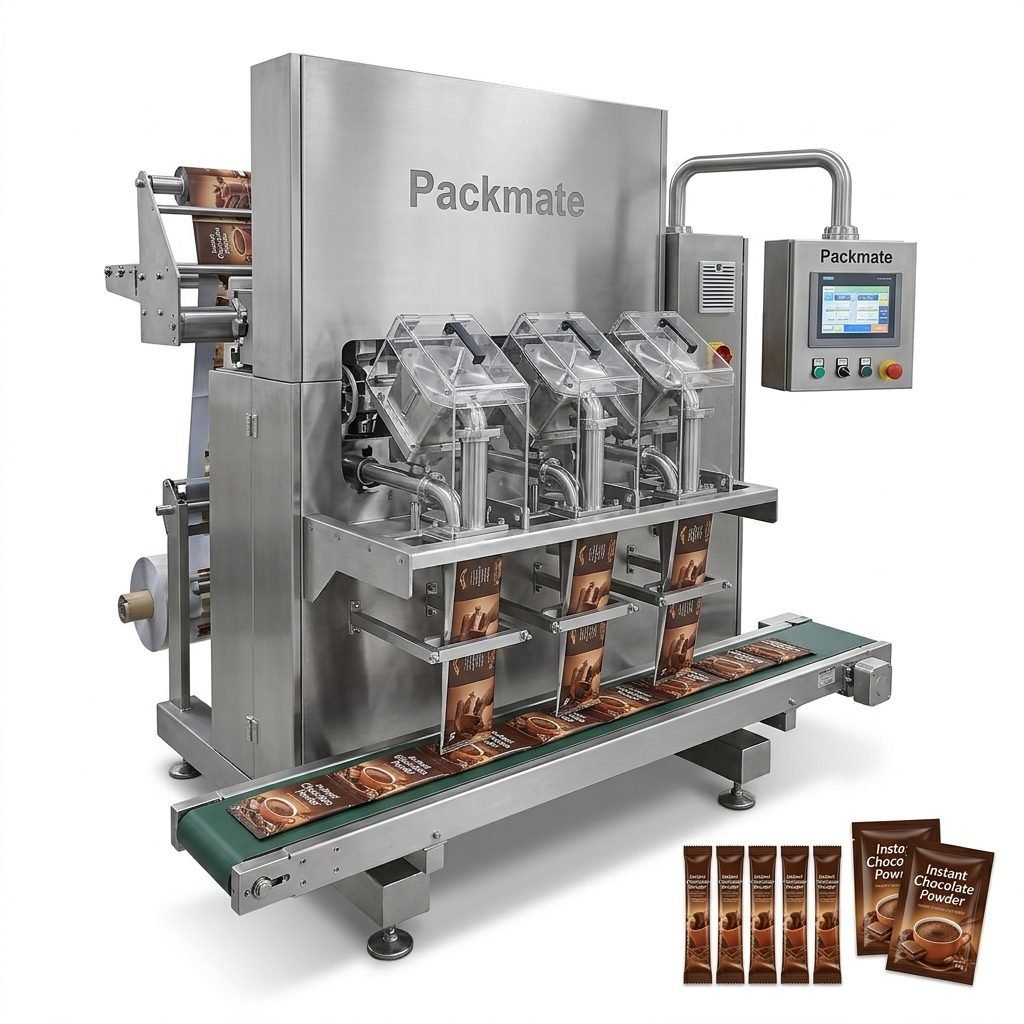
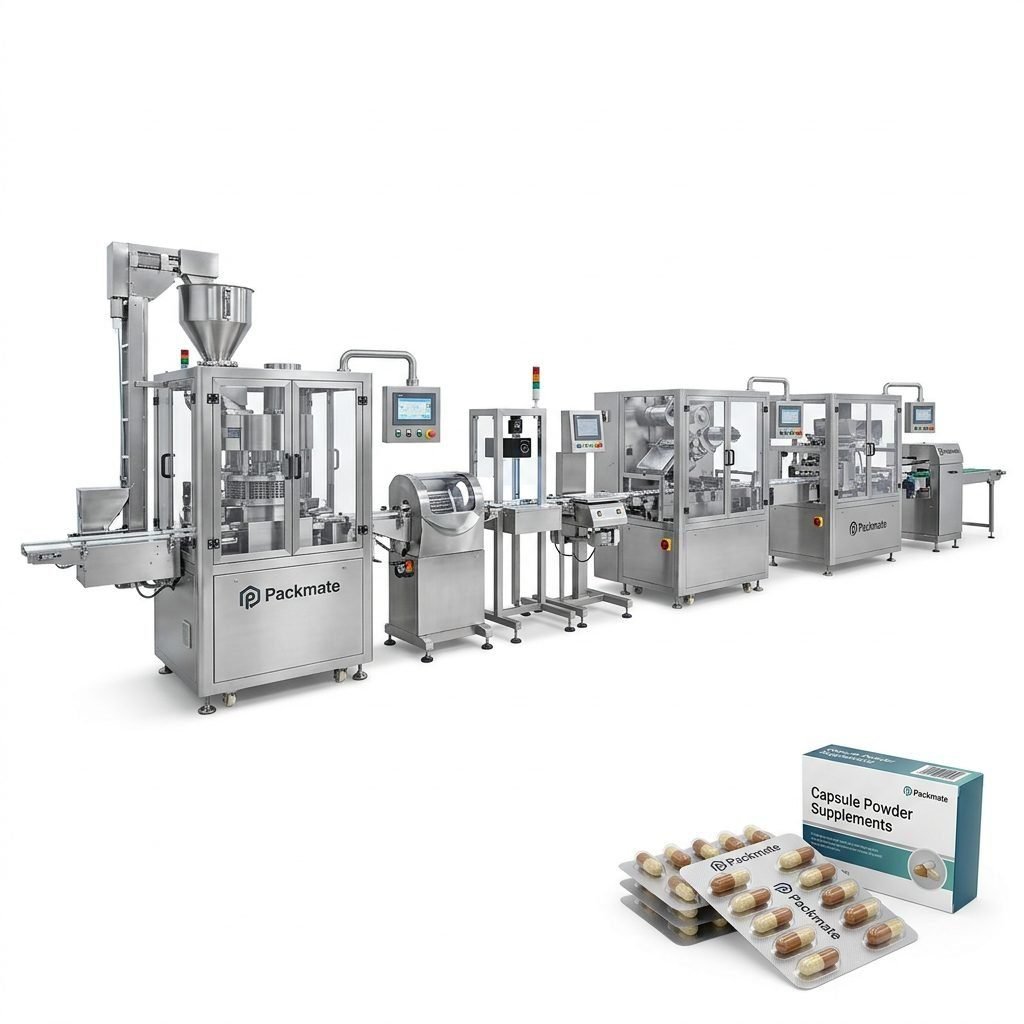
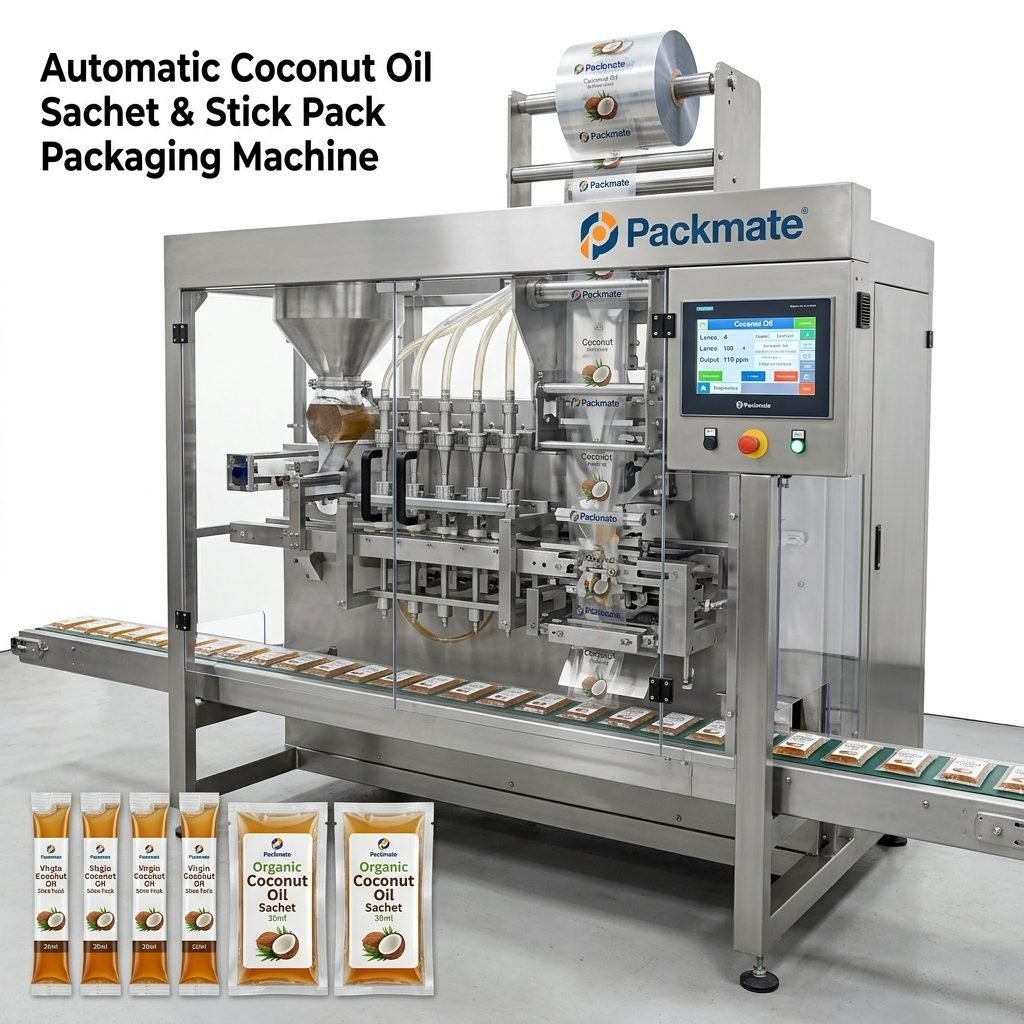
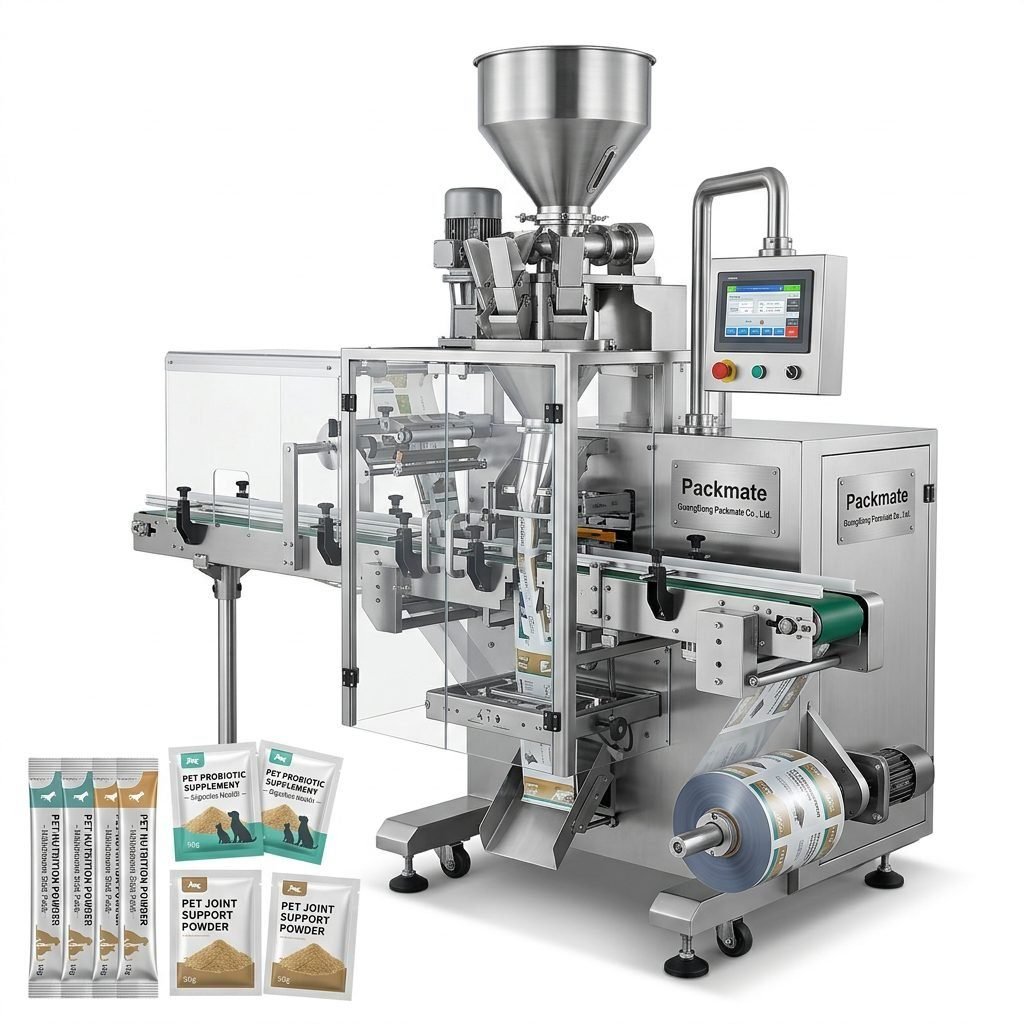
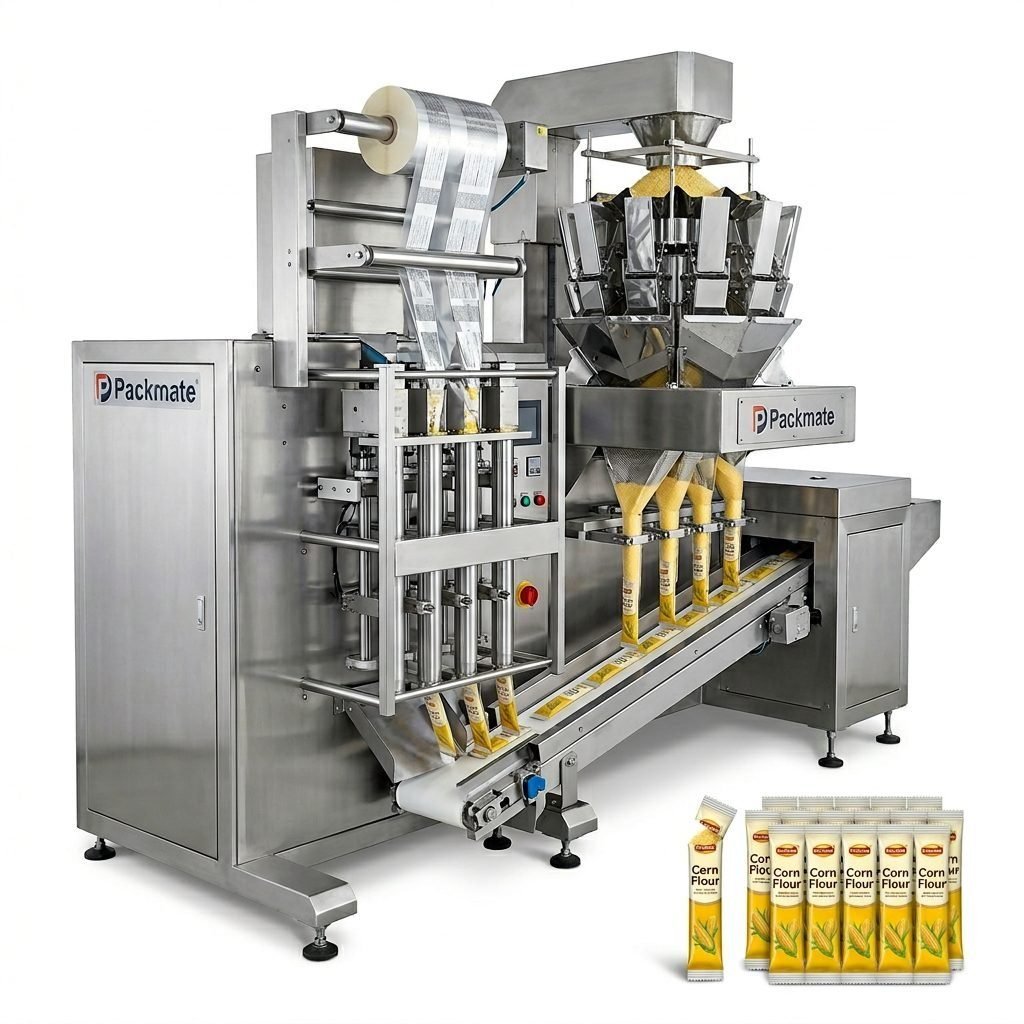
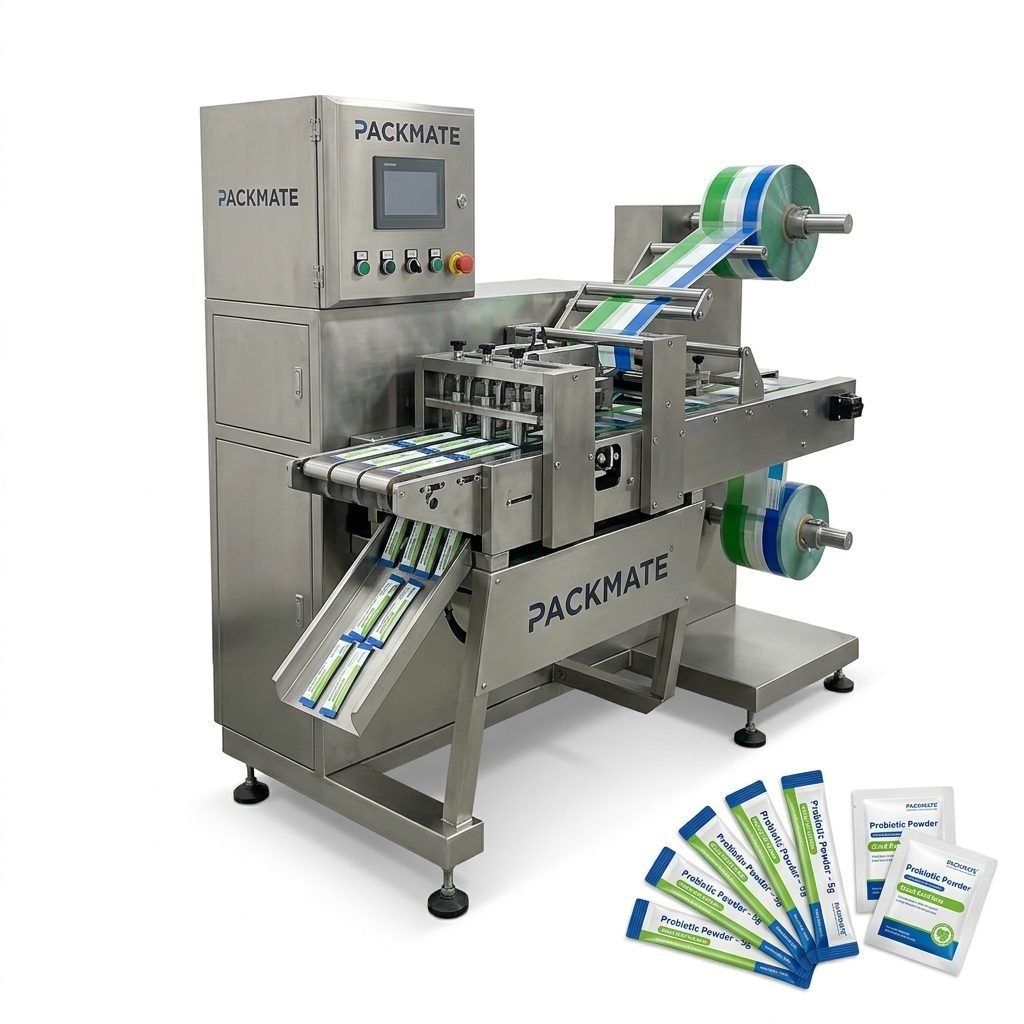
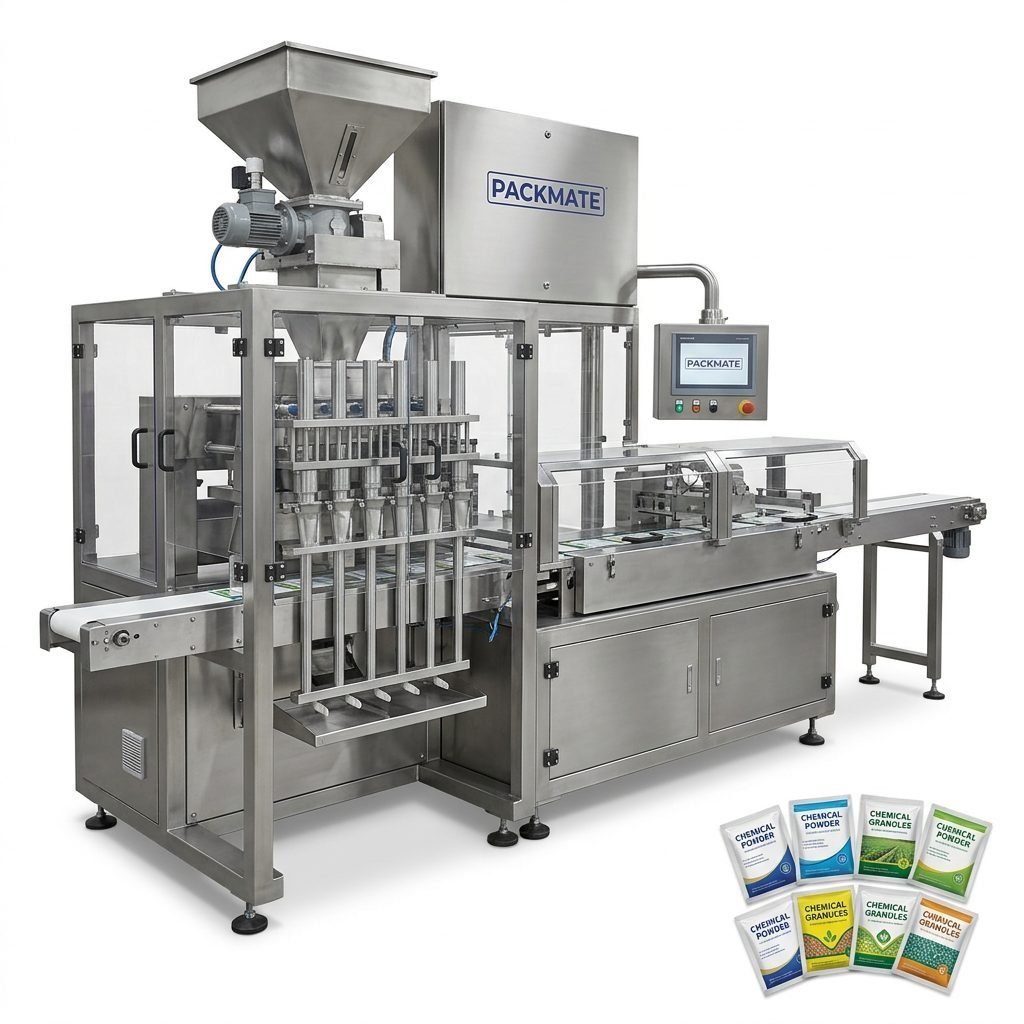
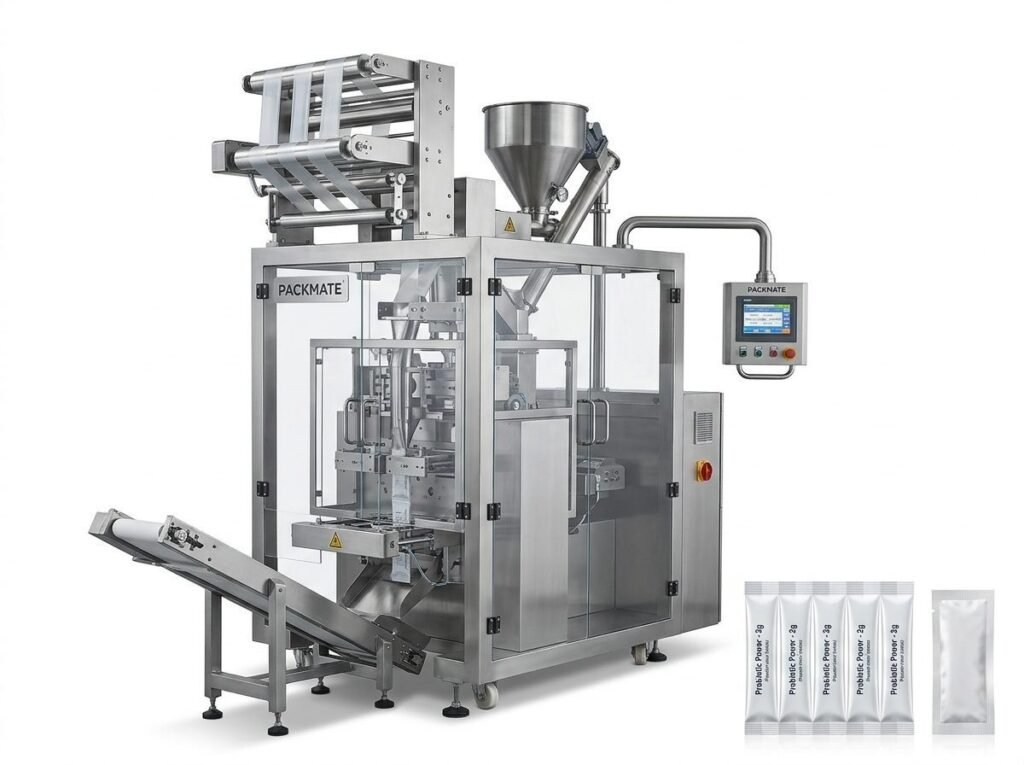
Packaging machines are intricate systems composed of numerous critical components that work in harmony to ensure efficient, accurate, and reliable packaging operations. Understanding these essential parts is crucial for anyone involved in selecting, operating, or maintaining packaging equipment. This guide provides a comprehensive overview of the key components found in modern packaging machinery, from the initial feeding systems to the final sealing mechanisms.
Core Mechanical Components
The heart of any packaging machine lies in its mechanical assembly. The frame and structure form the robust foundation, typically constructed from stainless steel or powder-coated carbon steel for durability and hygiene. Within this frame, the drive system—comprising motors, gearboxes, belts, and chains—provides the necessary motion and power transmission. Precision is governed by cam mechanisms and servo motors, which control the timing and movement of various actions like indexing, lifting, and cutting. For machines handling powders or granules, a reliable weighing system is non-negotiable for portion control.
Material Handling and Feeding Systems
Before any packaging can occur, the product and packaging materials must be delivered accurately. This is the role of feeding systems. For the product itself, systems range from simple volumetric cups and auger fillers for powders to sophisticated piston fillers and pump systems for liquids and pastes. Vibratory bowls, conveyor belts, and pick-and-place units handle solid items. Simultaneously, the packaging material—whether film reel, pre-formed pouches, or carton blanks—is fed via an unwinding station with tension control to prevent tearing or wrinkling. Proper synchronization between product feed and material feed is critical for seamless operation.
The Forming, Filling, and Sealing Triad
This is where the packaging process comes together. In form-fill-seal (FFS) machines, the forming section uses heated plates or rollers to shape flat film into bags or pouches. The filling station, often integrated with the filling system, deposits the product into the formed cavity. Finally, the sealing system creates the hermetic closure. This typically involves heated sealing jaws or bars that apply precise heat and pressure to melt and fuse the packaging layers. The quality of the seal is paramount for product integrity and shelf life.
Control and Sensory Systems
Modern packaging is driven by intelligence. The Programmable Logic Controller (PLC) is the machine’s brain, executing the programmed logic for all sequential operations. The Human-Machine Interface (HMI) touchscreen allows operators to input parameters, monitor performance, and diagnose issues. A network of sensors provides real-time feedback: photoelectric sensors detect product presence, proximity sensors confirm mechanical positions, and temperature sensors regulate sealing heat. Advanced machines may include vision systems for label verification or fill-level inspection, ensuring every package meets quality standards.
For businesses seeking a complete solution, partnering with an experienced manufacturer like Packmate Machinery ensures access to machines where all these components are engineered to work in perfect synergy. With over 30 years of expertise, they design integrated systems where the feeding, weighing, forming, and sealing components are optimized for specific products, from pharmaceuticals to food granules.
Critical Auxiliary and Safety Parts
Beyond the core process, several auxiliary components are essential for functionality and compliance. Nozzles and funnels guide product into packages without spillage. Cutting units, either rotary or guillotine, separate individual packages from the continuous web. Safety components like emergency stop buttons, safety light curtains, and machine guards are legally mandated and vital for operator protection. Furthermore, dust extraction ports and protective covers help maintain a clean production environment, which is especially critical in food and pharmaceutical applications.
Maintenance of Wear Parts
Certain components are subject to high wear and require regular inspection and replacement. These consumable or wear parts include:
• Sealing Jaws & Bands: The Teflon-coated or ceramic heating surfaces can degrade over time, affecting seal quality.
• Cutting Blades: Whether for film or product, blades dull and need sharpening or replacement.
• Gaskets & O-rings: In liquid filling systems, these ensure leak-free operation.
• Filters & Sieves: Protect pneumatic systems and filling heads from contamination.
Keeping an inventory of these parts minimizes costly downtime. Many manufacturers, including Packmate, provide easy access to genuine auxiliary equipment and spare parts.
Choosing the Right Parts for Your Needs
Selecting the appropriate components depends heavily on your product and operational goals. For hygienic applications</strong (food, pharma), parts in direct contact must be made of food-grade stainless steel and designed for easy cleaning (CIP/SIP). The product characteristics dictate the filler type: a viscous sauce needs a piston filler, while free-flowing rice works with a volumetric cup. Production speed targets influence the choice between simpler mechanical drives and high-speed, precision servo systems. Finally, consider material compatibility—the sealing jaws must reach the correct temperature for your specific film laminate without burning it.
Understanding the ecosystem of parts within a packaging machine empowers better decision-making. From the robust frame to the sensitive sensor, each component plays a role in achieving packaging excellence. Investing in quality parts from reputable suppliers not only enhances machine performance and longevity but also safeguards your product quality and brand reputation.
Frequently Asked Questions (FAQs)
What are the most common wear parts in a packaging machine I should keep in stock?
The most critical wear parts to have on hand are Teflon or non-stick covers for sealing jaws, cutting blades or knives, and various gaskets or O-rings for filling systems. The specific parts depend on your machine model and the packaged product.
How often should key components like sealing jaws be inspected or replaced?
Inspection should be part of daily or weekly preventive maintenance. Replacement frequency depends on usage intensity and materials. For example, sealing jaws processing abrasive materials may need coating replacement every few months, while others last years. Monitor seal quality regularly for signs of wear.
Can I source replacement parts from third-party suppliers, or should I use OEM parts?
While third-party parts may be cheaper, OEM (Original Equipment Manufacturer) parts are highly recommended. They are guaranteed to fit precisely, meet the original performance specifications, and often come with technical support. Using non-OEM parts can void warranties and lead to machine damage or inconsistent results.
What is the role of servo motors versus traditional mechanical drives in modern machines?
Servo motors provide digital, programmable control over motion (speed, position, torque), enabling higher precision, flexibility for changeovers, and smoother operation. Traditional mechanical drives (cams, gears) are robust and cost-effective for simpler, constant-speed applications but are less flexible.
What safety components are absolutely essential on a packaging line?
All machines must have easily accessible emergency stop buttons. Moving parts should be guarded, and areas where operators interact (like loading zones) should be protected by safety light curtains or interlocks. Proper machine grounding and overload protection for motors are also critical electrical safety features.