Selecting the right medical device packaging machine is a critical decision that impacts product safety, regulatory compliance, and production efficiency. This guide provides a comprehensive overview of the types available, their specific uses, and essential buying considerations to help you make an informed investment.
Understanding Medical Device Packaging Requirements
The primary function of medical device packaging is to maintain the sterility and integrity of the product until the point of use. This demands machines that can create a hermetically sealed, tamper-evident, and protective barrier. The packaging process must be precise, consistent, and capable of handling materials ranging from breathable Tyvek to complex film laminates. Beyond functionality, the machine must facilitate compliance with stringent international standards like ISO 11607 and FDA regulations.
Key Point: The sterility barrier system created by the packaging is as crucial as the device itself. A failure in packaging can lead to contamination, product recalls, and significant patient risk.
Primary Types of Medical Device Packaging Machines
The market offers several specialized machines, each suited to different packaging formats and production volumes.
Thermoform-Fill-Seal (TFFS) Machines
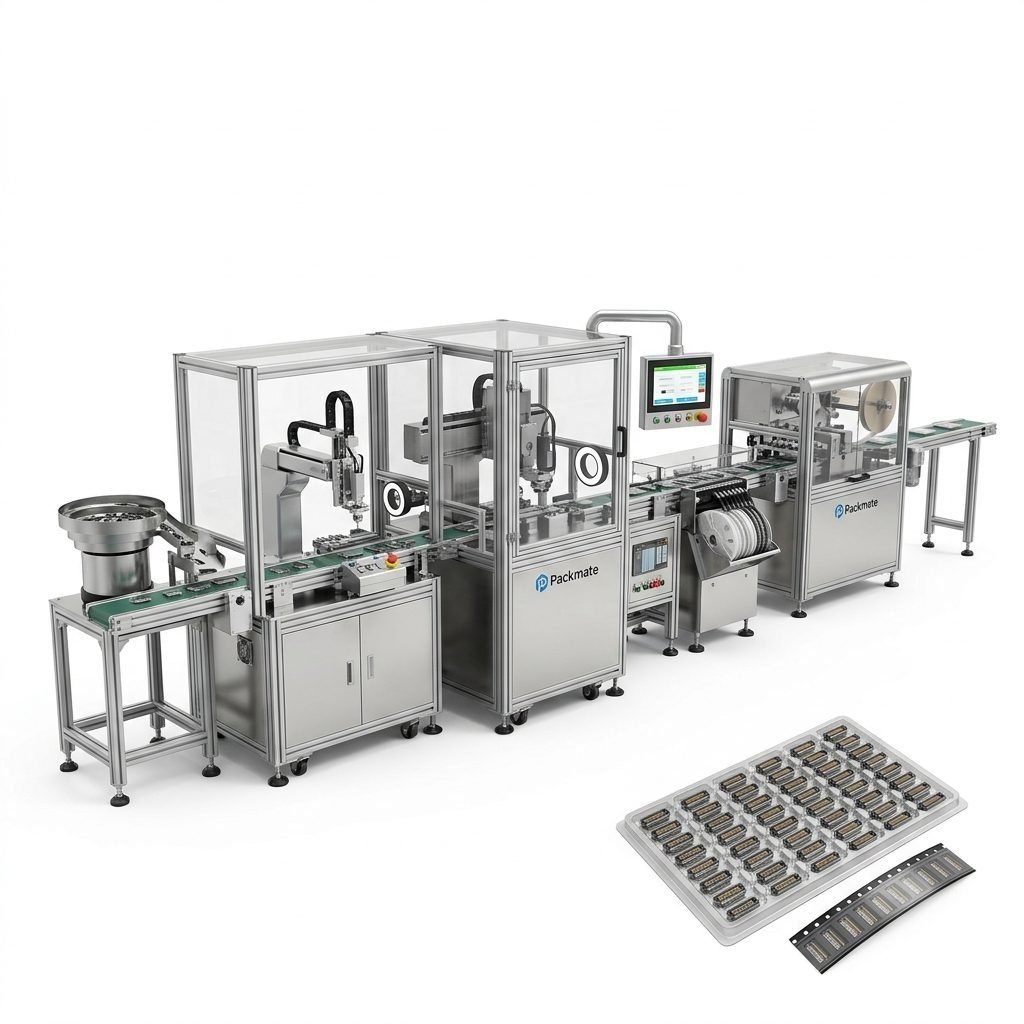
These are the workhorses for sterile medical device packaging. A TFFS machine heats a formable web (usually a plastic laminate) and uses a mold to create cavities. The device is placed into the cavity, a lidding material (often Tyvek) is applied, and the two webs are sealed together. They are ideal for high-volume production of trays for surgical kits, implants, and single-use devices.
Vertical Form-Fill-Seal (VFFS) Machines
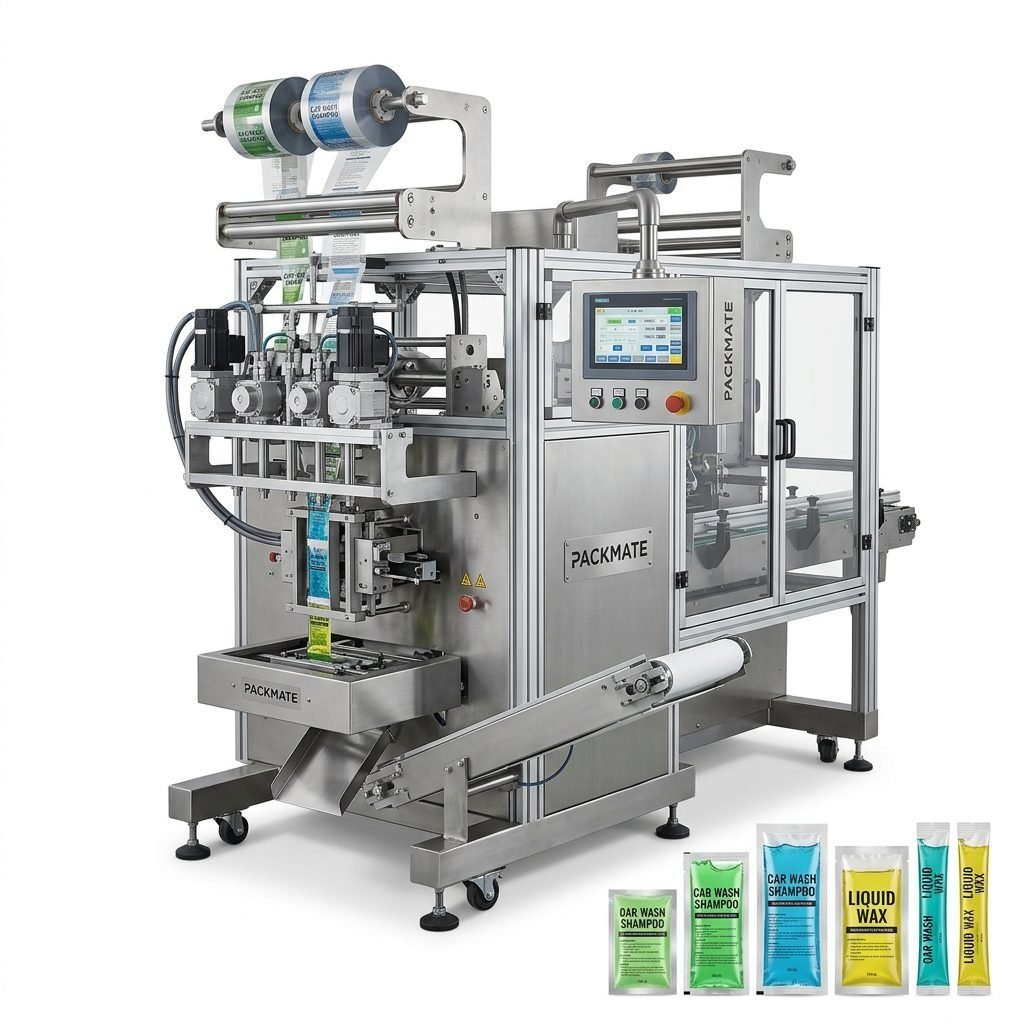
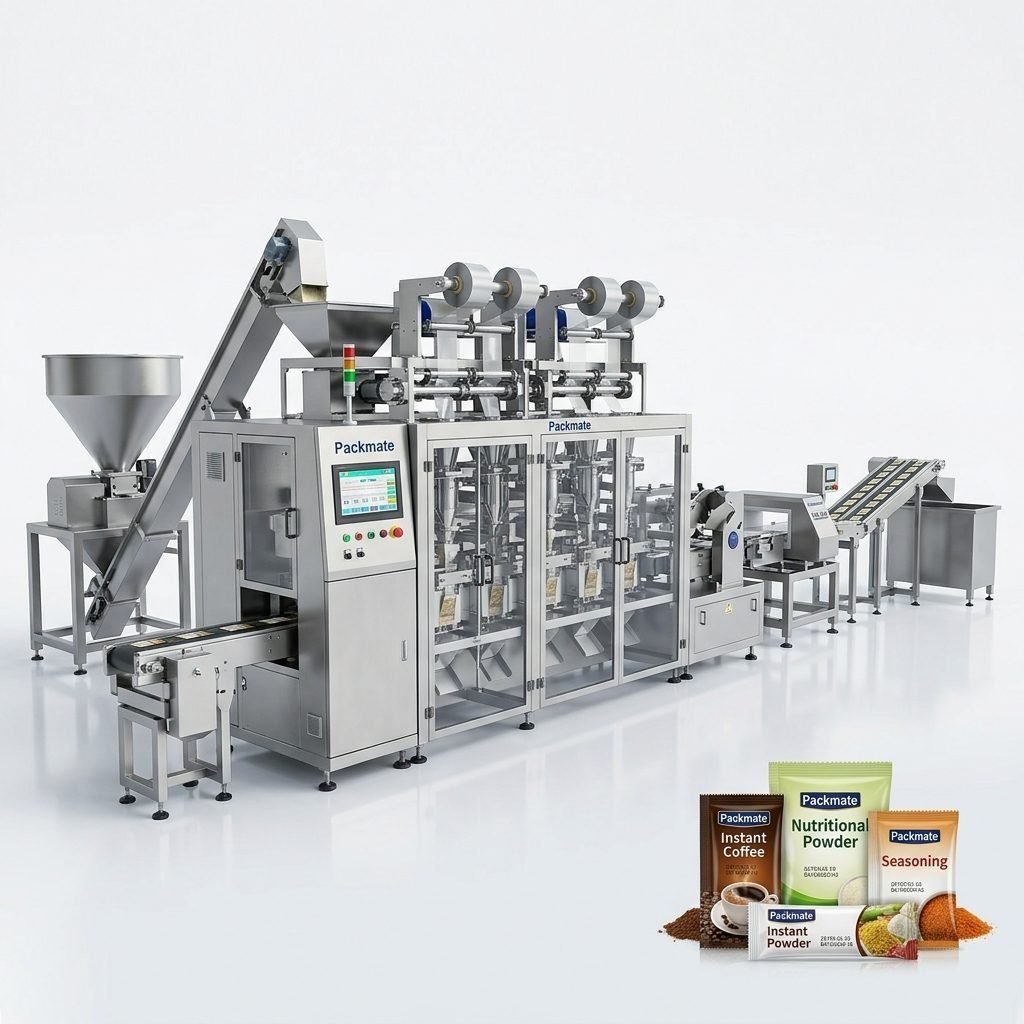
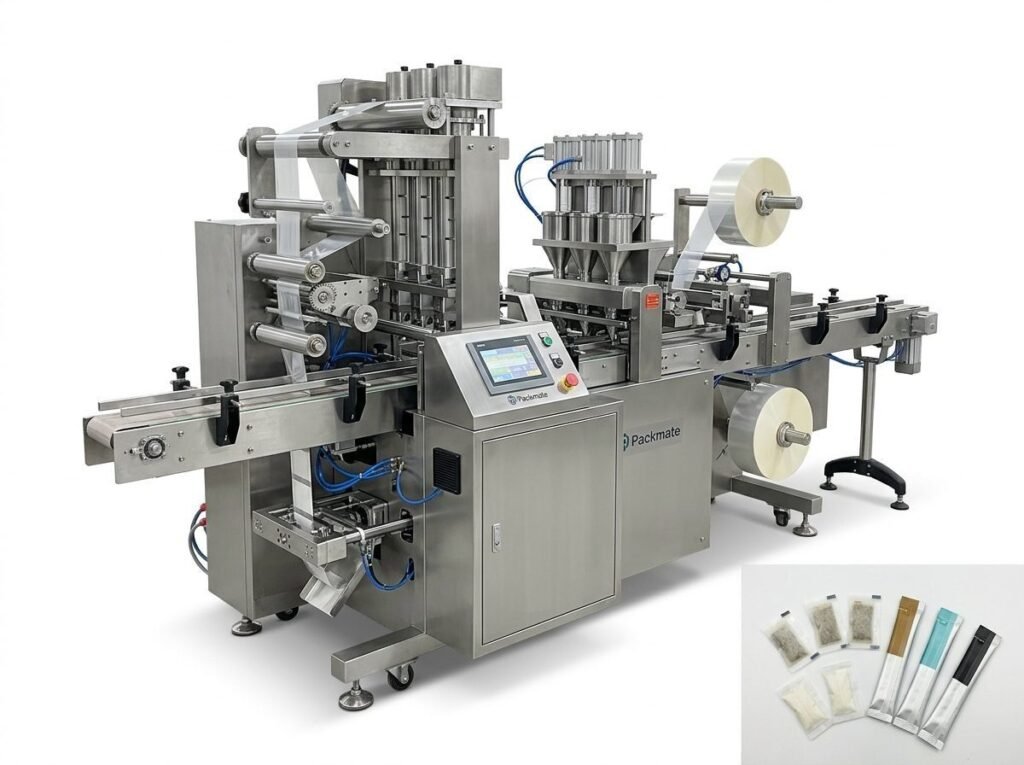
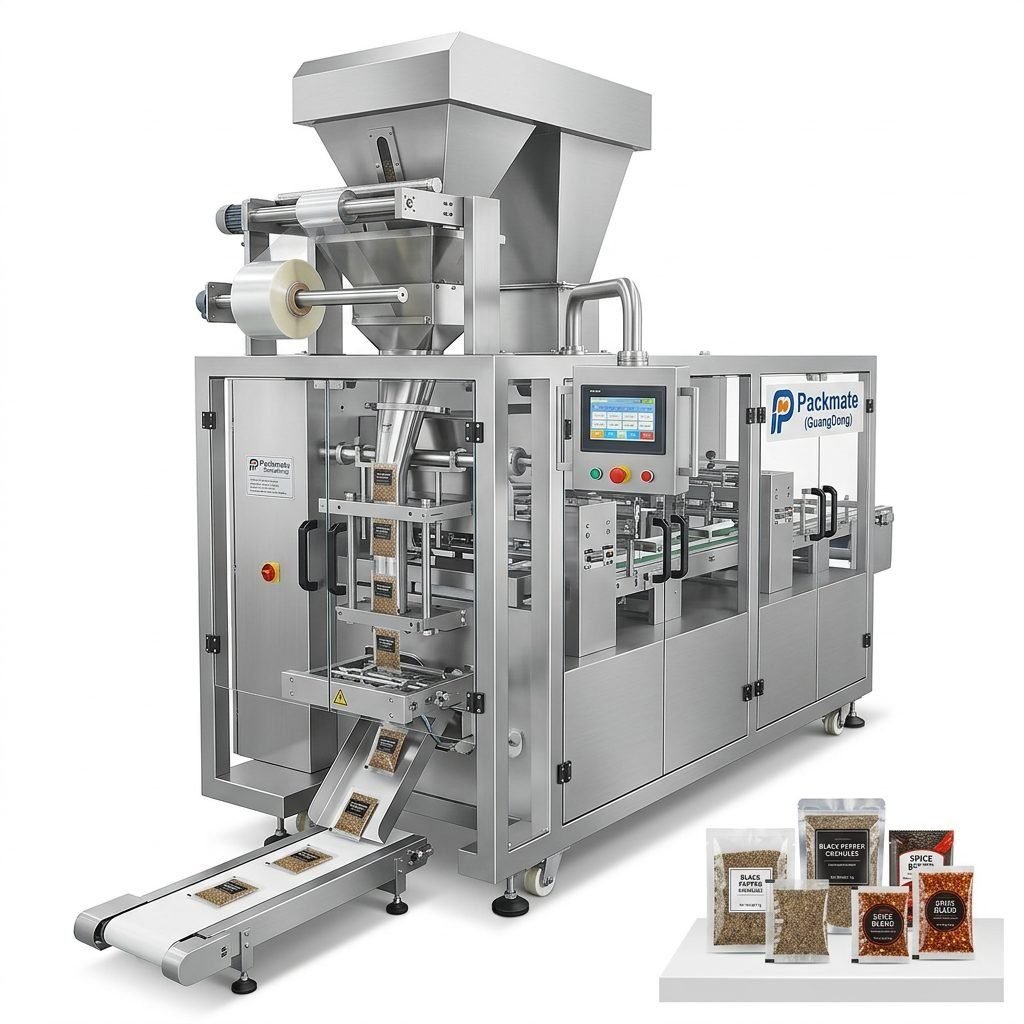
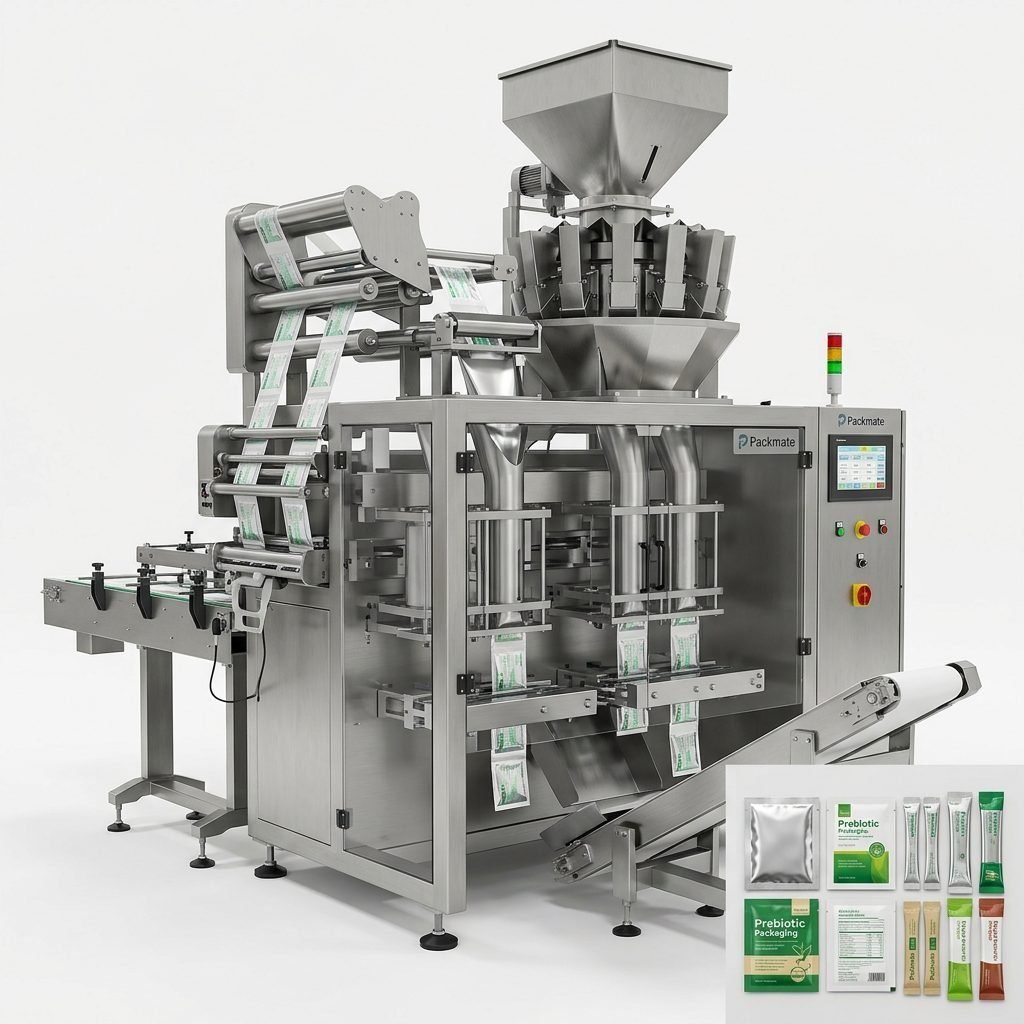
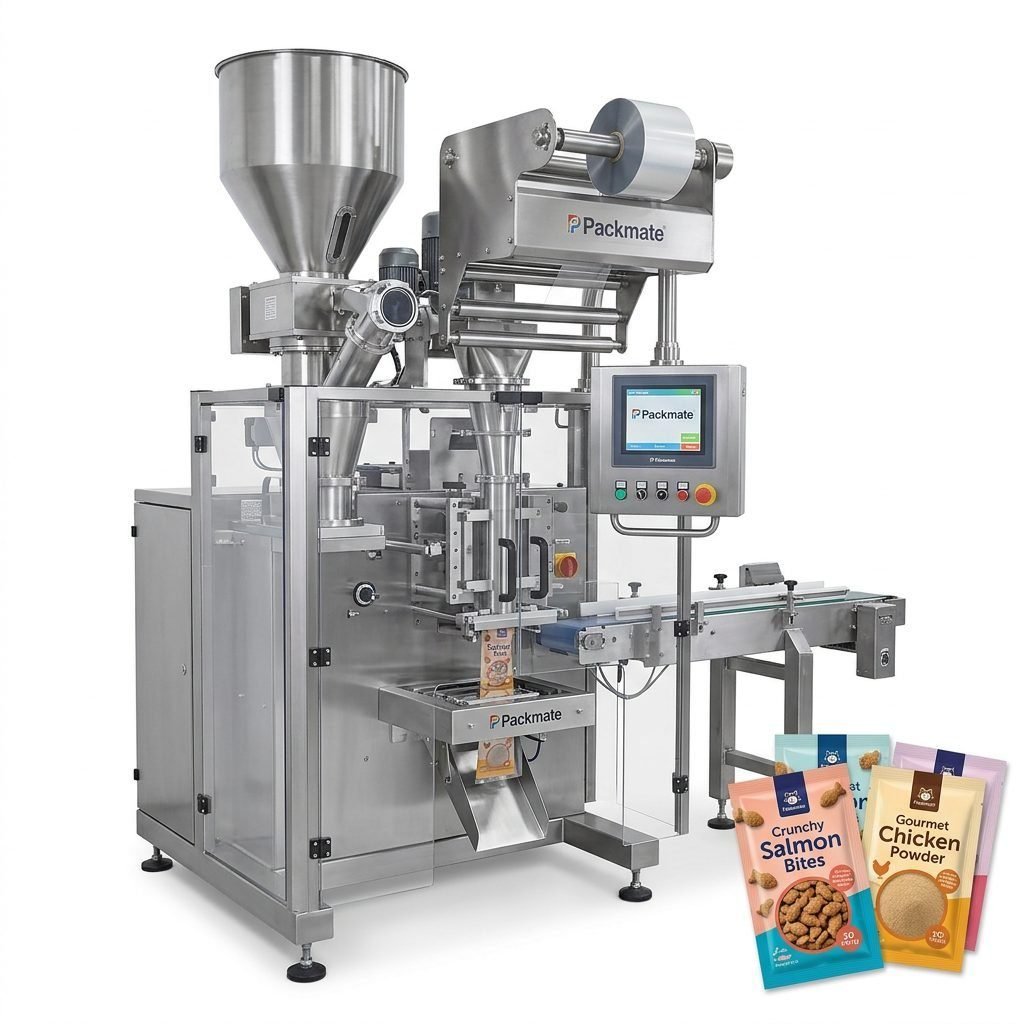
Commonly used for pouches and bags. The machine forms a tube from a roll of film, fills it with the product (which could be non-sterile components or devices destined for subsequent sterilization), and seals it vertically and horizontally. VFFS machines are versatile and can be used for items like wound dressings, gauze, and catheter kits. For high-speed, multi-lane applications, manufacturers like Packmate Machinery offer advanced solutions.
Horizontal Flow Wrappers
These machines wrap products in a single film, creating a fin-seal or overlap seal. They are often used for secondary packaging of multiple individually packaged devices or for non-sterile, consumer-facing packaging of items like thermometers or braces.
Blister Packaging Machines
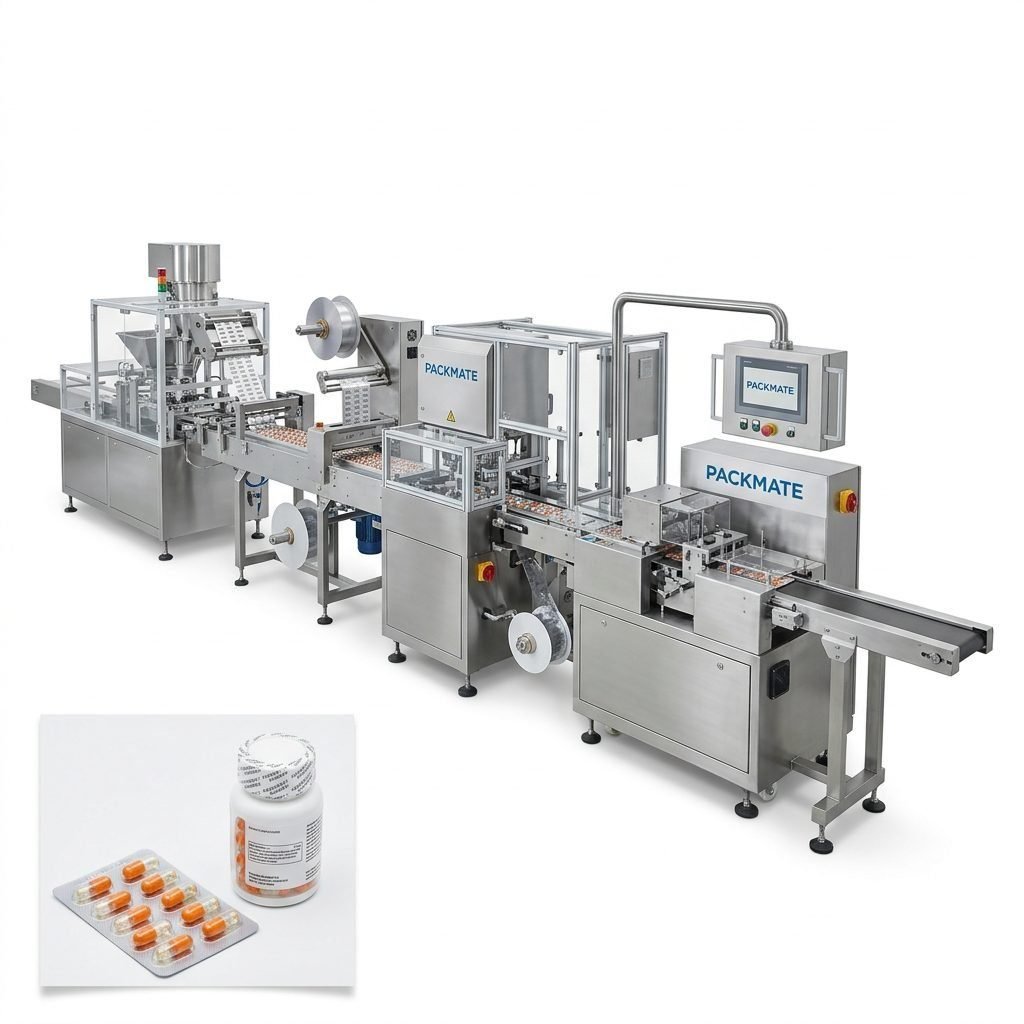
Similar to pharmaceutical packaging, these create a clear plastic blister cavity sealed to a card backing. They are excellent for retail display of smaller medical devices, offering product visibility and good barrier properties.
Choosing the Right Type: Your choice depends on the device’s sterility needs (pre-sterilized vs. sterilized-in-package), the required package format (tray, pouch, blister), your production speed, and the packaging material specifications.
Critical Uses and Applications by Sector
Different medical sectors have distinct packaging needs driven by the nature of the device and its use environment.
Implants & Orthopedics: Require rigid, protective trays (from TFFS machines) that prevent damage to sensitive components like knee or hip implants. The packaging must withstand rigorous sterilization cycles like gamma or ETO.
Surgical Instruments & Kits: Often packaged in large, custom-formed trays that hold multiple instruments in a specific layout. TFFS machines with precise forming capabilities are essential here.
Diagnostic & Single-Use Devices: Items like test kits, catheters, and syringes are frequently packaged in pouches (VFFS) or blisters. Speed and seal integrity are paramount due to high-volume production.
Wound Care & Consumables: Pouches for dressings, gauze, and tapes are standard. Machines need to handle a variety of material types and ensure easy, aseptic opening by healthcare professionals.
Essential Buying Tips for Your Investment
Purchasing a medical device packaging machine is a significant capital expenditure. Here are key factors to evaluate.
1. Compliance and Validation Support
The machine must be designed to meet GMP (Good Manufacturing Practice) standards and facilitate validation (IQ/OQ/PQ). Choose a supplier with a deep understanding of medical industry regulations and who provides comprehensive documentation and support for the validation process. Reviewing a supplier’s certifications and qualifications is a good starting point.
2. Flexibility and Changeover Efficiency
Even if you currently package one product, future needs will change. Look for machines with quick-change features for mold sizes, film reels, and sealing jaws. Minimal changeover time maximizes uptime and productivity.
3. Machine Construction and Hygiene
Stainless steel or other cleanable, corrosion-resistant surfaces are non-negotiable for medical-grade equipment. The design should prevent particle generation and allow for easy cleaning and maintenance to meet hygiene standards.
4. Integration and Automation Potential
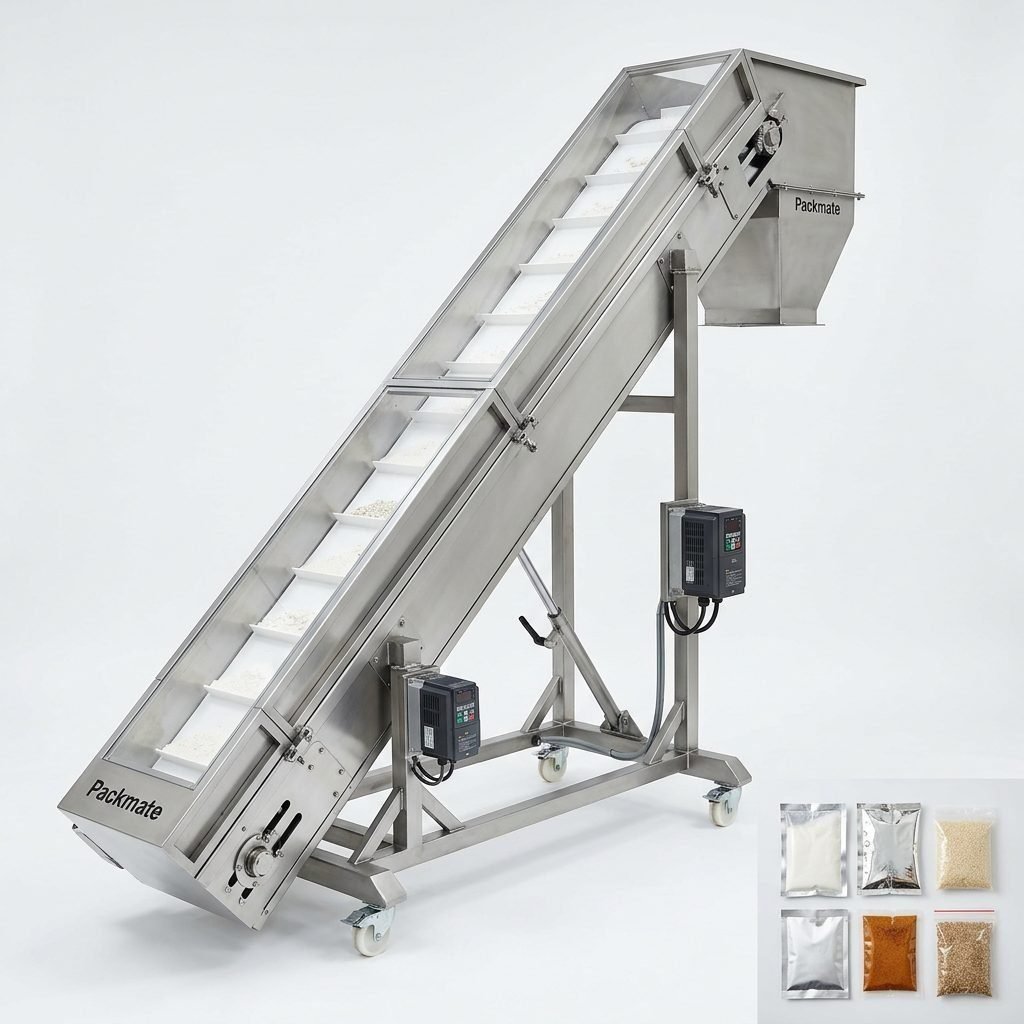
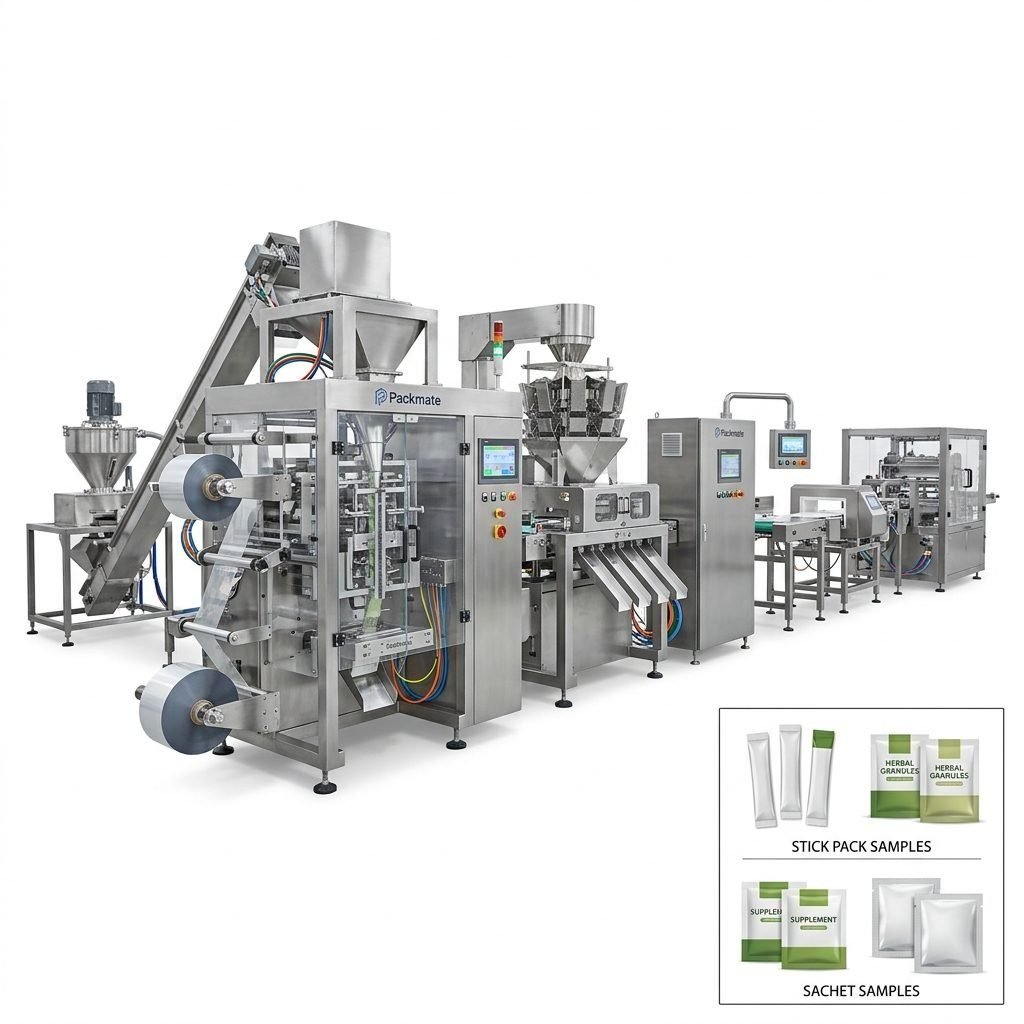
Consider how the machine will fit into your full production line. Does it integrate with upstream feeding systems and downstream labeling or cartoning equipment? Options for vision inspection systems, leak detection, and barcode verification are crucial for quality control. Explore complete packaging line solutions for a seamless workflow.
5. Supplier Reputation and Service
Partner with an established manufacturer known for reliability and robust after-sales service. Consider their spare parts availability, technical support response time, and training offerings. A company’s history, like that of Packmate Machinery with over two decades of development, can be a strong indicator of stability and expertise.
Pro Tip: Always request a product sample run using your actual packaging materials and a prototype device. This is the best way to test seal quality, machine compatibility, and overall performance before purchase.
Future Trends: Smart Packaging and Sustainability
The industry is evolving towards Industry 4.0. Modern machines offer IoT connectivity for real-time monitoring of OEE (Overall Equipment Effectiveness), predictive maintenance alerts, and data logging for traceability. Simultaneously, there is growing pressure to adopt sustainable materials. When buying, consider a machine’s ability to handle newer, recyclable or mono-material film structures without compromising seal performance.
Frequently Asked Questions (FAQs)
Q1: What is the most important feature in a medical device packaging machine?
A: Uncompromising seal integrity and consistency. The machine must produce a hermetic seal every time, validated to prevent microbial ingress and maintain the sterility assurance level (SAL).
Q2: Can one machine handle different package sizes and materials?
A: Yes, many machines are designed for flexibility. However, the degree of flexibility varies. Look for models with tool-less or quick-change features for forming molds, sealing jaws, and film guides to minimize downtime during product changeovers.
Q3: How critical is after-sales service and technical support?
A: Extremely critical. Medical device production lines cannot afford prolonged downtime. Ensure your supplier offers readily available spare parts, responsive technical support (potentially 24/7), and comprehensive operator and maintenance training. Check their service commitments in detail.
Q4: What regulatory standards should the machine comply with?
A: At a minimum, machinery should meet relevant safety standards (e.g., CE, UL). More importantly, its design and construction must support your compliance with medical device packaging standards like ISO 11607 and regional regulations from the FDA (USA), MHRA (UK), or other governing bodies.
Q5: Is it better to buy a standalone machine or a complete integrated line?
A: It depends on your scale and operational maturity. A standalone machine is suitable for startups or specific, isolated packaging steps. For high-volume, end-to-end production, an integrated turnkey line from a single supplier often provides better synchronization, higher overall efficiency, and simpler accountability.